Introduction
This article is part of a series of articles that examines some of the artwork from VOLTRON: DEFENDER OF THE UNIVERSE and the anime programs from which it was adapted.
This article examines the “Near Universe” vehicles of Galaxy Garrison from the Vehicle Team episodes of VOLTRON: DEFENDER OF THE UNIVERSE. These episodes were adapted from the anime program ARMORED FLEET DAIRUGGER XV (DXV), and VOLTRON‘s “Near Universe” elements of Galaxy Garrison were adapted from DAIRUGGER‘s Galaxy Garrison.
This article examines the more obscure “Near Universe” Galaxy Garrison vehicles. One or more future articles will examine the most prominently featured “Near Universe” Galaxy Garrison vehicles, which are listed below.
- From the Voltron Vehicle Team:
- The five Air Team vehicles,
- The five Sea Team vehicles, and
- The five Land Team vehicles; and
- The Stellar Ship Explorer.
While researching for this article, I examined all 52 Vehicle Team episodes of VOLTRON, and I discovered 68 vehicle types that are clearly associated with Galaxy Garrison of the Near Universe.
Vehicle Type Identifiers
Neither VOLTRON nor DAIRUGGER established formal names for Galaxy Garrison vehicle types. To facilitate examination of these vehicle types, I defined a unique identifier for each type. The identifiers follow the format:
{Authority Code}-{Category Code}-{Number}
where:
- {Authority Code} identifies the operating authority for vehicles of that type. For each type that is associated with VOLTRON’s Galaxy Garrison of the Near Universe, the Authority Code is “GGN” (for Galaxy Garrison – Near Universe).
- {Category Code} identifies the category of the vehicle type. Category codes are defined in the table below.
- {Number} is a natural number.
| Category Code | Category | Description |
|---|---|---|
| MIL-SCAP-A | Military – Spacecraft – Capital Ship – Large | Military capital spacecraft of this category are often used by high-ranking command officers. |
| MIL-SCAP-B | Military – Spacecraft – Capital Ship – Medium | Military capital spacecraft of this category are generally smaller than MIL-SCAP-A ships and larger than MIL-SCAP-C ships. |
| MIL-SCAP-C | Military – Spacecraft – Capital Ship – Small | Military capital spacecraft of this category are generally smaller than MIL-SCAP-B ships. |
| MIL-SCAP-D | Military – Spacecraft – Capital Ship – Other | Military capital spacecraft of this category are seen only partially. |
| MIL-FTR | Military – Fighter | Military vehicles of this category are small, flying fighter craft. |
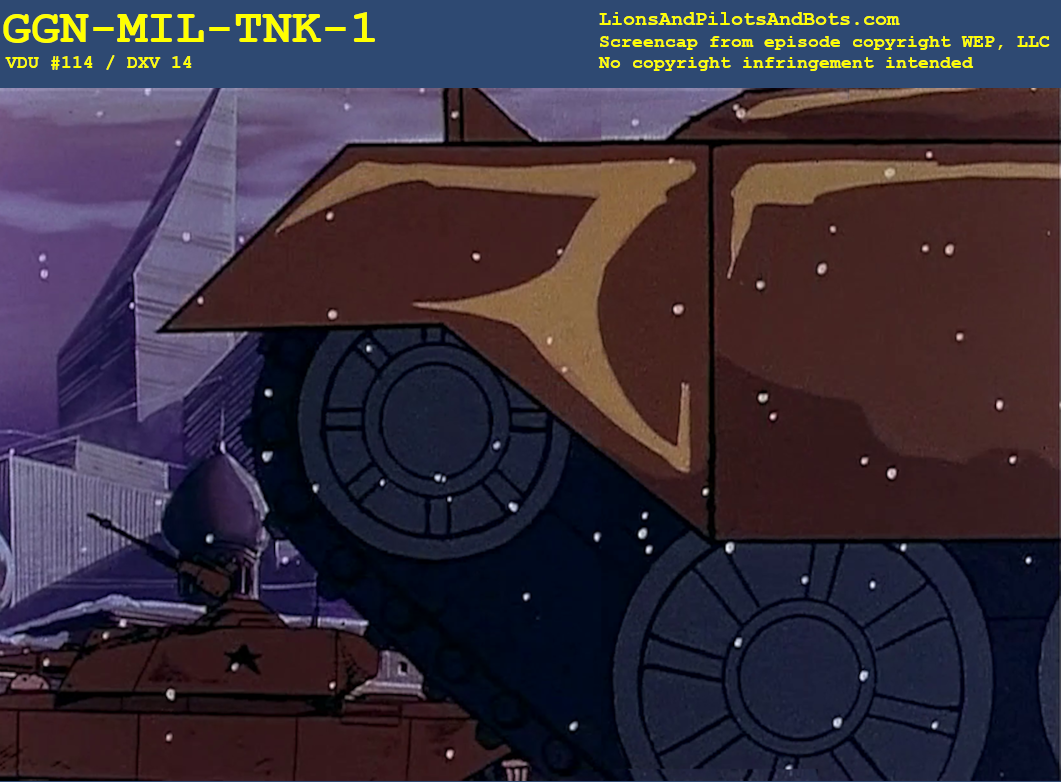
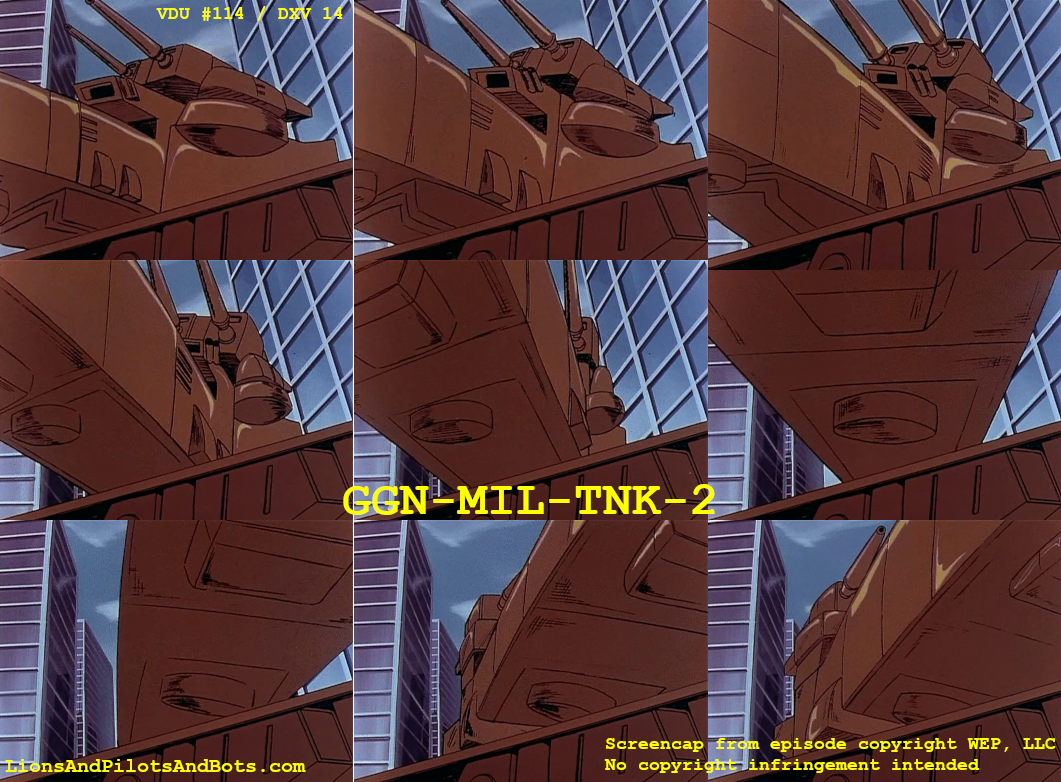
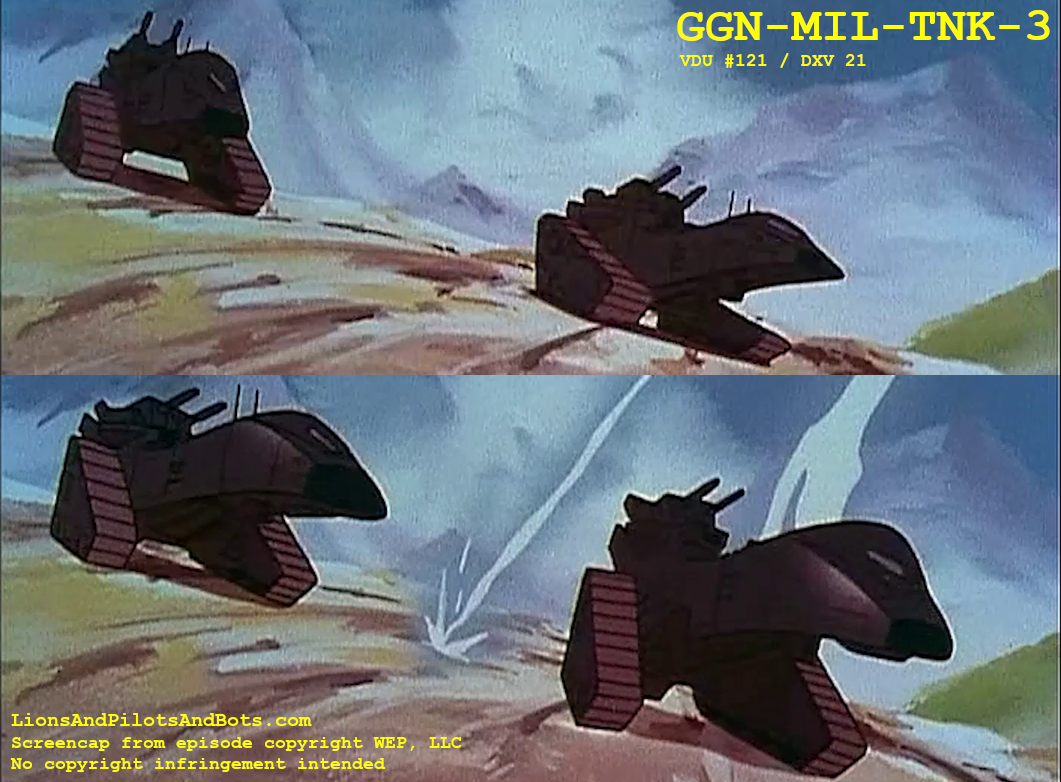
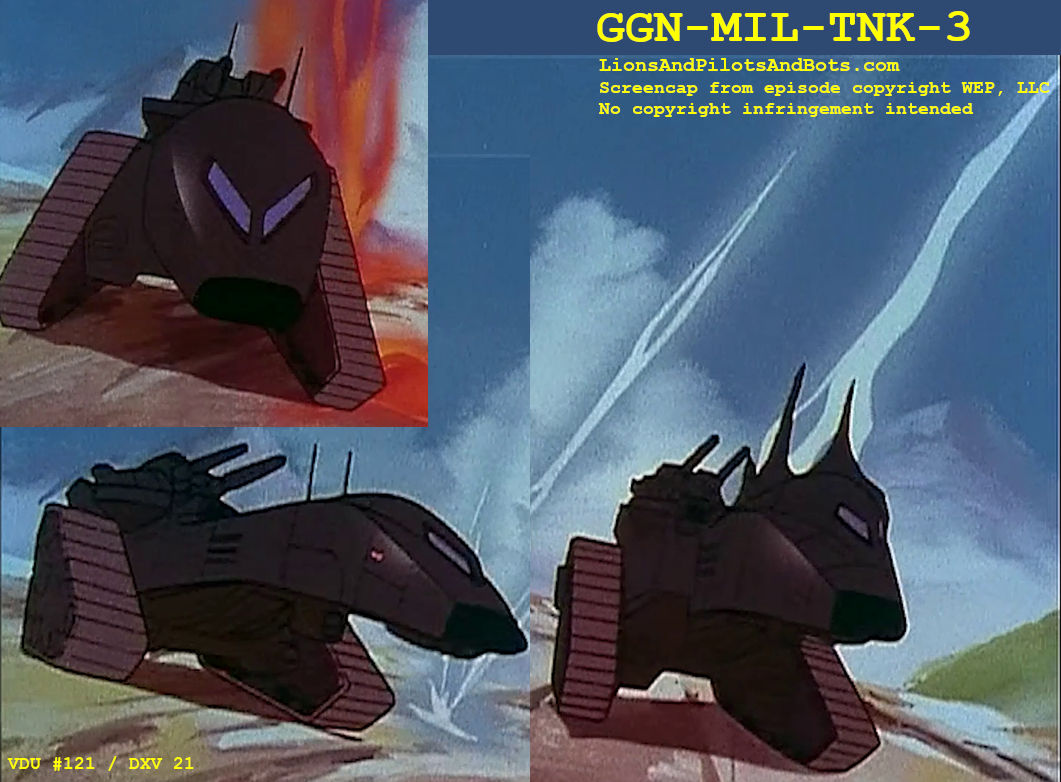
| MIL-TNK | Military – Tank | Military ground tanks. |
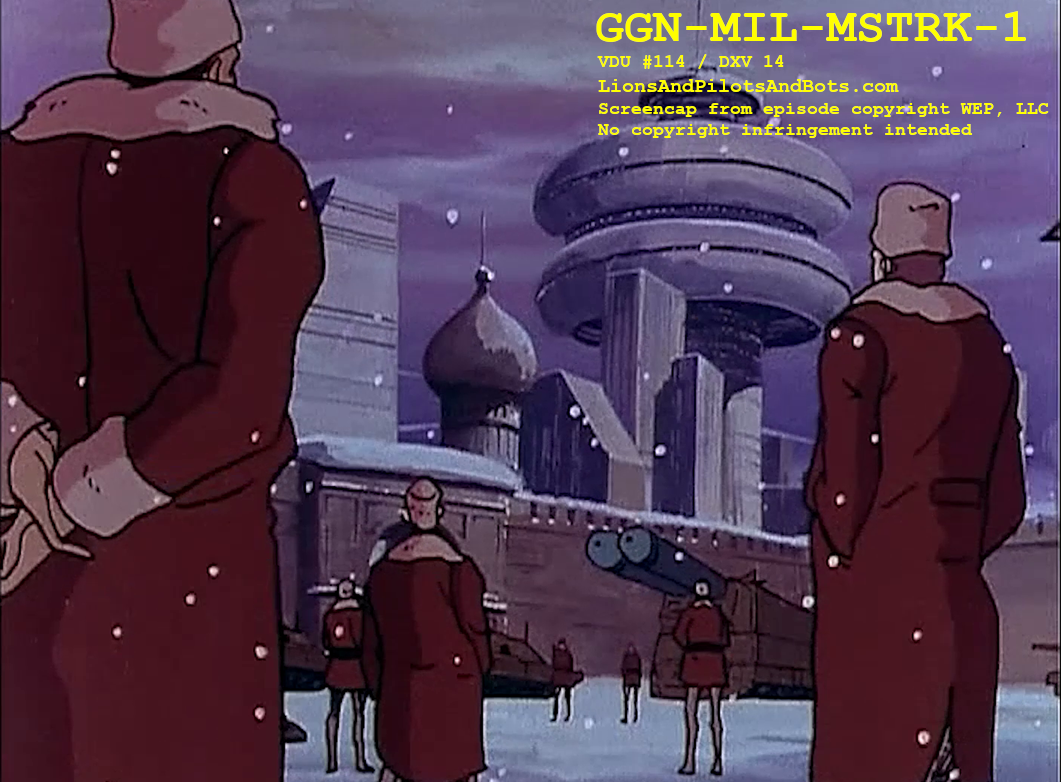
| MIL-MSTRK | Military – Missile Truck | Military ground missile tanks. |
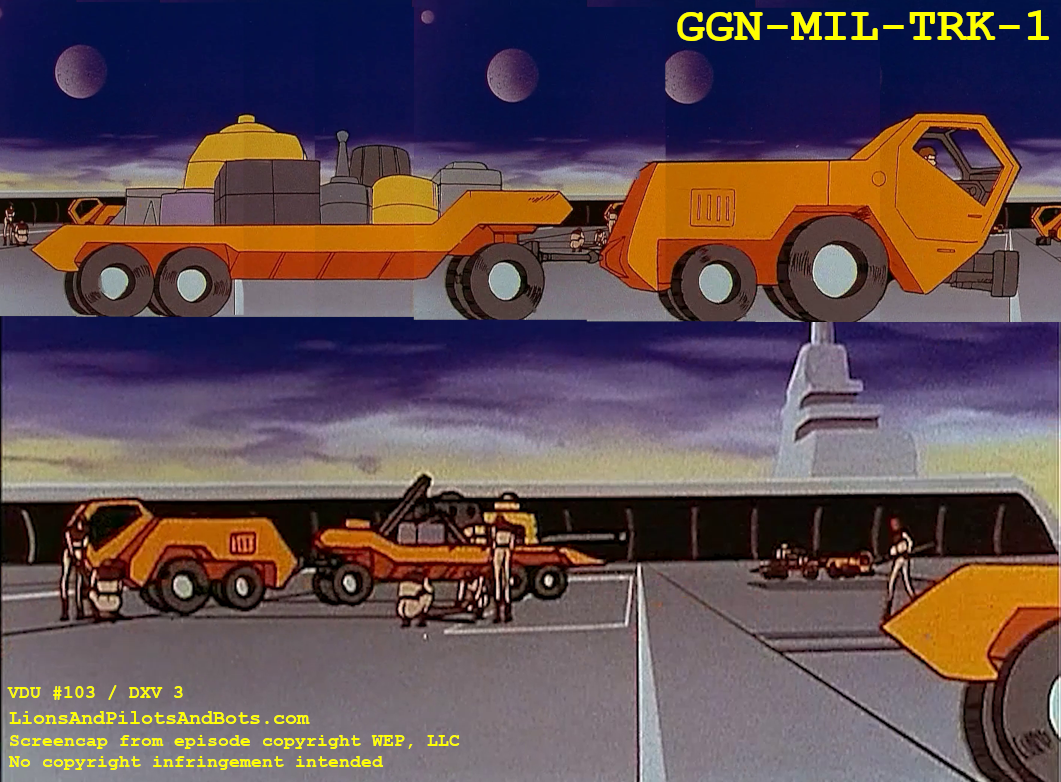
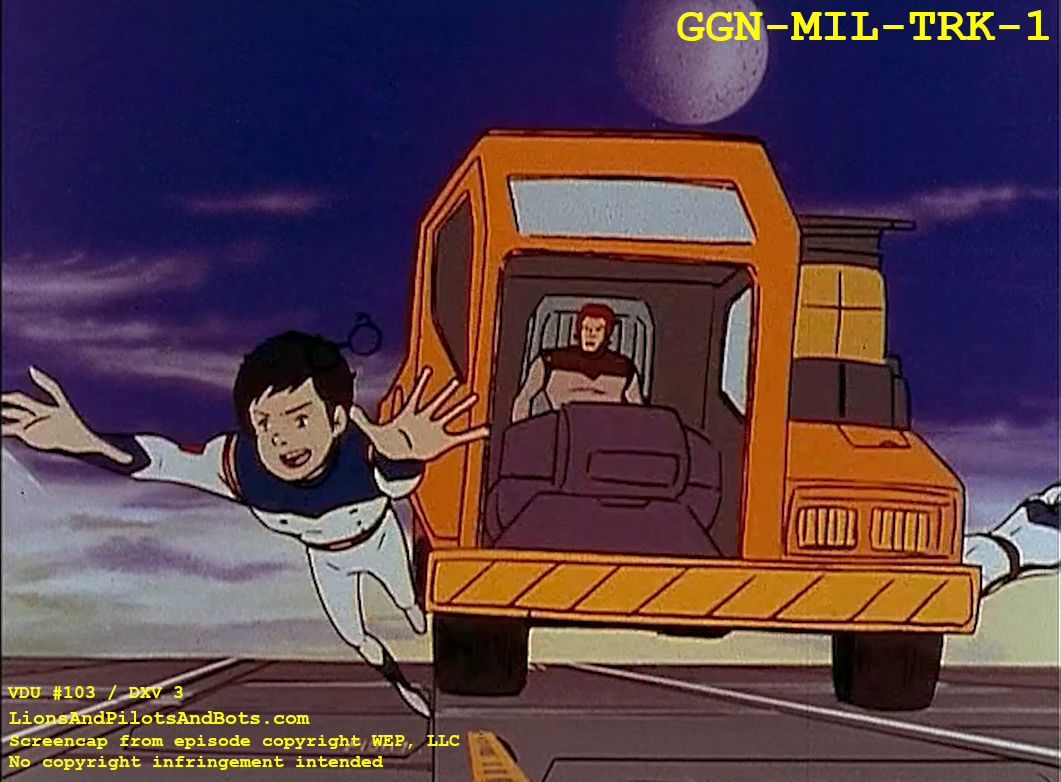
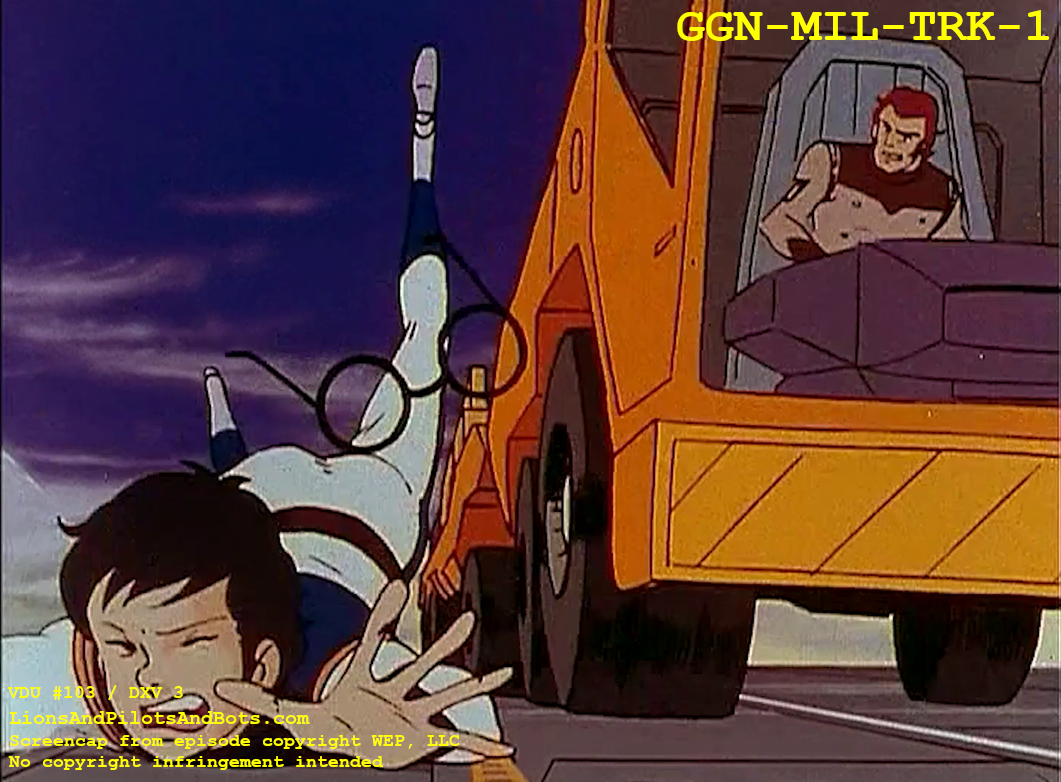
| MIL-TRK | Military – Truck | Military trucks. |
| MIL-SHL | Military – Shuttle | Military, flying, small space shuttles. |
| MIL-CPT | Military – Helicopter | Military helicopters. |
| MIL-HCAR | Military – Hover Car | Military hover cars. |
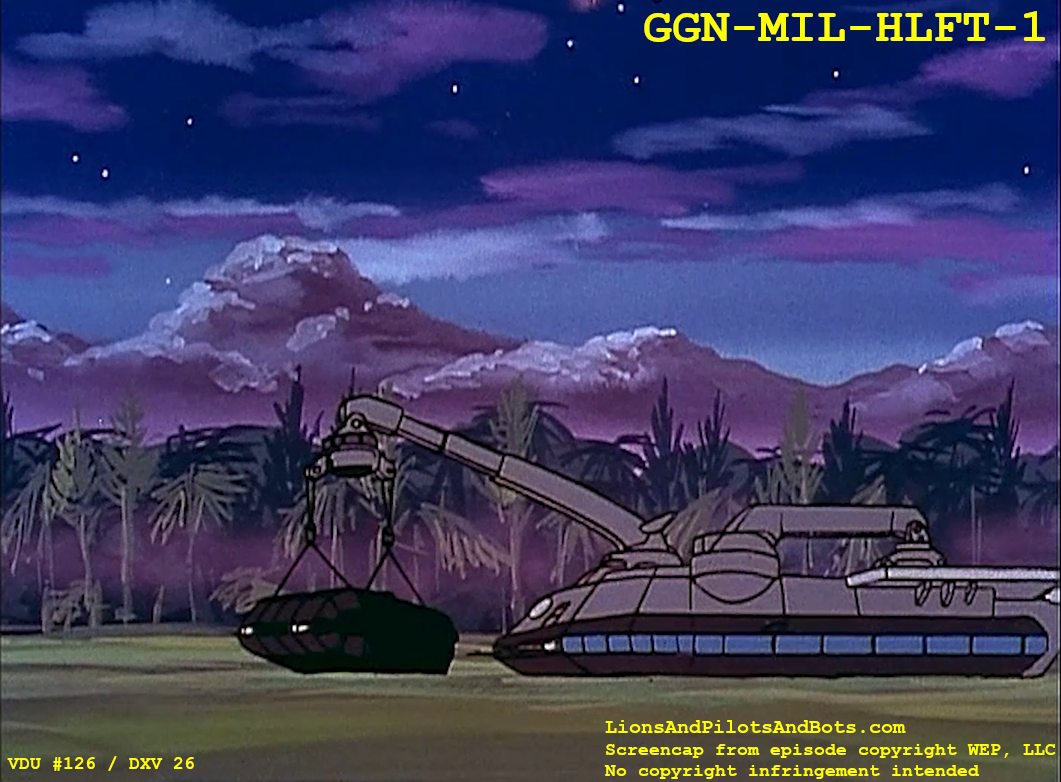
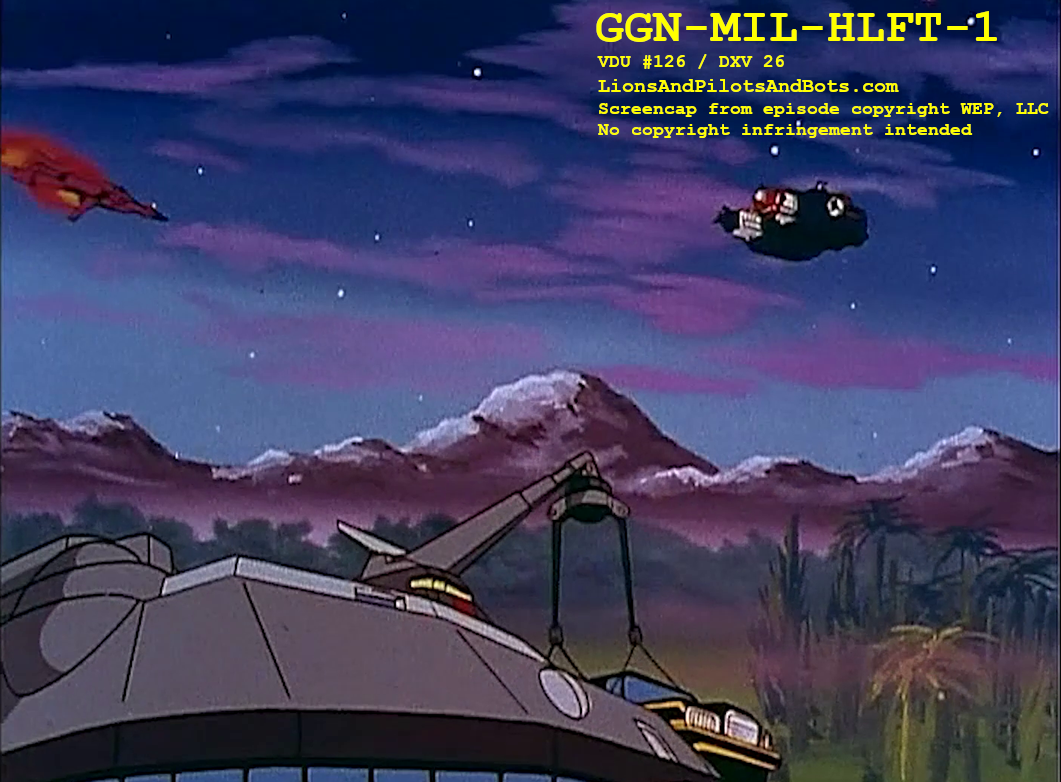
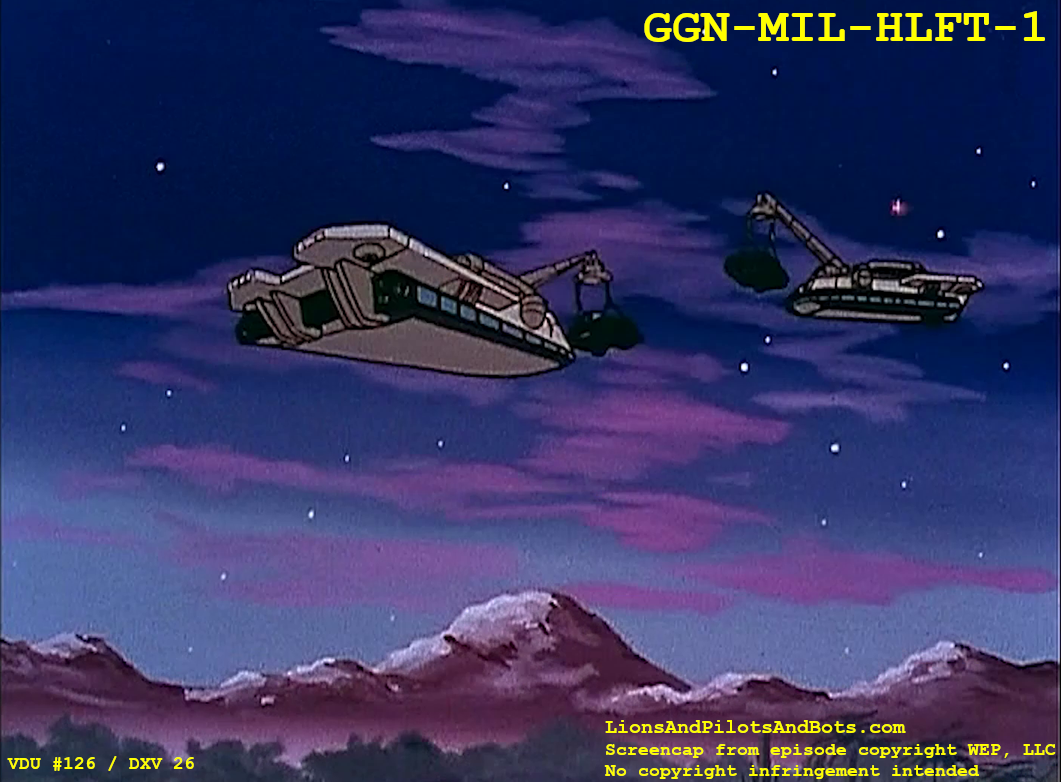
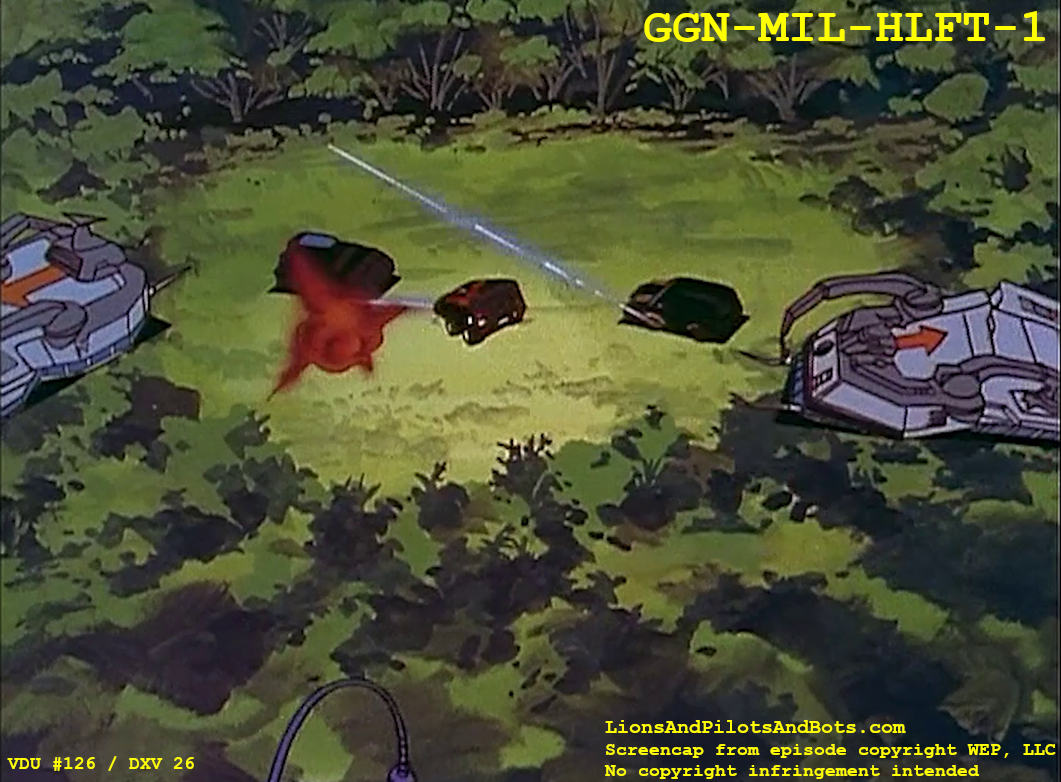
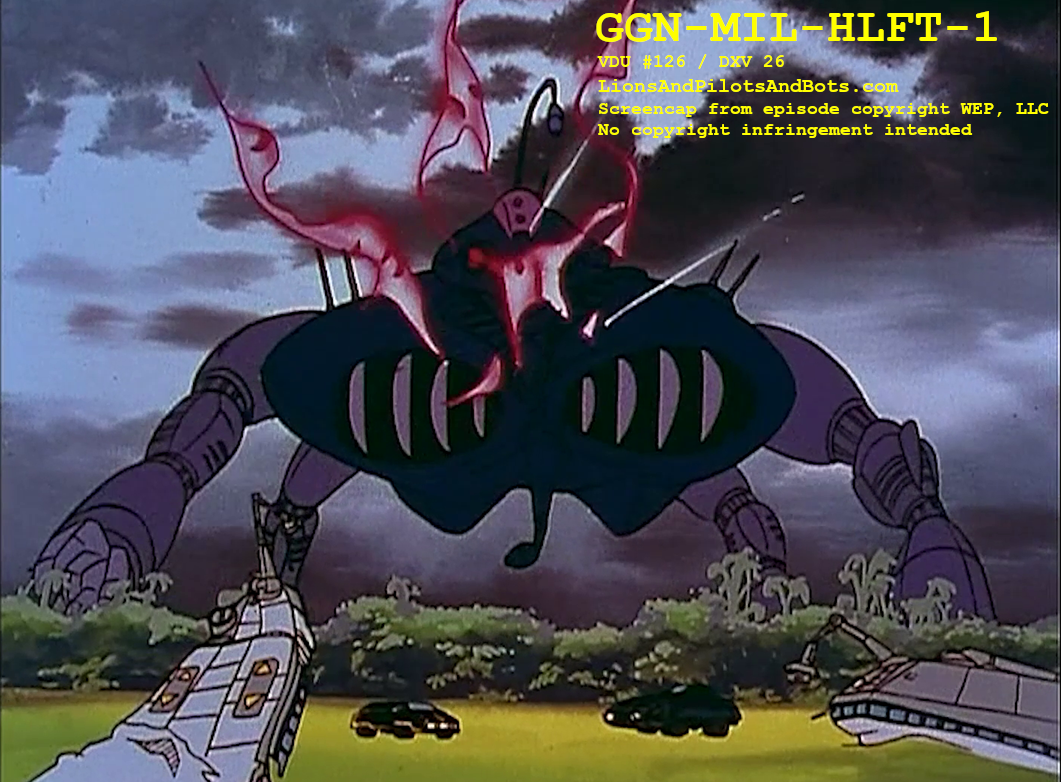
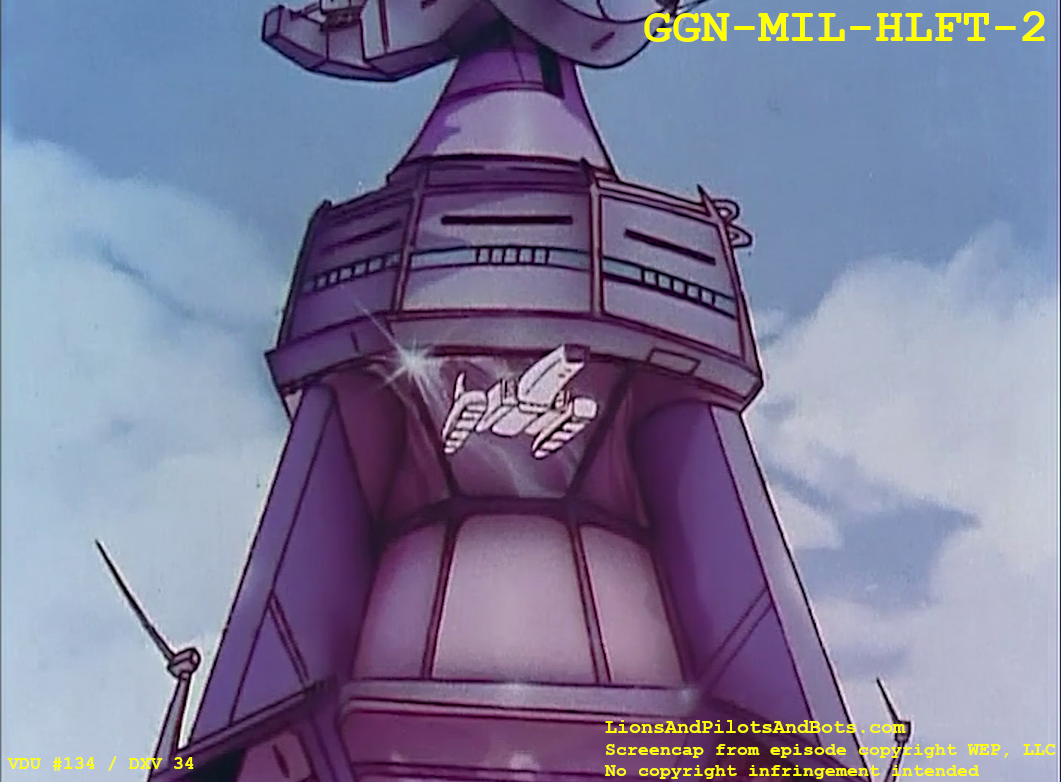
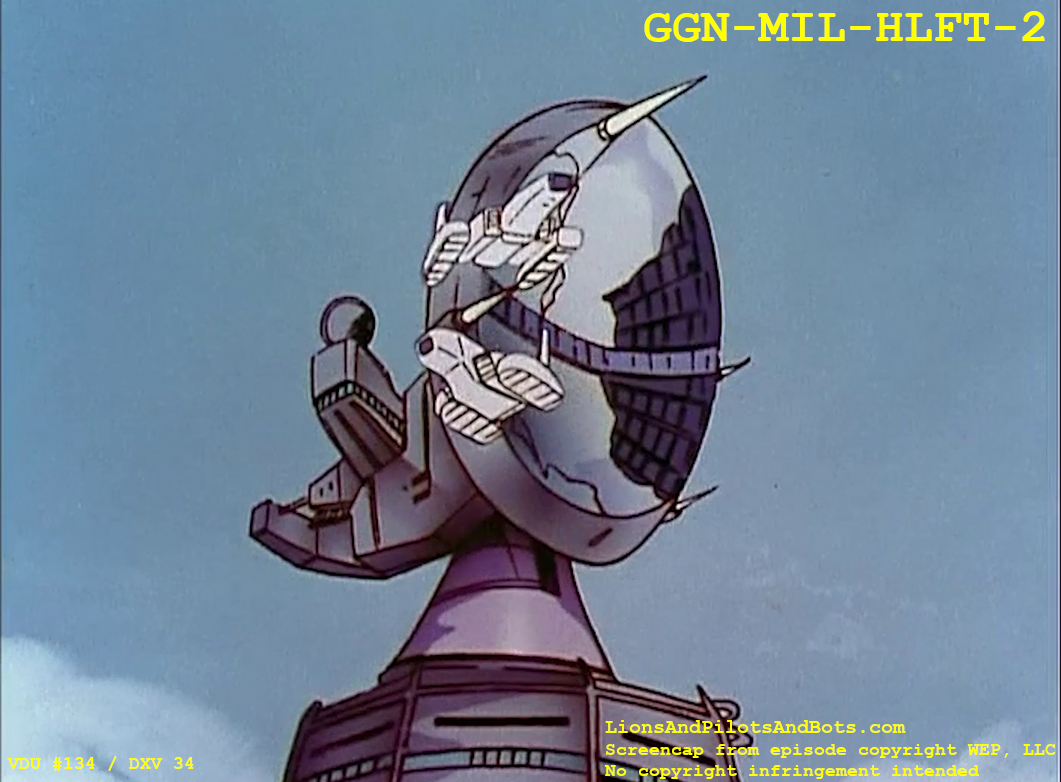
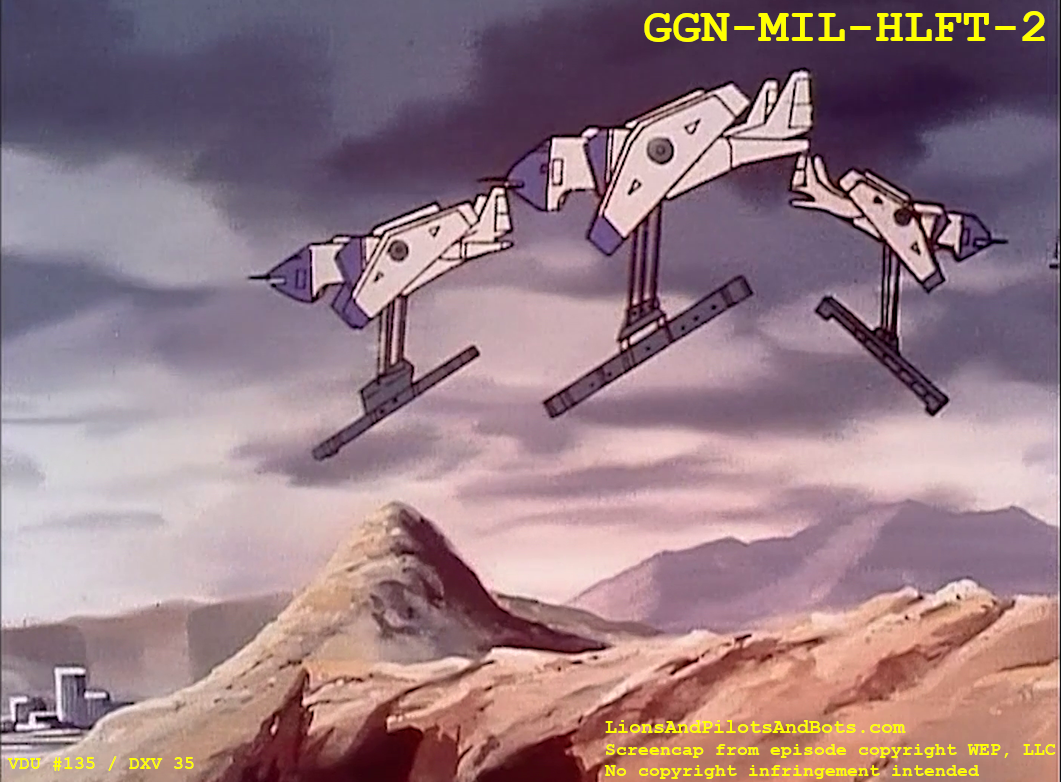
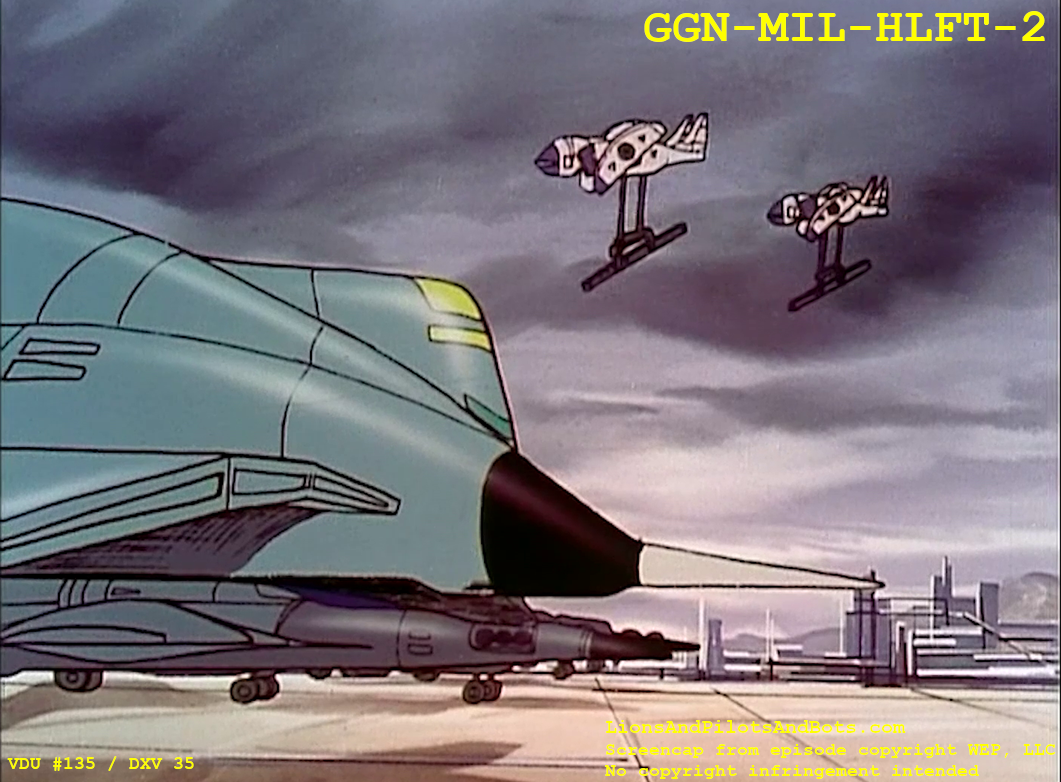
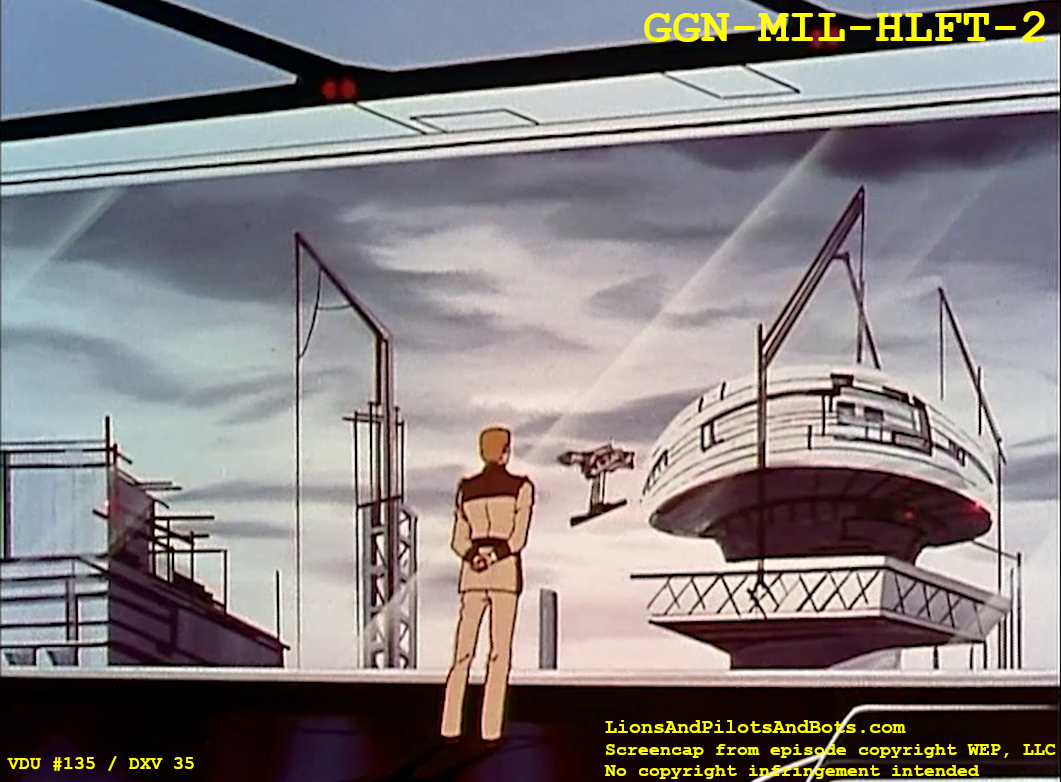
| MIL-HLFT | Military – Hover Lift | Military hover lift craft. |
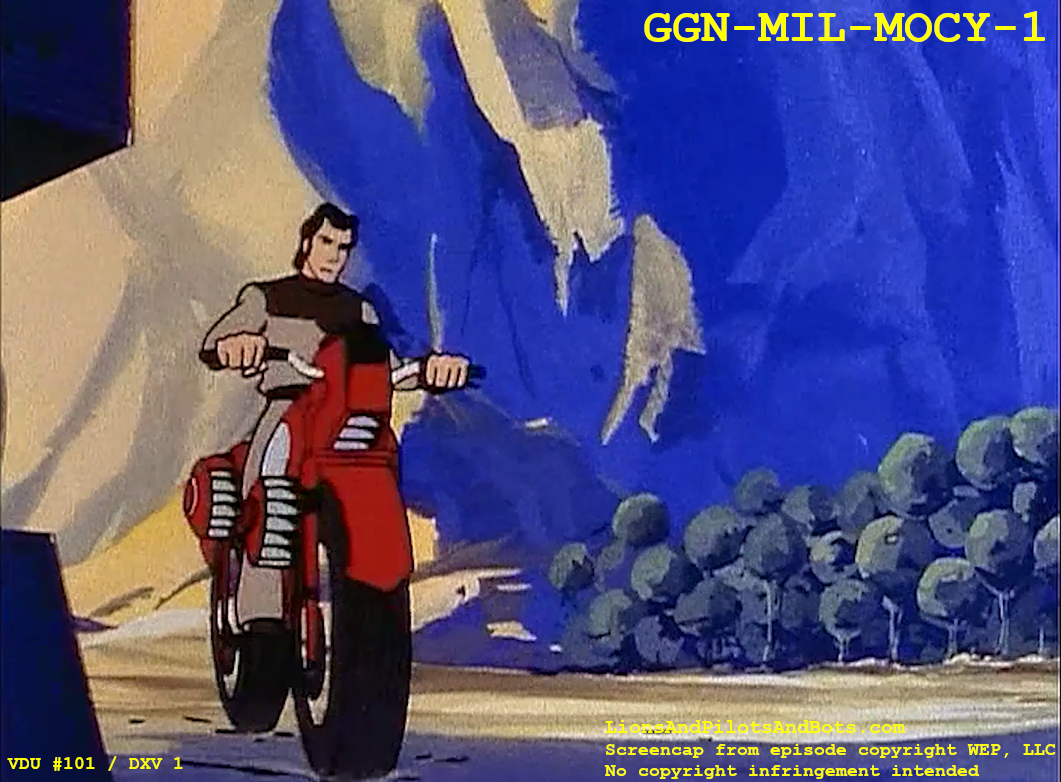
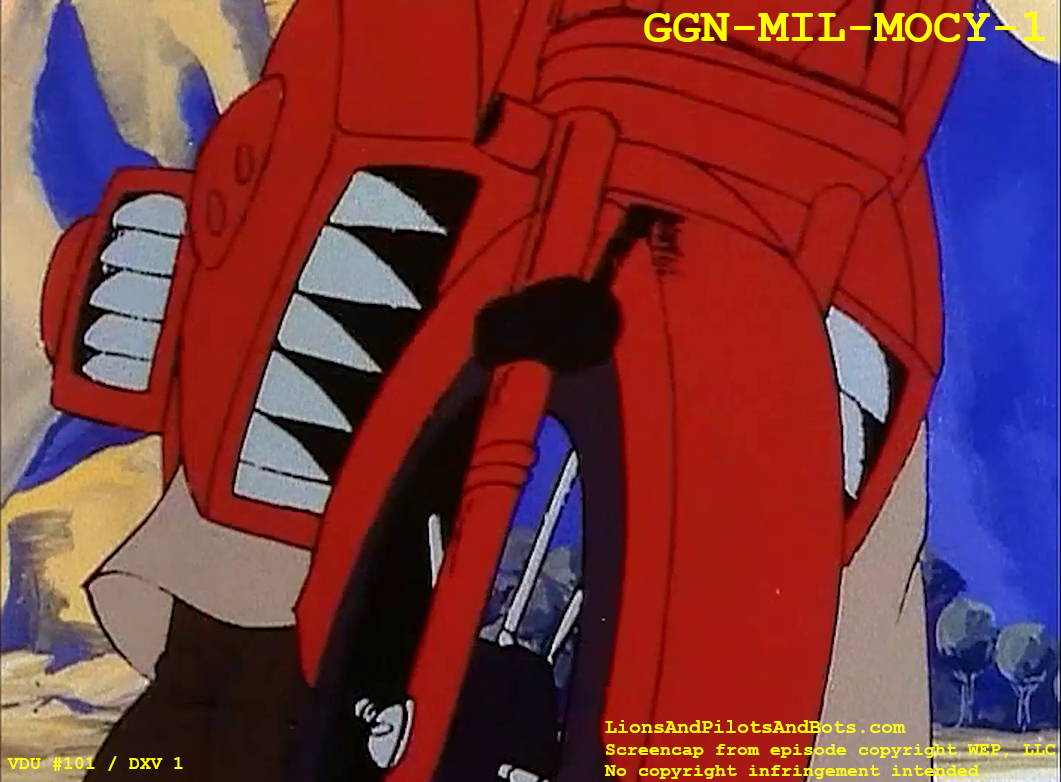
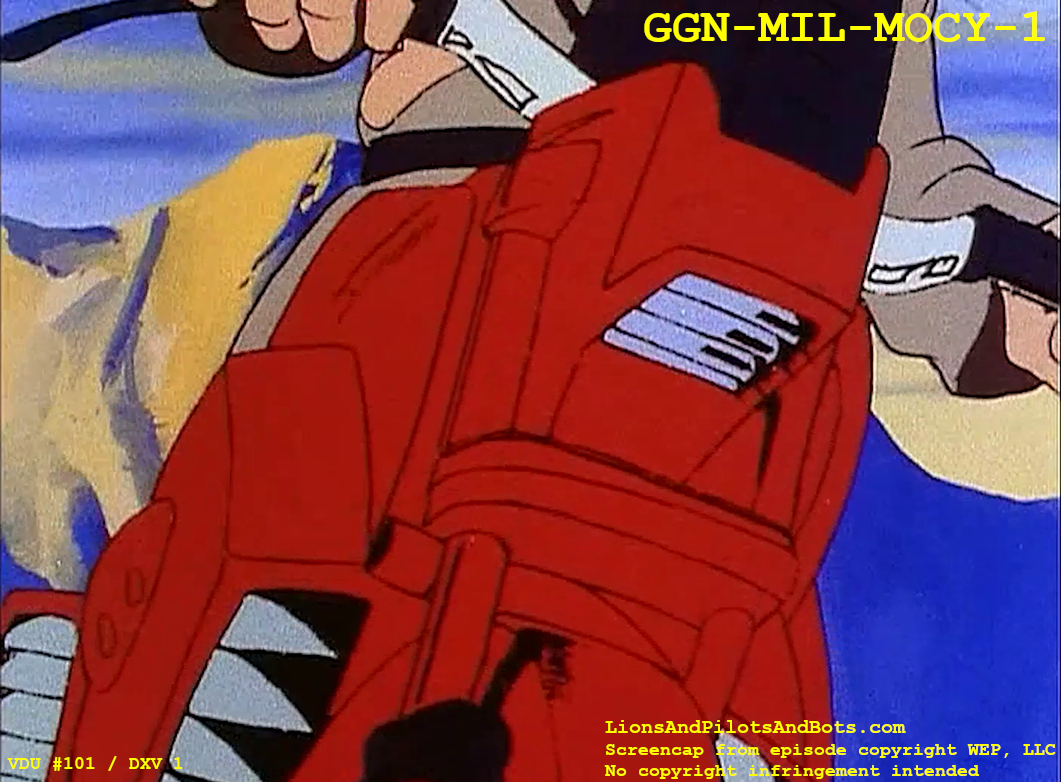
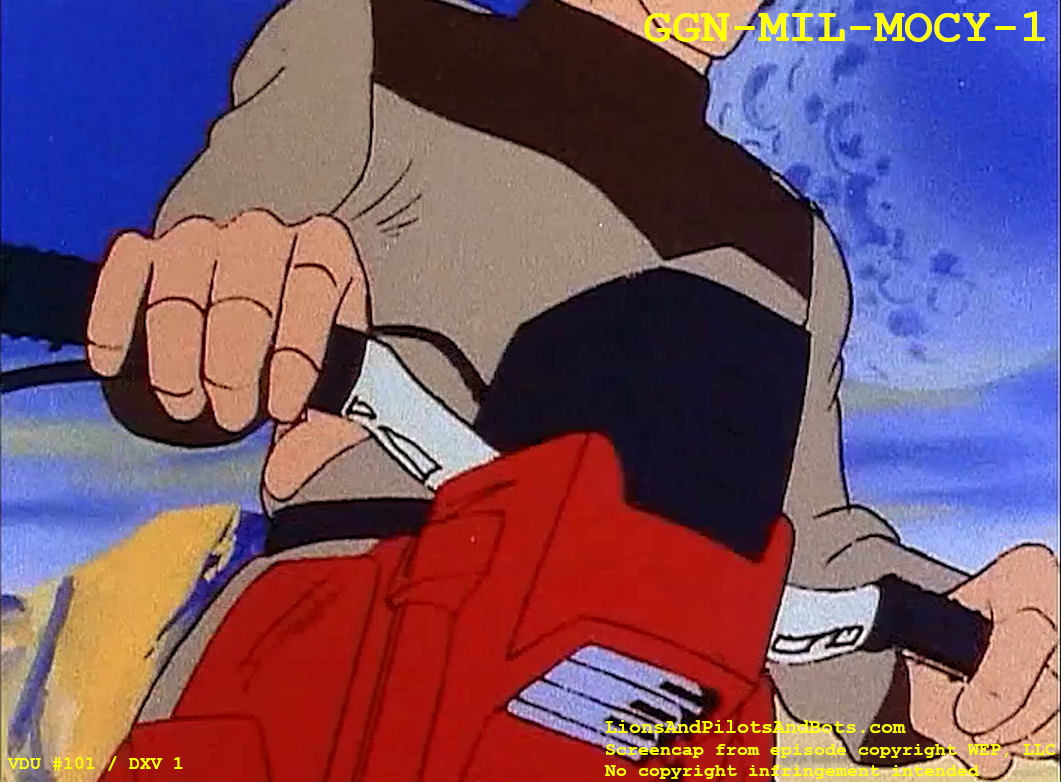
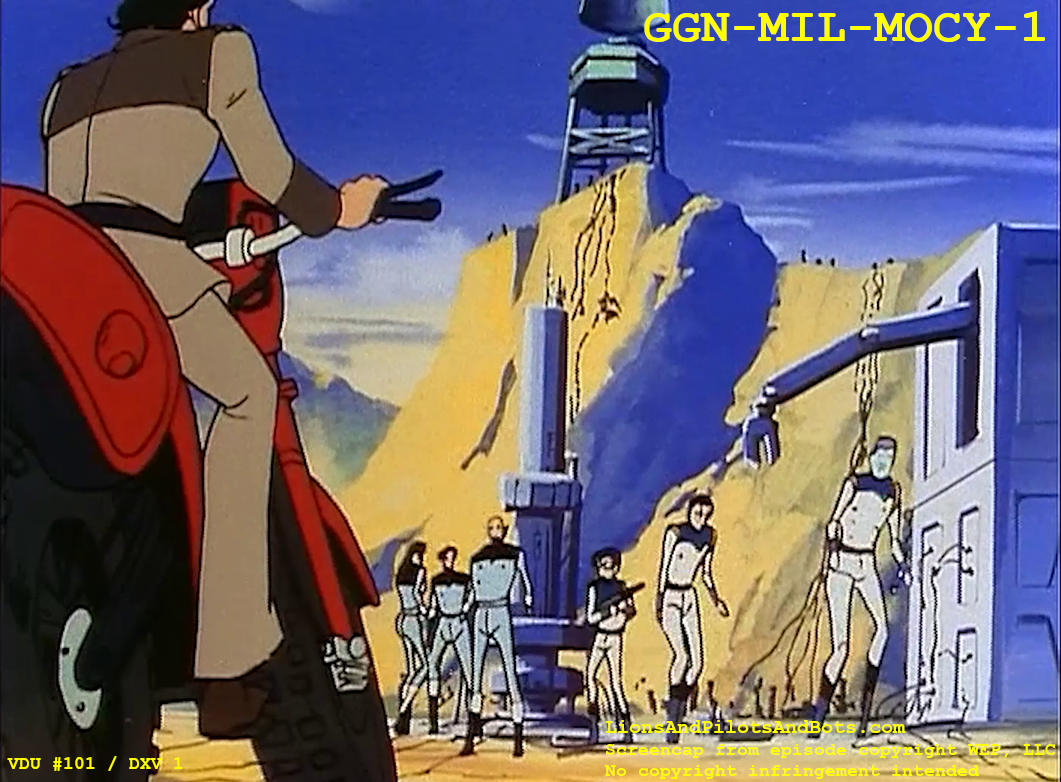
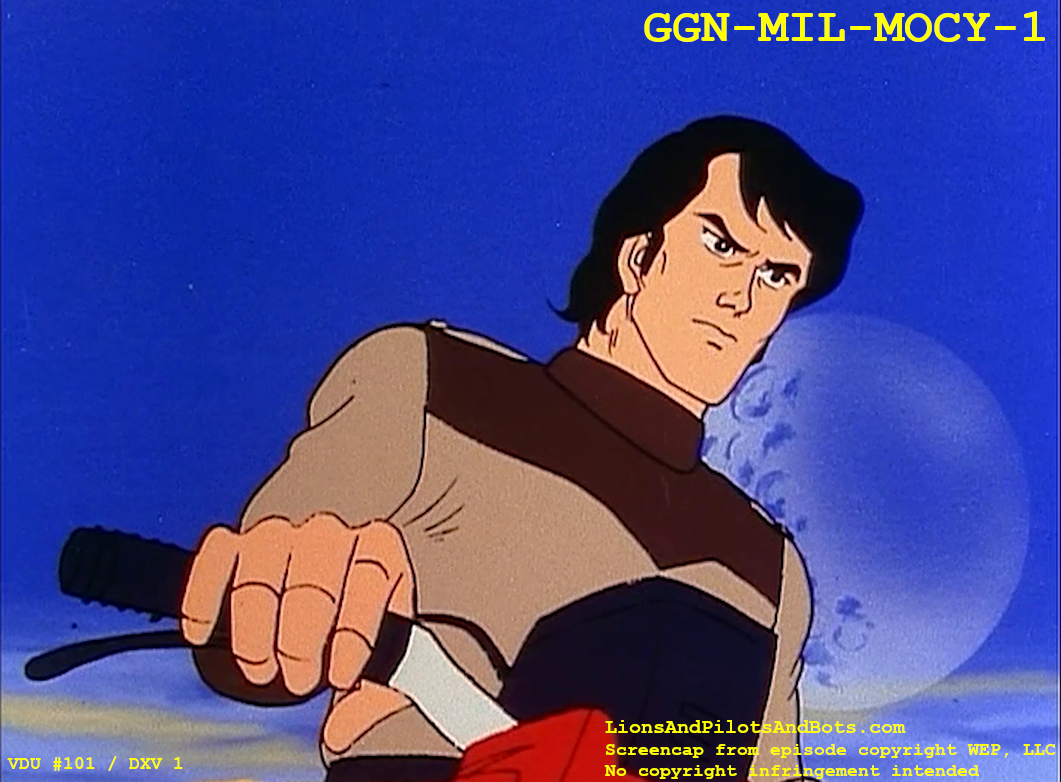
| MIL-MOCY | Military – Motorcycle | Military motorcycles. |
| MIL-REPP | Military – Repair Platform | Military repair platforms. |
| MIL-RESC | Military – Rescue | Military rescue craft. |
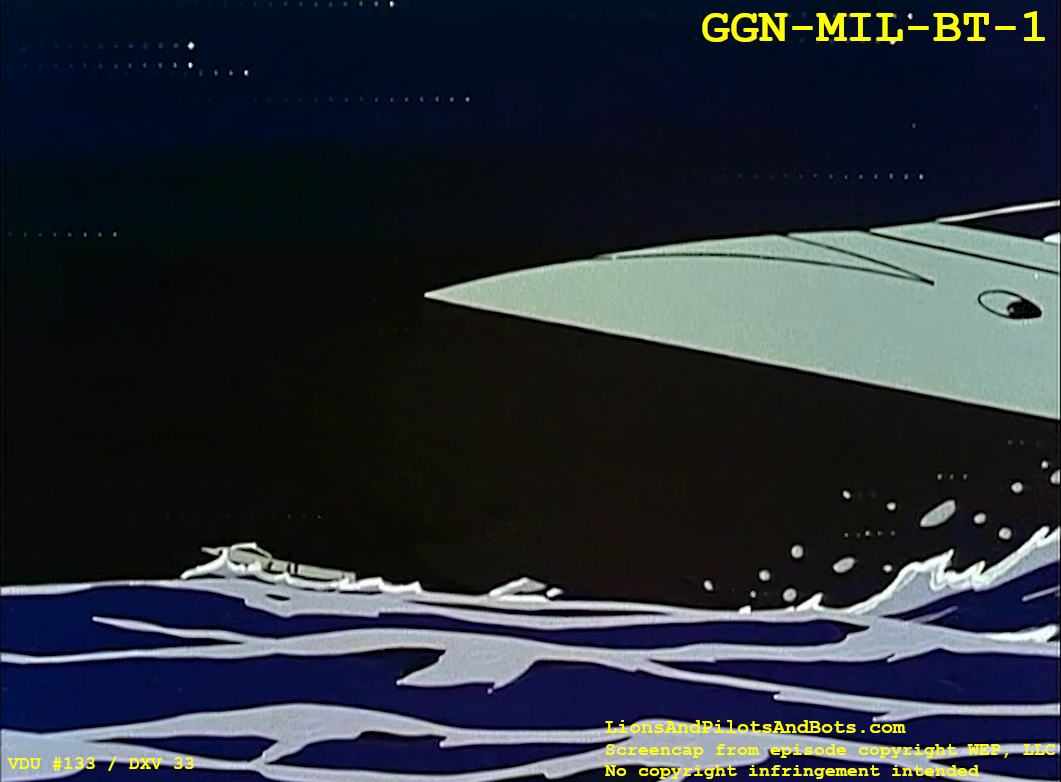
| MIL-BT | Military – Boat | Military boats. |
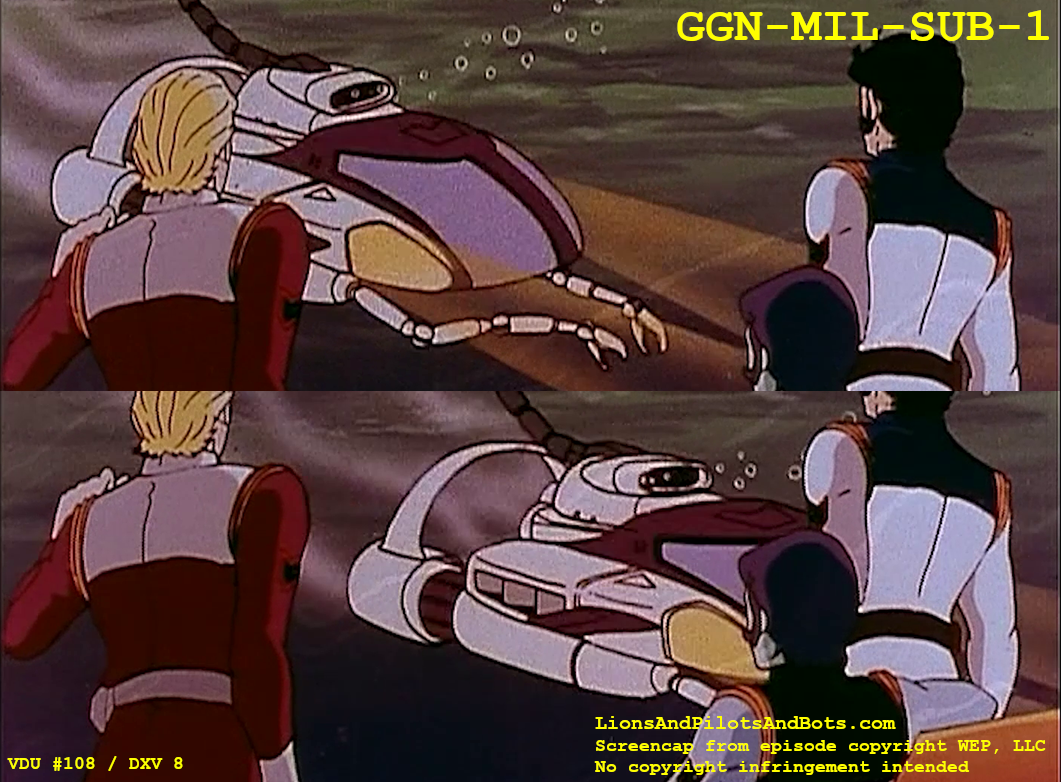
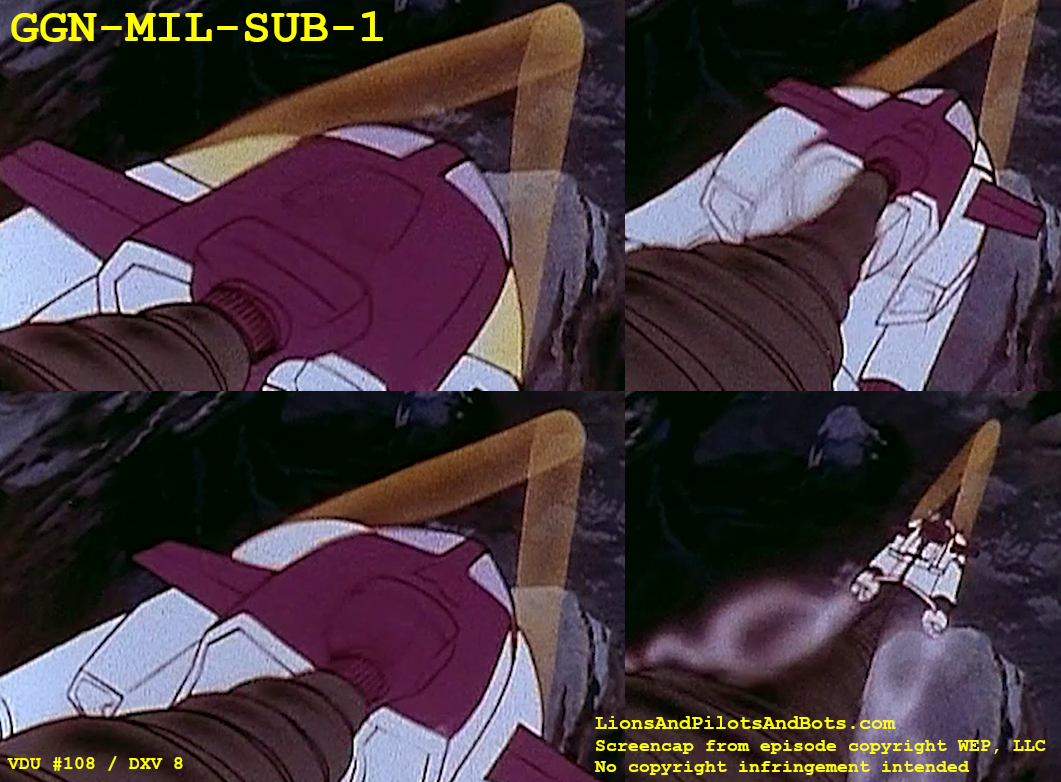
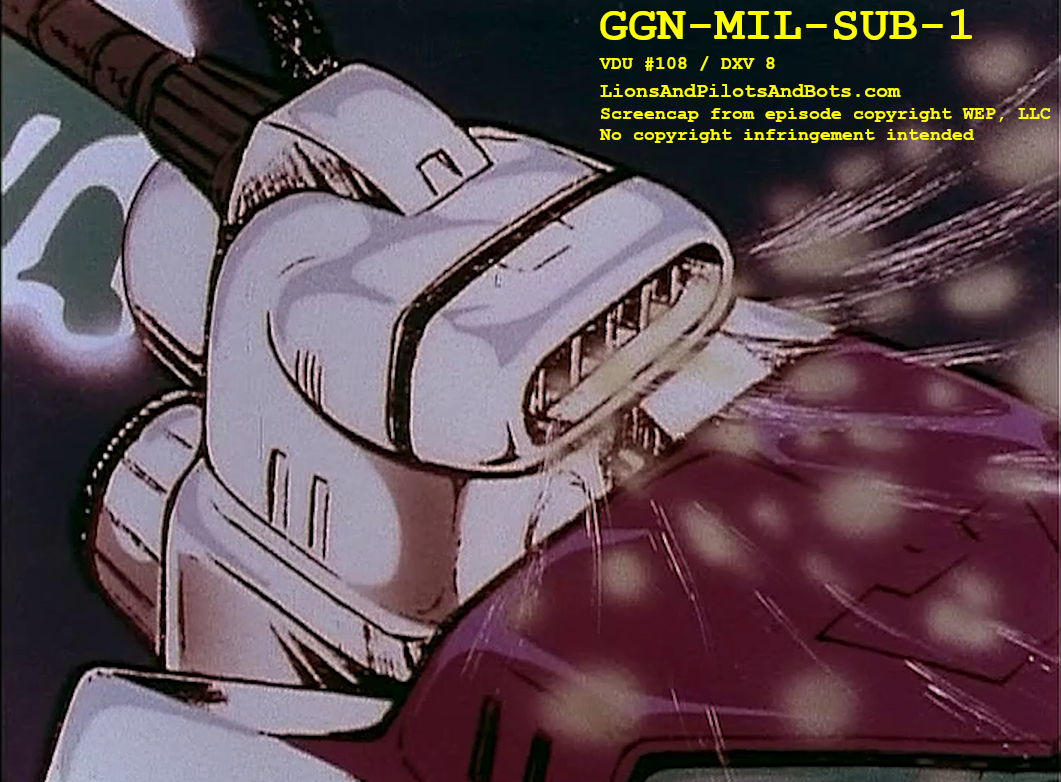
| MIL-SUB | Military – Submersible | Military submersible craft. |
| MIL-CON-BKT | Military – Construction – Bucket Truck | Military construction bucket trucks. |
| MIL-CON-CRN | Military – Construction – Crane | Military construction cranes. |
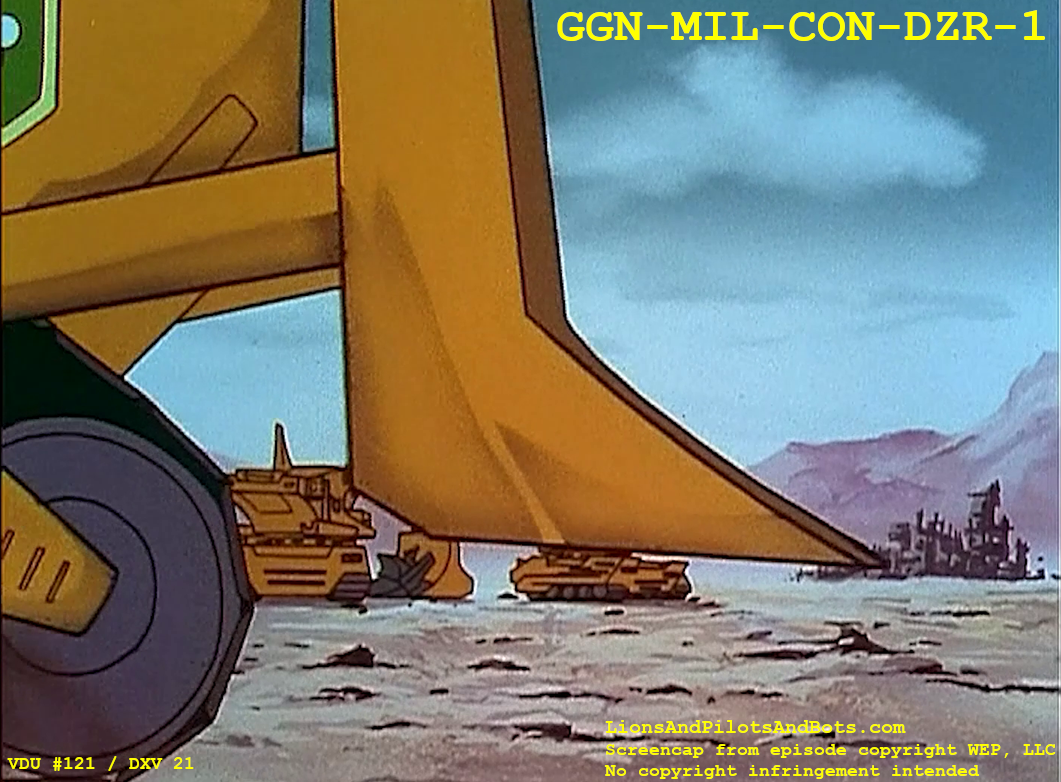
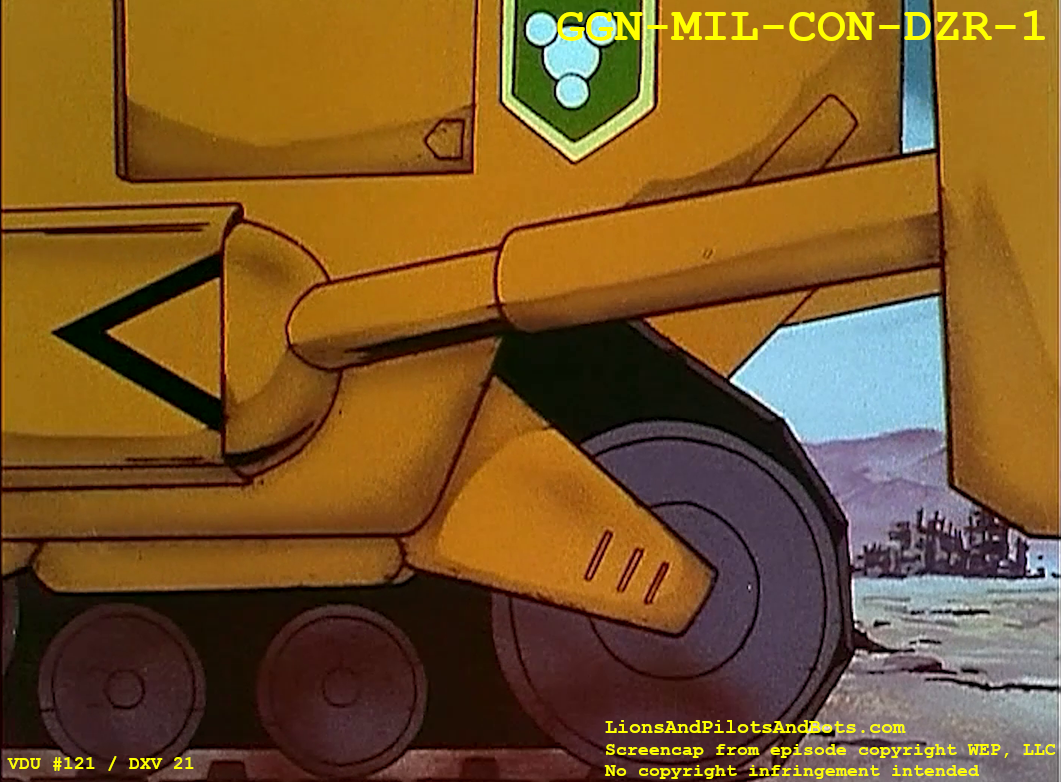
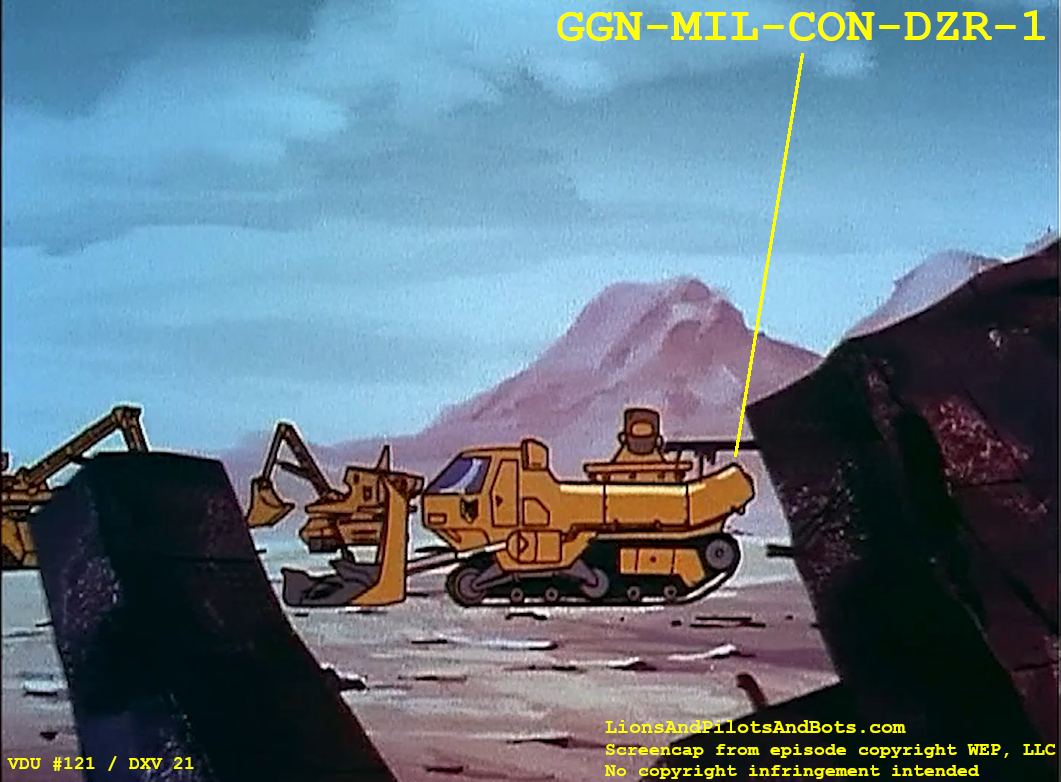
| MIL-CON-DZR | Military – Construction – Bulldozer | Military construction bulldozers. |
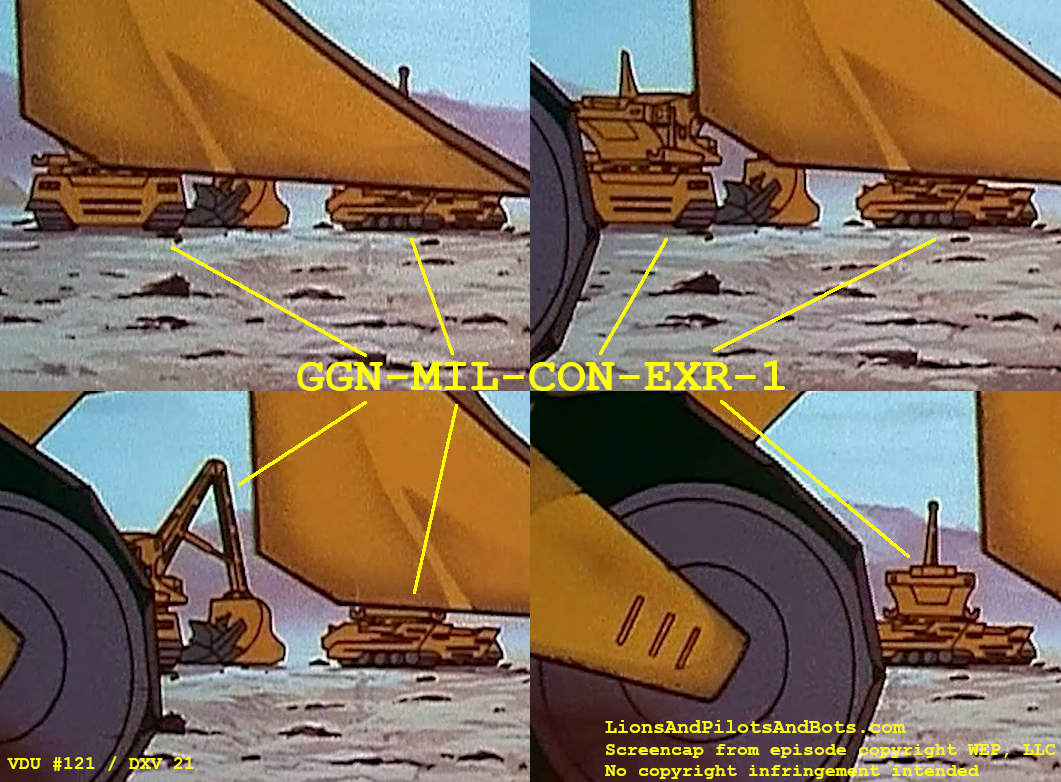
| MIL-CON-EXR | Military – Construction – Excavator | Military construction excavator vehicles. |
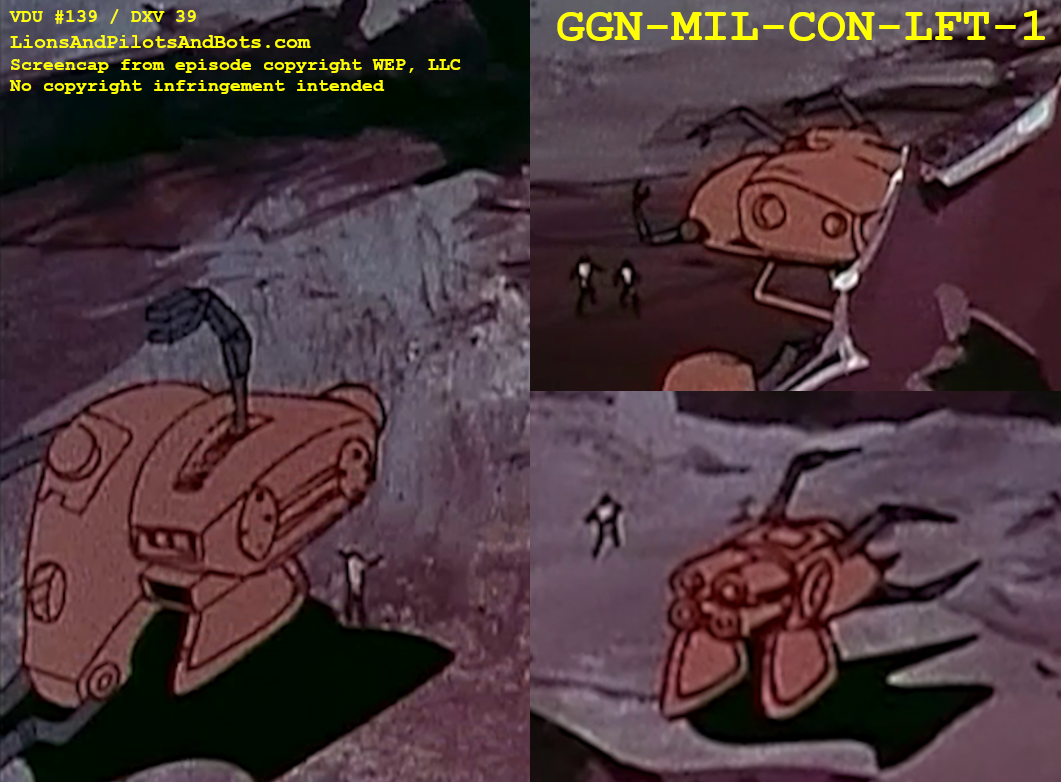
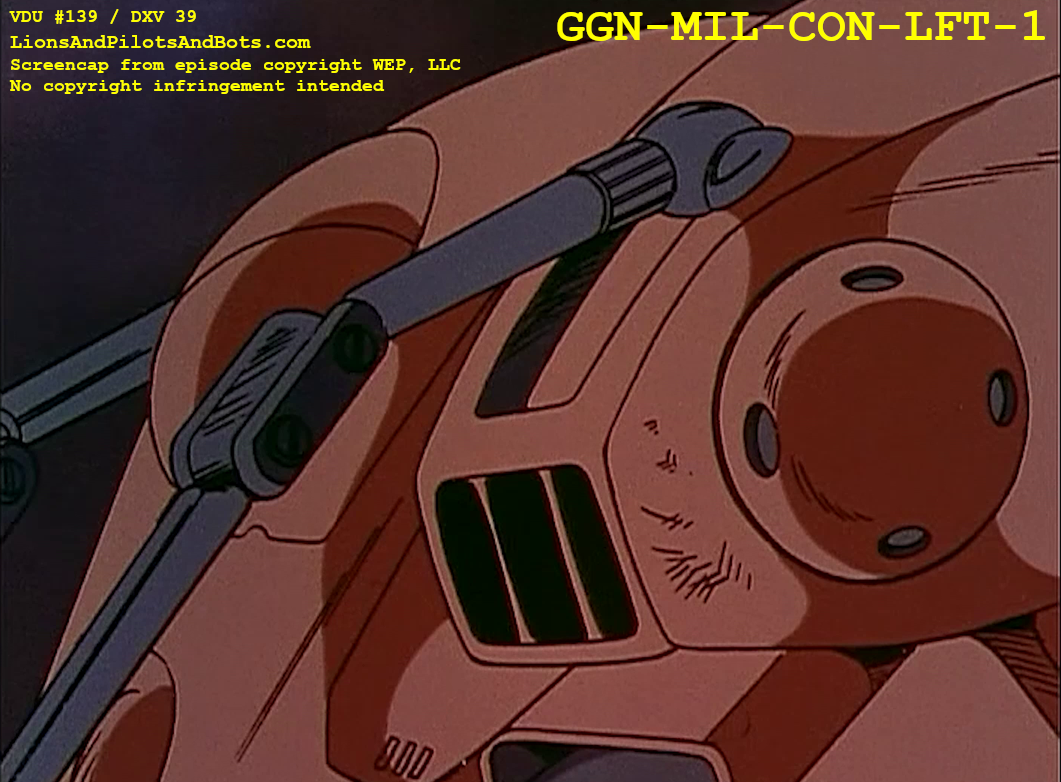
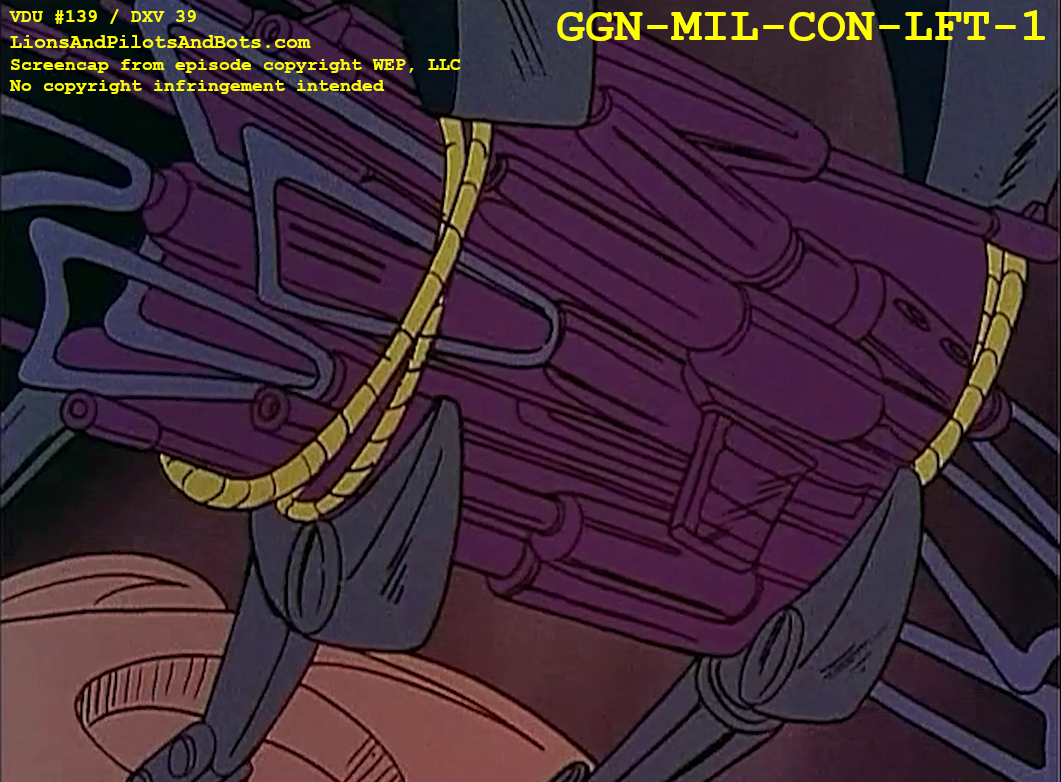
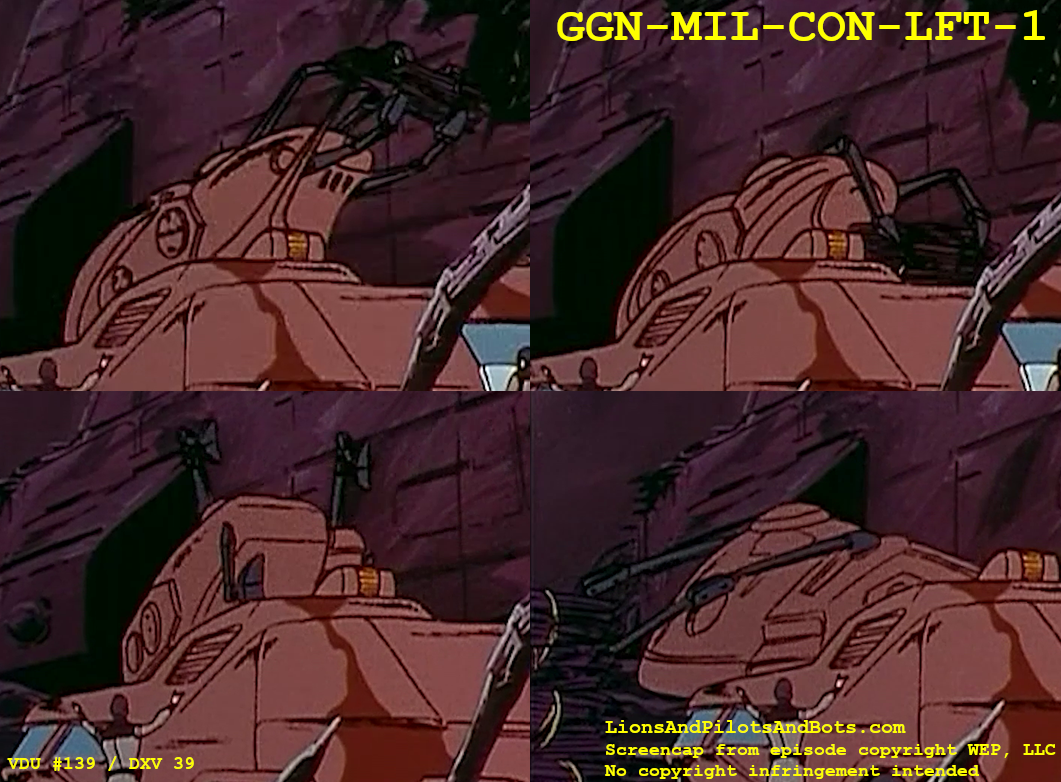
| MIL-CON-LFT | Military – Construction – Lift | Military construction lifter vehicles. |
| CIV-GCAR | Civilian – Ground Car | Civilian ground cars. |
| CIV-HCAR | Civilian – Hover Car | Civilian hover cars. |
| CIV-BT | Civilian – Boat | Civilian boats. |
| CIV-FARM | Civilian – Farm | Civilian farm vehicles. |
Vehicle Types – Summary Information
The table below provides summary information for each vehicle type. Click the type’s ID to view detail information about, and additional images of, the vehicle type.
| Image | Vehicle Type ID | First Episode (VDU) | First Episode (DXV) | Last Episode (VDU) | Last Episode (DXV) |
|---|---|---|---|---|---|
 | GGN-MIL-SCAP-A-1 (A, B) | #101 “In Search of New Worlds” | #1 “Galactic Clash” | #133 “Captain Newley Returns” | #33 “The New Allied Fleet to the Rescue” |
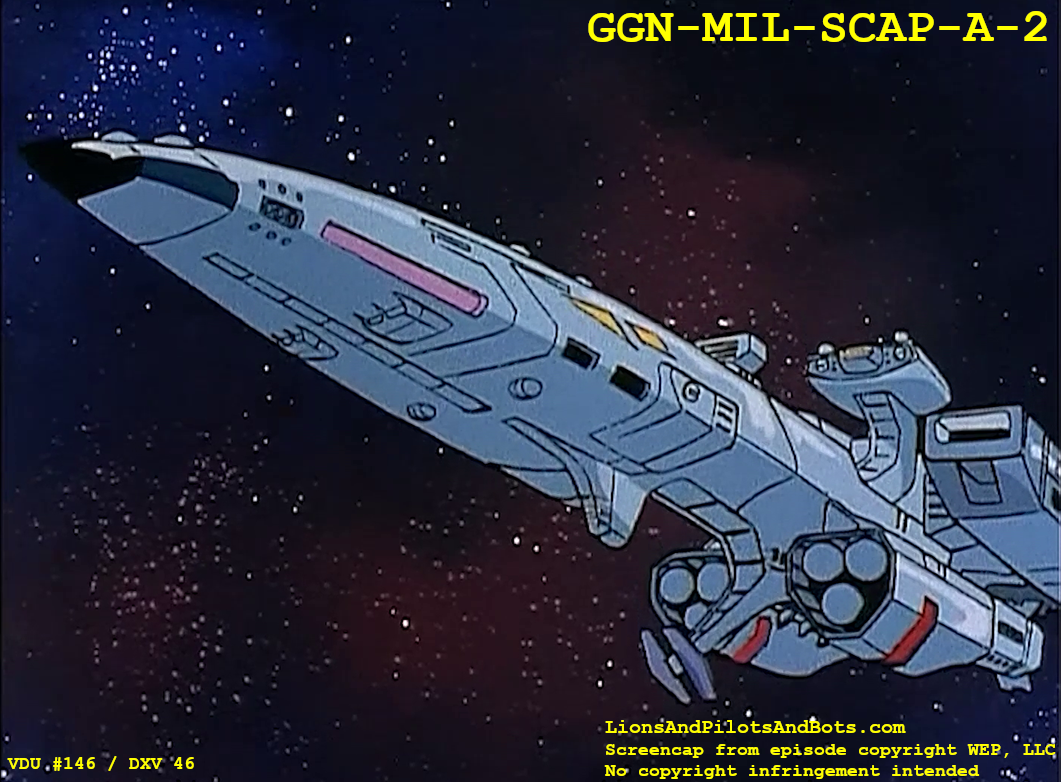 | GGN-MIL-SCAP-A-2 | #133 “Captain Newley Returns” | #33 “The New Allied Fleet to the Rescue” | #151 “The Drules Surrender” | #51 “Fierce Battle in the Underground City” |
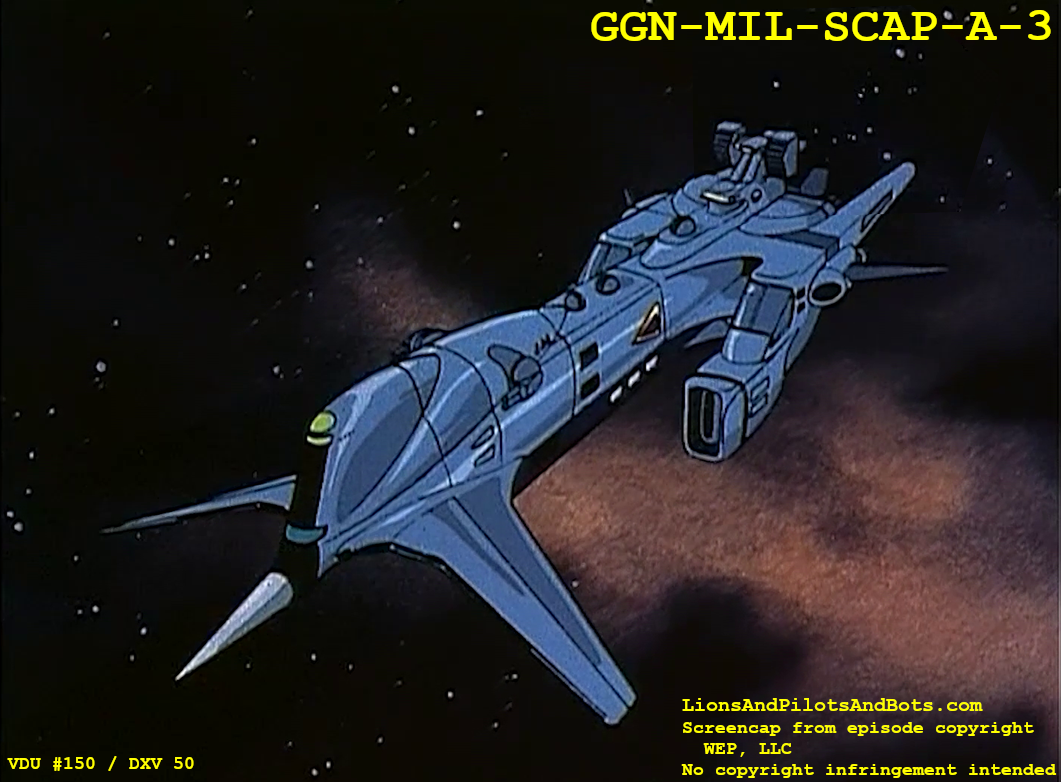 | GGN-MIL-SCAP-A-3 | #133 “Captain Newley Returns” | #33 “The New Allied Fleet to the Rescue” | #152 “The End of Hazar’s World” | #52 “Galactic Dawn” |
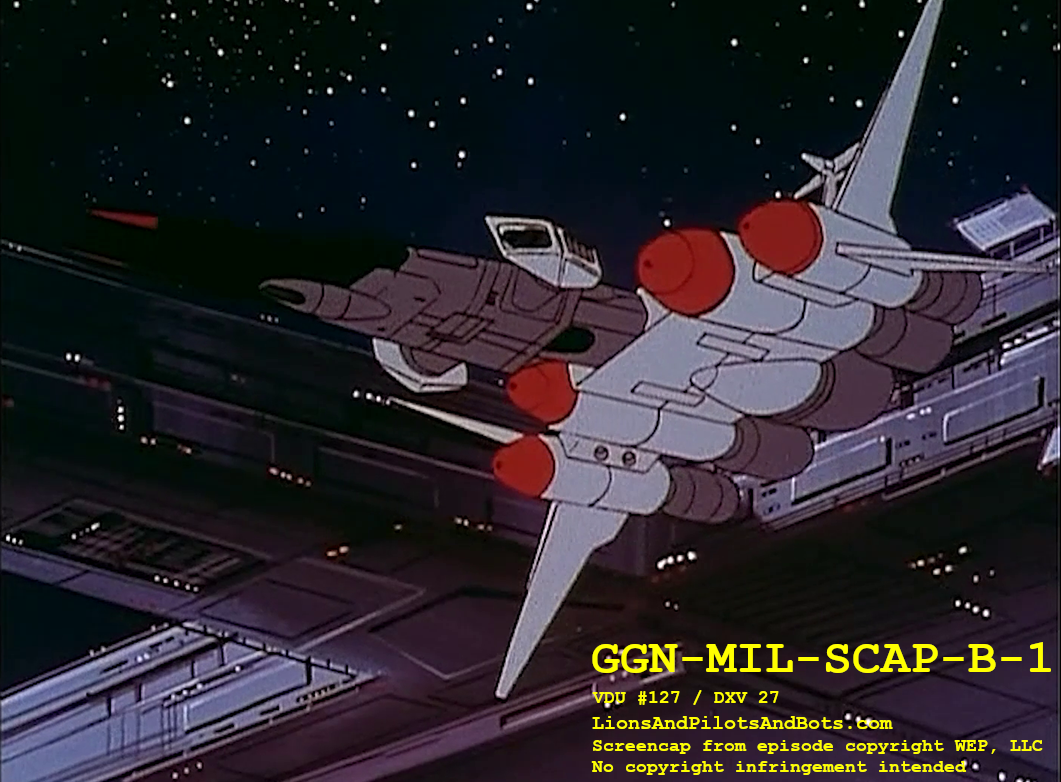 | GGN-MIL-SCAP-B-1 | #124 “Hazar is Demoted” | #24 “Riot on Galveston” | #129 “Revolt of the Slaves” | #29 “Uprising of the Space Fort” |
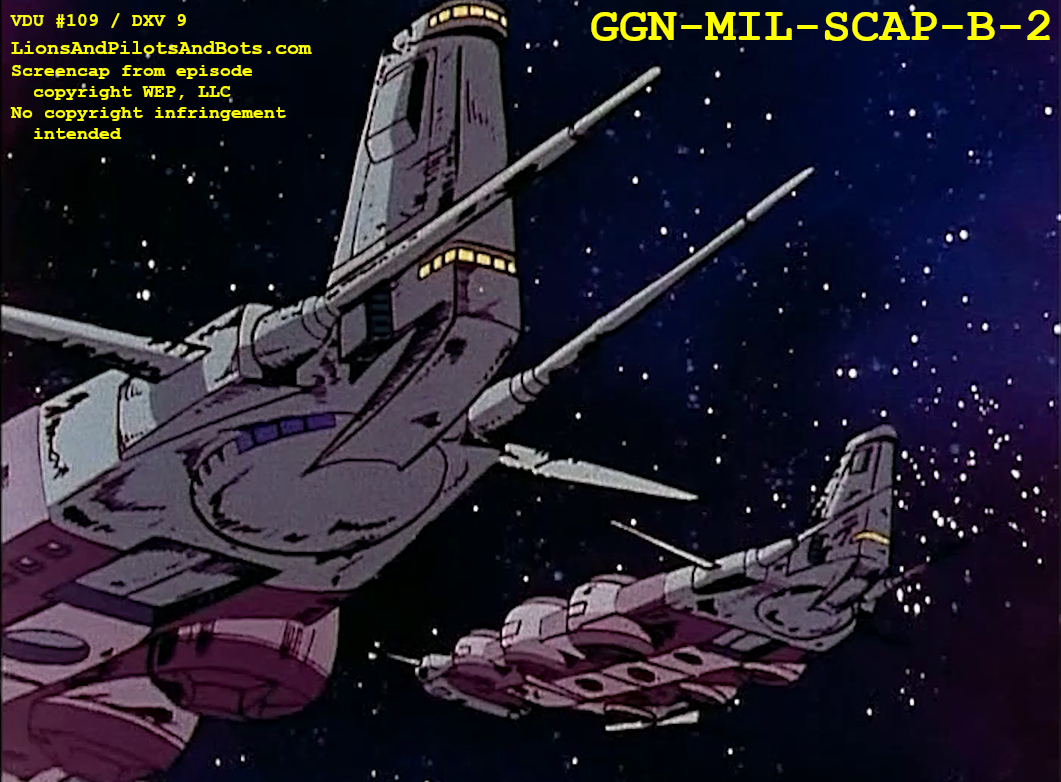 | GGN-MIL-SCAP-B-2 | #103 “Building a New World” | #3 “Farewell, Achilles” | #139 “That’s the Old Ball Game” | #39 “The Tears of a Rugby Player” |
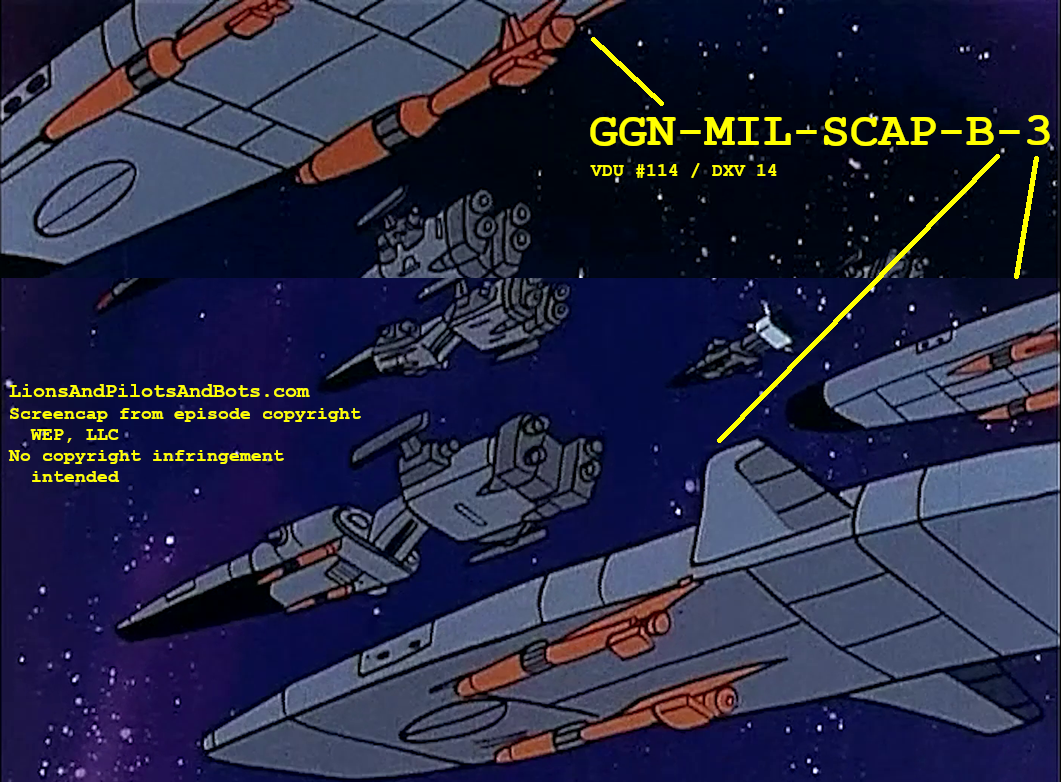 | GGN-MIL-SCAP-B-3 | #114 “A Curious Comet” | #14 “The Earth Fleet’s Counterattack” | #114 “A Curious Comet” | #14 “The Earth Fleet’s Counterattack” |
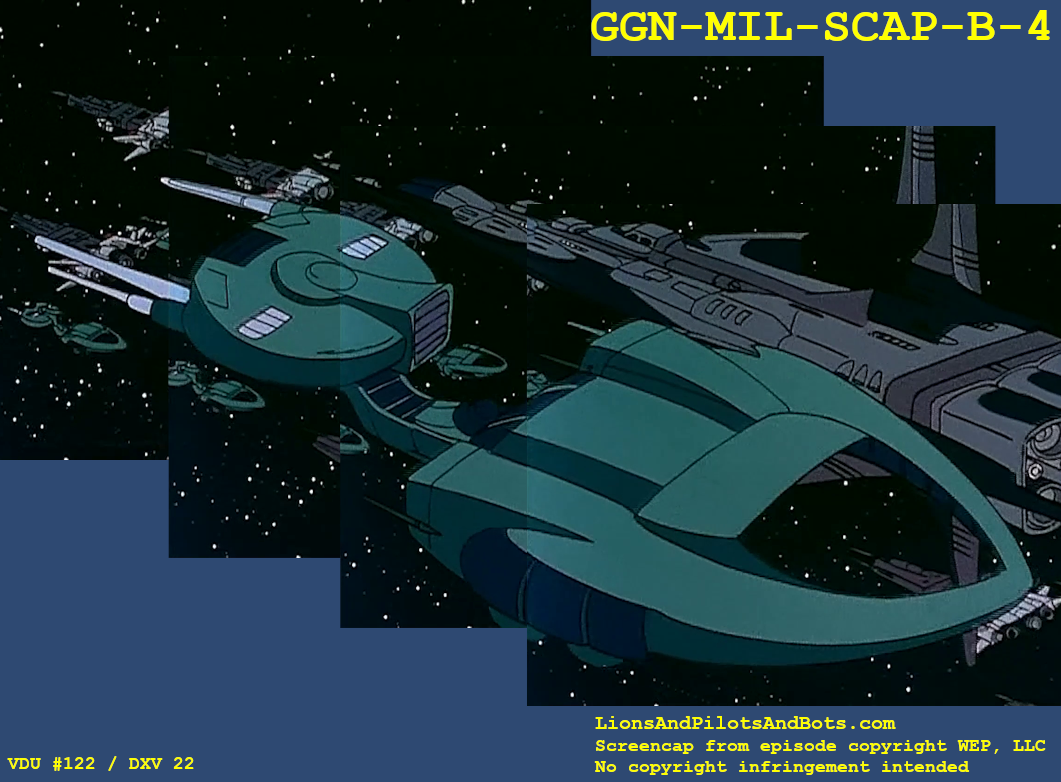 | GGN-MIL-SCAP-B-4 | #107 “Help Not Wanted” | #7 “Annihilation of the Reinforcement Fleet” | #152 “The End of Hazar’s World” | #52 “Galactic Dawn” |
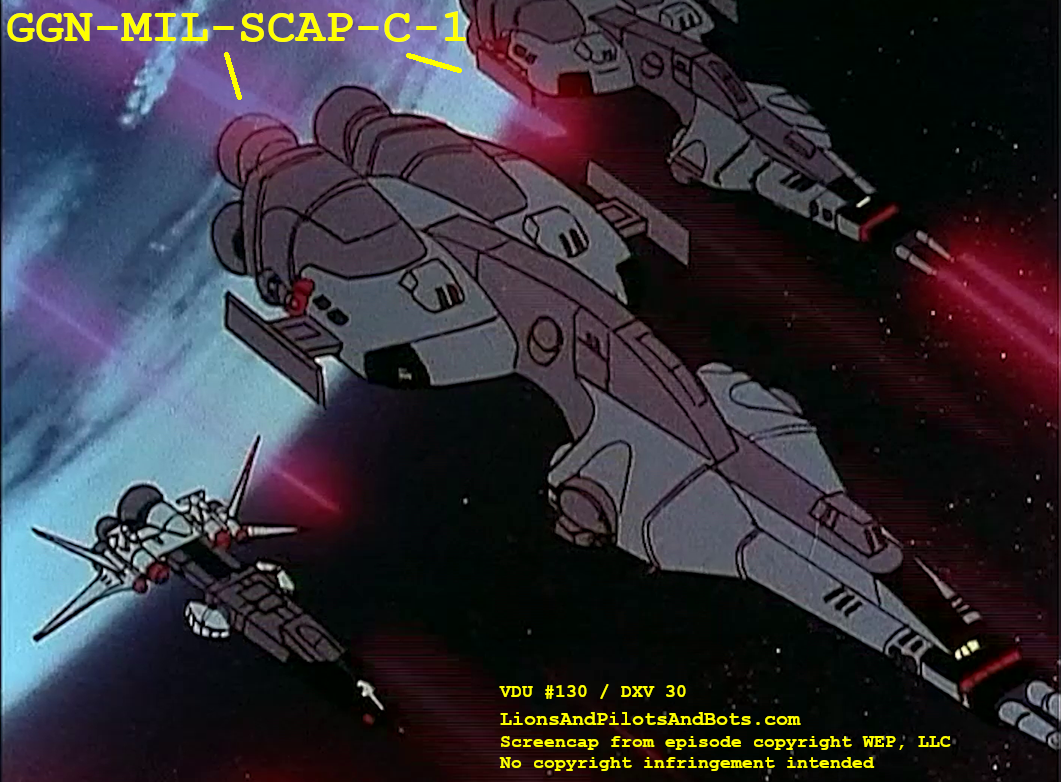 | GGN-MIL-SCAP-C-1 | #103 “Building a New World” | #3 “Farewell, Achilles” | #135 “Letters from Home” | #35 “Get Yourself Together, Mutsu” |
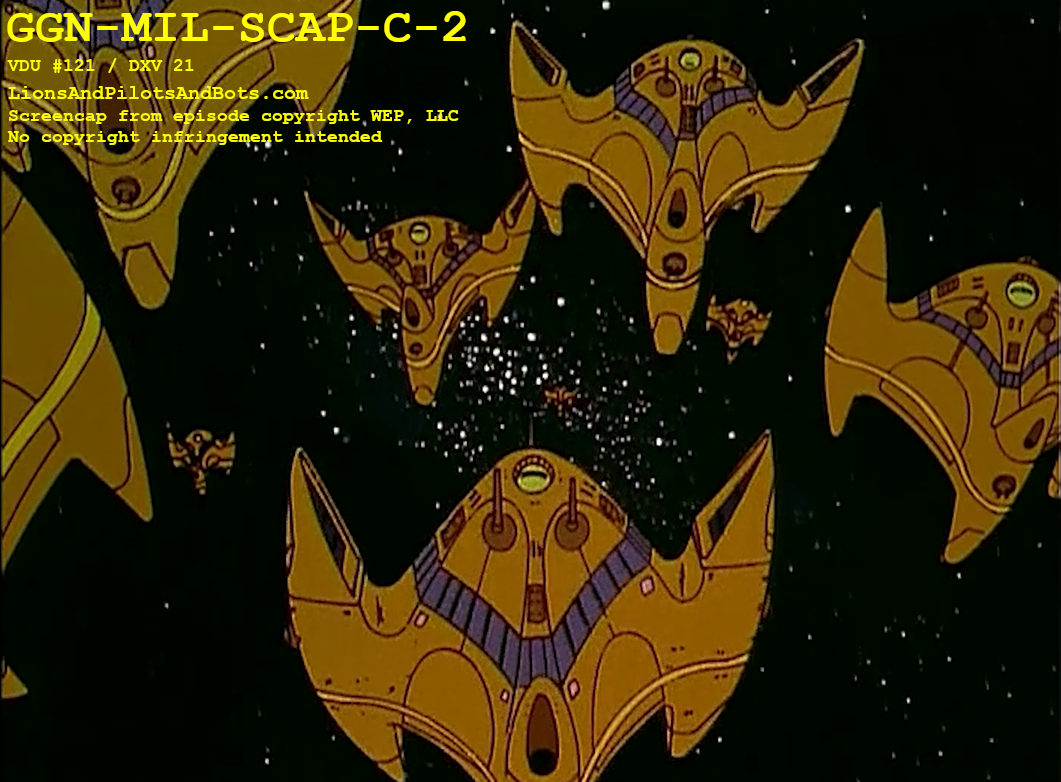 | GGN-MIL-SCAP-C-2 | #115 “In the Enemy Camp” | #15 “Breakdown of the Space Talks” | #152 “The End of Hazar’s World” | #52 “Galactic Dawn” |
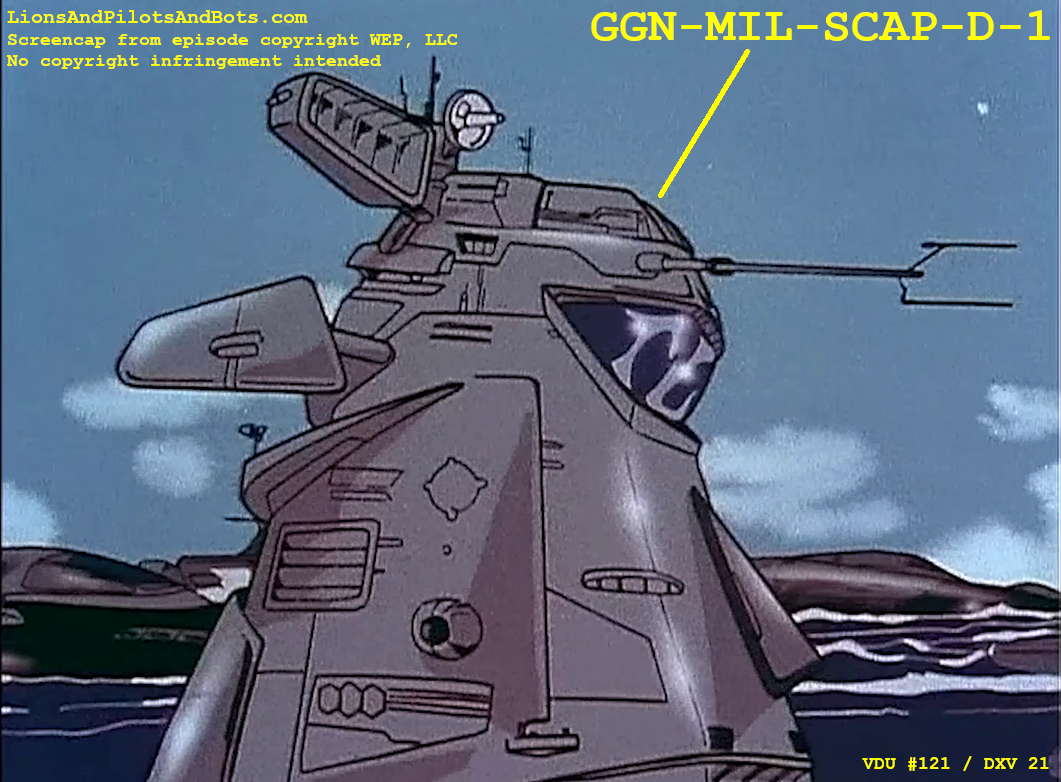 | GGN-MIL-SCAP-D-1 | #121 “Meanwhile Back at Galaxy Garrison” | #21 “Arise Galaxy Garrison” | #121 “Meanwhile Back at Galaxy Garrison” | #21 “Arise Galaxy Garrison” |
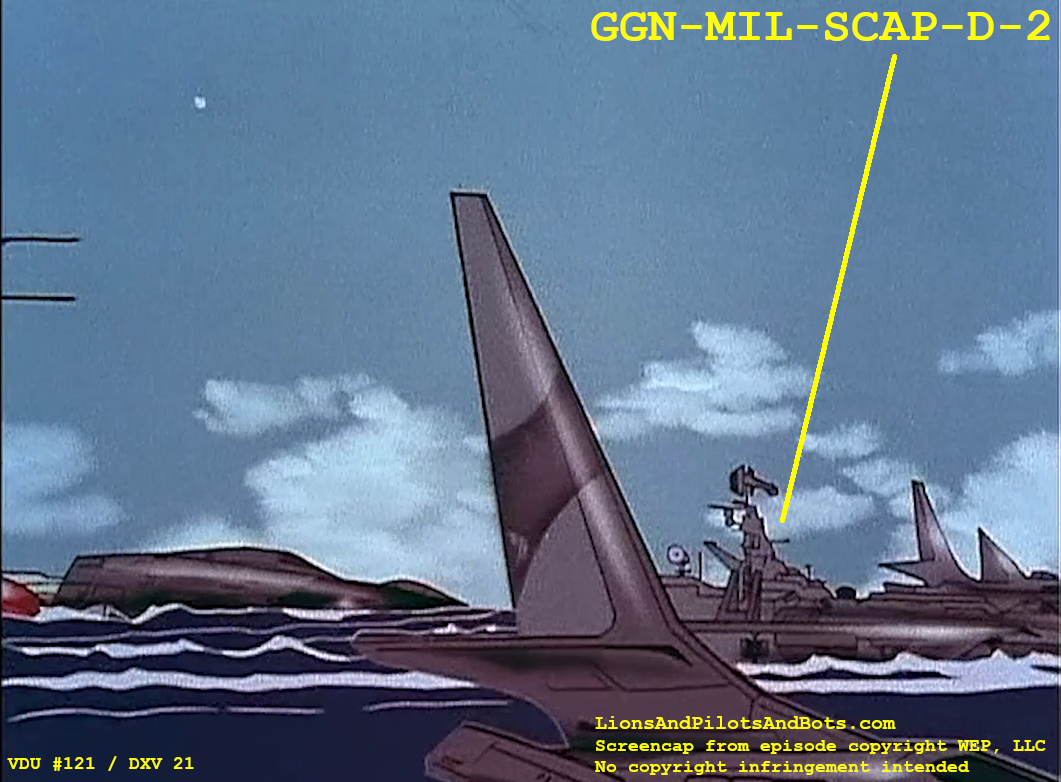 | GGN-MIL-SCAP-D-2 | #121 “Meanwhile Back at Galaxy Garrison” | #21 “Arise Galaxy Garrison” | #121 “Meanwhile Back at Galaxy Garrison” | #21 “Arise Galaxy Garrison” |
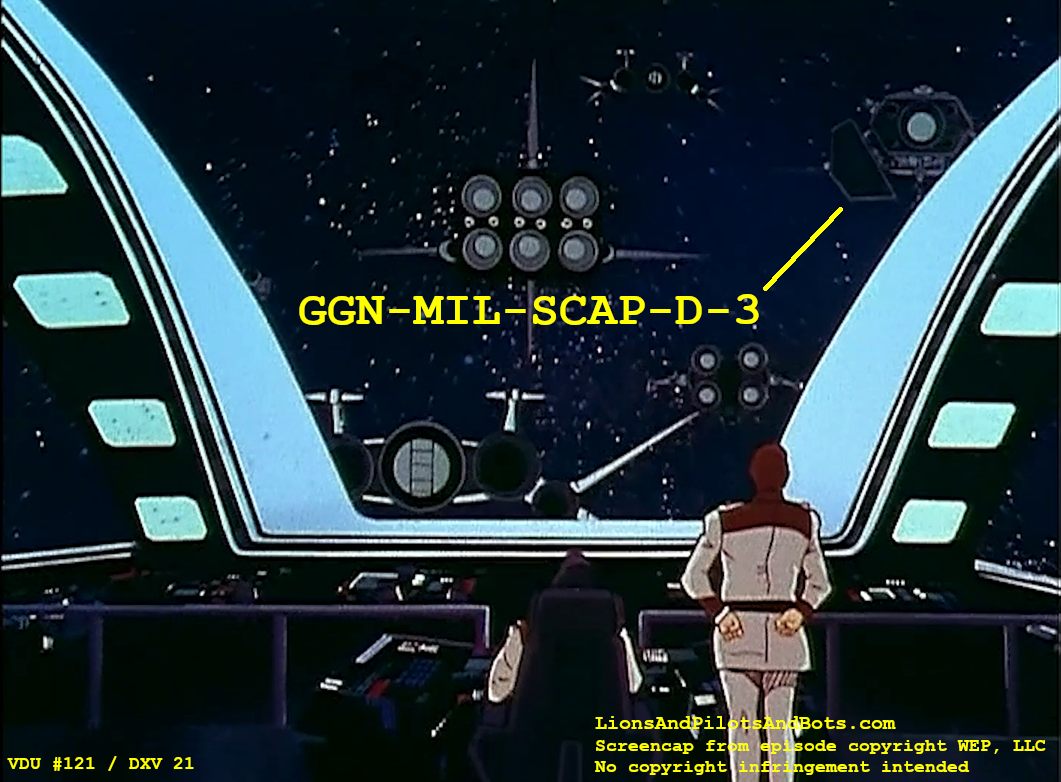 | GGN-MIL-SCAP-D-3 | #121 “Meanwhile Back at Galaxy Garrison” | #21 “Arise Galaxy Garrison” | #121 “Meanwhile Back at Galaxy Garrison” | #21 “Arise Galaxy Garrison” |
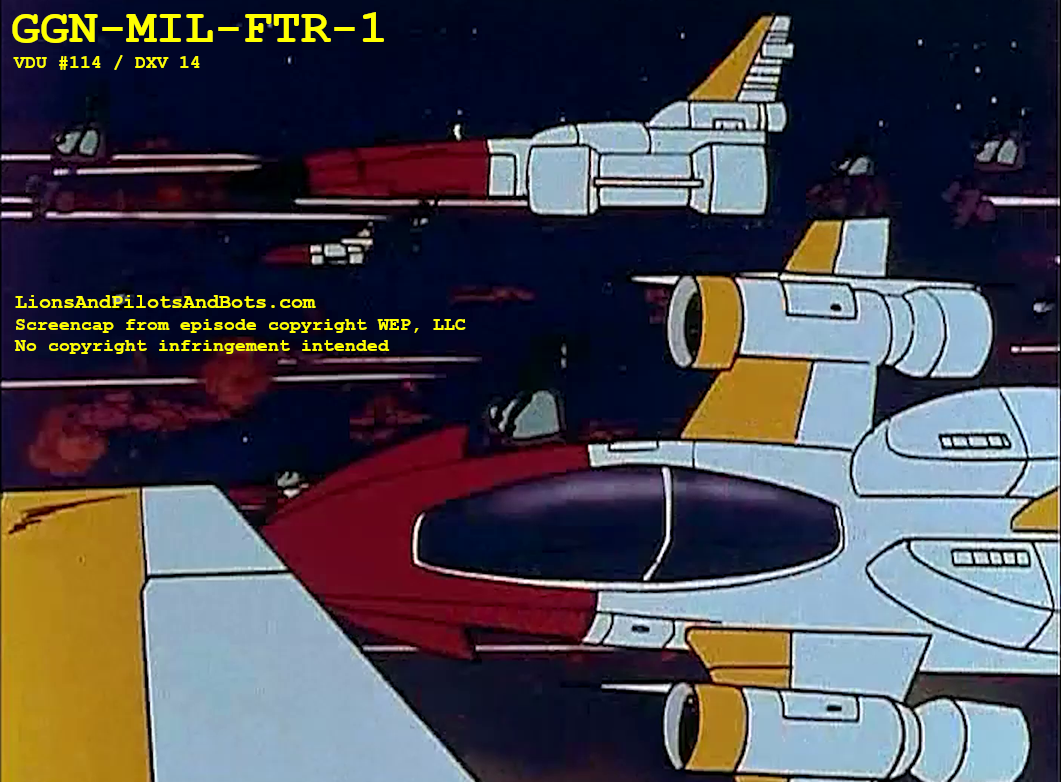 | GGN-MIL-FTR-1 | #102 “Building a New World” | #2 “The Isolated Regiment” | #135 “Letters from Home” | #35 “Get Yourself Together, Mutsu” |
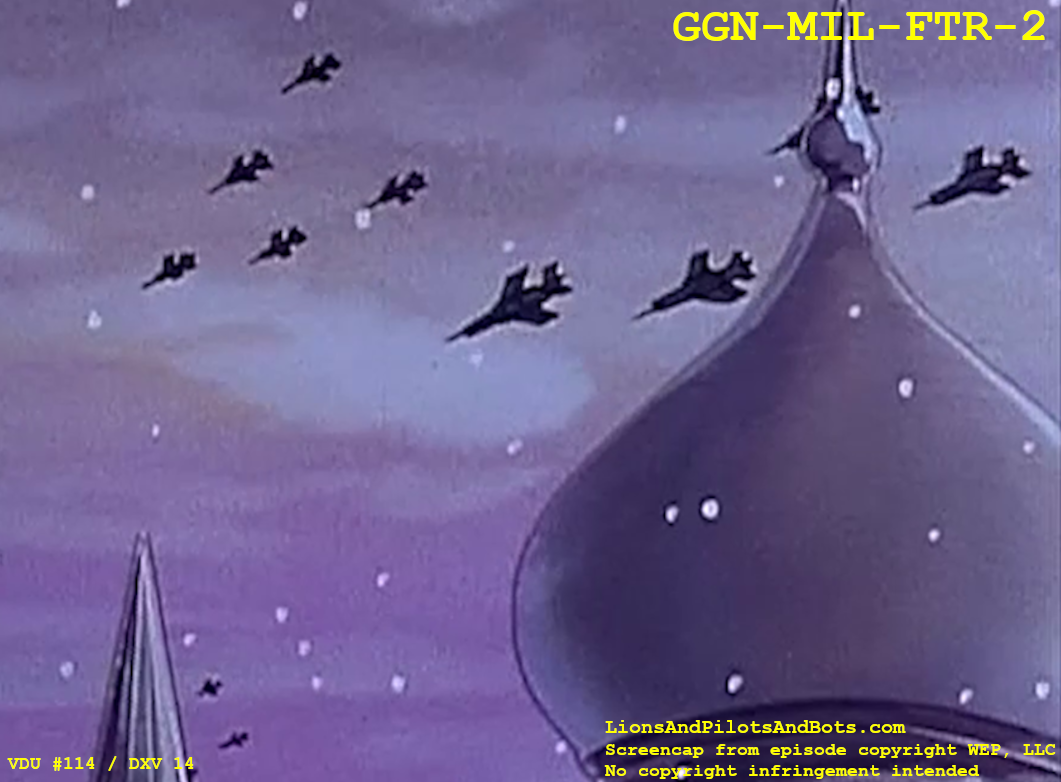 | GGN-MIL-FTR-2 | #114 “A Curious Comet” | #14 “The Earth Fleet’s Counterattack” | #114 “A Curious Comet” | #14 “The Earth Fleet’s Counterattack” |
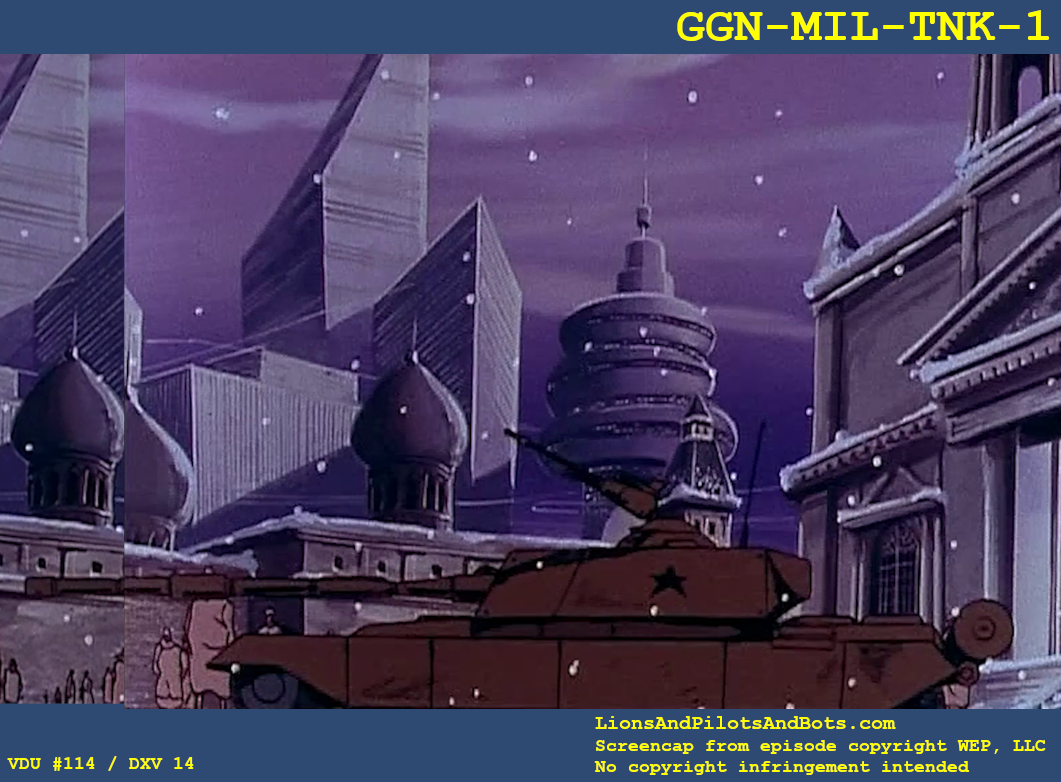 | GGN-MIL-TNK-1 | #114 “A Curious Comet” | #14 “The Earth Fleet’s Counterattack” | #114 “A Curious Comet” | #14 “The Earth Fleet’s Counterattack” |
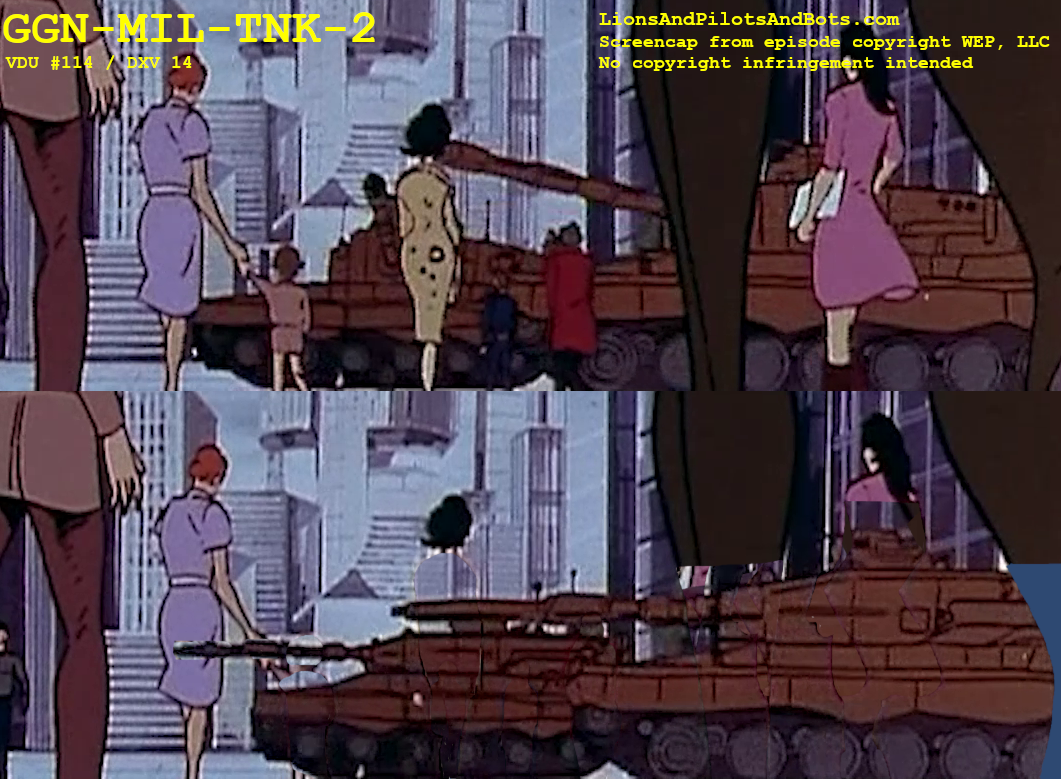 | GGN-MIL-TNK-2 | #114 “A Curious Comet” | #14 “The Earth Fleet’s Counterattack” | #114 “A Curious Comet” | #14 “The Earth Fleet’s Counterattack” |
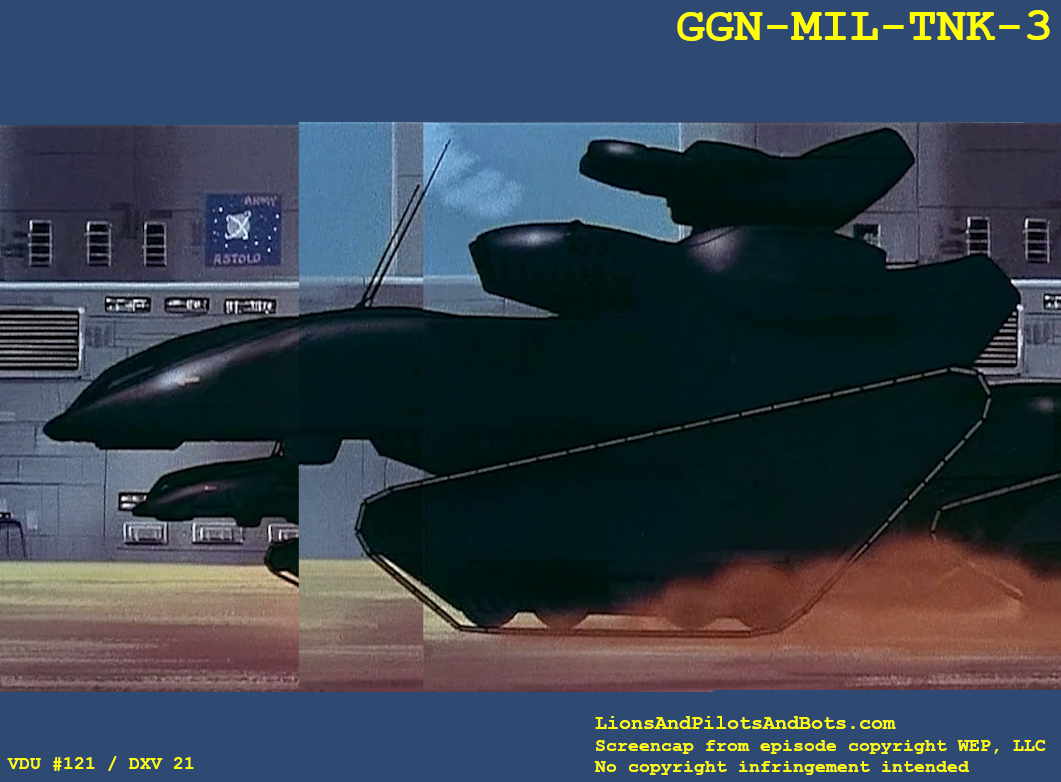 | GGN-MIL-TNK-3 | #121 “Meanwhile Back at Galaxy Garrison” | #21 “Arise Galaxy Garrison” | #121 “Meanwhile Back at Galaxy Garrison” | #21 “Arise Galaxy Garrison” |
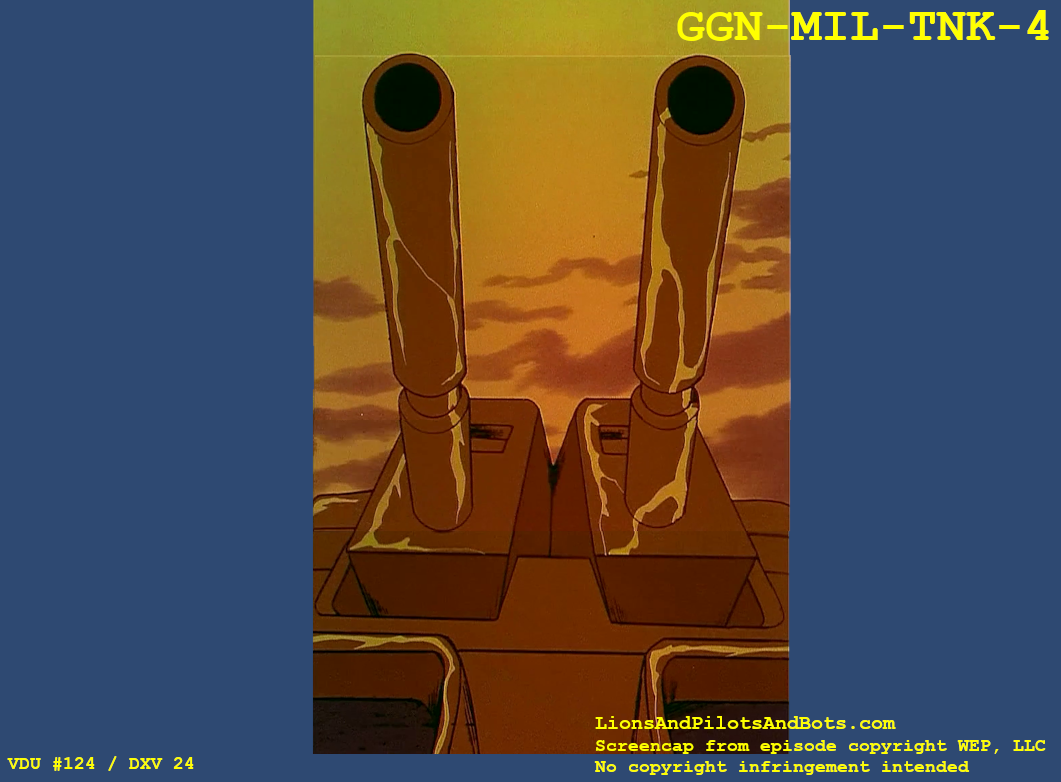 | GGN-MIL-TNK-4 | #124 “Hazar is Demoted” | #24 “Riot on Galveston” | #124 “Hazar is Demoted” | #24 “Riot on Galveston” |
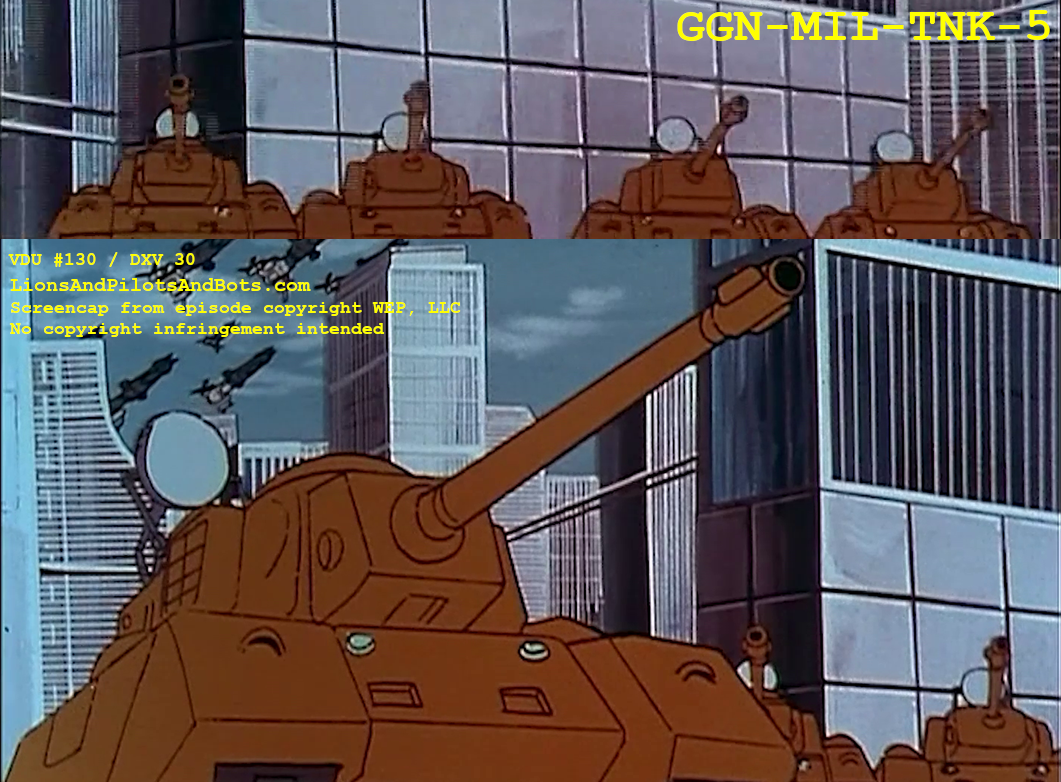 | GGN-MIL-TNK-5 | #130 “Raid on Galaxy Garrison” | #30 “Earth’s State of Emergency” | #130 “Raid on Galaxy Garrison” | #30 “Earth’s State of Emergency” |
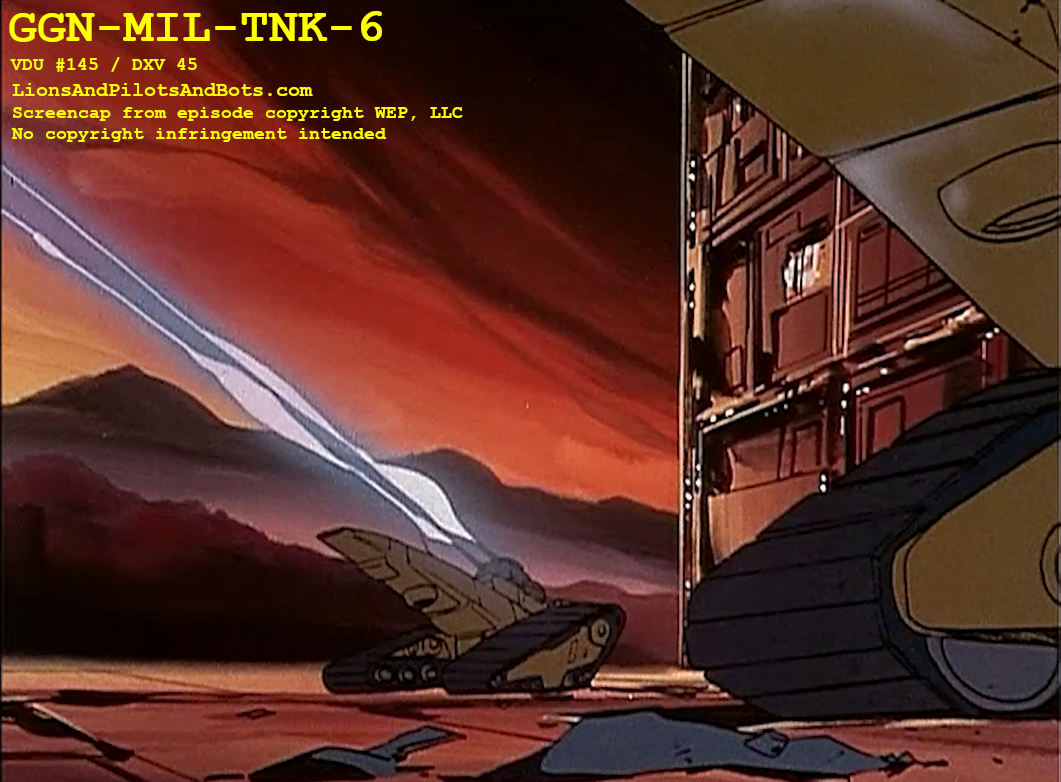 | GGN-MIL-TNK-6 | #145 “Coconuts” | #45 “Defend the Third Planet” | #145 “Coconuts” | #45 “Defend the Third Planet” |
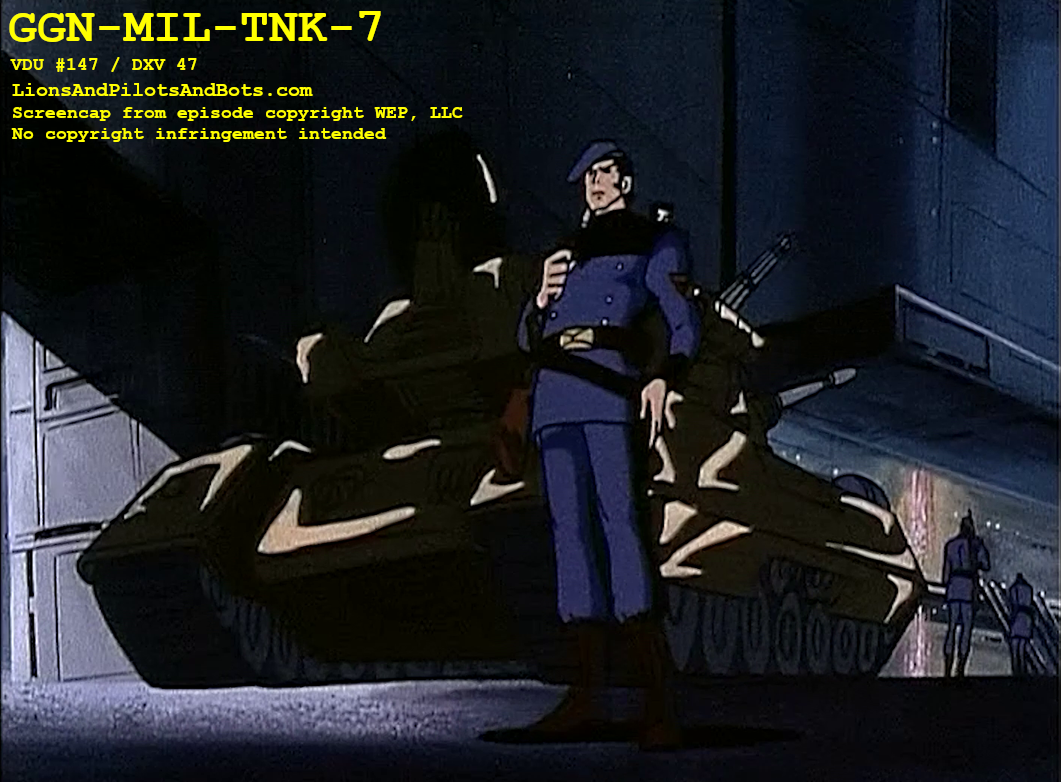 | GGN-MIL-TNK-7 | #147 “Color Me Invisible” | #47 “The Invisible Super-Weapon” | #147 “Color Me Invisible” | #47 “The Invisible Super-Weapon” |
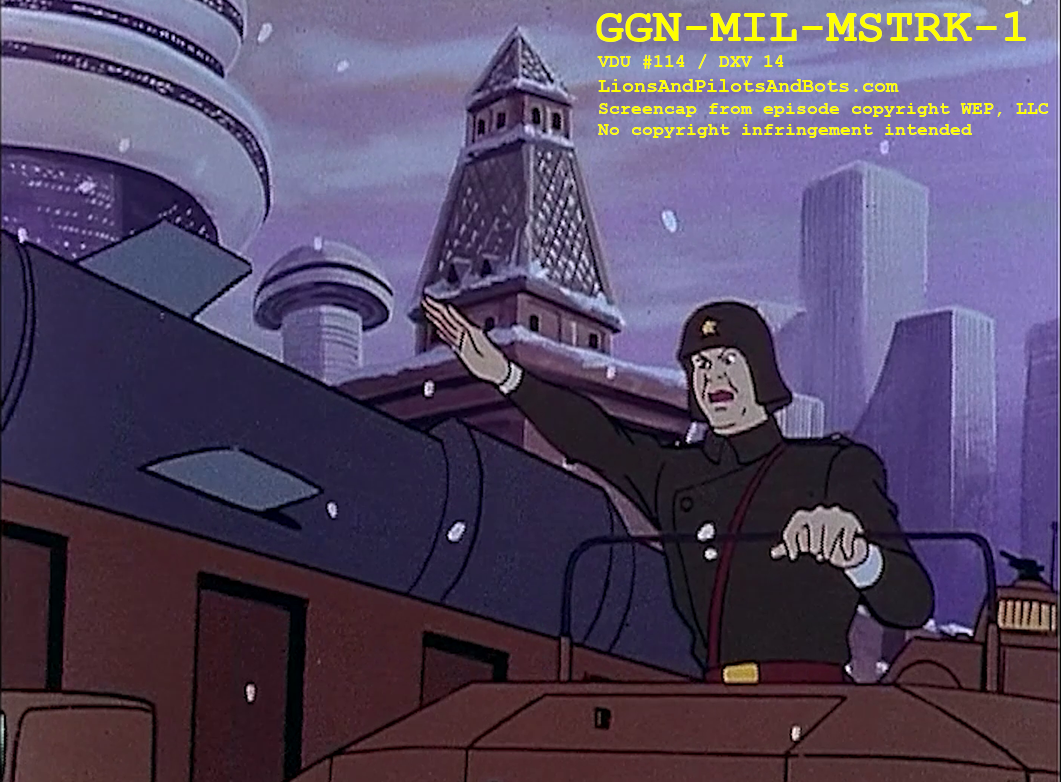 | GGN-MIL-MSTRK-1 | #114 “A Curious Comet” | #14 “The Earth Fleet’s Counterattack” | #114 “A Curious Comet” | #14 “The Earth Fleet’s Counterattack” |
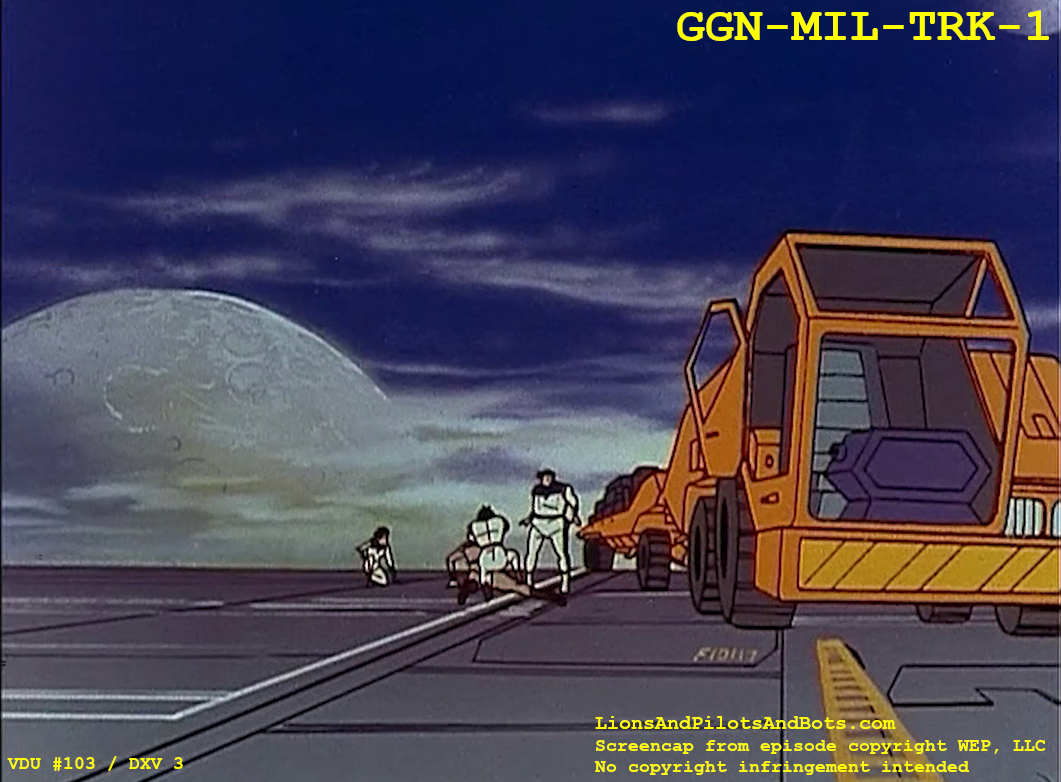 | GGN-MIL-TRK-1 | #103 “Building a New World” | #3 “Farewell, Achilles” | #123 “Hazar on the Carpet” | #23 “The Mission to Recapture Planet K” |
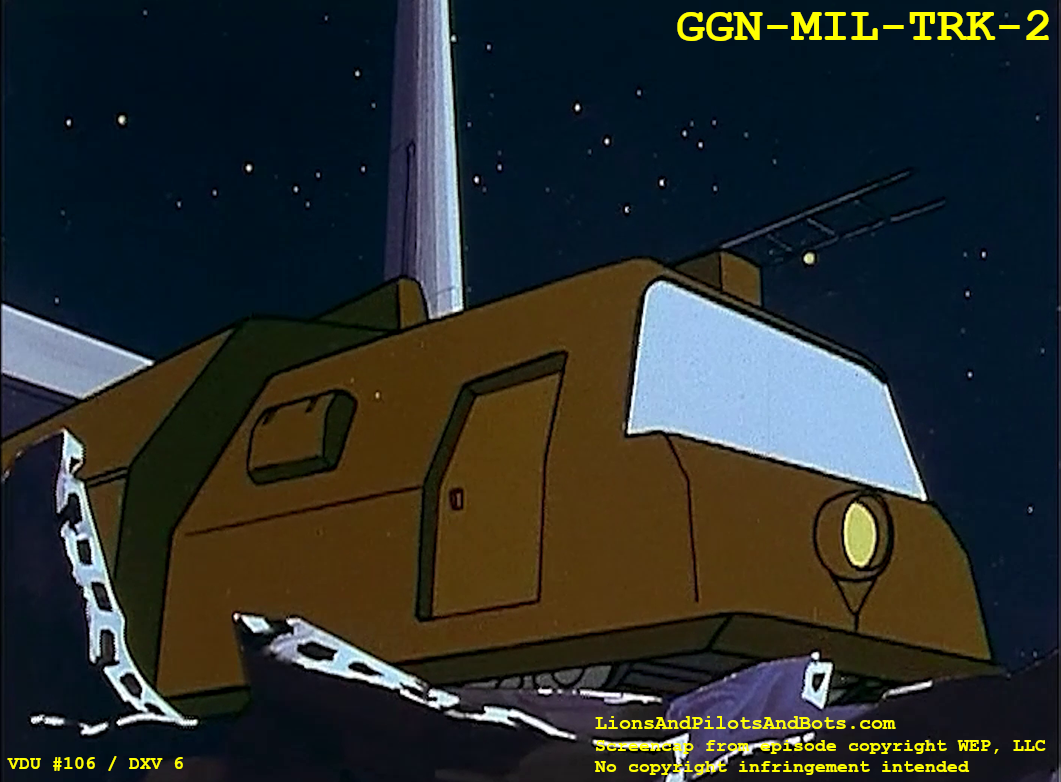 | GGN-MIL-TRK-2 | #106 “A Storm of Meteors” | #6 “Fall to the Meteor Shower” | #106 “A Storm of Meteors” | #6 “Fall to the Meteor Shower” |
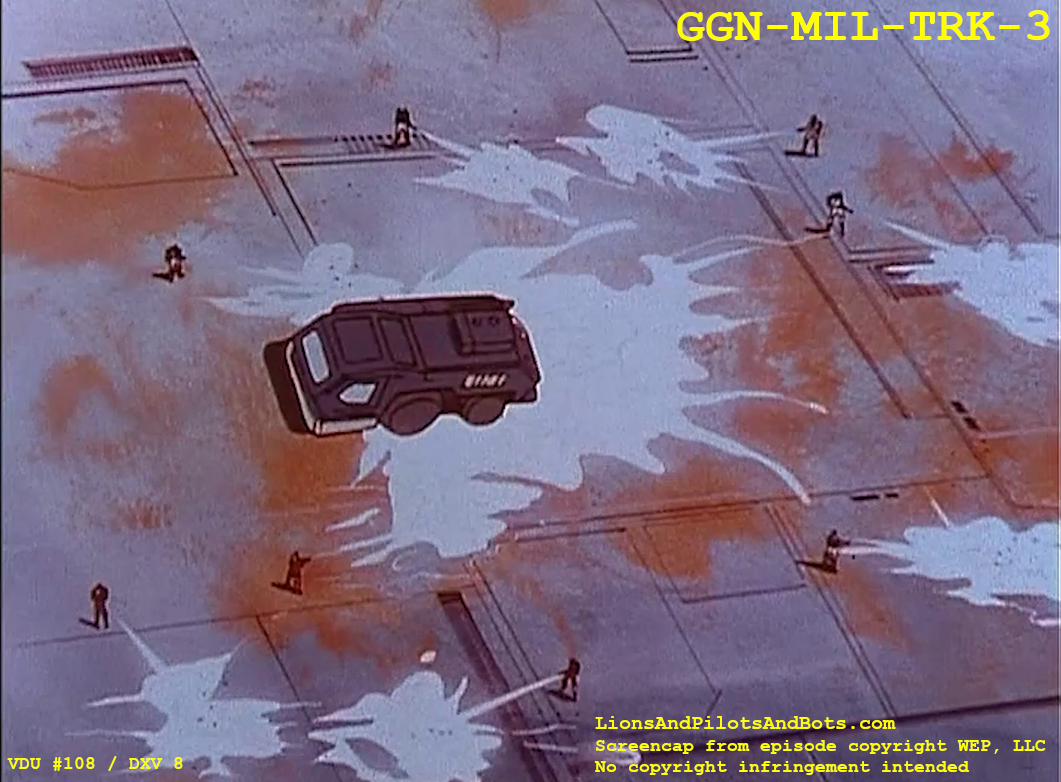 | GGN-MIL-TRK-3 | #108 “Ghost Fleet from Another Planet” | #8 “Specters of the Binary System” | #108 “Ghost Fleet from Another Planet” | #8 “Specters of the Binary System” |
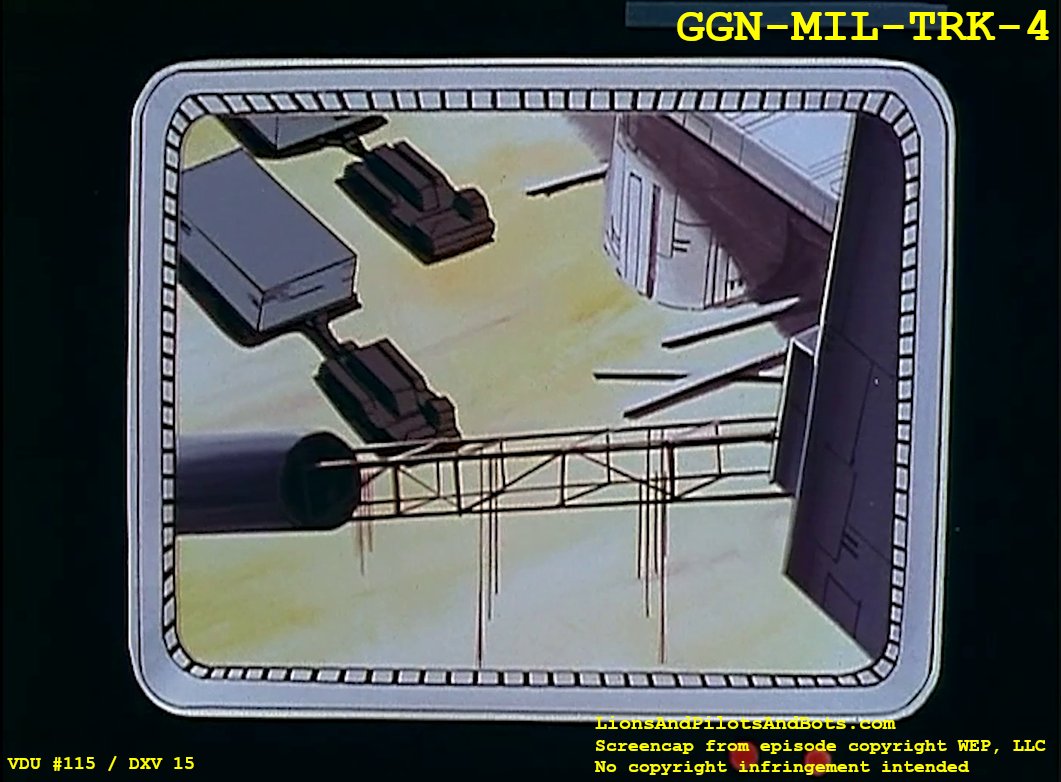 | GGN-MIL-TRK-4 | #115 “In the Enemy Camp” | #15 “Breakdown of the Space Talks” | #115 “In the Enemy Camp” | #15 “Breakdown of the Space Talks” |
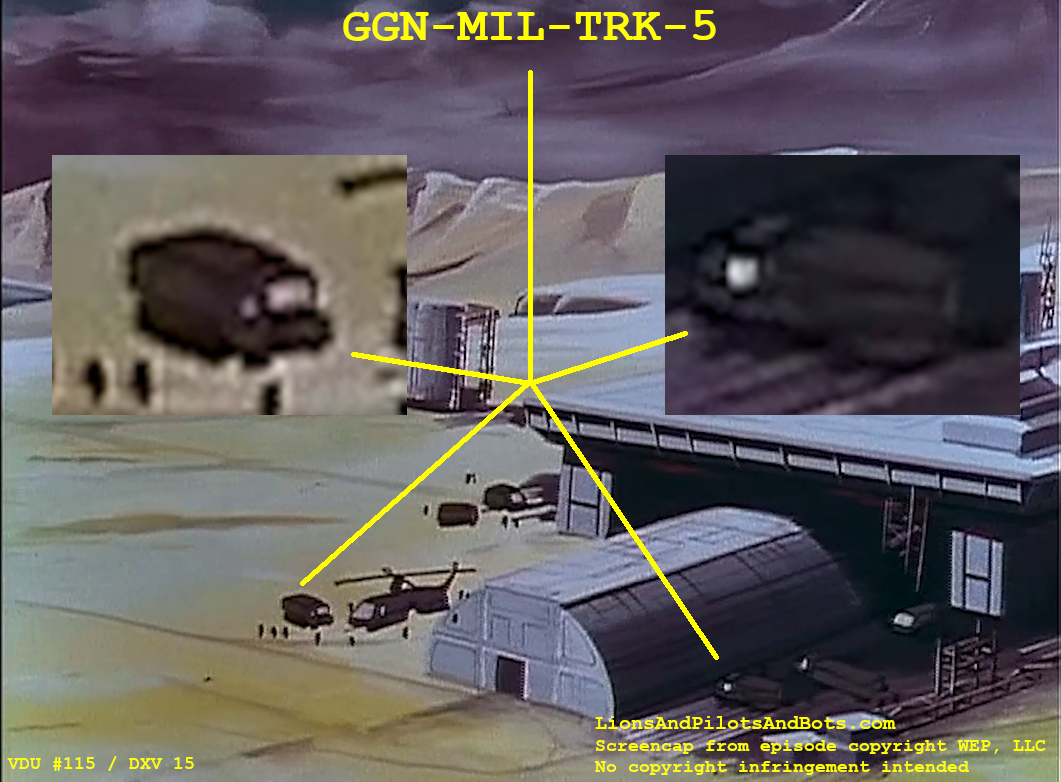 | GGN-MIL-TRK-5 | #115 “In the Enemy Camp” | #15 “Breakdown of the Space Talks” | #115 “In the Enemy Camp” | #15 “Breakdown of the Space Talks” |
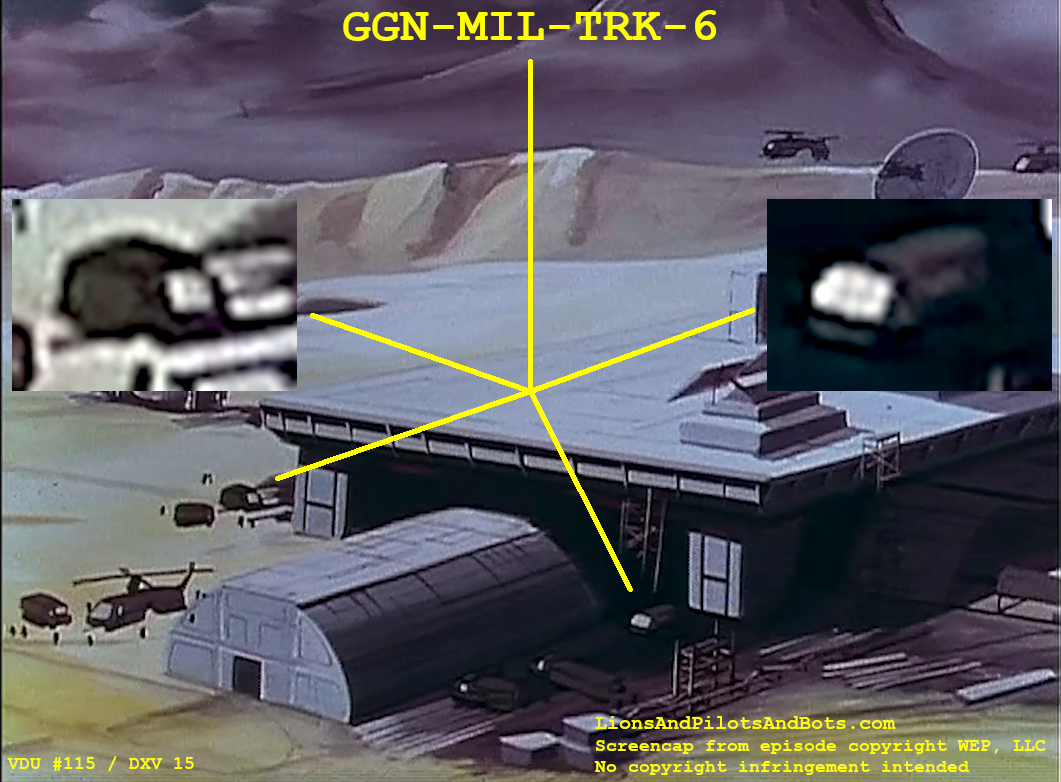 | GGN-MIL-TRK-6 | #115 “In the Enemy Camp” | #15 “Breakdown of the Space Talks” | #115 “In the Enemy Camp” | #15 “Breakdown of the Space Talks” |
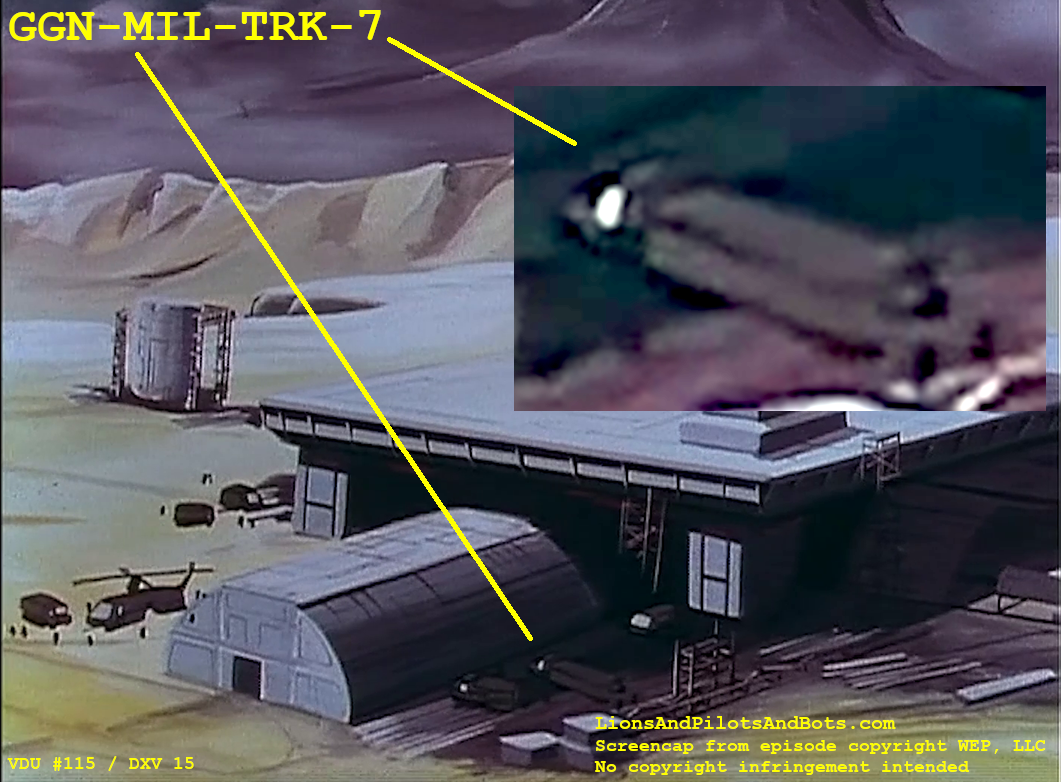 | GGN-MIL-TRK-7 | #115 “In the Enemy Camp” | #15 “Breakdown of the Space Talks” | #115 “In the Enemy Camp” | #15 “Breakdown of the Space Talks” |
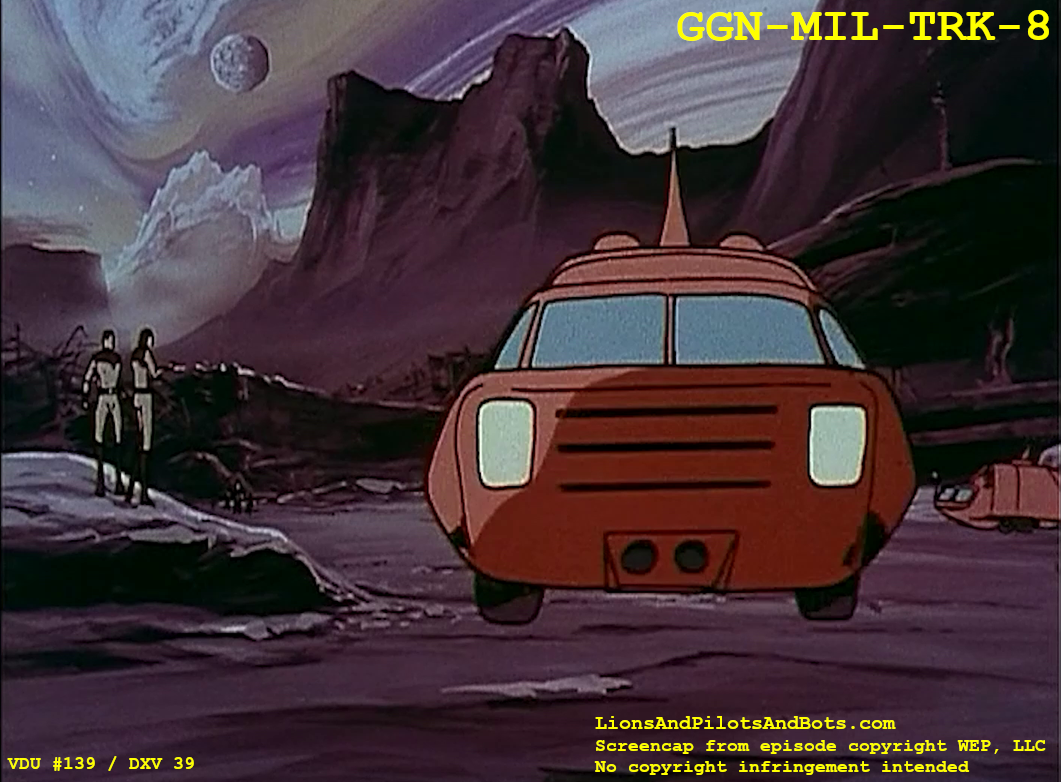
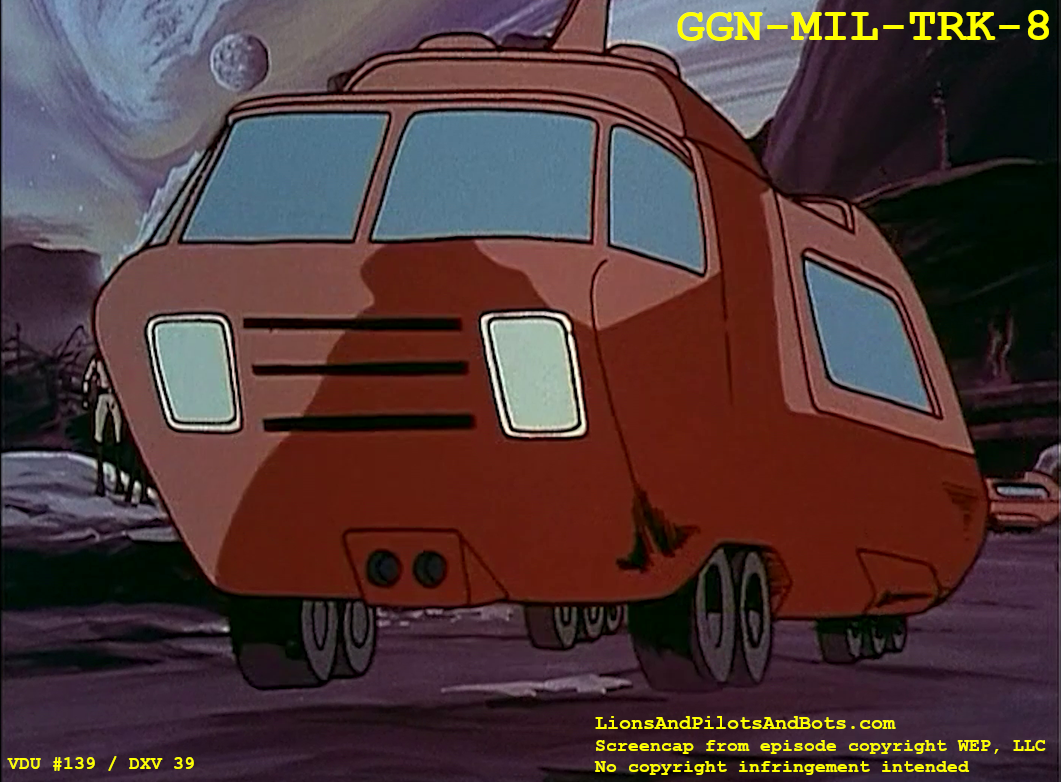 | GGN-MIL-TRK-8 | #139 “That’s the Old Ball Game” | #39 “The Tears of a Rugby Player” | #139 “That’s the Old Ball Game” | #39 “The Tears of a Rugby Player” |
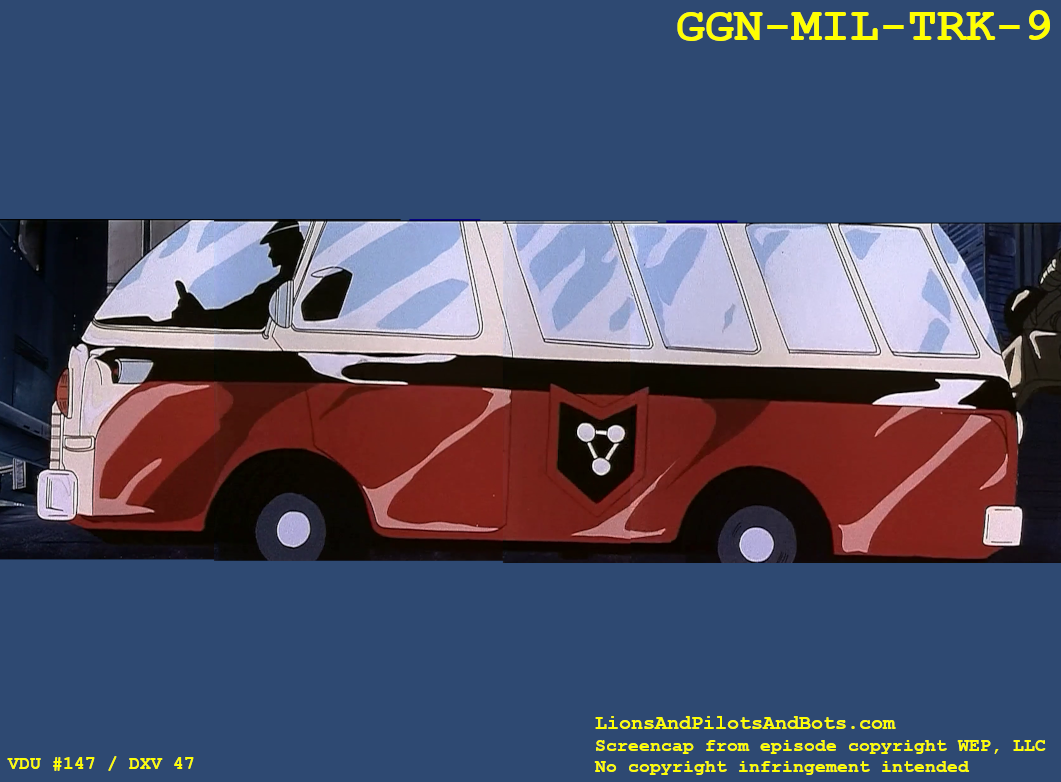 | GGN-MIL-TRK-9 | #147 “Color Me Invisible” | #47 “The Invisible Super-Weapon” | #147 “Color Me Invisible” | #47 “The Invisible Super-Weapon” |
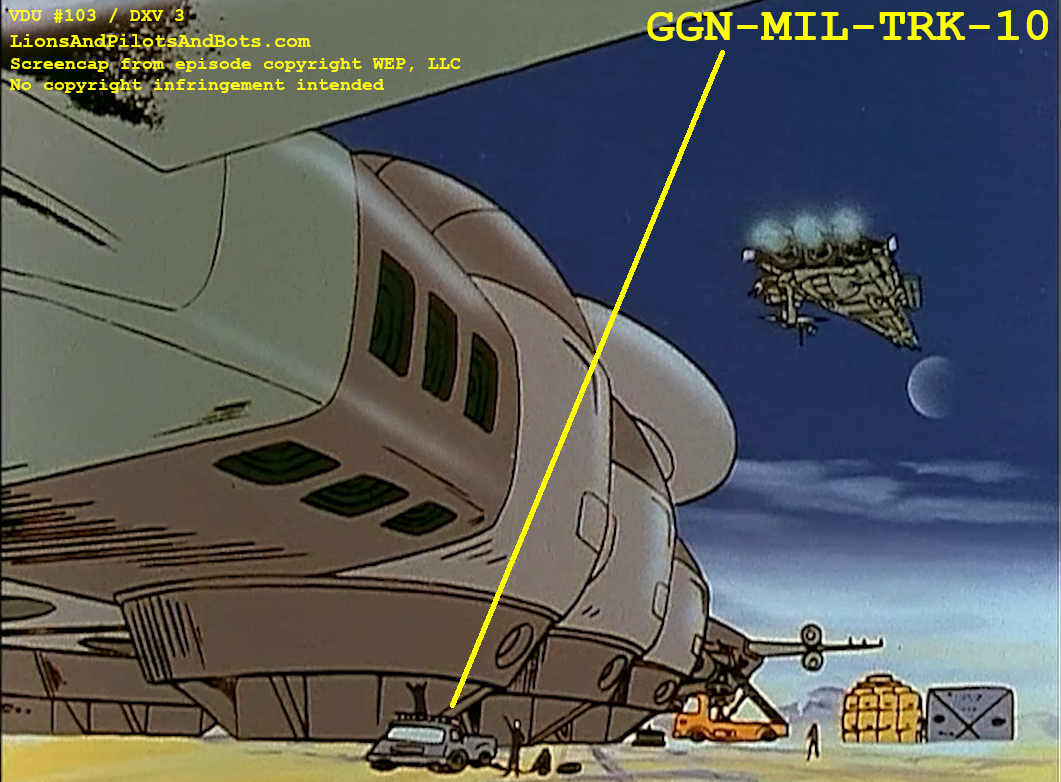 | GGN-MIL-TRK-10 | #103 “Building a New World” | #3 “Farewell, Achilles” | #103 “Building a New World” | #3 “Farewell, Achilles” |
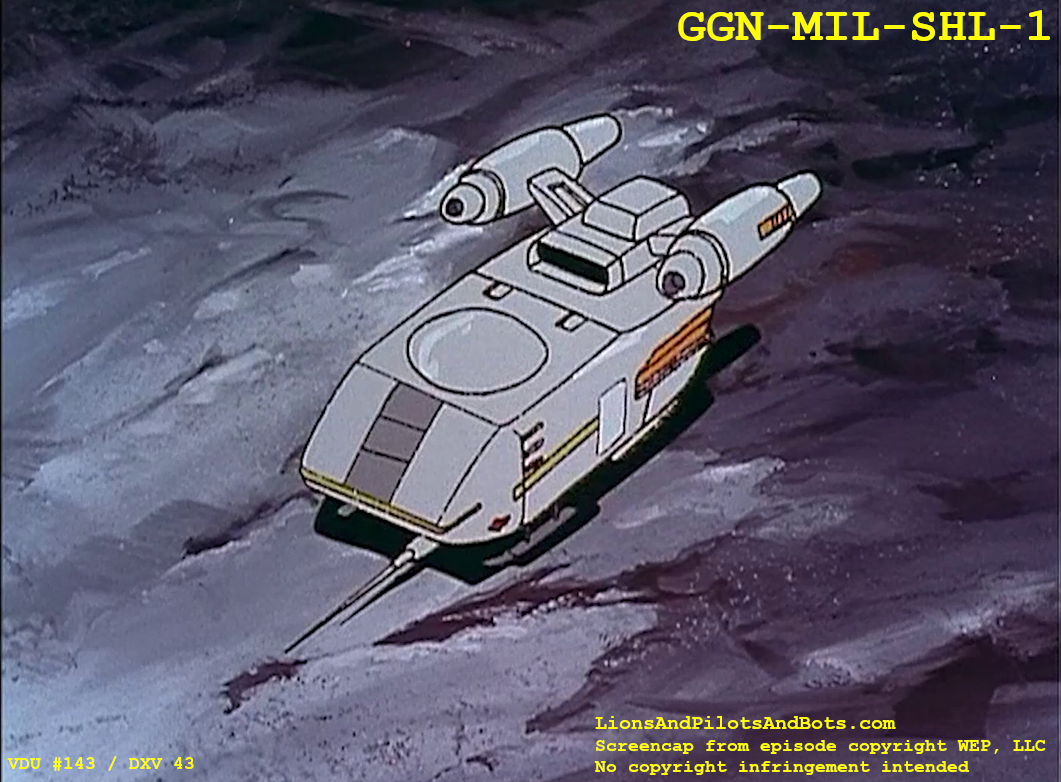 | GGN-MIL-SHL-1 | #115 “In the Enemy Camp” | #15 “Breakdown of the Space Talks” | #143 “It’s Anybody’s World” | #43 “Teles and Asimov” |
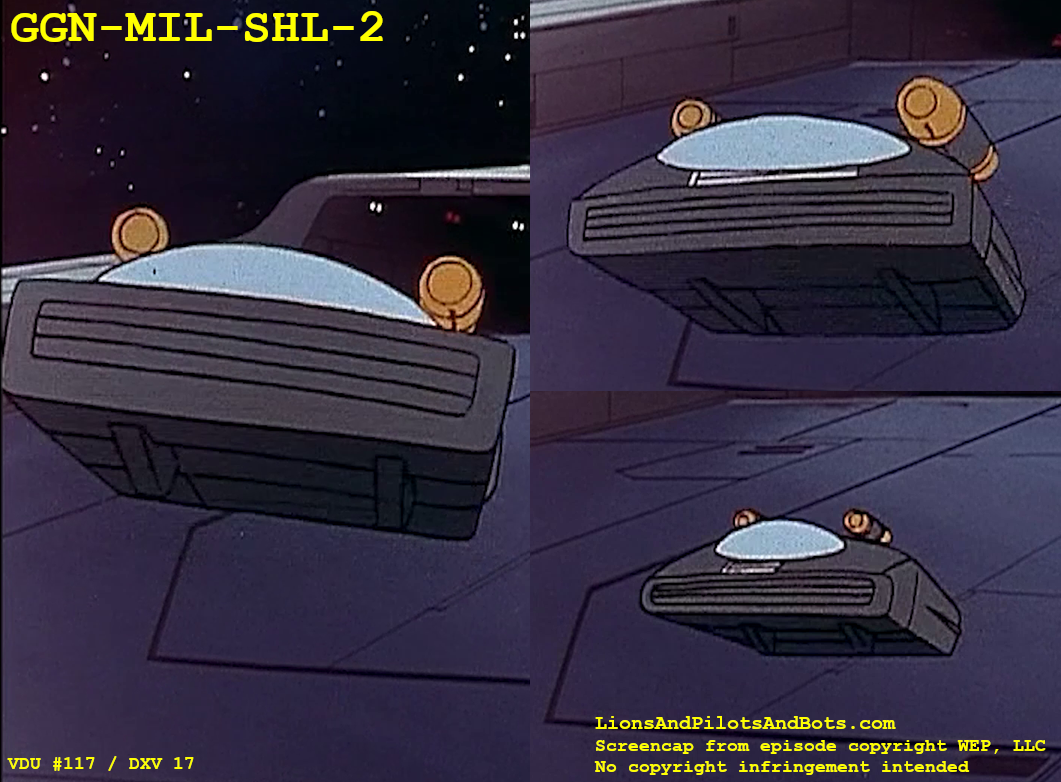 | GGN-MIL-SHL-2 | #117 No, Who’s on Second” | #17 “Orders for Asimov’s Return” | #117 No, Who’s on Second” | #17 “Orders for Asimov’s Return” |
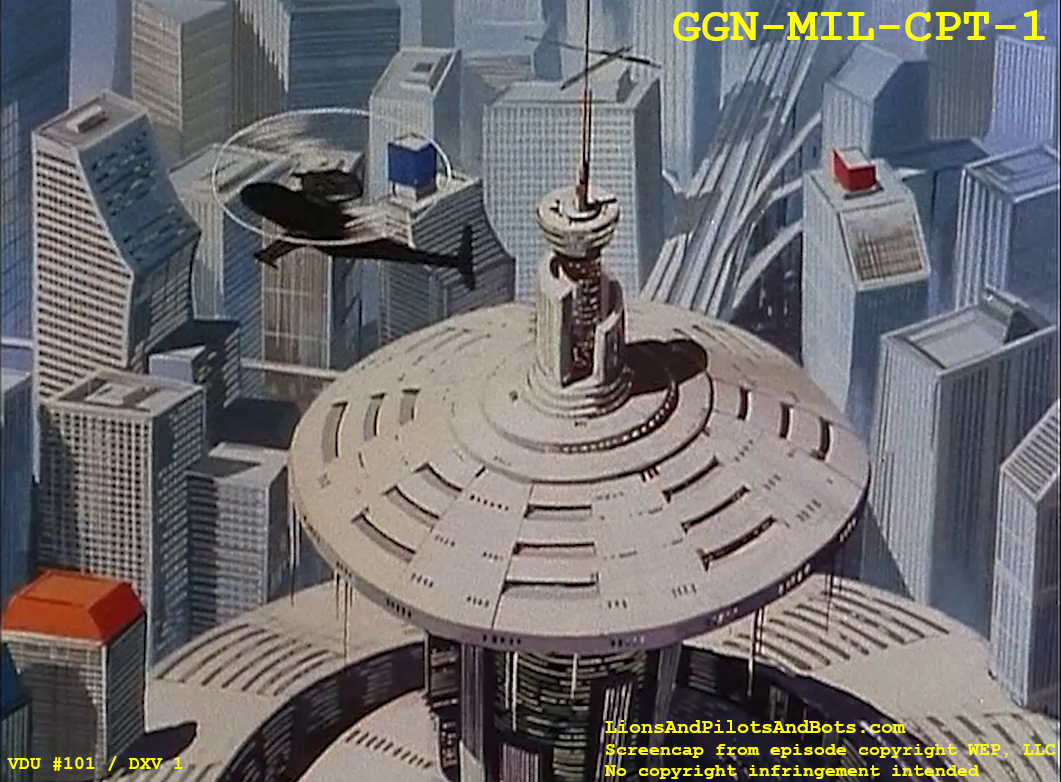 | GGN-MIL-CPT-1 | #101 “In Search of New Worlds” | #1 “Galactic Clash” | #101 “In Search of New Worlds” | #1 “Galactic Clash” |
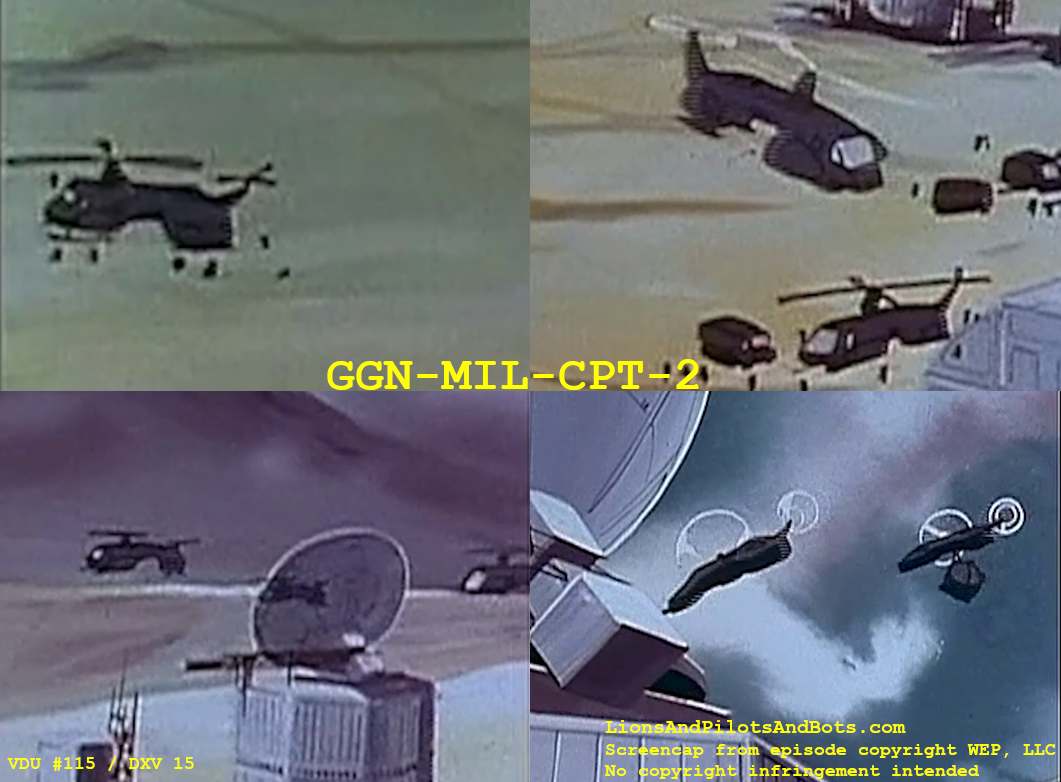 | GGN-MIL-CPT-2 | #115 “In the Enemy Camp” | #15 “Breakdown of the Space Talks” | #115 “In the Enemy Camp” | #15 “Breakdown of the Space Talks” |
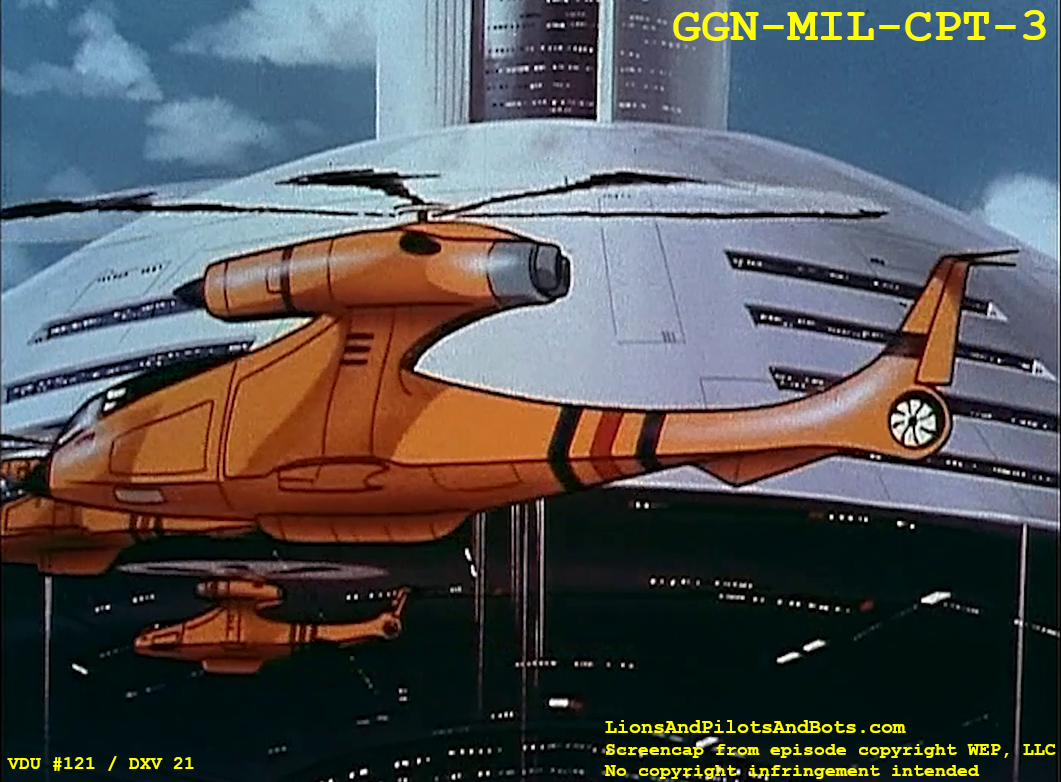
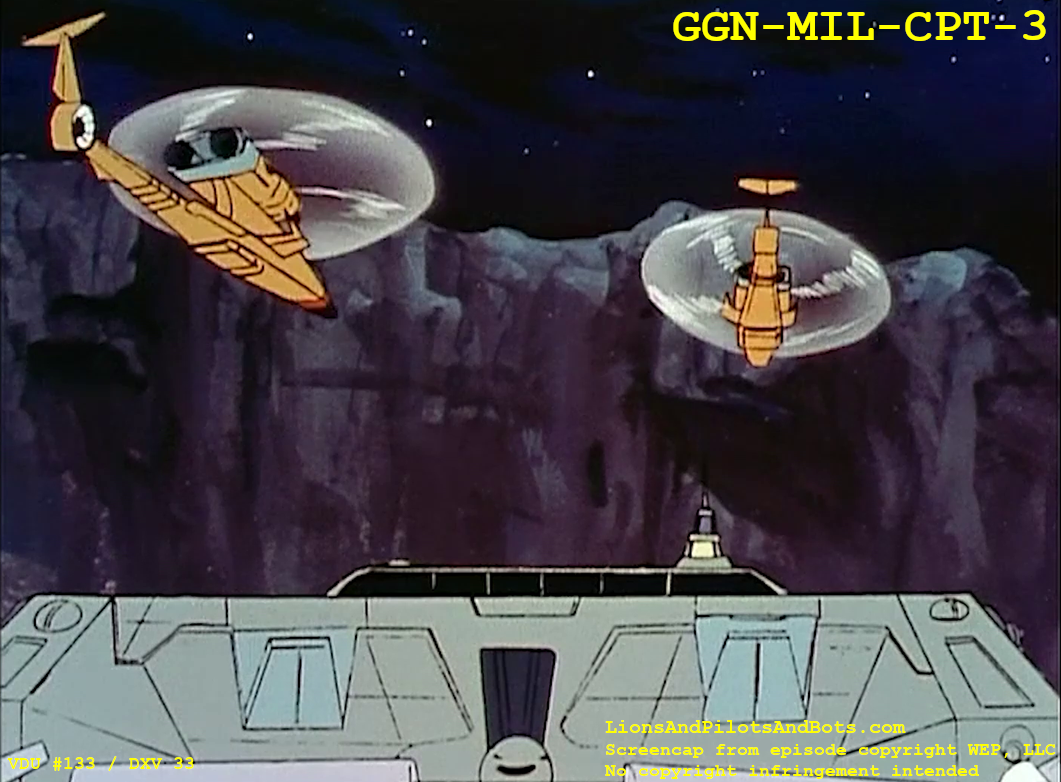
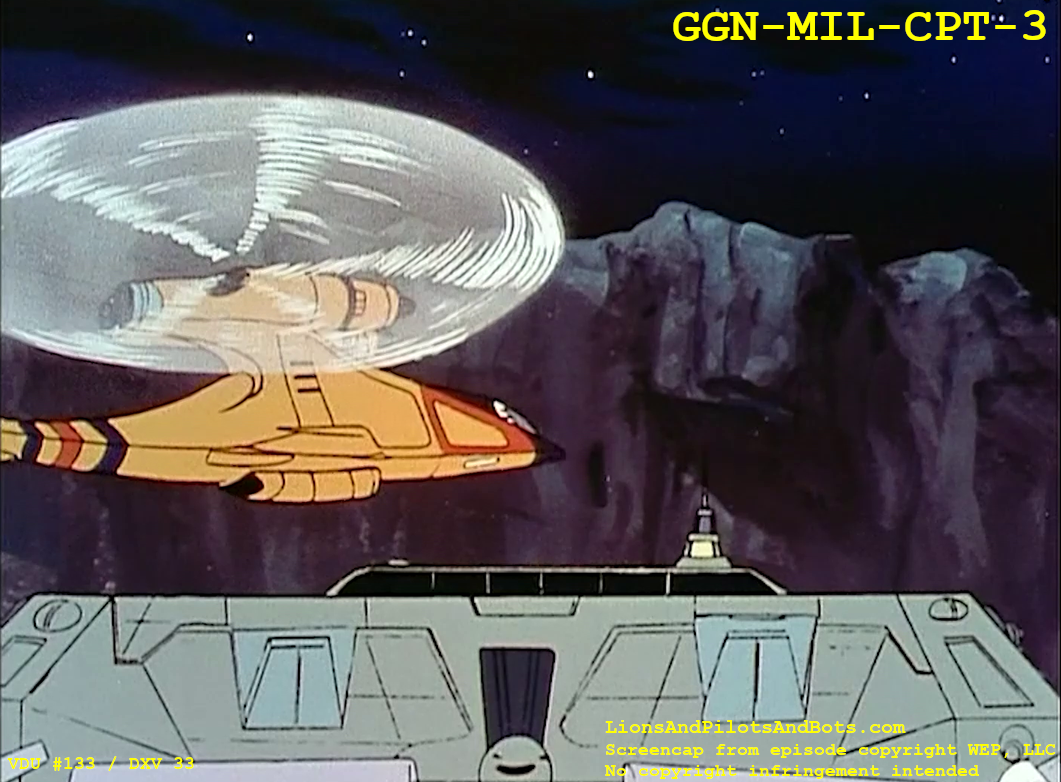
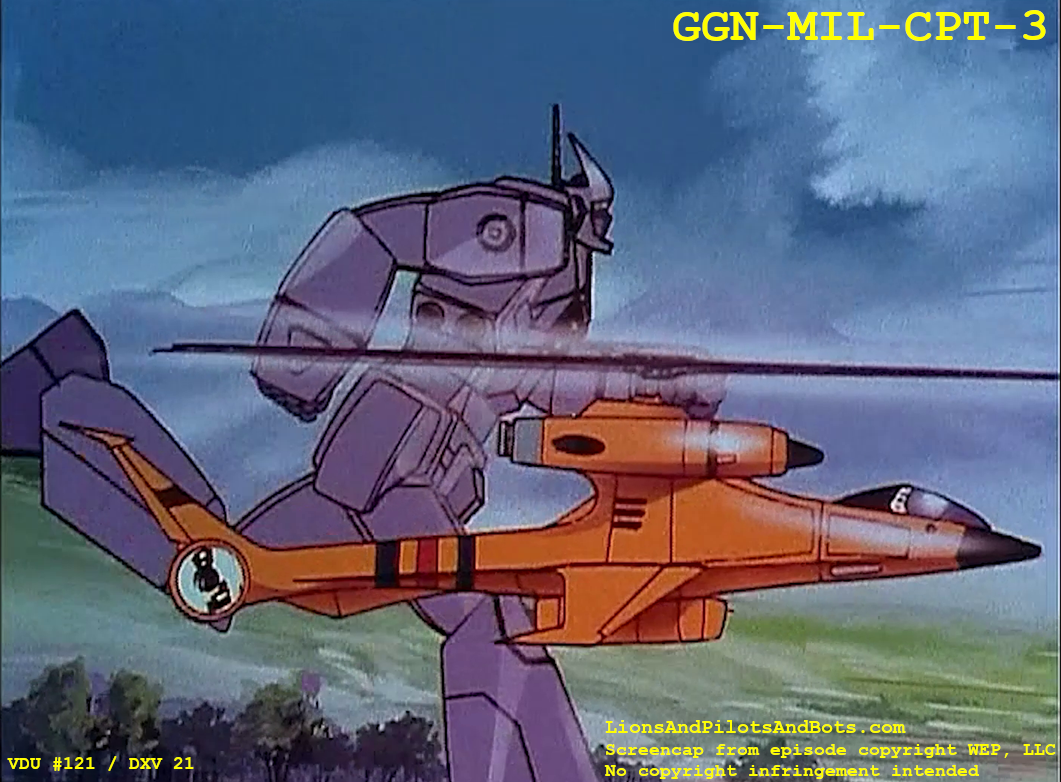 | GGN-MIL-CPT-3 | #121 “Meanwhile Back at Galaxy Garrison” | #21 “Arise Galaxy Garrison” | #133 “Captain Newley Returns” | #33 “The New Allied Fleet to the Rescue” |
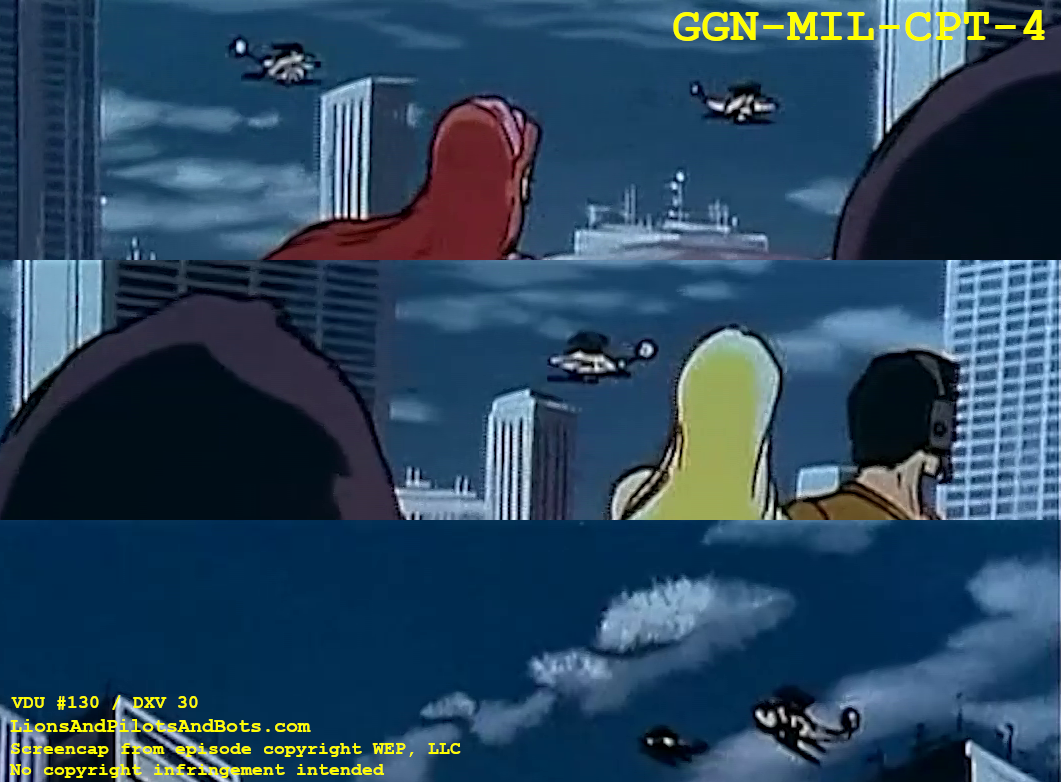 | GGN-MIL-CPT-4 | #130 “Raid on Galaxy Garrison” | #30 “Earth’s State of Emergency” | #130 “Raid on Galaxy Garrison” | #30 “Earth’s State of Emergency” |
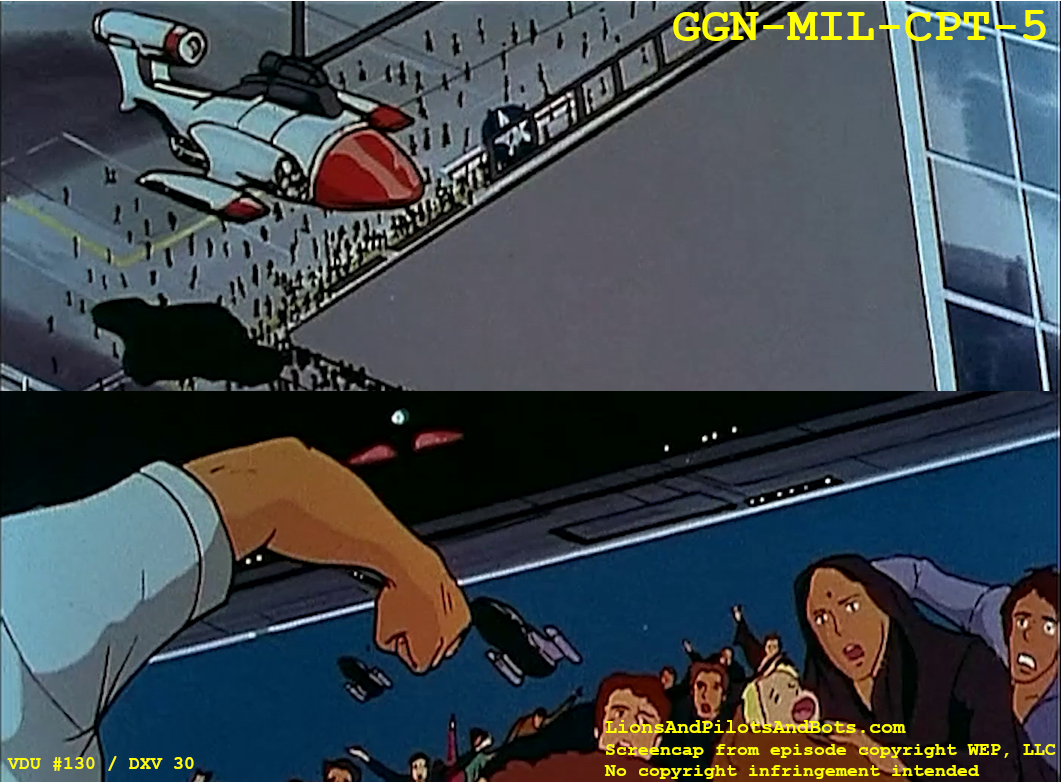 | GGN-MIL-CPT-5 | #130 “Raid on Galaxy Garrison” | #30 “Earth’s State of Emergency” | #130 “Raid on Galaxy Garrison” | #30 “Earth’s State of Emergency” |
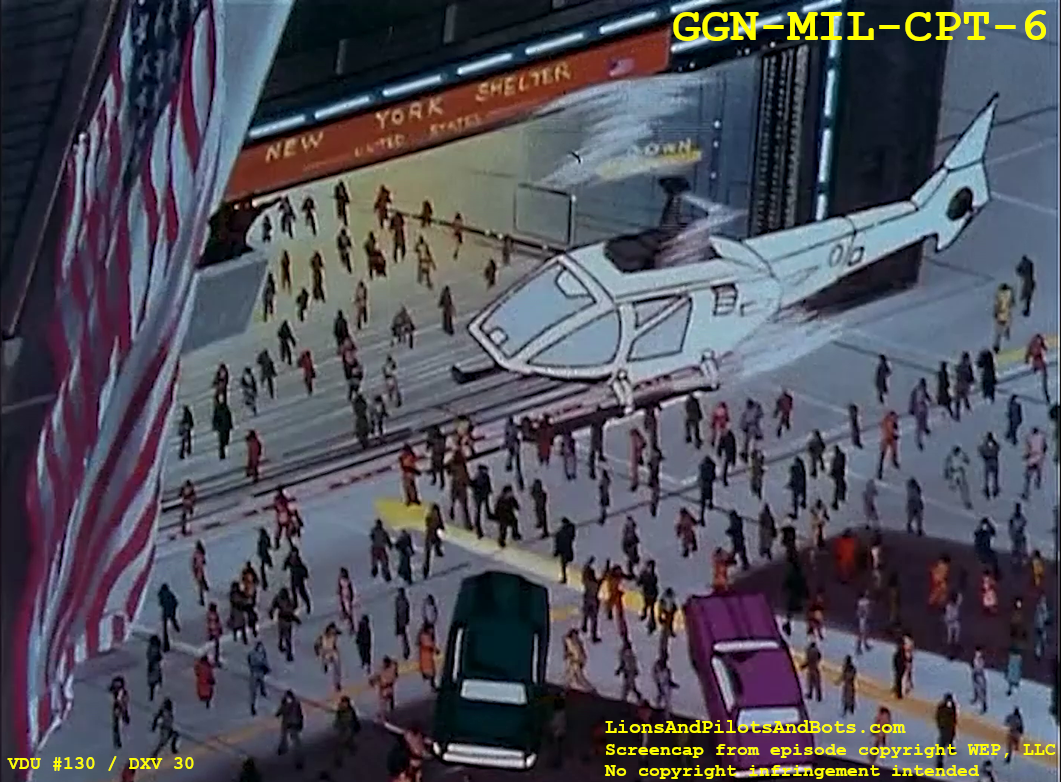 | GGN-MIL-CPT-6 | #130 “Raid on Galaxy Garrison” | #30 “Earth’s State of Emergency” | #130 “Raid on Galaxy Garrison” | #30 “Earth’s State of Emergency” |
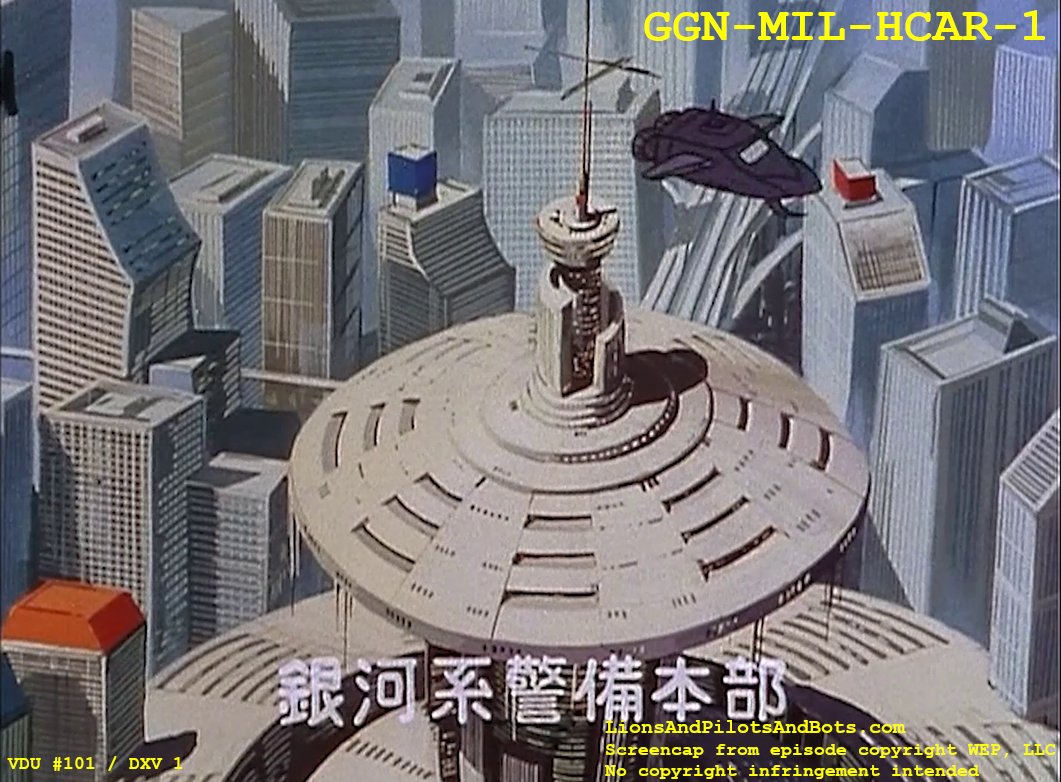 | GGN-MIL-HCAR-1 | #101 “In Search of New Worlds” | #1 “Galactic Clash” | #101 “In Search of New Worlds” | #1 “Galactic Clash” |
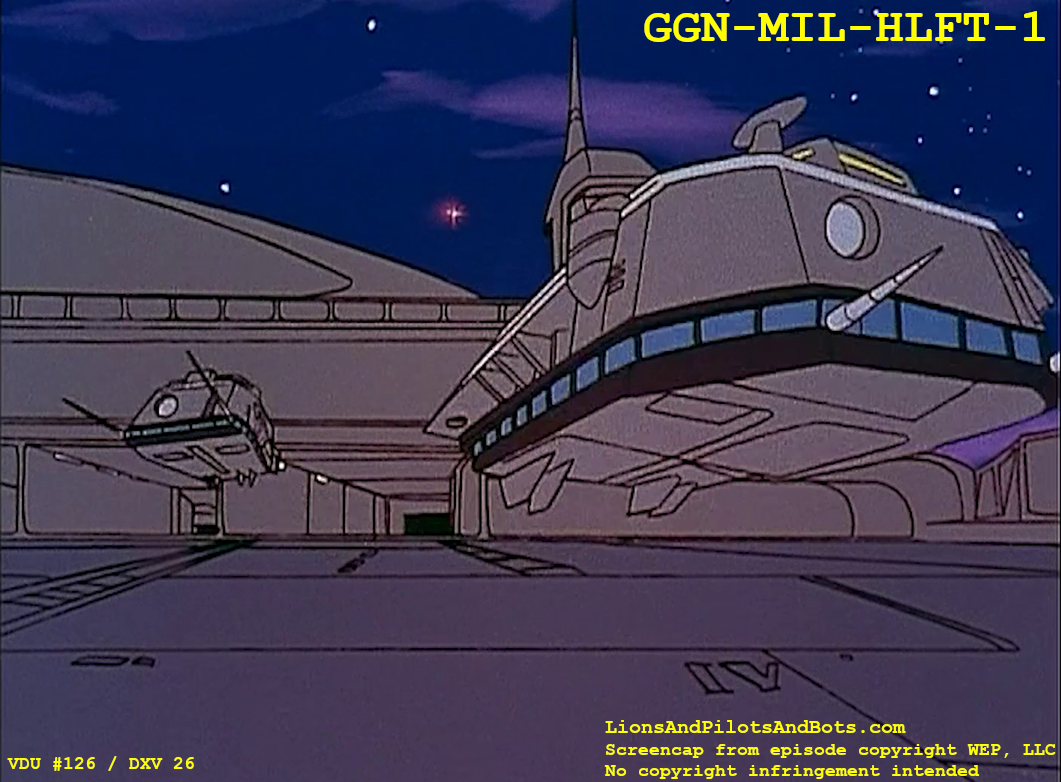
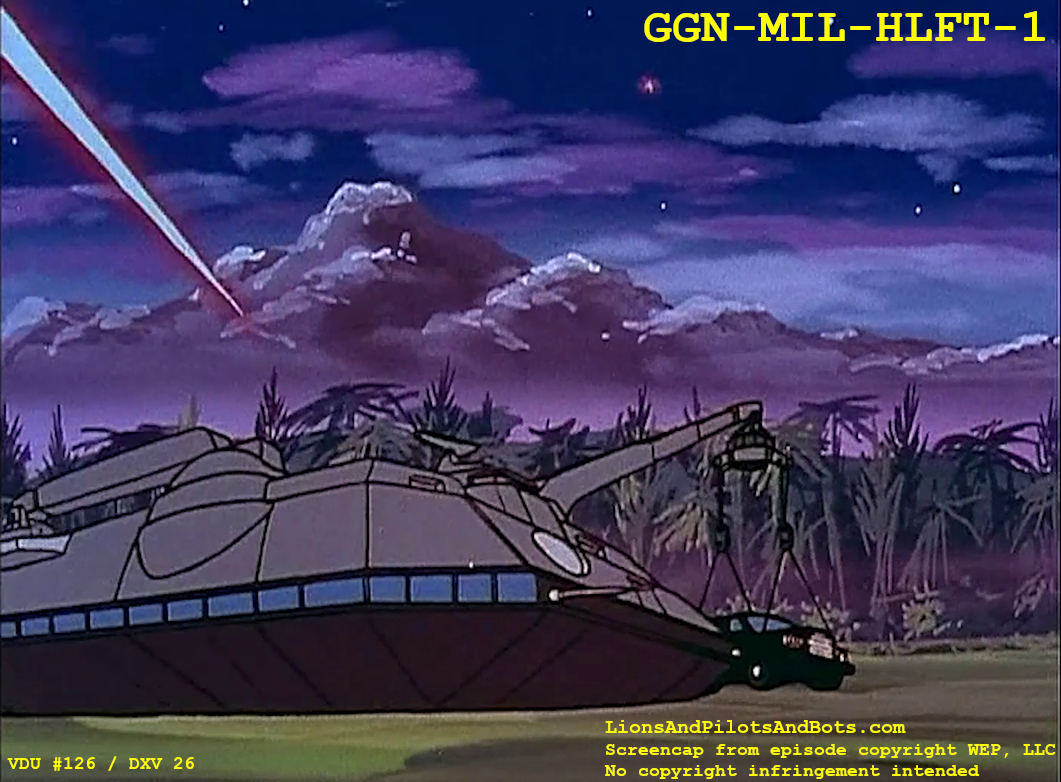 | GGN-MIL-HLFT-1 | #126 “The Planet Trap” | #26 “Snare of the Hell Planet” | #126 “The Planet Trap” | #26 “Snare of the Hell Planet” |
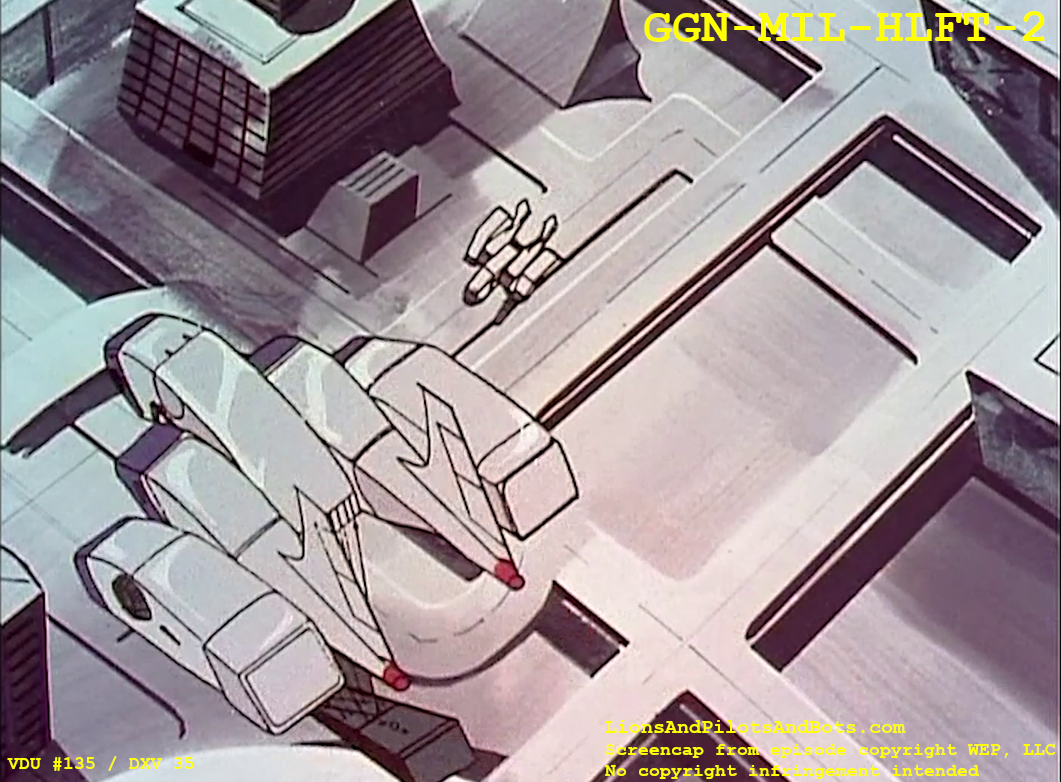 | GGN-MIL-HLFT-2 | #134 “Hazar Bucks the Empire” | #34 “Planet of the Burning Cave” | #135 “Letters from Home” | #35 “Get Yourself Together, Mutsu” |
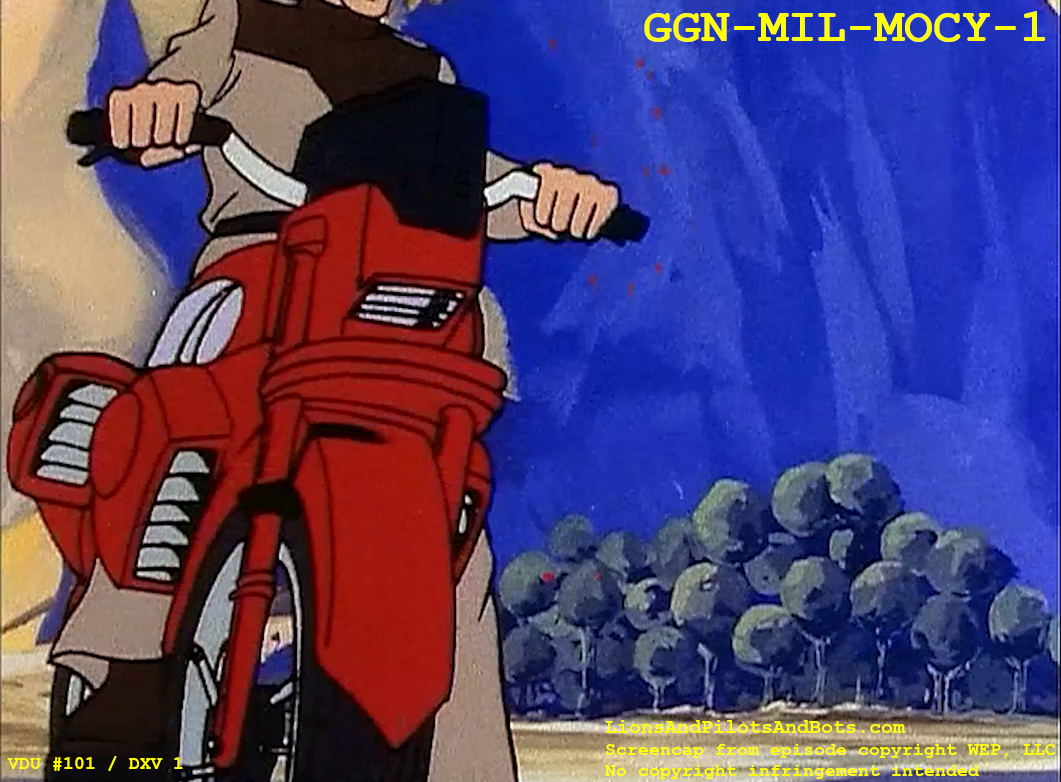 | GGN-MIL-MOCY-1 | #101 “In Search of New Worlds” | #1 “Galactic Clash” | #101 “In Search of New Worlds” | #1 “Galactic Clash” |
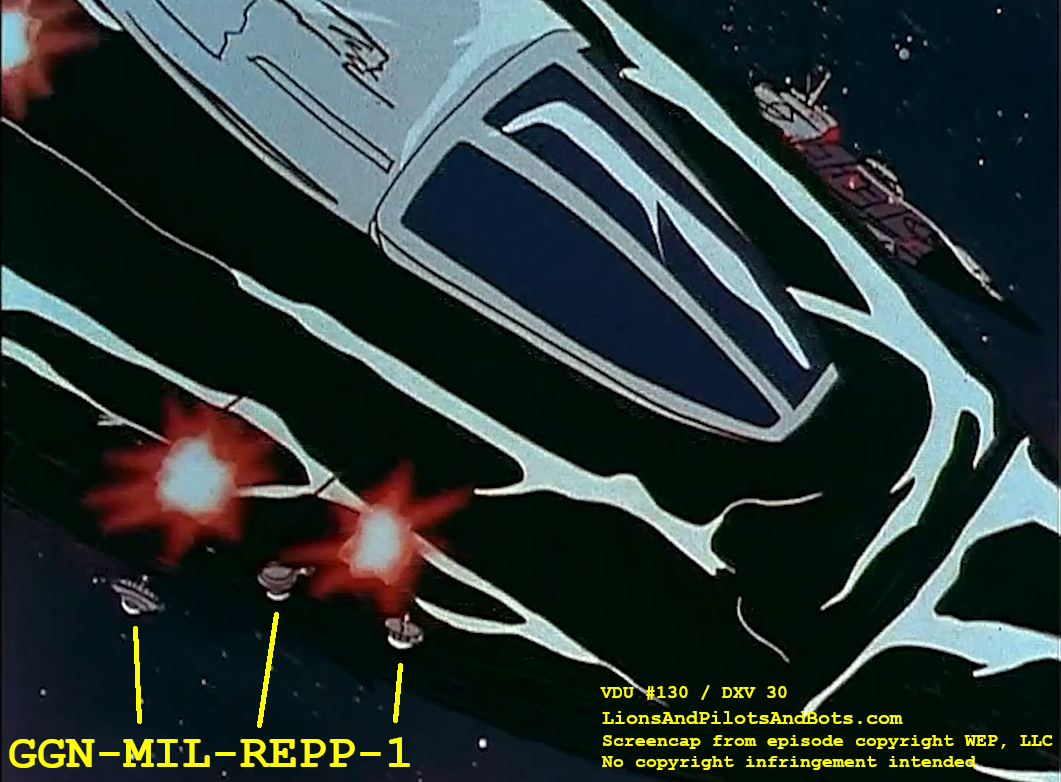 | GGN-MIL-REPP-1 | #130 “Raid on Galaxy Garrison” | #30 “Earth’s State of Emergency” | #130 “Raid on Galaxy Garrison” | 30#30 “Earth’s State of Emergency” |
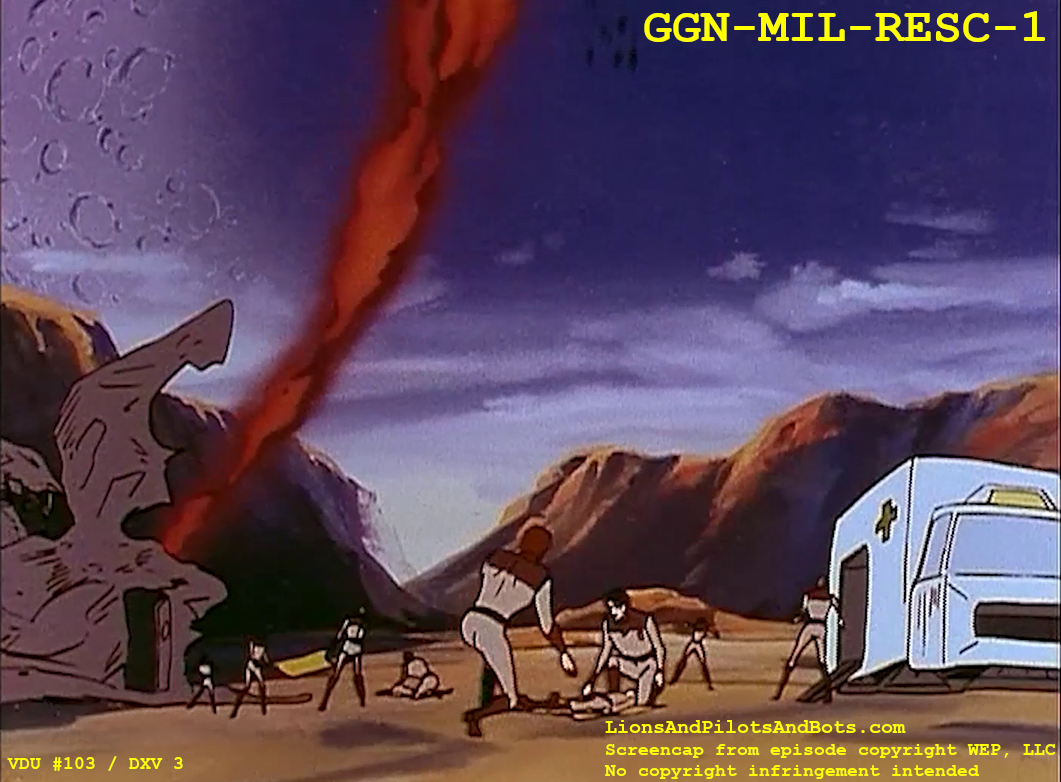 | GGN-MIL-RESC-1 | #103 “Building a New World” | #3 “Farewell, Achilles” | #103 “Building a New World” | #3 “Farewell, Achilles” |
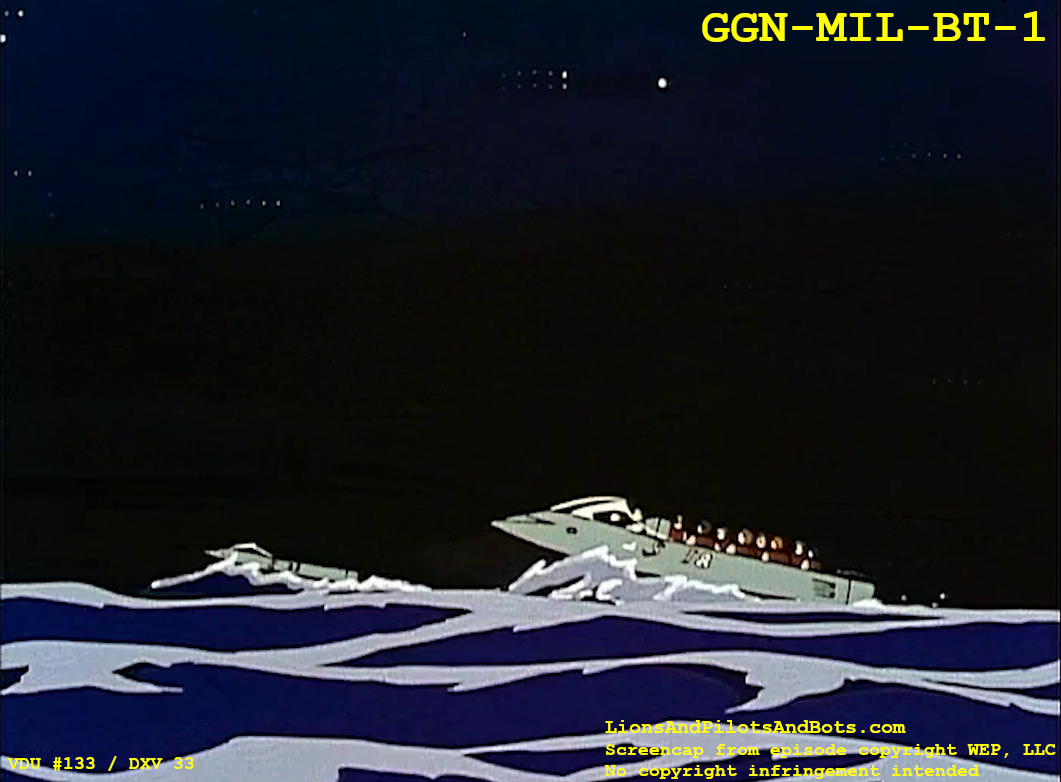 | GGN-MIL-BT-1 | #133 “Captain Newley Returns” | #33 “The New Allied Fleet to the Rescue” | #133 “Captain Newley Returns” | #33 “The New Allied Fleet to the Rescue” |
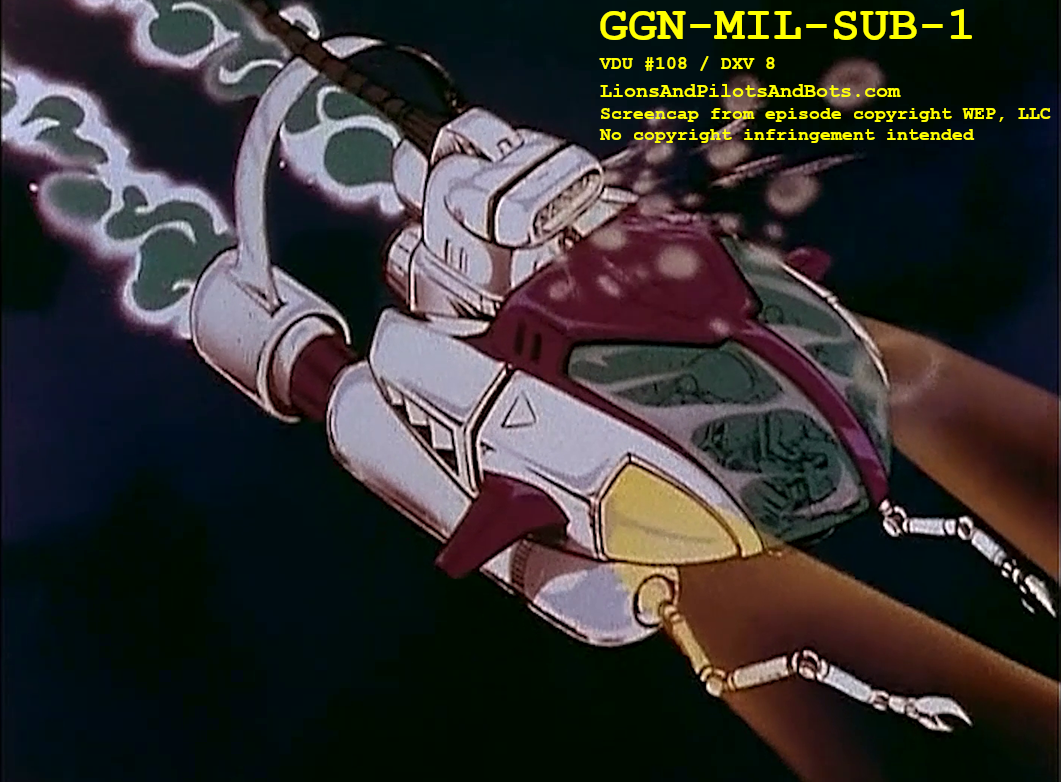 | GGN-MIL-SUB-1 | #108 “Ghost Fleet from Another Planet” | #8 “Specters of the Binary System” | #108 “Ghost Fleet from Another Planet” | #8 “Specters of the Binary System” |
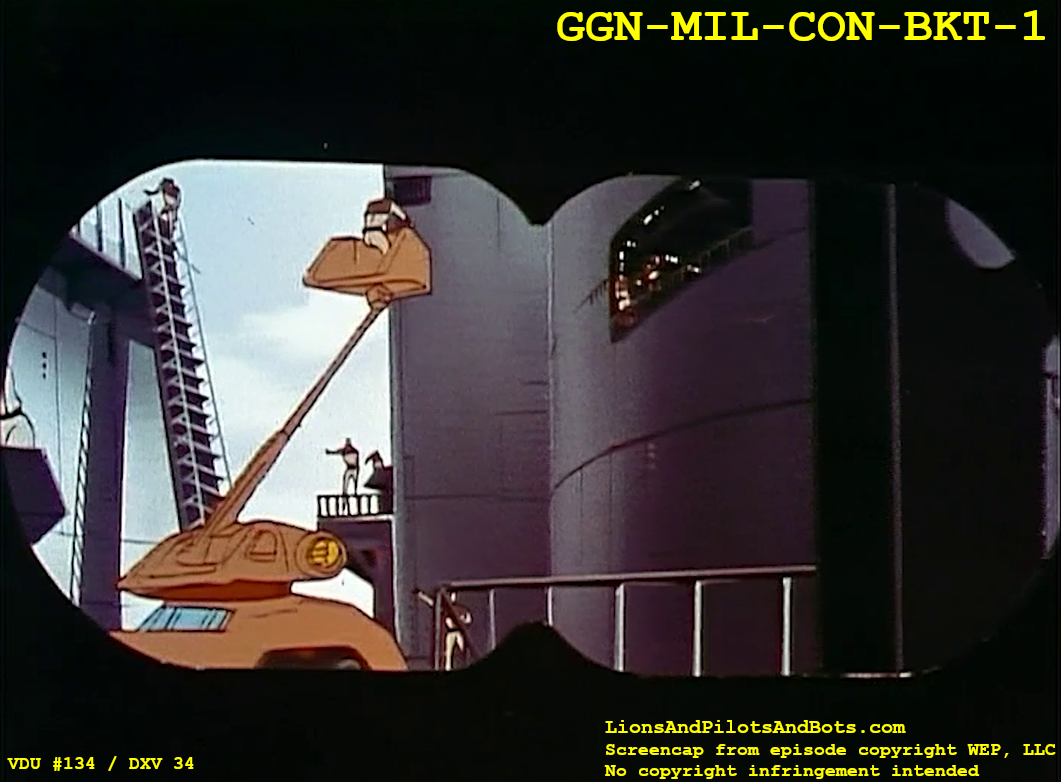 | GGN-MIL-CON-BKT-1 | #134 “Hazar Bucks the Empire” | #34 “Planet of the Burning Cave” | #134 “Hazar Bucks the Empire” | #34 “Planet of the Burning Cave” |
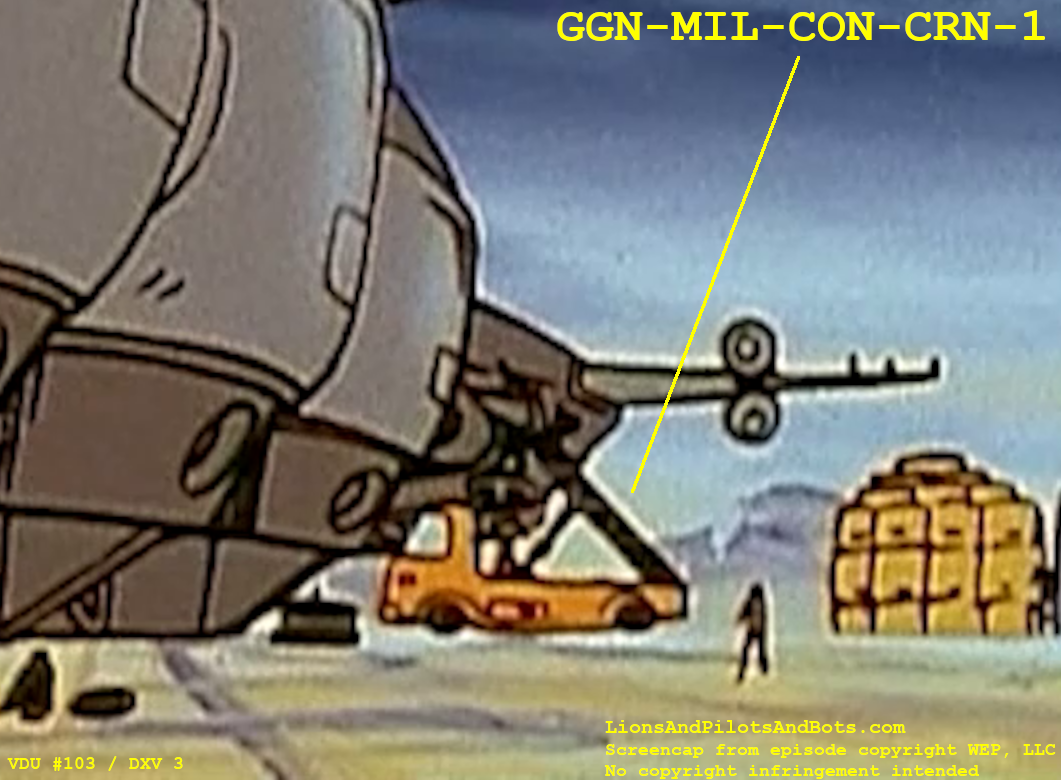 | GGN-MIL-CON-CRN-1 | #103 “Building a New World” | #3 “Farewell, Achilles” | #103 “Building a New World” | #3 “Farewell, Achilles” |
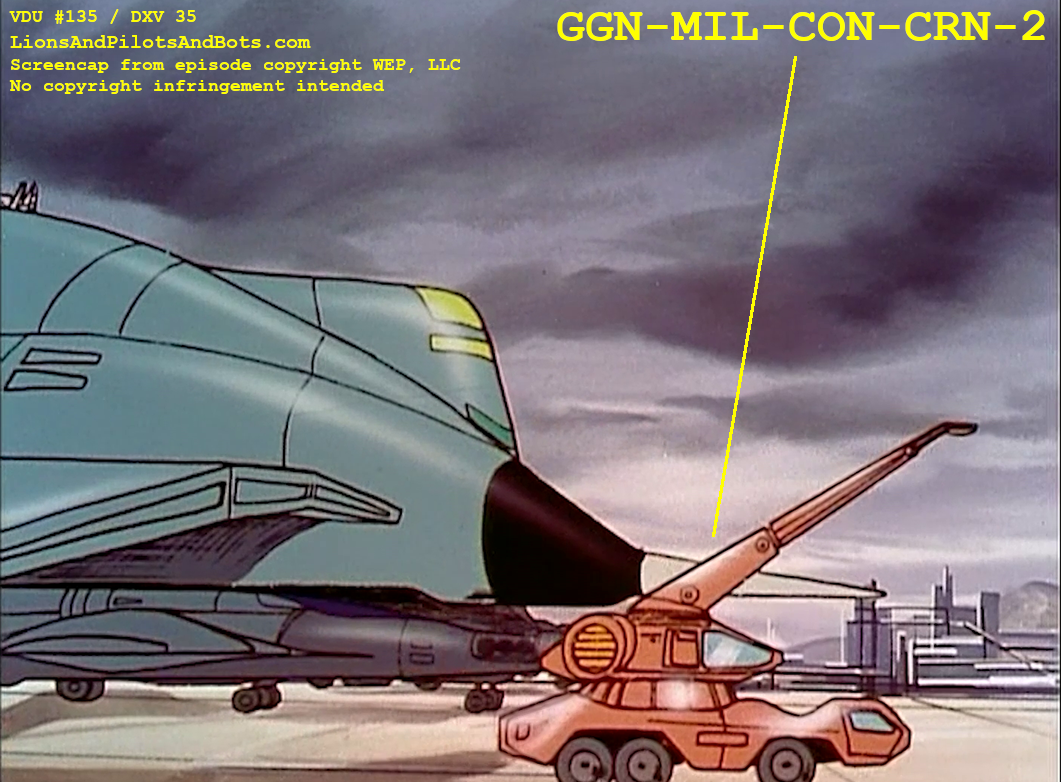 | GGN-MIL-CON-CRN-2 | #135 “Letters from Home” | #35 “Get Yourself Together, Mutsu” | #135 “Letters from Home” | #35 “Get Yourself Together, Mutsu” |
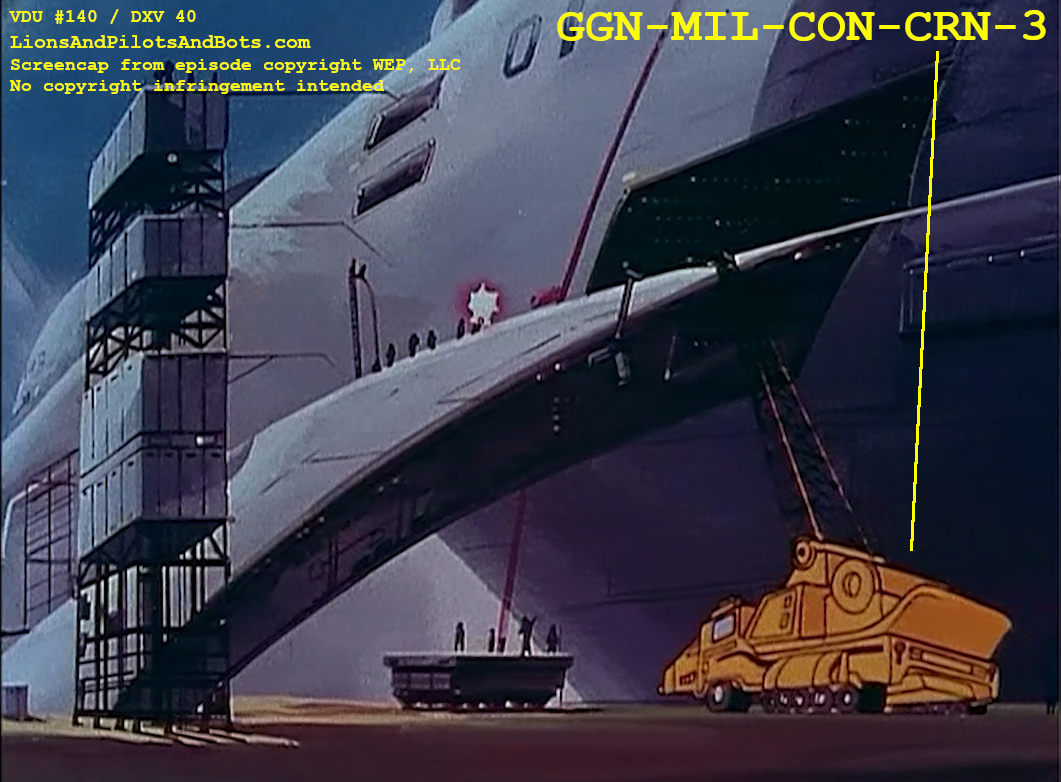 | GGN-MIL-CON-CRN-3 | #140 “Red Moon Rises Again” | #40 “The Boy Denon and the Elk” | #140 “Red Moon Rises Again” | #40 “The Boy Denon and the Elk” |
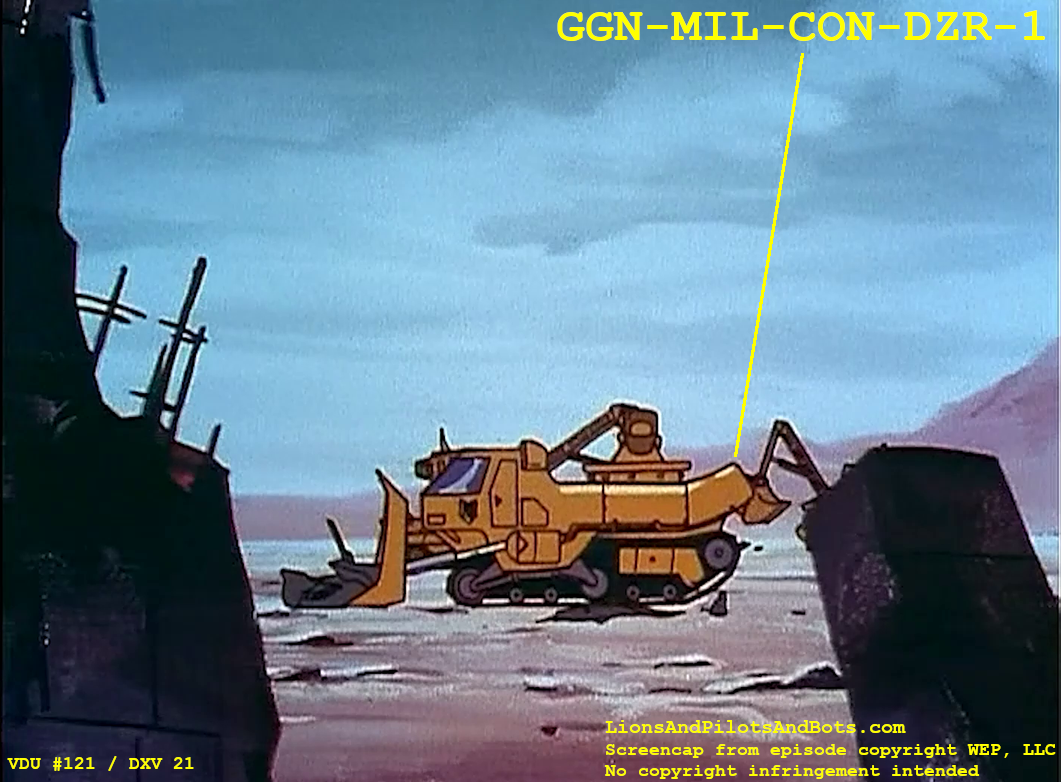 | GGN-MIL-CON-DZR-1 | #121 “Meanwhile Back at Galaxy Garrison” | #21 “Arise Galaxy Garrison” | #121 “Meanwhile Back at Galaxy Garrison” | #21 “Arise Galaxy Garrison” |
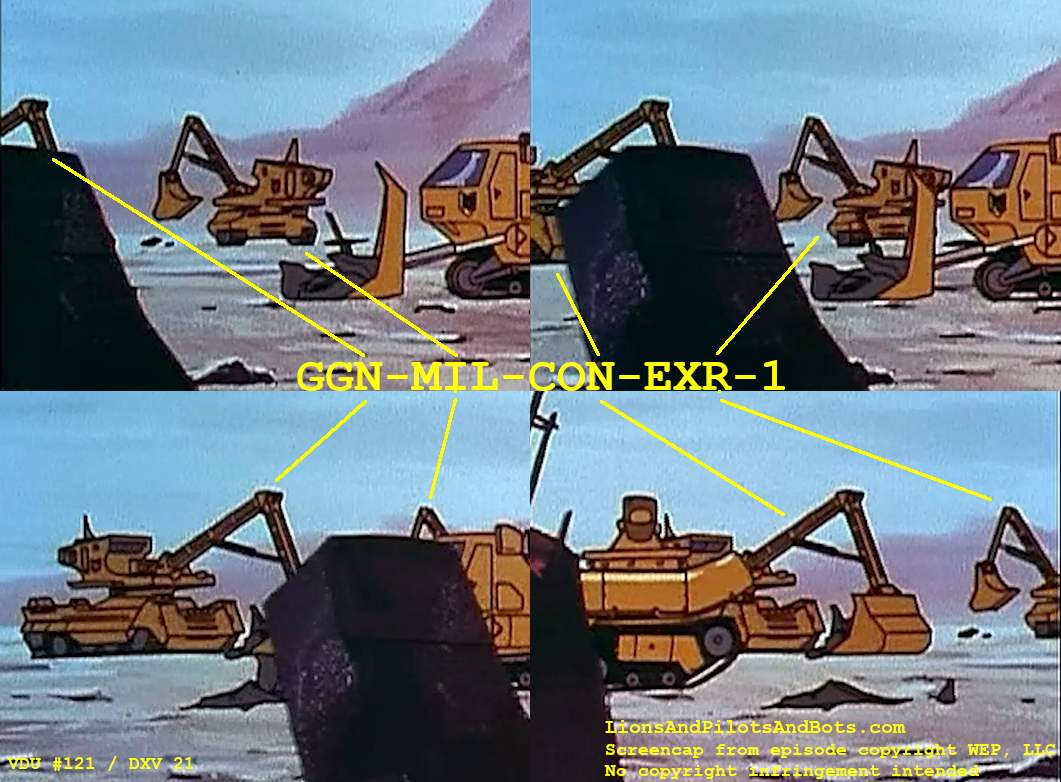 | GGN-MIL-CON-EXR-1 | #121 “Meanwhile Back at Galaxy Garrison” | #21 “Arise Galaxy Garrison” | #121 “Meanwhile Back at Galaxy Garrison” | #21 “Arise Galaxy Garrison” |
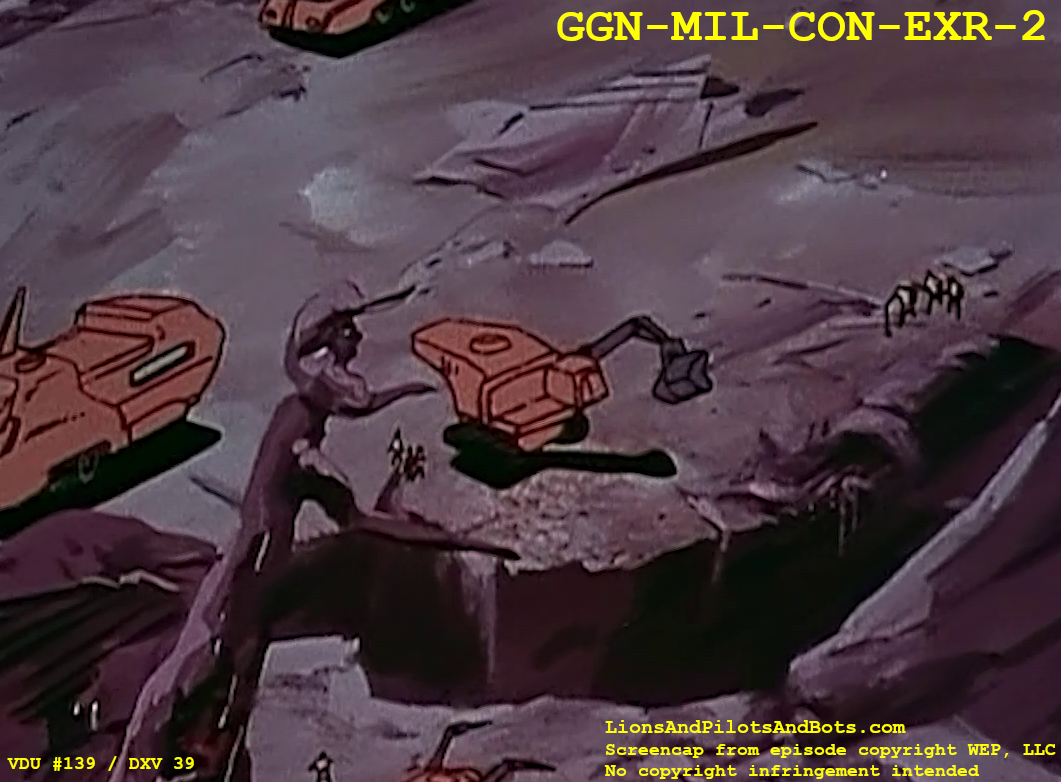 | GGN-MIL-CON-EXR-2 | #139 “That’s the Old Ball Game” | #39 “The Tears of a Rugby Player” | #139 “That’s the Old Ball Game” | #39 “The Tears of a Rugby Player” |
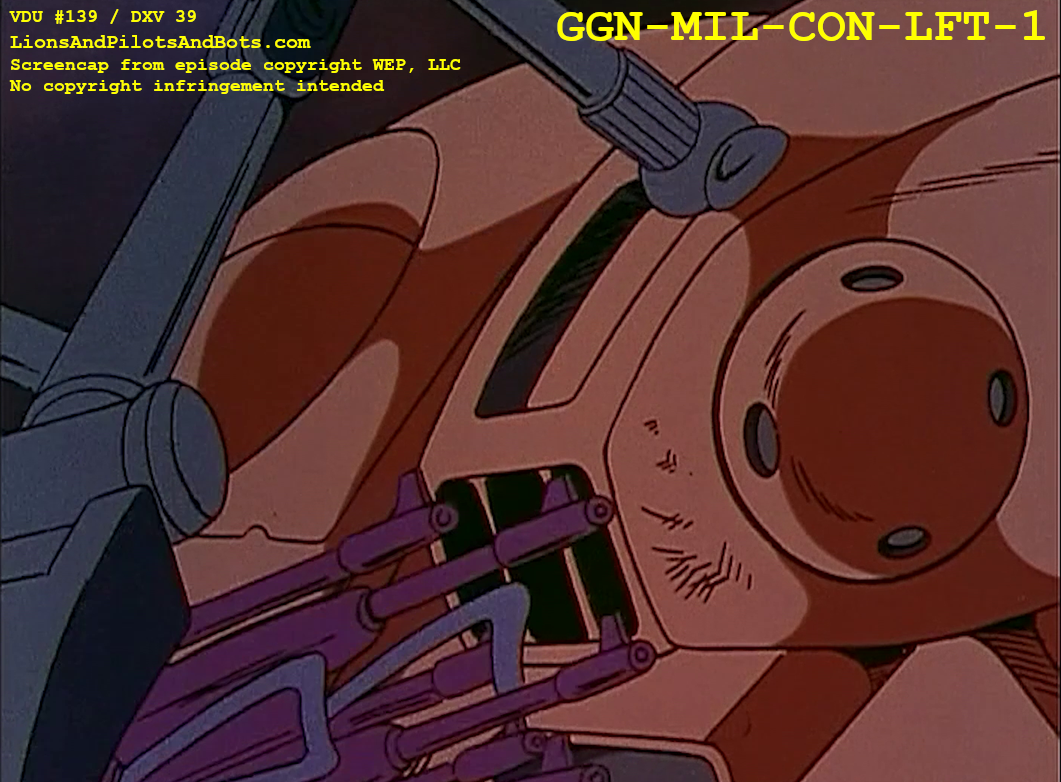 | GGN-MIL-CON-LFT-1 | #139 “That’s the Old Ball Game” | #39 “The Tears of a Rugby Player” | #139 “That’s the Old Ball Game” | #39 “The Tears of a Rugby Player” |
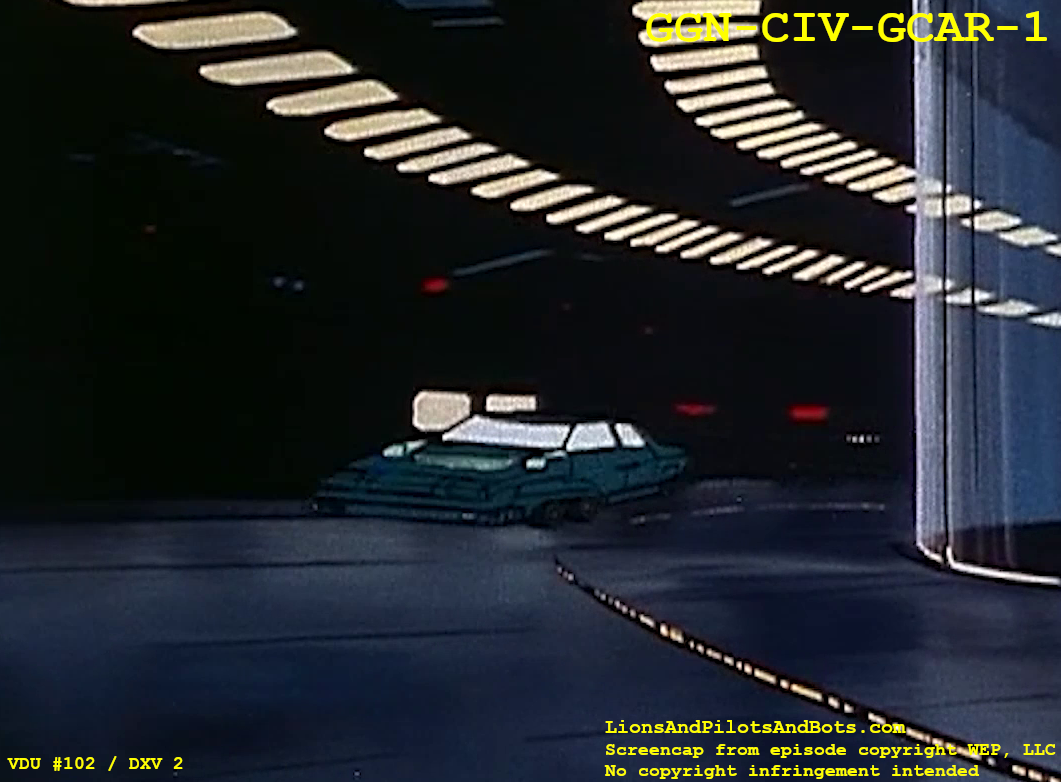
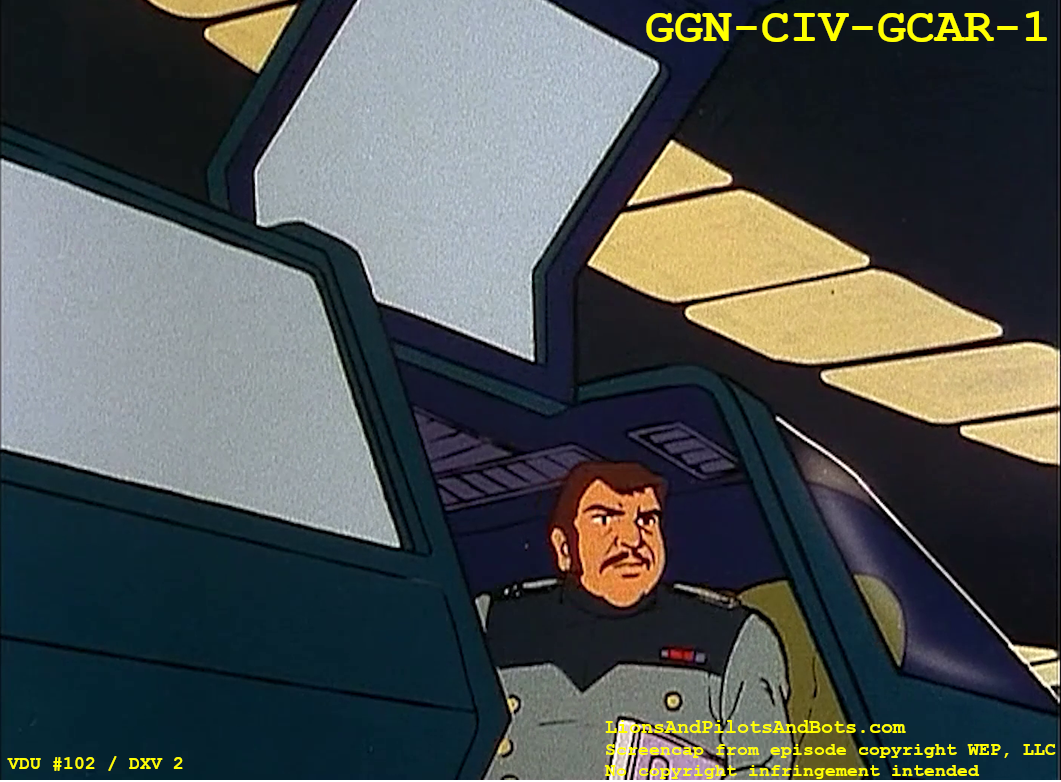
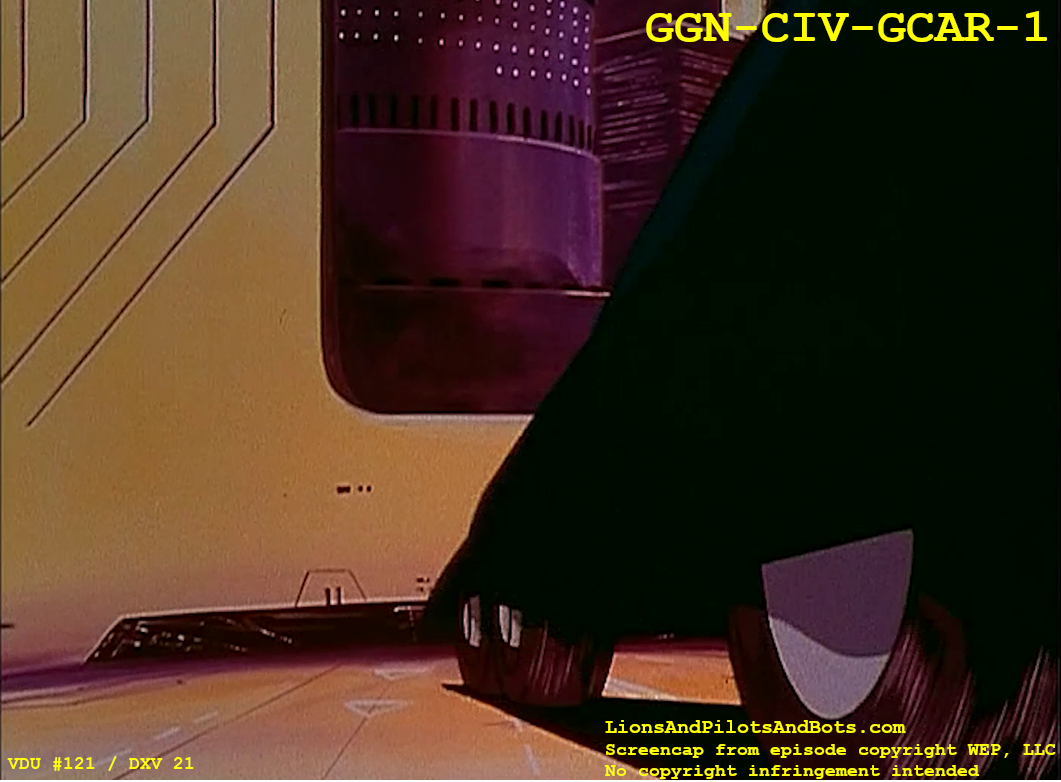
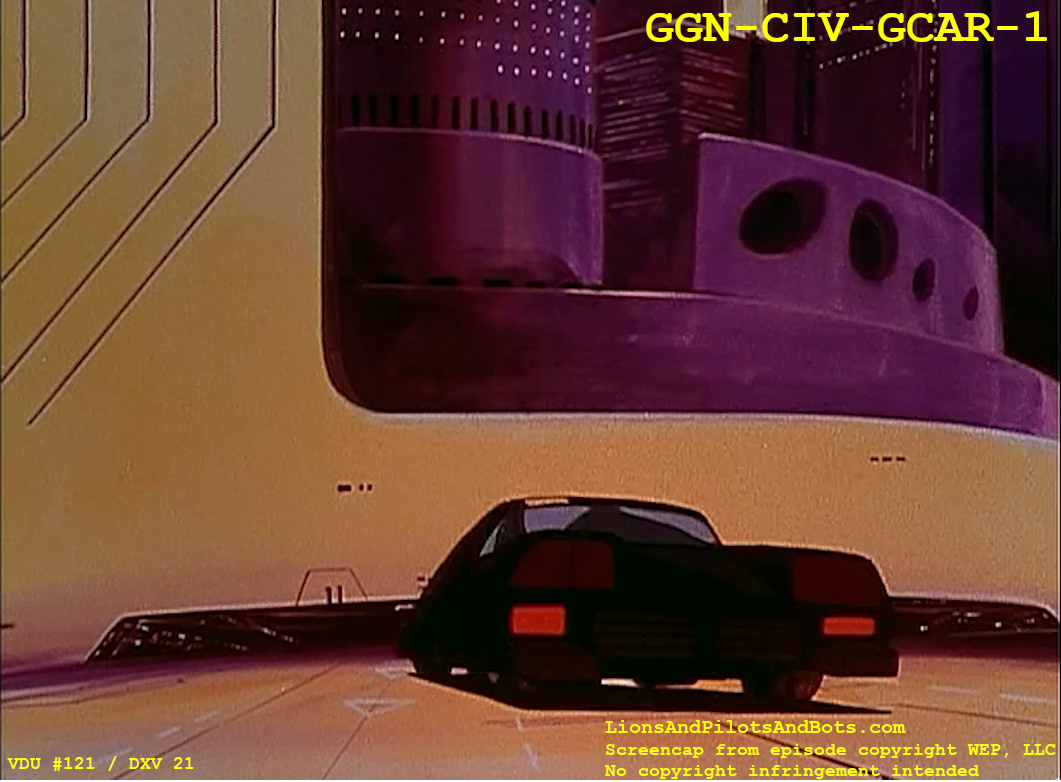
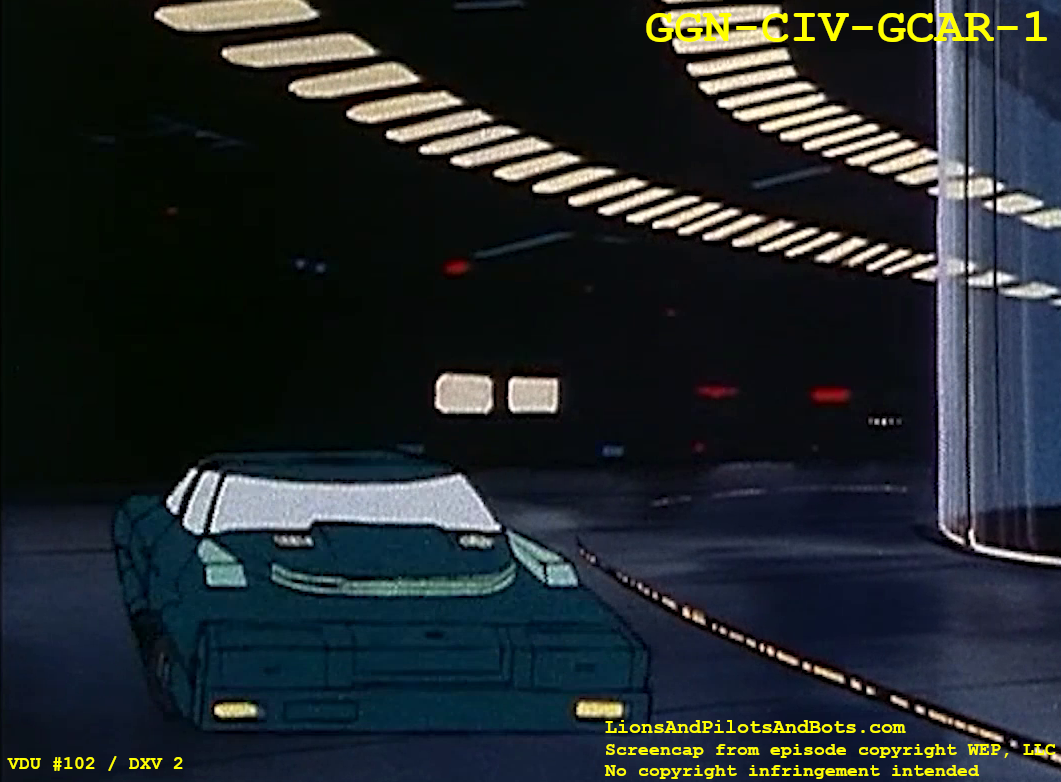 | GGN-CIV-GCAR-1 | #102 “Building a New World” | #2 “The Isolated Regiment” | #121 “Meanwhile Back at Galaxy Garrison” | #21 “Arise Galaxy Garrison” |
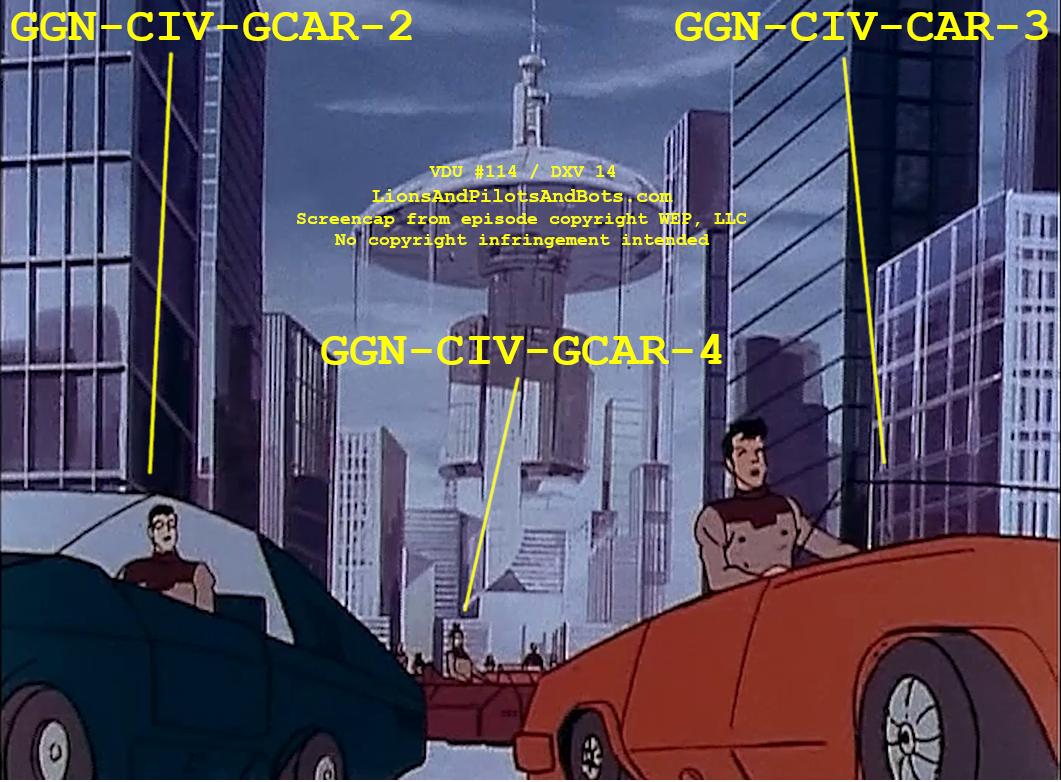 | GGN-CIV-GCAR-2 | #114 “A Curious Comet” | #14 “The Earth Fleet’s Counterattack” | #114 “A Curious Comet” | #14 “The Earth Fleet’s Counterattack” |
| GGN-CIV-GCAR-3 | #114 “A Curious Comet” | #14 “The Earth Fleet’s Counterattack” | #114 “A Curious Comet” | #14 “The Earth Fleet’s Counterattack” |
| GGN-CIV-GCAR-4 | #114 “A Curious Comet” | #14 “The Earth Fleet’s Counterattack” | #114 “A Curious Comet” | #14 “The Earth Fleet’s Counterattack” |
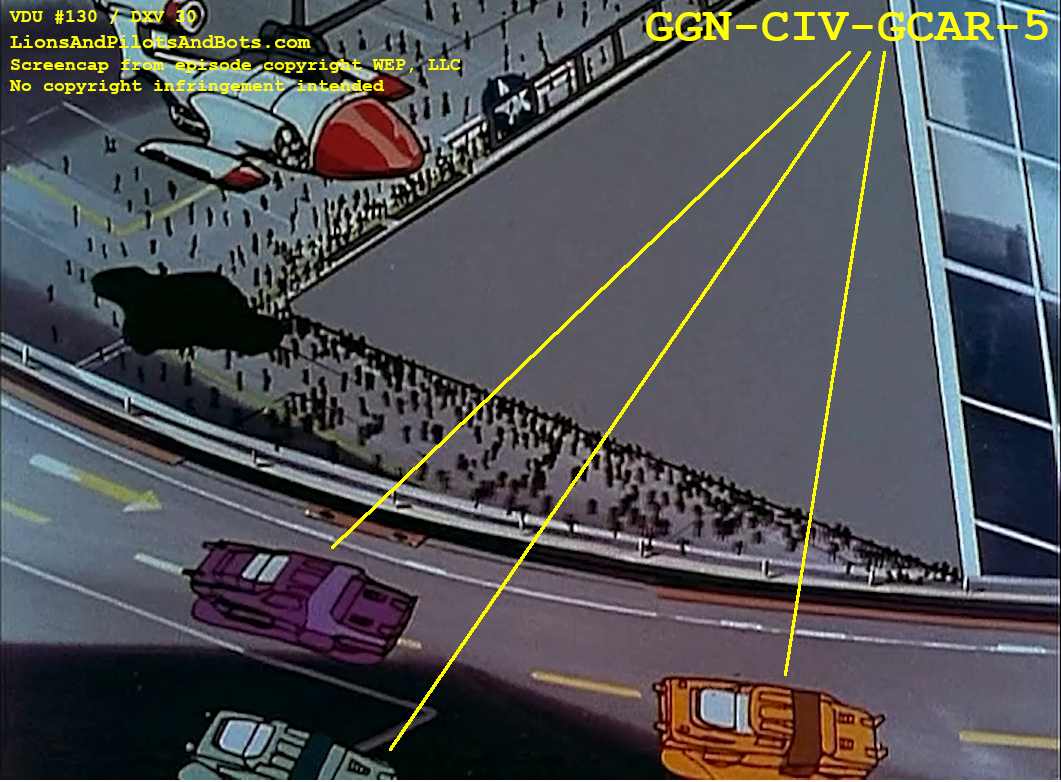 | GGN-CIV-GCAR-5 | #130 “Raid on Galaxy Garrison” | #30 “Earth’s State of Emergency” | #130 “Raid on Galaxy Garrison” | #30 “Earth’s State of Emergency” |
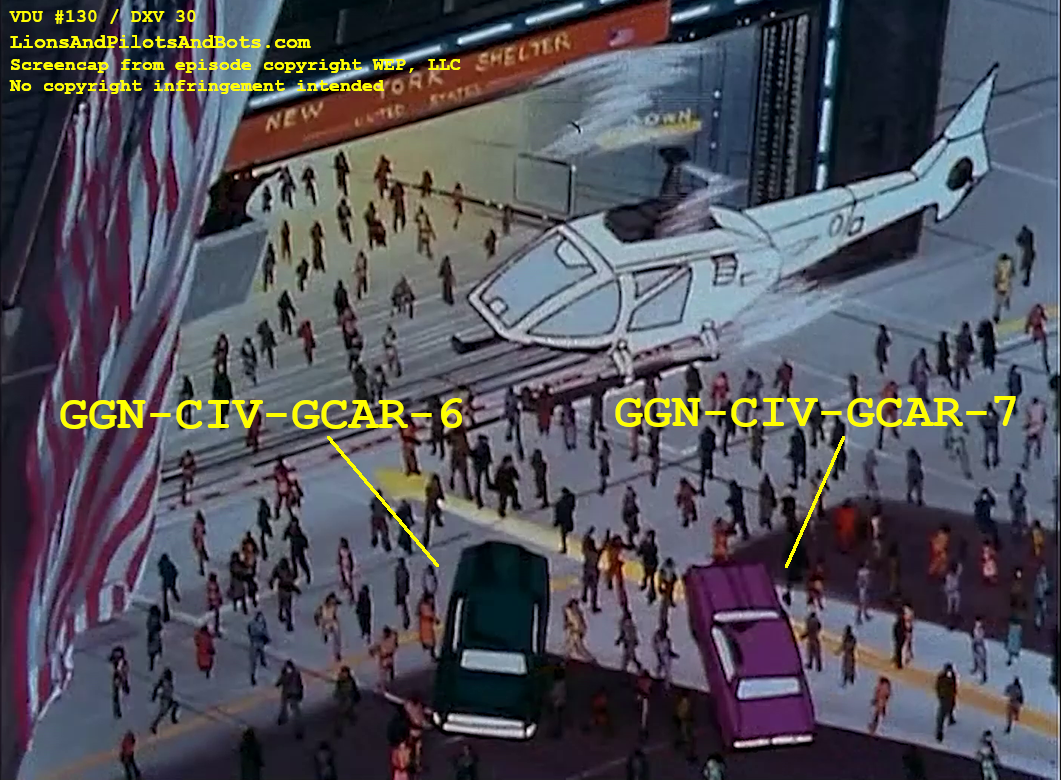 | GGN-CIV-GCAR-6 | #130 “Raid on Galaxy Garrison” | #30 “Earth’s State of Emergency” | #130 “Raid on Galaxy Garrison” | #30 “Earth’s State of Emergency” |
| GGN-CIV-GCAR-7 | #130 “Raid on Galaxy Garrison” | #30 “Earth’s State of Emergency” | #130 “Raid on Galaxy Garrison” | #30 “Earth’s State of Emergency” |
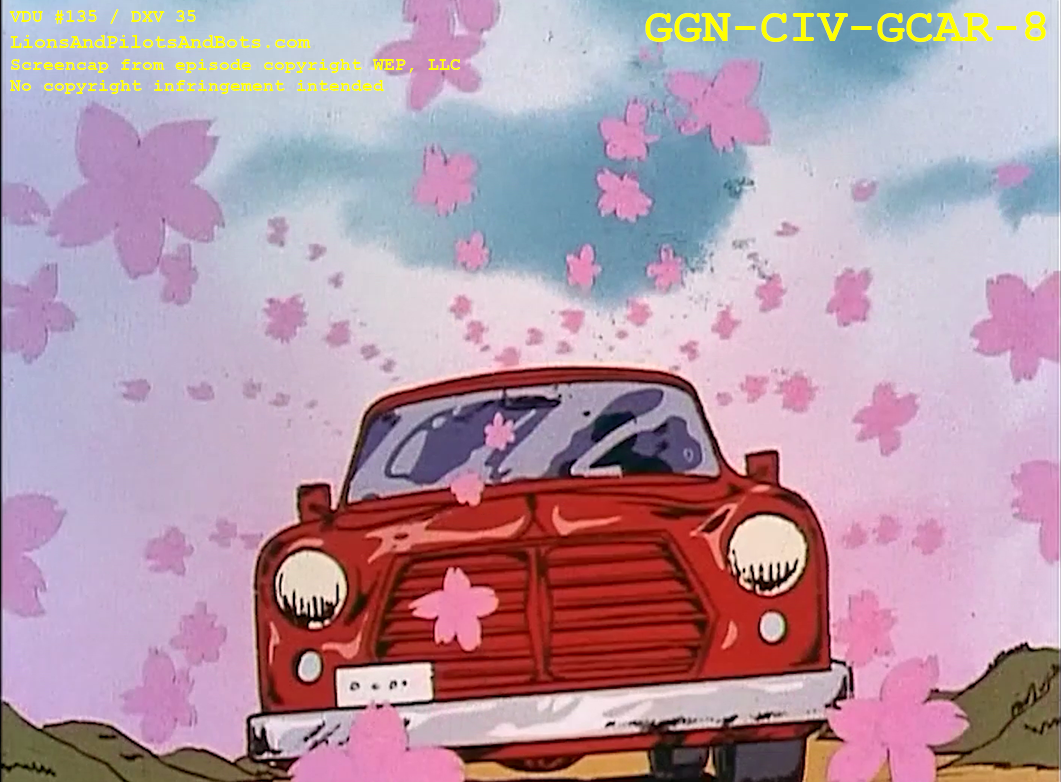 | GGN-CIV-GCAR-8 | #135 “Letters from Home” | #35 “Get Yourself Together, Mutsu” | #135 “Letters from Home” | #35 “Get Yourself Together, Mutsu” |
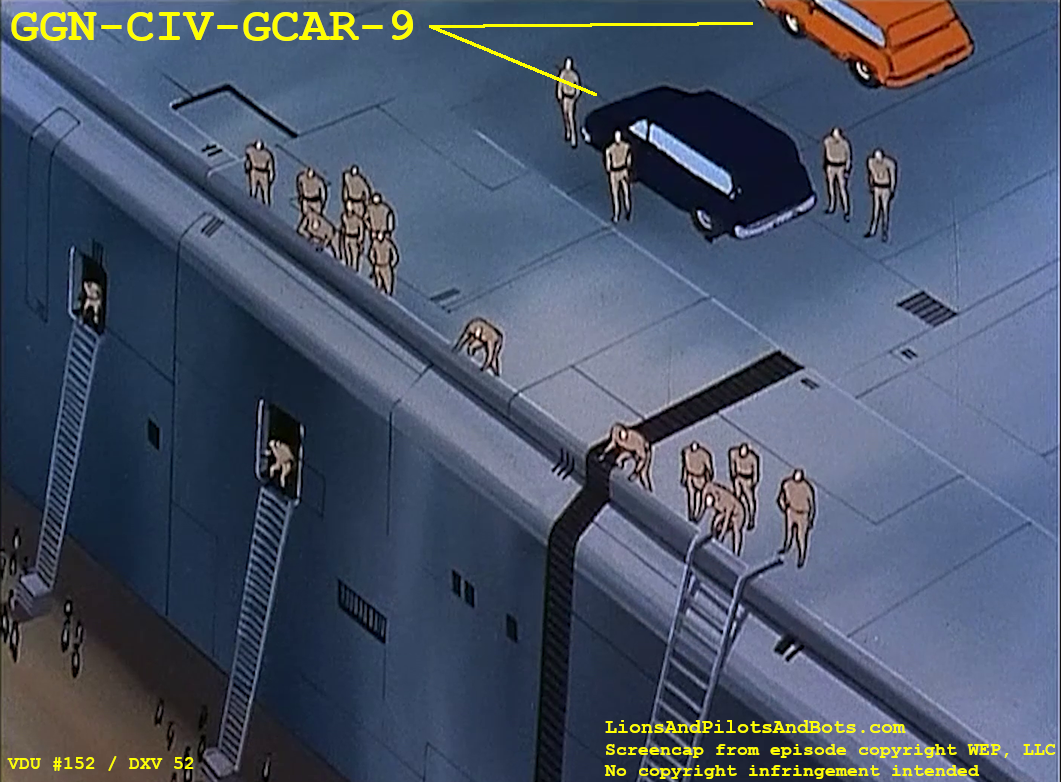 | GGN-CIV-GCAR-9 | #152 “The End of Hazar’s World” | #52 “Galactic Dawn” | #152 “The End of Hazar’s World” | #52 “Galactic Dawn” |
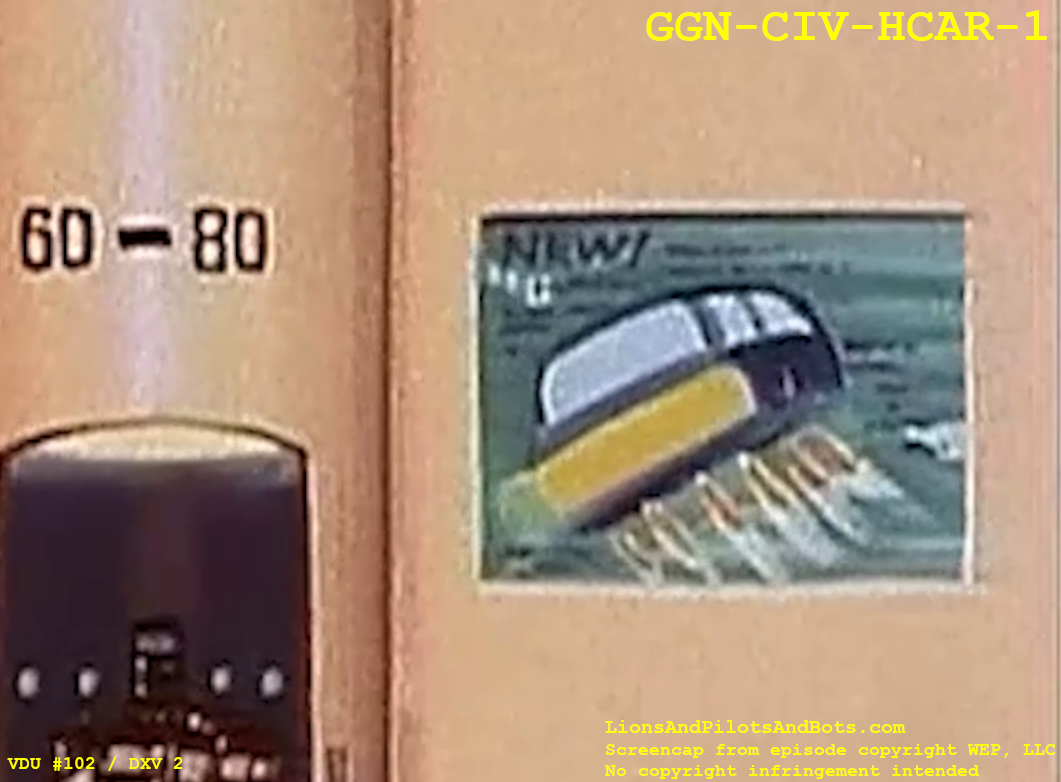 | GGN-CIV-HCAR-1 | #102 “Building a New World” | #2 “The Isolated Regiment” | #102 “Building a New World” | #2 “The Isolated Regiment” |
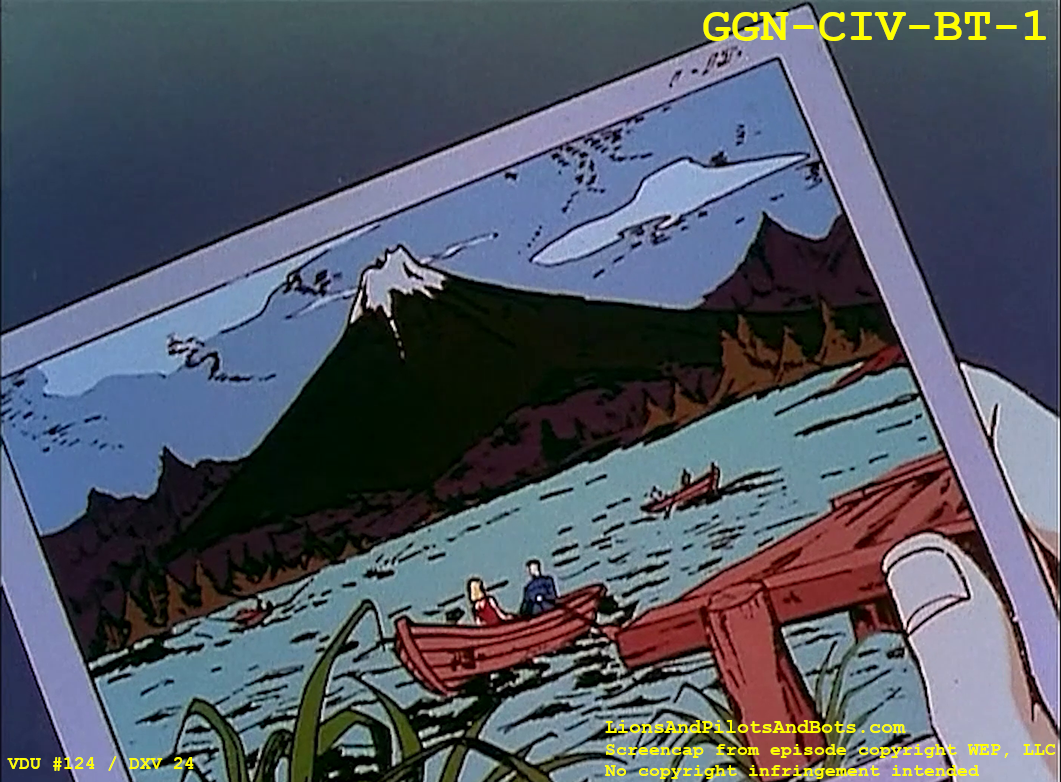 | GGN-CIV-BT-1 | #124 “Hazar is Demoted” | #24 “Riot on Galveston” | #124 “Hazar is Demoted” | #24 “Riot on Galveston” |
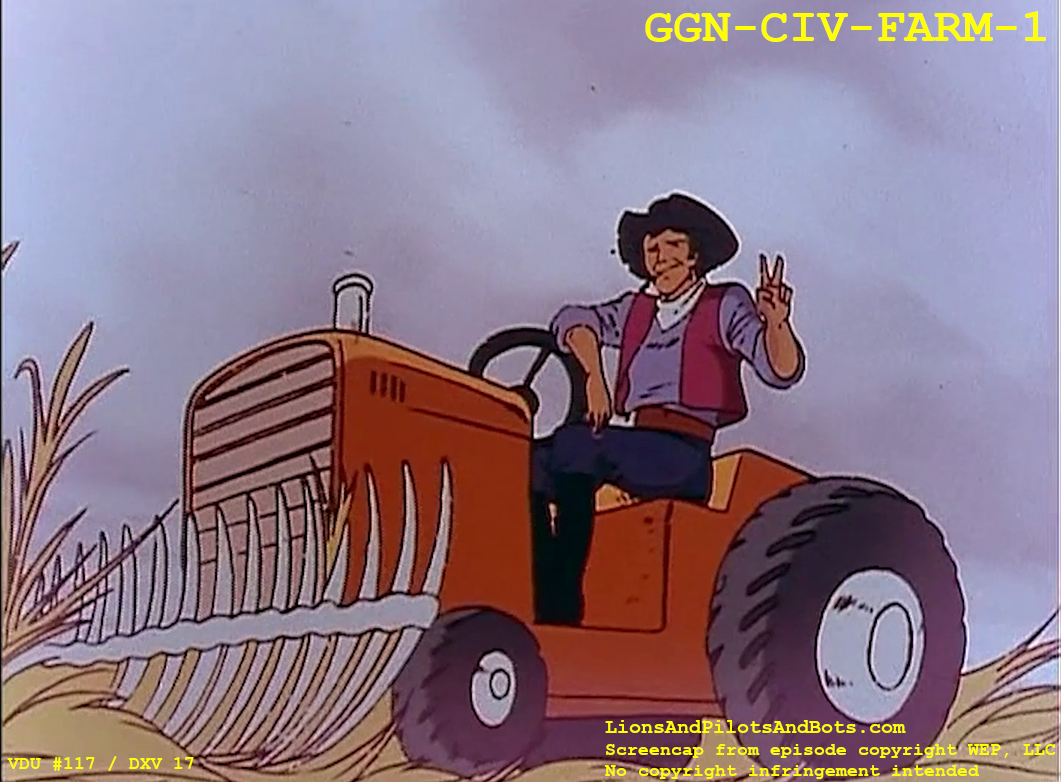 | GGN-CIV-FARM-1 | #117 No, Who’s on Second” | #17 “Orders for Asimov’s Return” | #117 No, Who’s on Second” | #17 “Orders for Asimov’s Return” |
Vehicle Types – Detailed Information
Military – Spacecraft – Capital Ship – Largest (MIL-SCAP-A)
GGN-MIL-SCAP-A-1
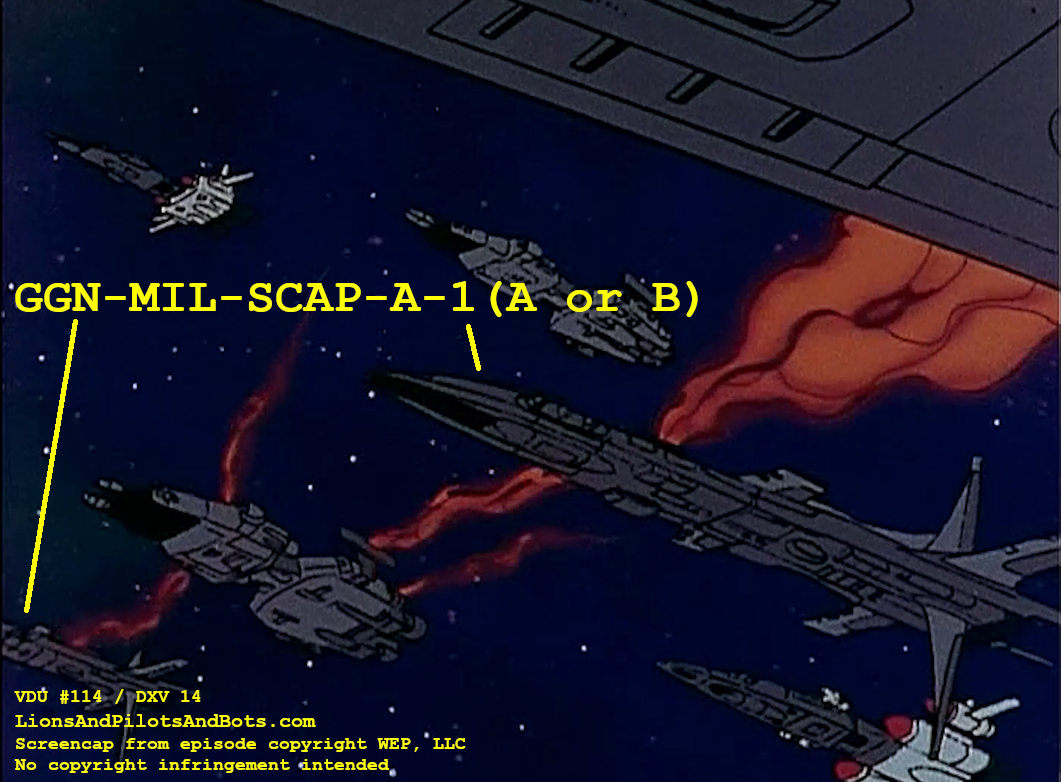
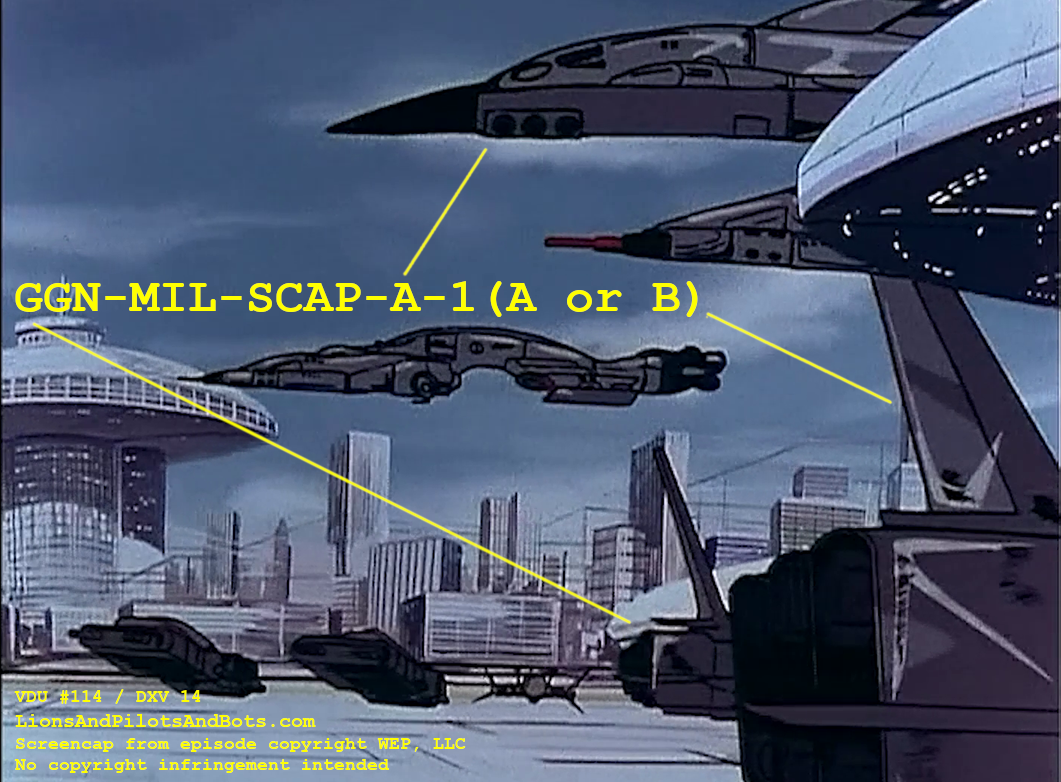
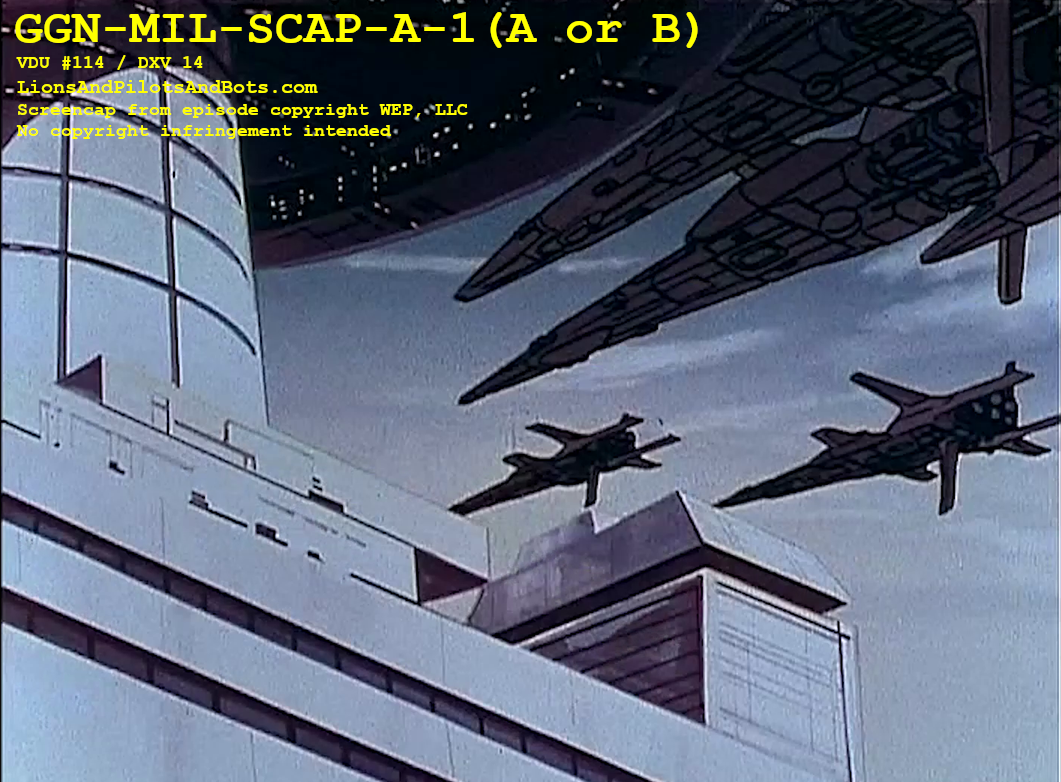
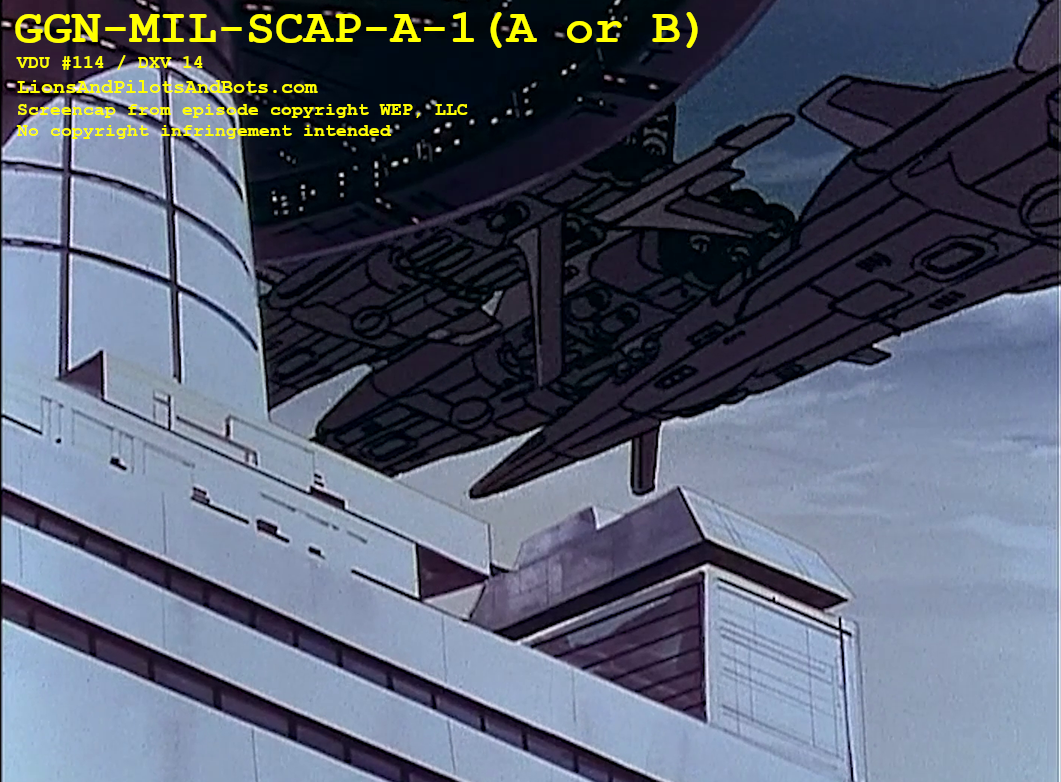
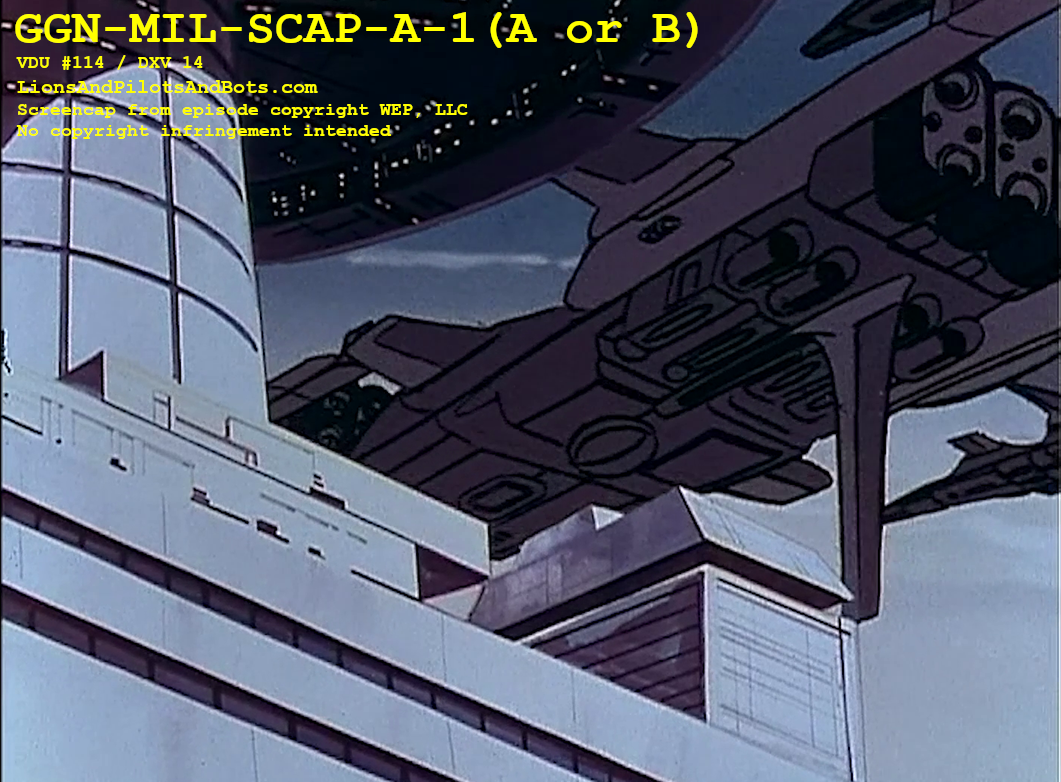
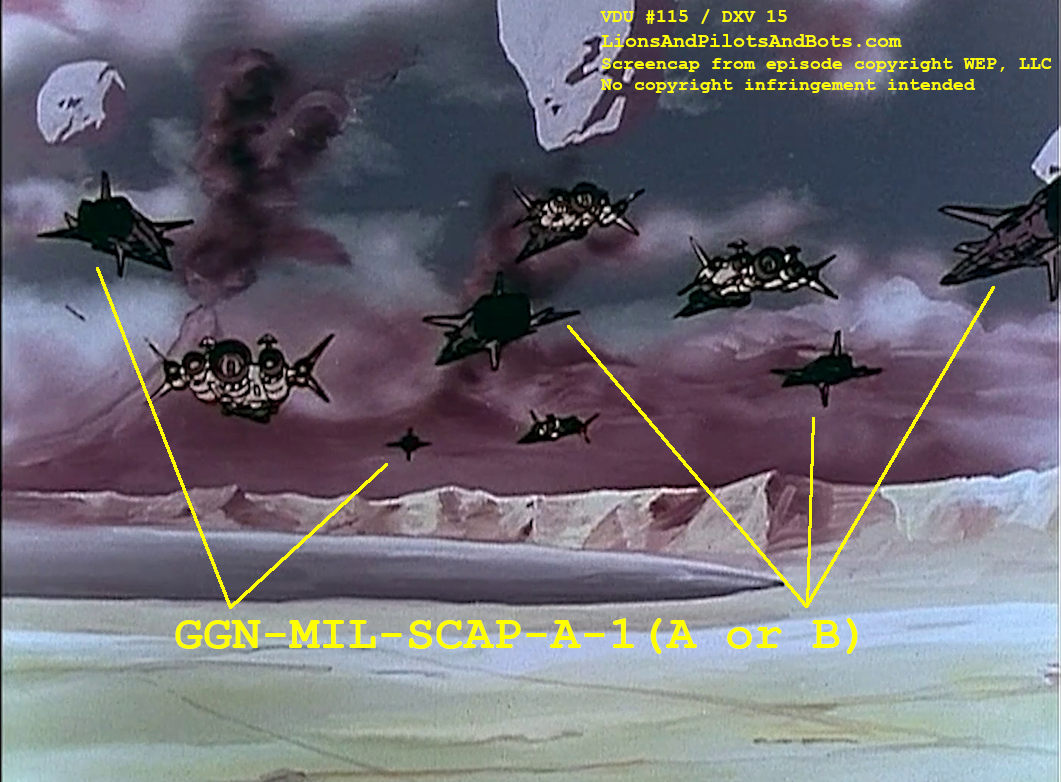
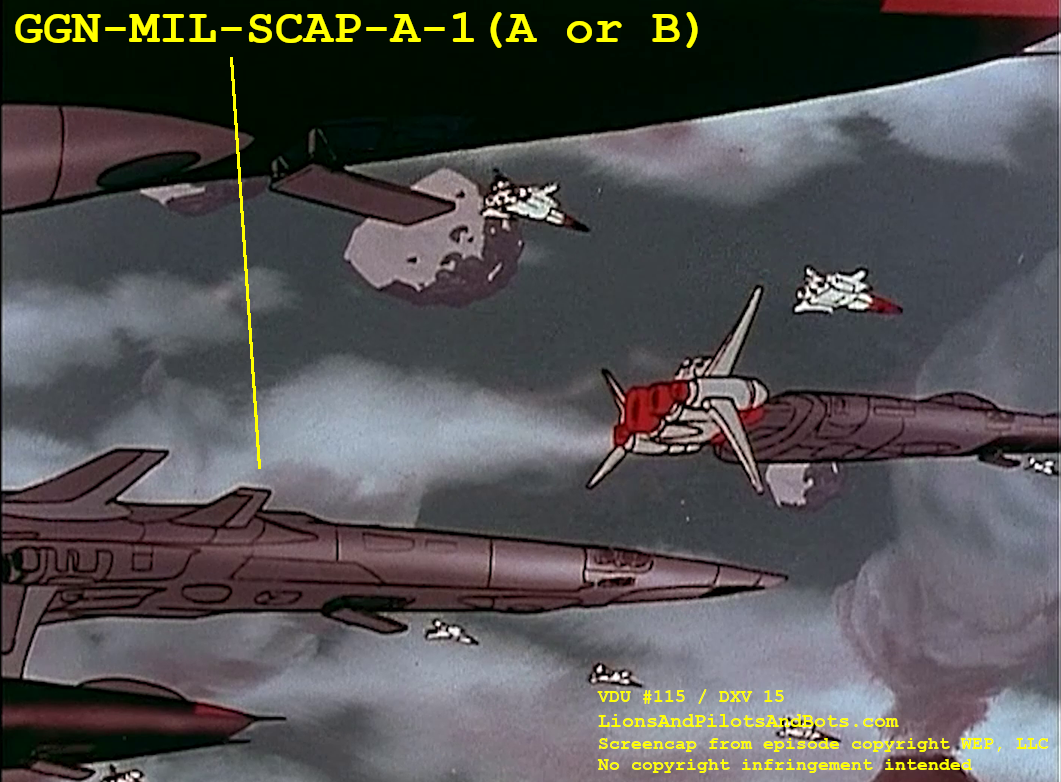
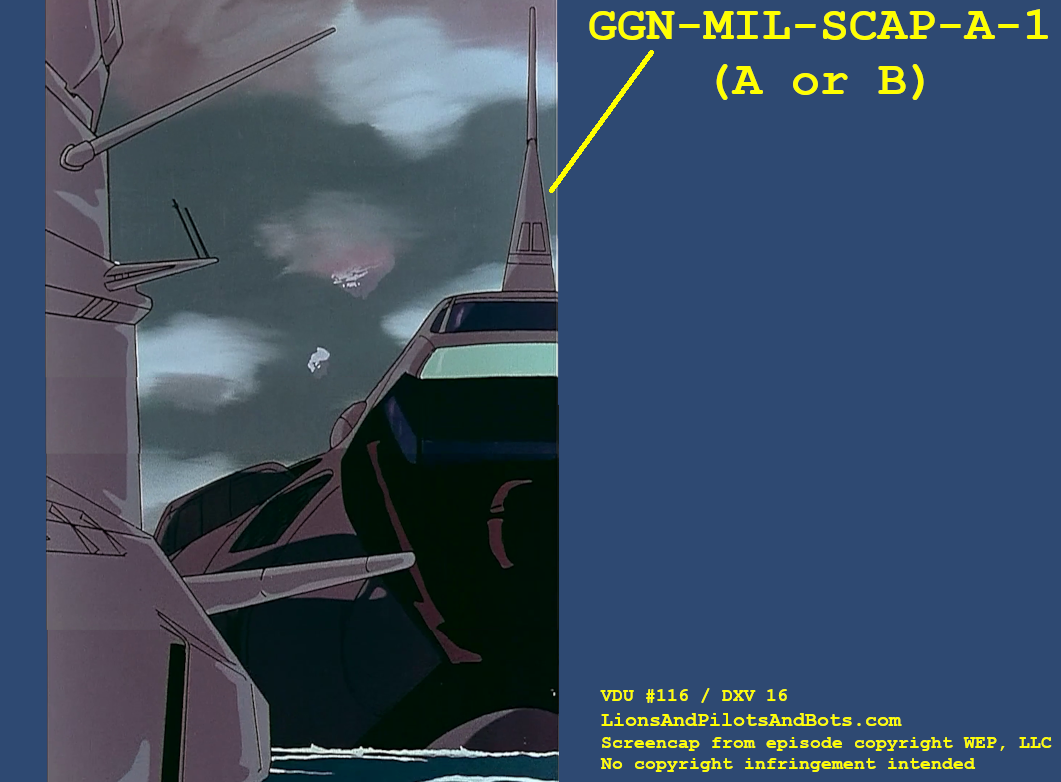
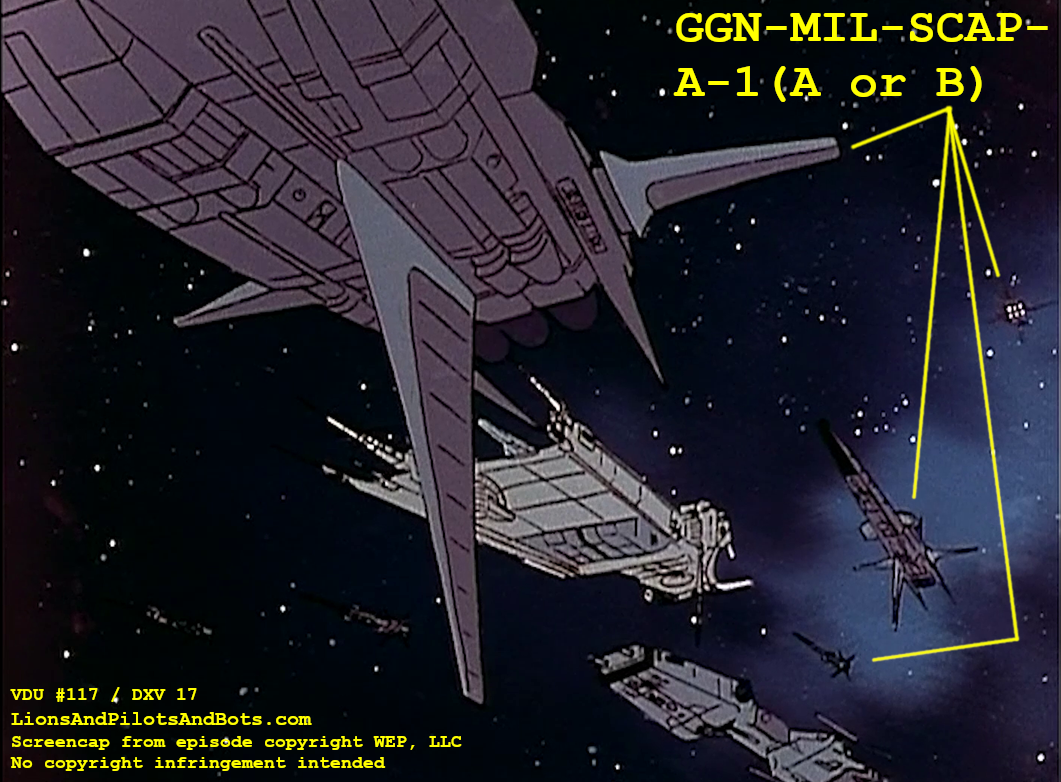
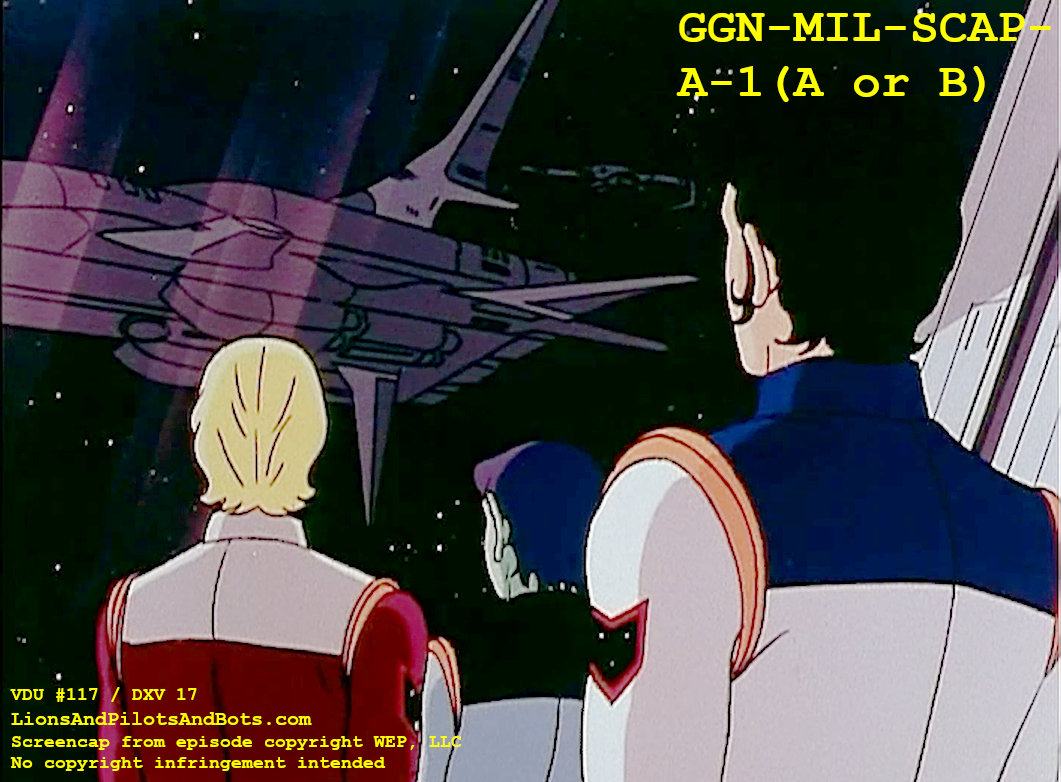
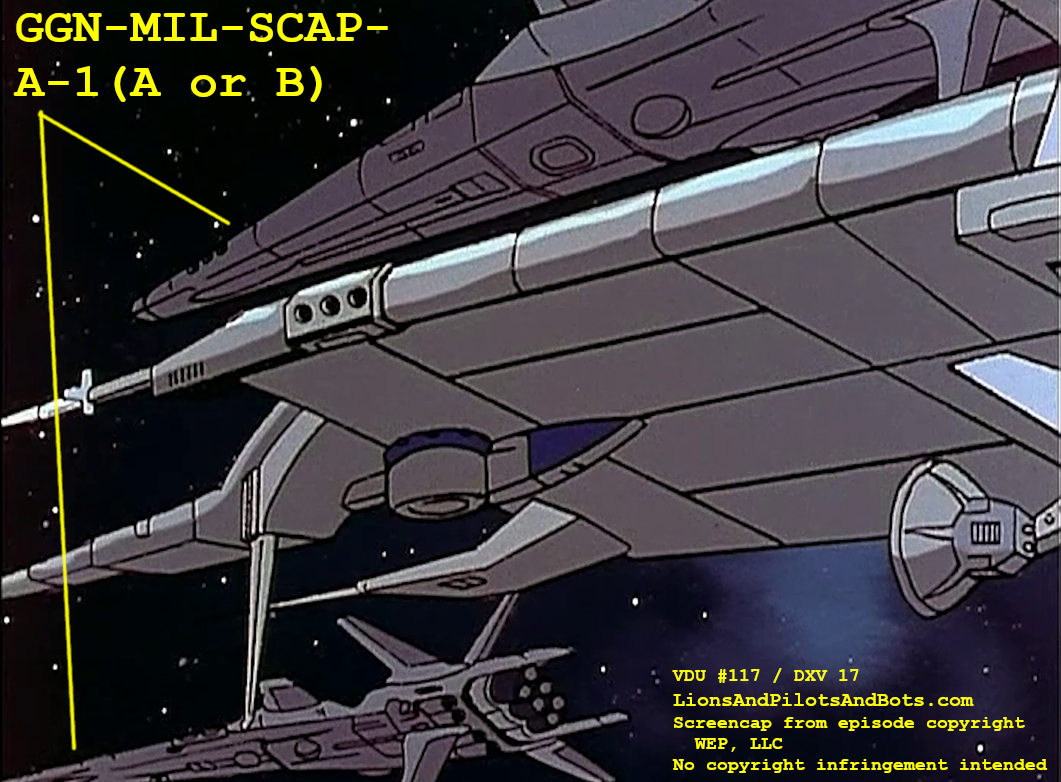
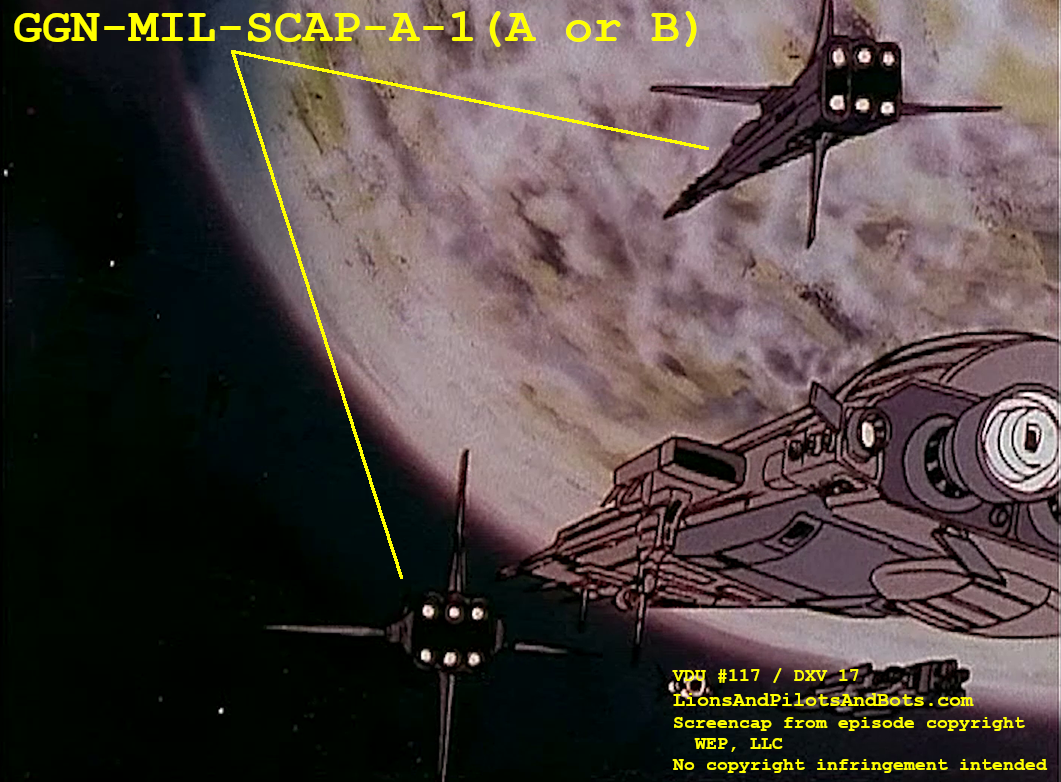
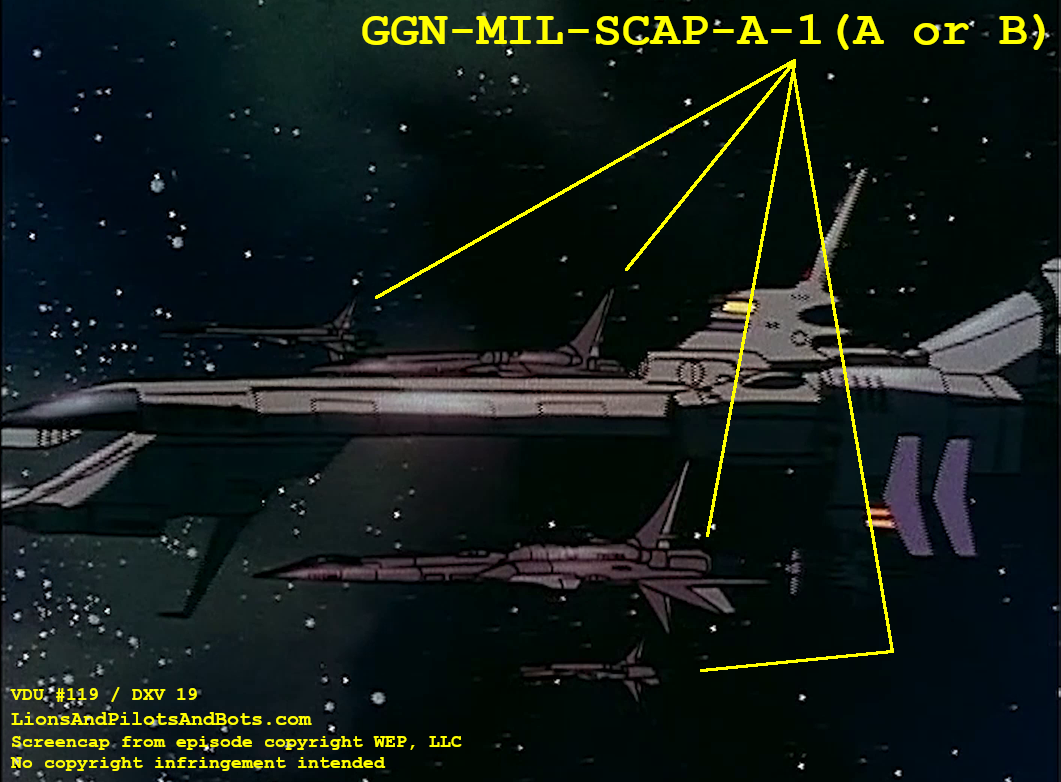
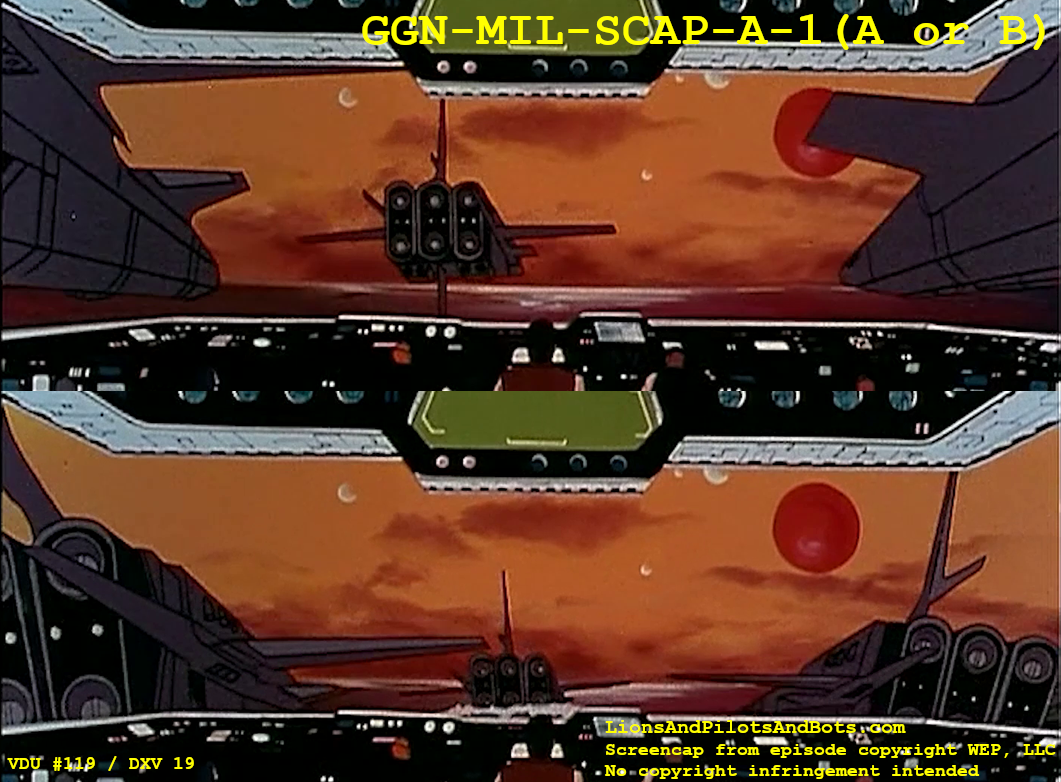
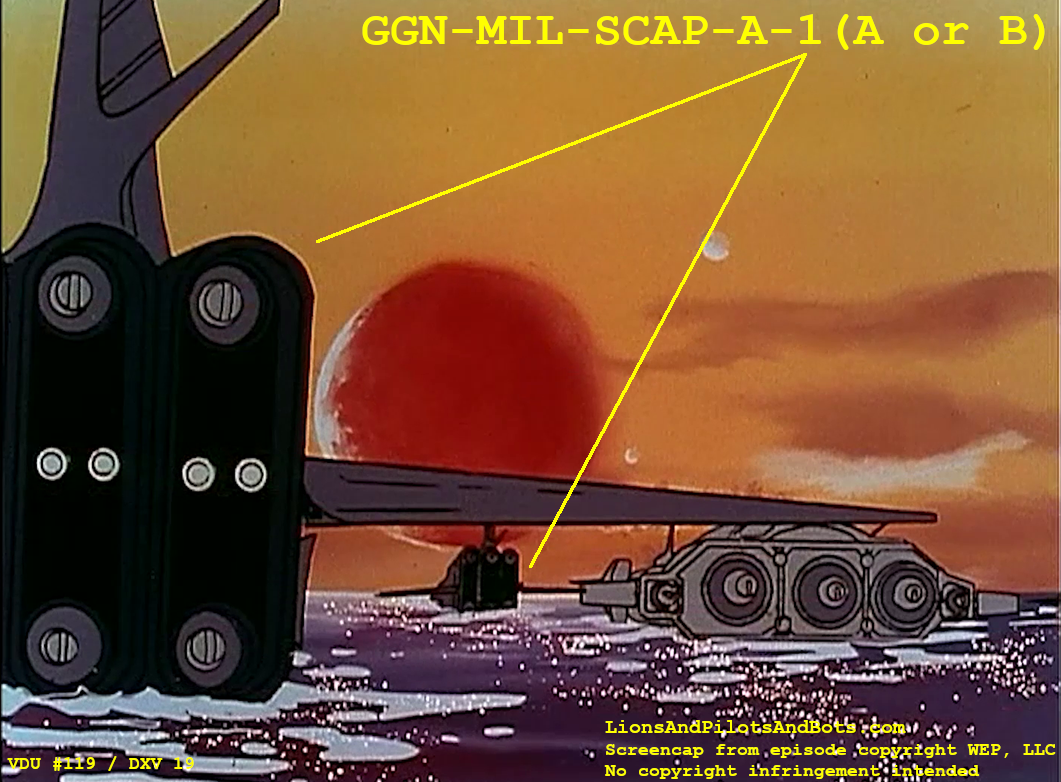
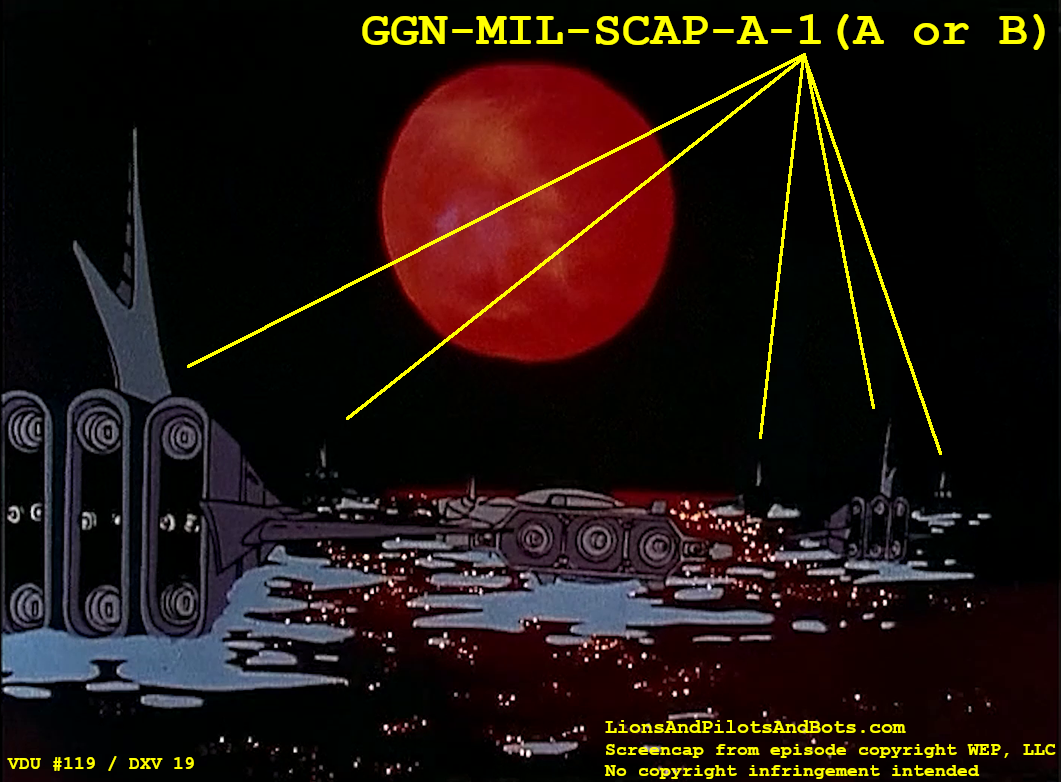
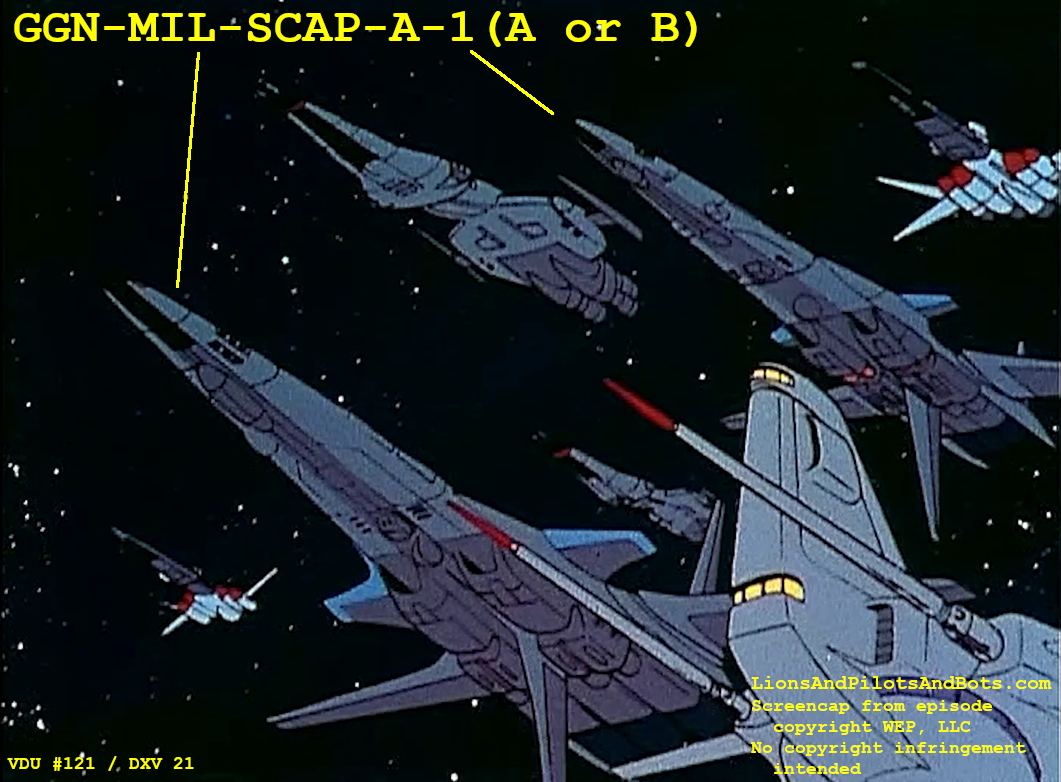
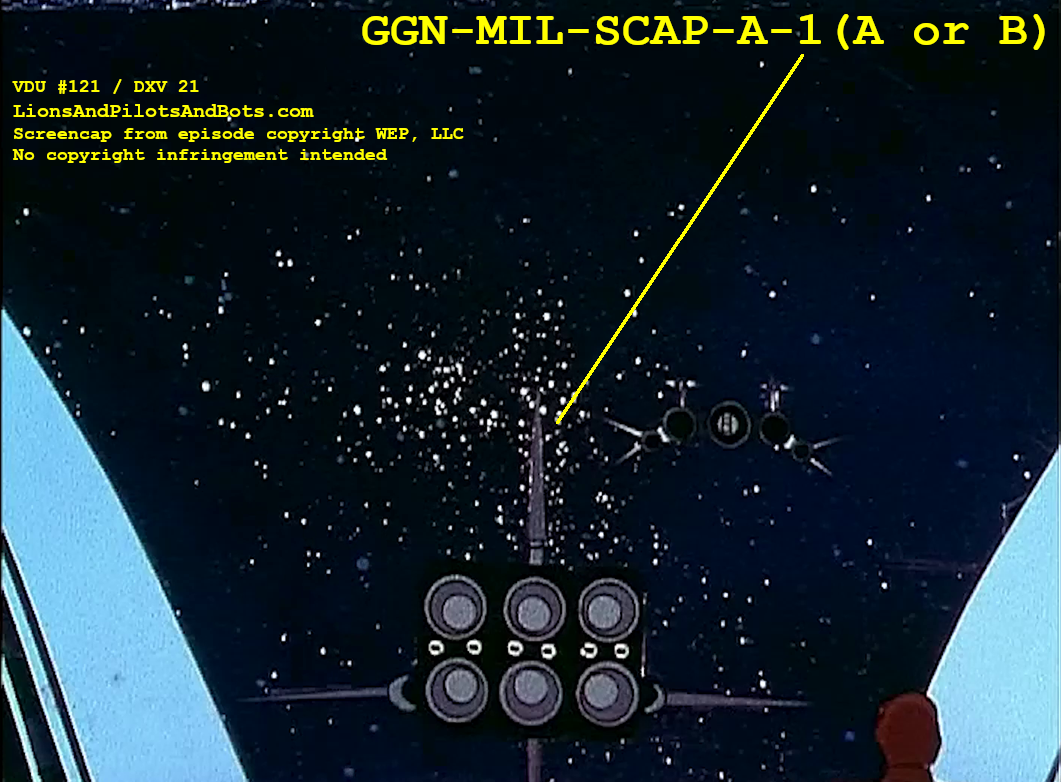
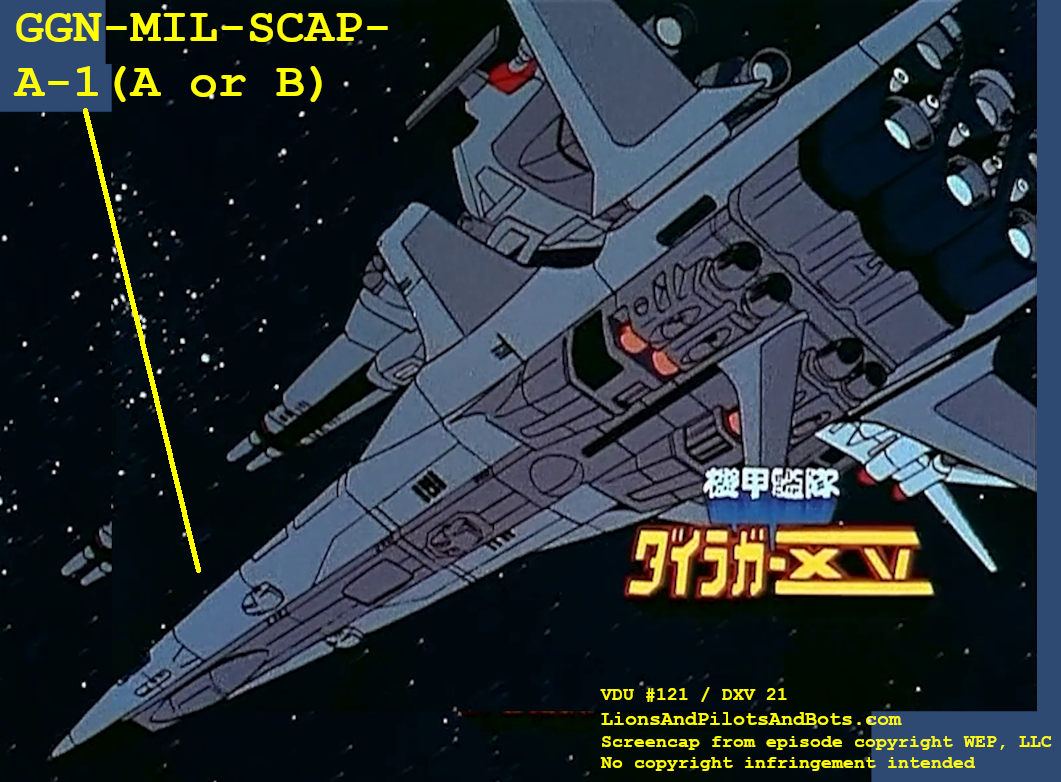
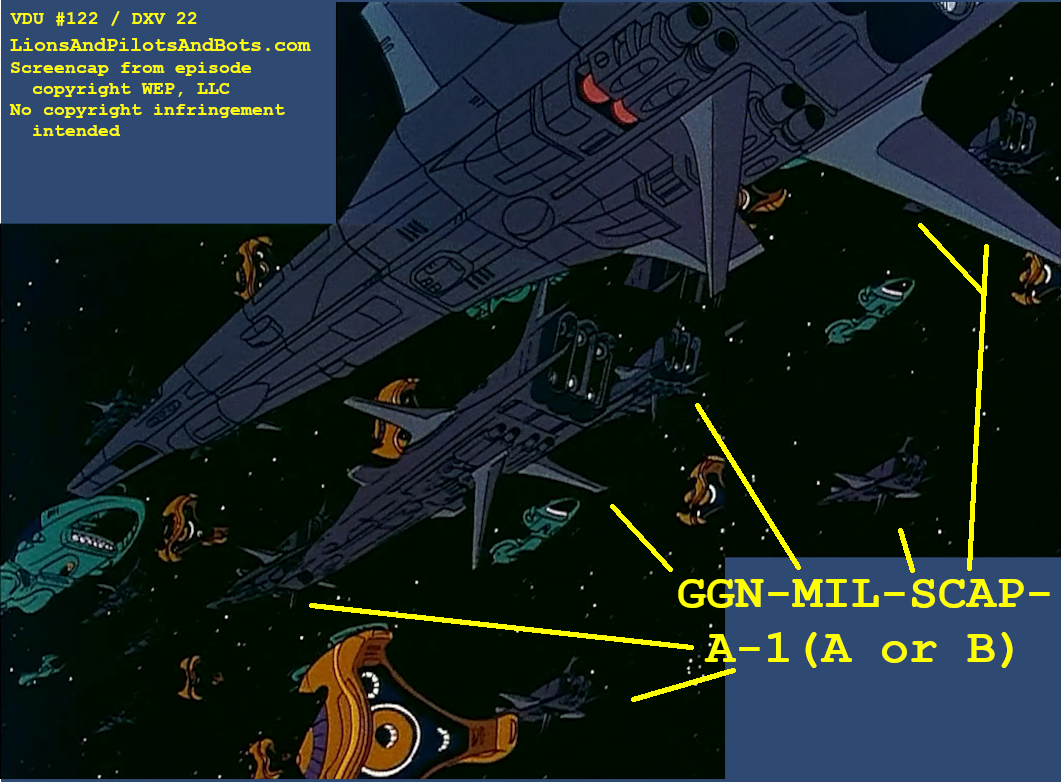
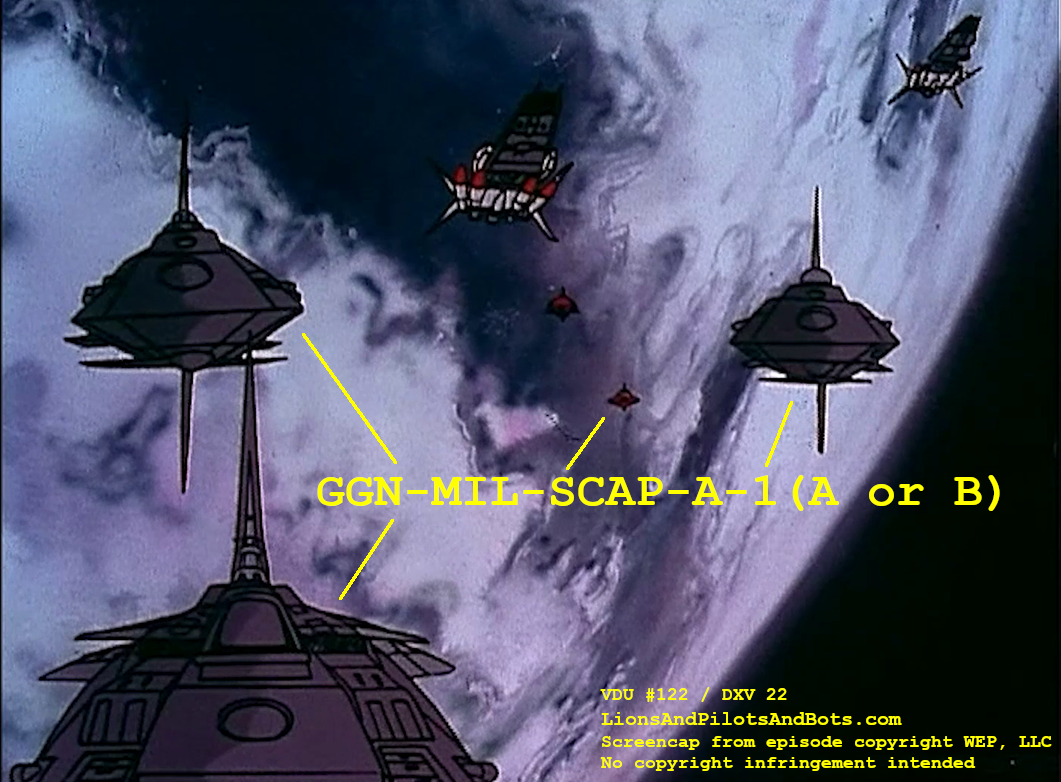
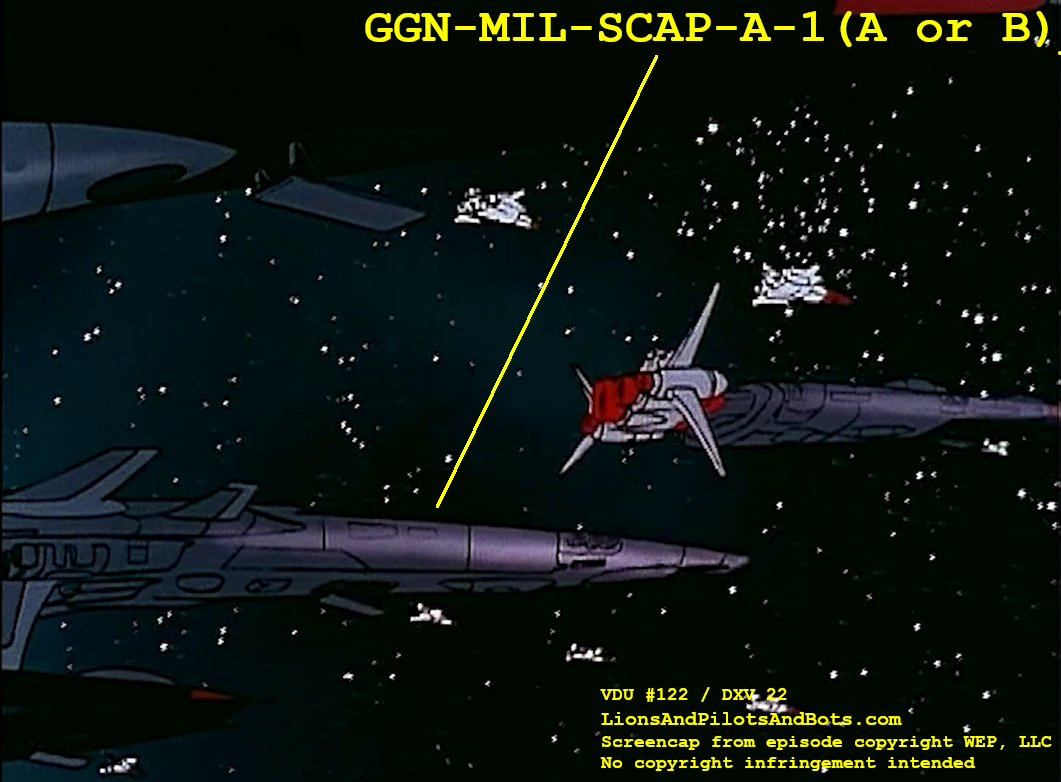
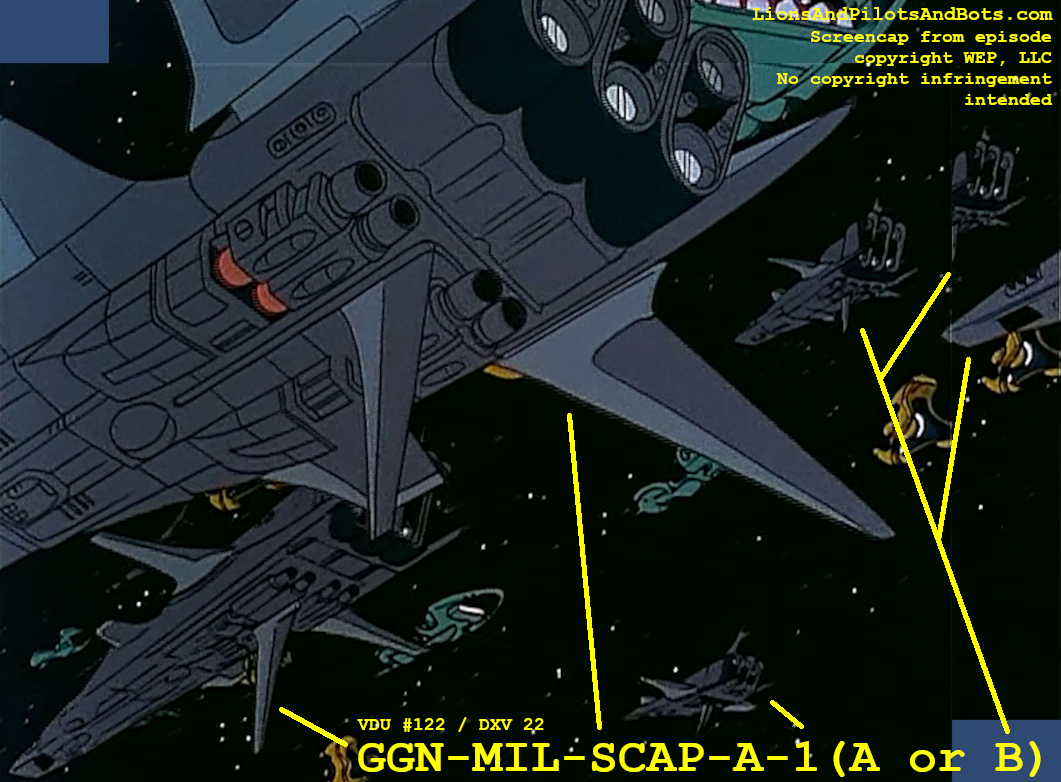
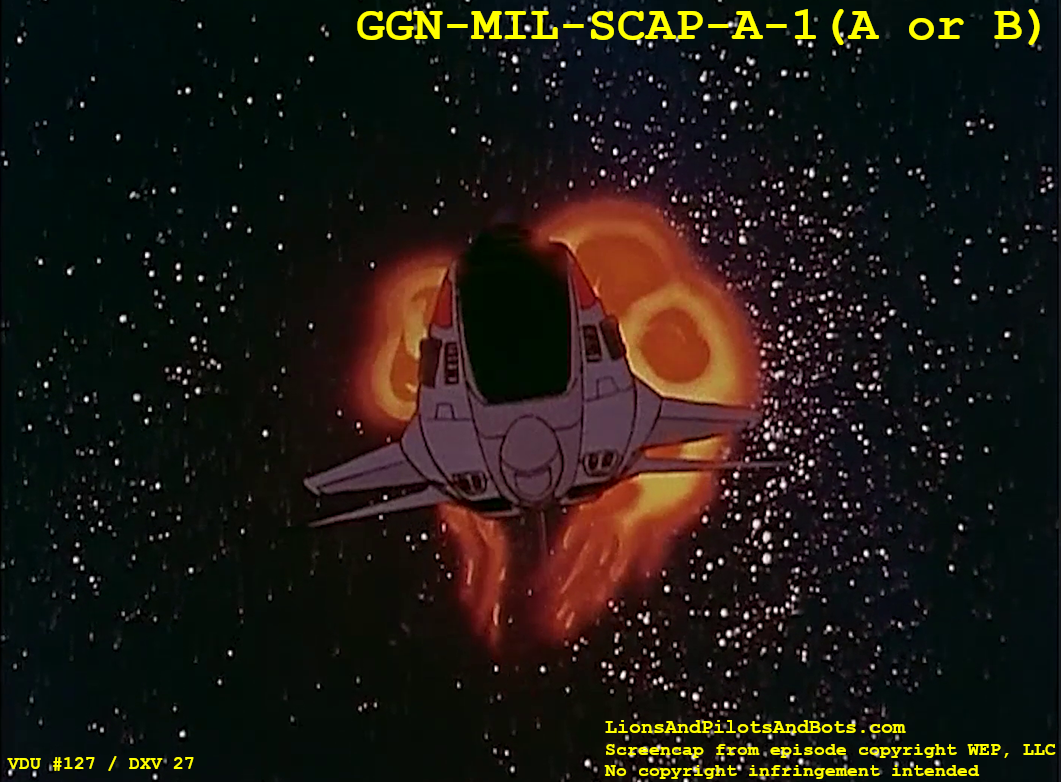
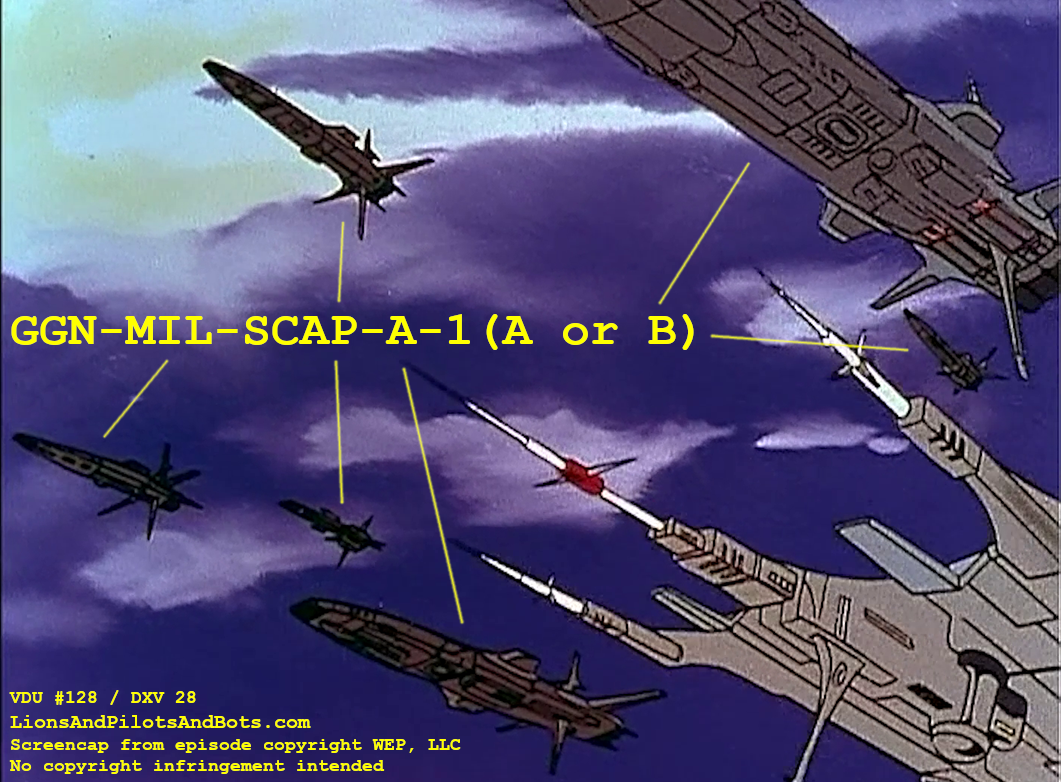
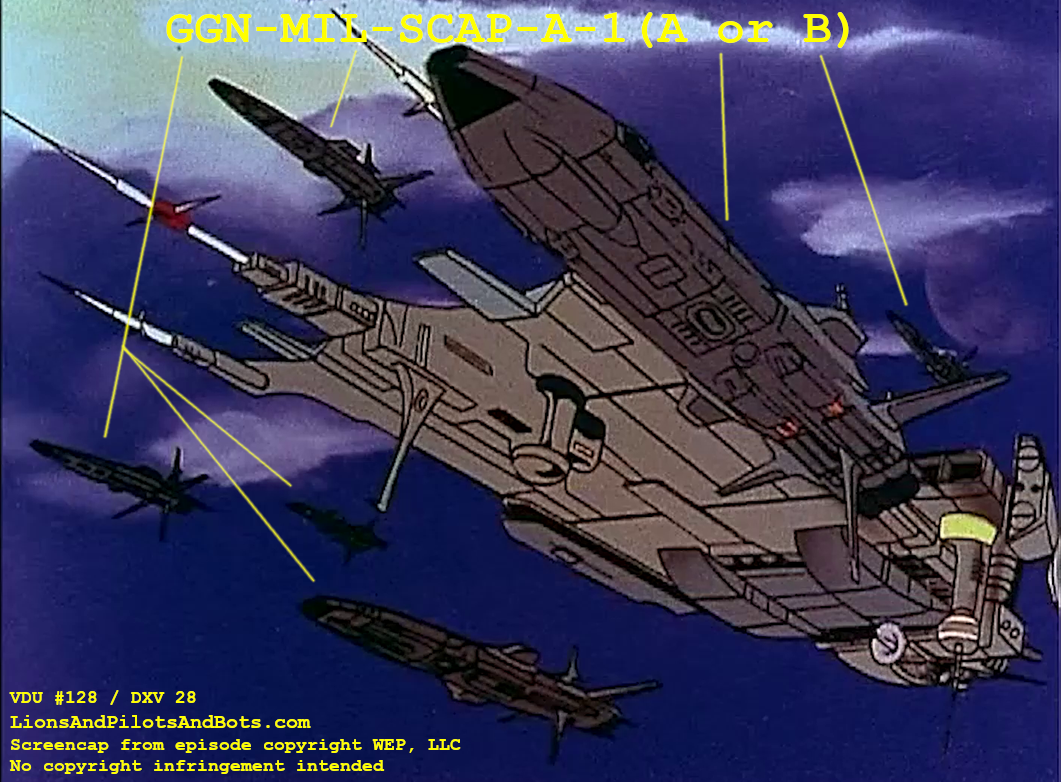
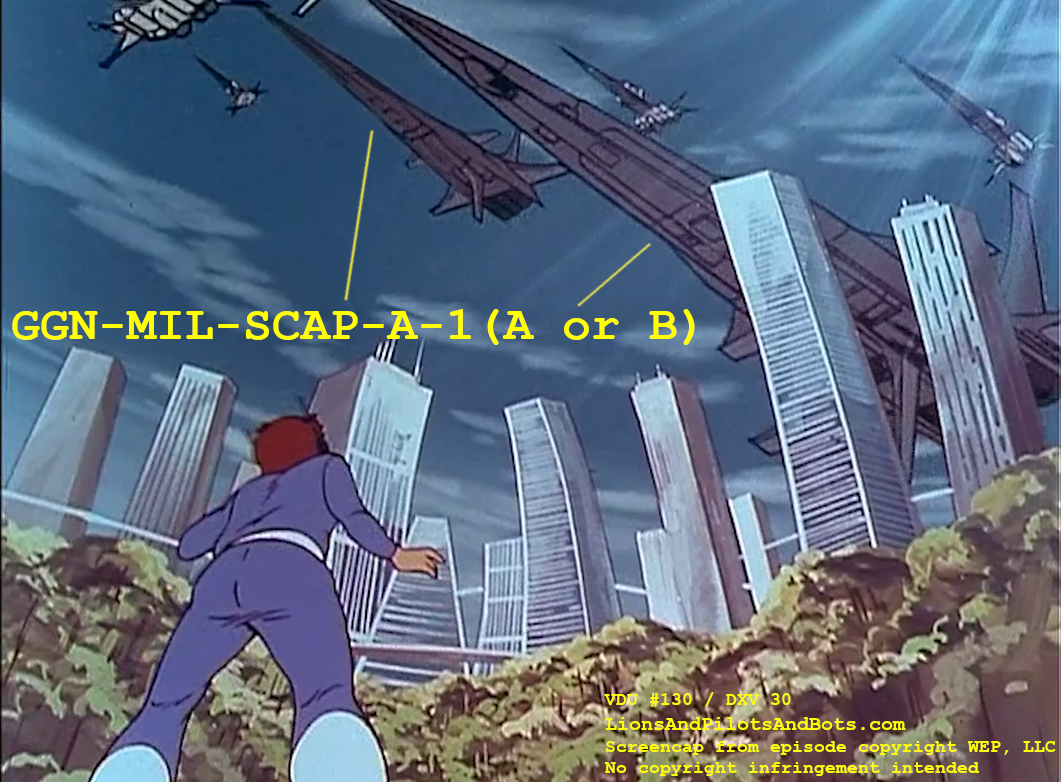
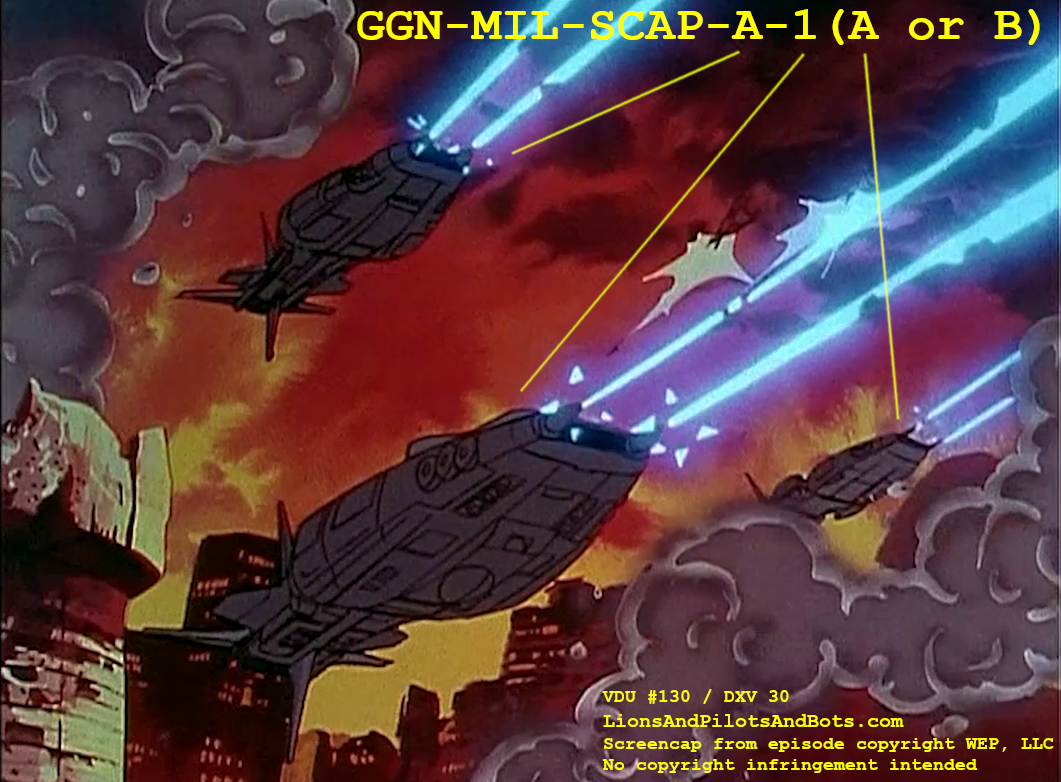
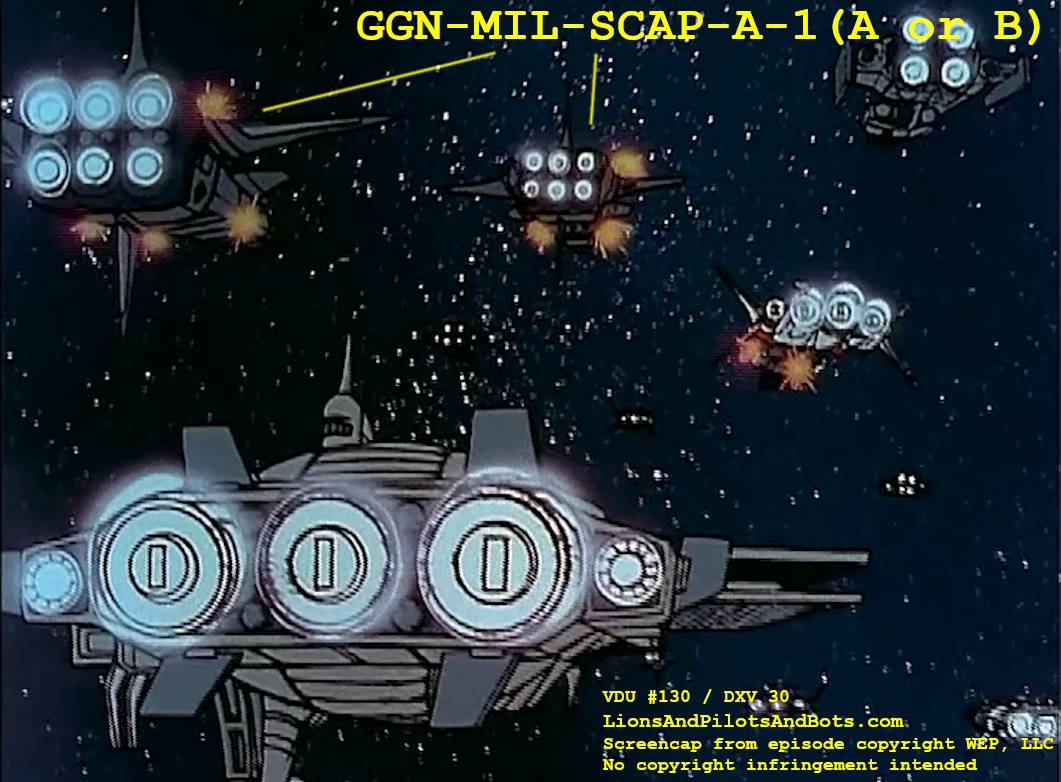
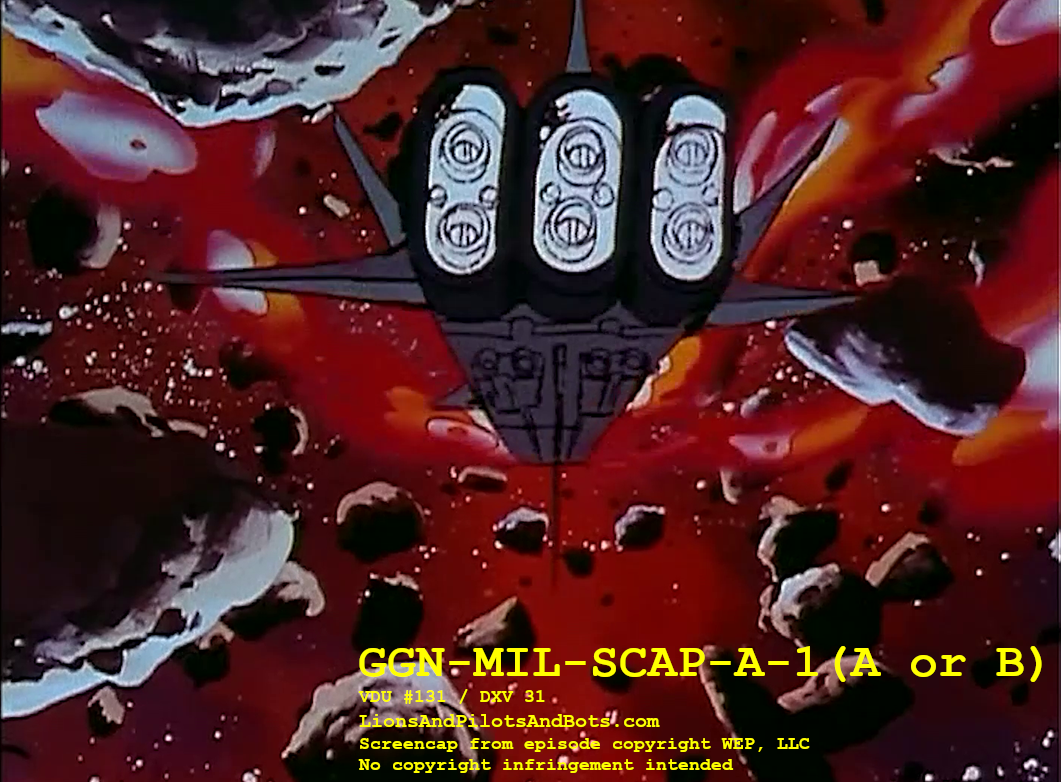
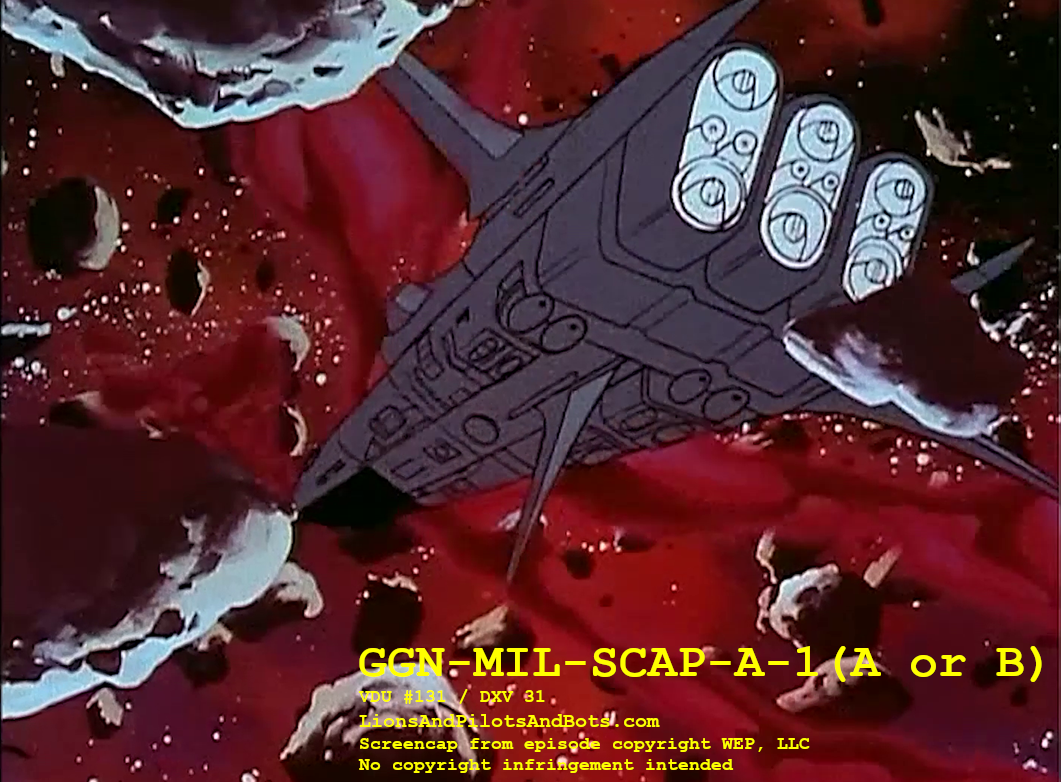
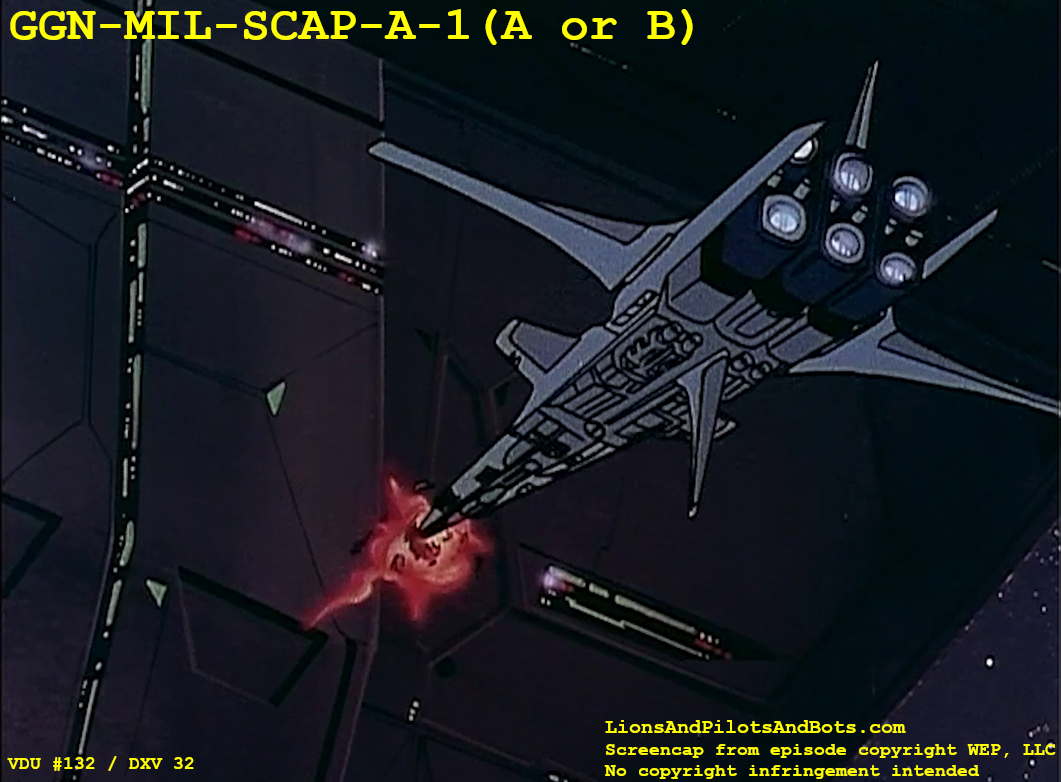
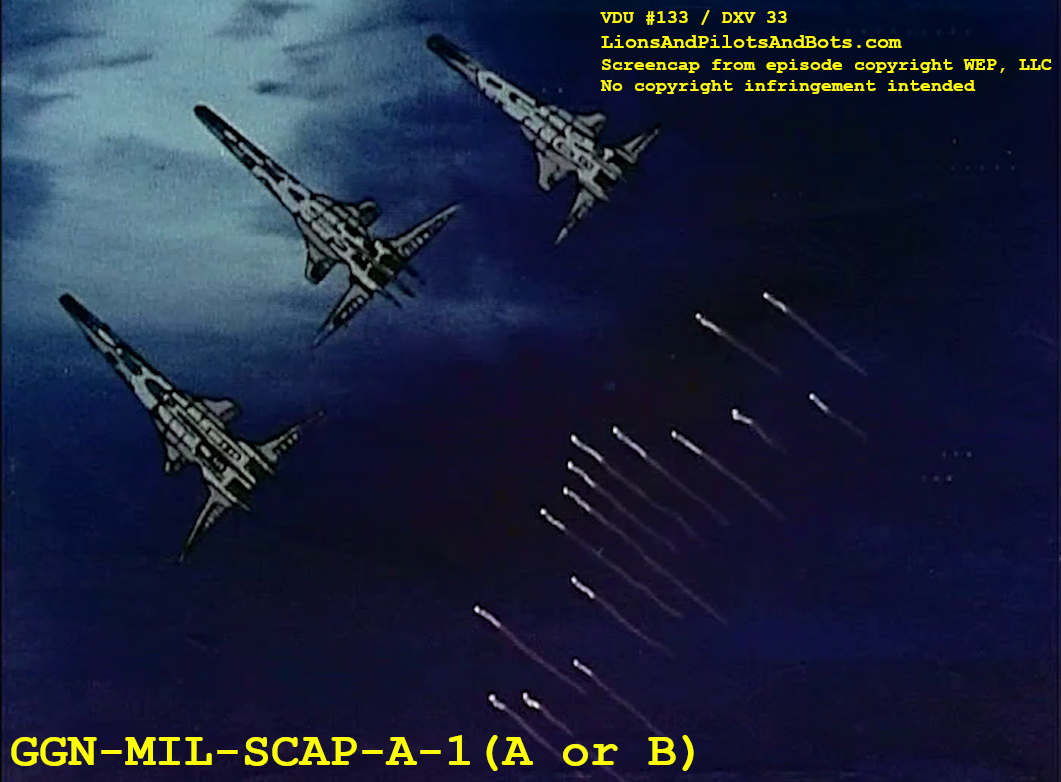
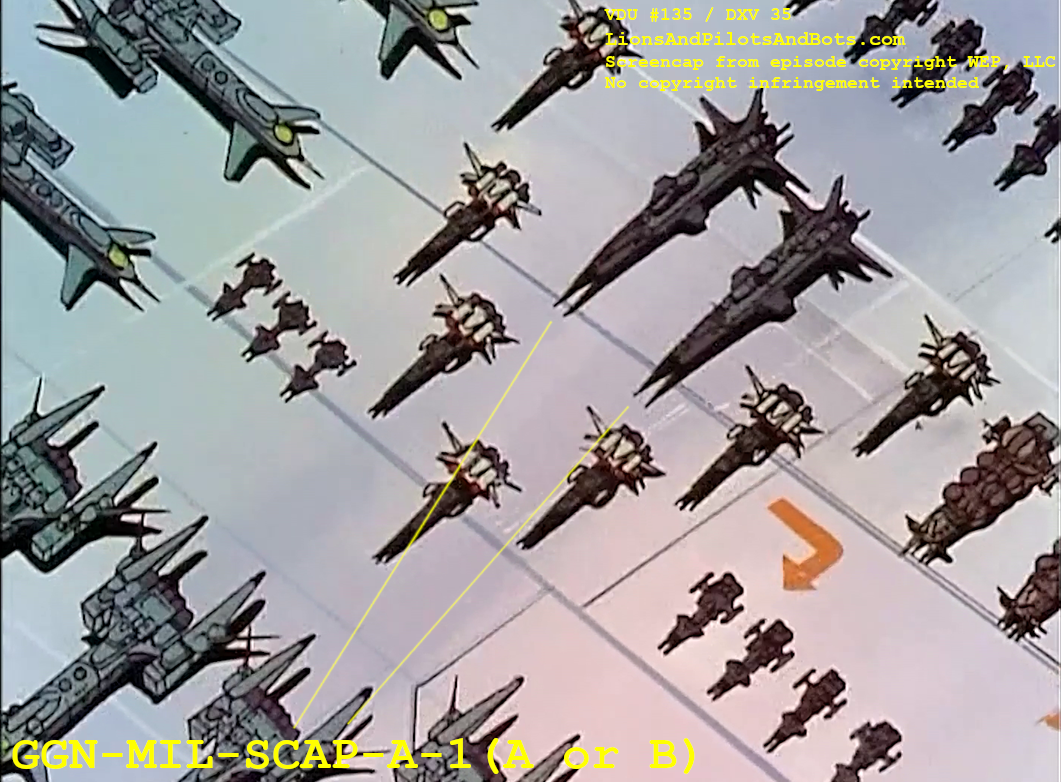
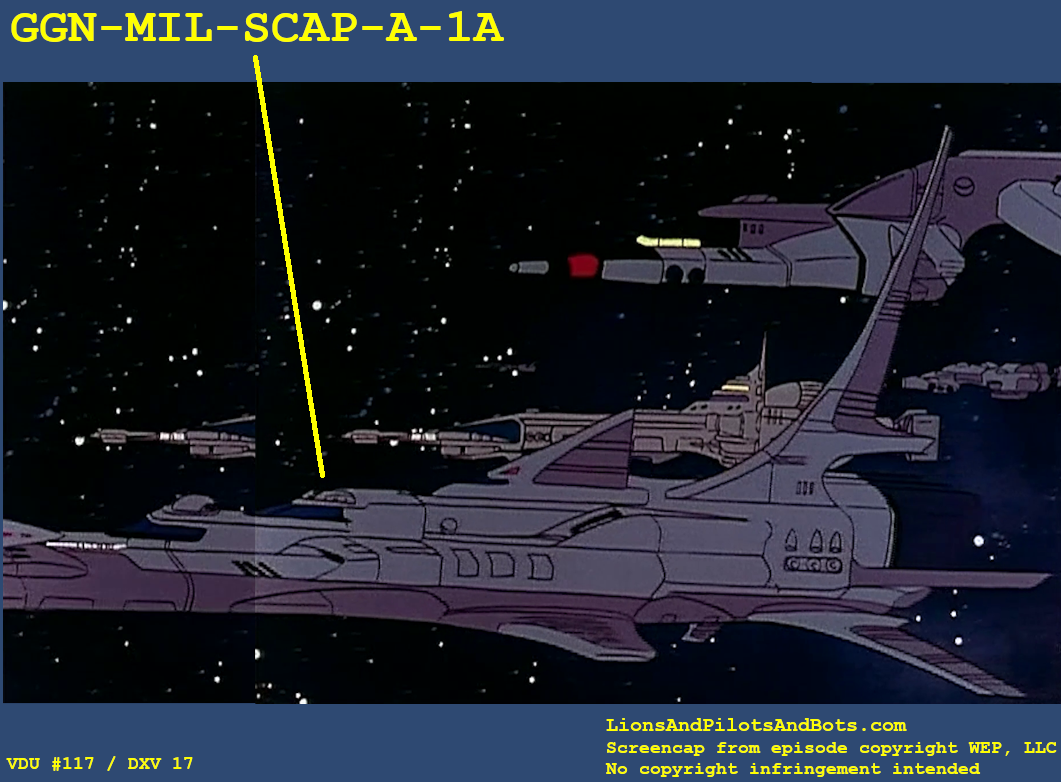
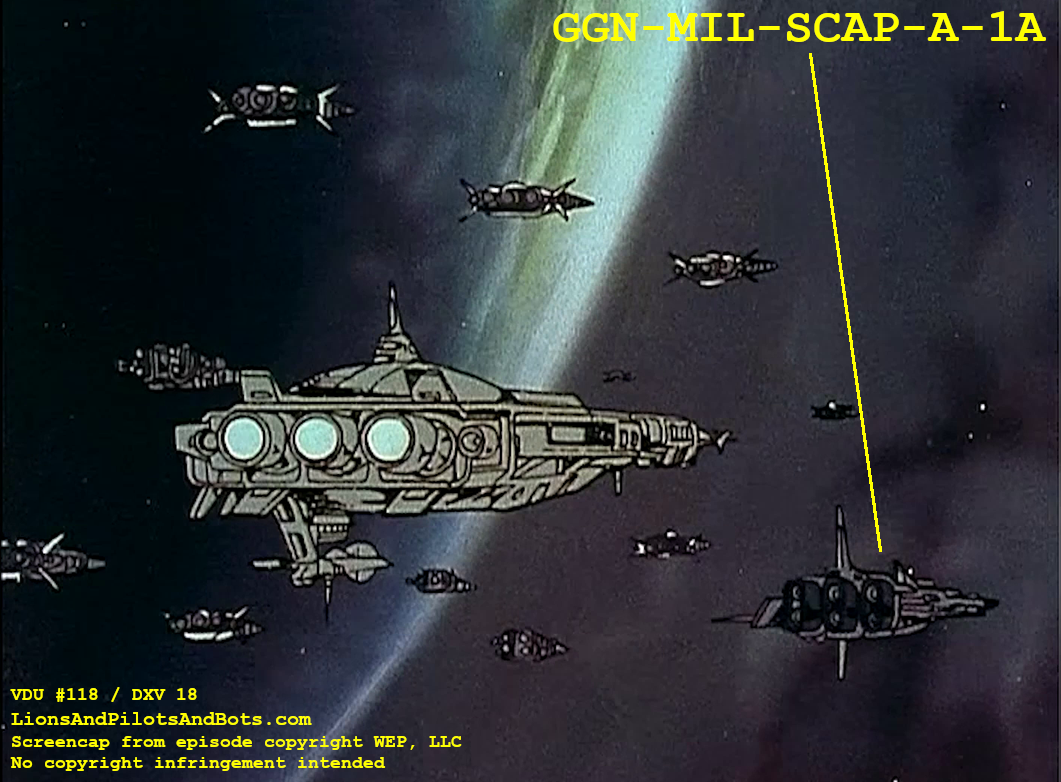
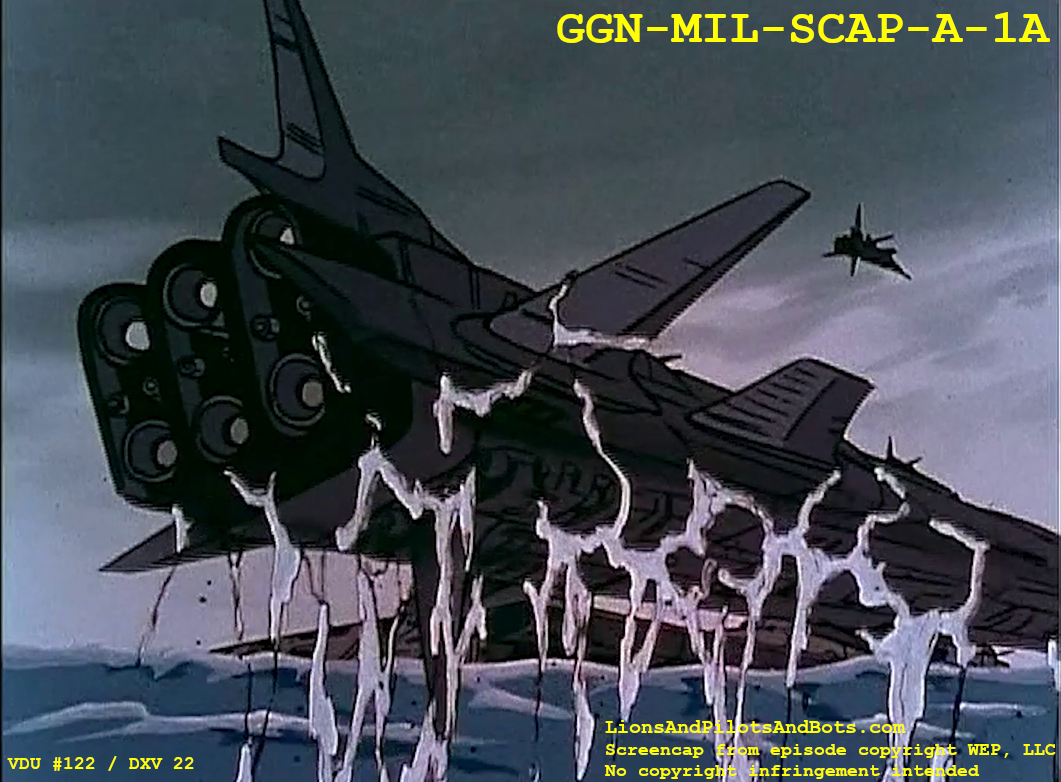
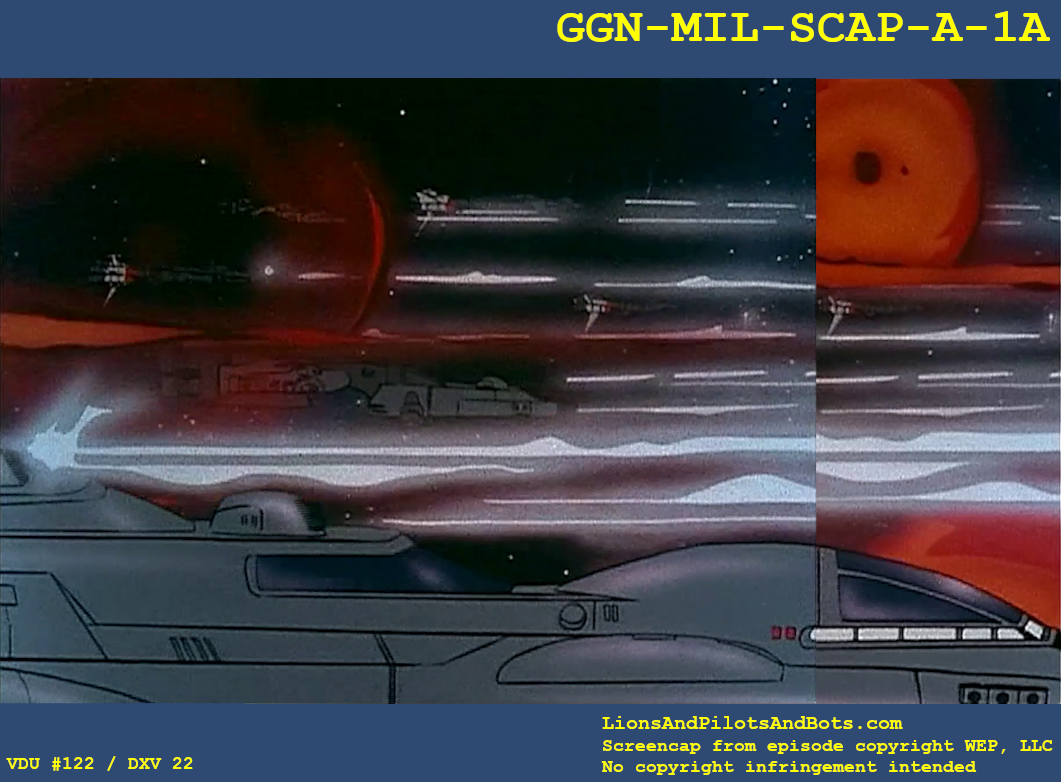
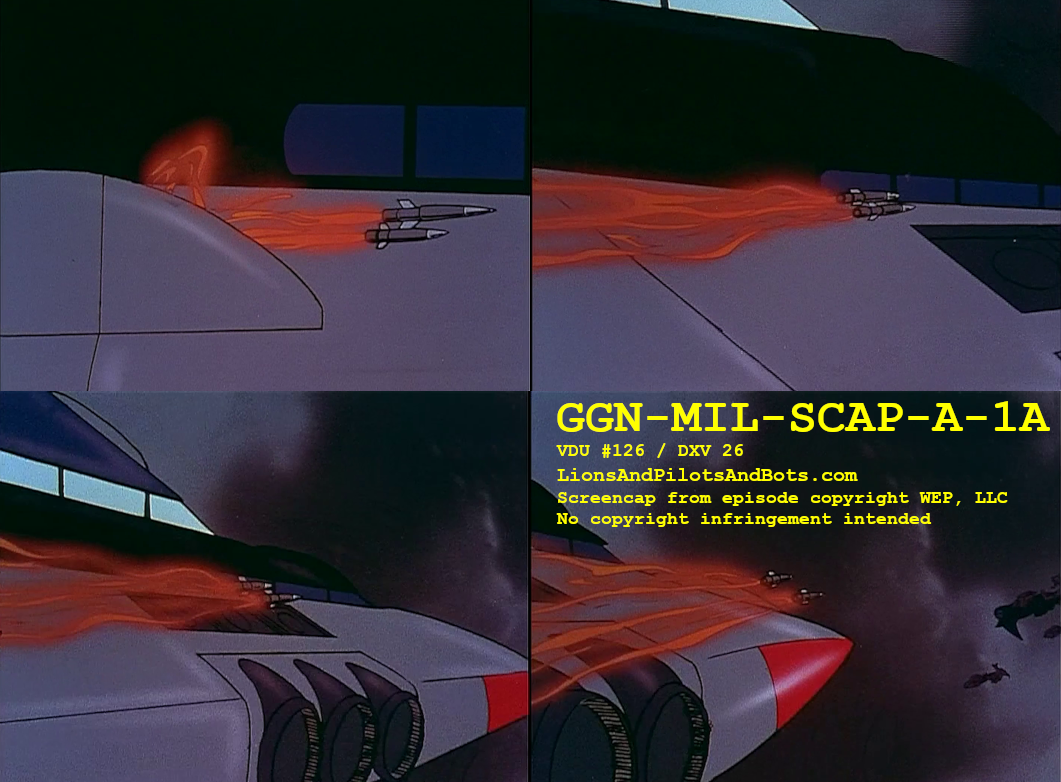
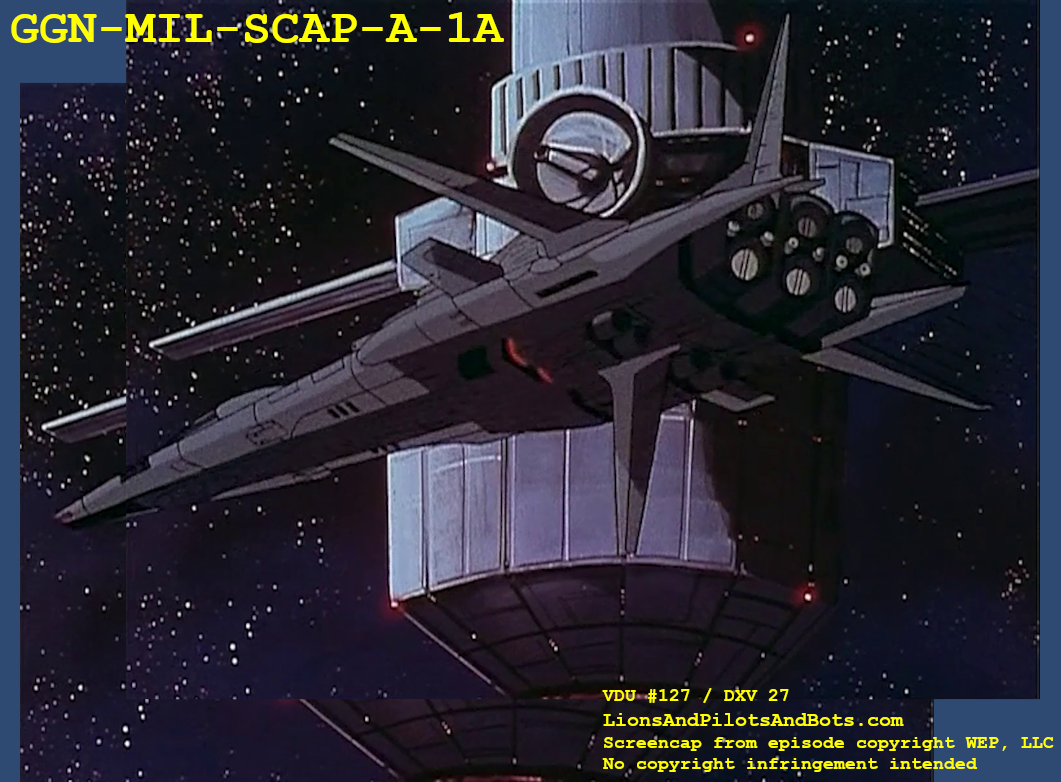
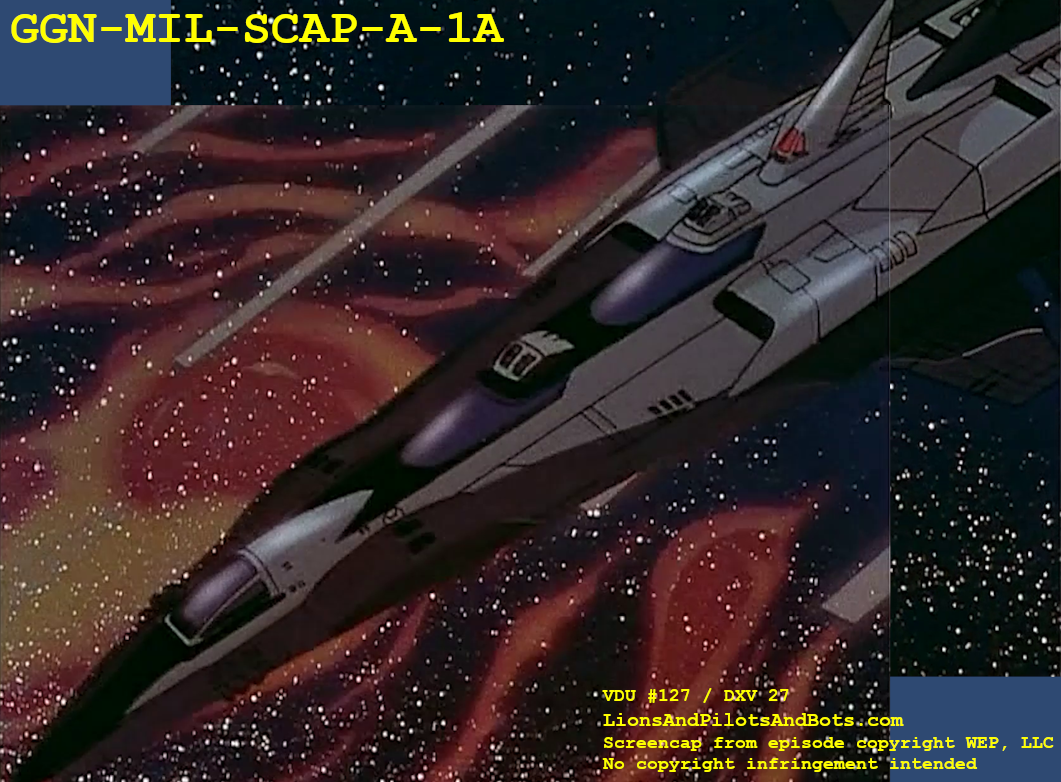
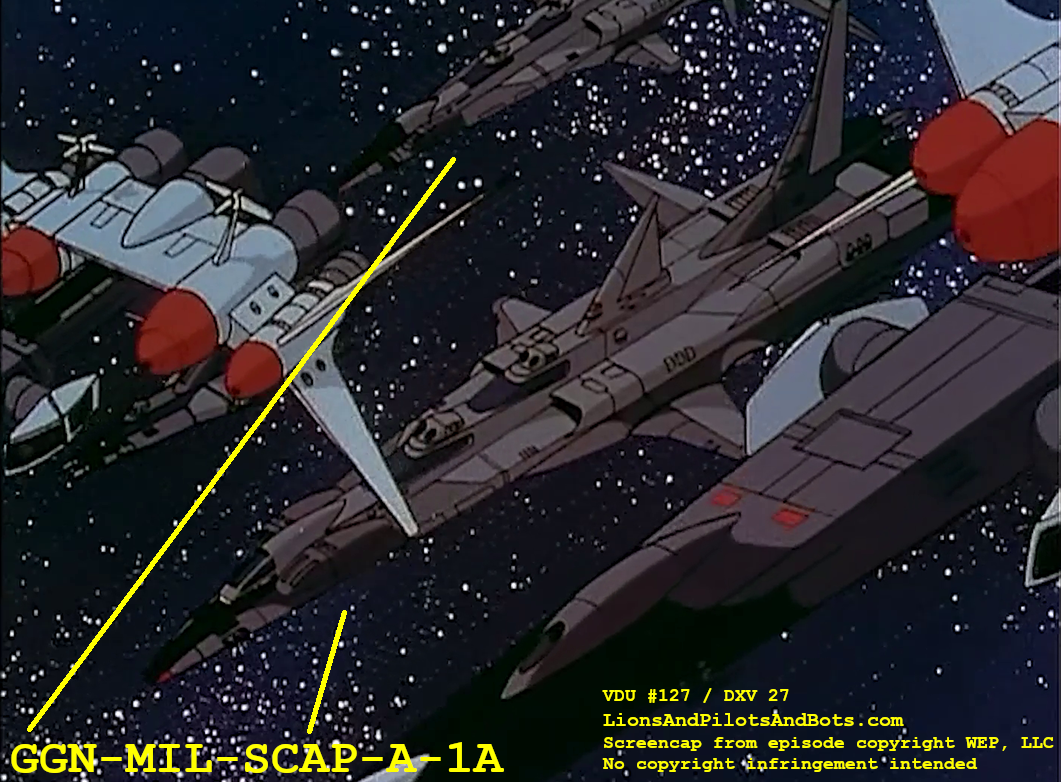
GGN-MIL-SCAP-A-1 spacecraft often serve in Galaxy Garrison support or combat fleets. One ship of this type is used as a “Meteorbreaker.” Another, under the command of Colonel Carver, saves the Voltron Air Team during an assault on a Drule base.
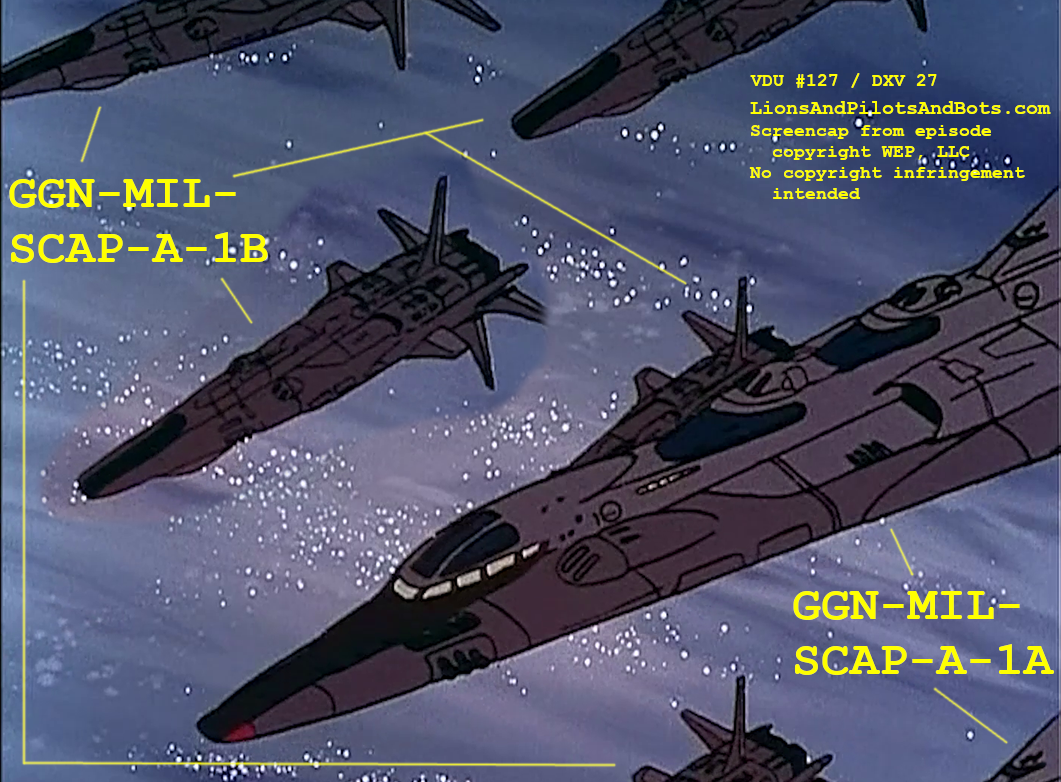
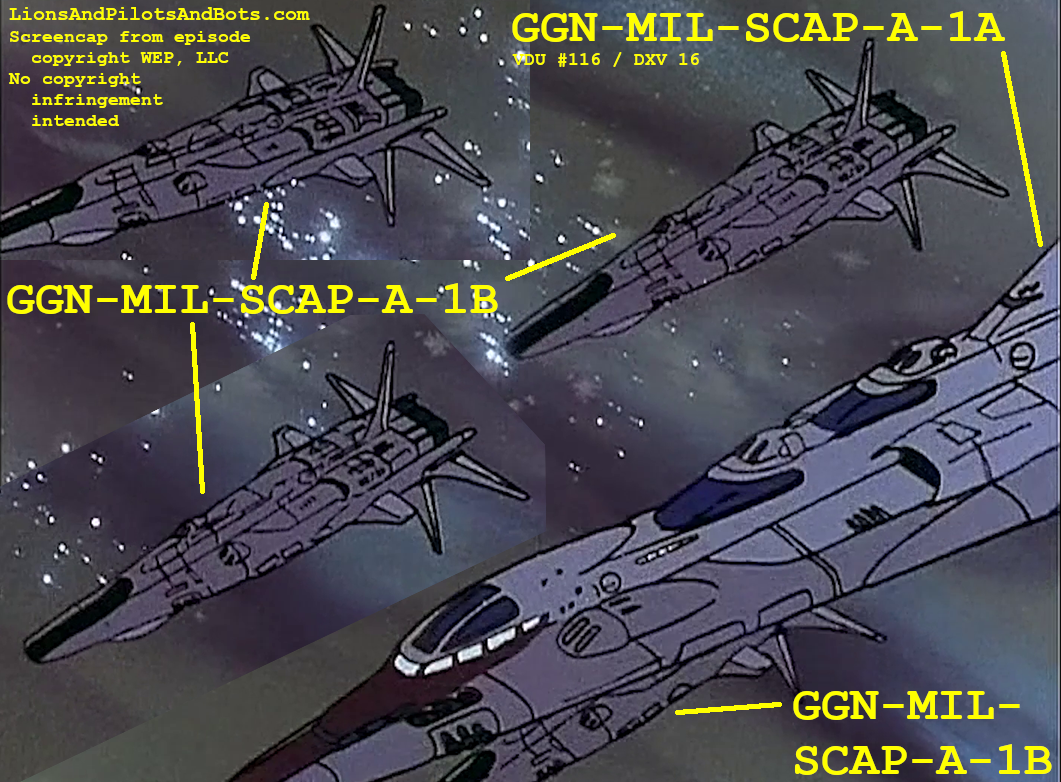
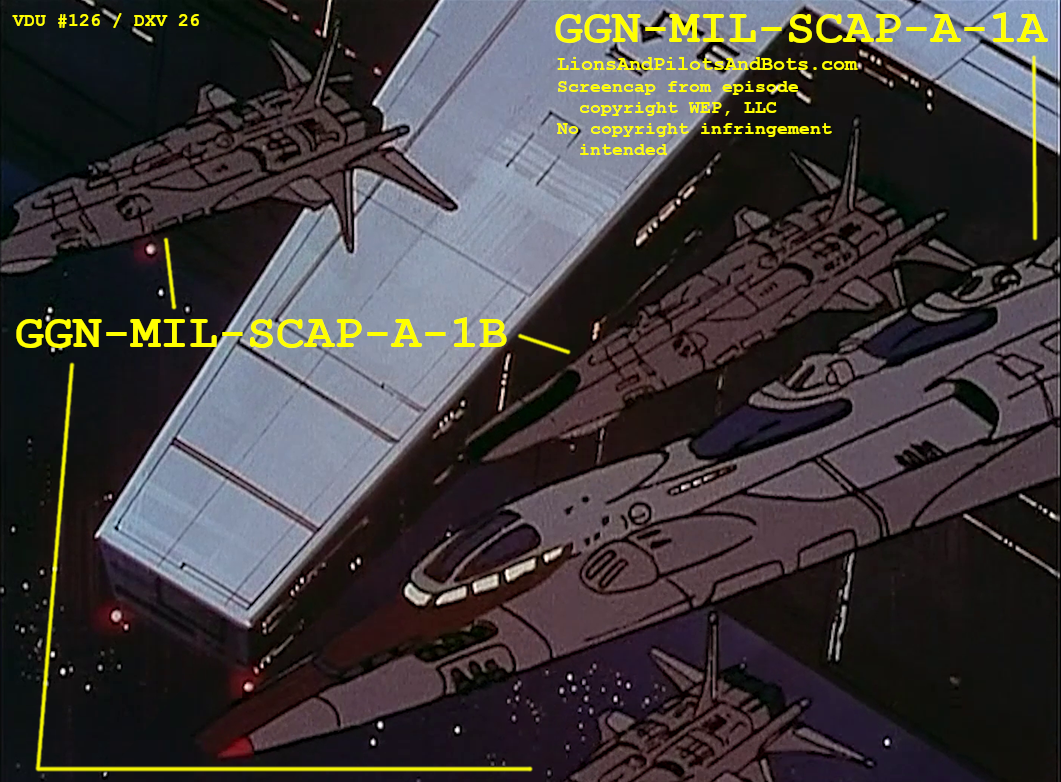
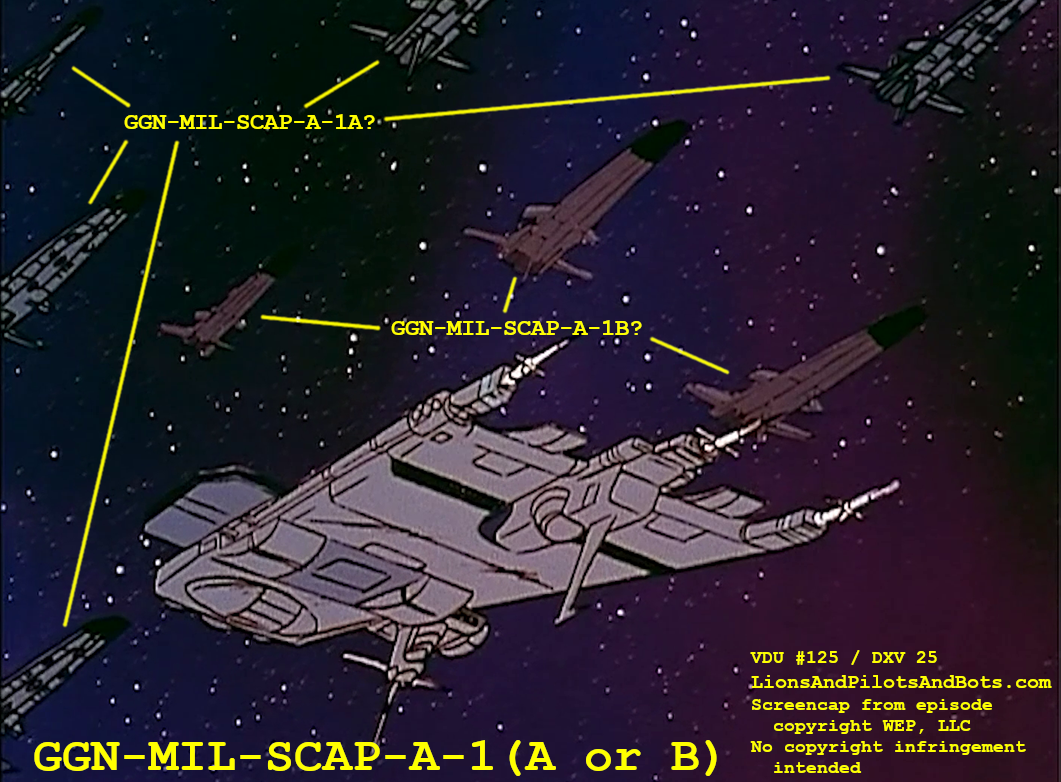
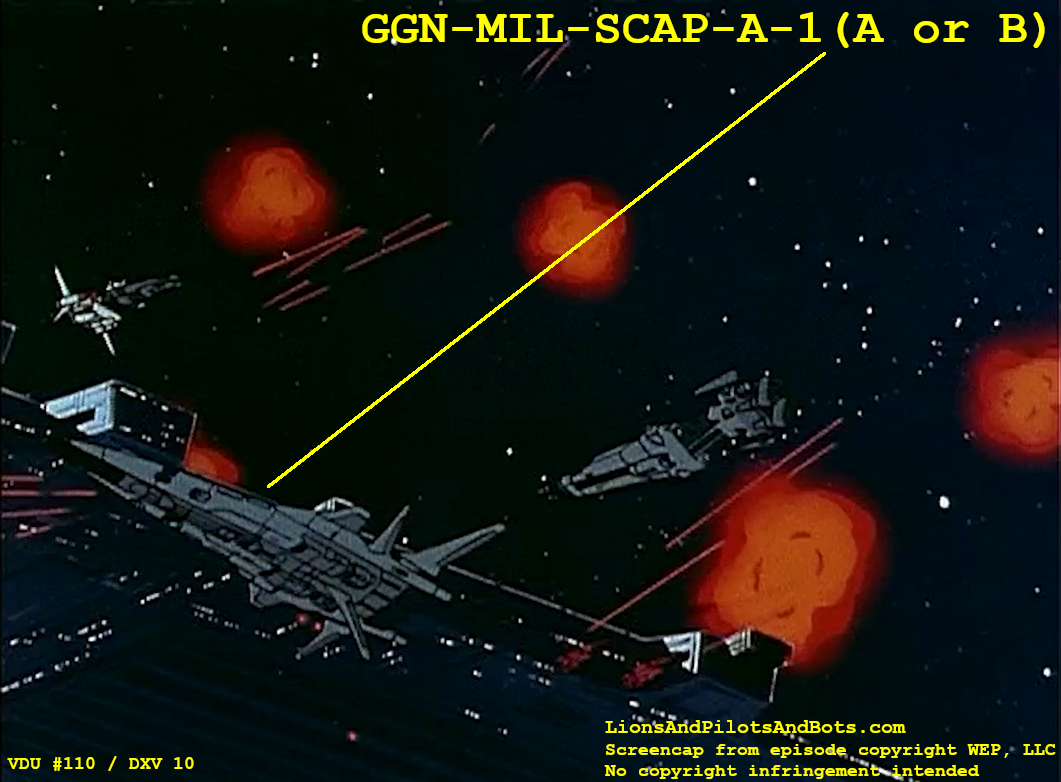
Two variants of GGN-MIL-SCAP-A-1 spacecraft exist.
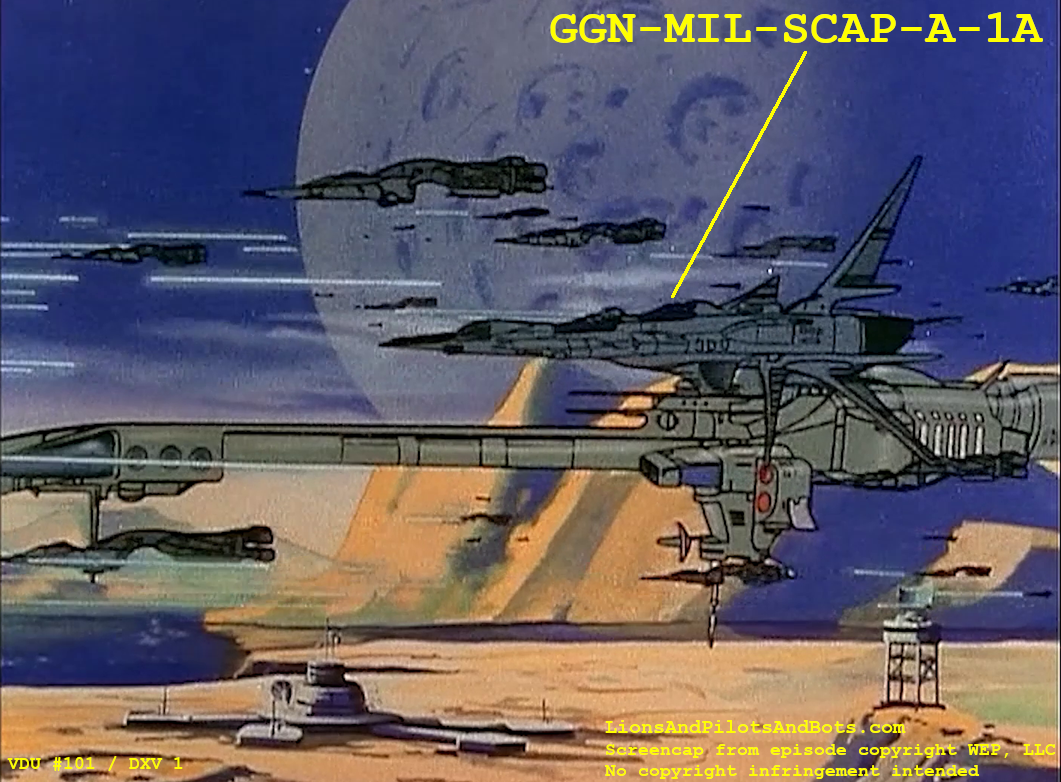
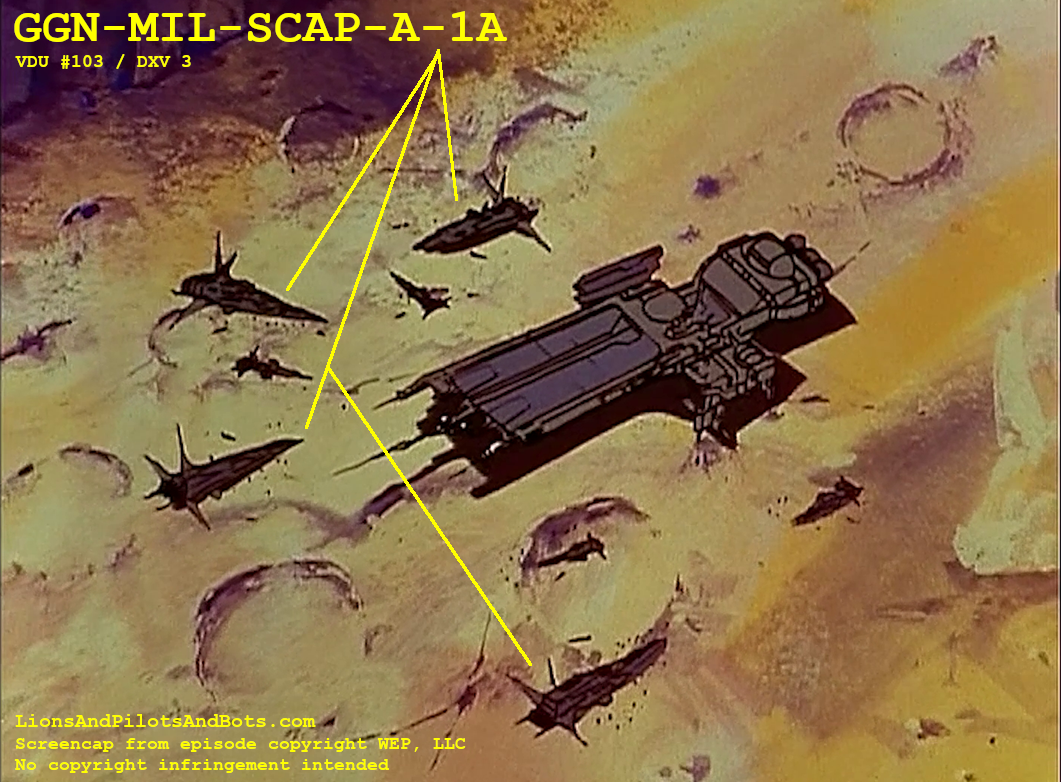
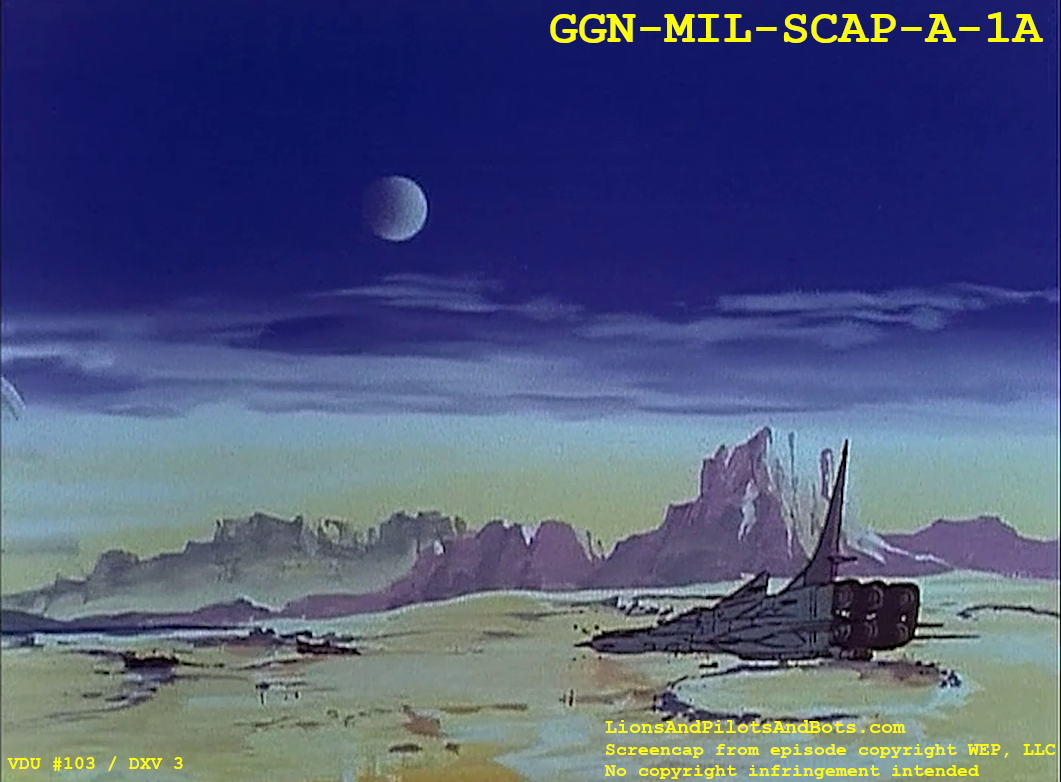
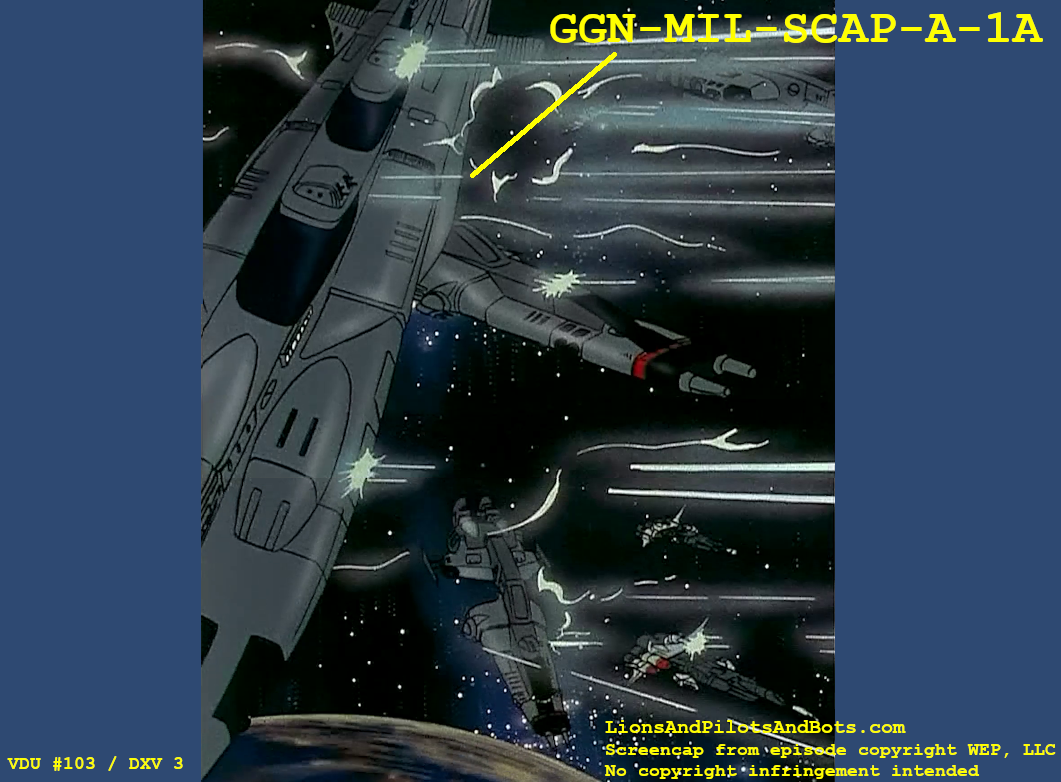
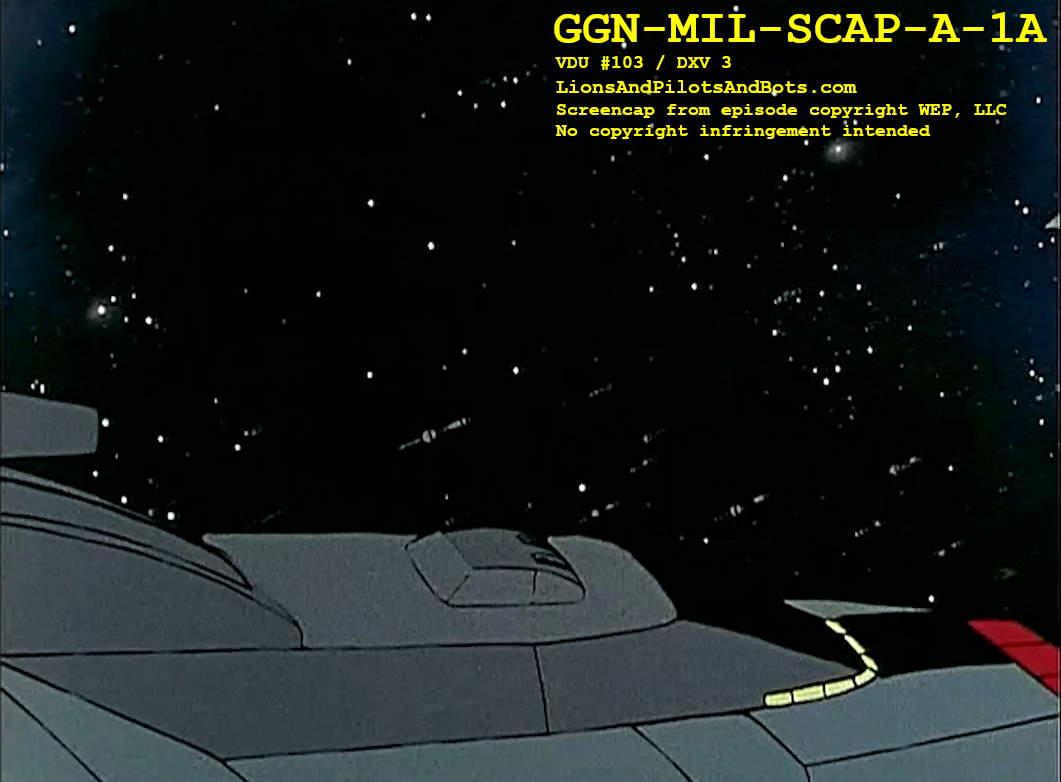
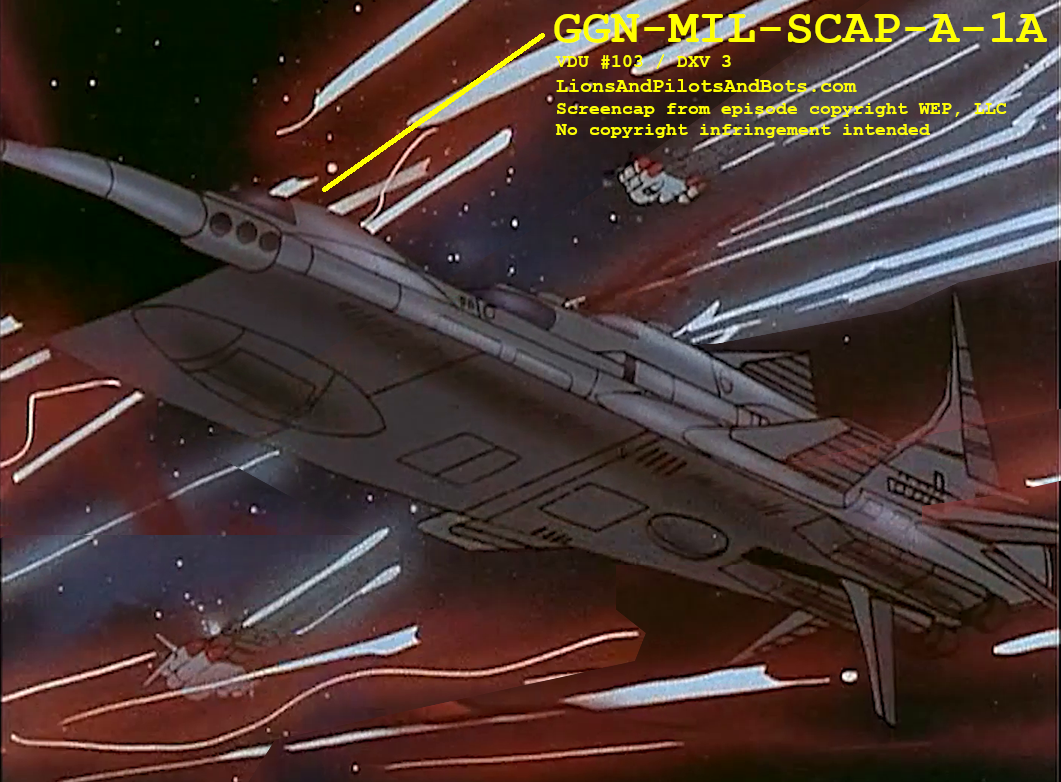
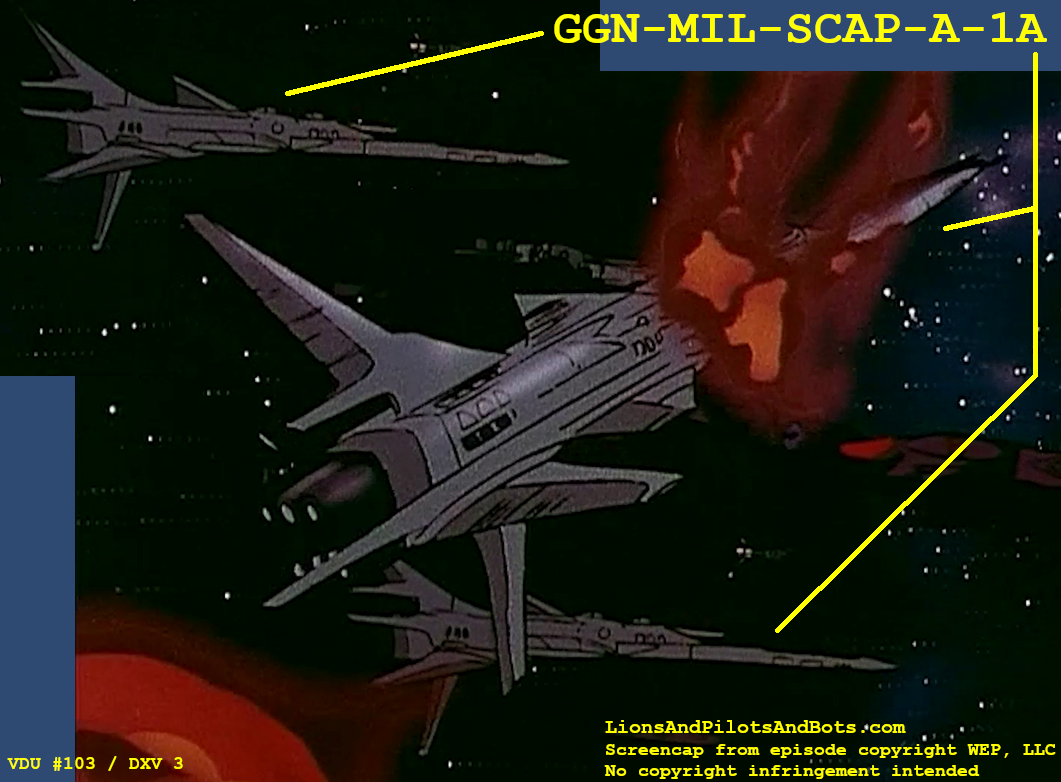
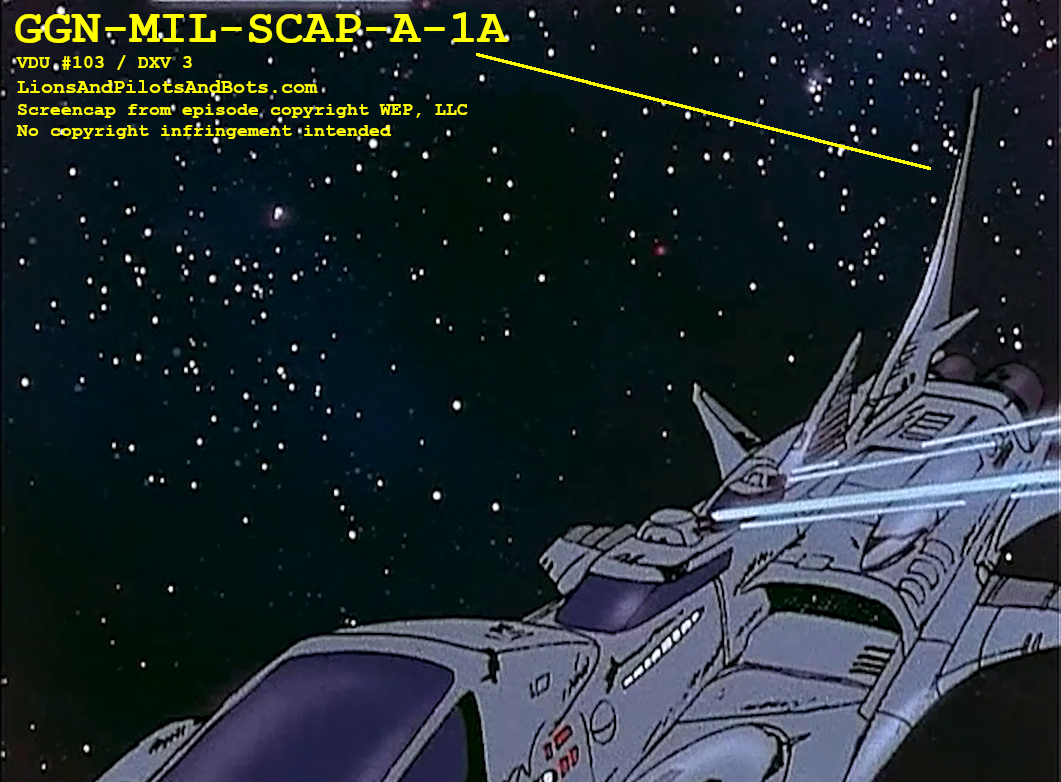
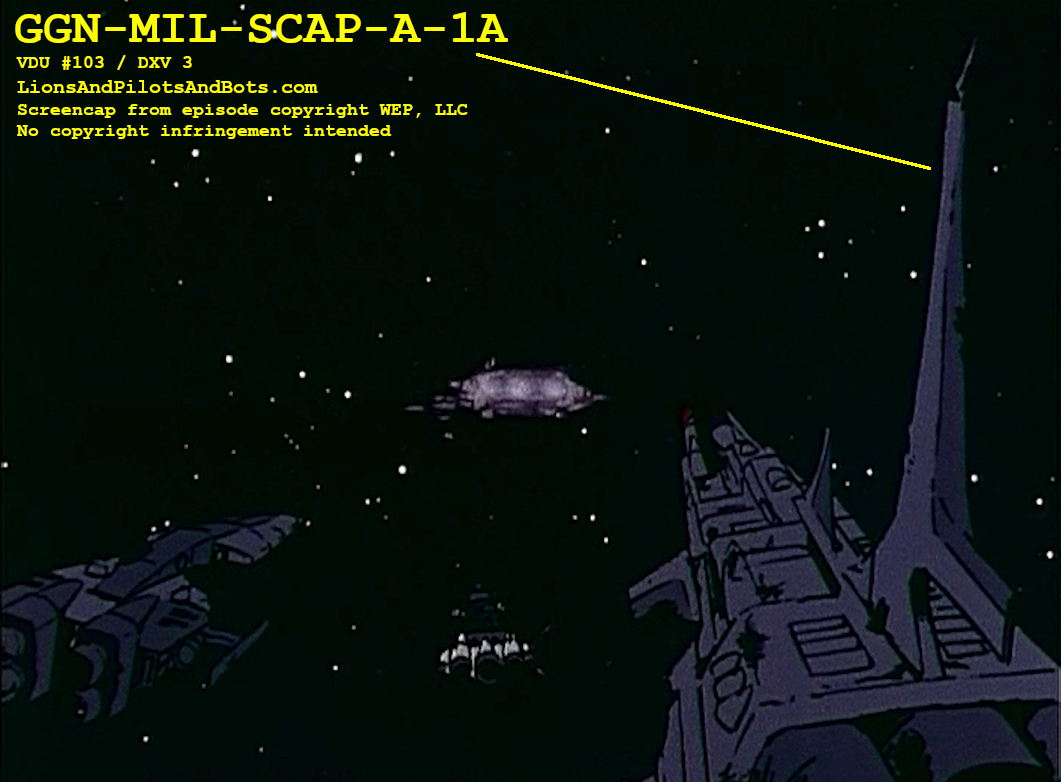
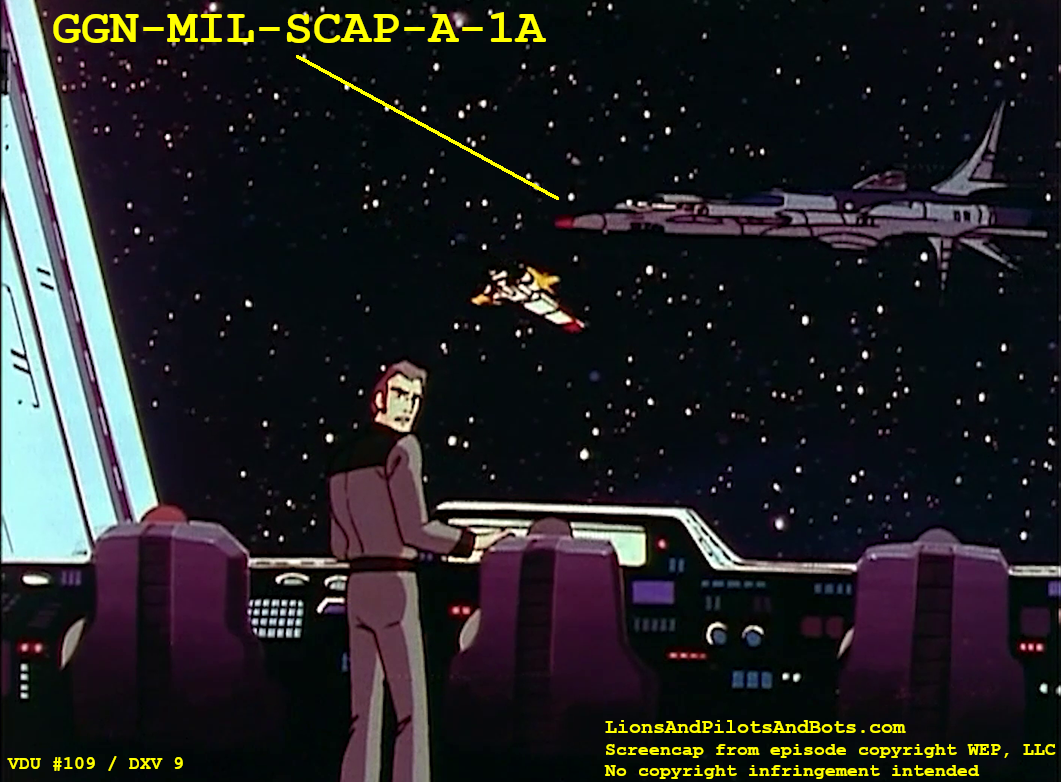
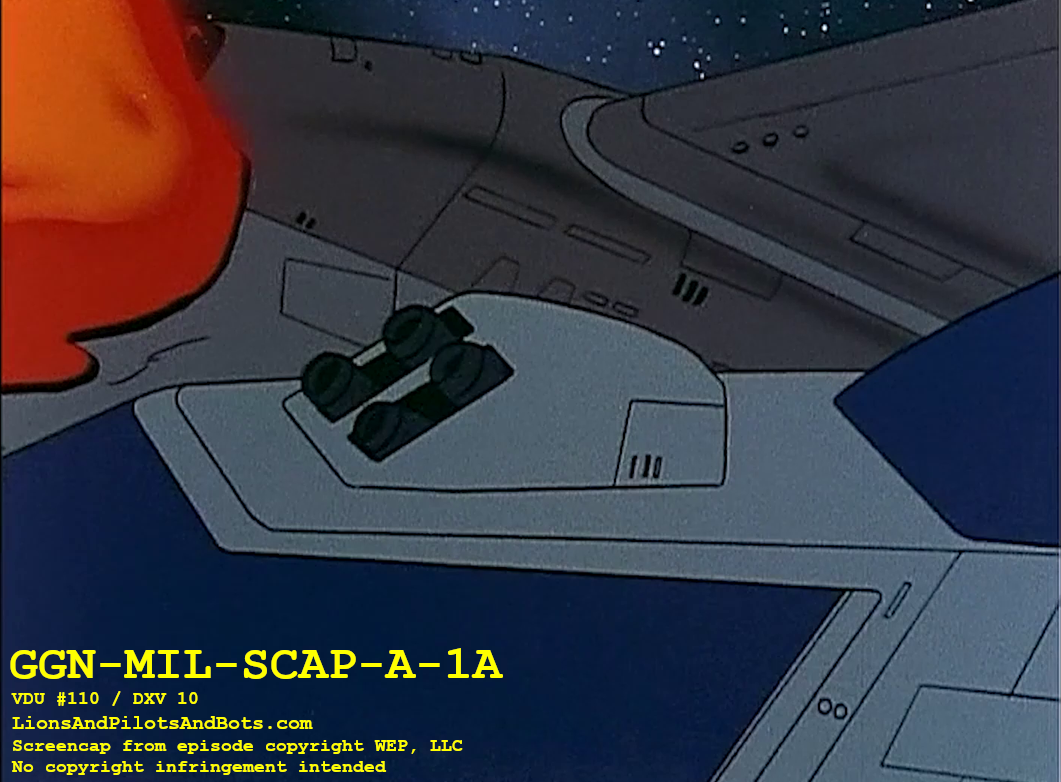
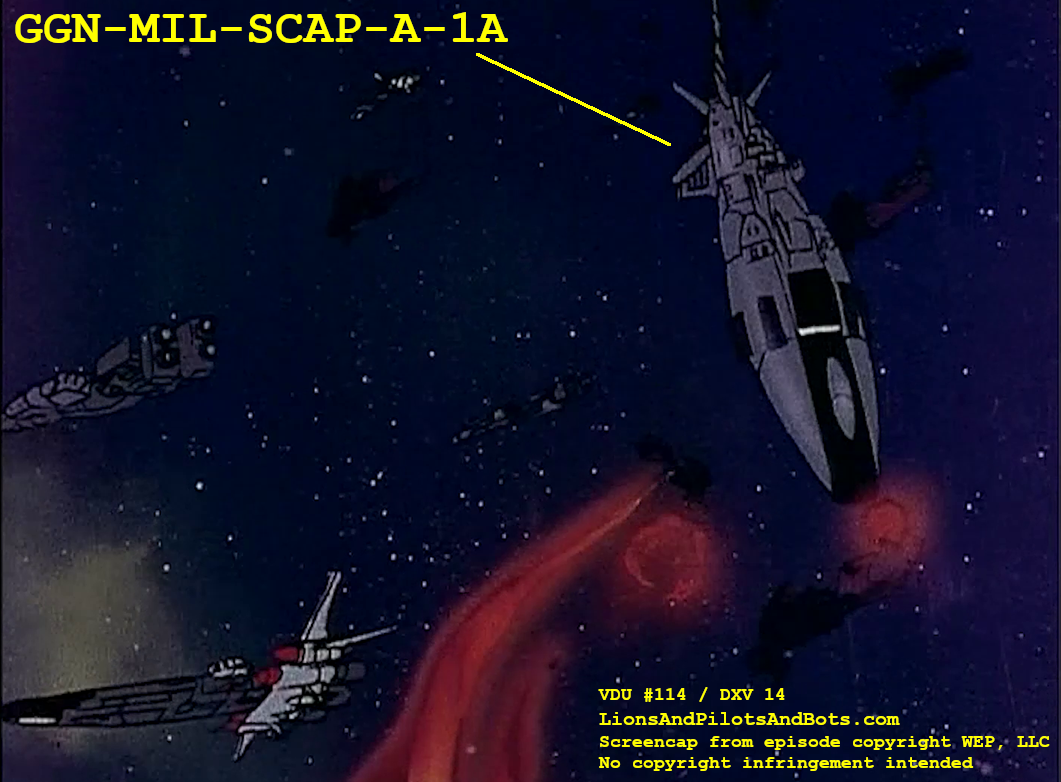
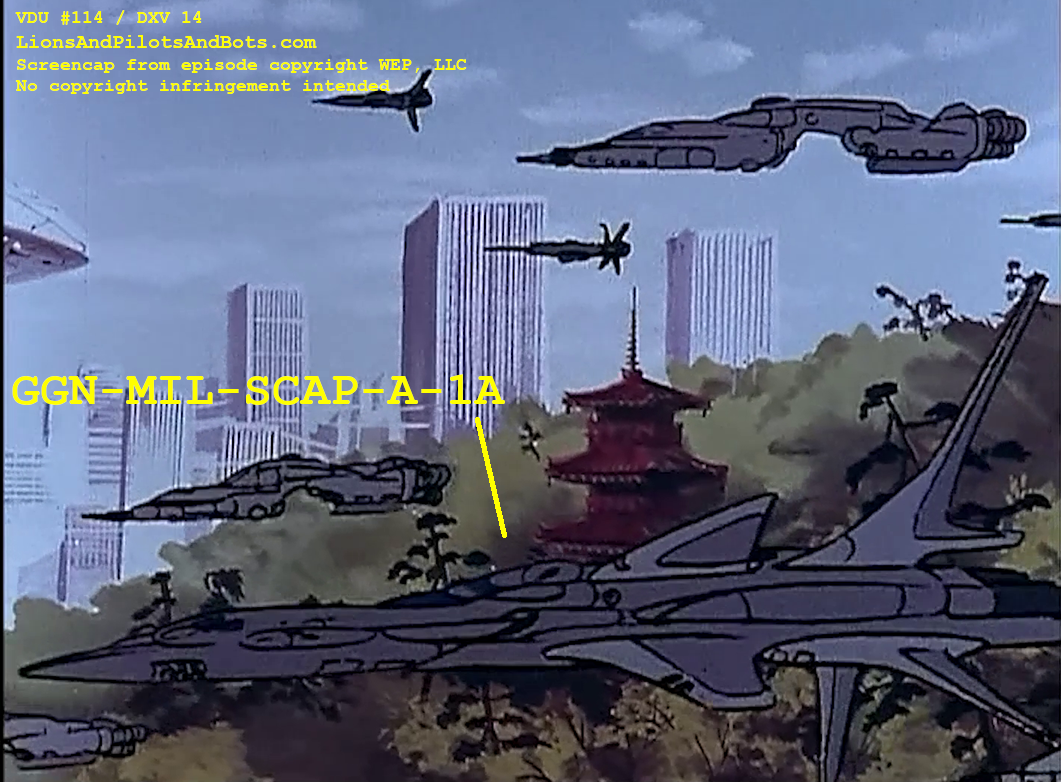
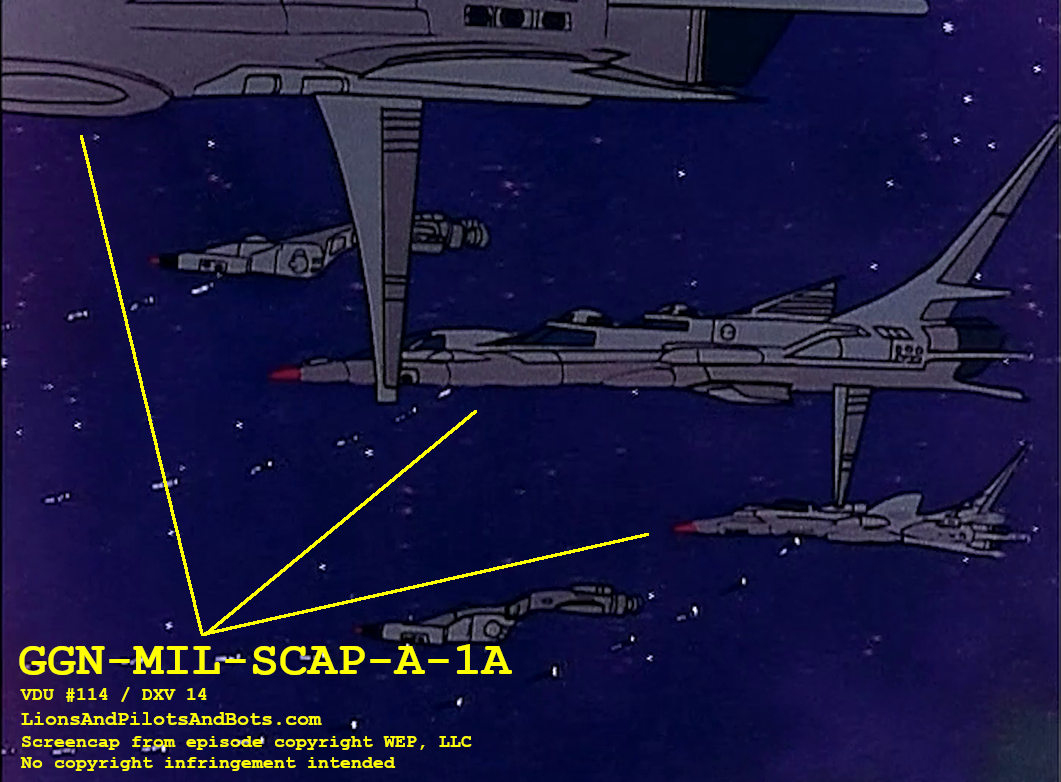
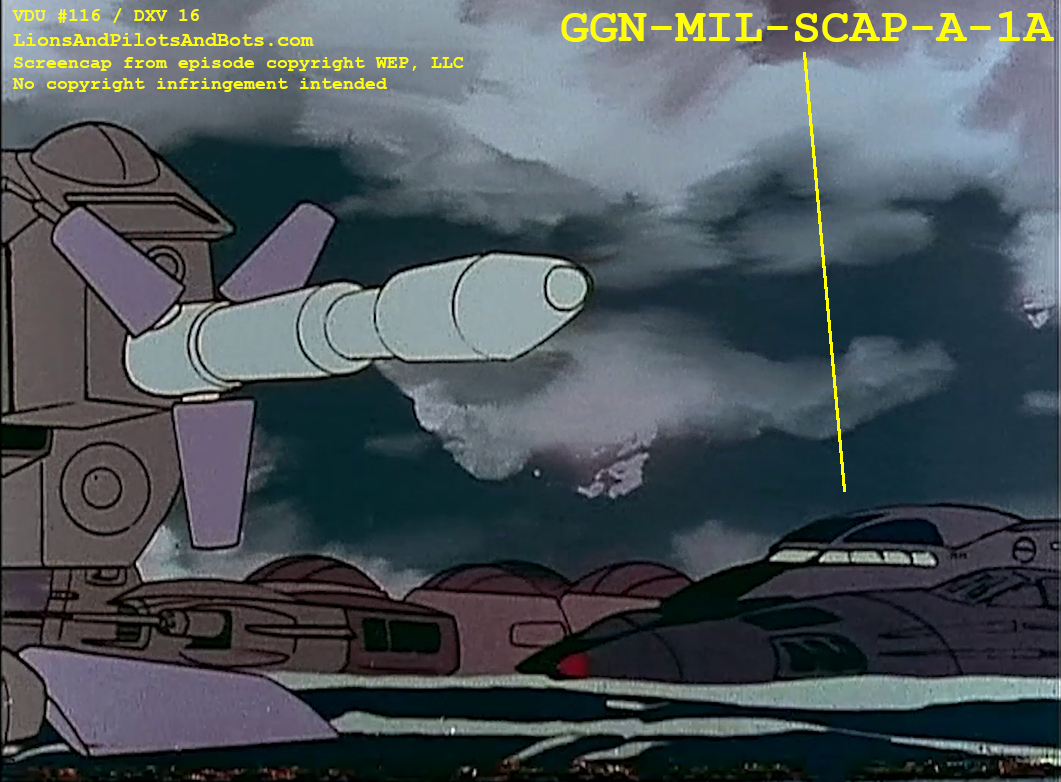
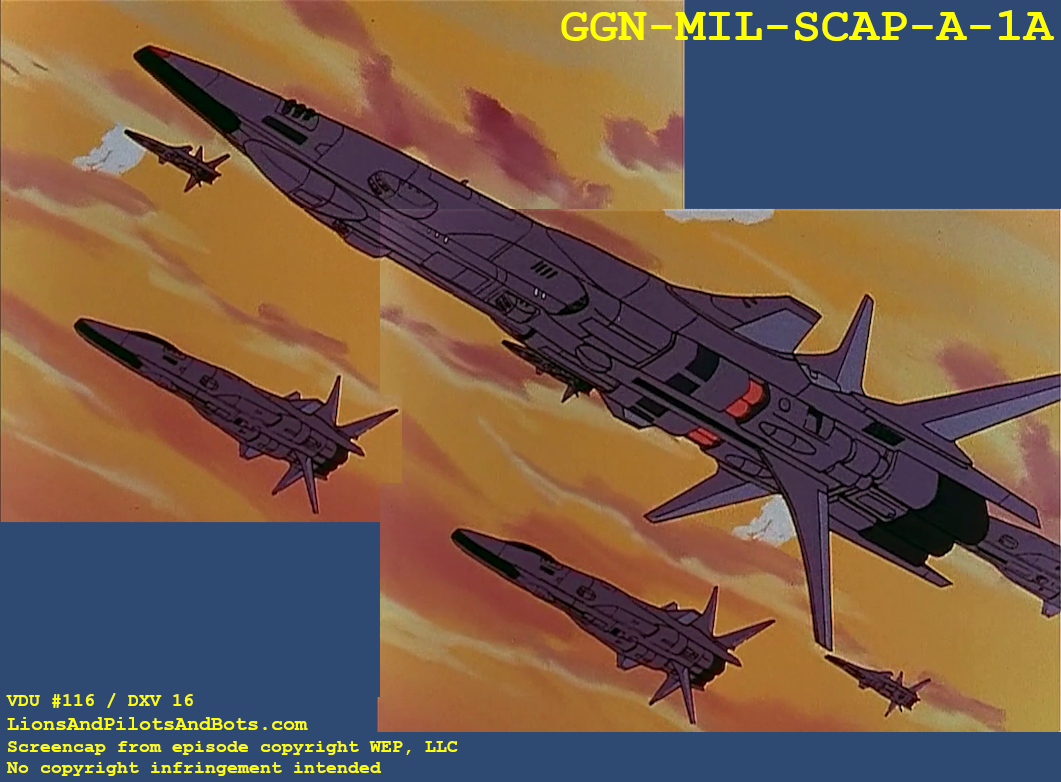
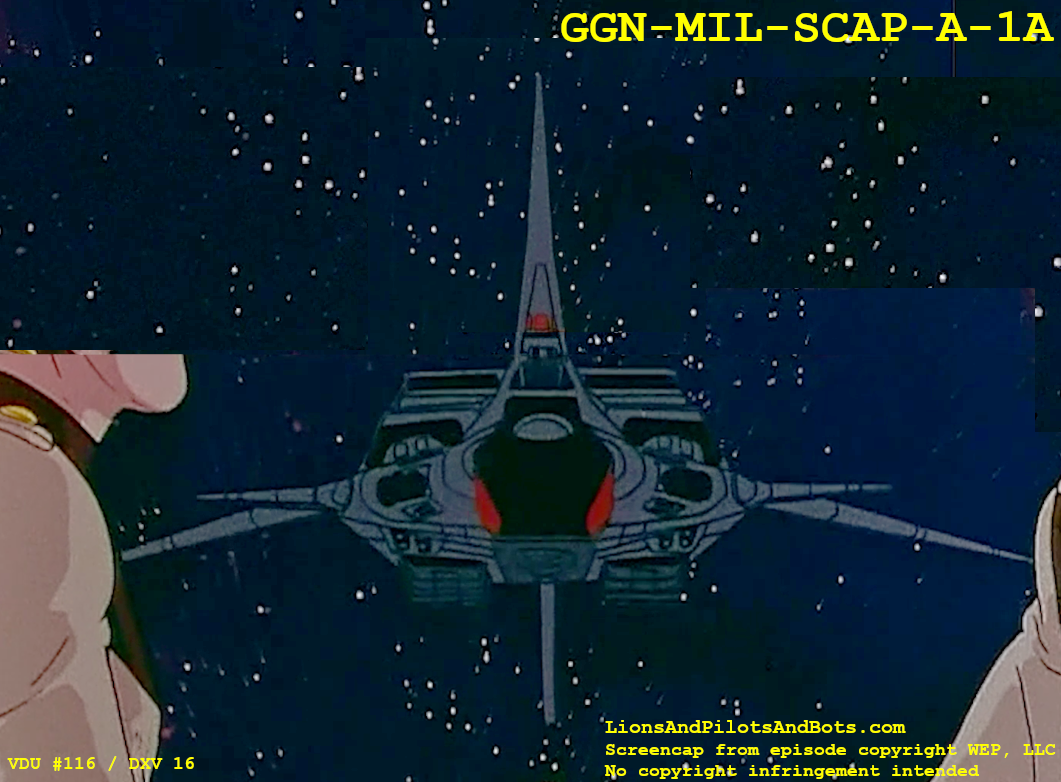
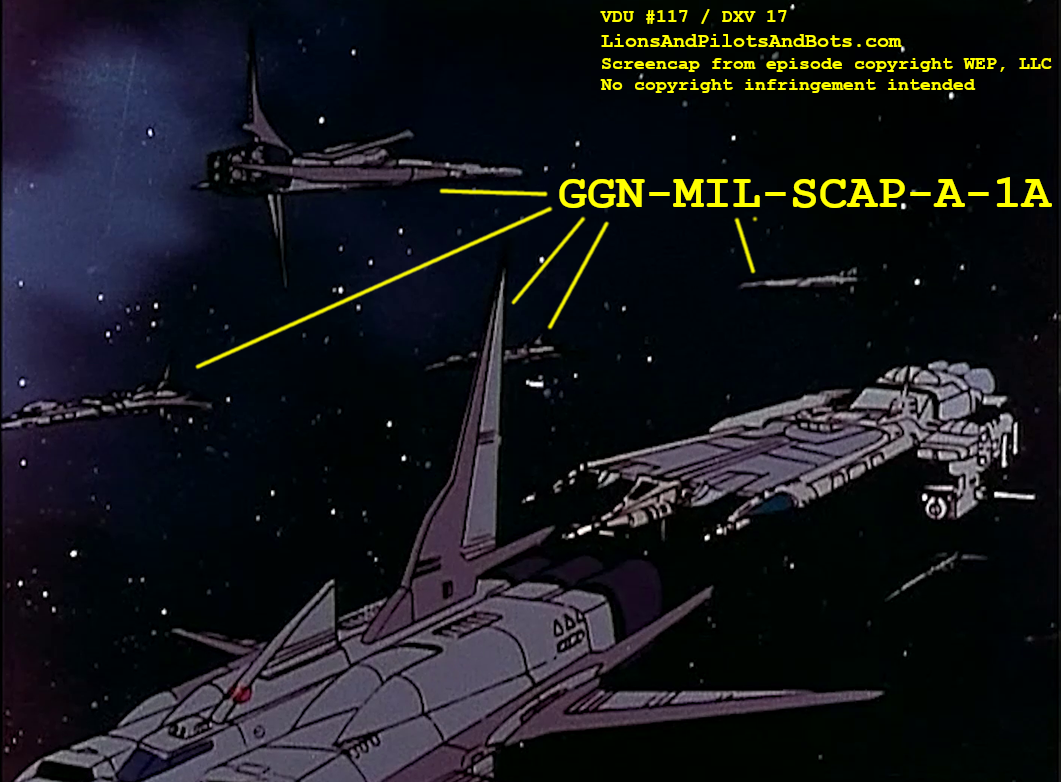
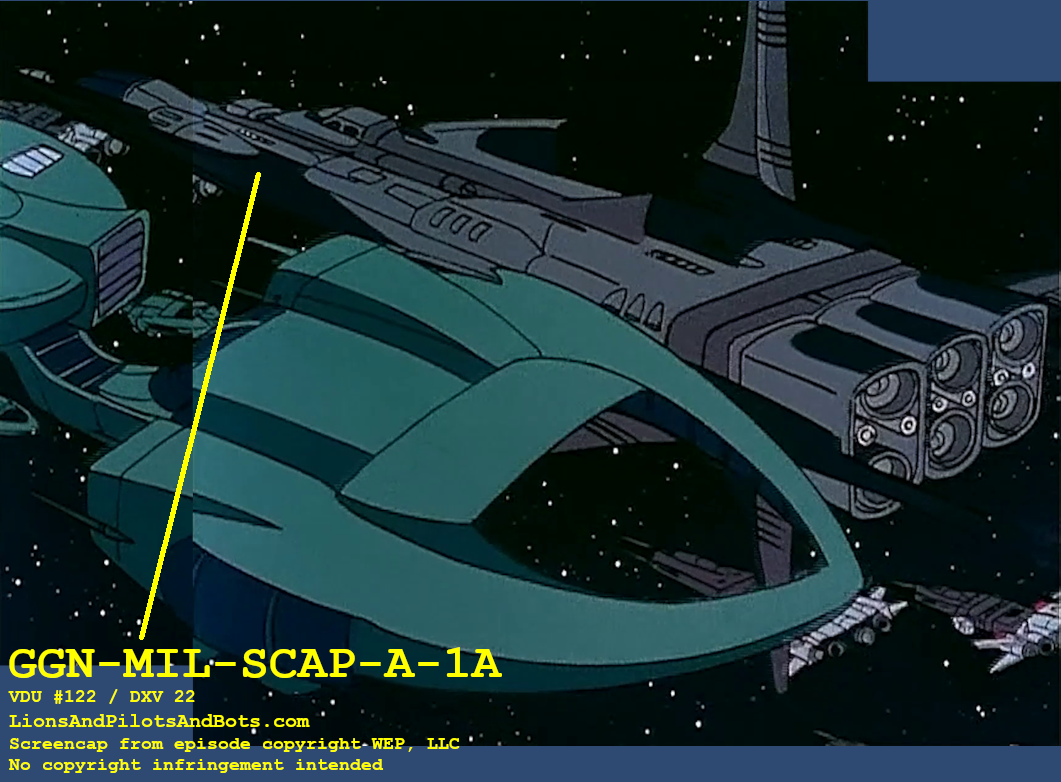
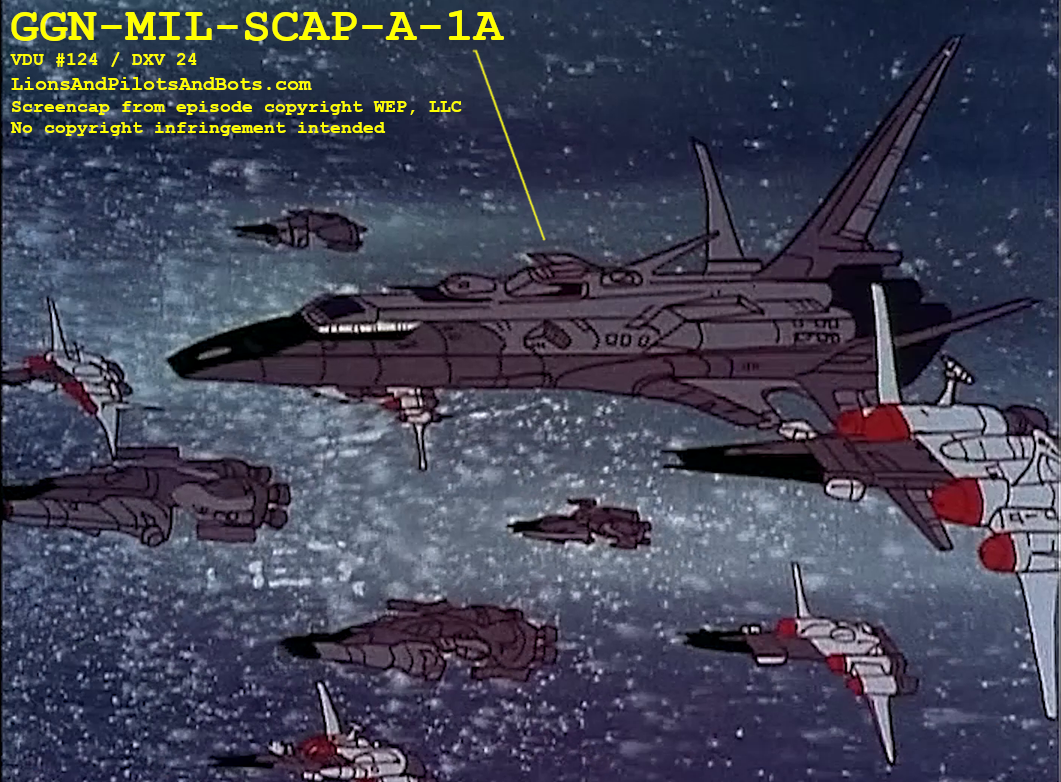
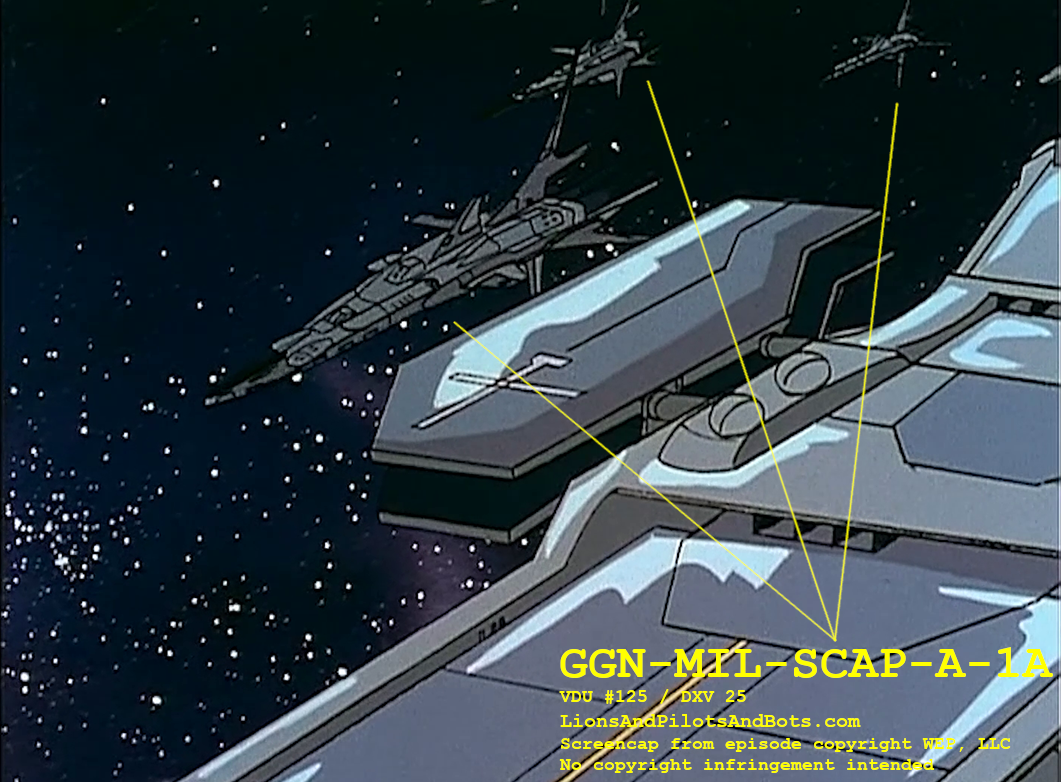
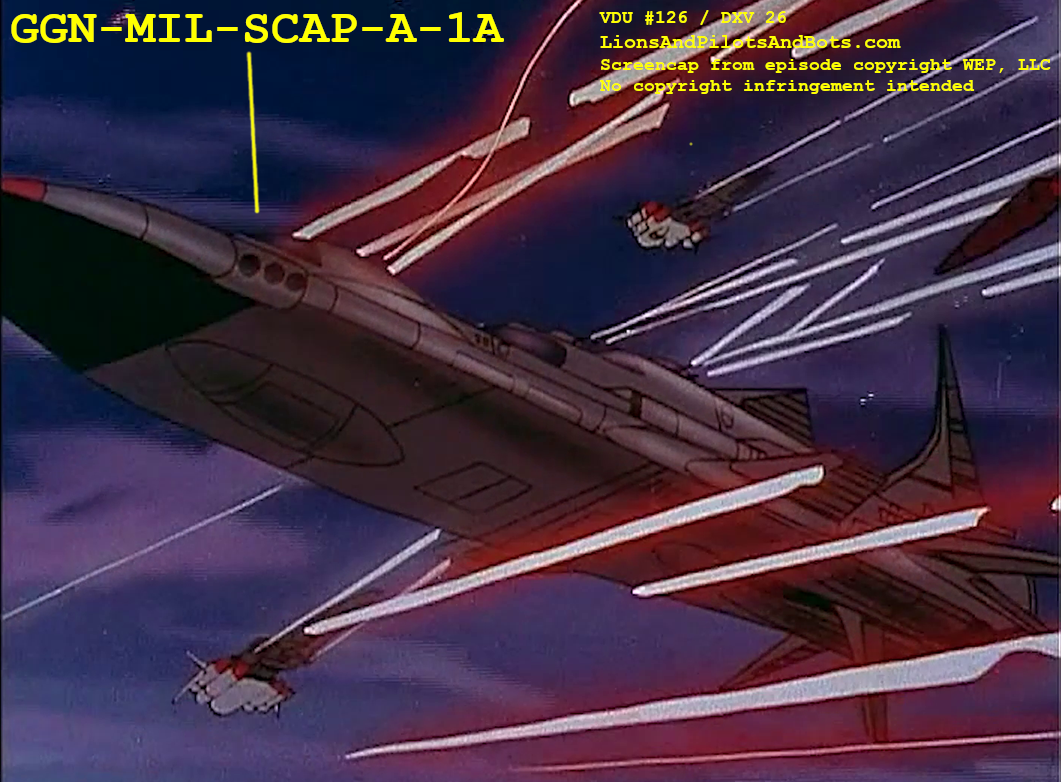
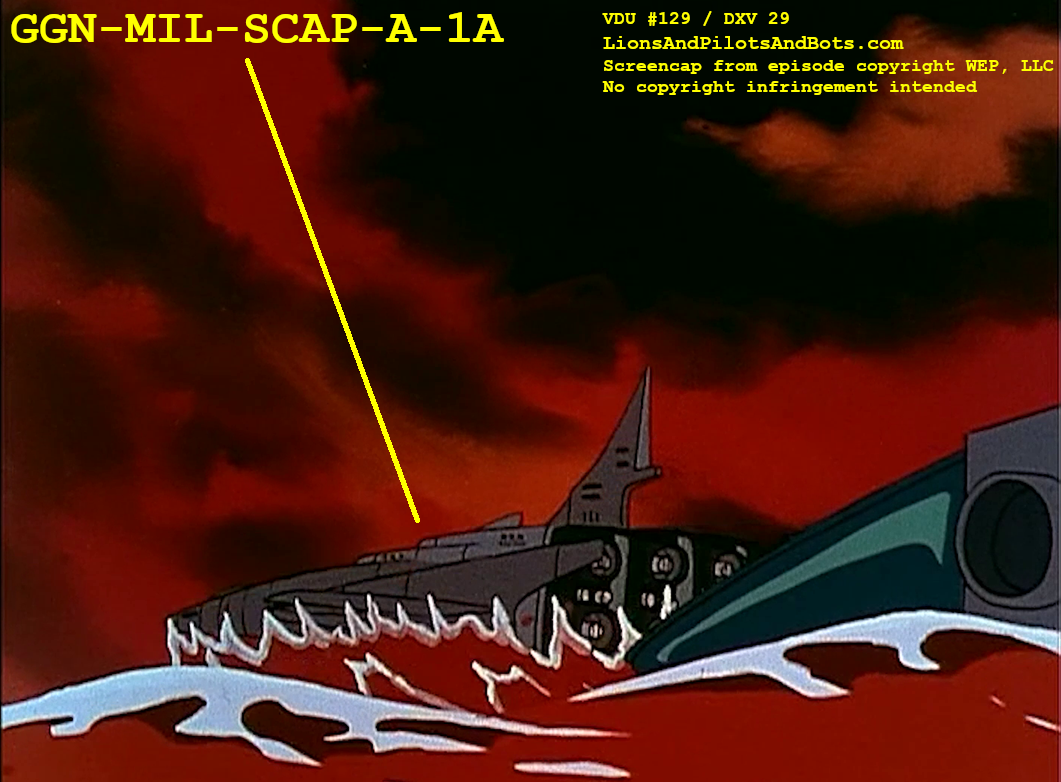
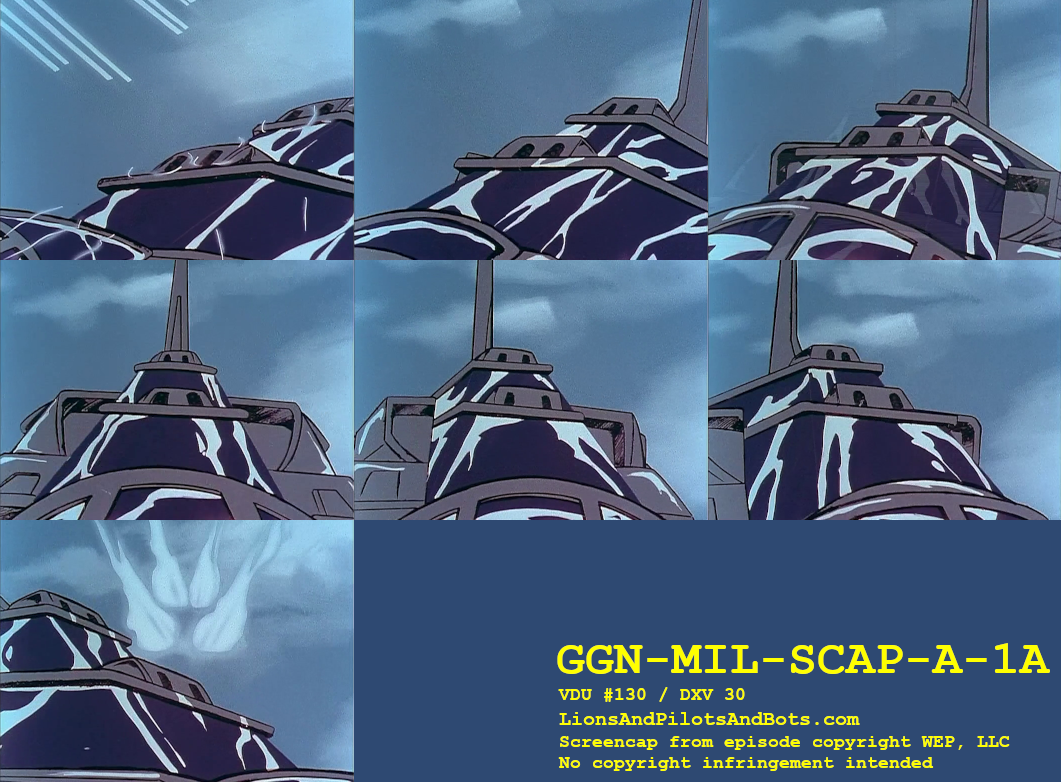
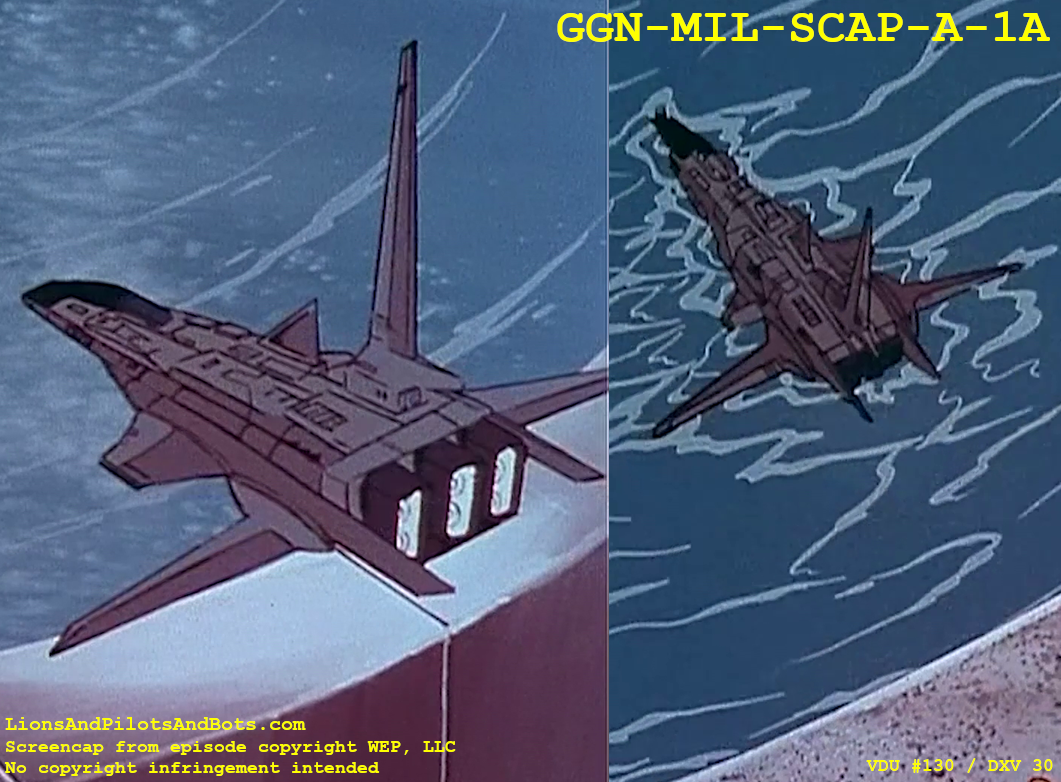
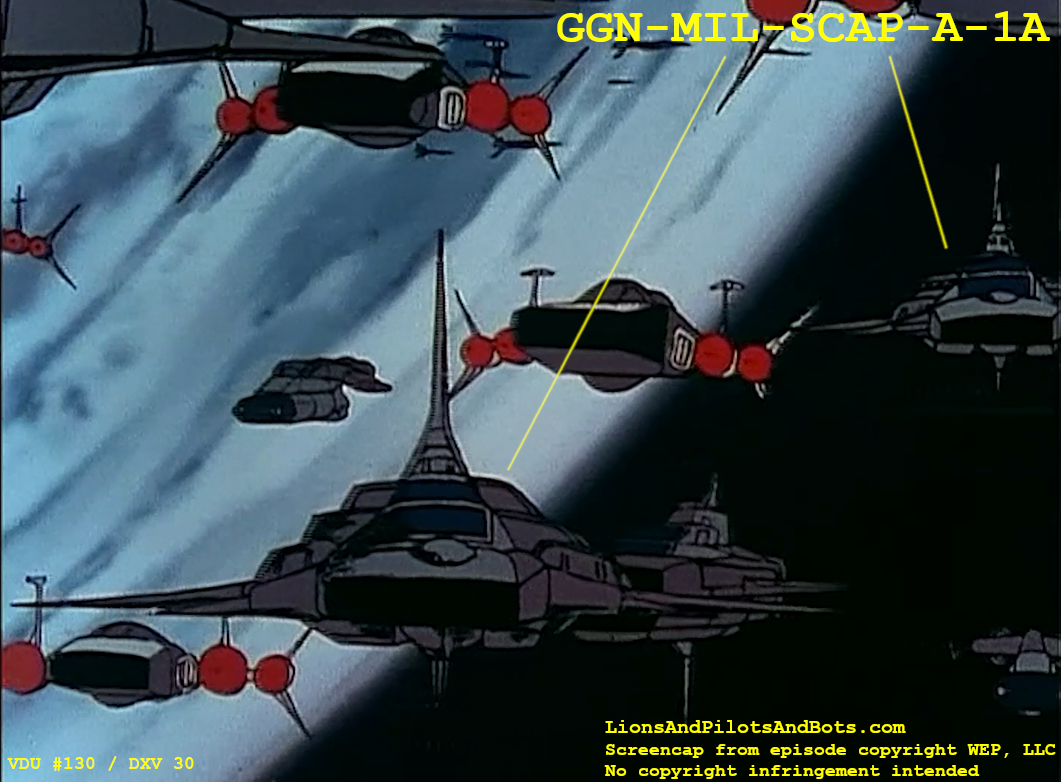
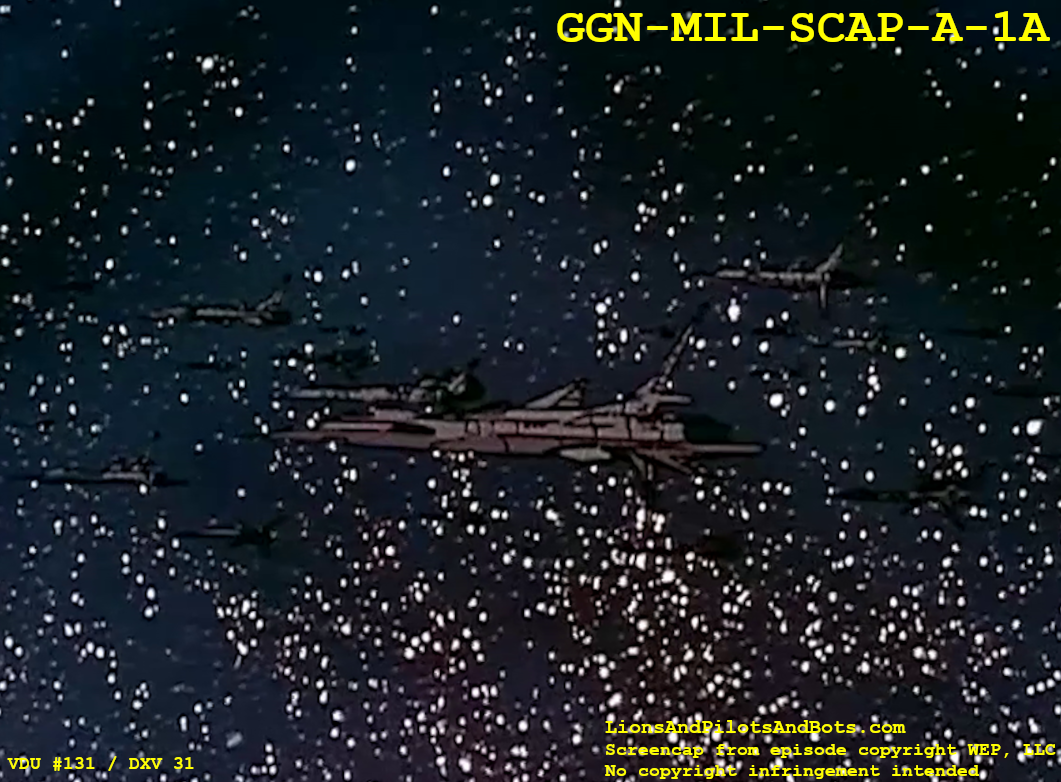
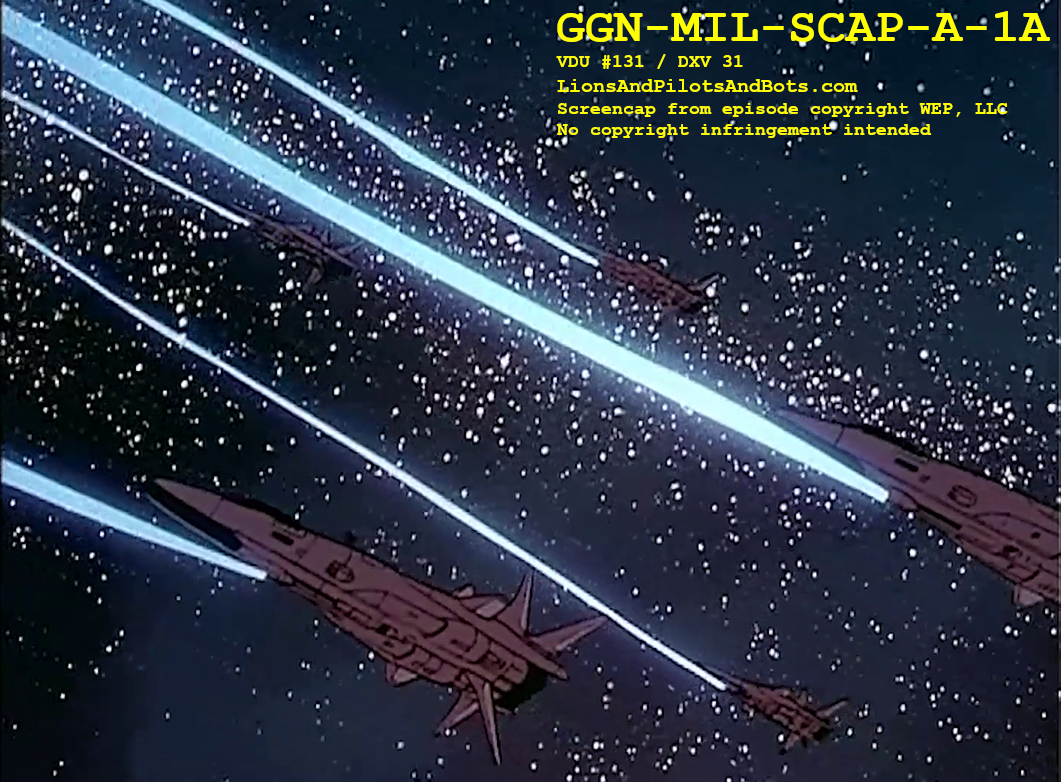
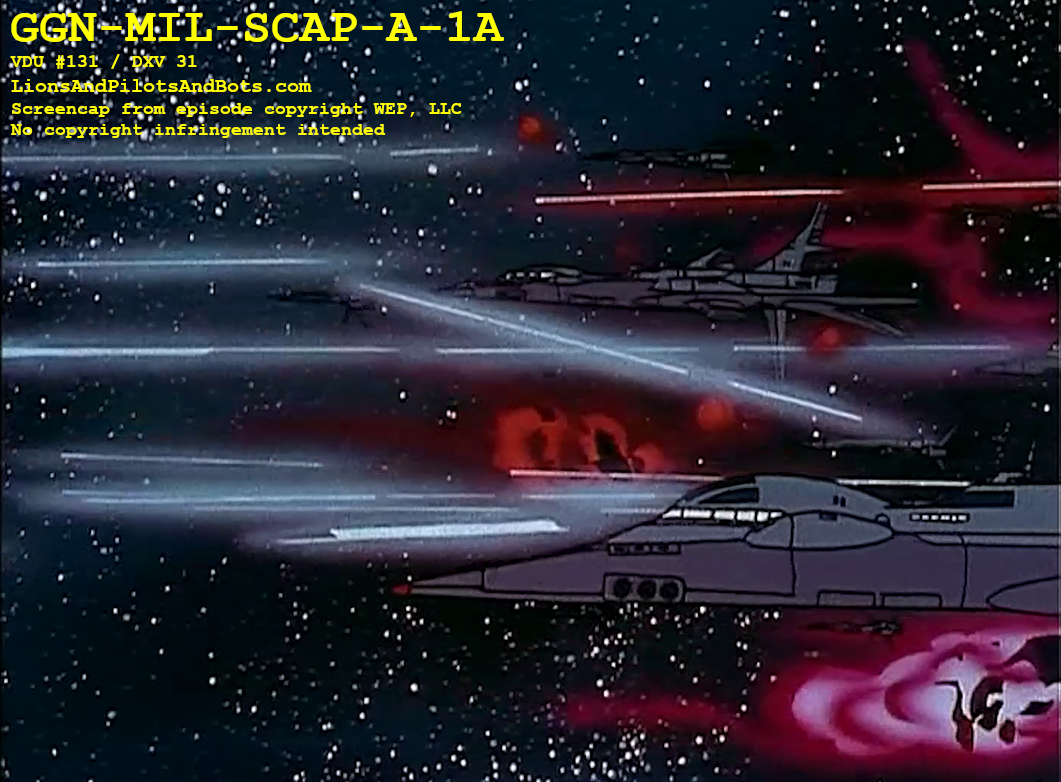
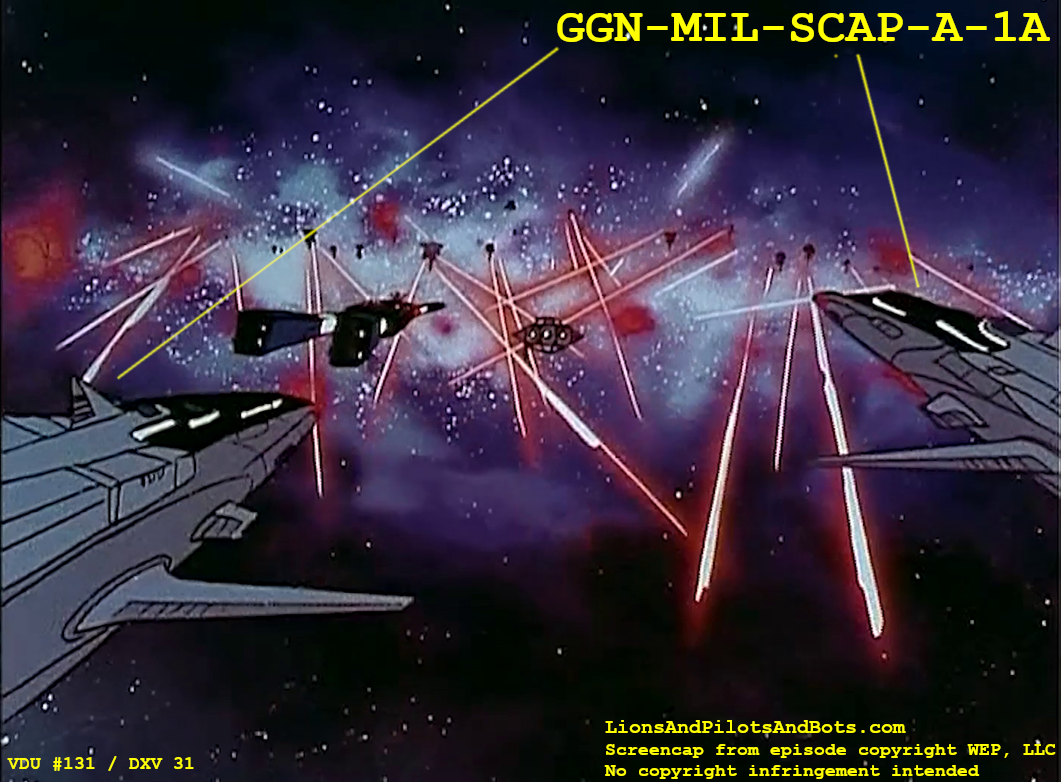
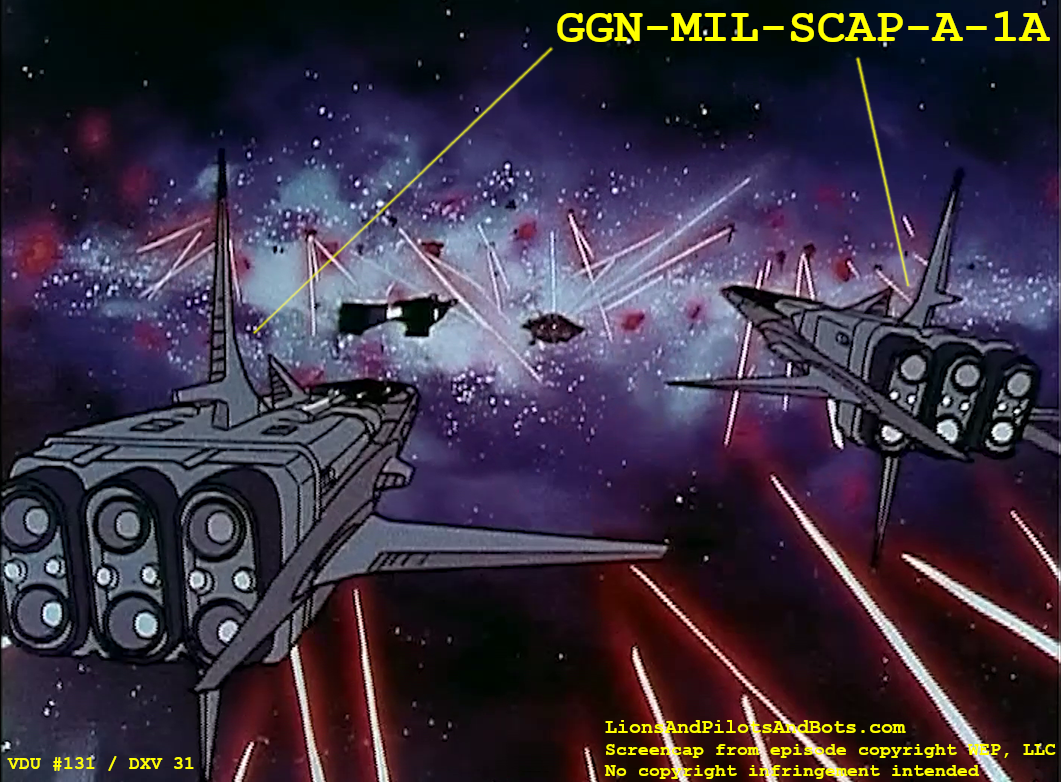
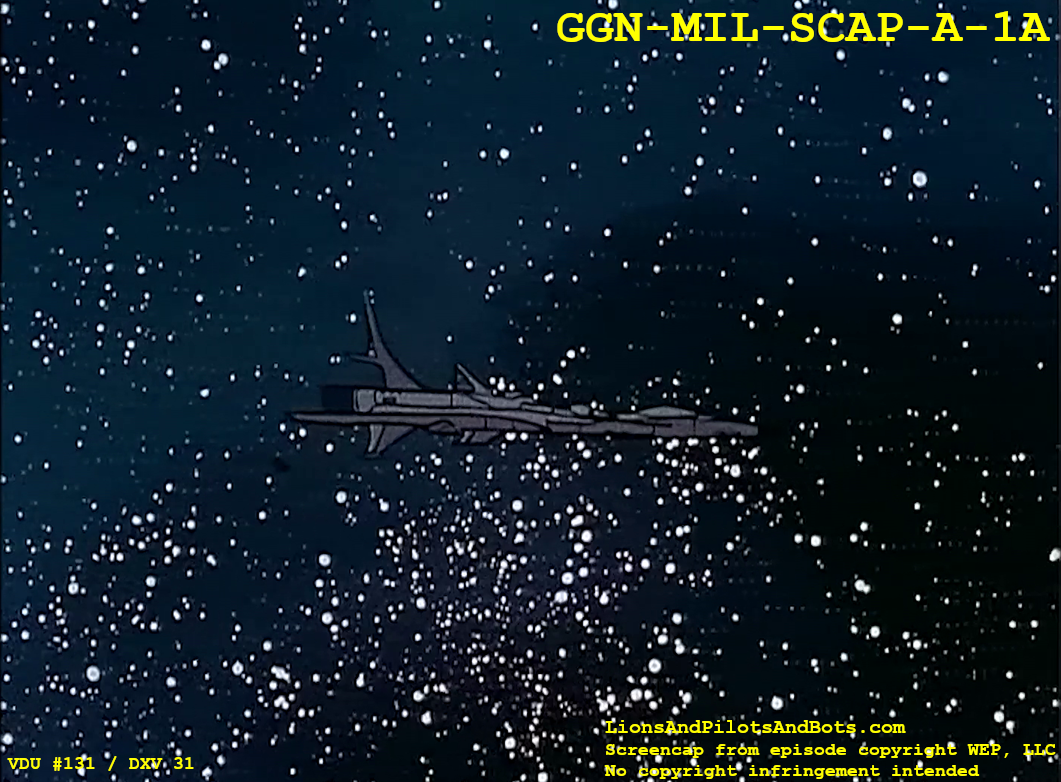
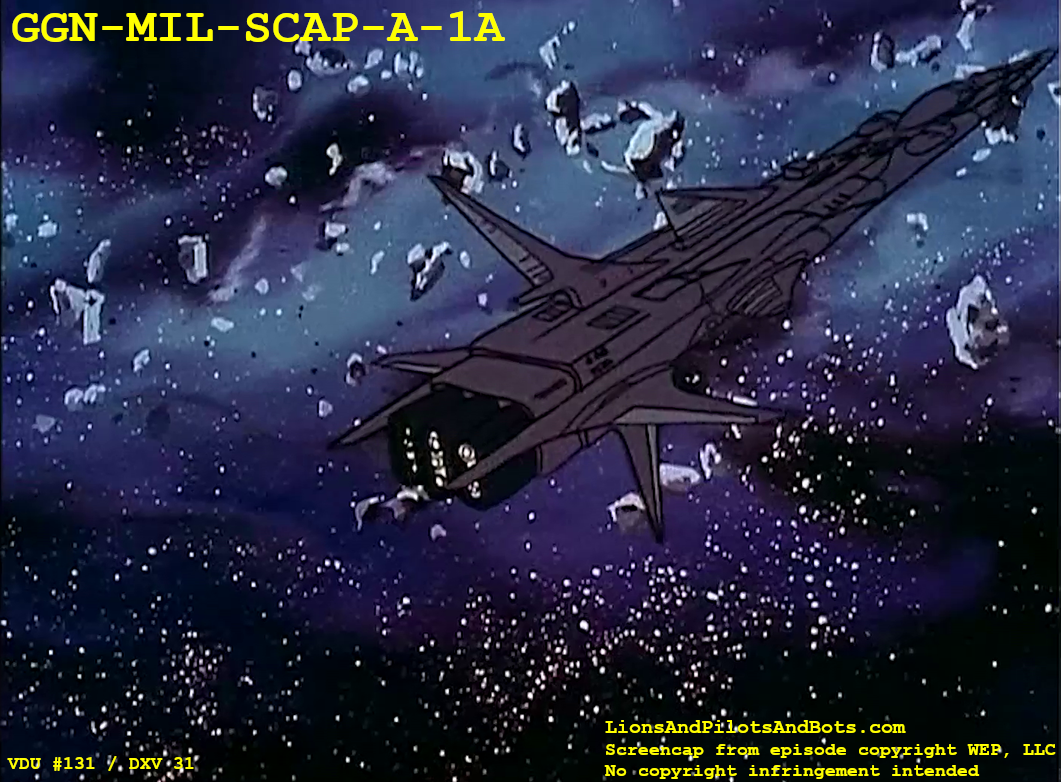
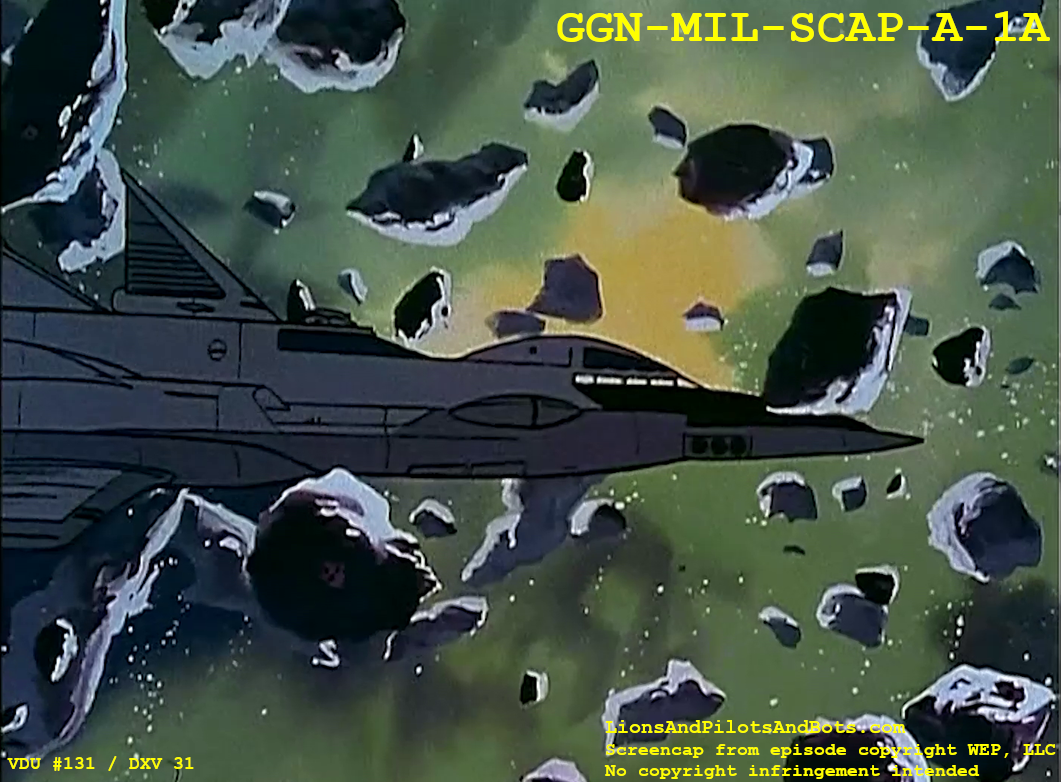
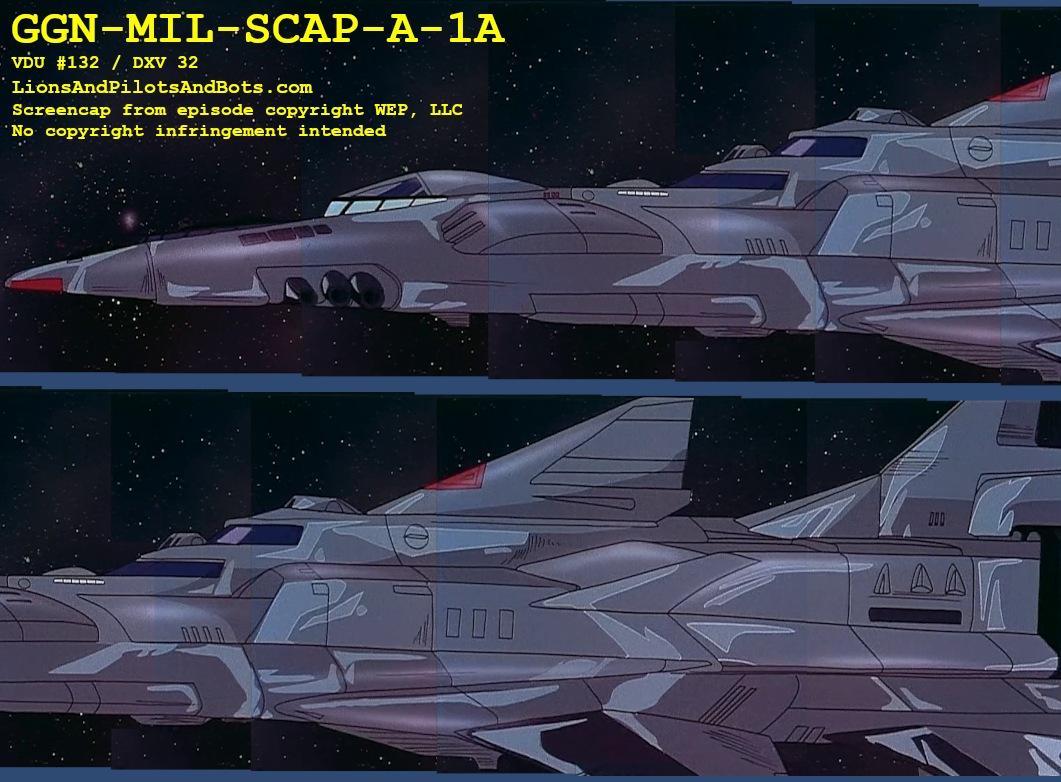
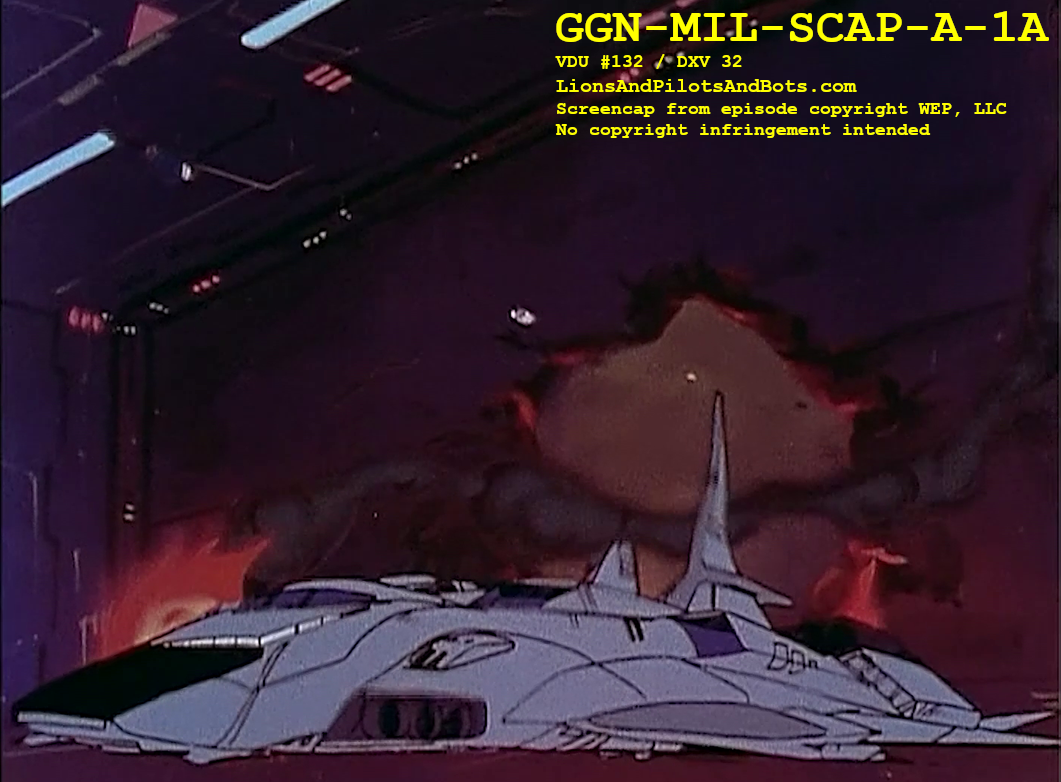
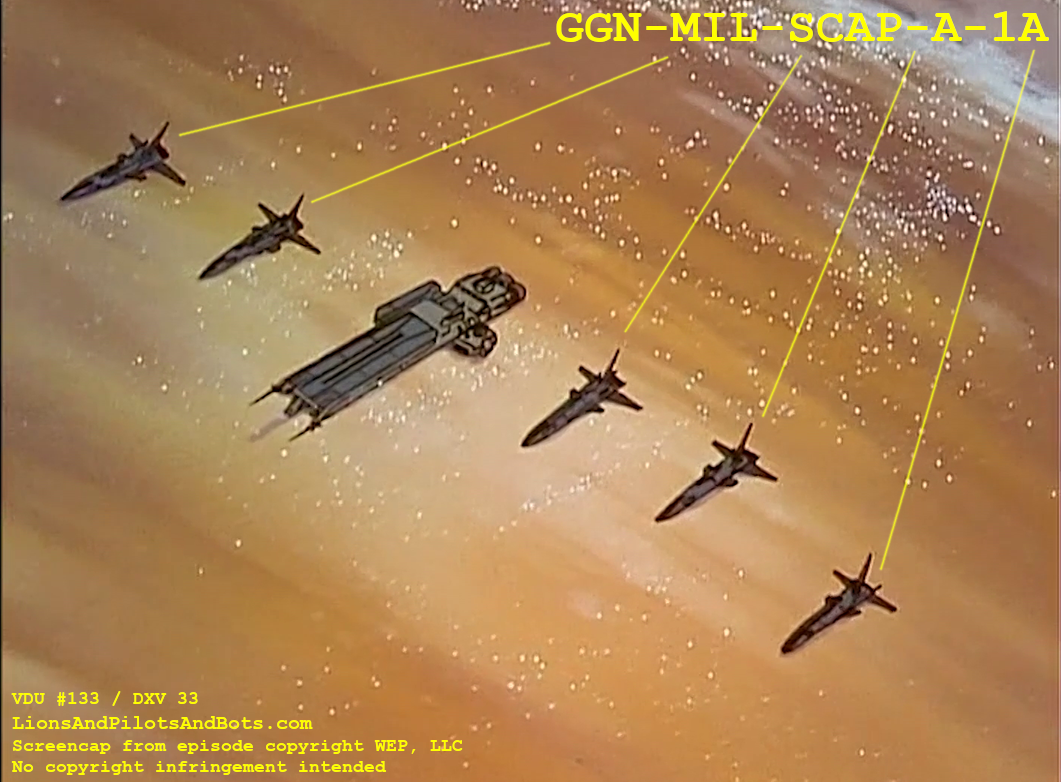
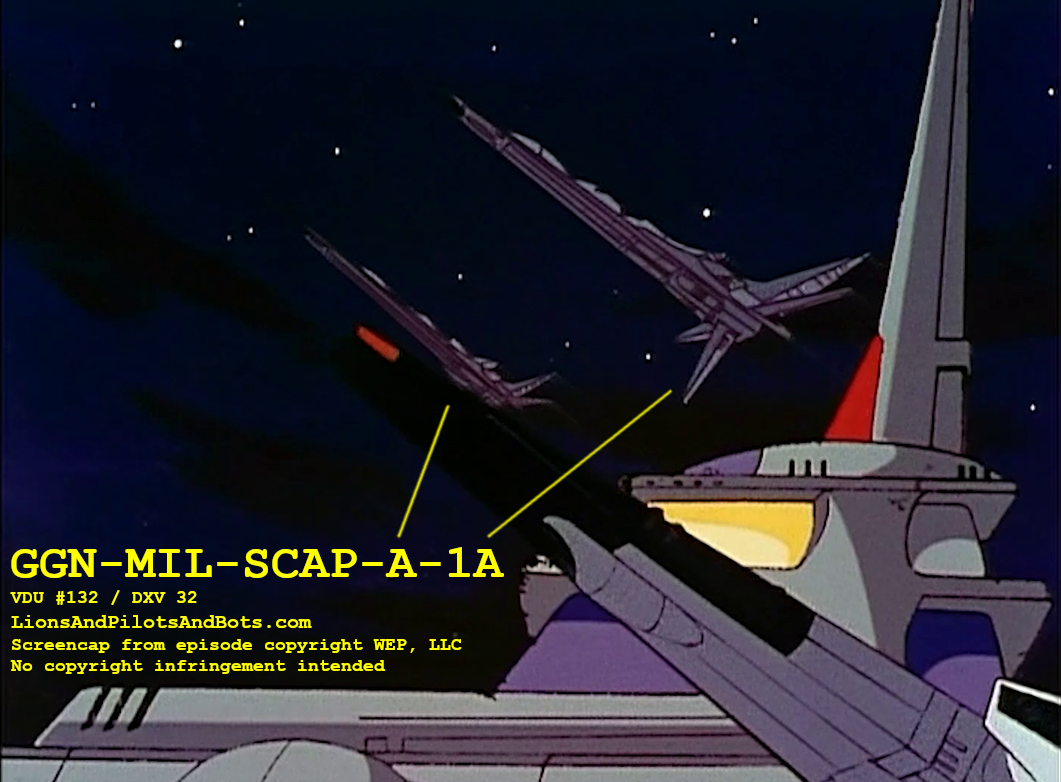
- GGN-MIL-SCAP-A-1A has a prominent vertical fin that projects from the dorsal midship.
- GGN-MIL-SCAP-A-1B has no dorsal midship vertical fin.
(In VOLTRON: DEFENDER OF THE UNIVERSE, it’s possible that the two “variants” are animation errors, with line art based on different iterations of what might have been intended to be a single design.)
Each image below contains GGN-MIL-SCAP-A-1A and GGN-MIL-SCAP-A-1B spacecraft.
 |  | |
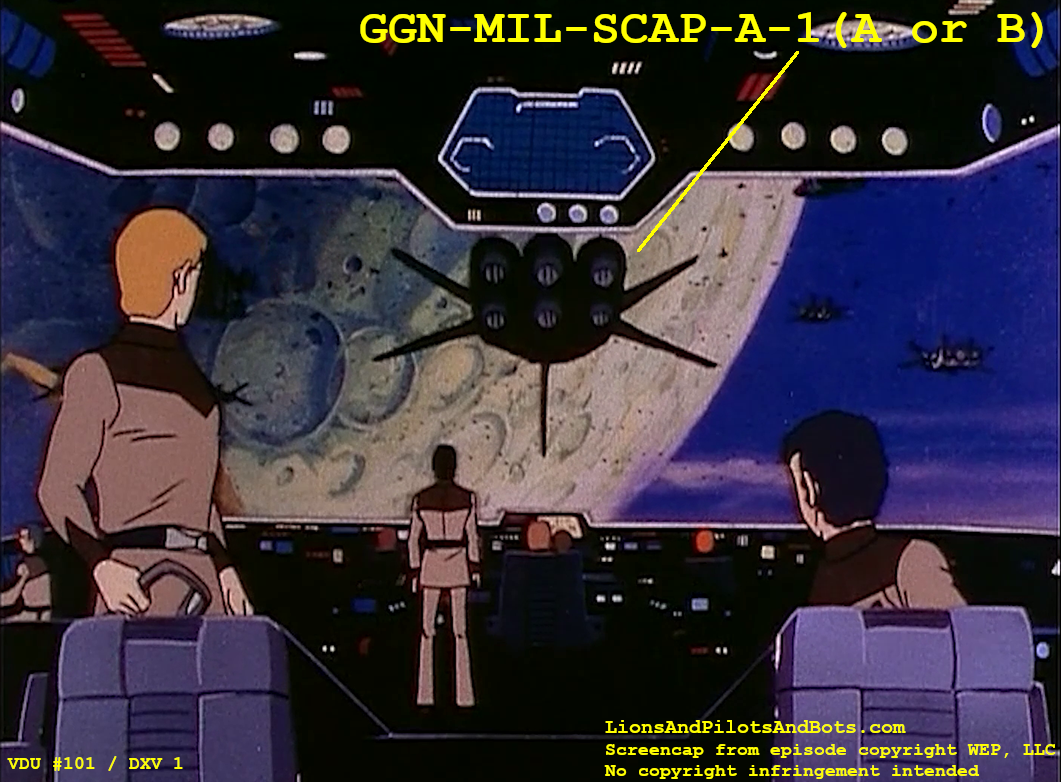
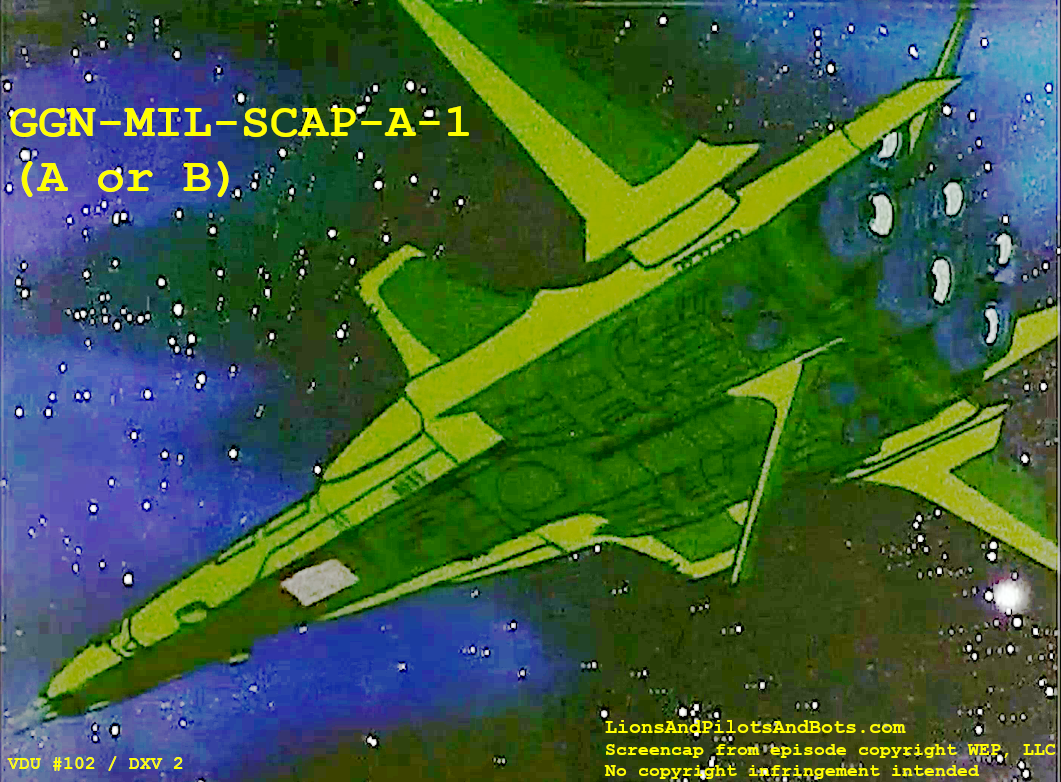
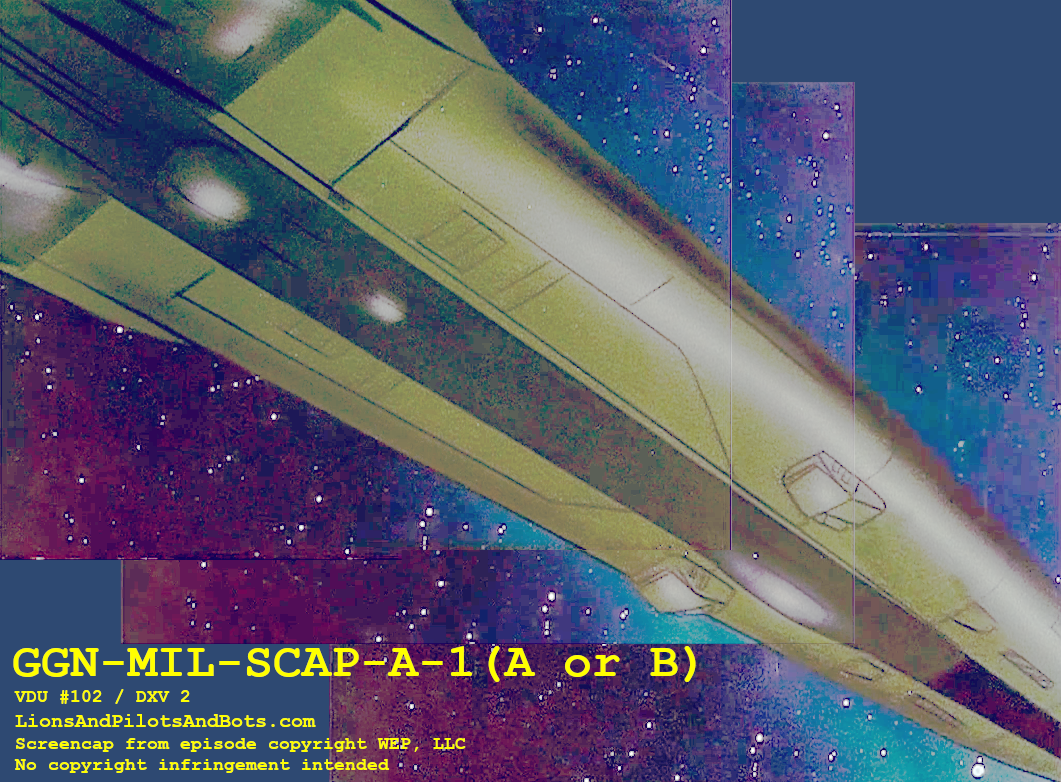
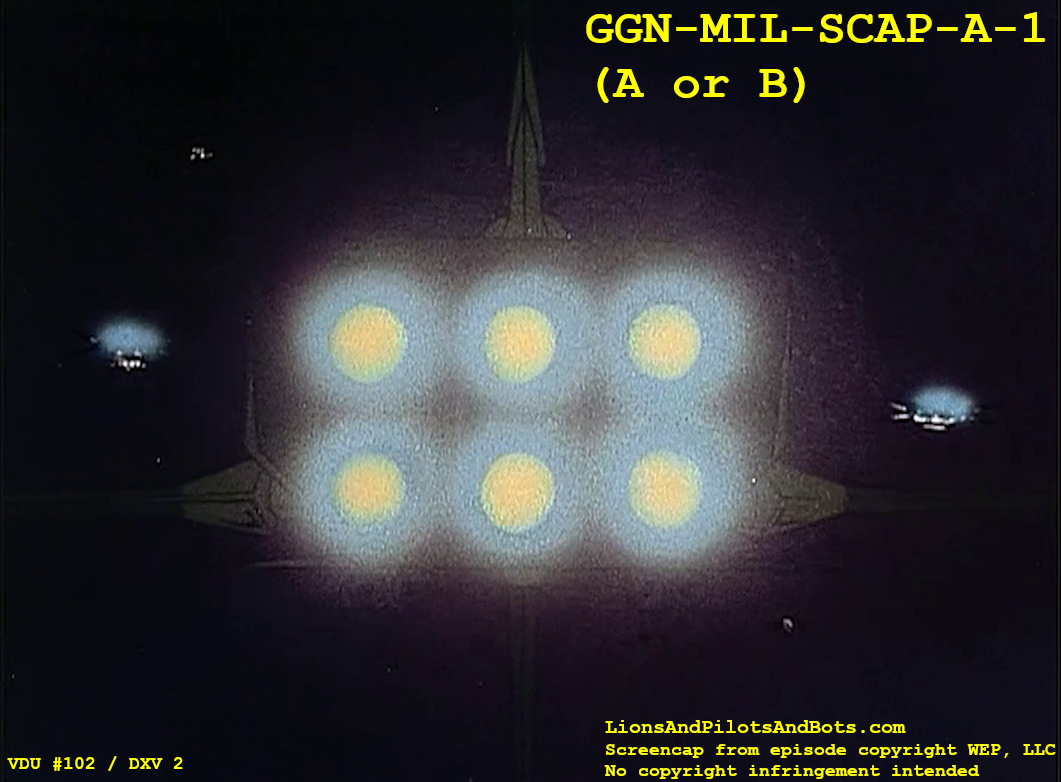
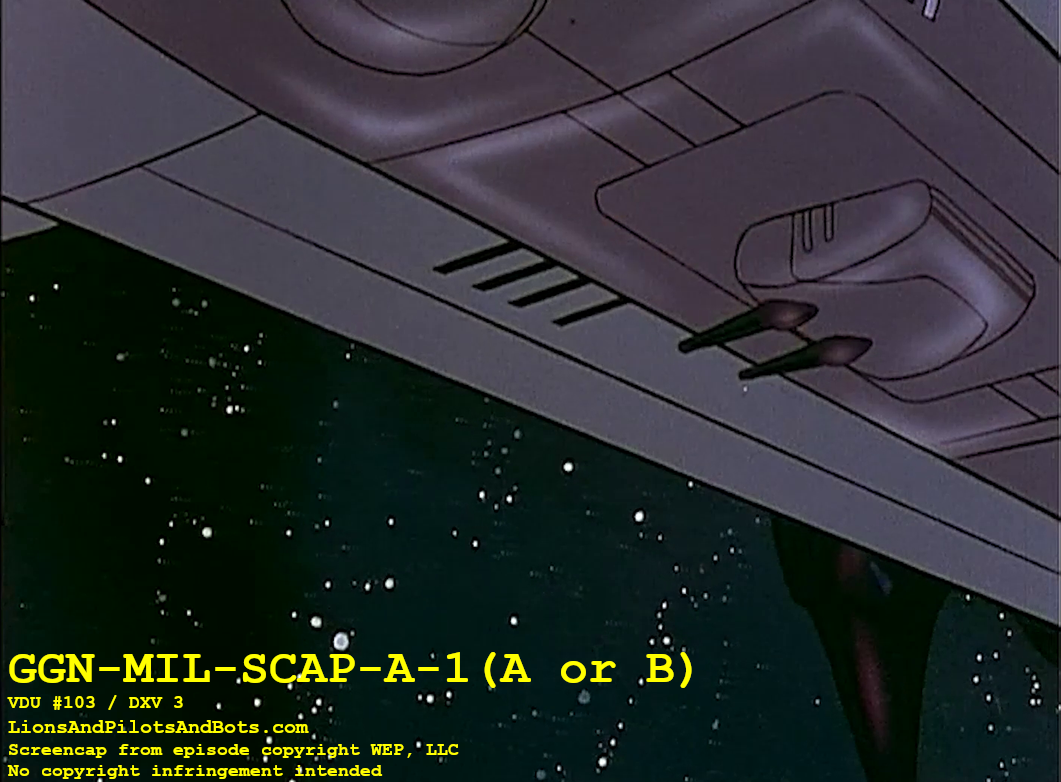
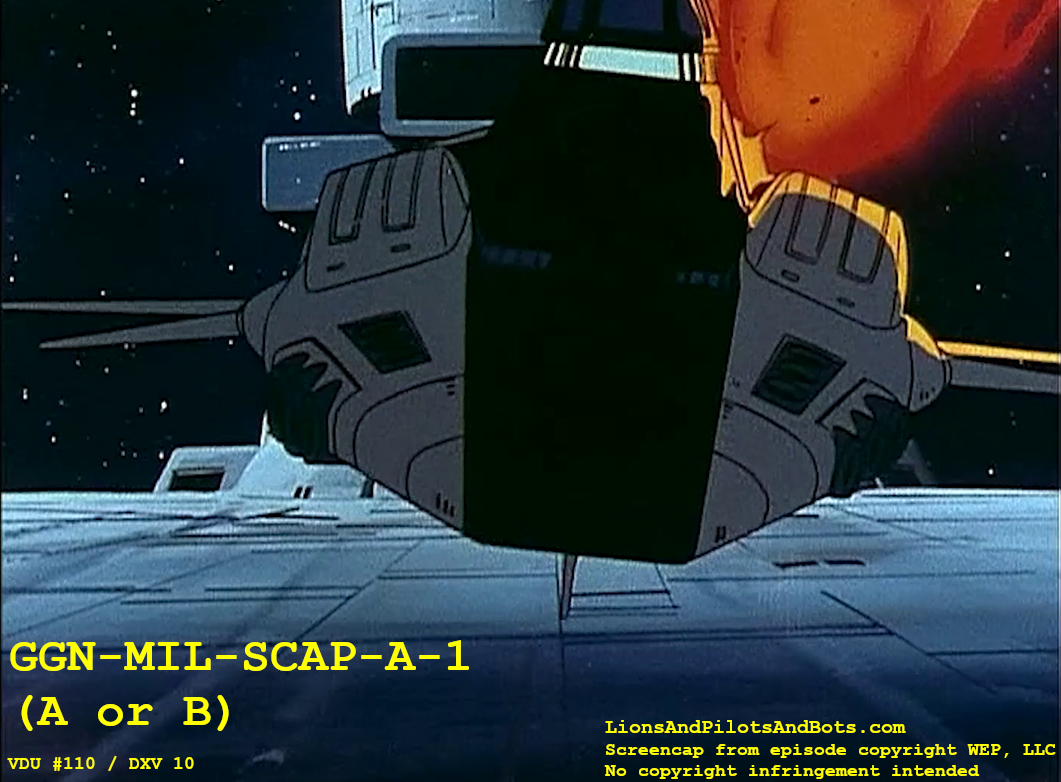
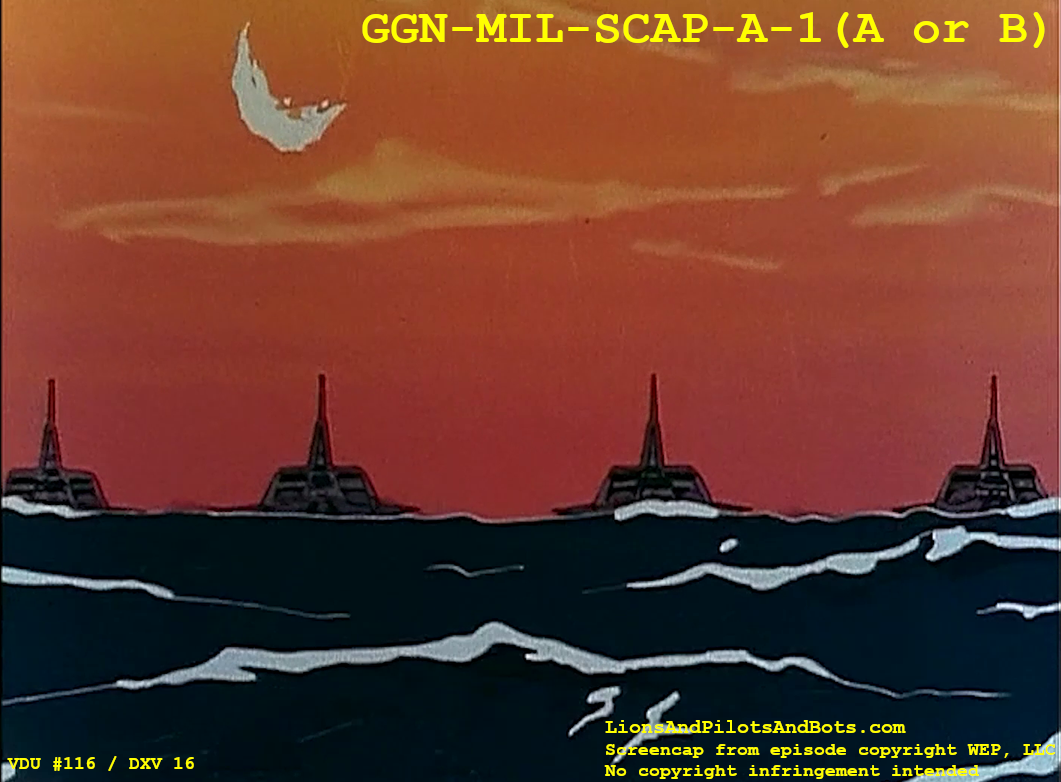
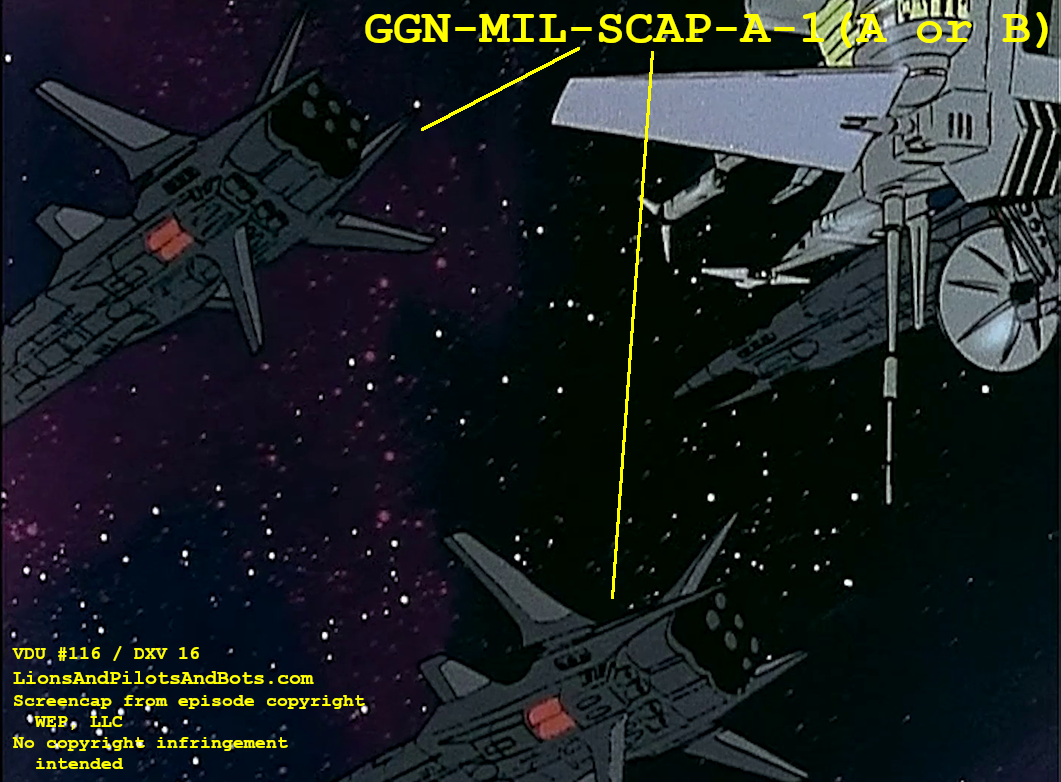
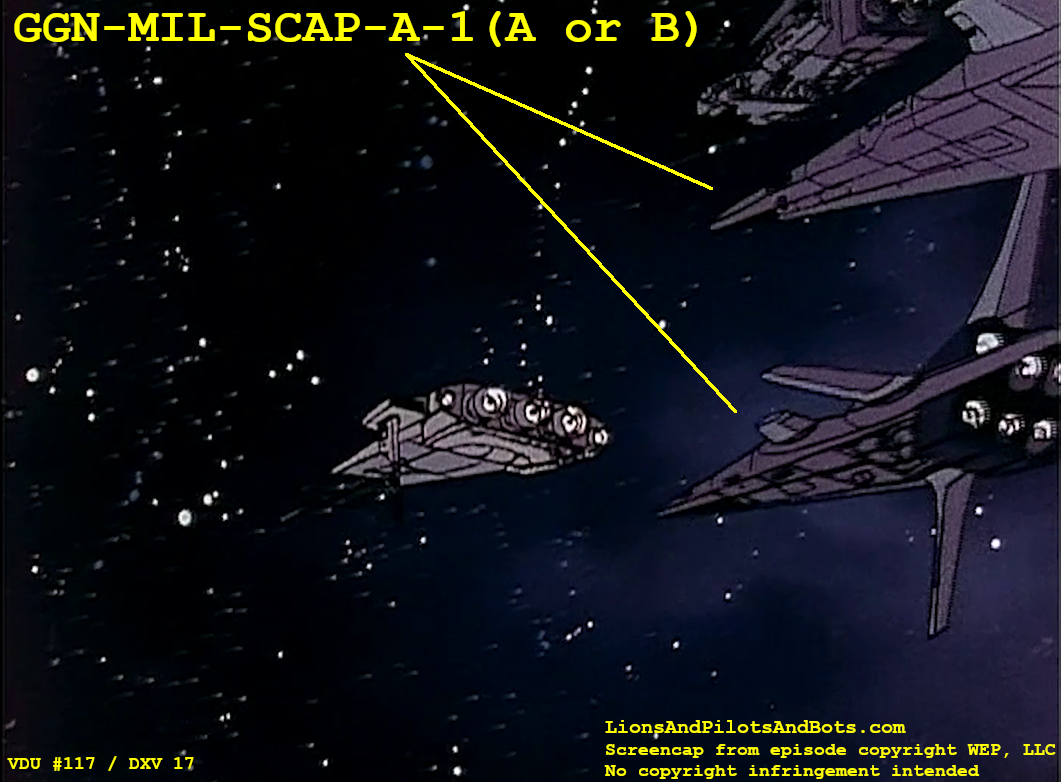
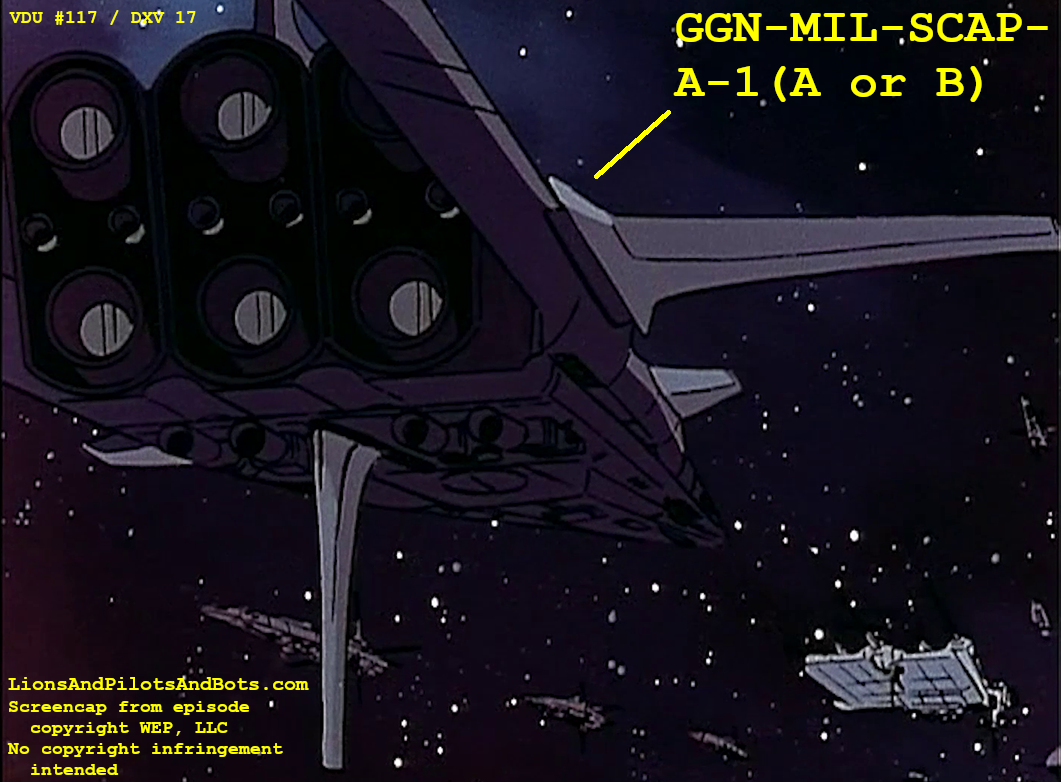
The two variants are not easily distinguishable when it unclear whether a GGN-MIL-SCAP-A-1 spacecraft has a dorsal midship vertical fin. The images below are of GGN-MIL-SCAP-A-1 spacecraft that cannot be identified as being either GGN-MIL-SCAP-A-1A or GGN-MIL-SCAP-A-1B.
 |  |  |
 |  |  |
 |  |  |
 |  |  |
 |  |  |
 |  |  |
 |  |  |
 |  |  |
 |  |  |
 |  |  |
 |  |  |
 |  |  |
 |  |  |
 |  |  |
 |  |  |
Return to Vehicle Types – Summary Information
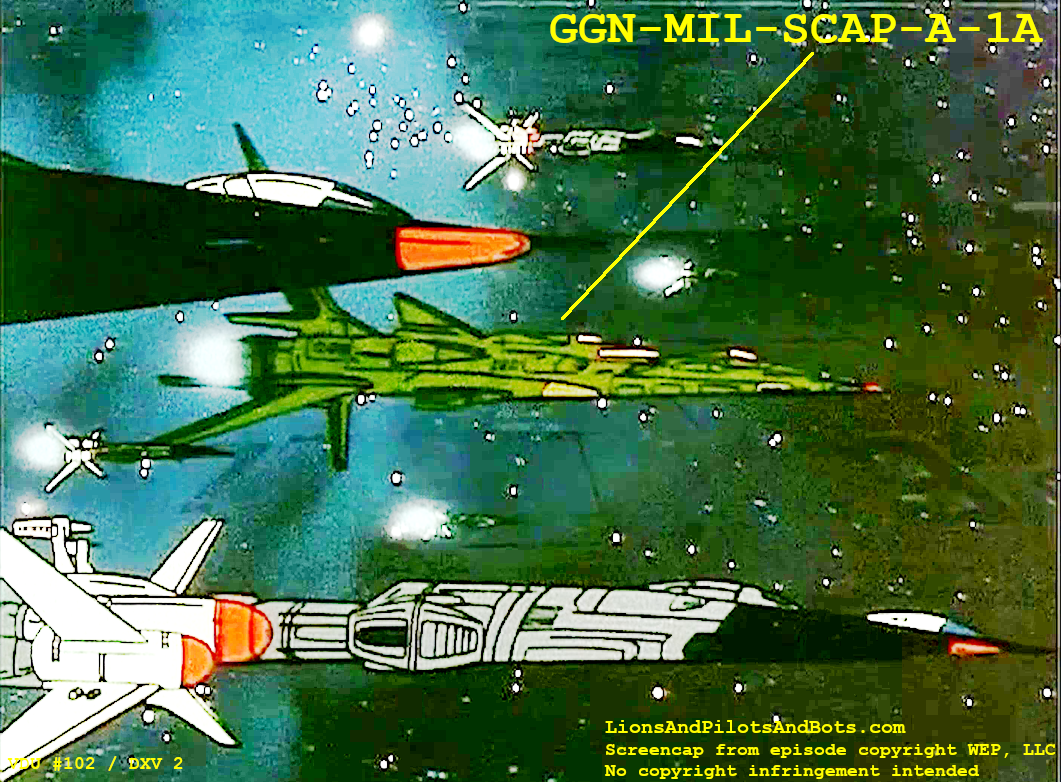
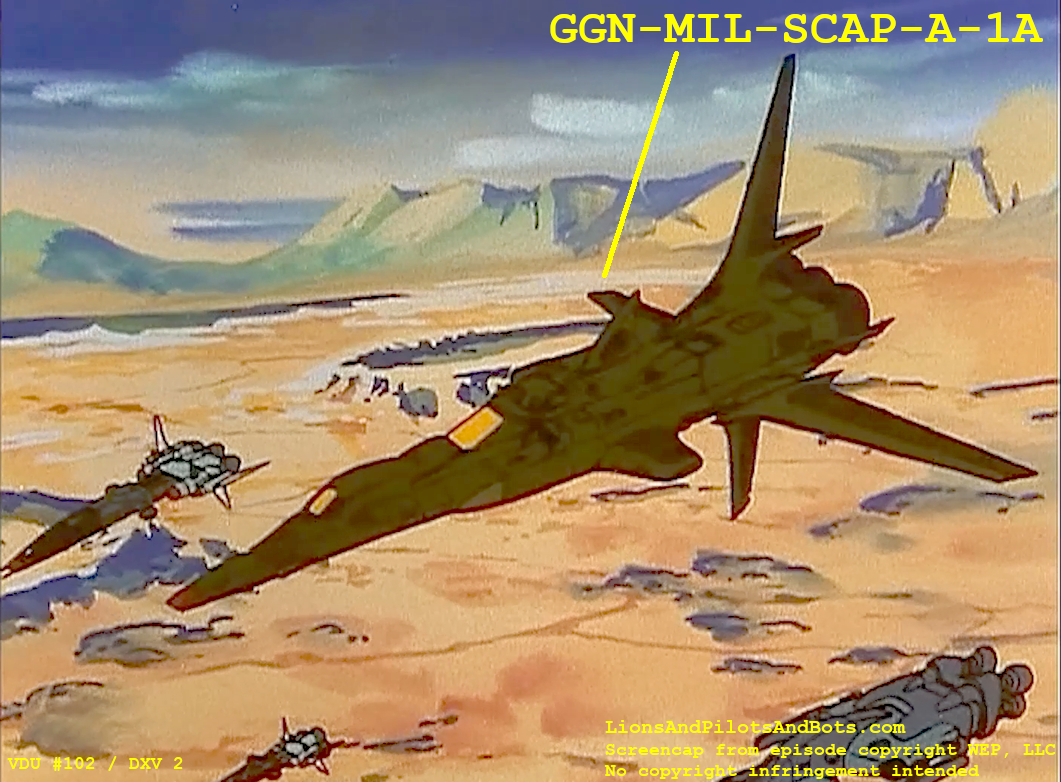
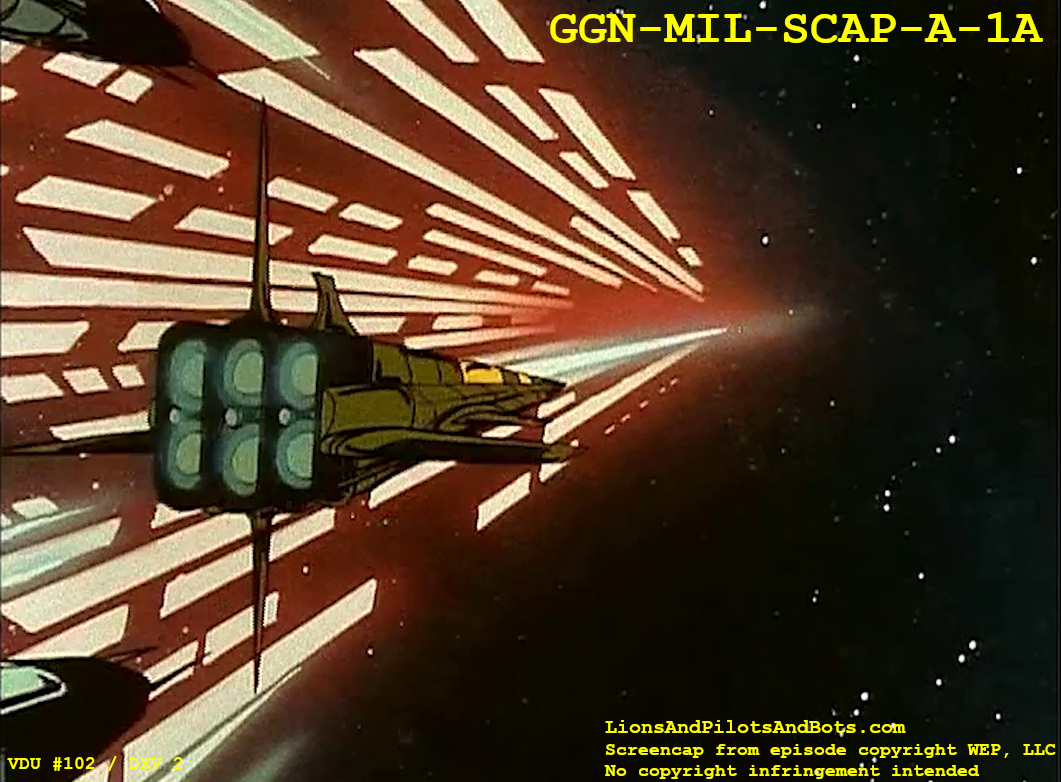
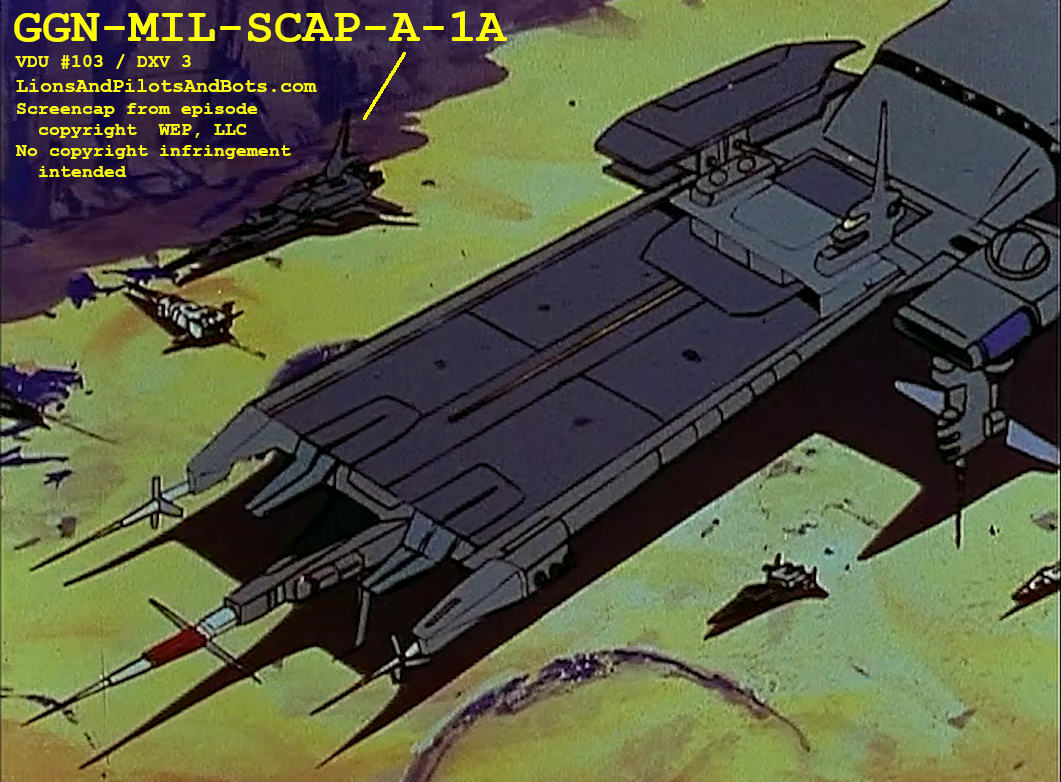
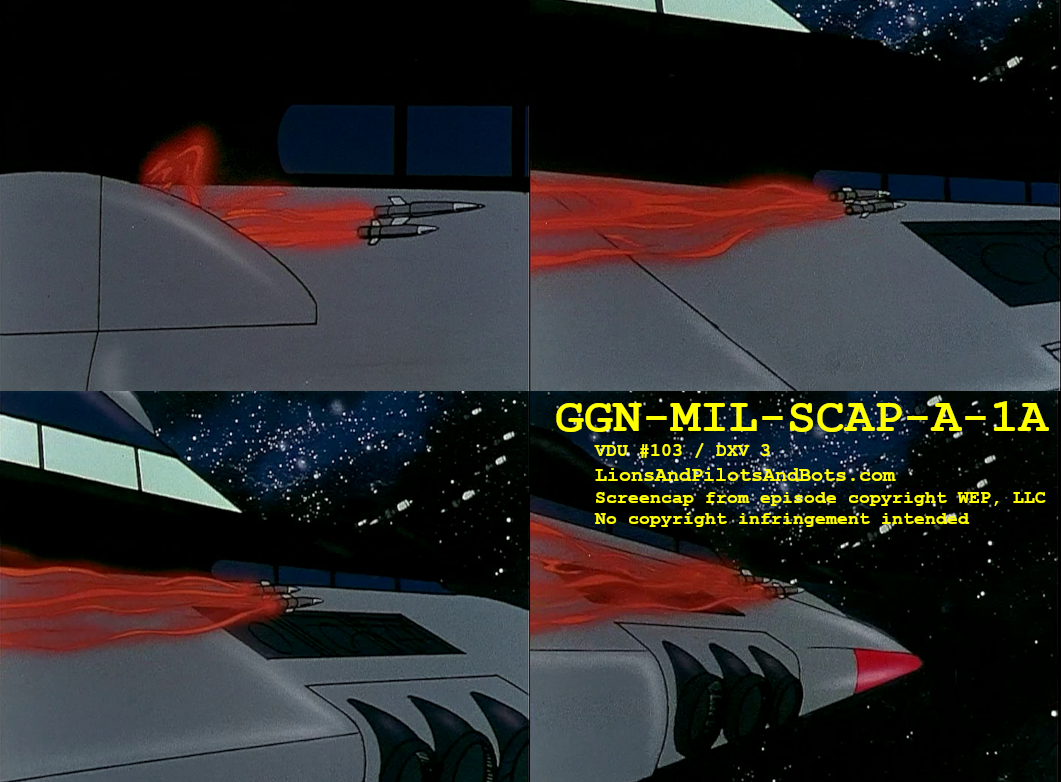
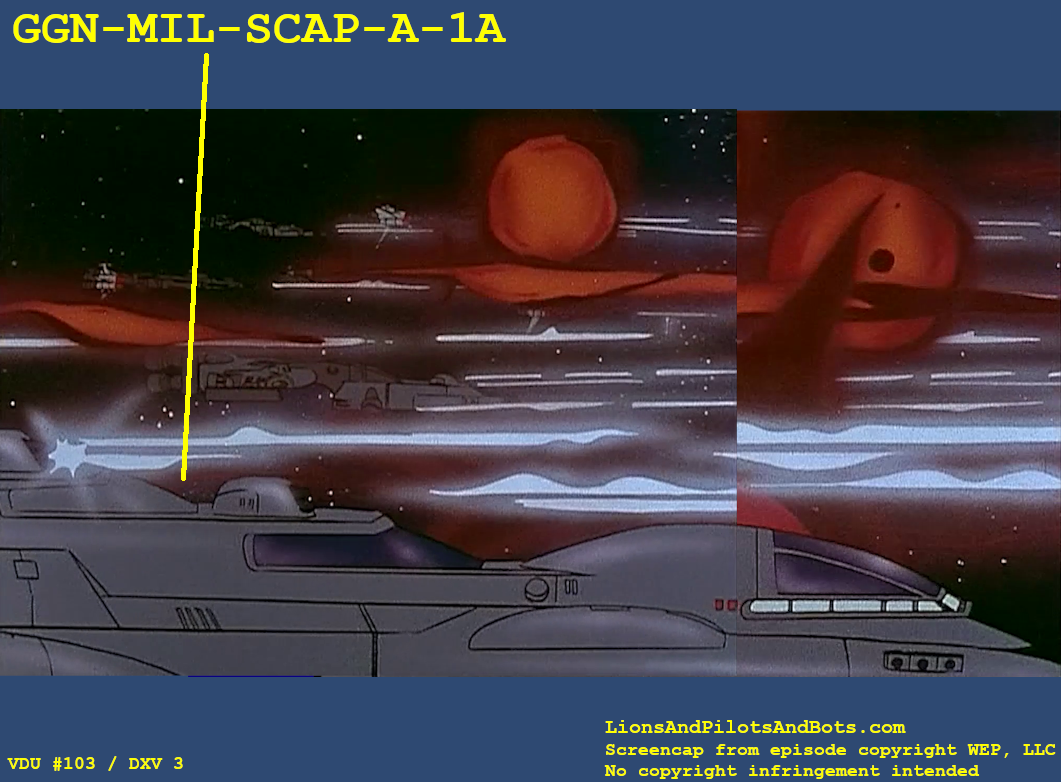
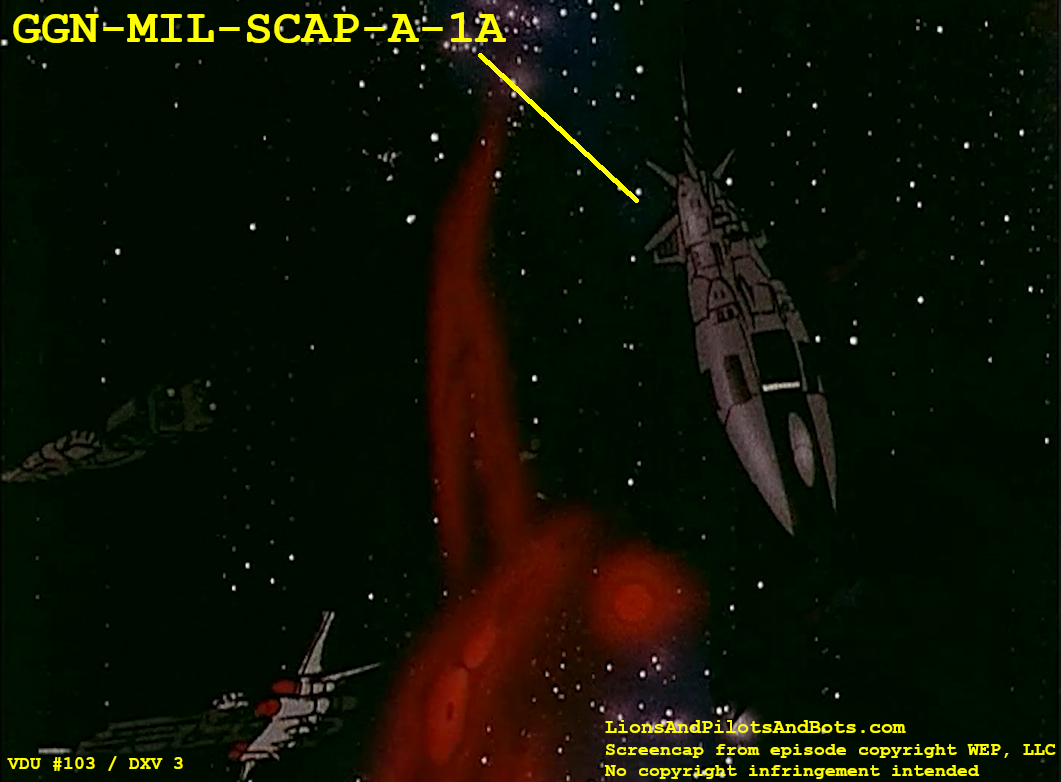
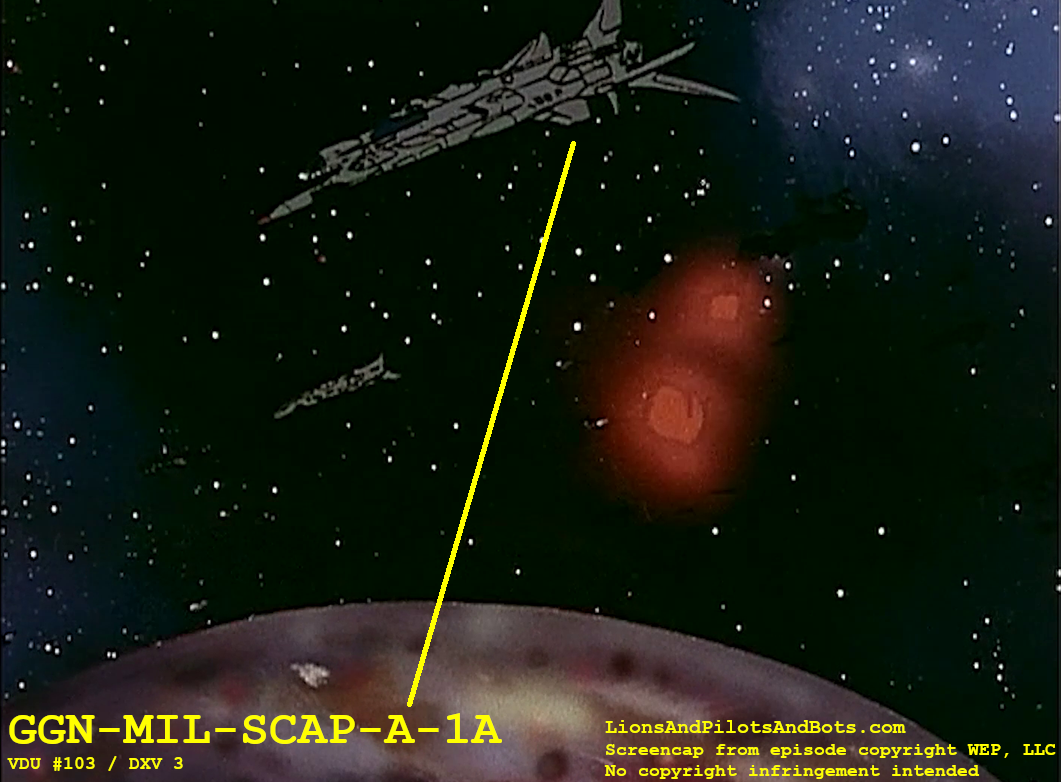
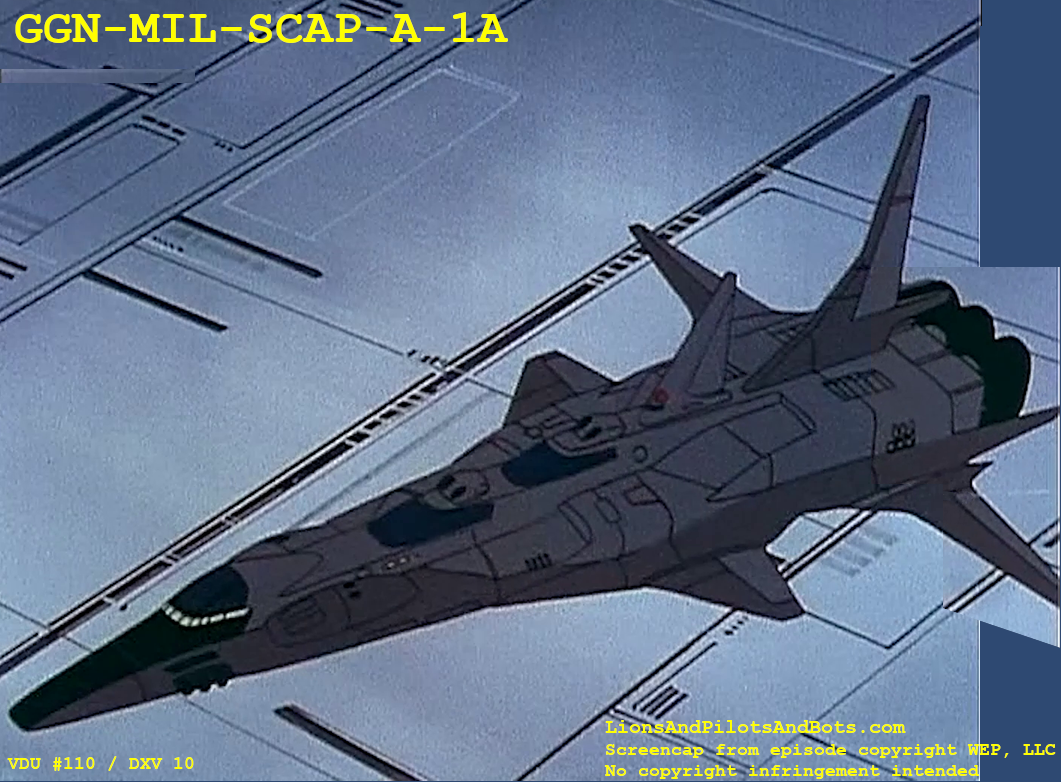
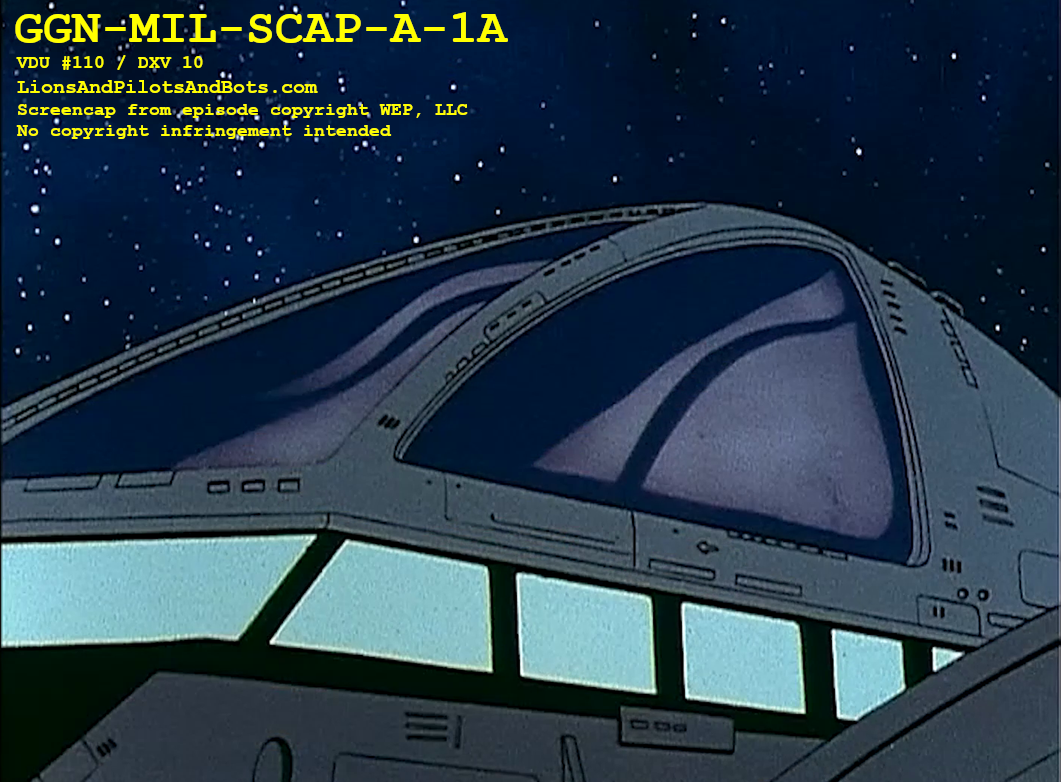
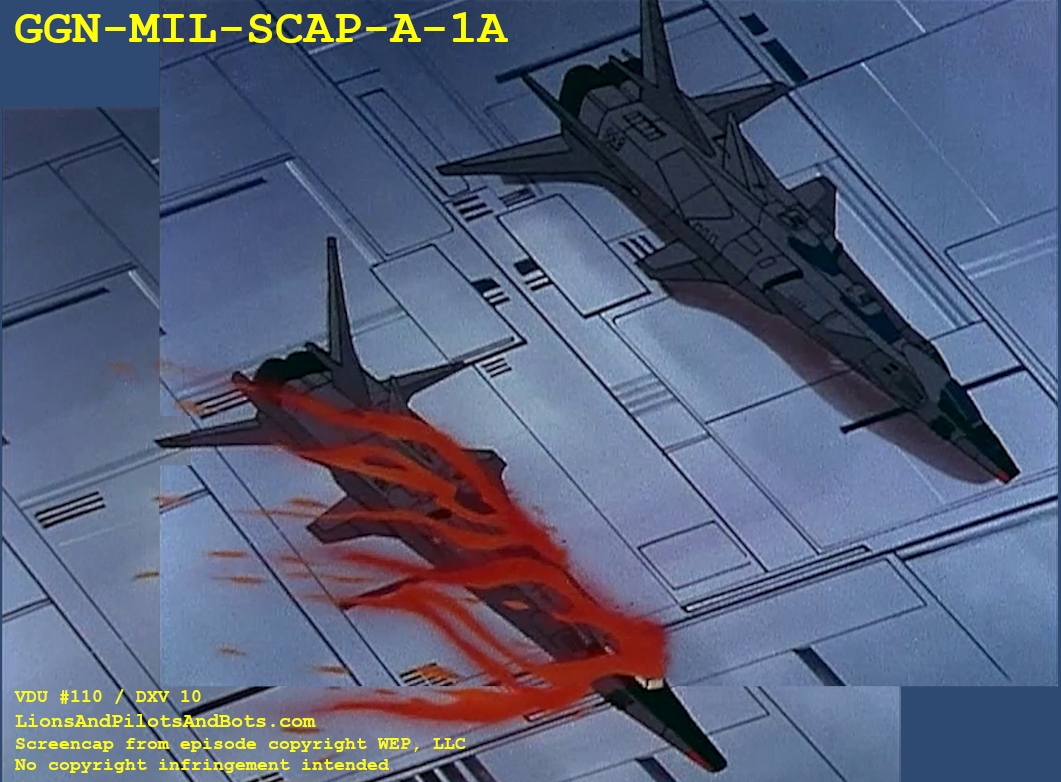
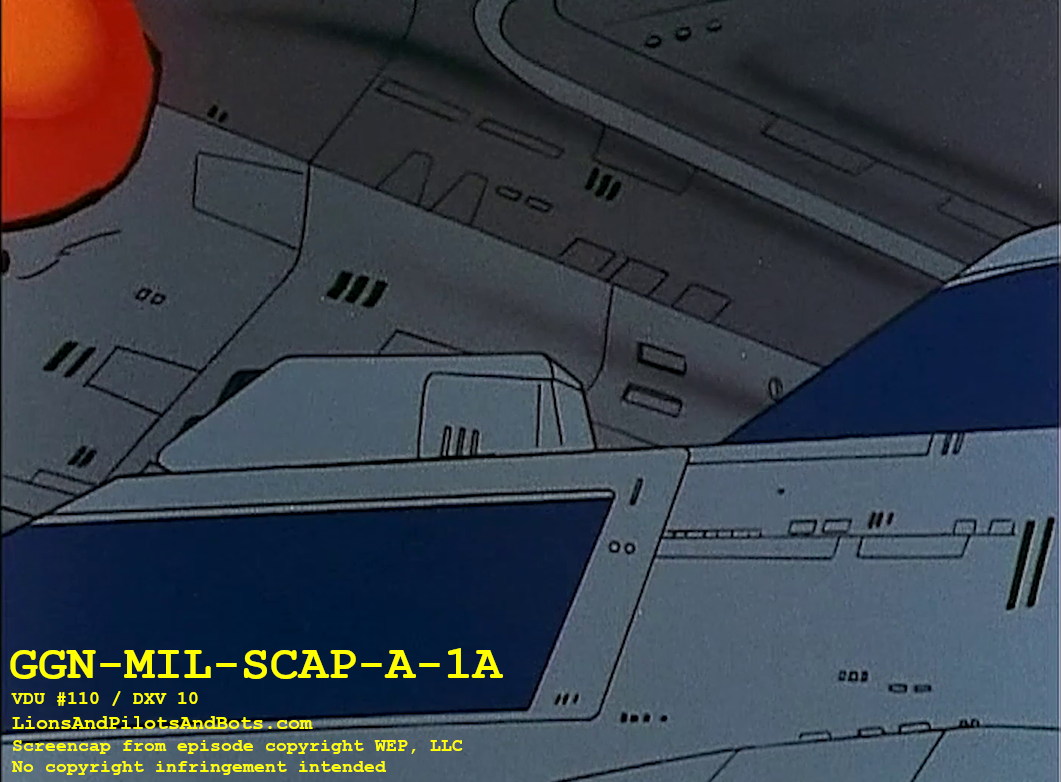
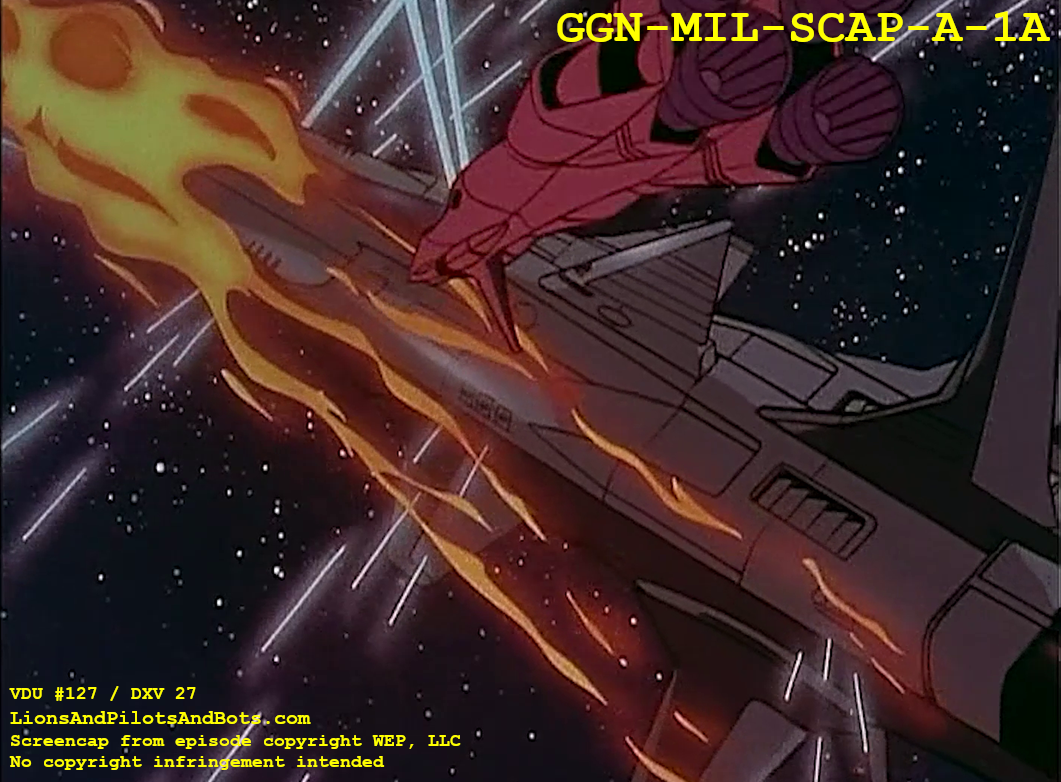
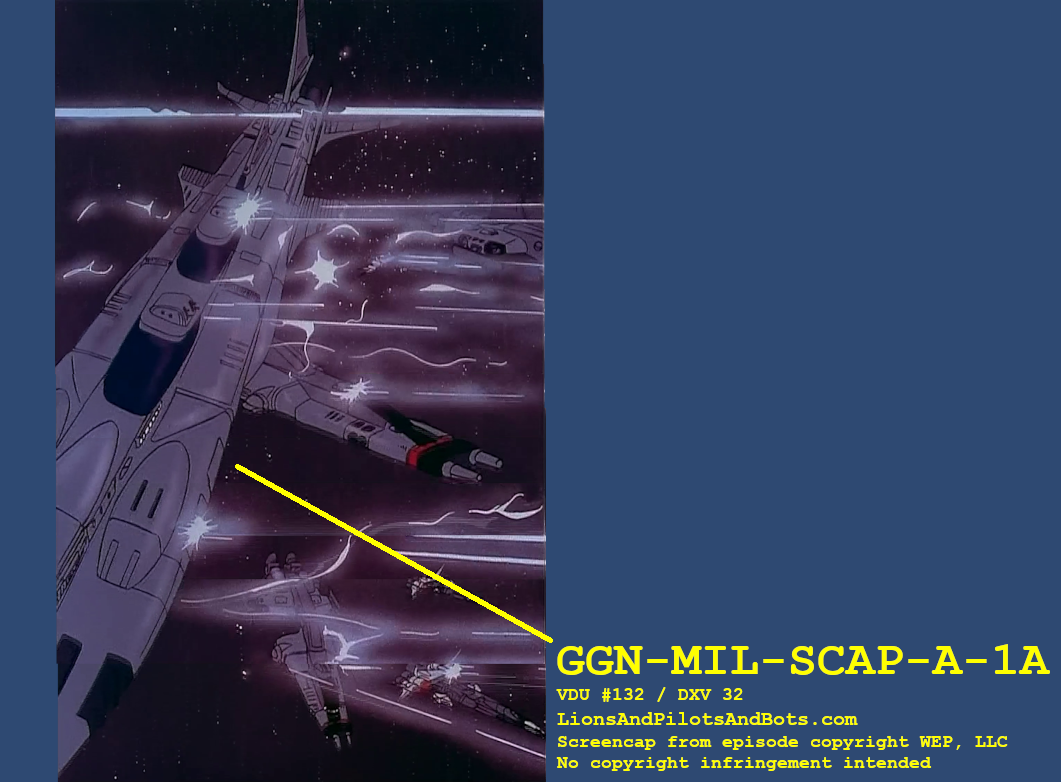
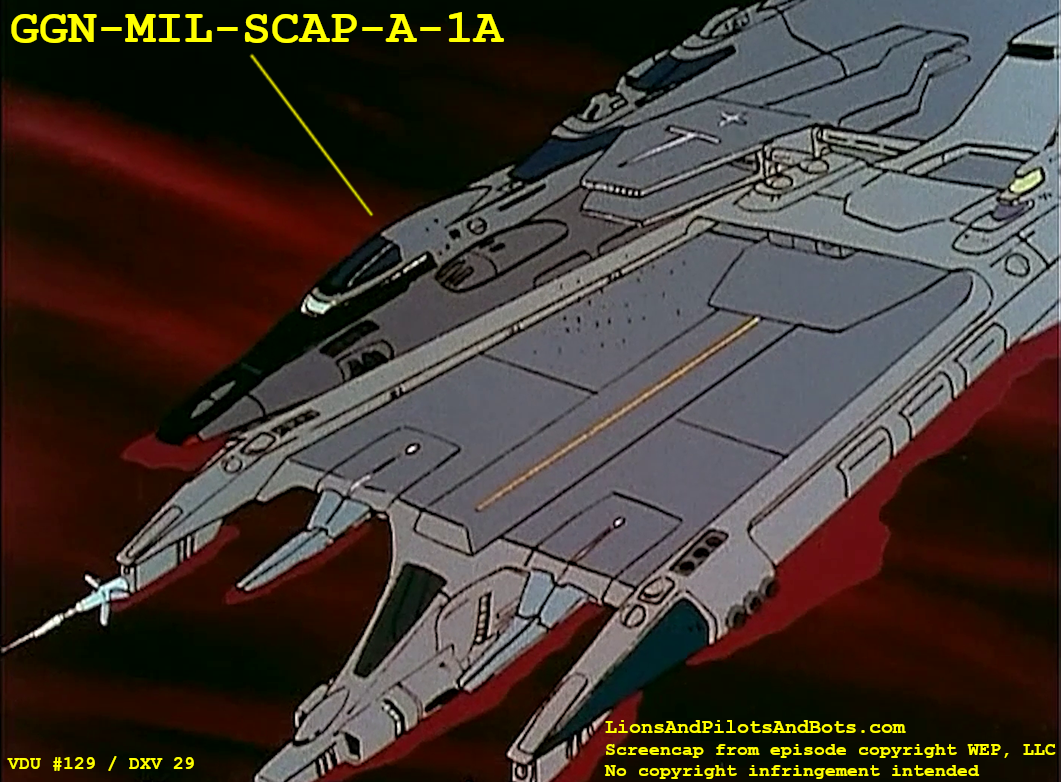
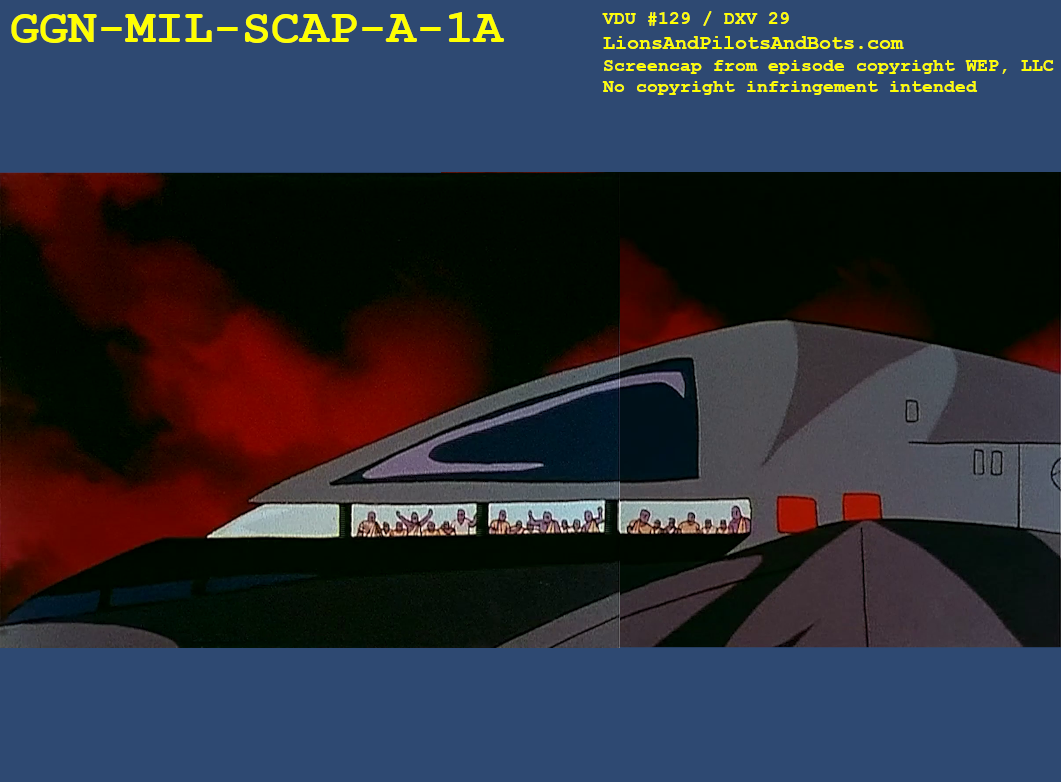
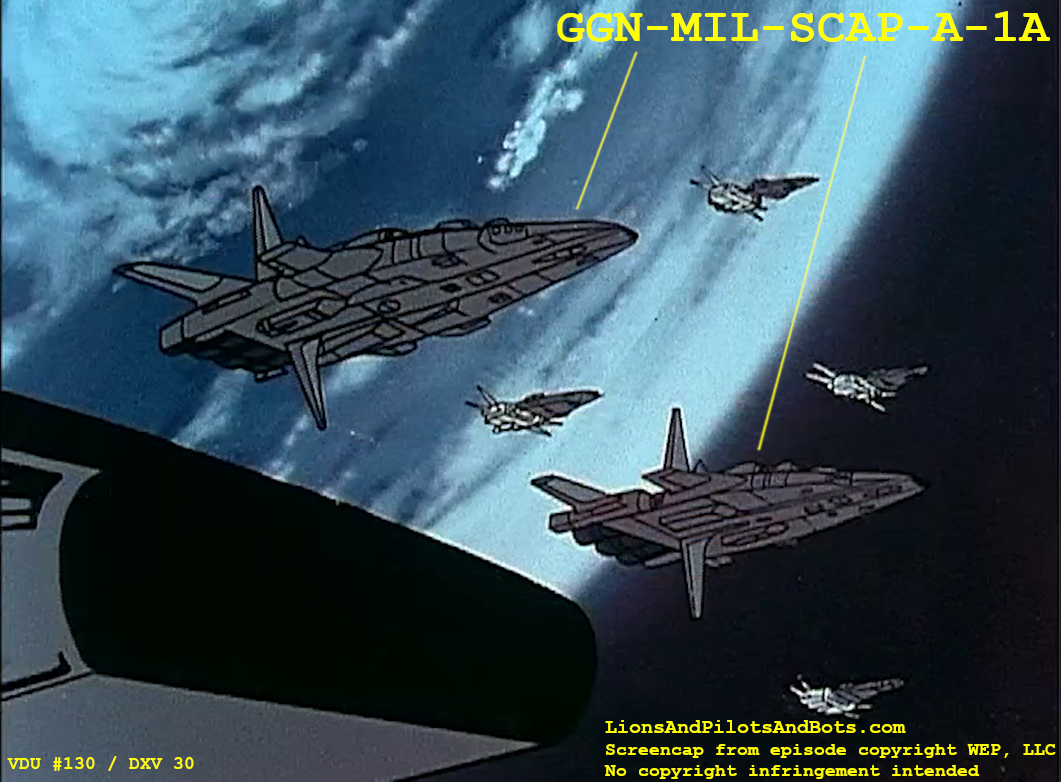
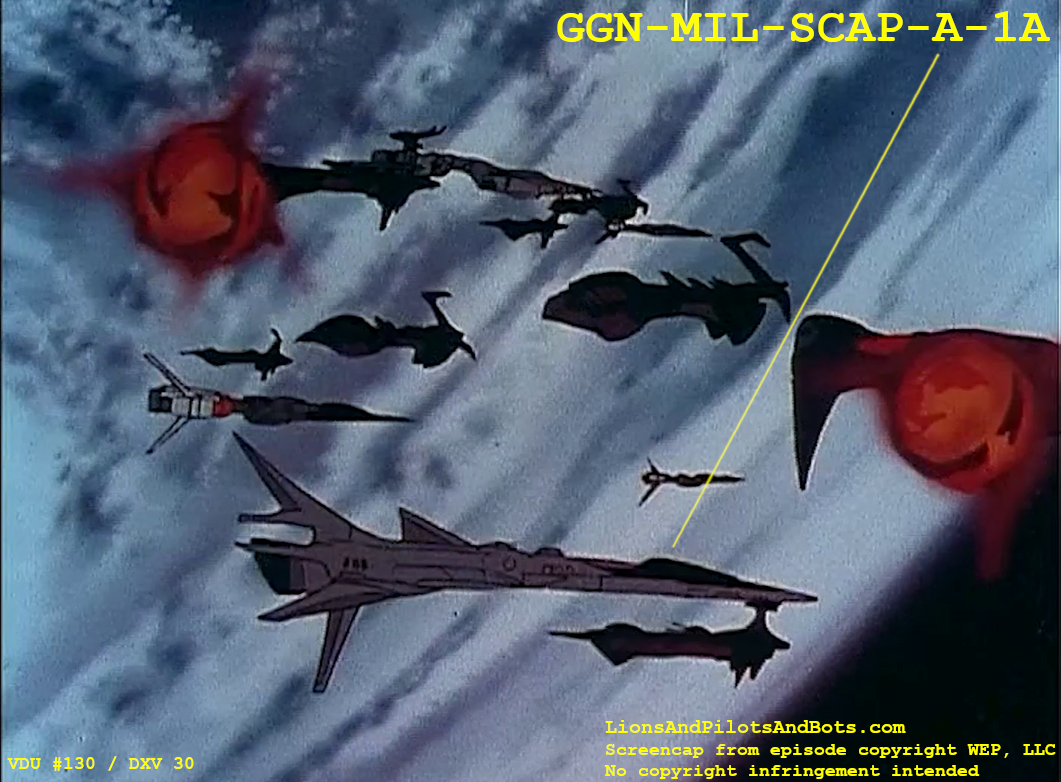
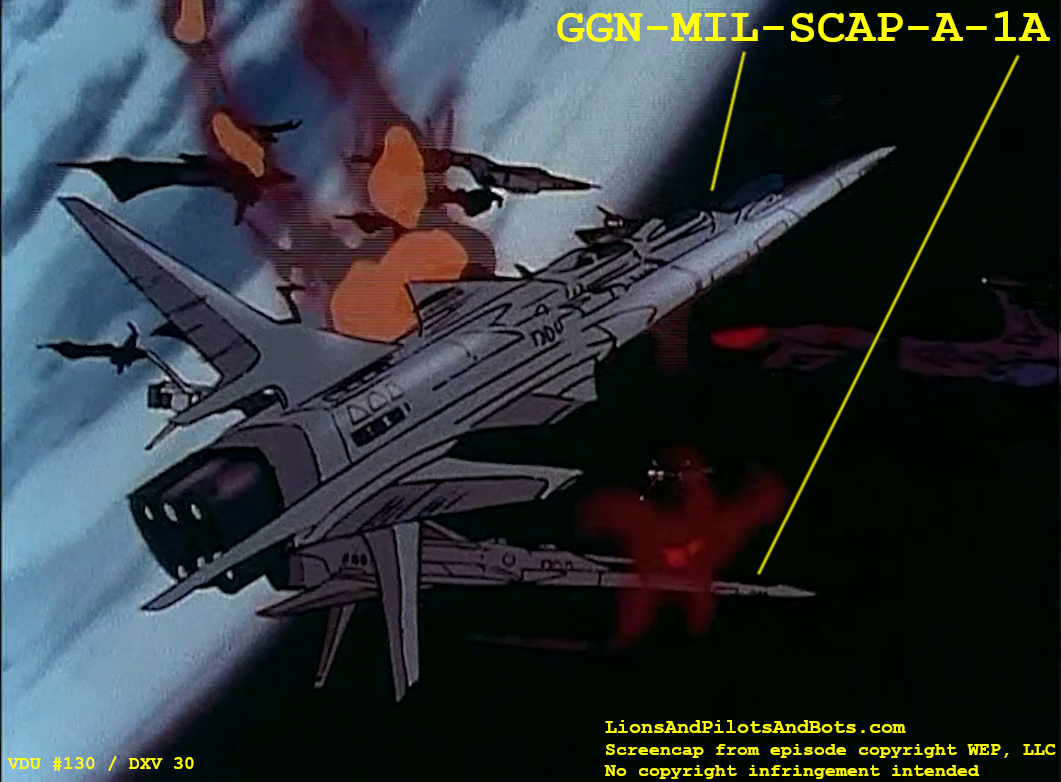
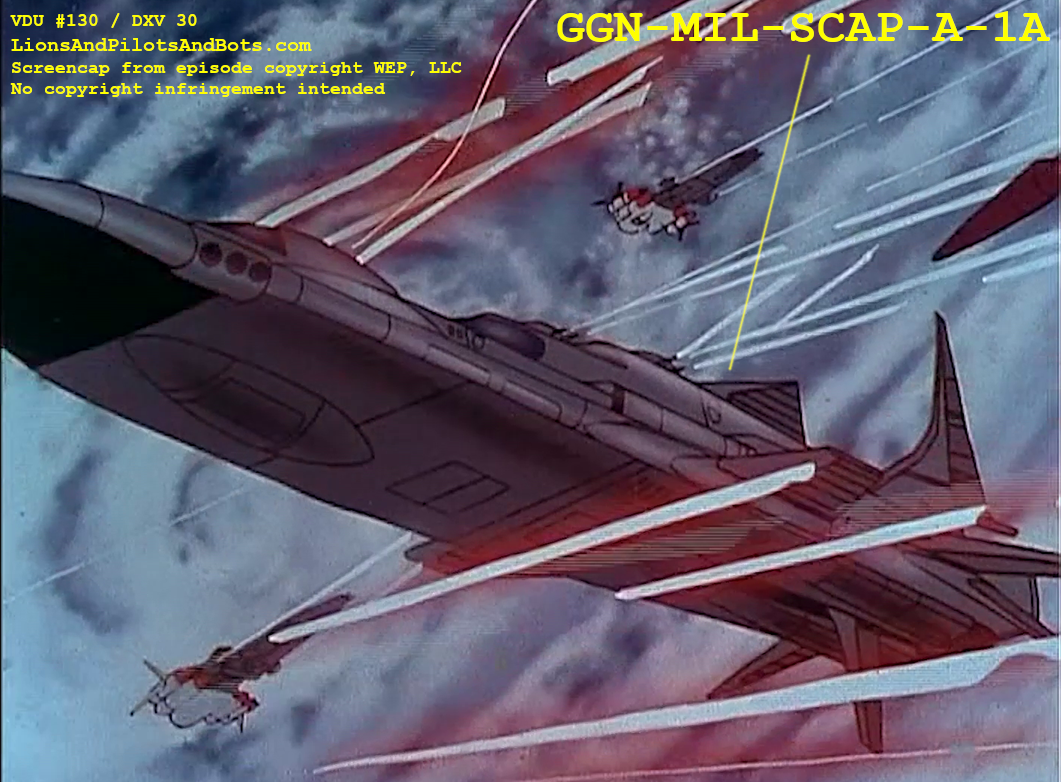
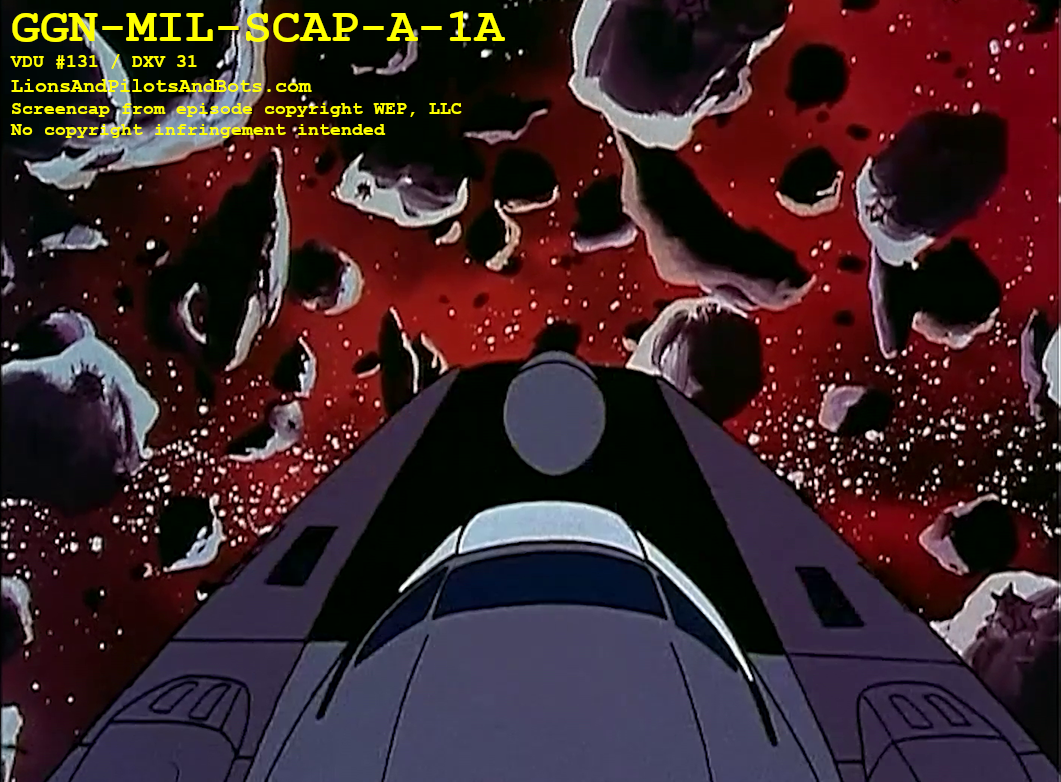
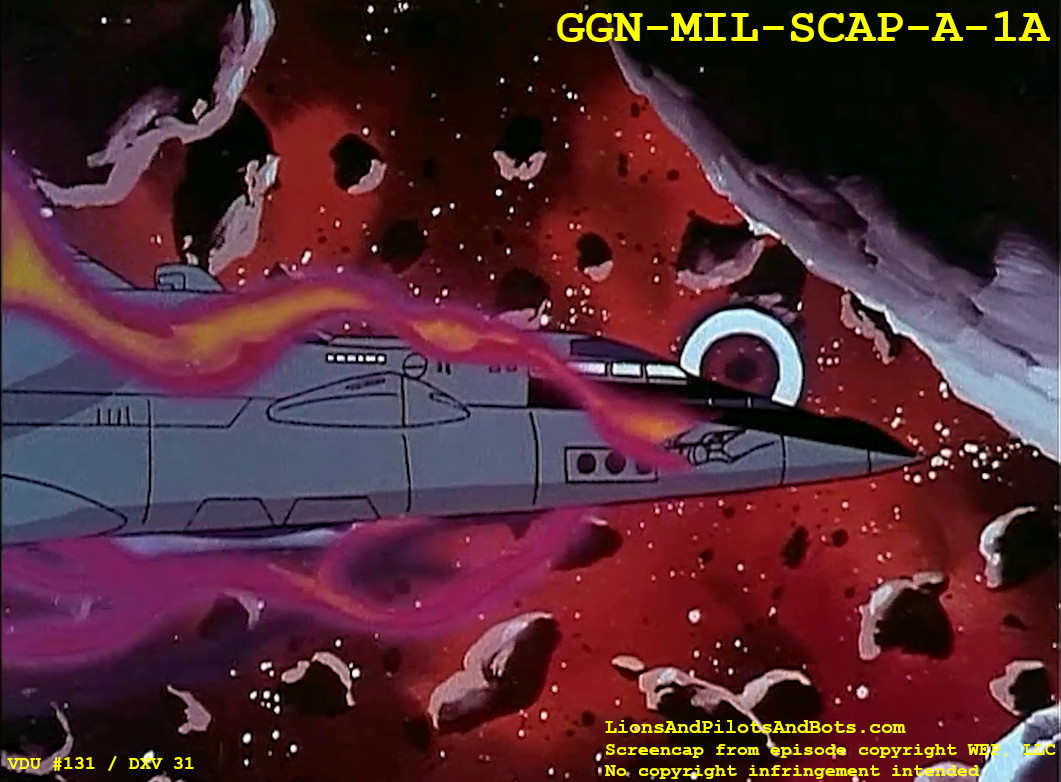
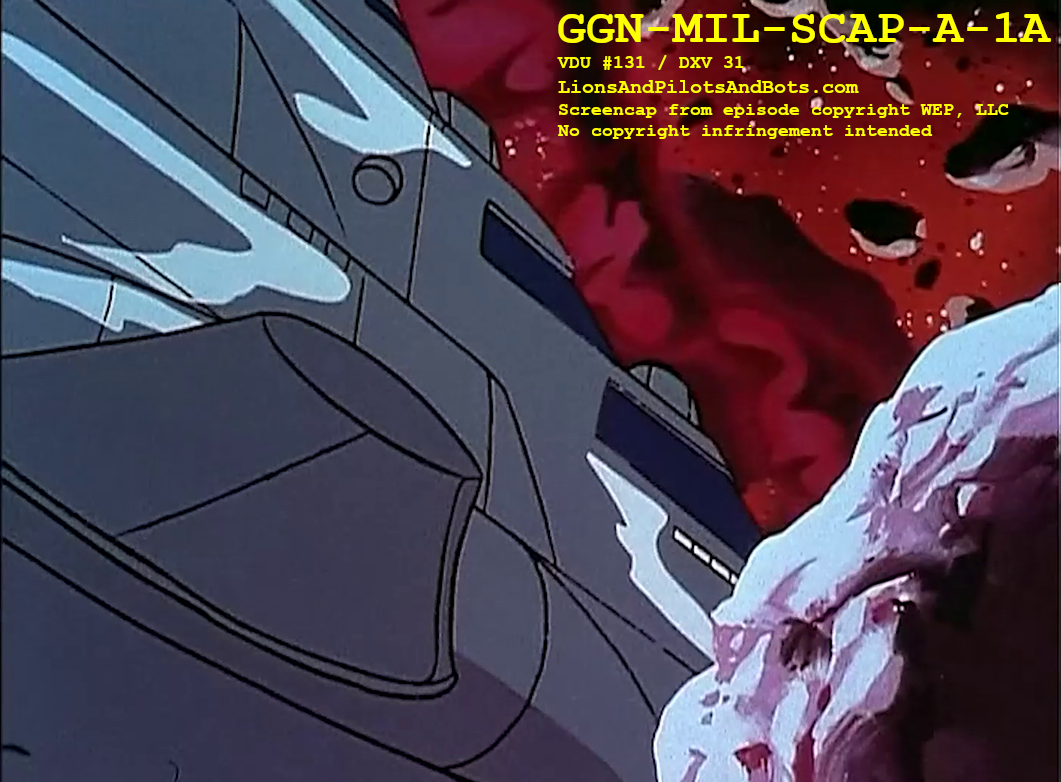
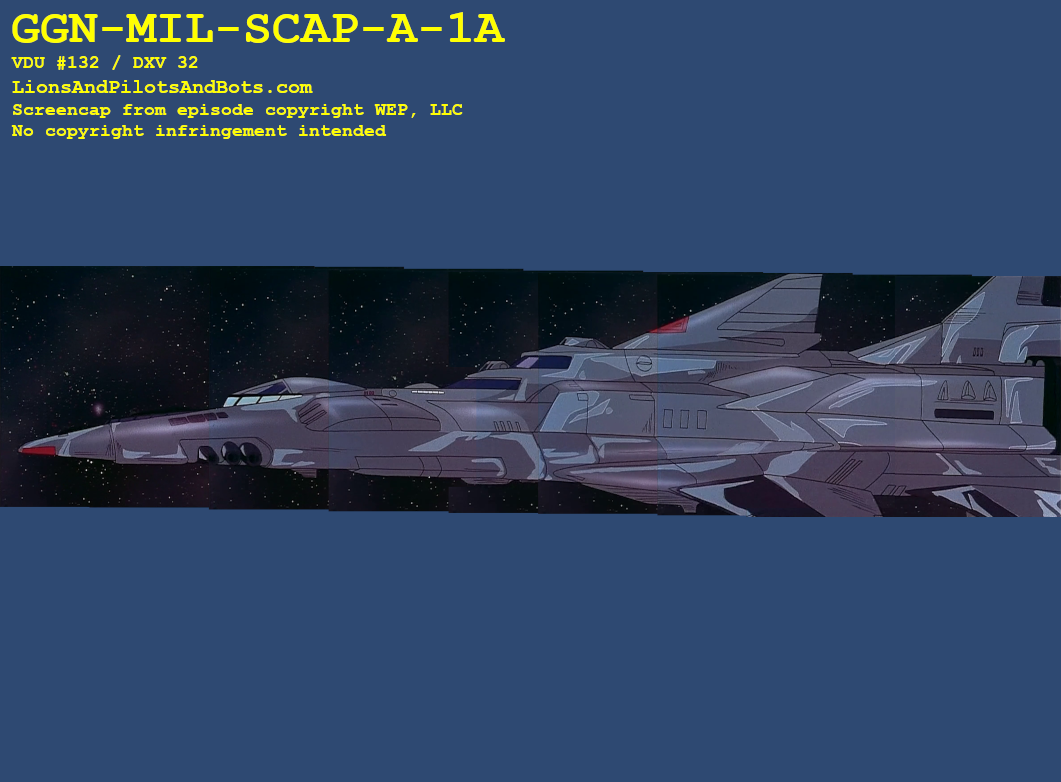
GGN-MIL-SCAP-A-1A
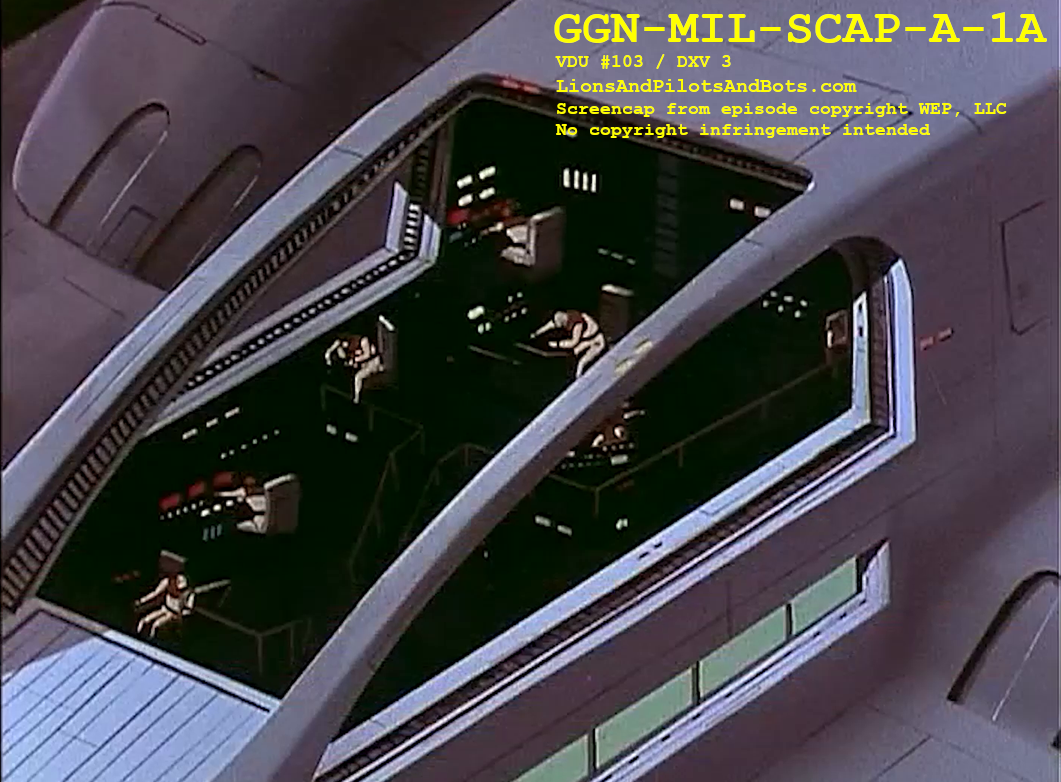
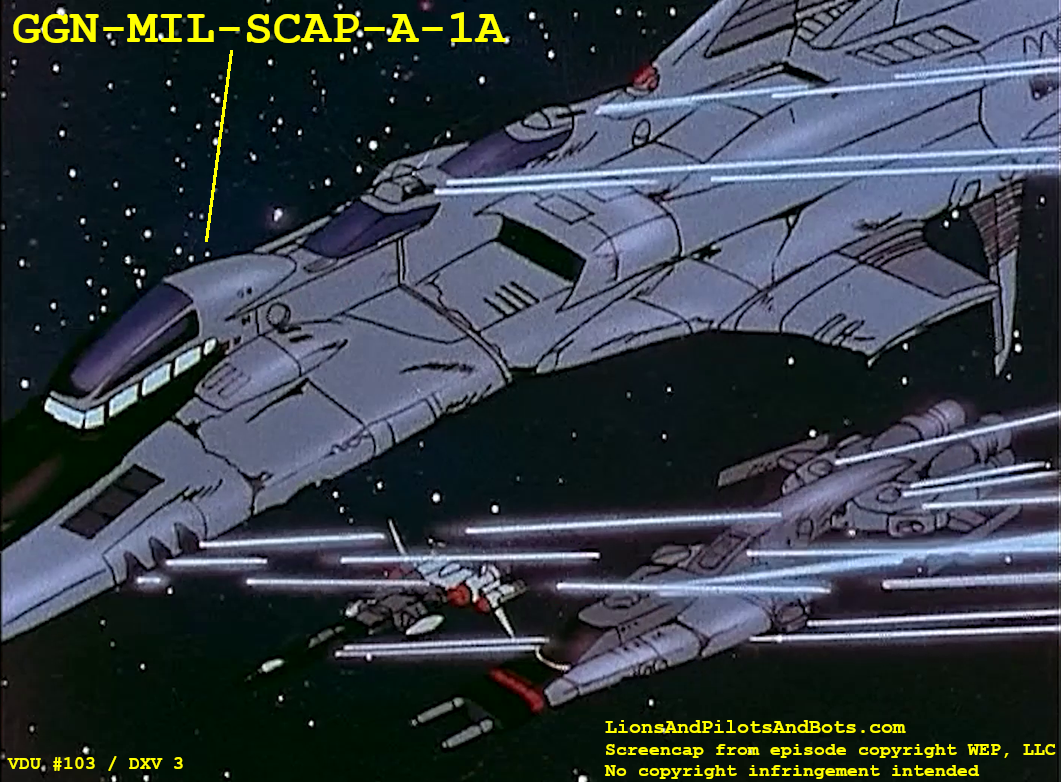
This variant has a midship dorsal fin, forward of a large vertical fin that is shared by the GGN-MIL-SCAP-A-1A and GGN-MIL-SCAP-A-1B variants.
 |  |  |
 |  |  |
 |  |  |
 |  |  |
 |  |  |
 |  |  |
 |  |  |
 |  |  |
 |  |  |
 |  |  |
 |  |  |
 |  |  |
 |  |  |
 |  |  |
 |  |  |
 |  |  |
 |  |  |
 |  |  |
 |  |  |
 |  |  |
 |  |  |
 |  |  |
 |  |  |
 |  |  |
 |
Return to Vehicle Types – Summary Information
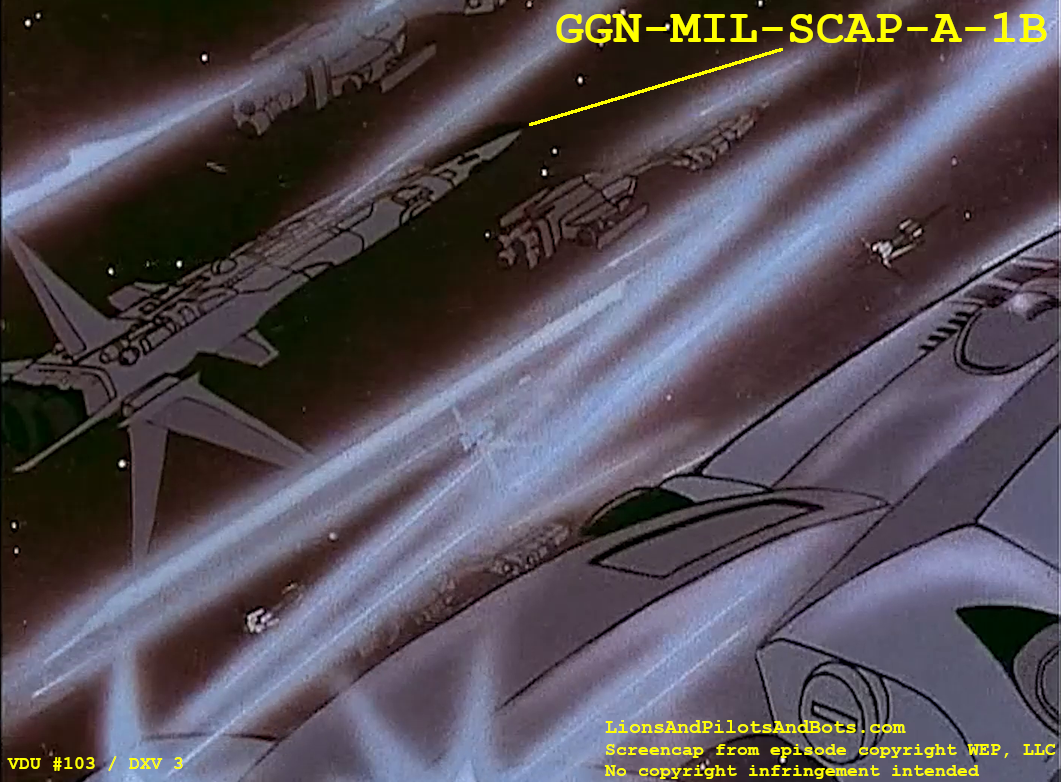
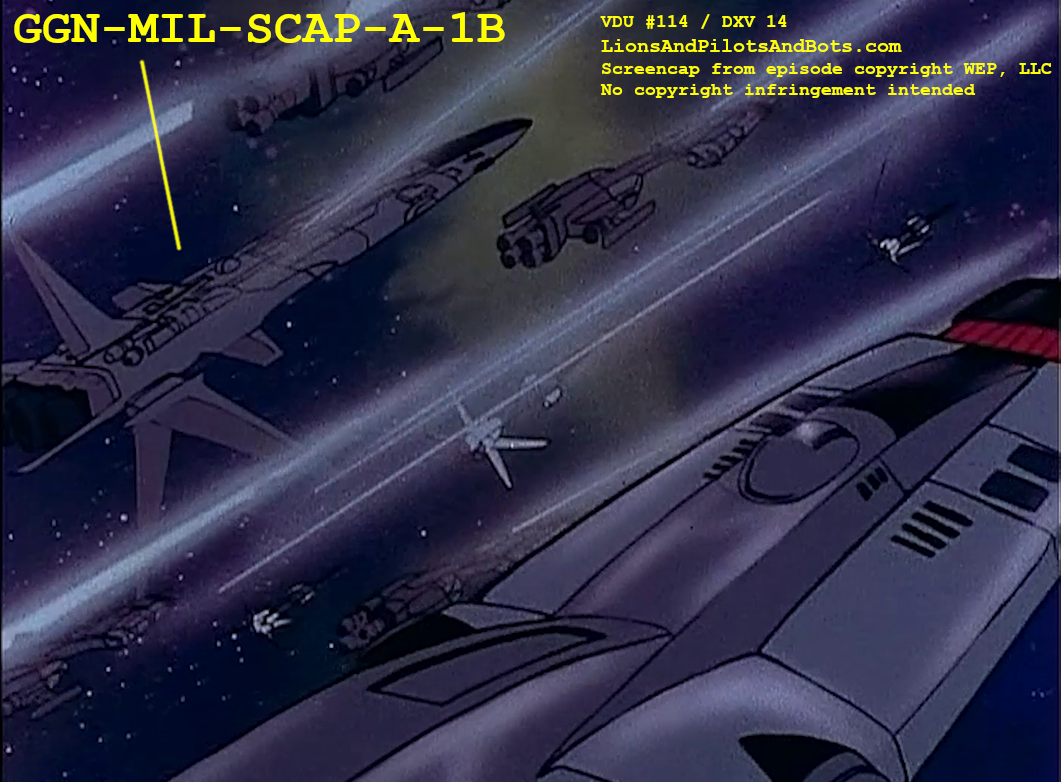
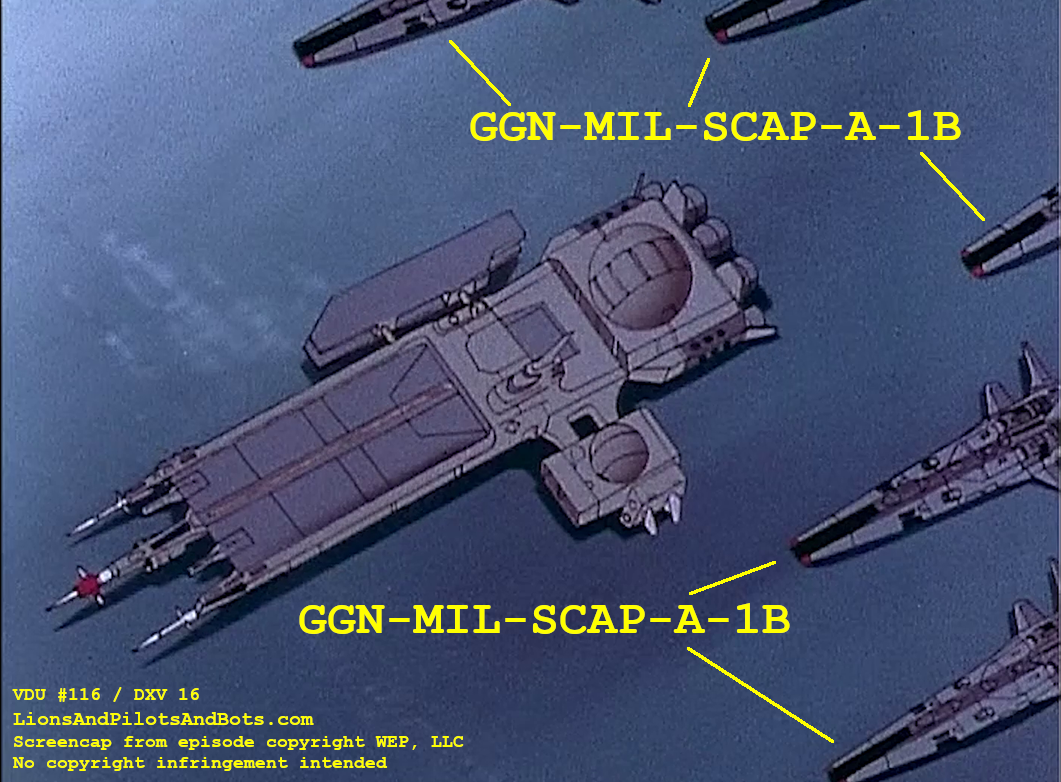
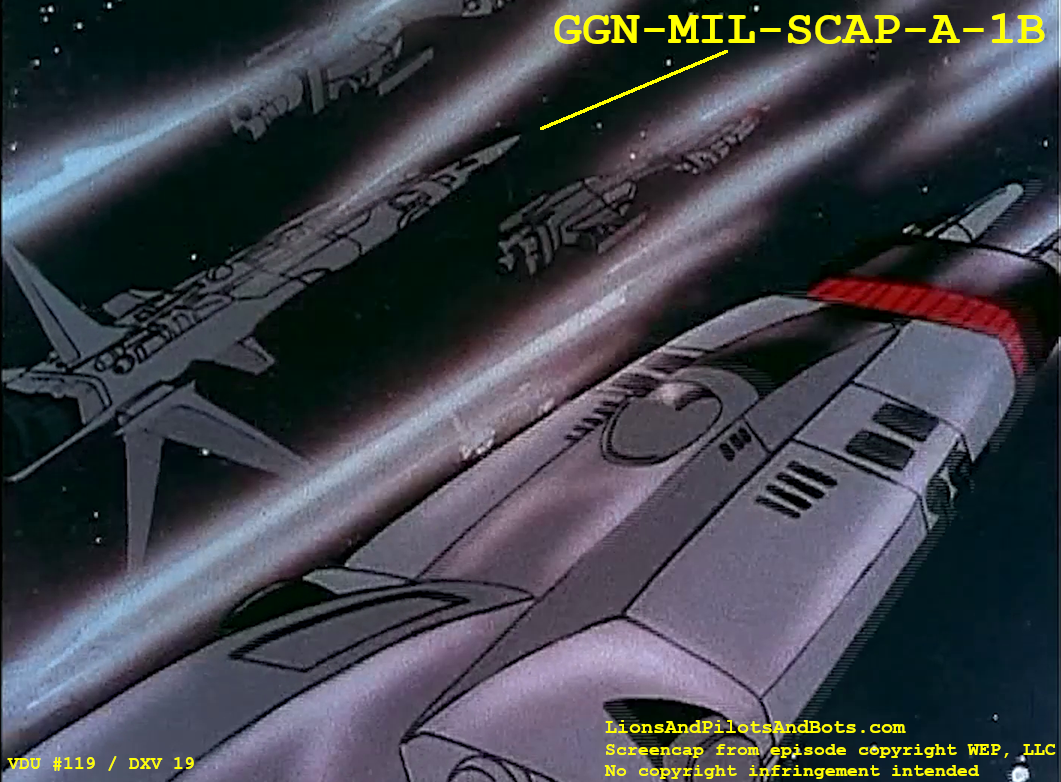
GGN-MIL-SCAP-A-1B
This variant does not have the midship dorsal fin of the GGN-MIL-SCAP-A-1A variant.
 |  |  |
 |
Return to Vehicle Types – Summary Information
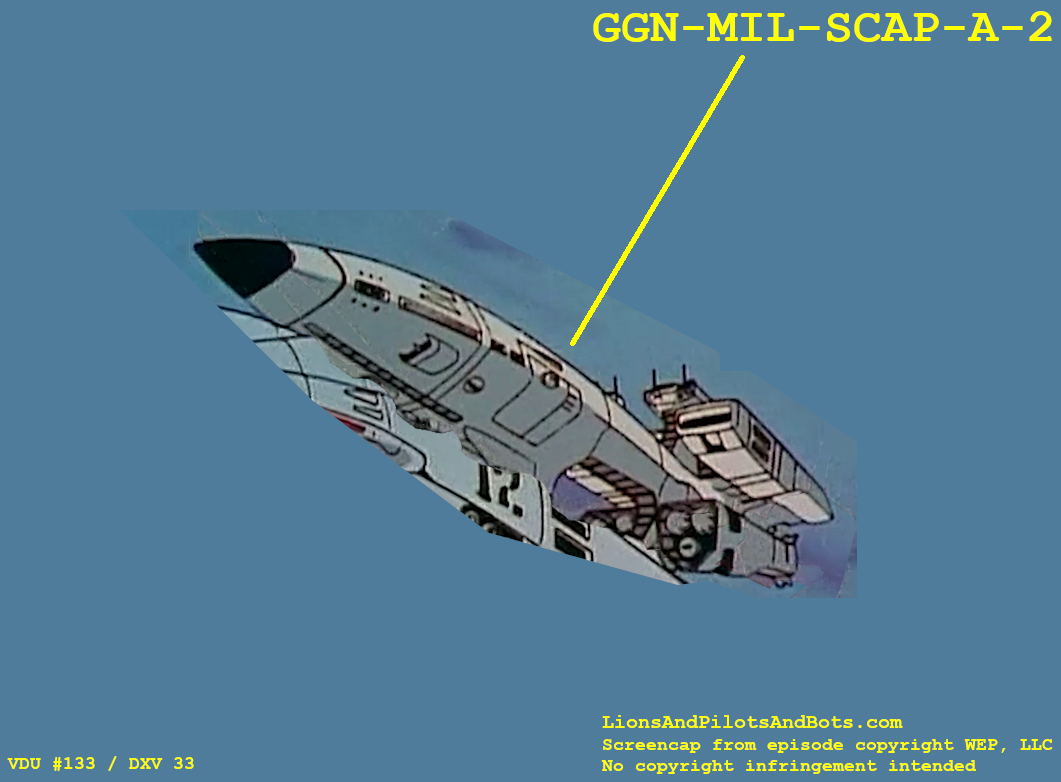
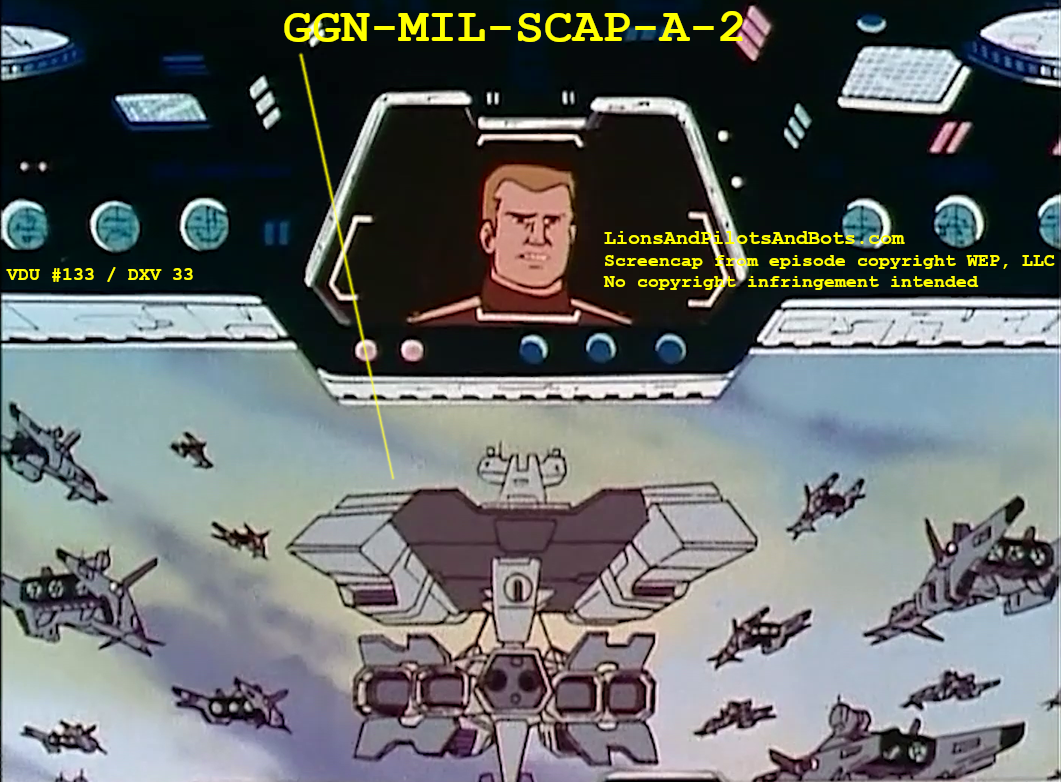
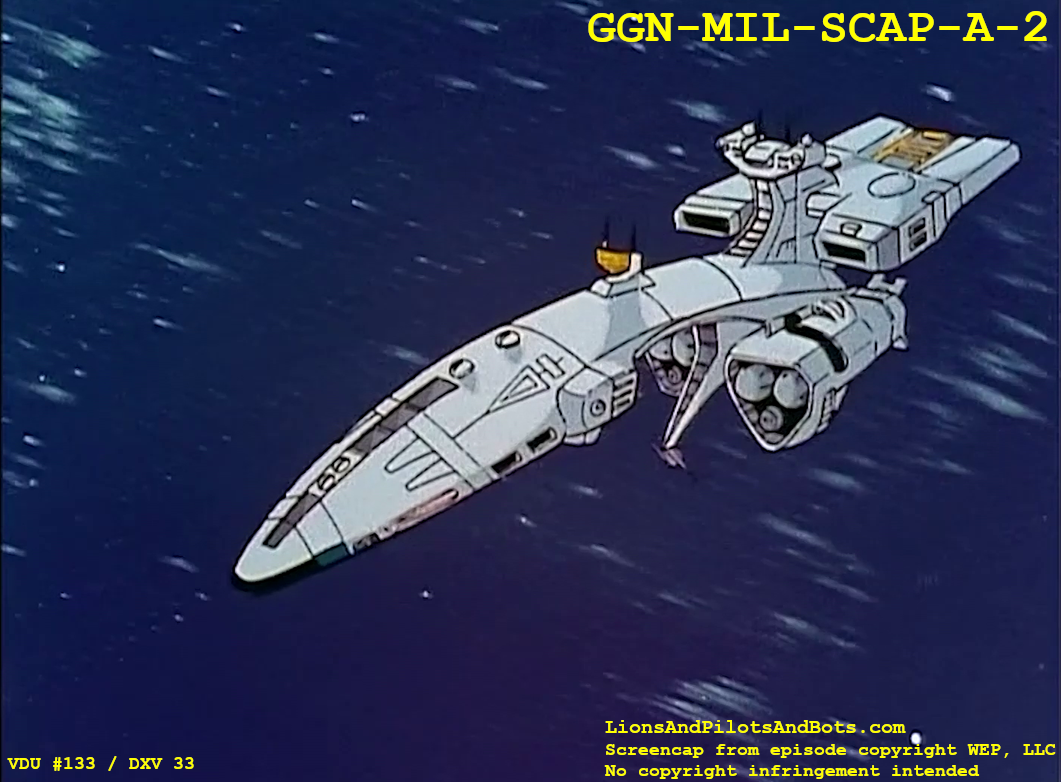
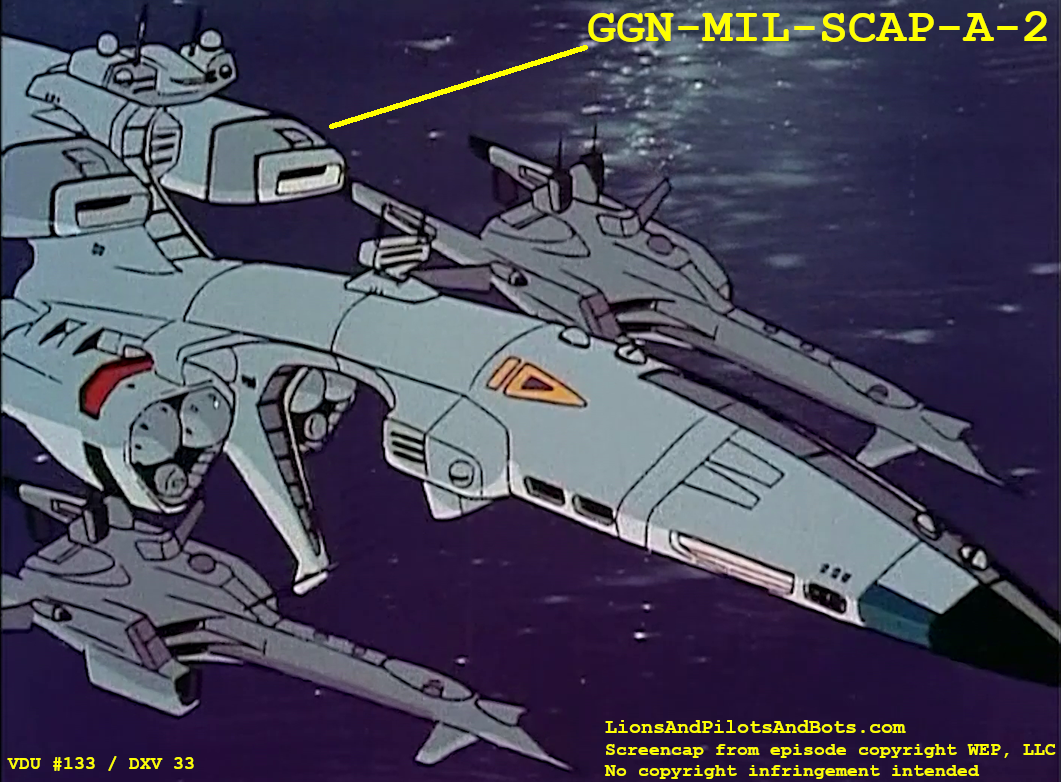
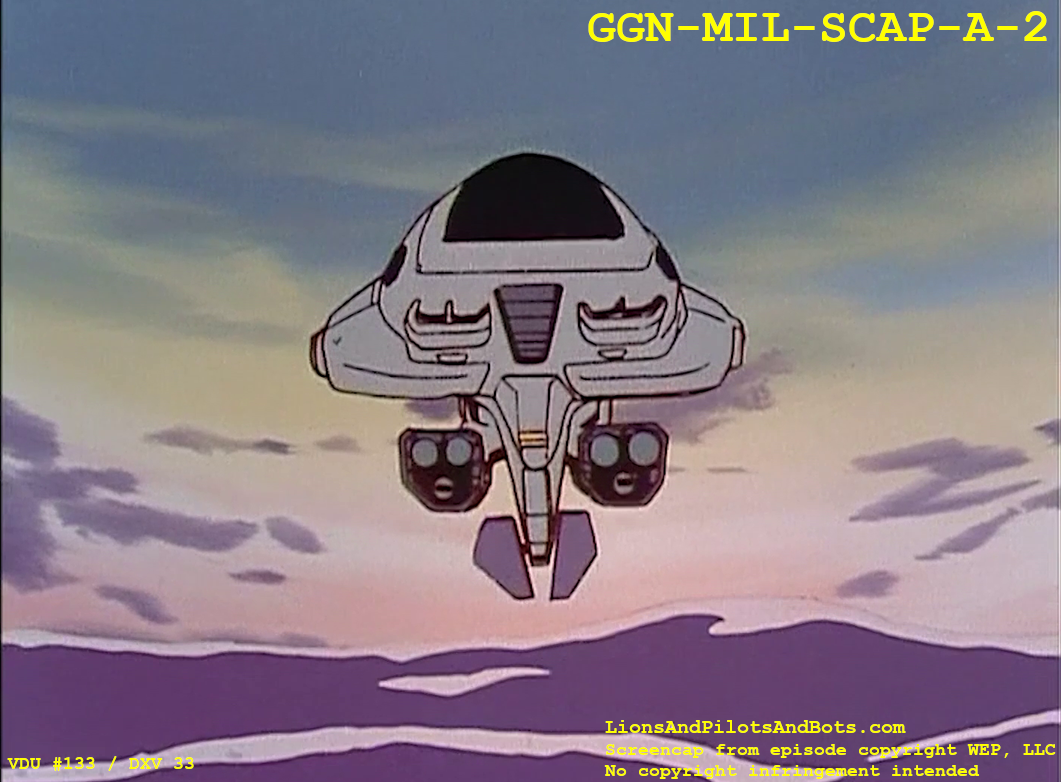
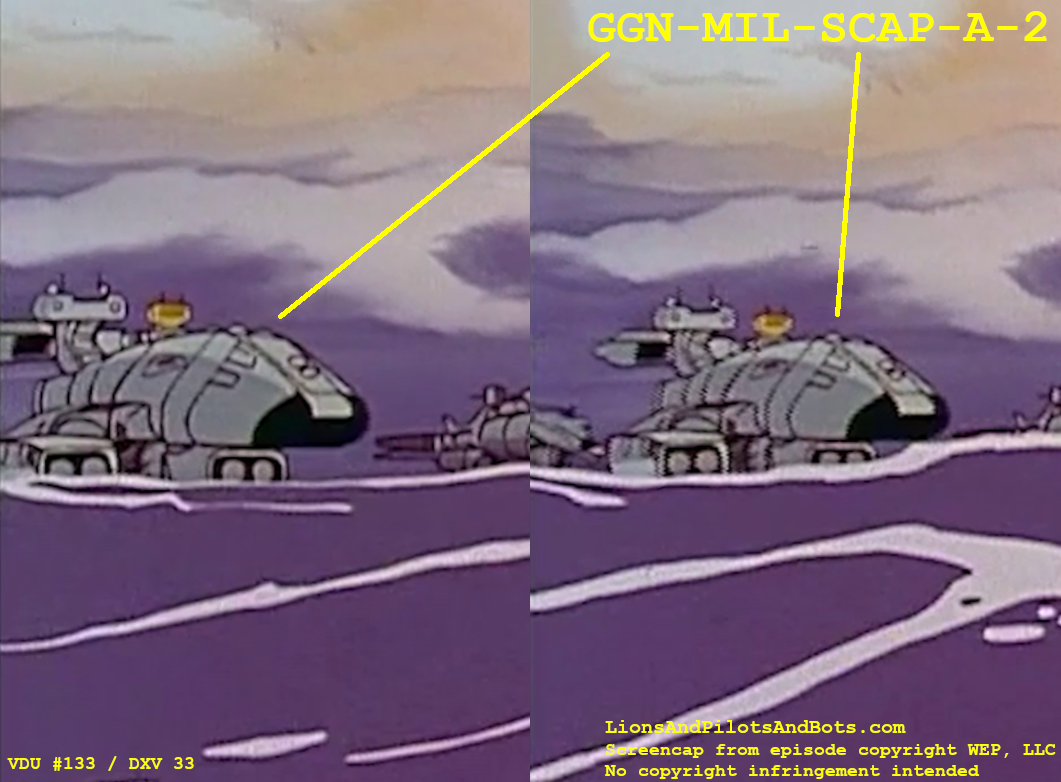
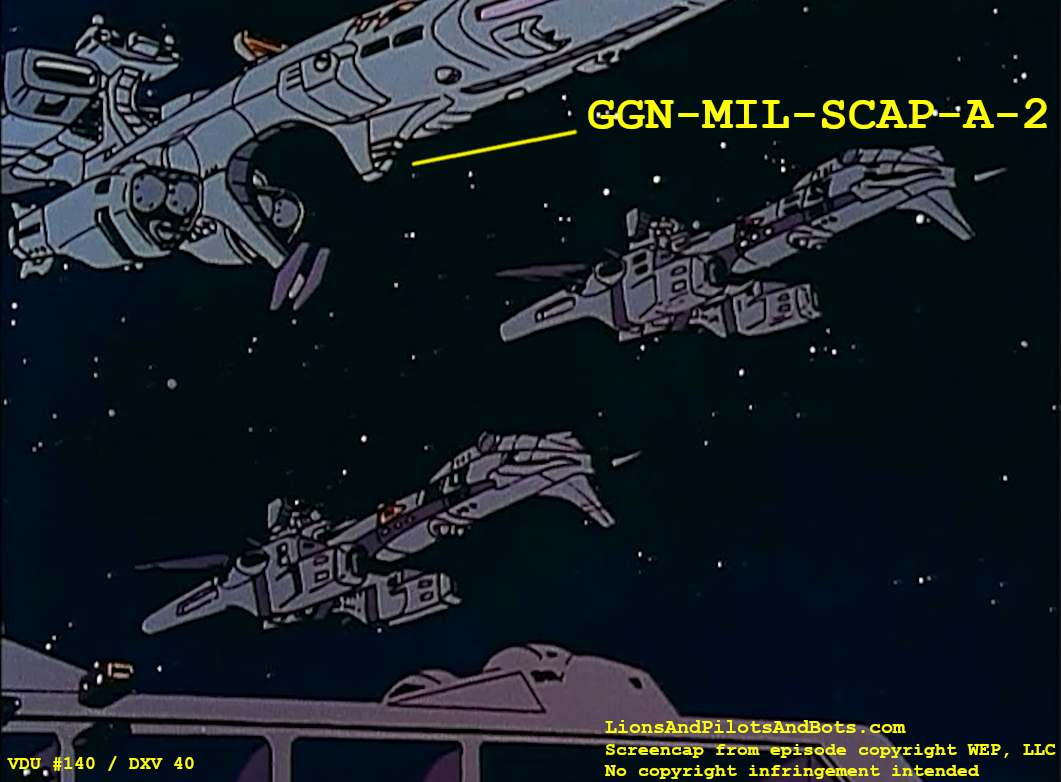
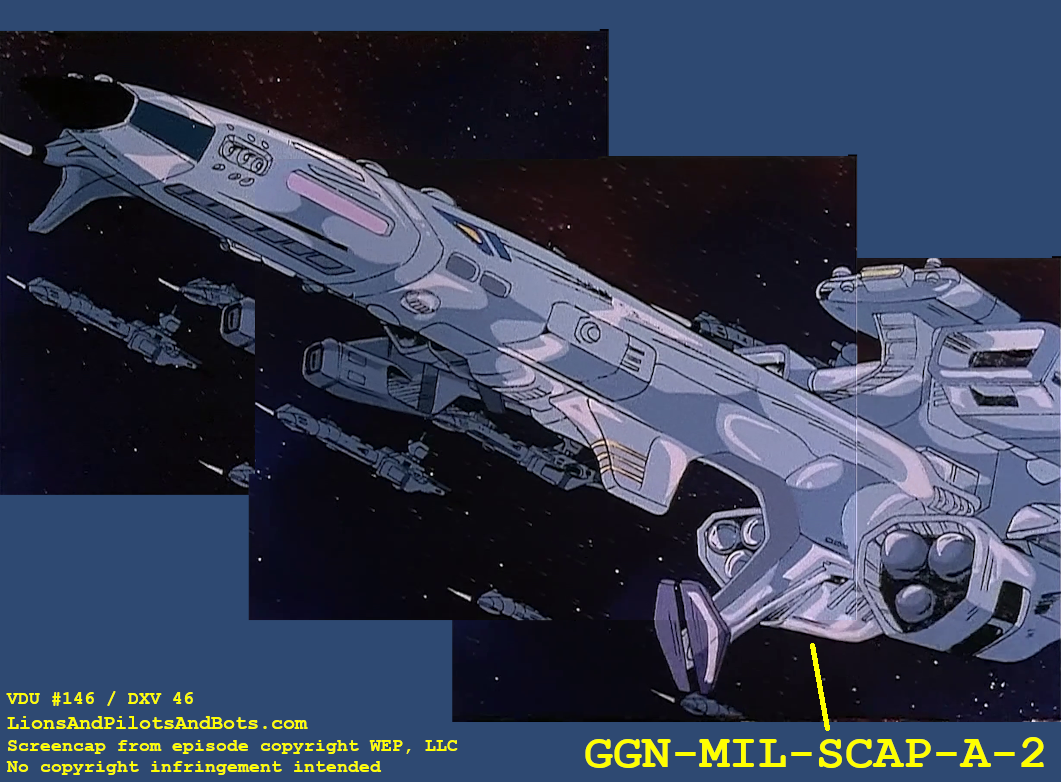
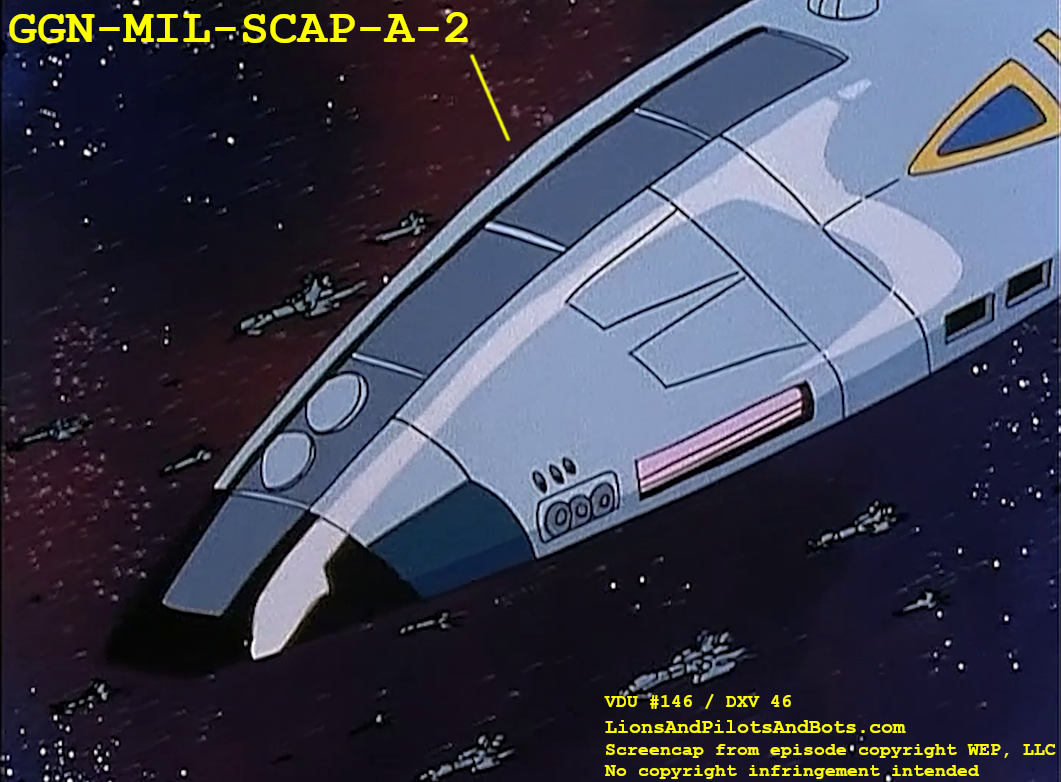
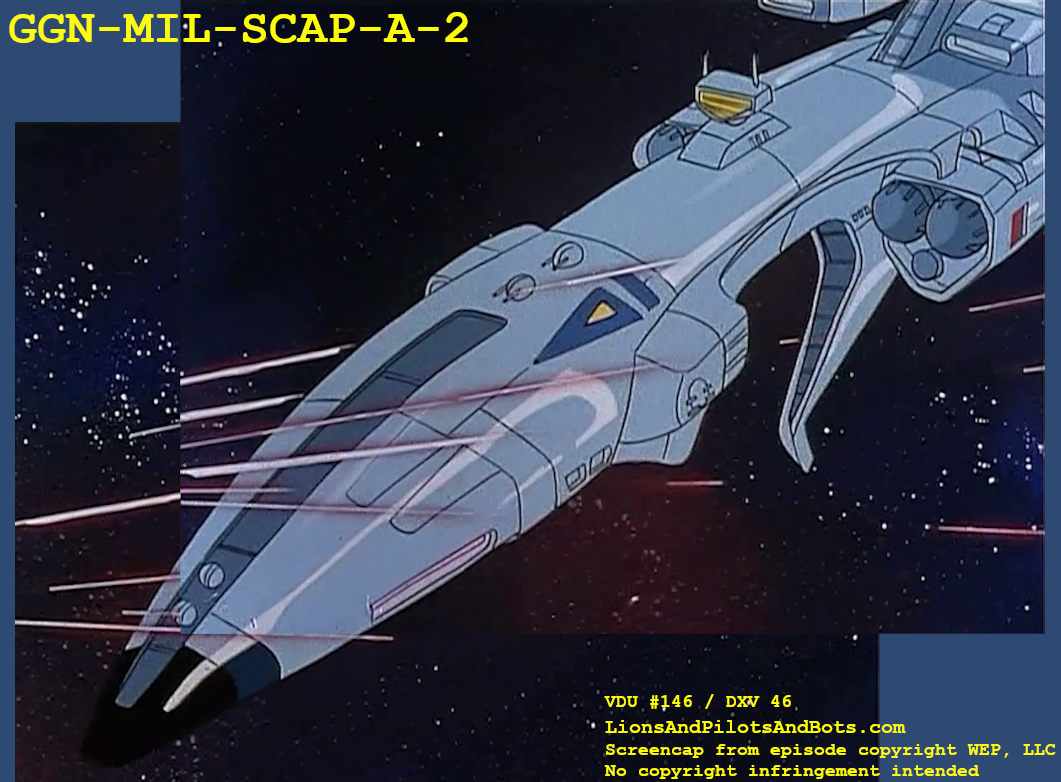
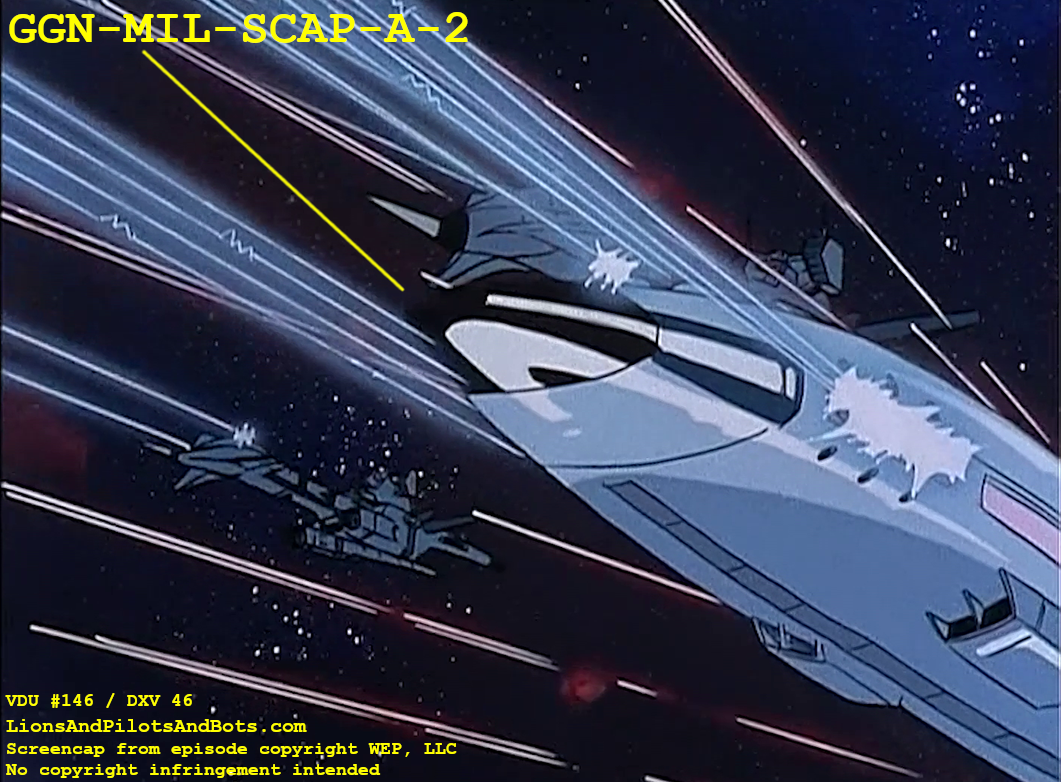
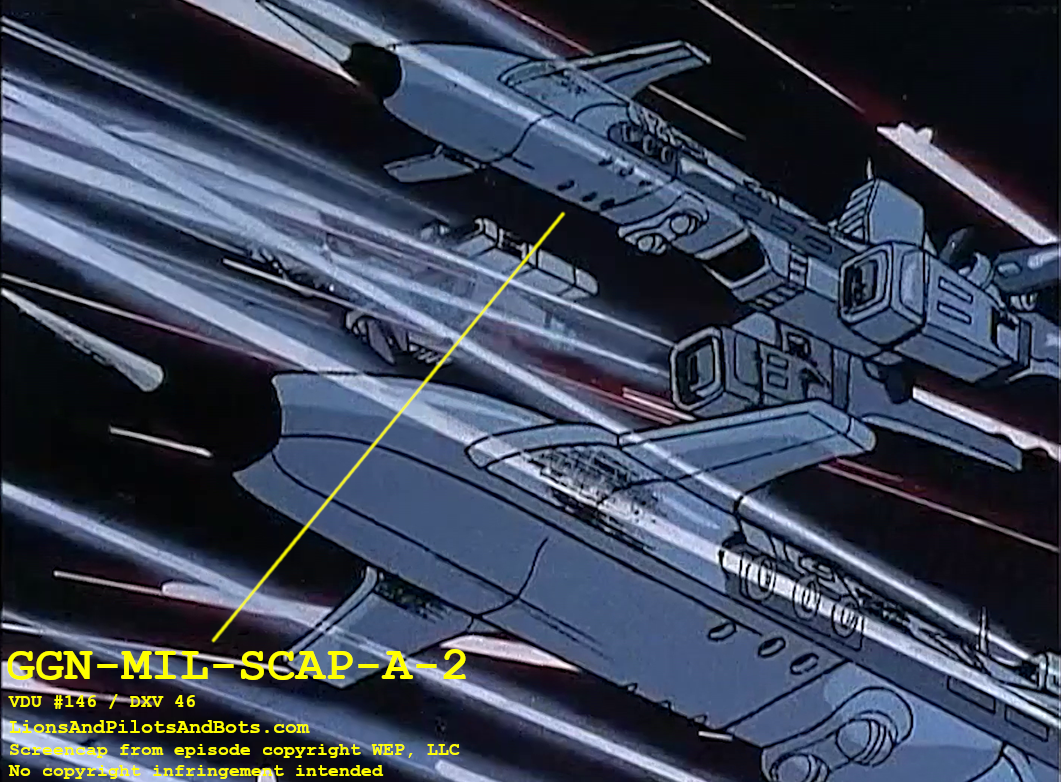
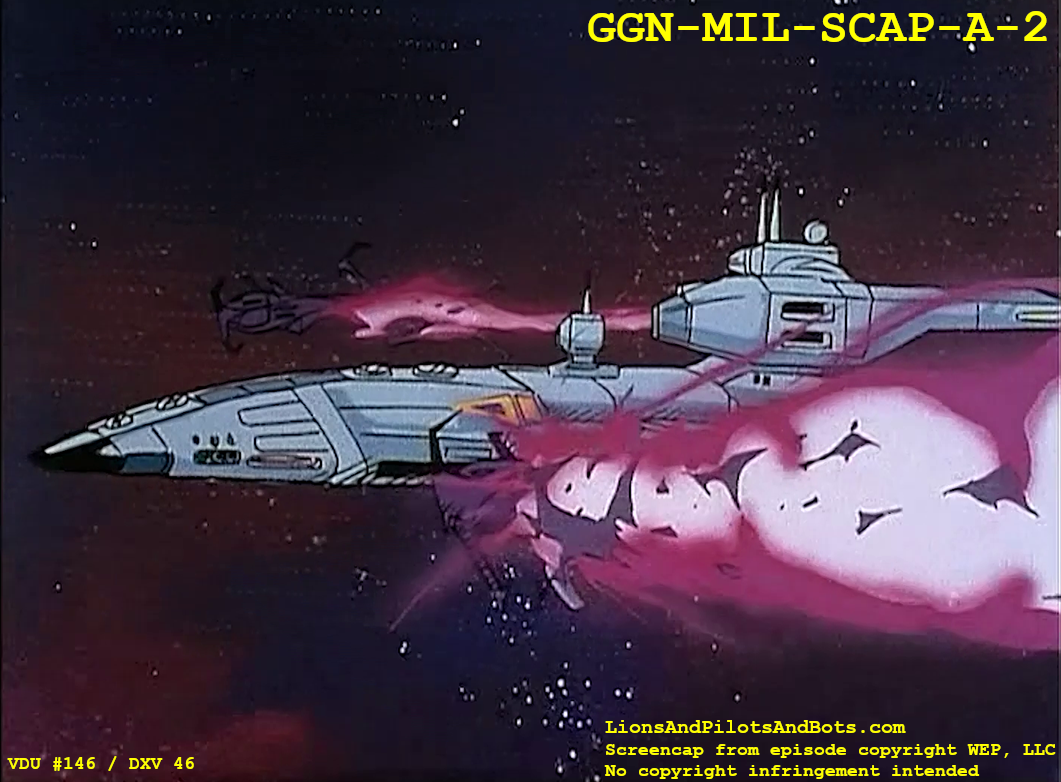
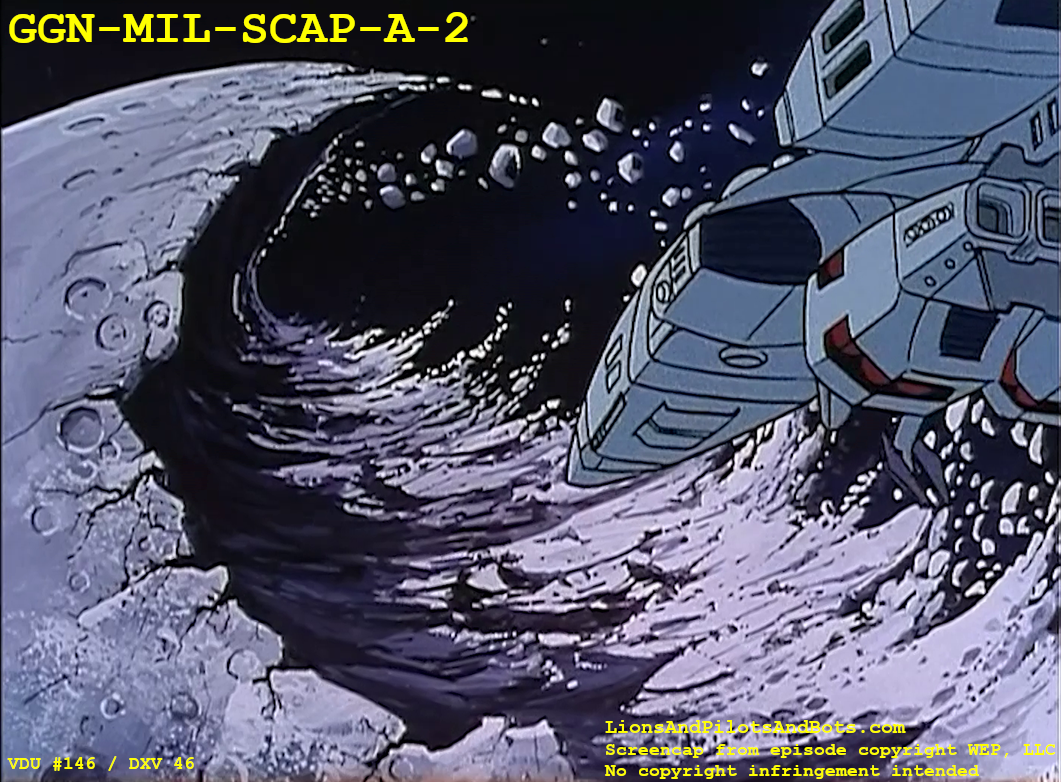
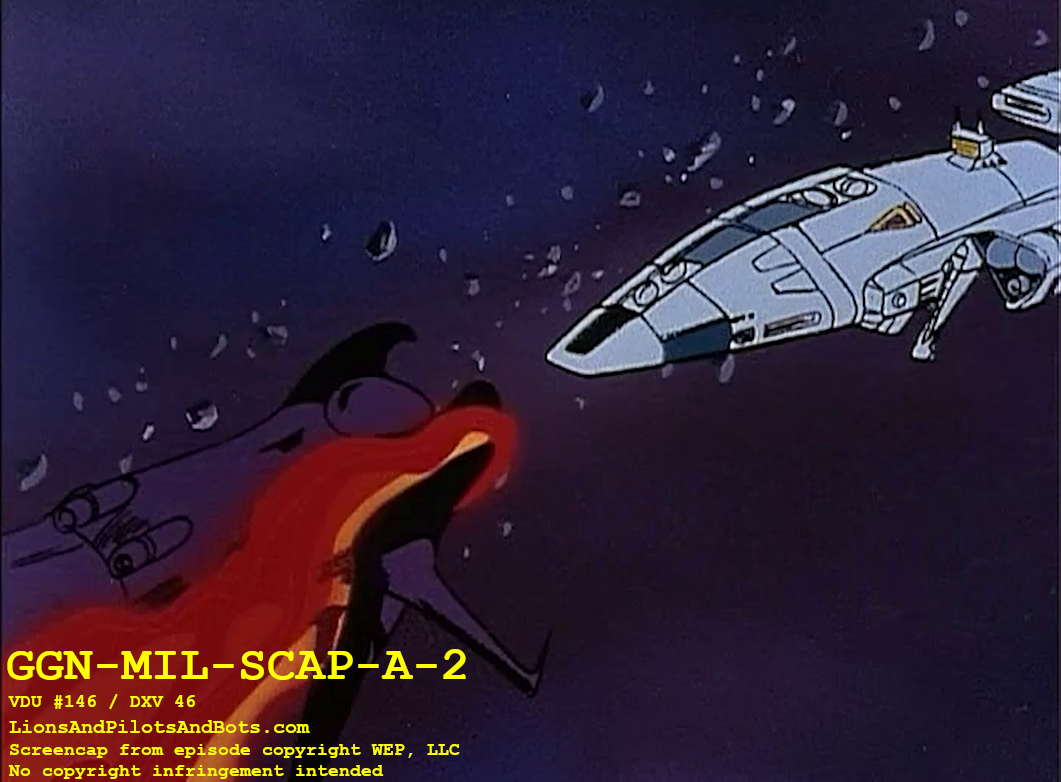
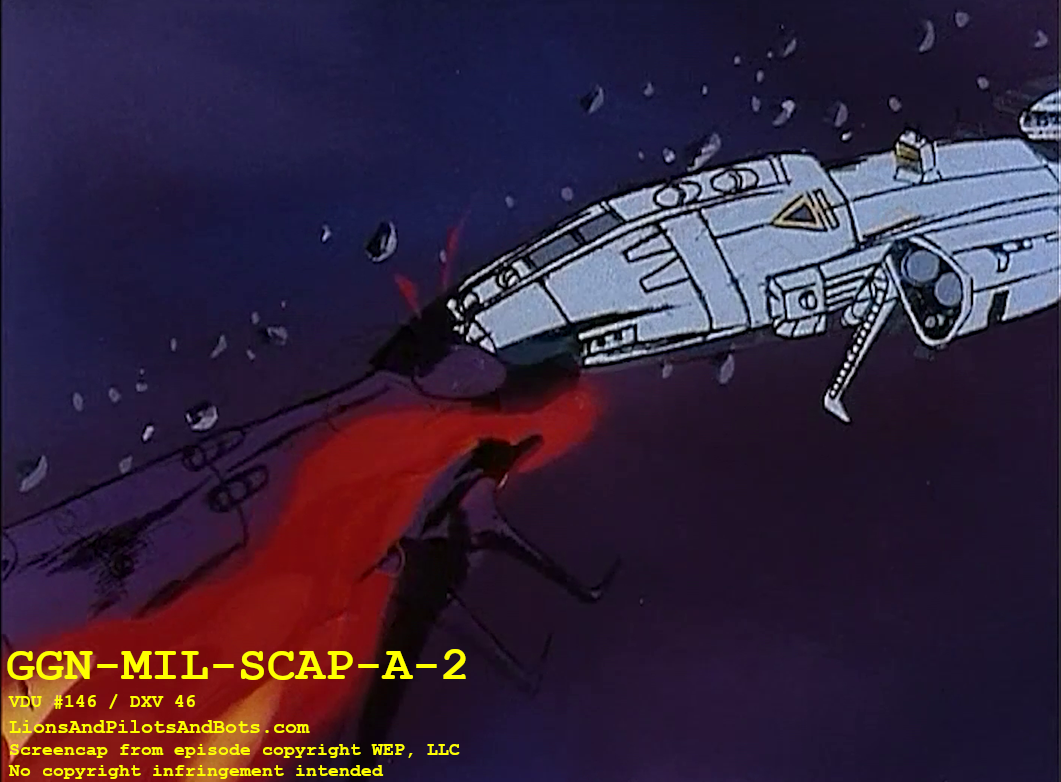
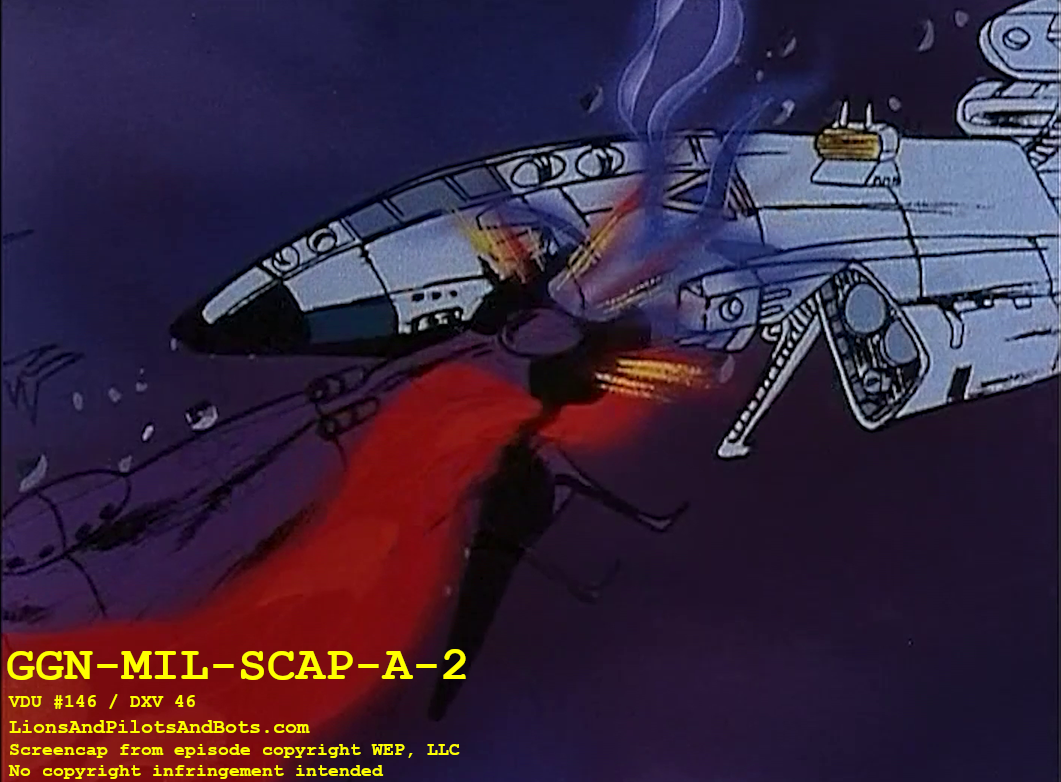
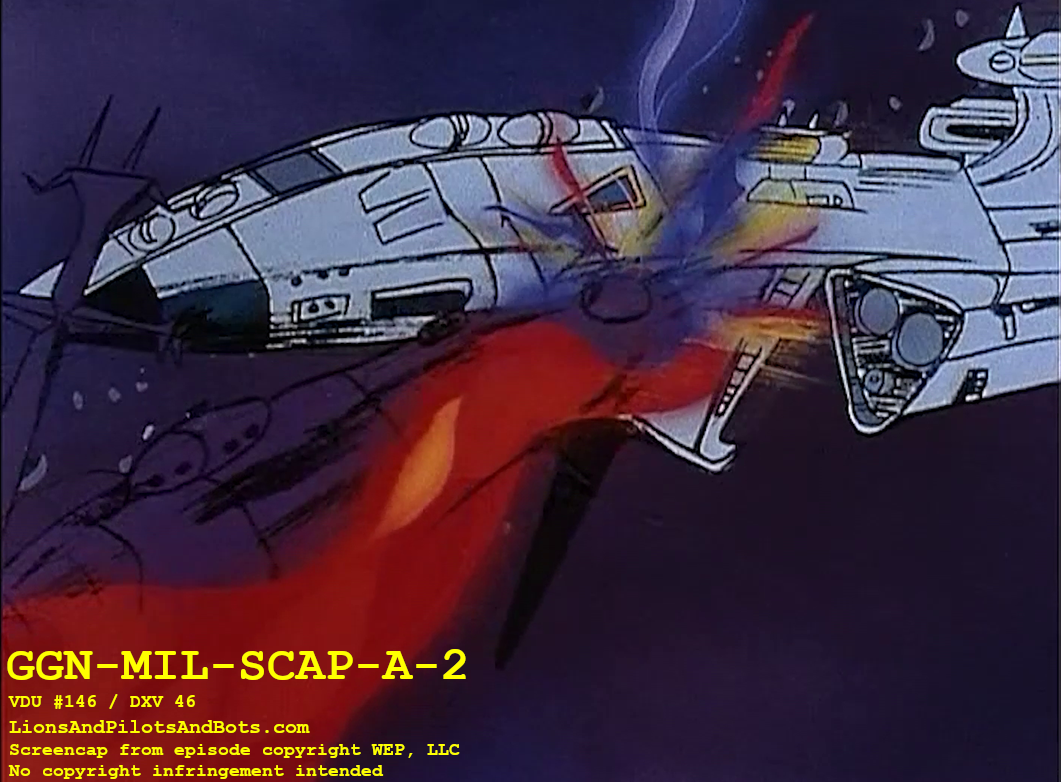
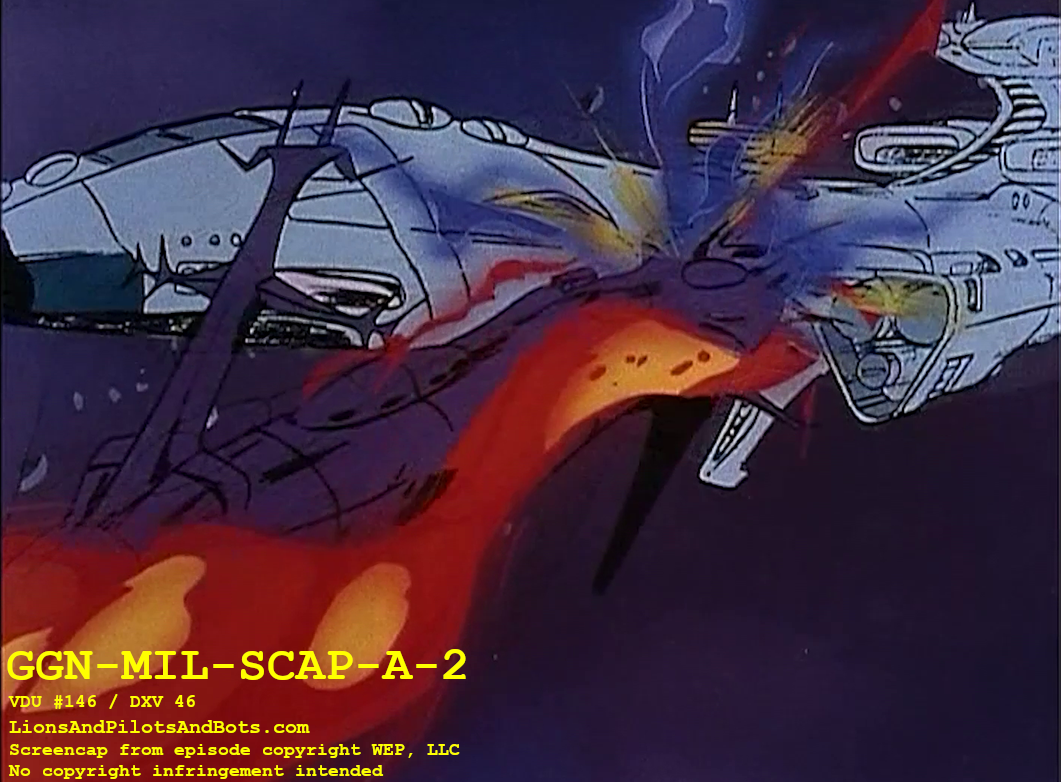
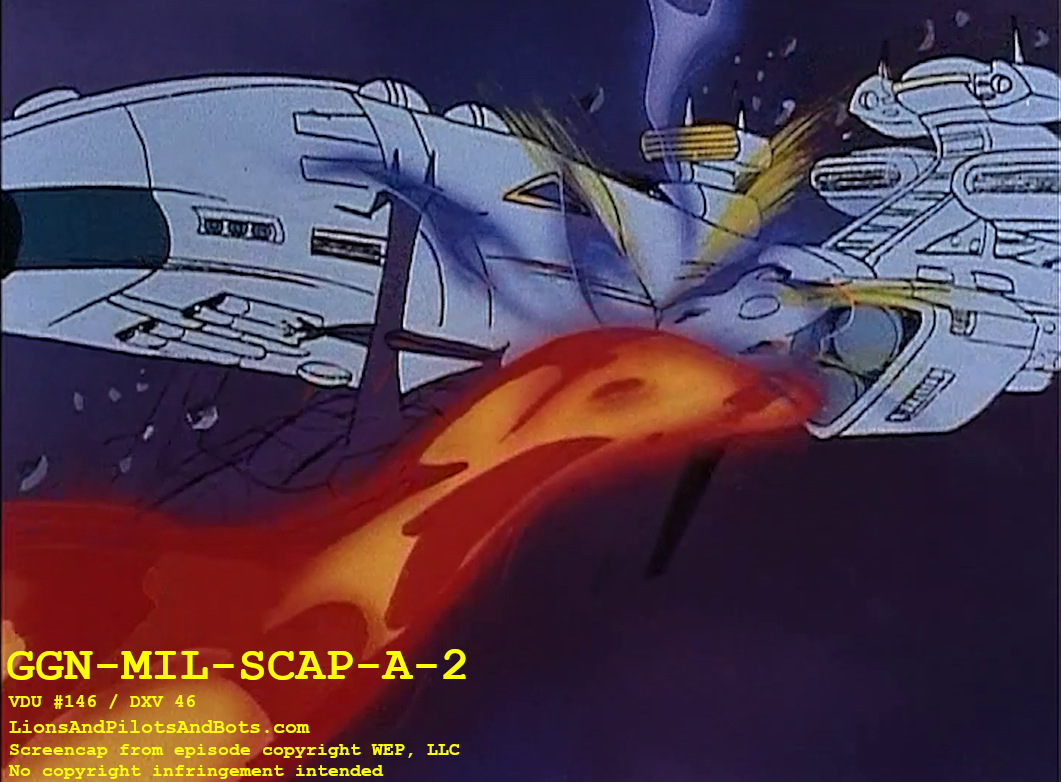
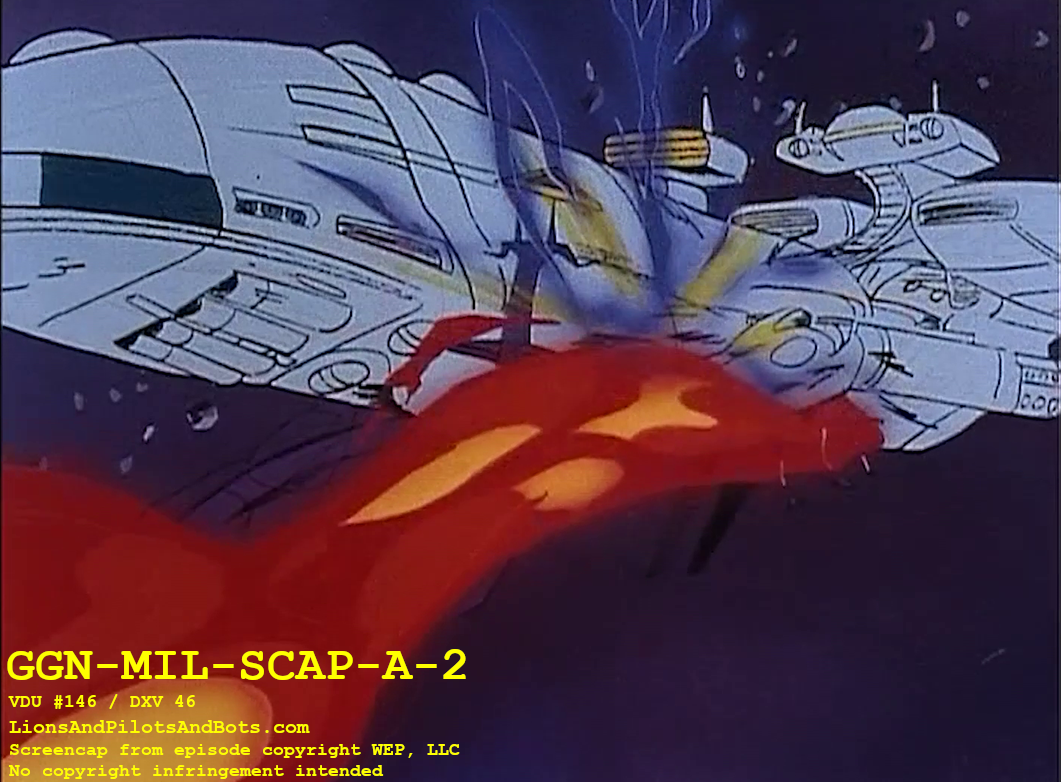
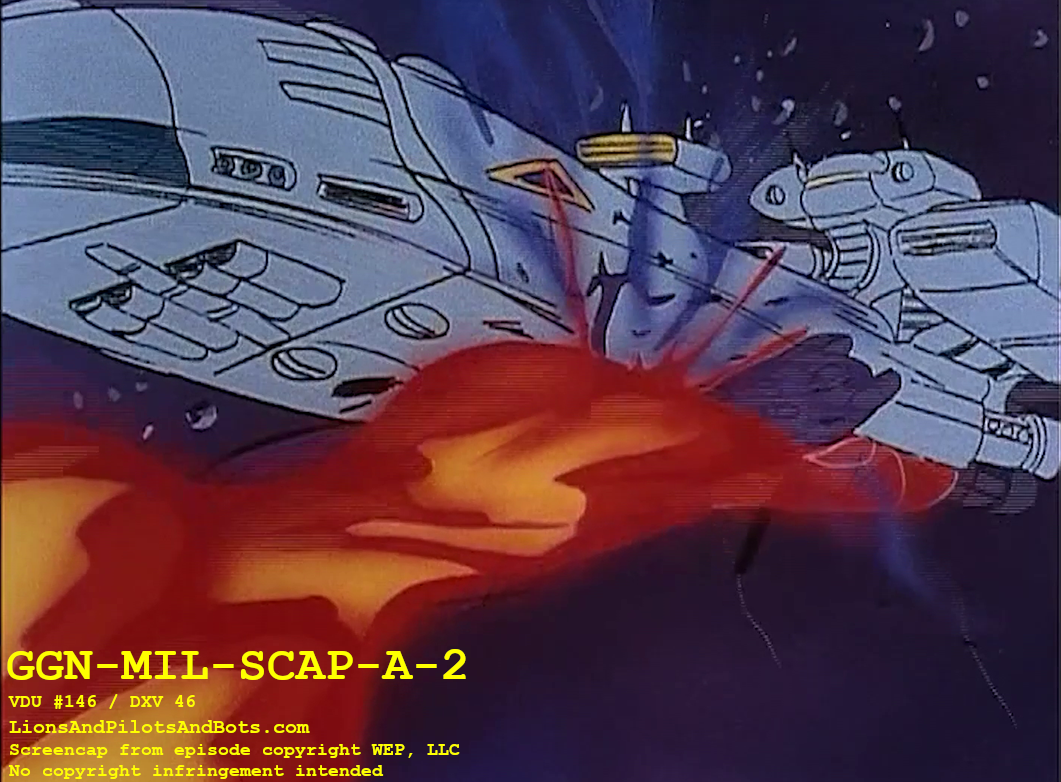
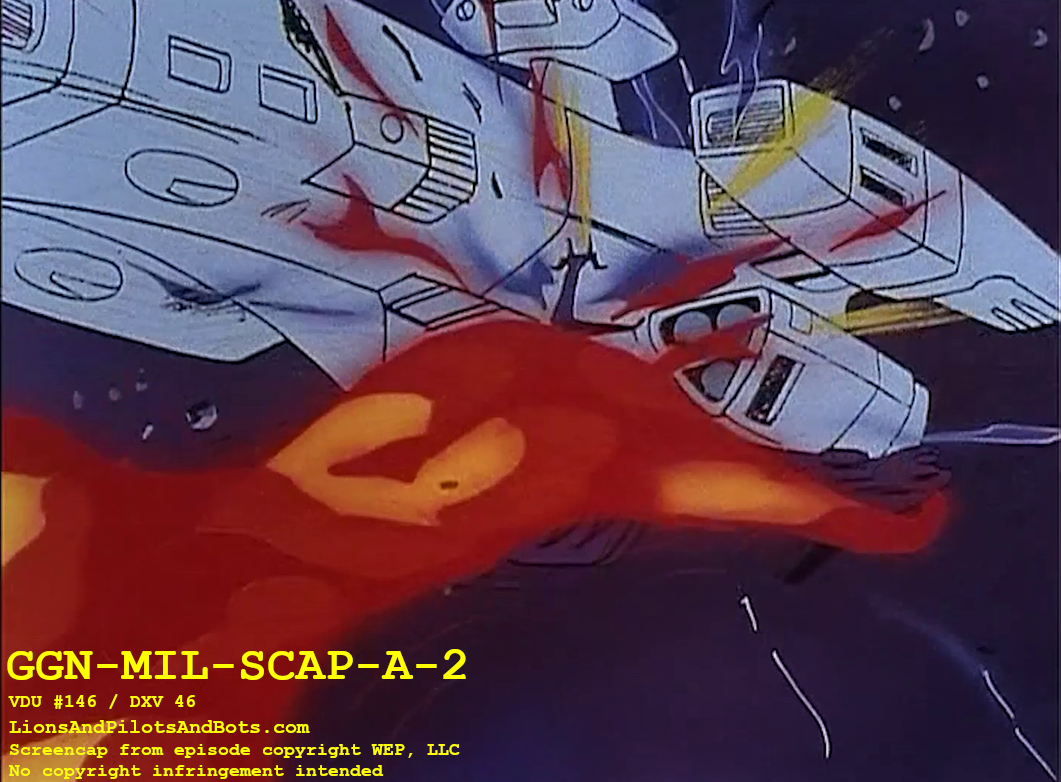
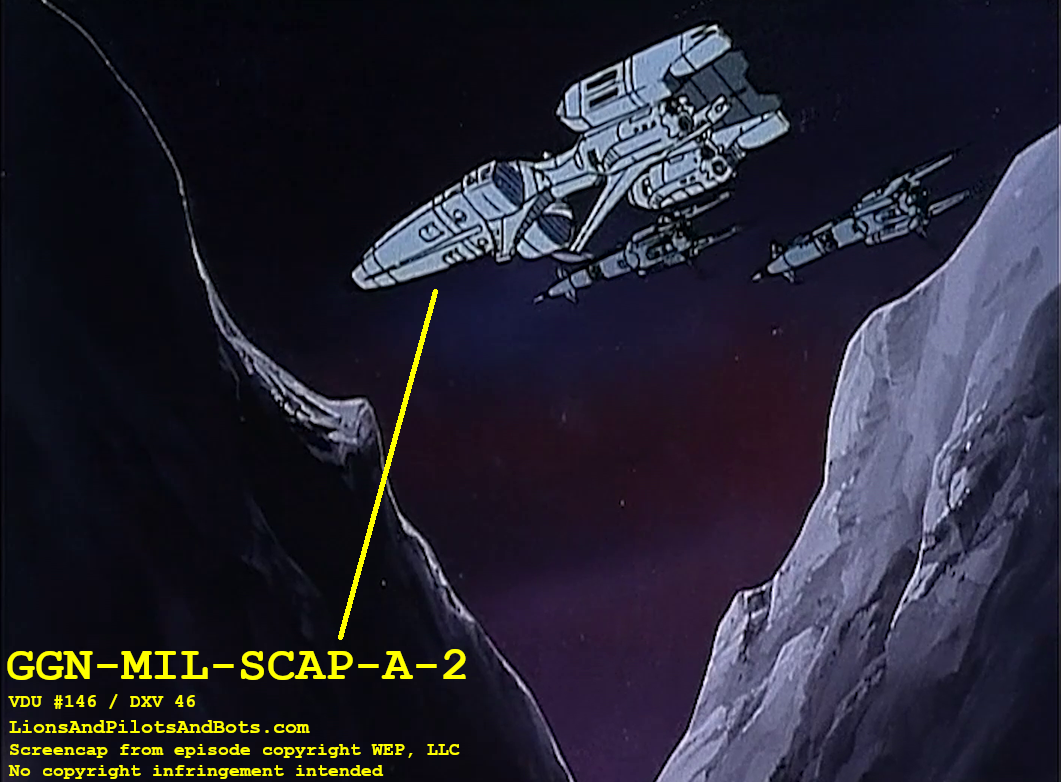
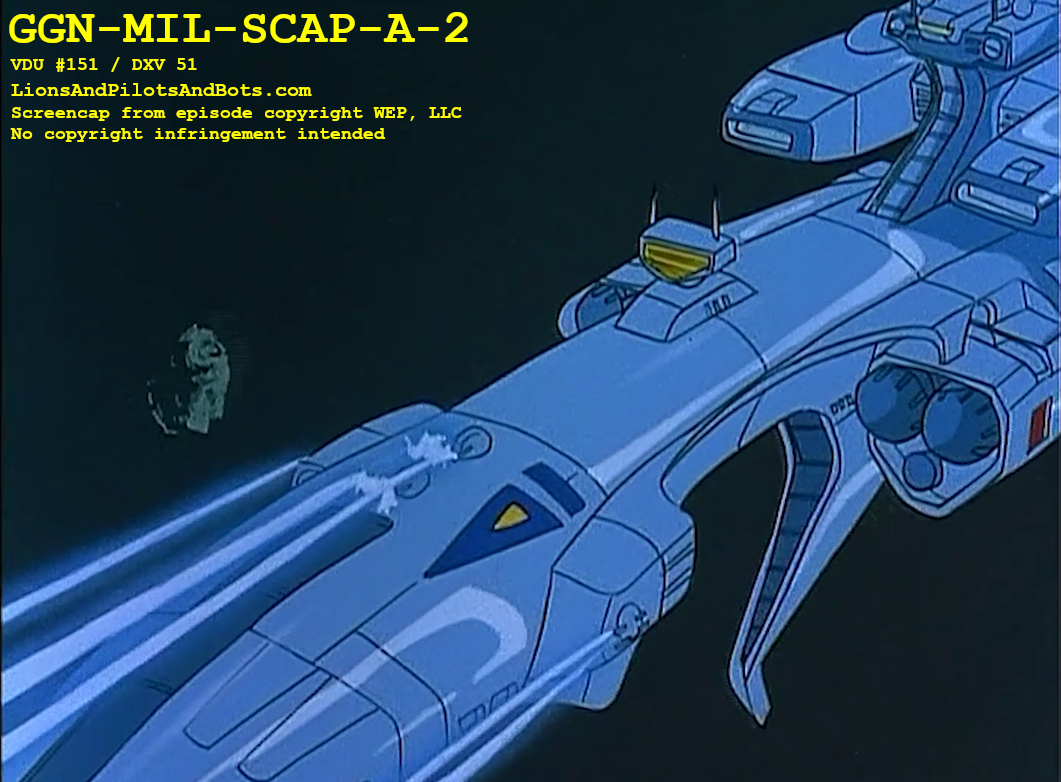
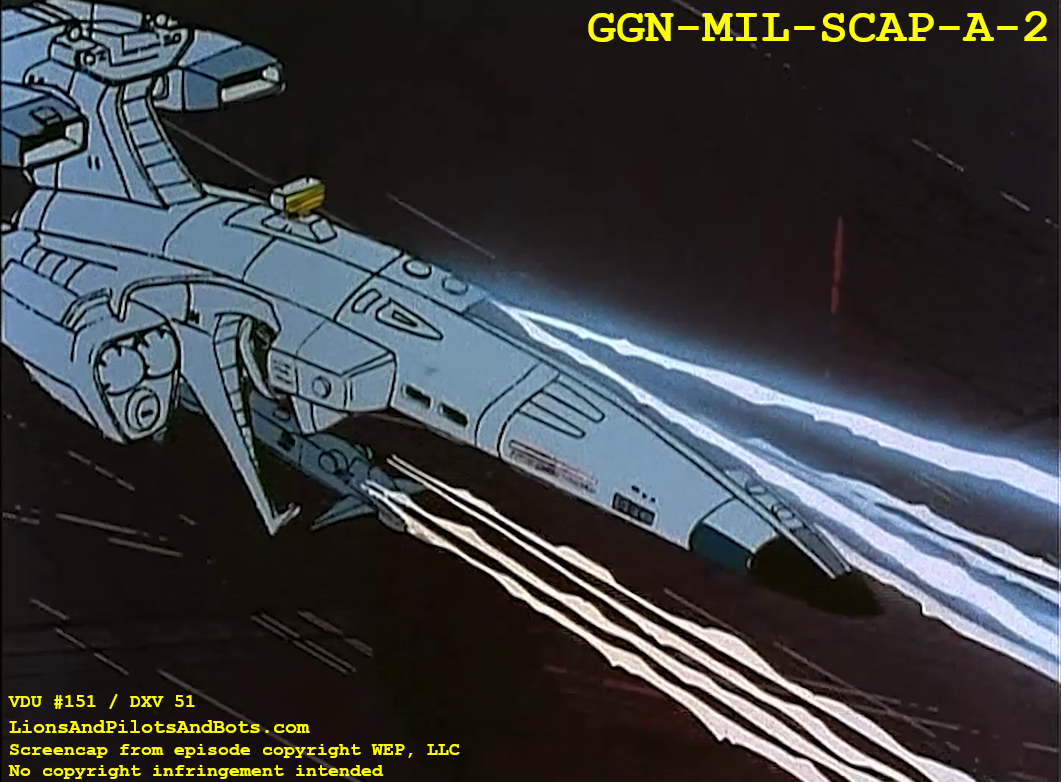
GGN-MIL-SCAP-A-2
Captain Newley commands a GGN-MIL-SCAP-A-2 spacecraft after he is reassigned from his role as pilot of the Stellar Ship Explorer.
 |  |  |
 |  |  |
 |  |  |
 |  |  |
 |  | |
 |  |  |
 |  |  |
 |  |  |
 |  |  |
Return to Vehicle Types – Summary Information
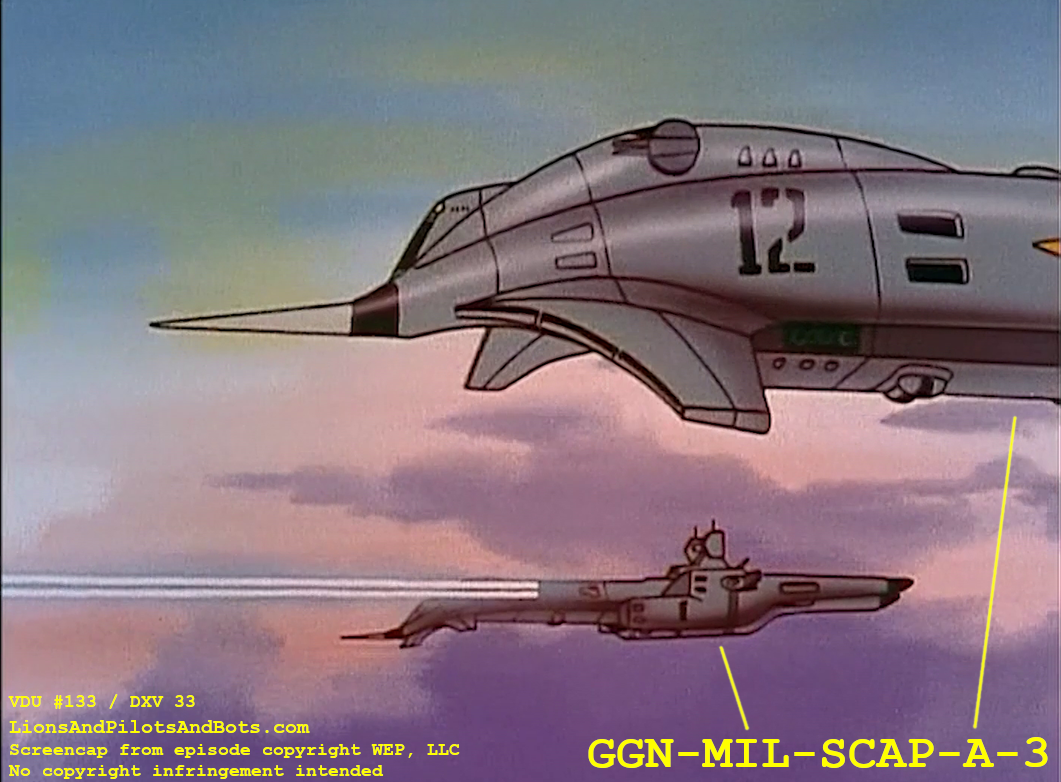
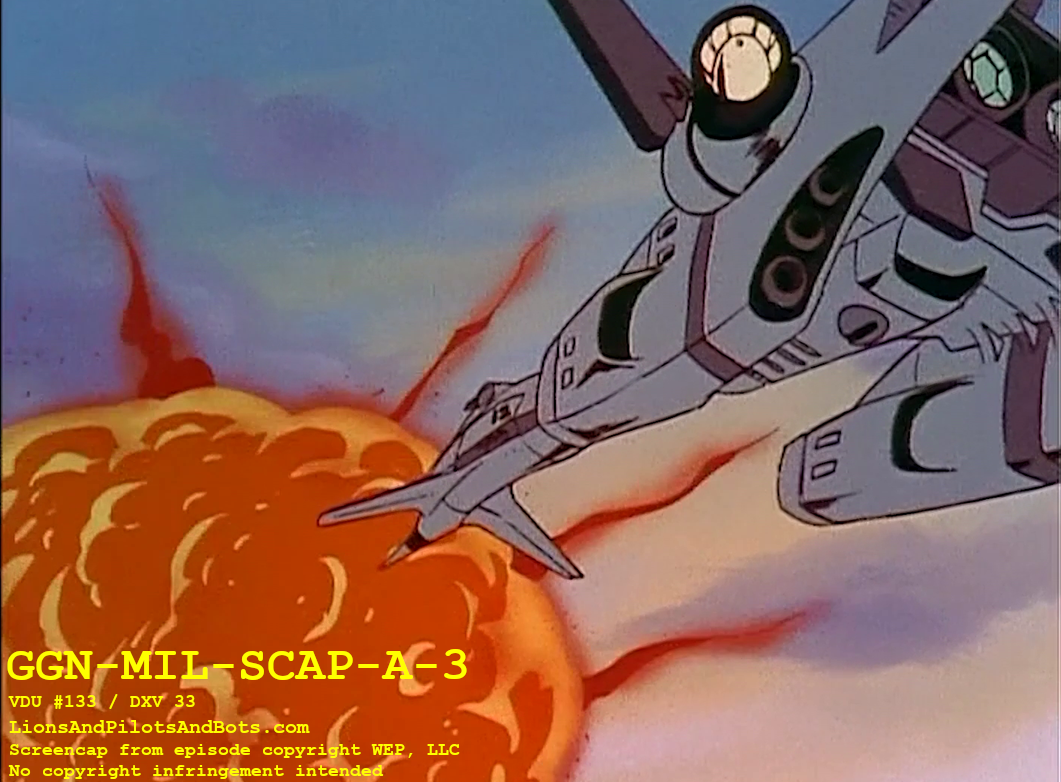
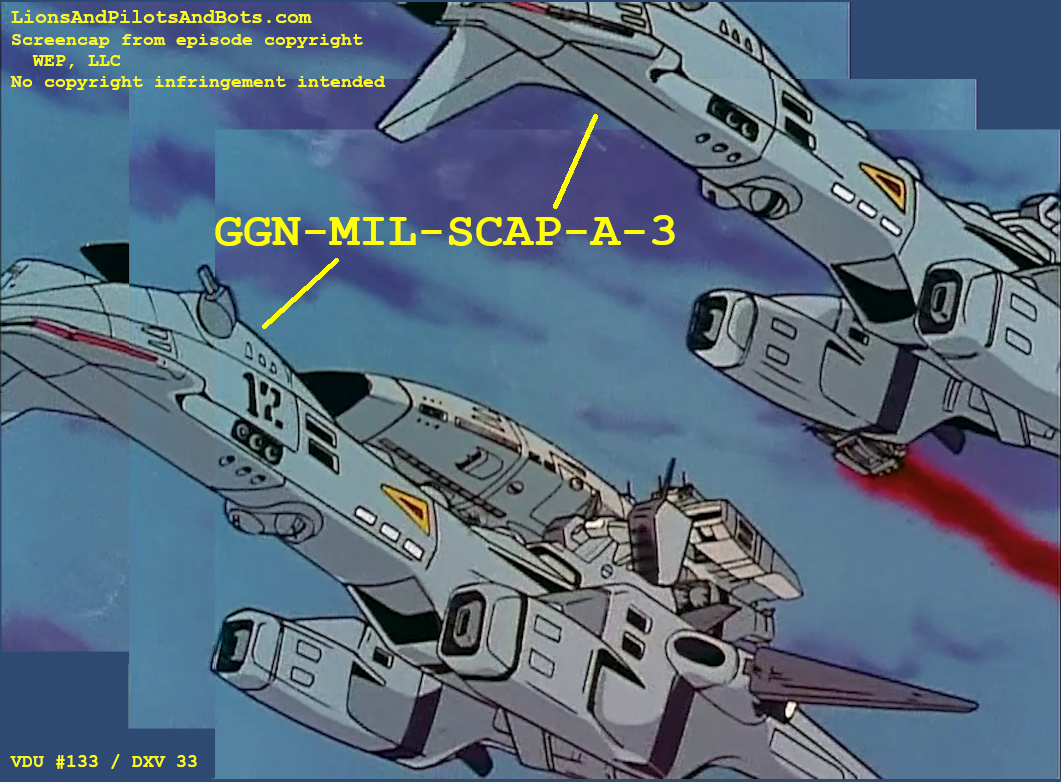
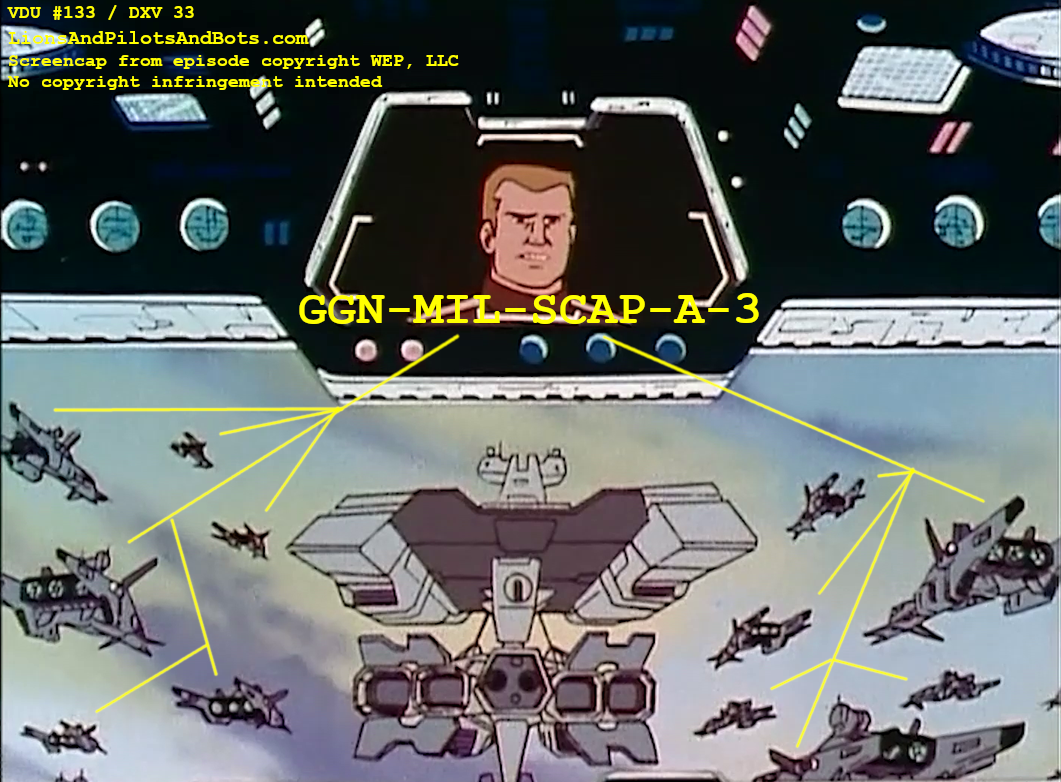
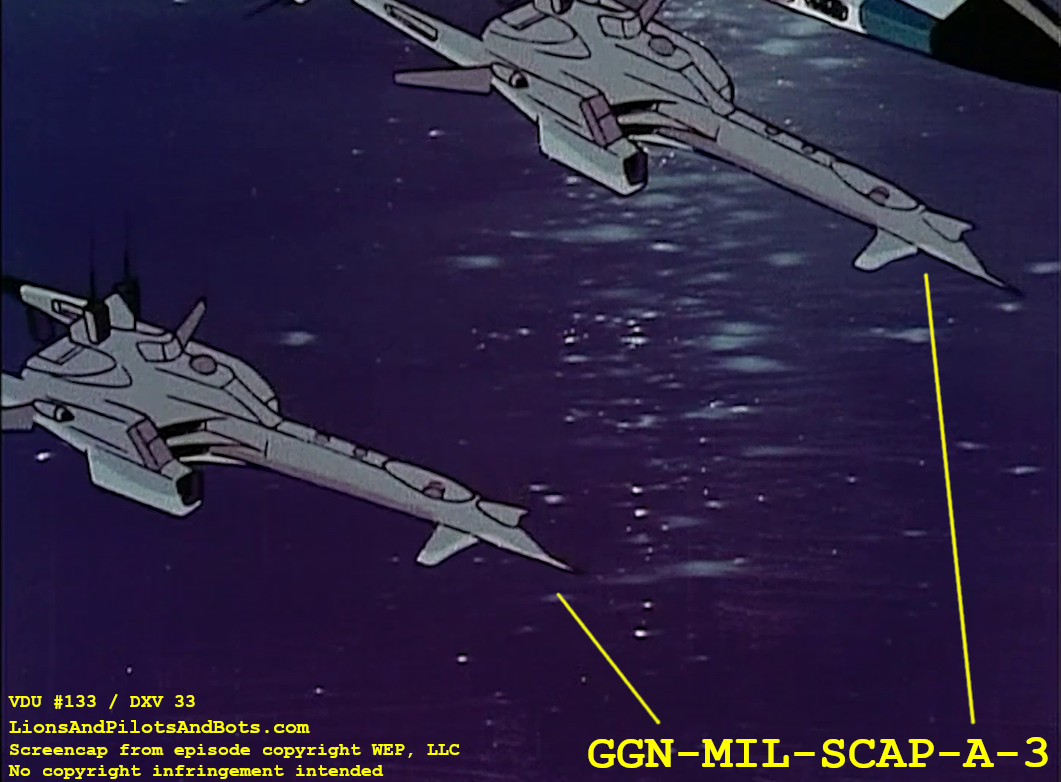
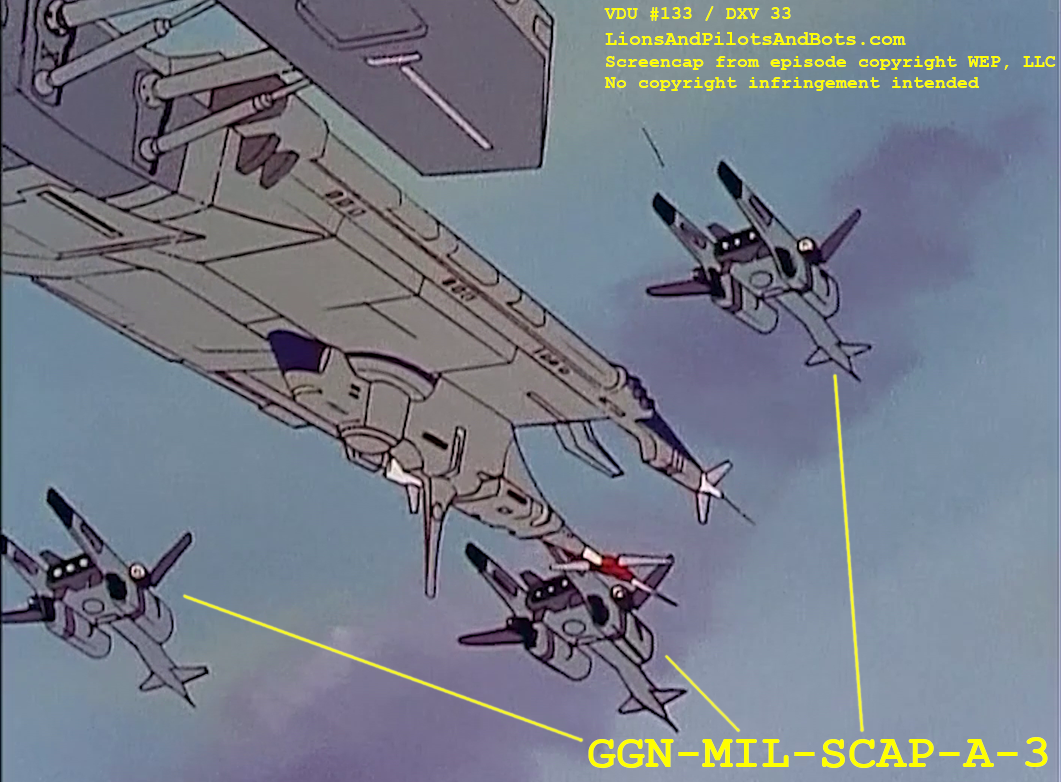
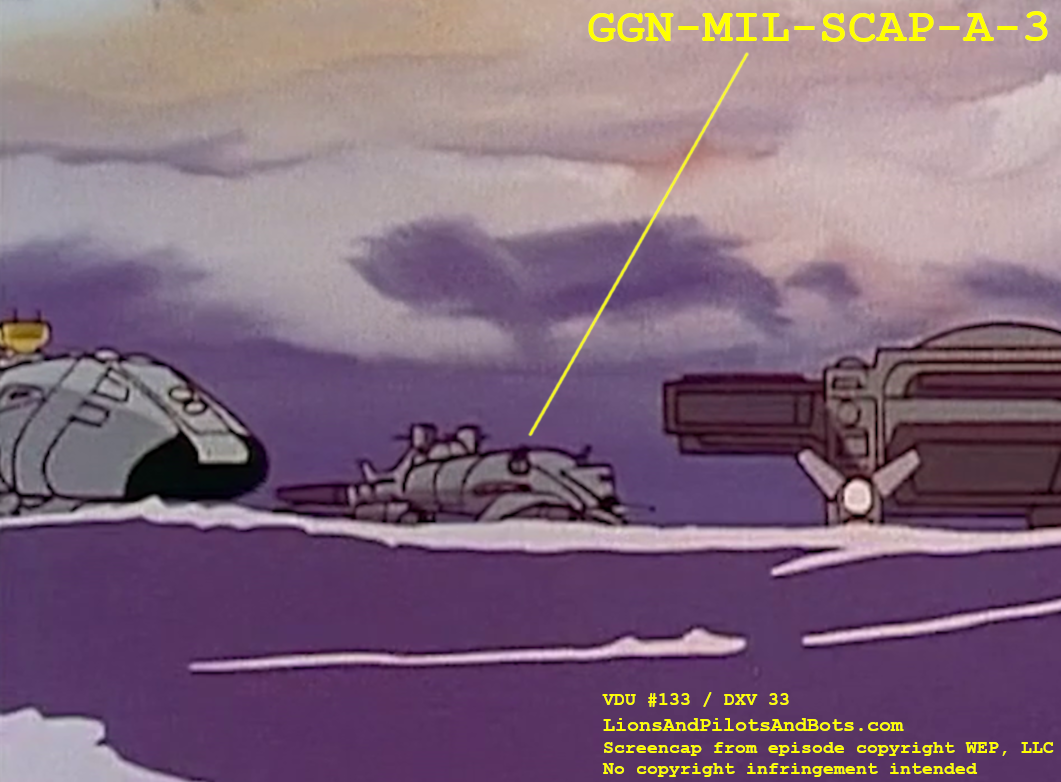
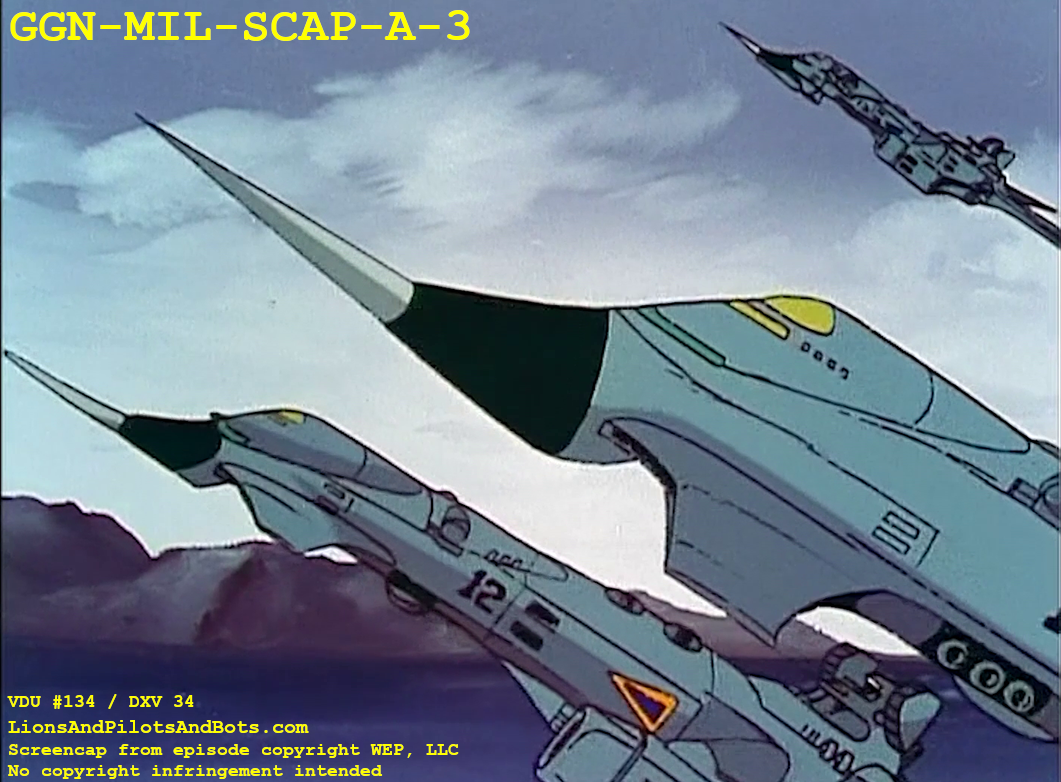
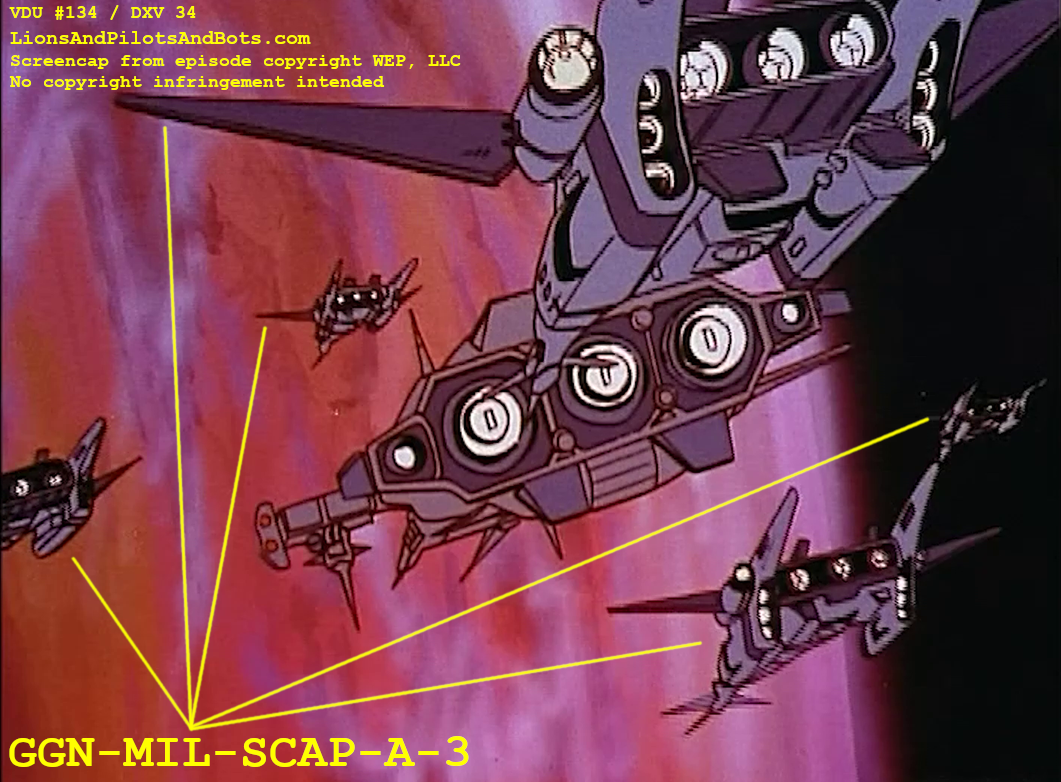
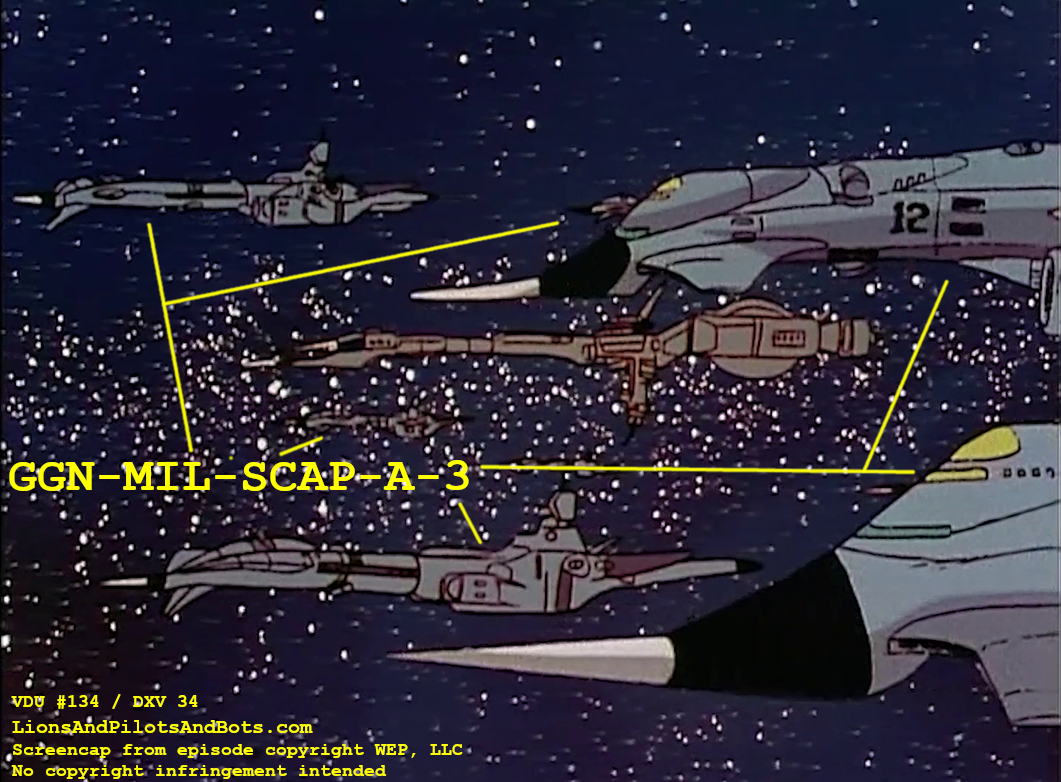
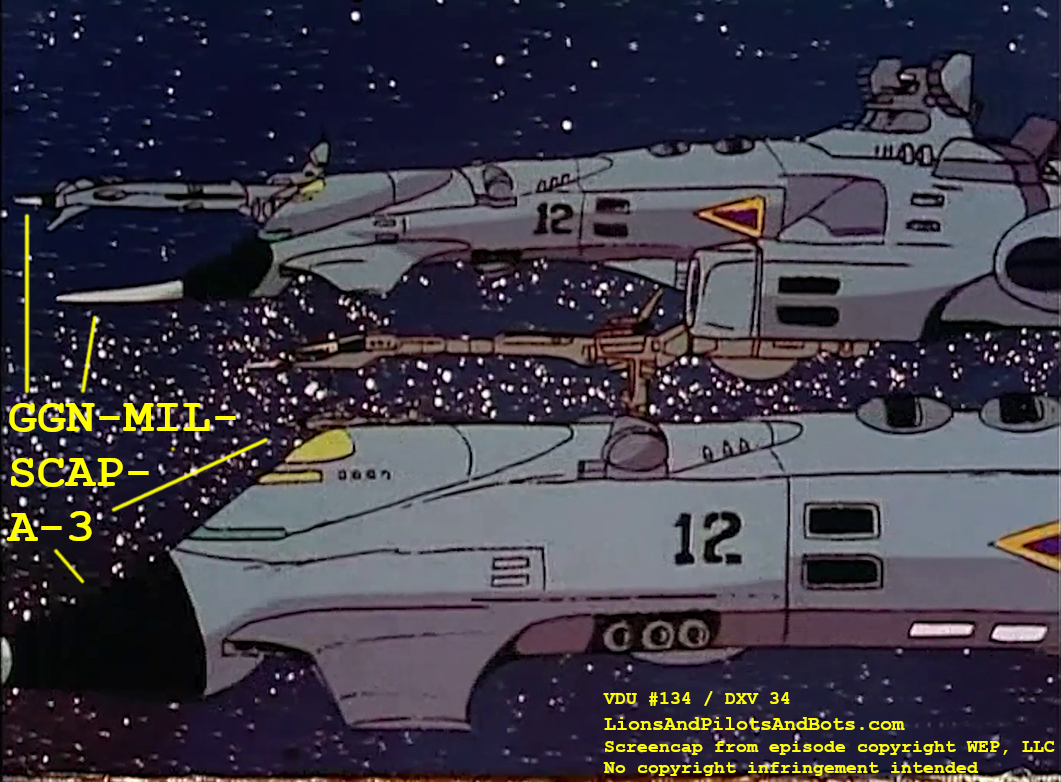
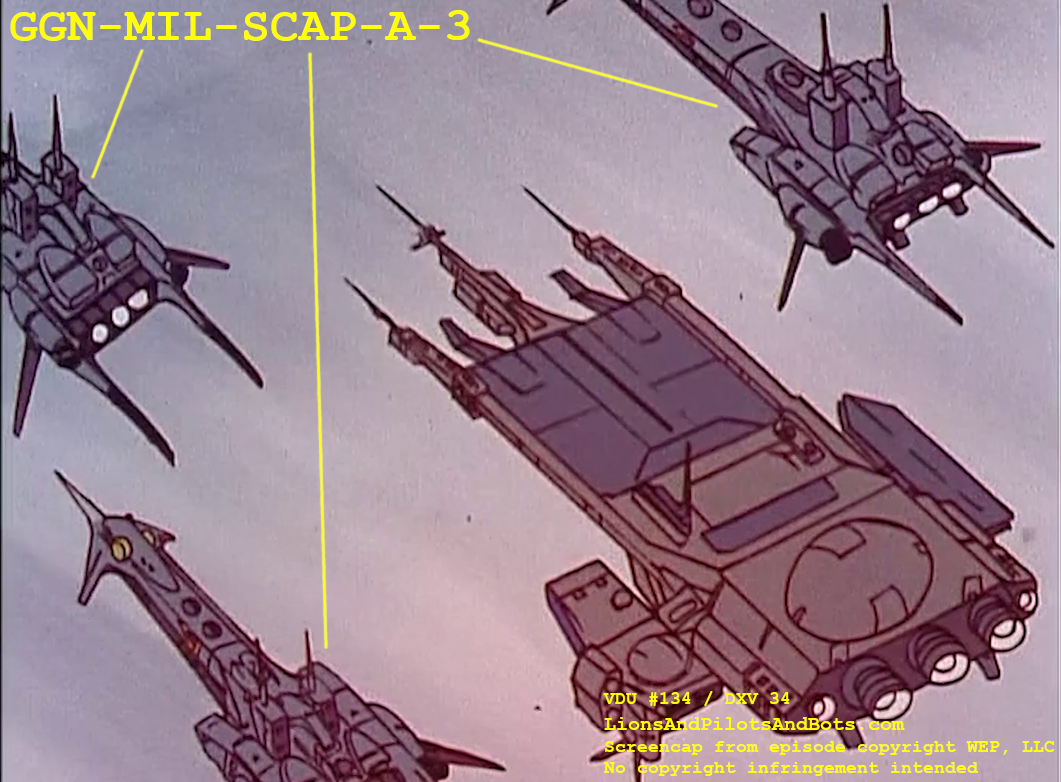
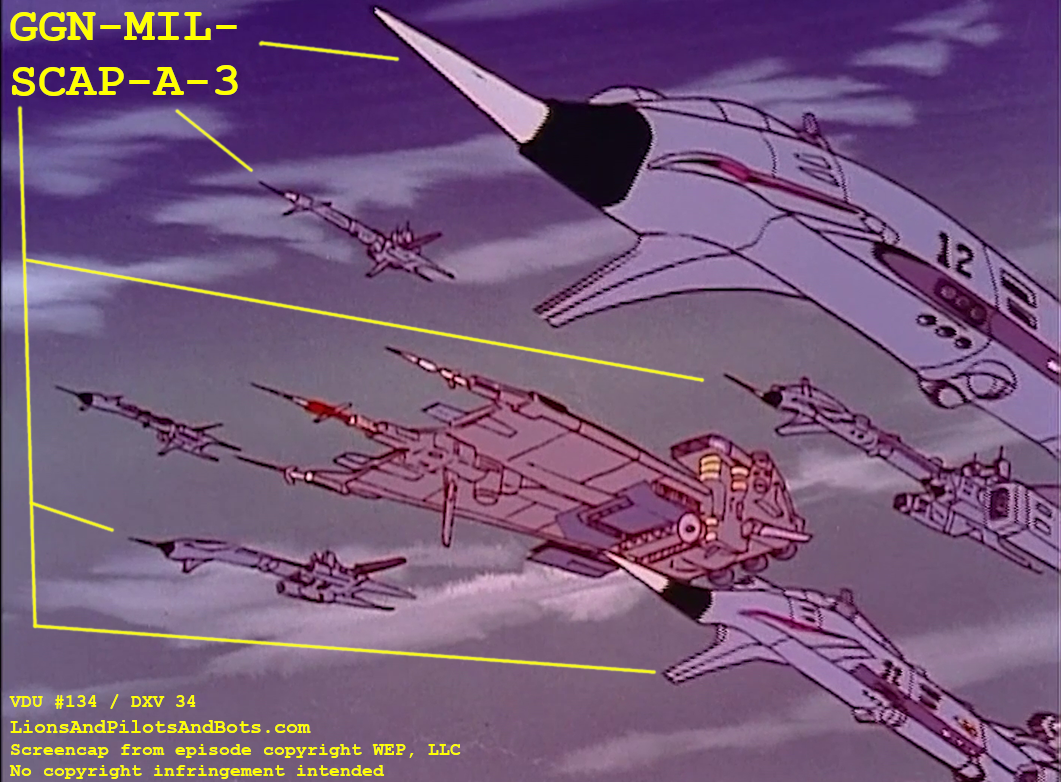
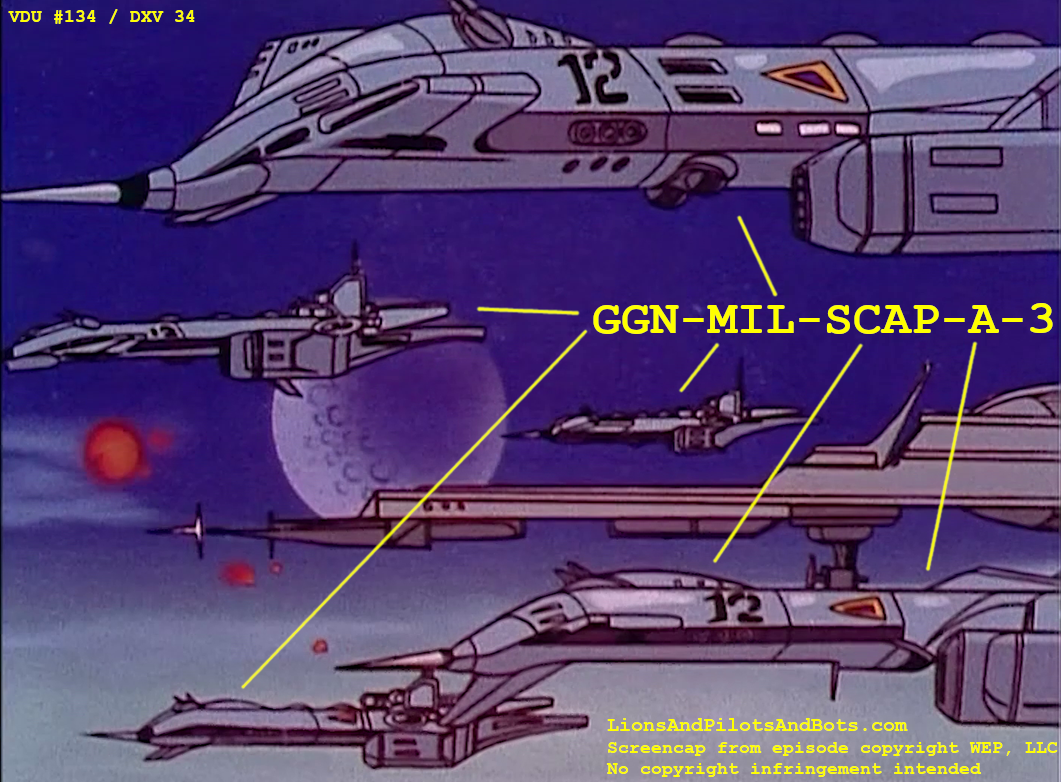
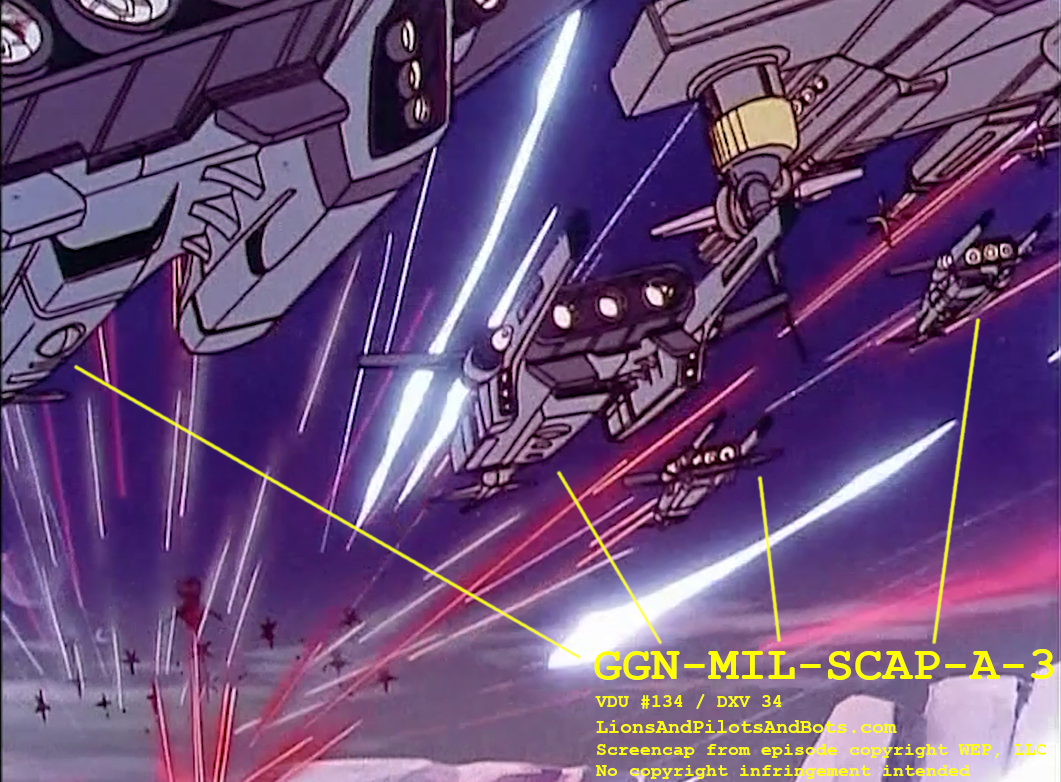
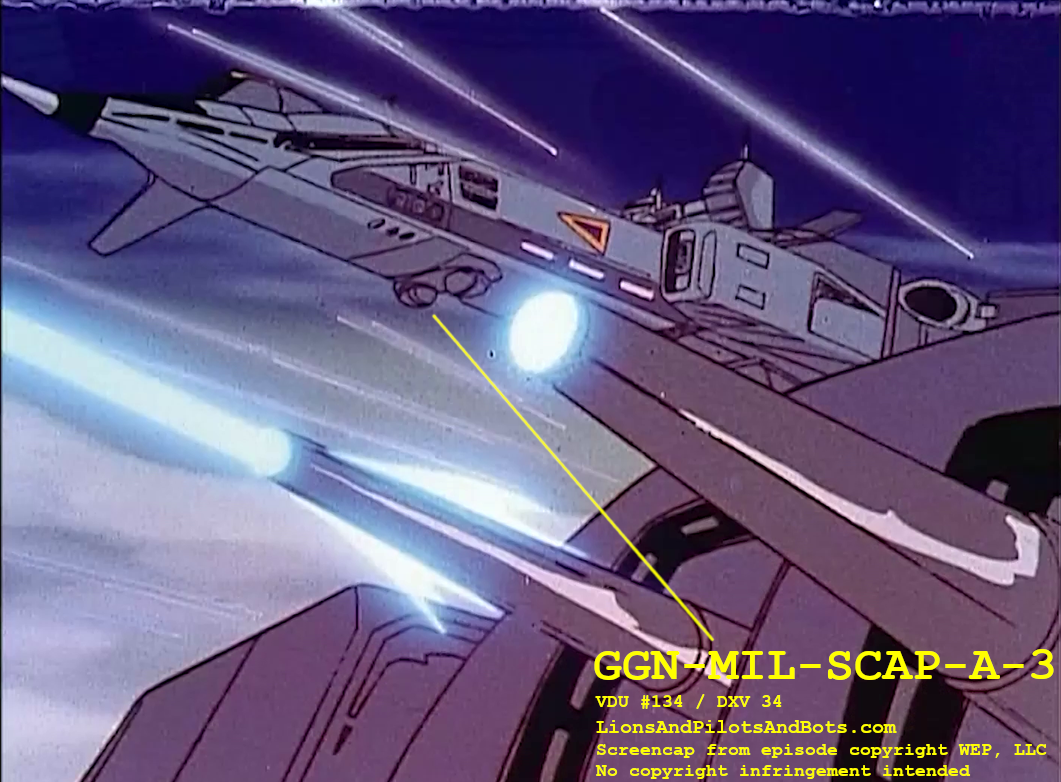
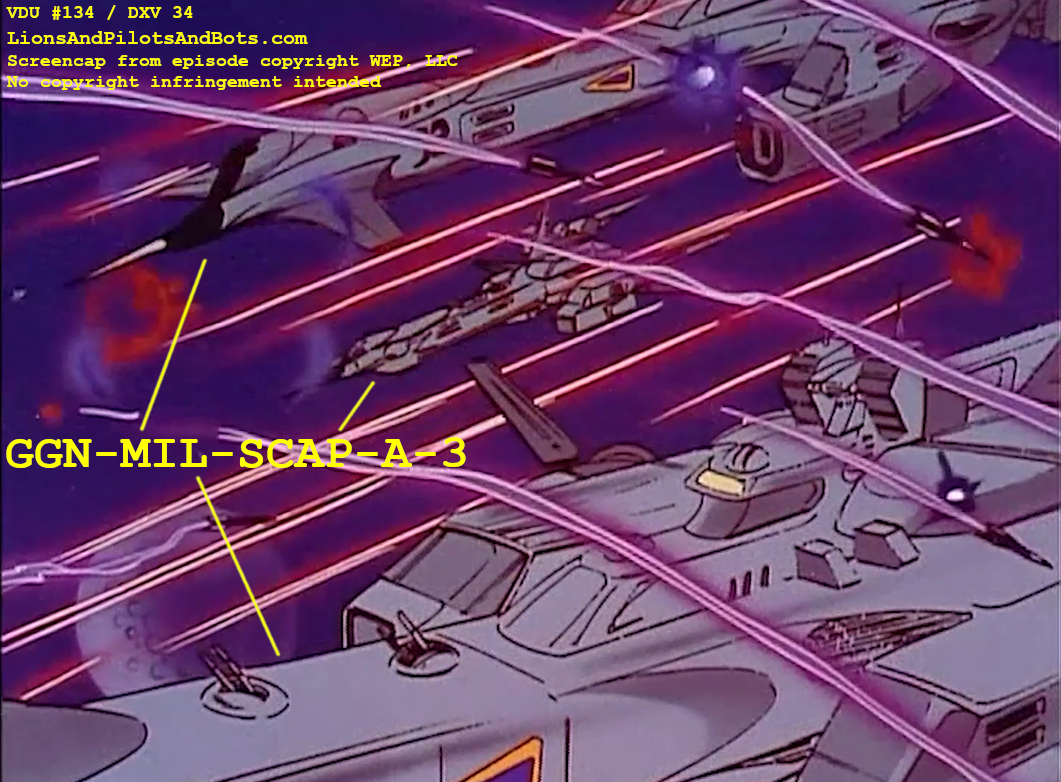
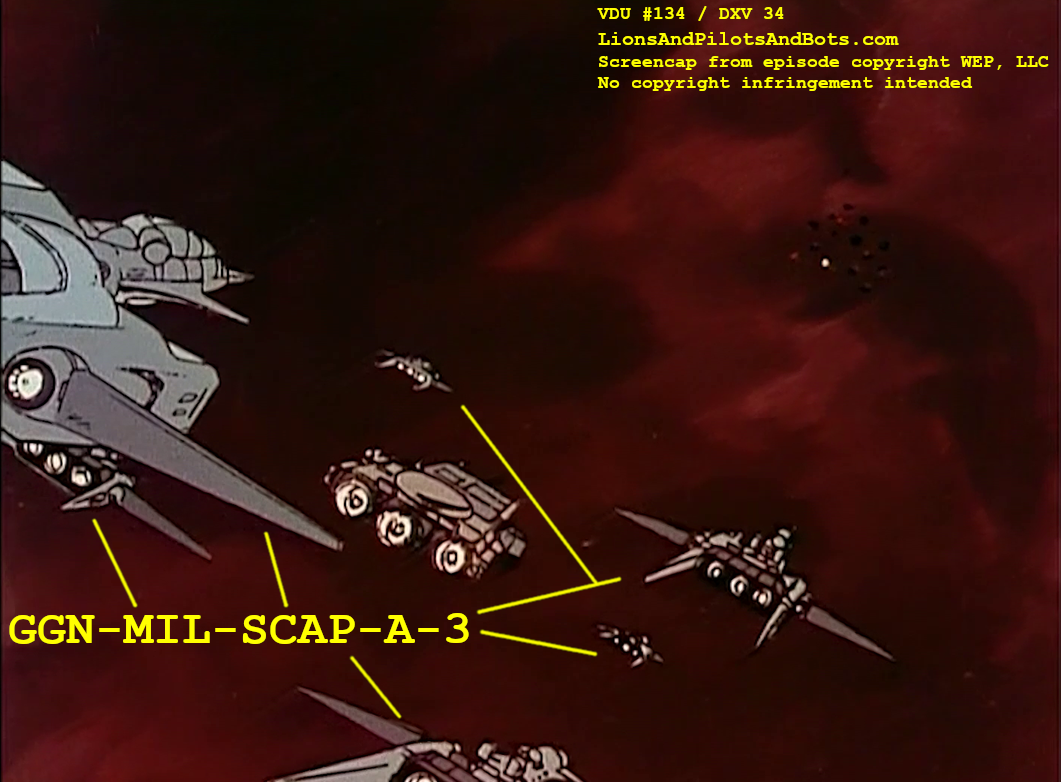
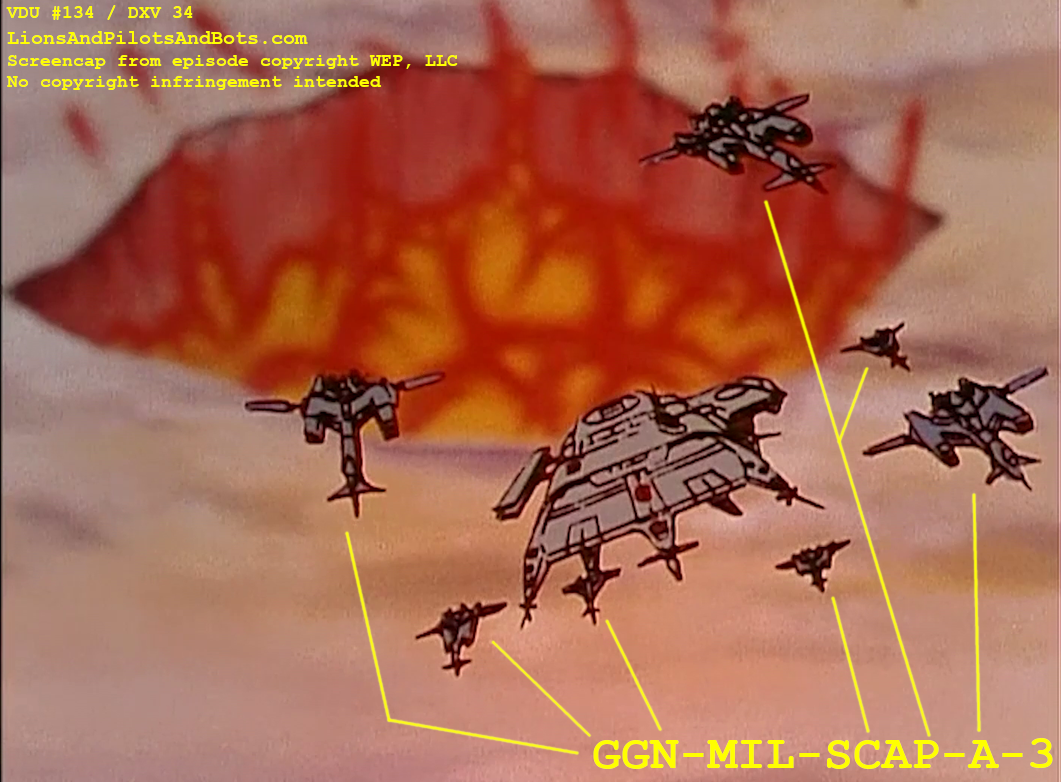
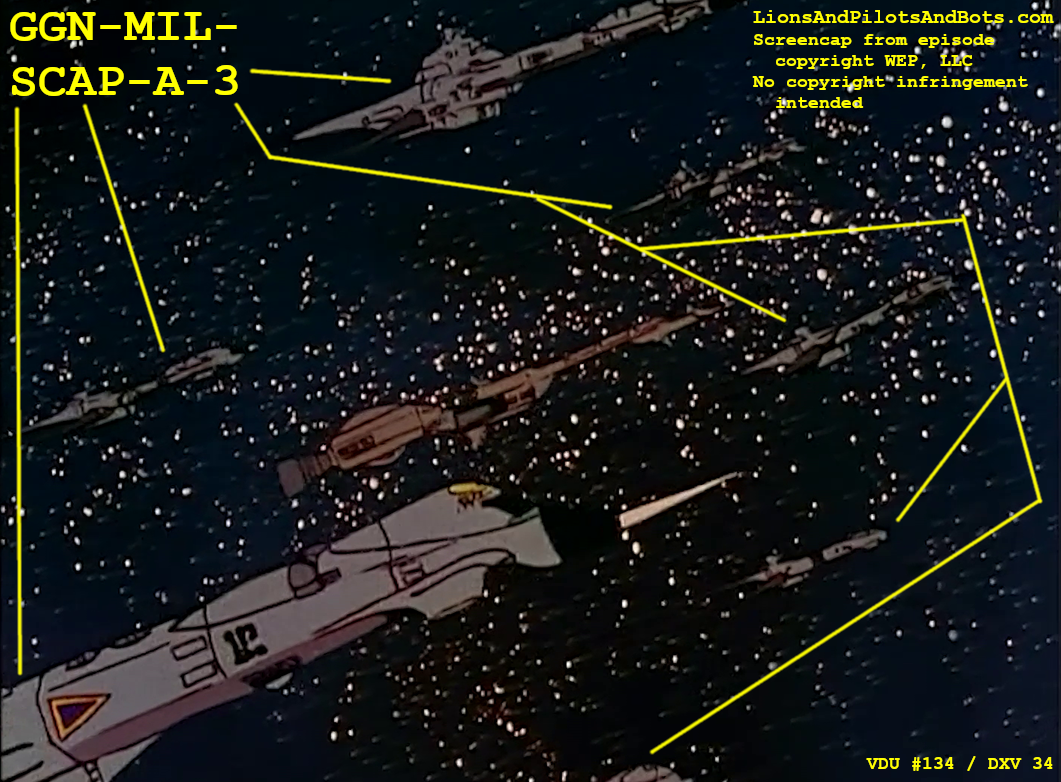
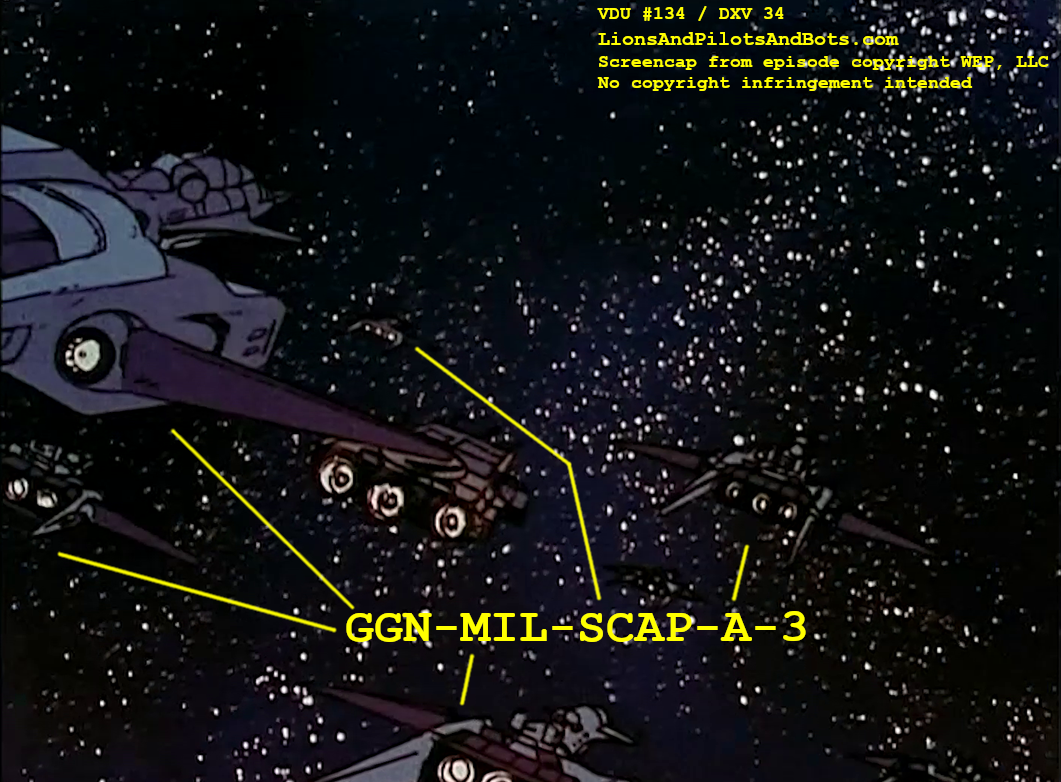
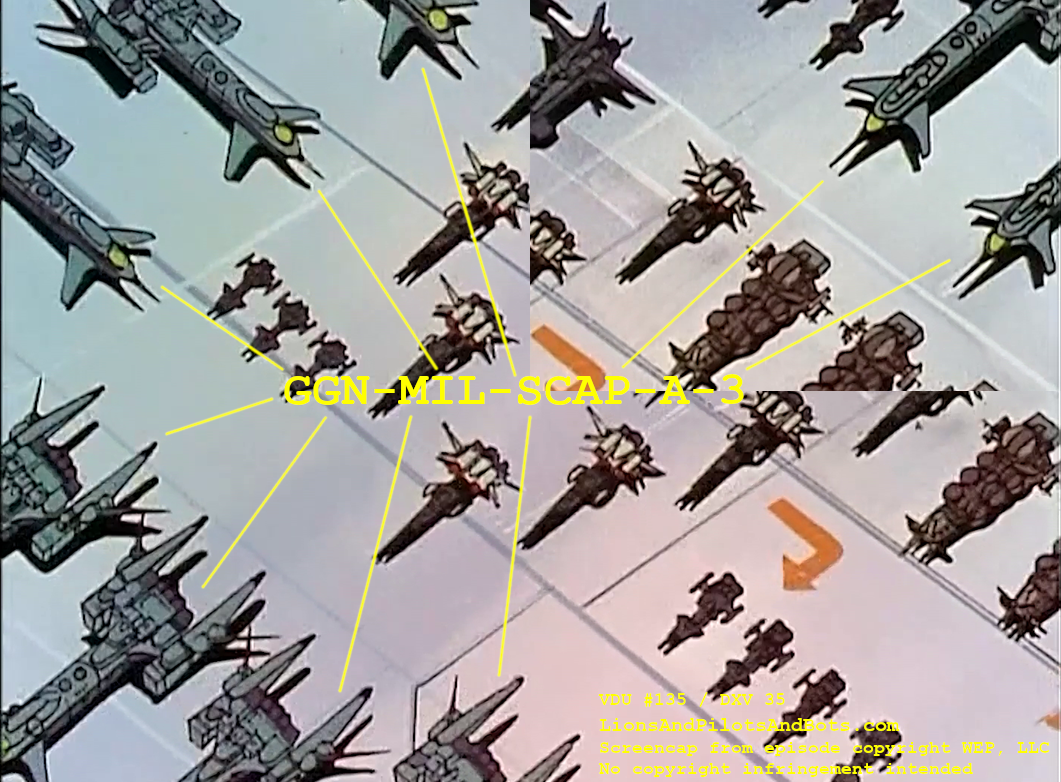
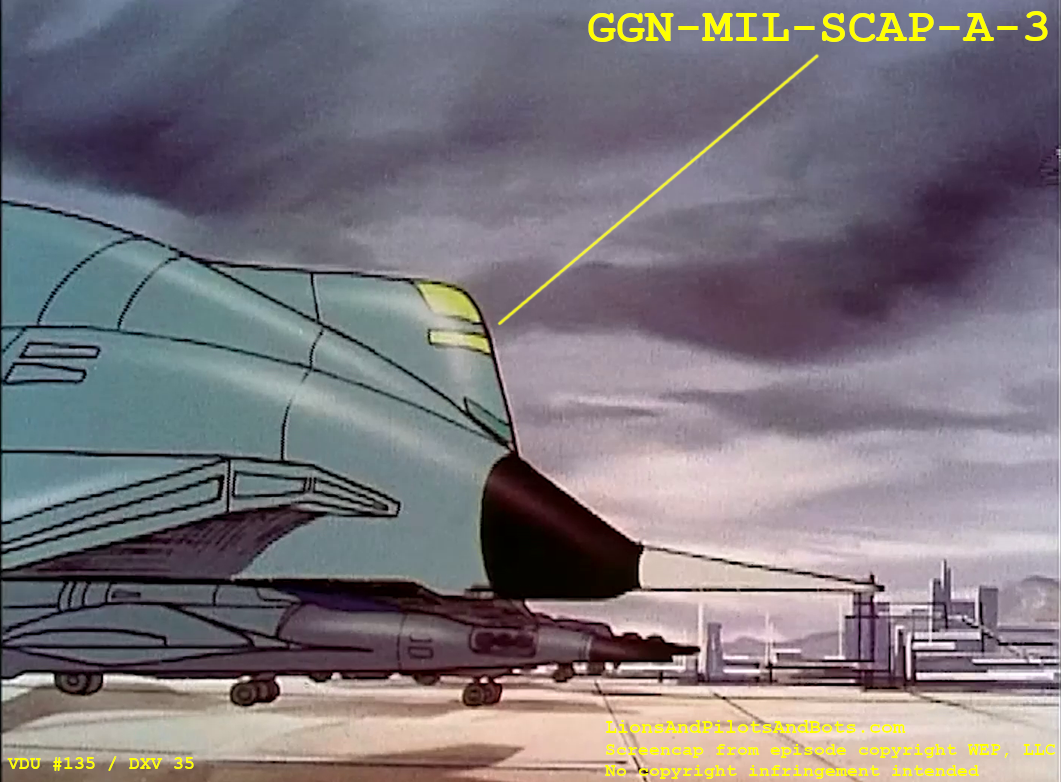
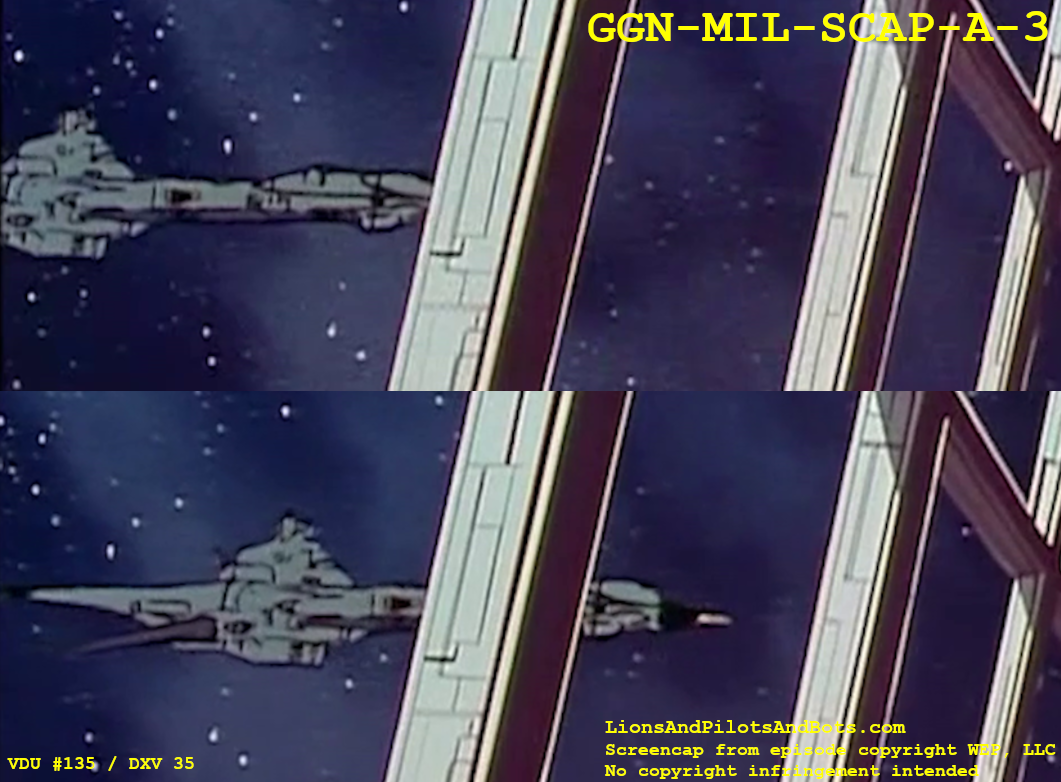
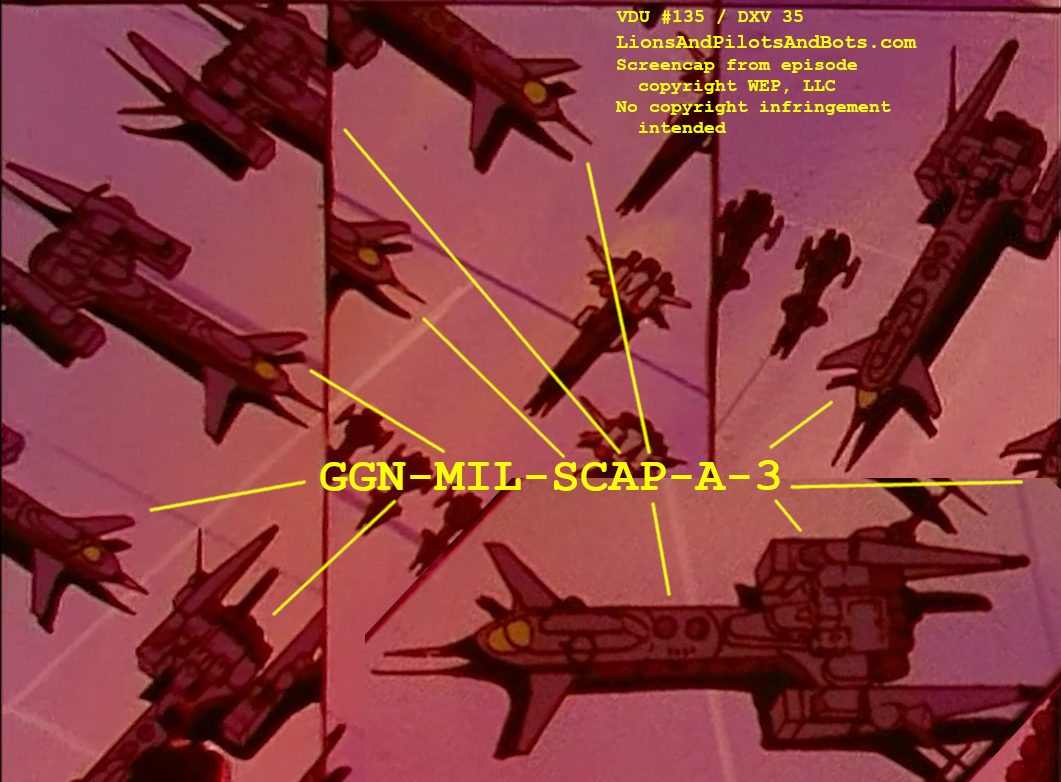
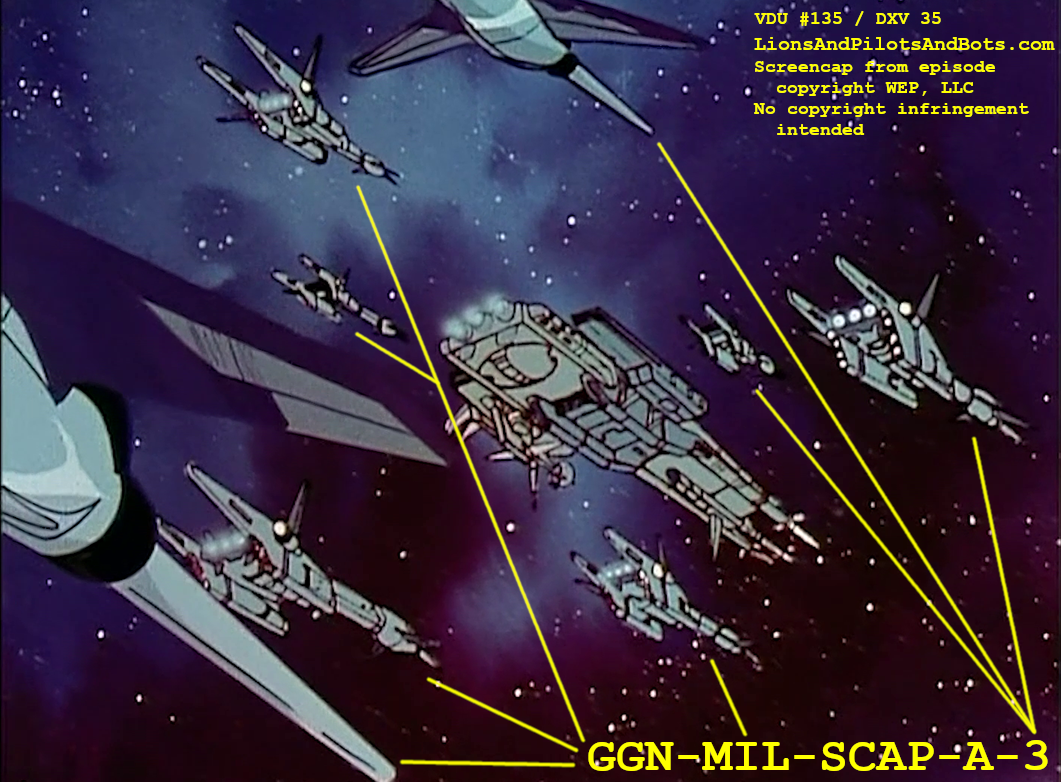
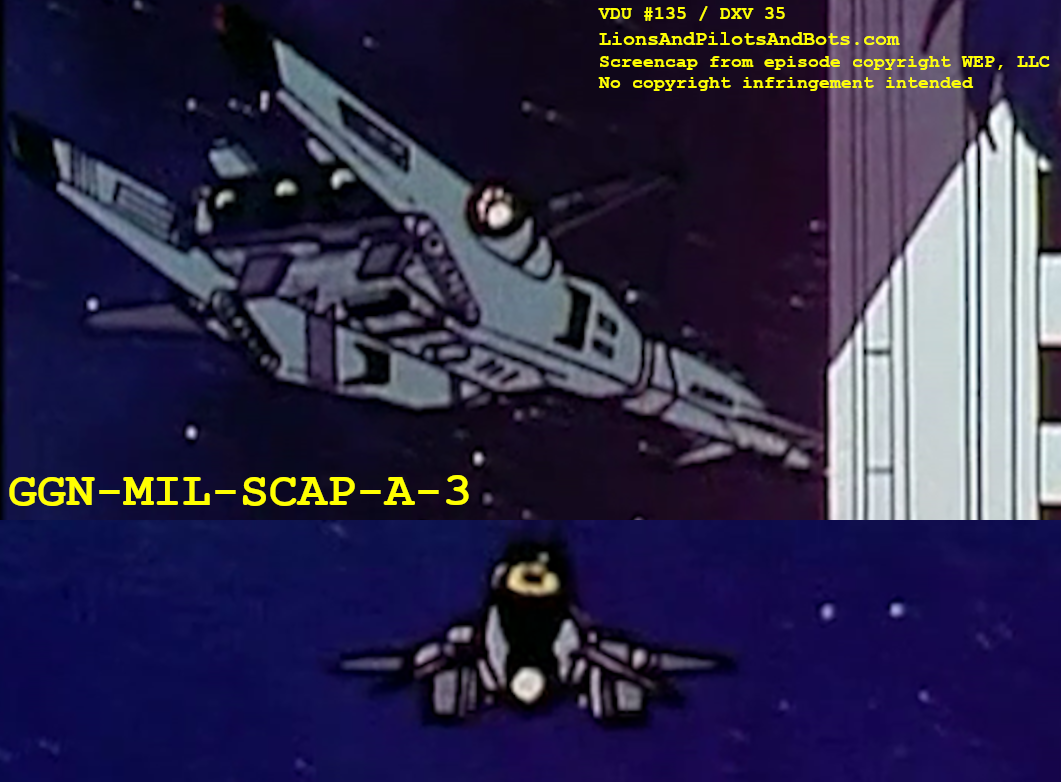
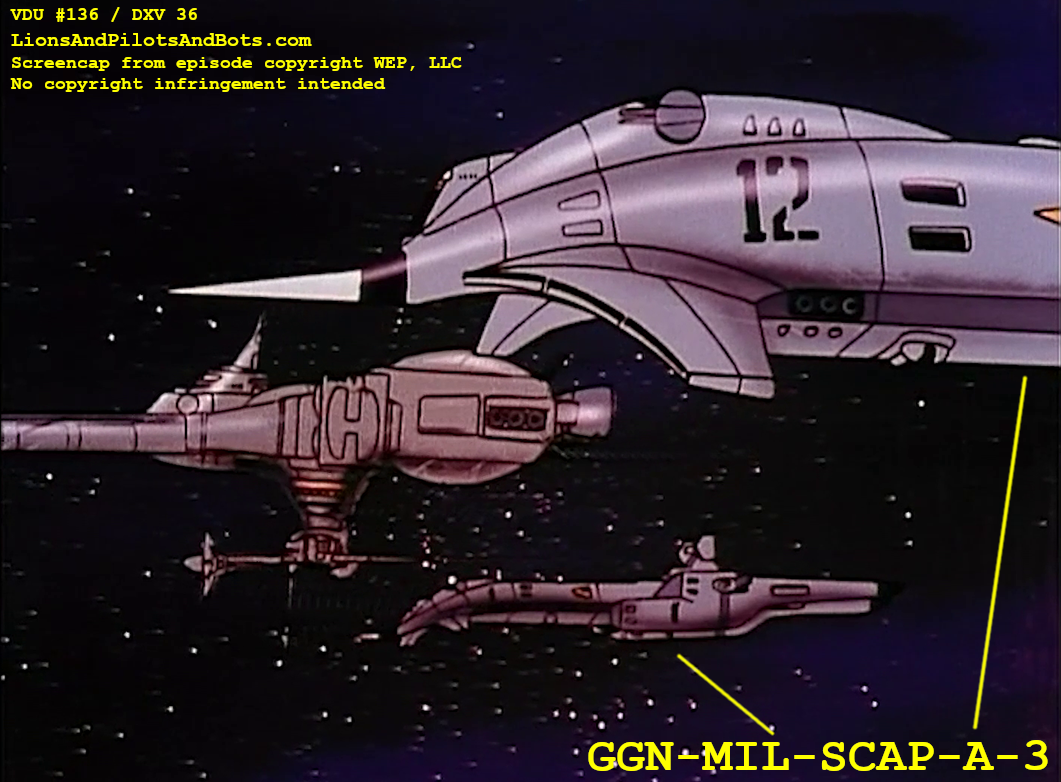
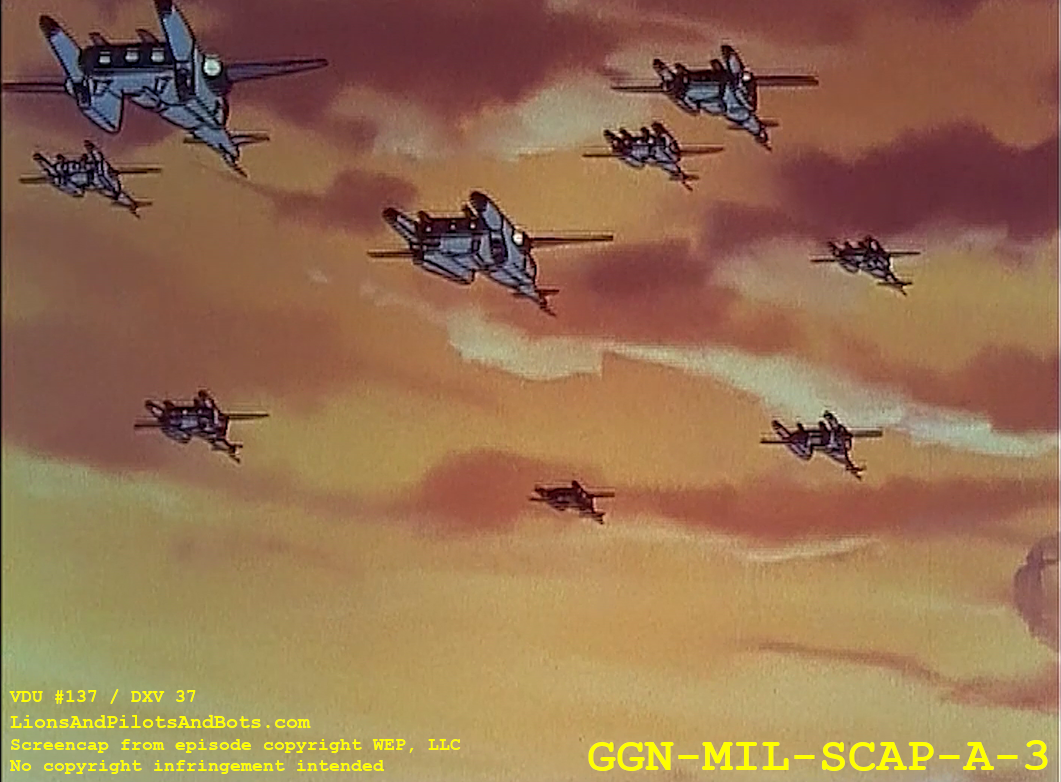
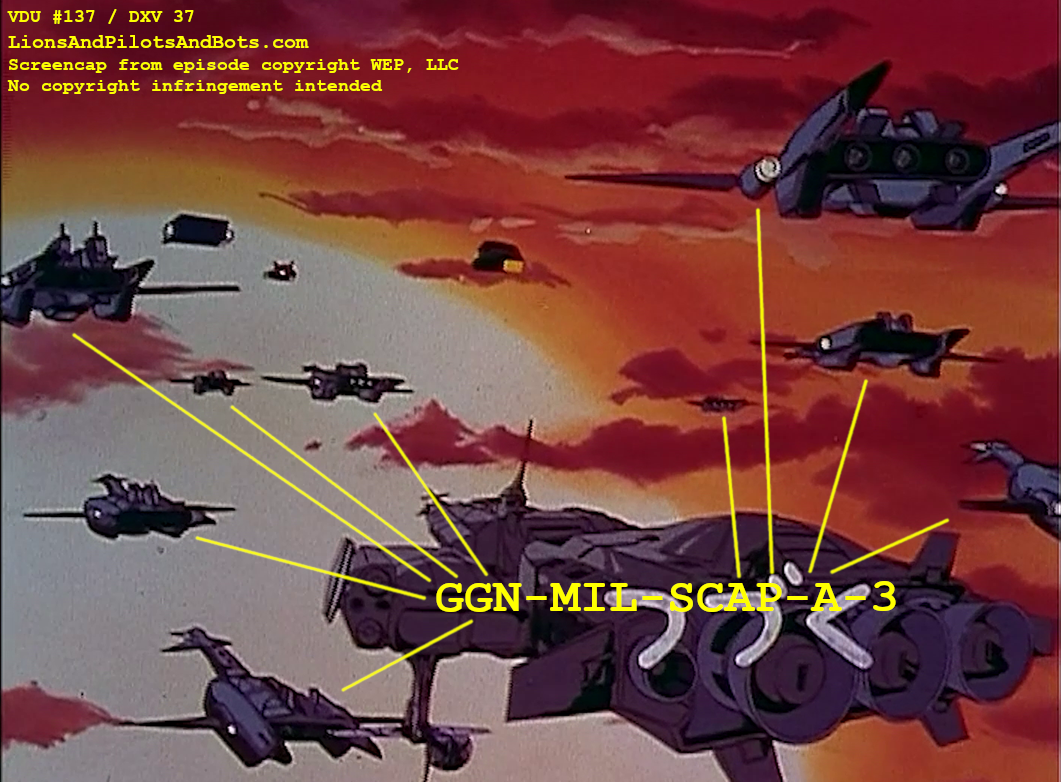
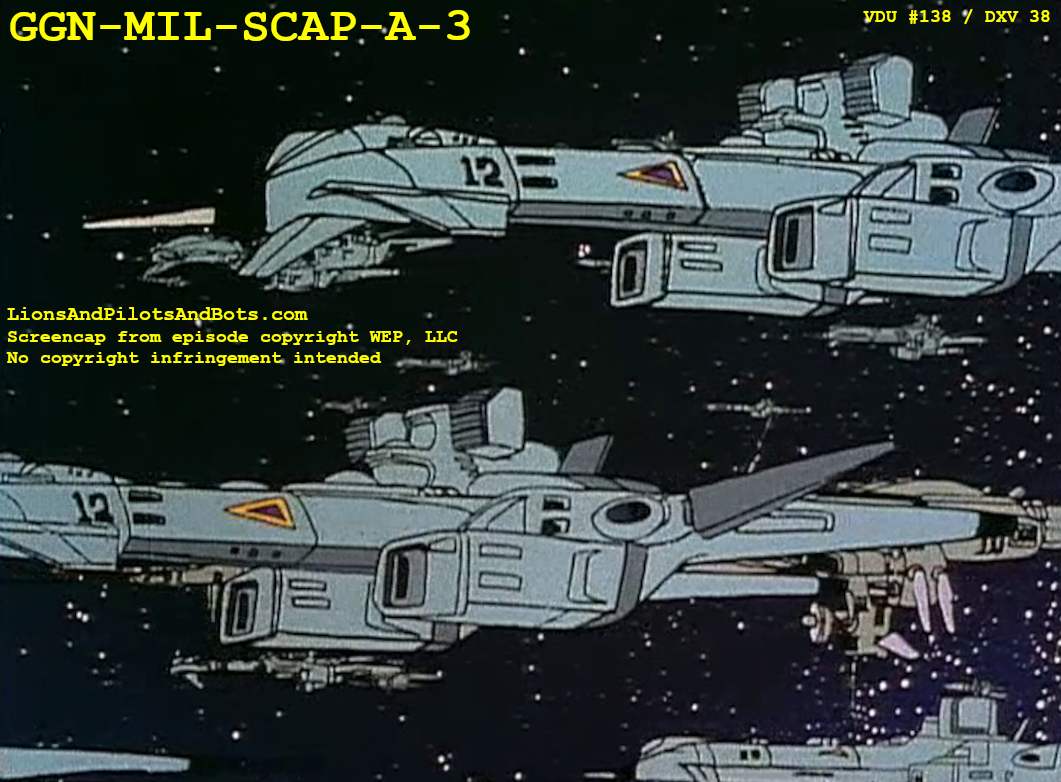
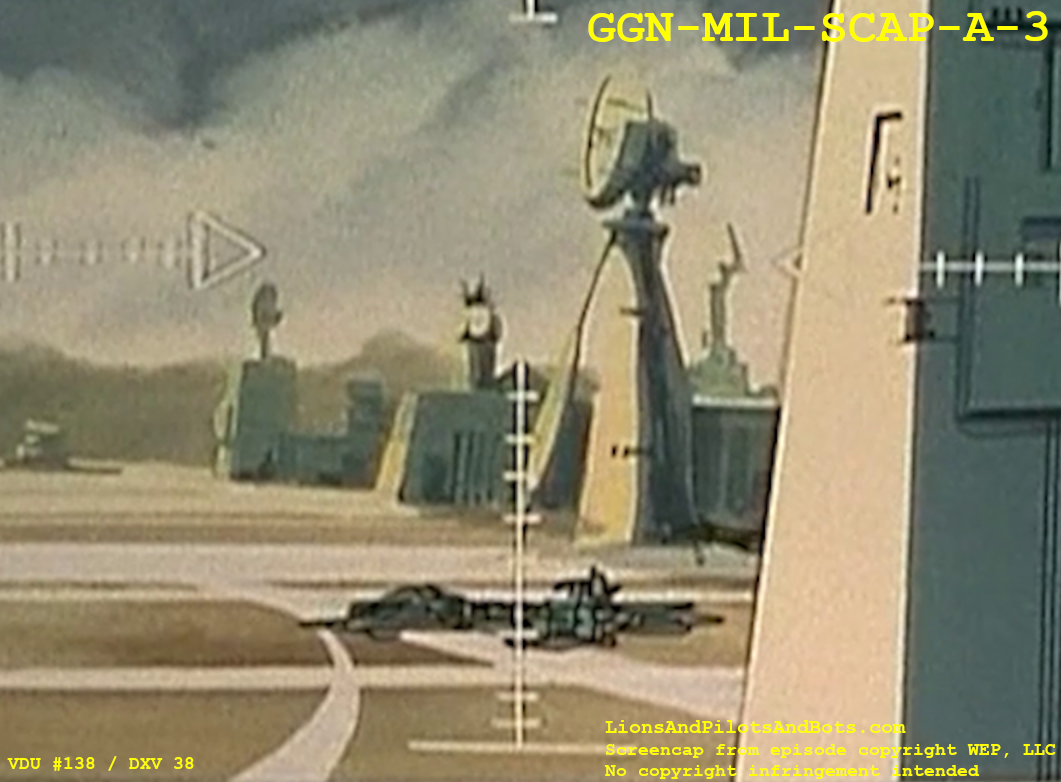
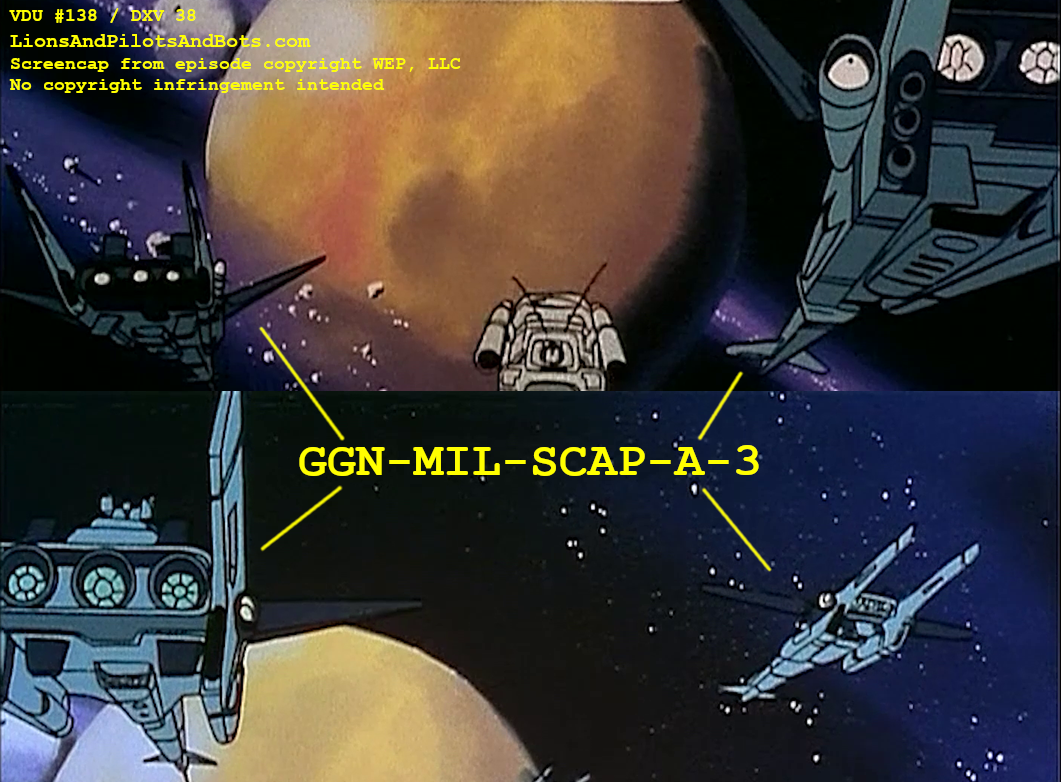
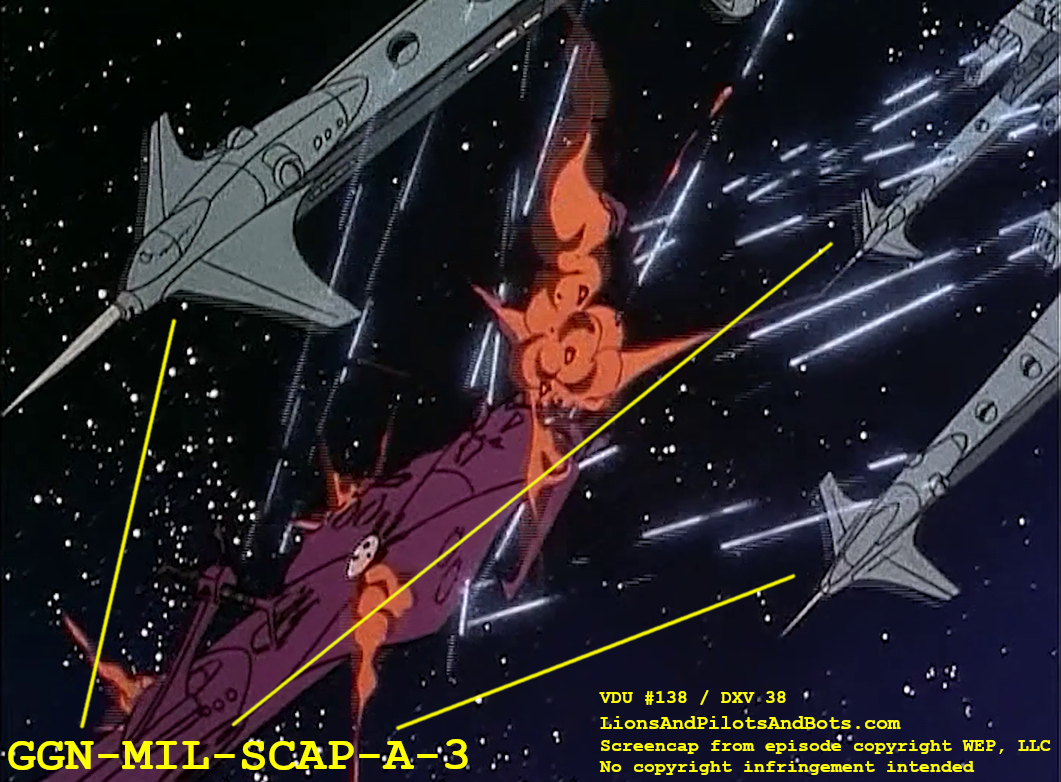
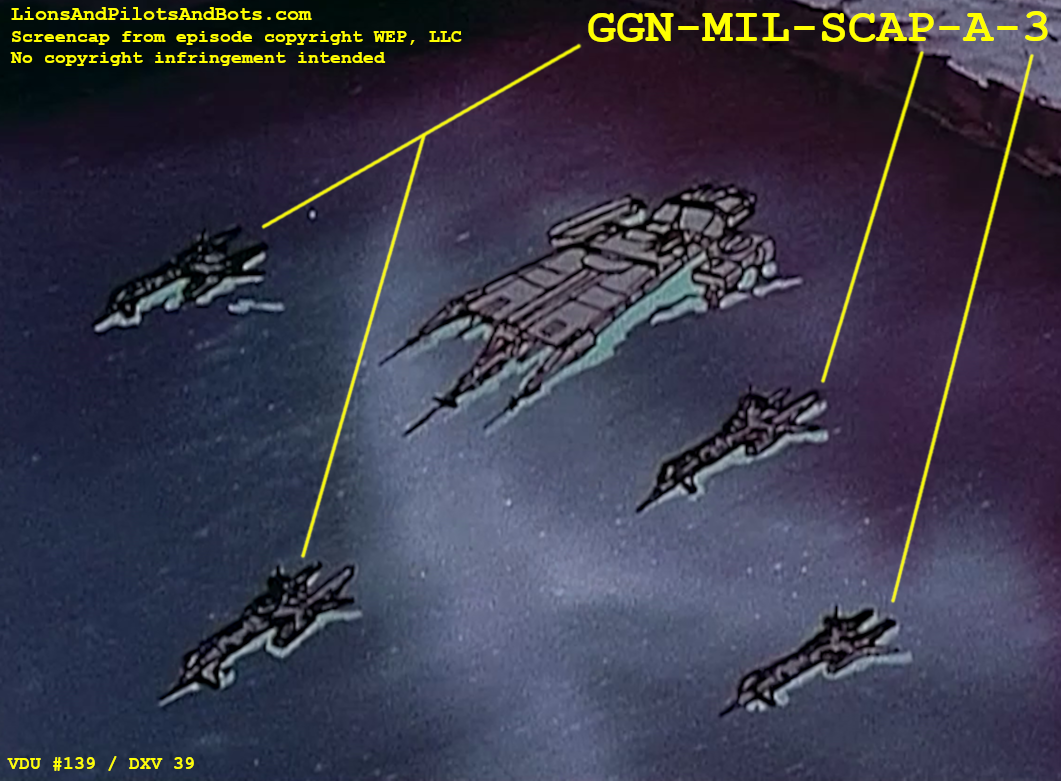
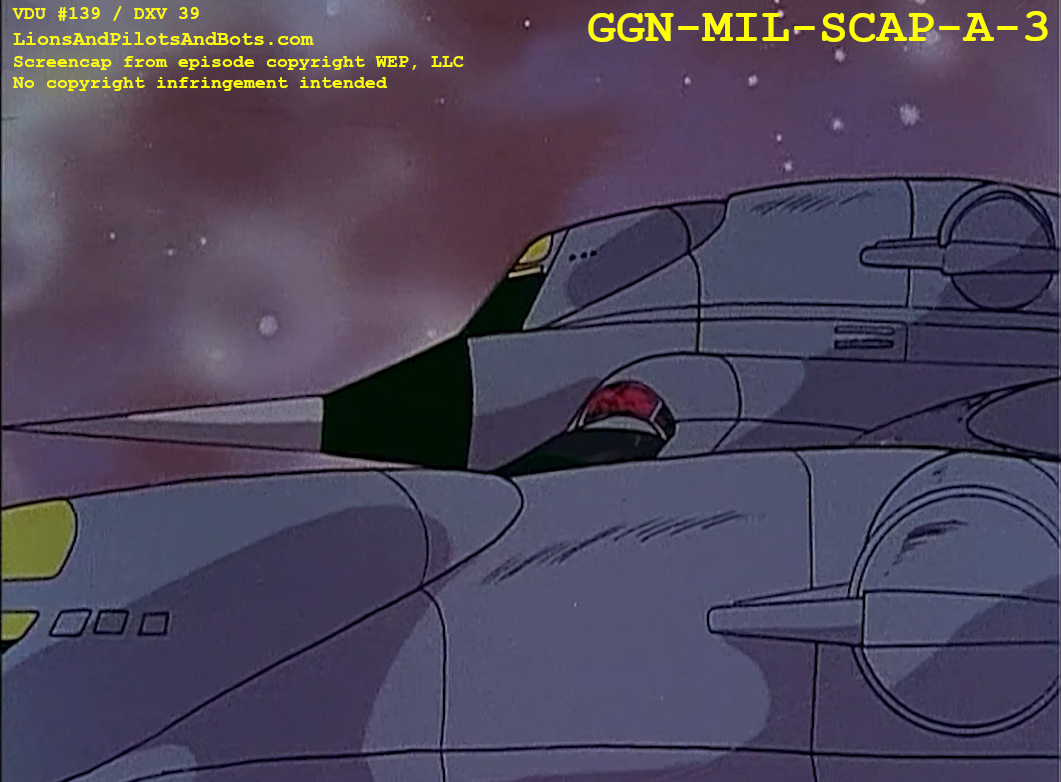
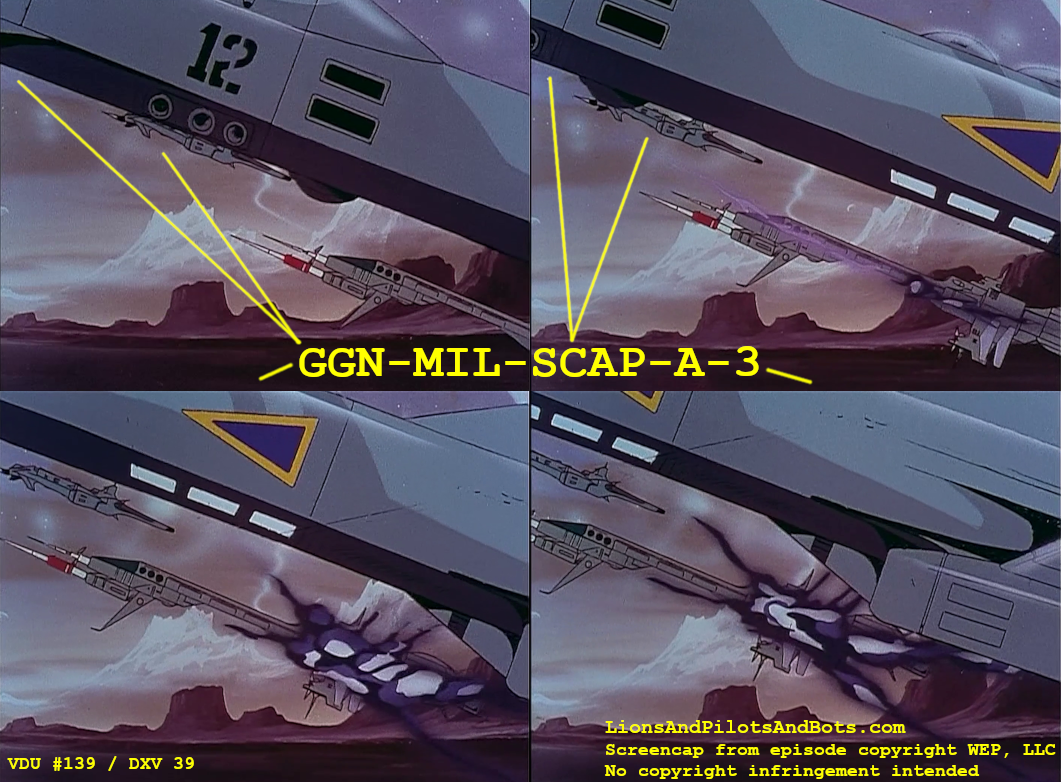
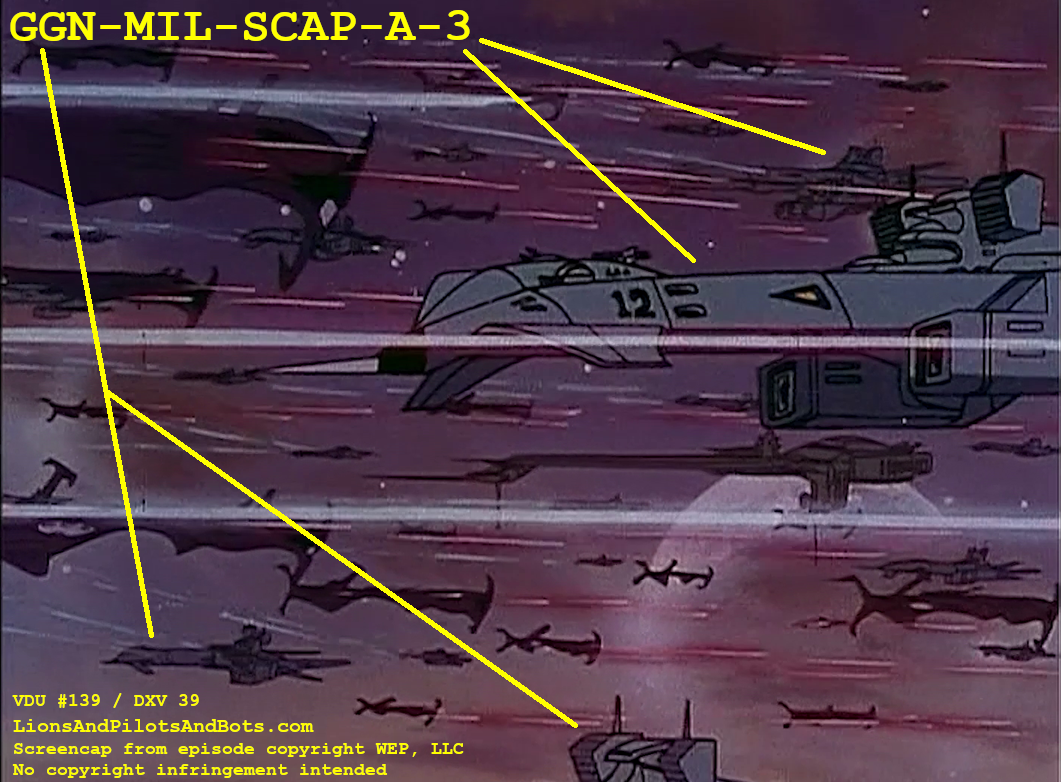
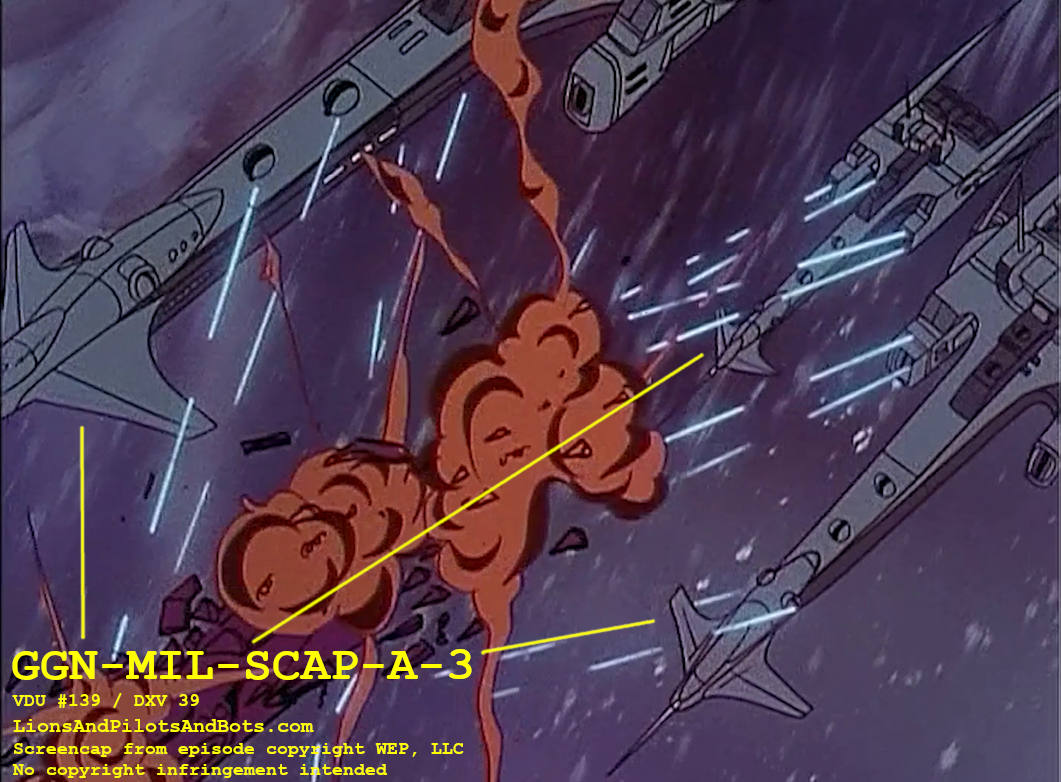
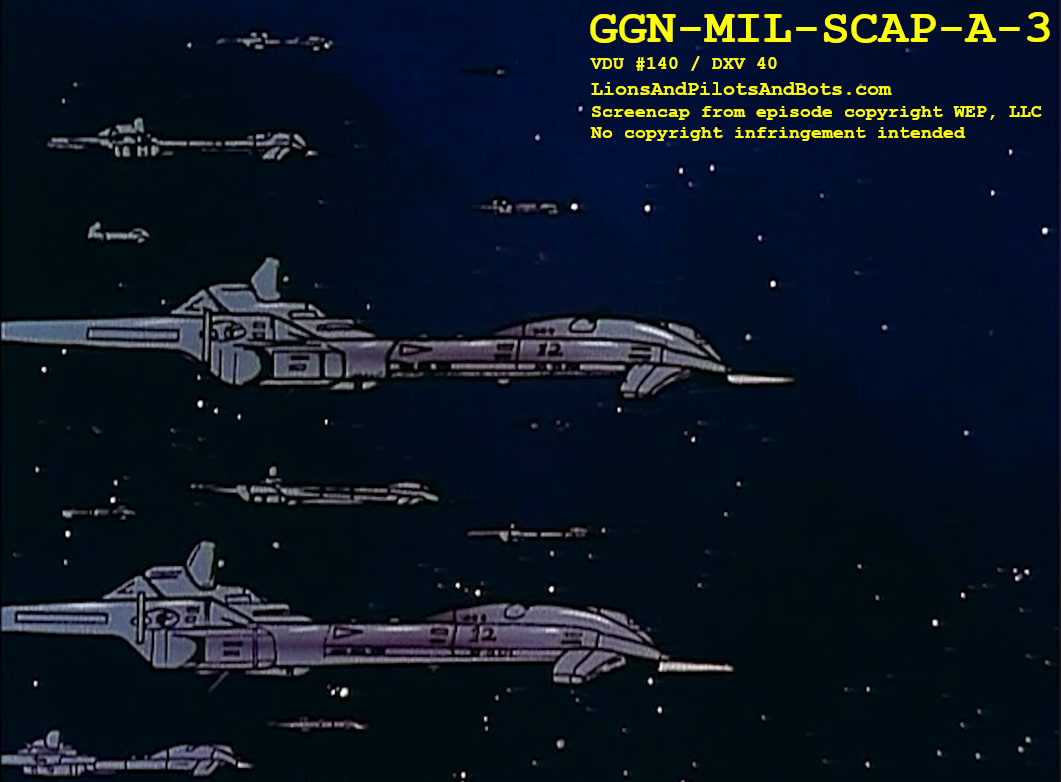
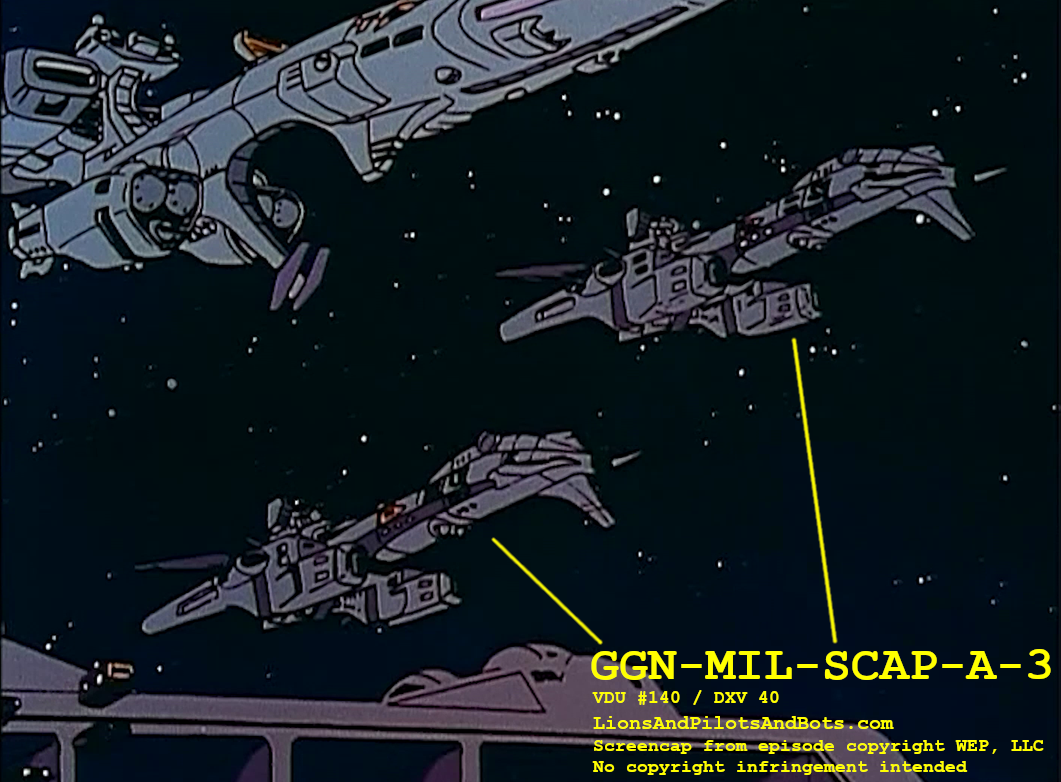
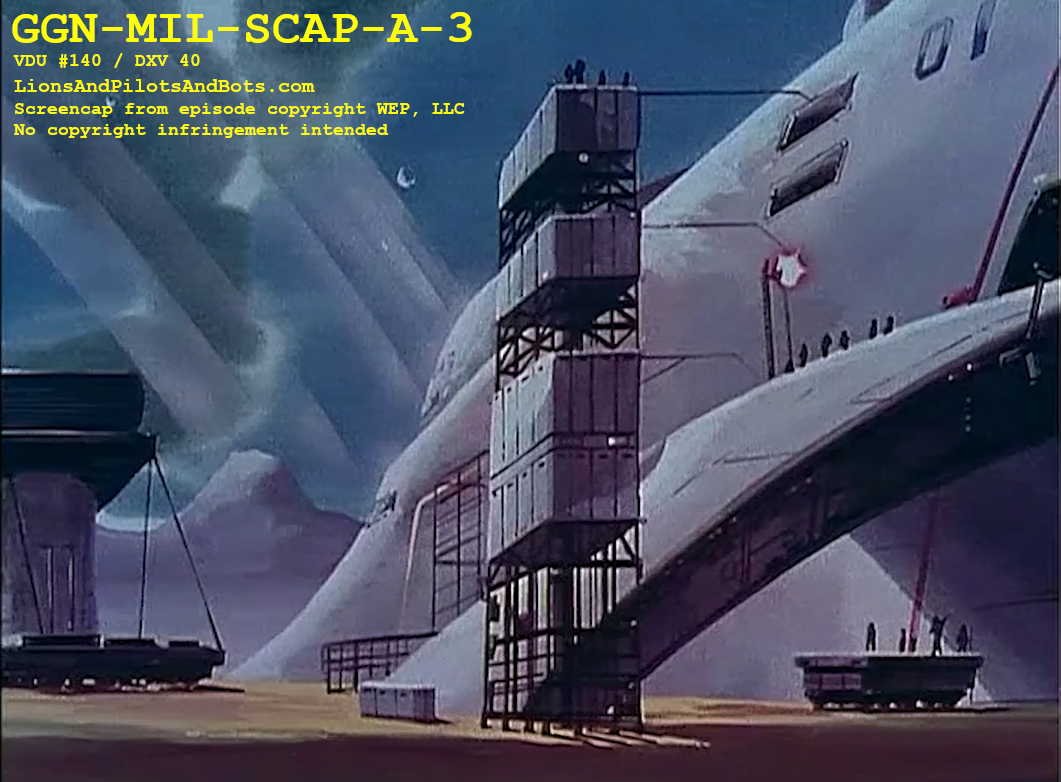
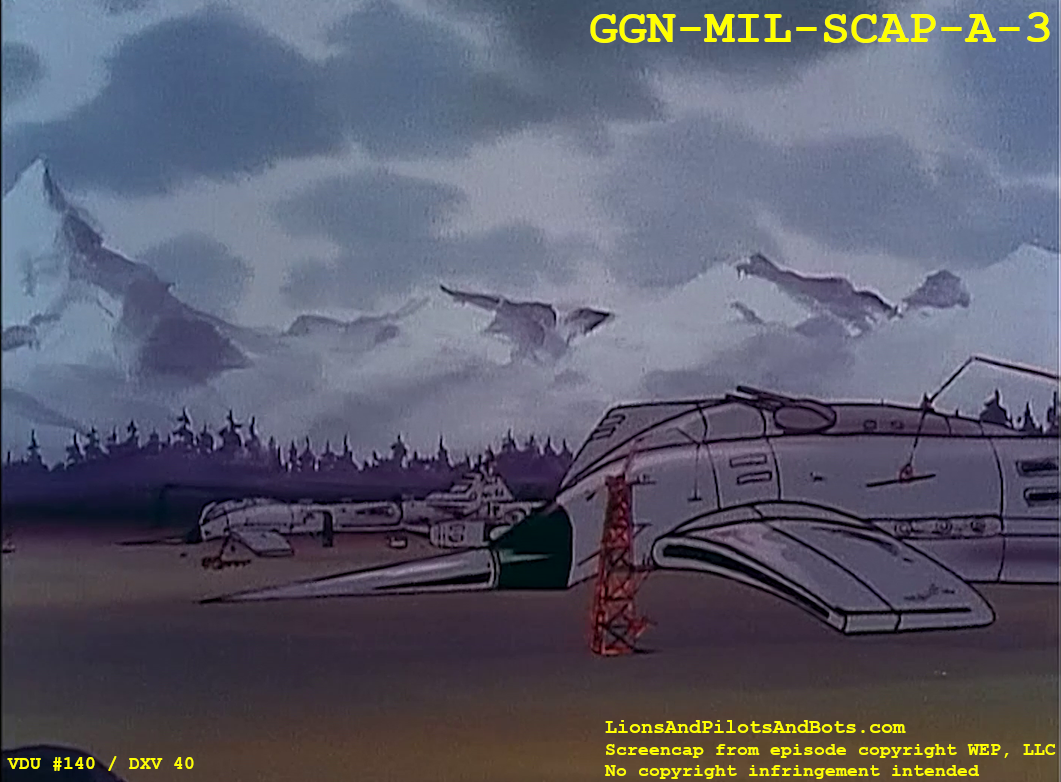
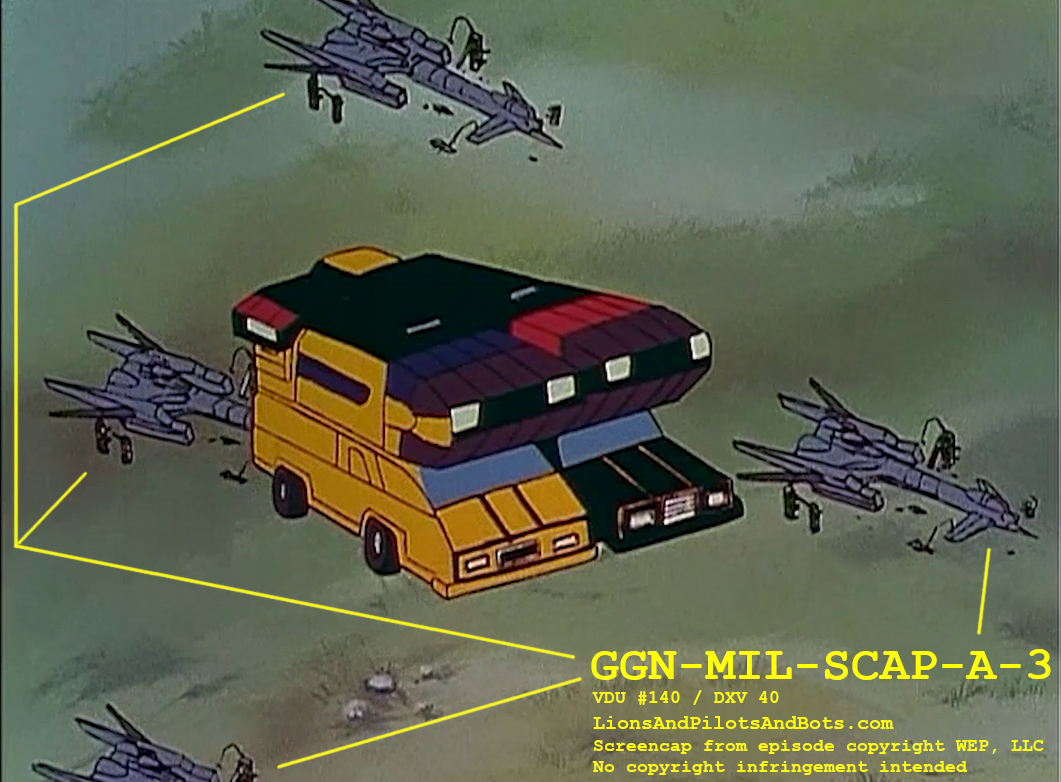
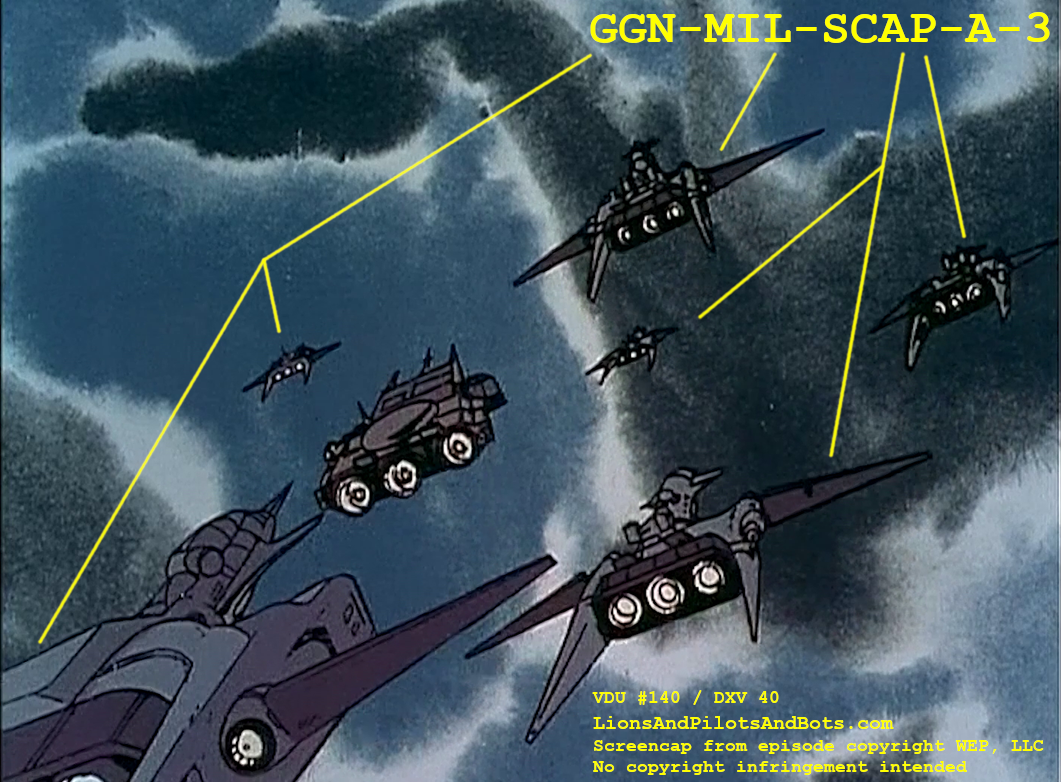
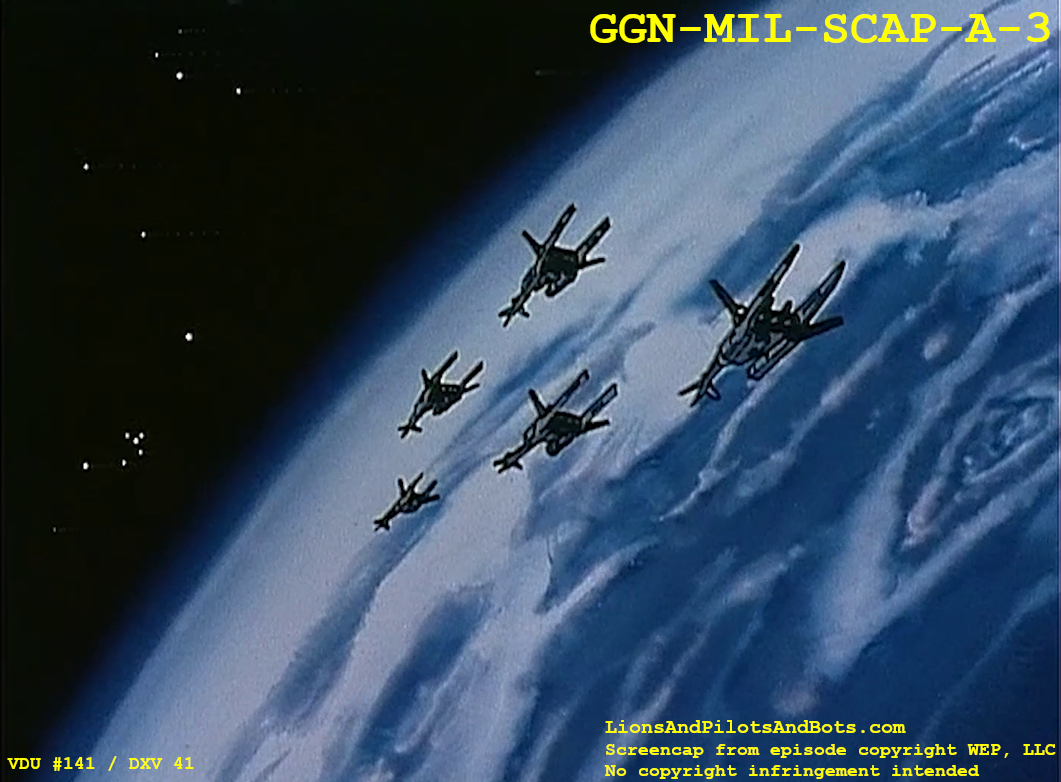
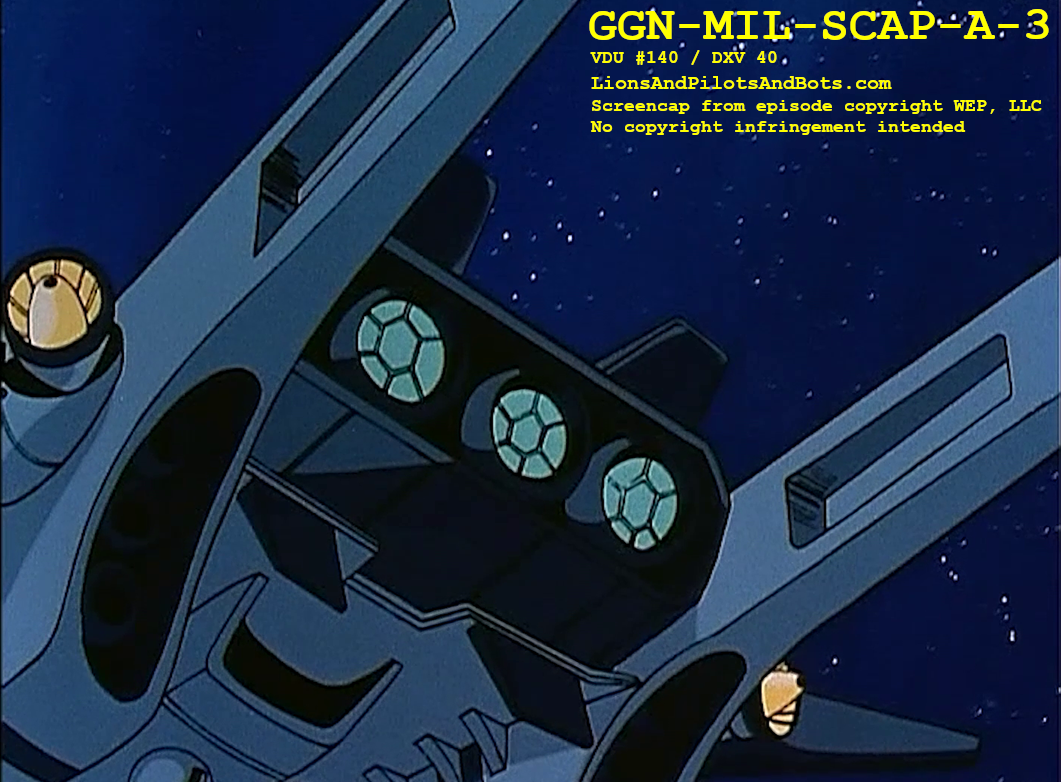
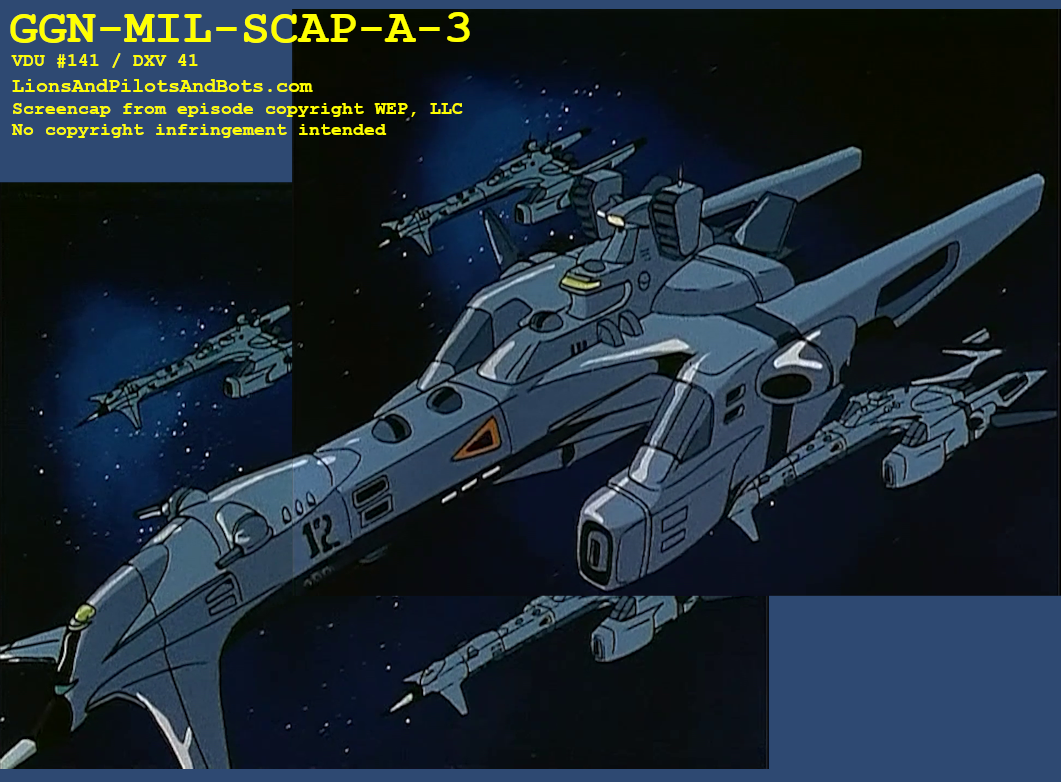
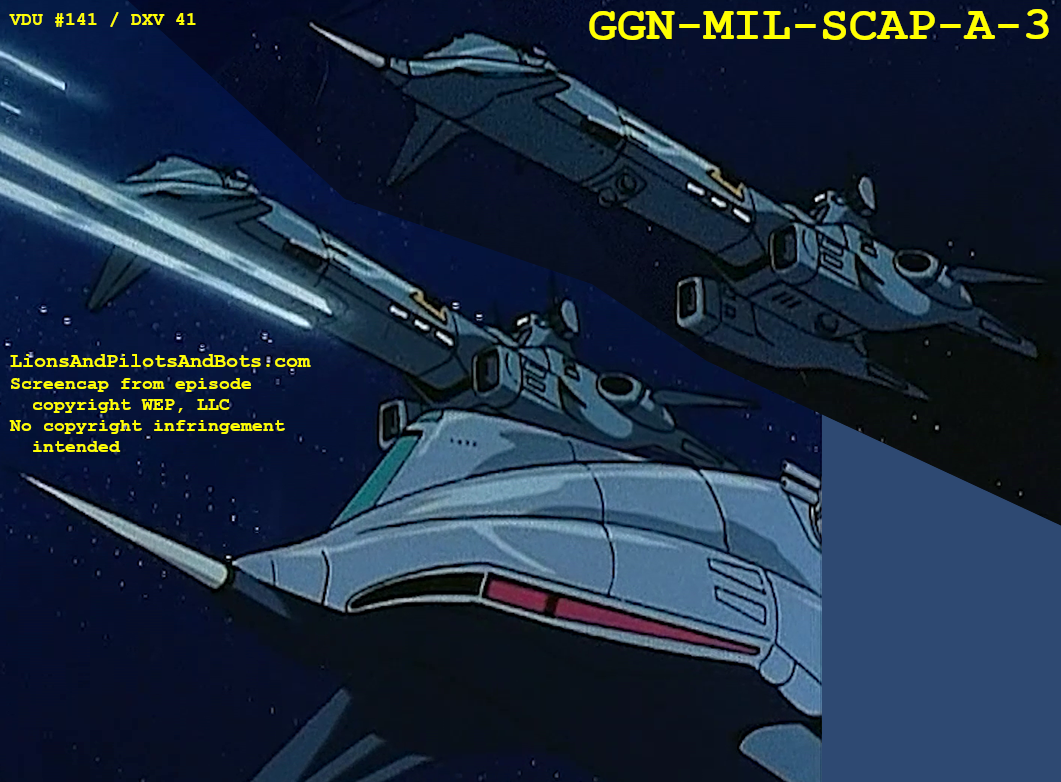
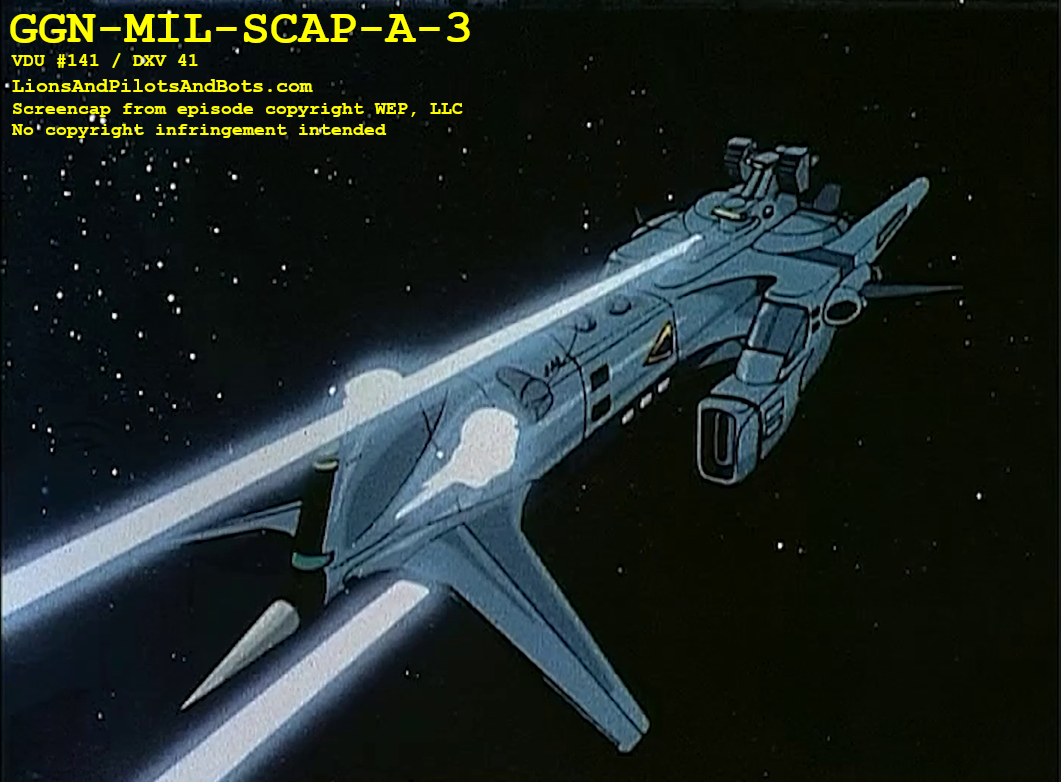
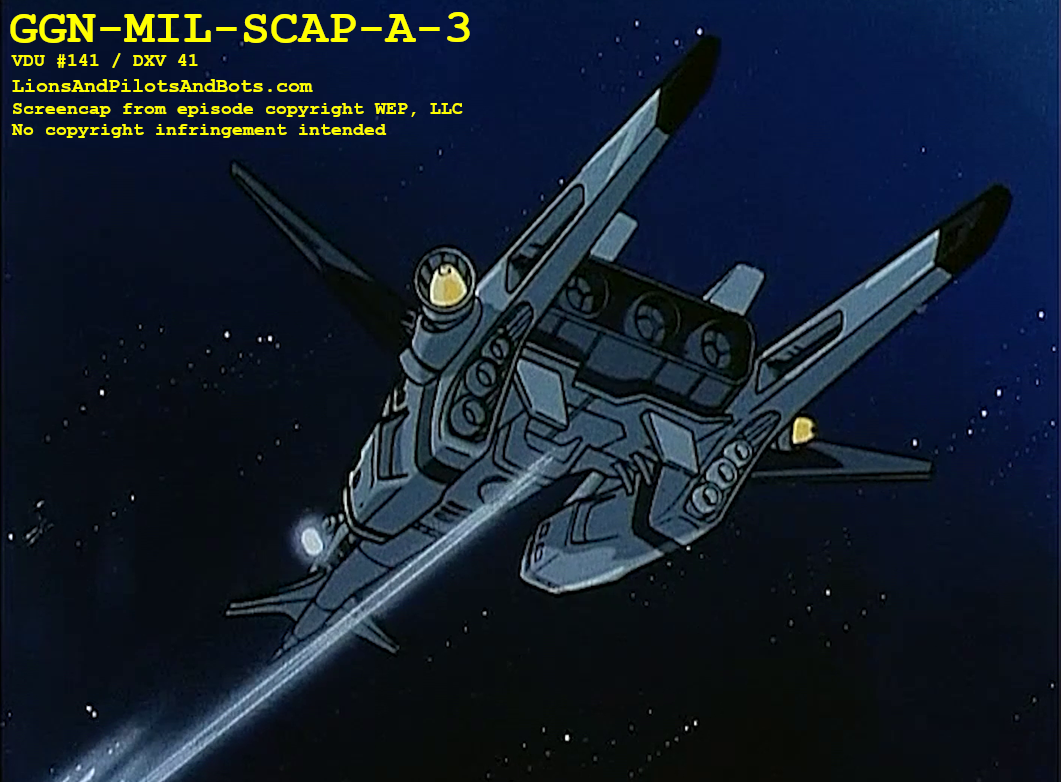
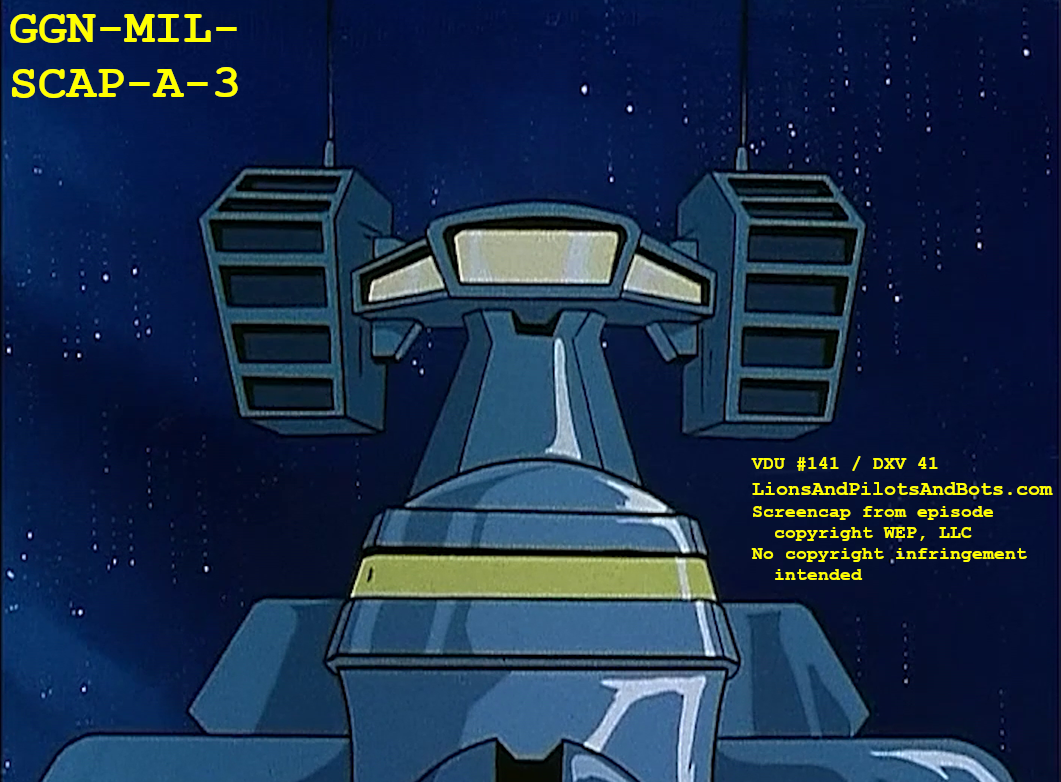
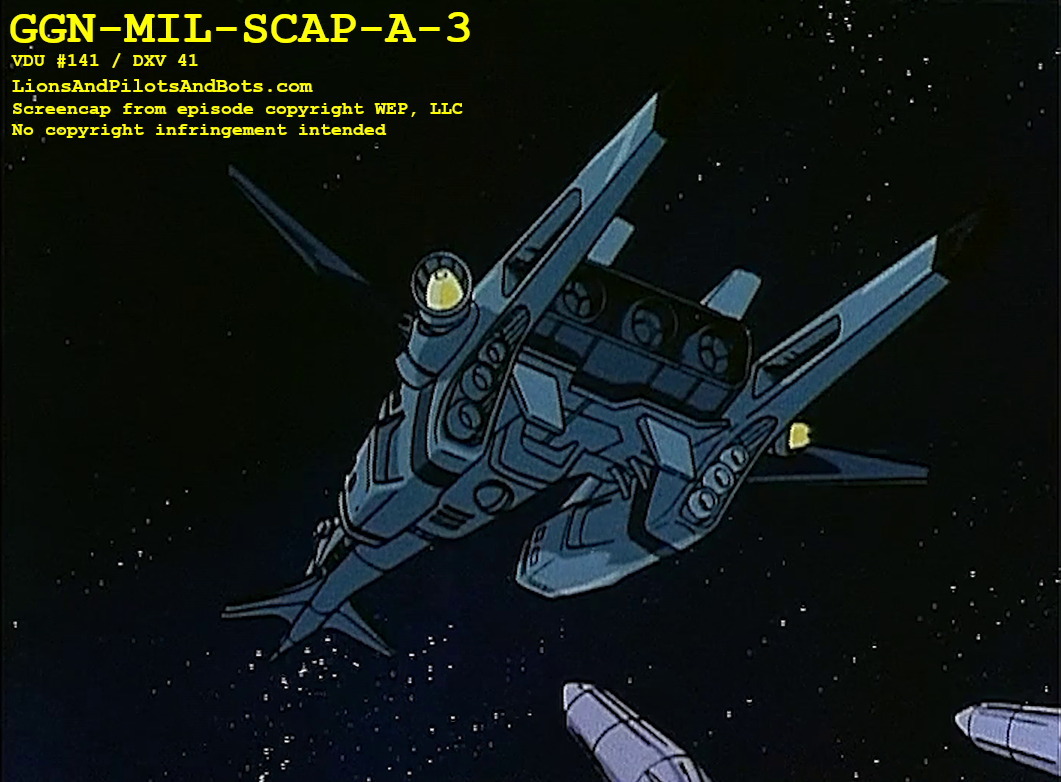
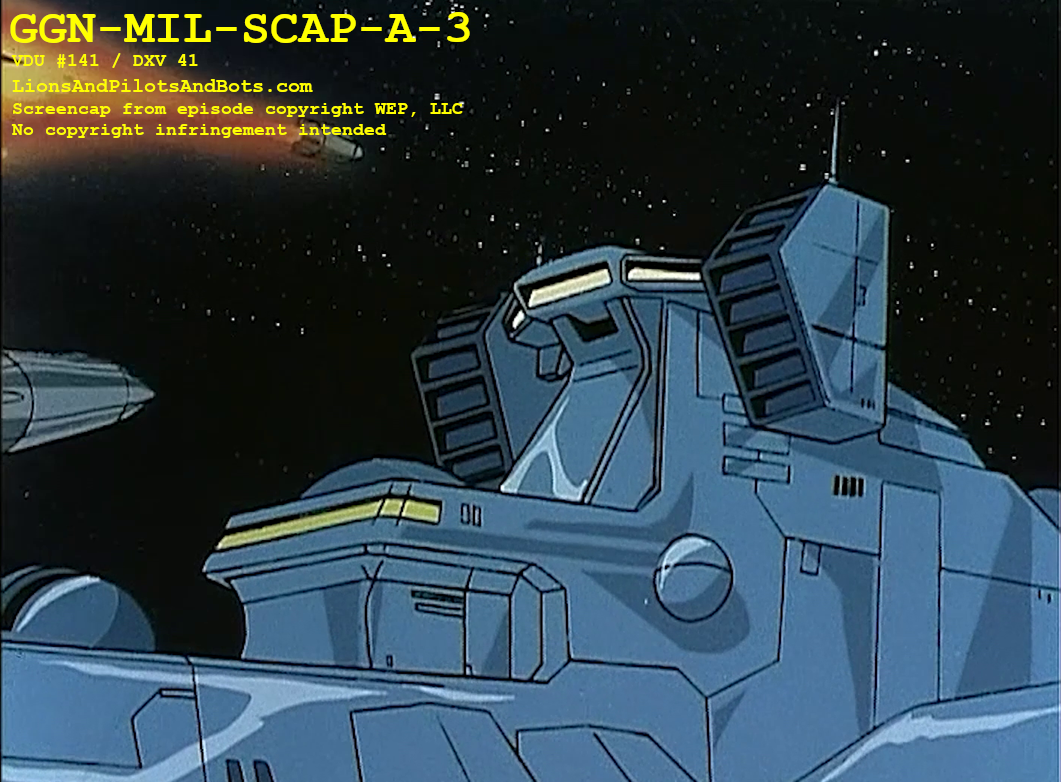
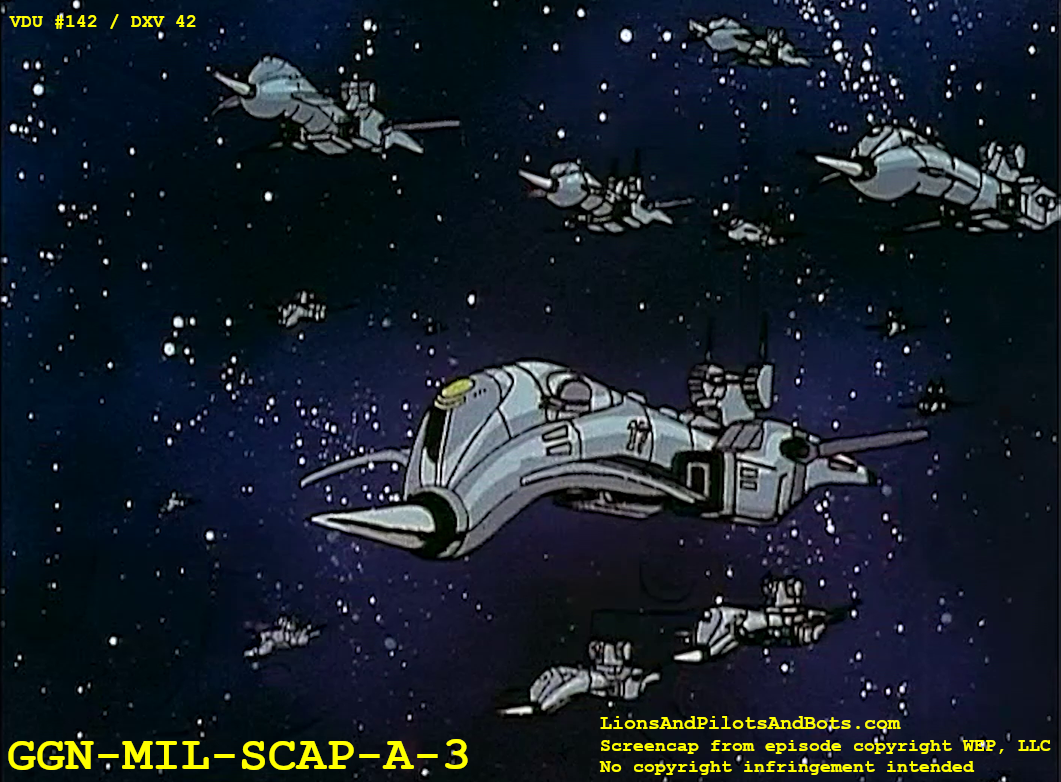
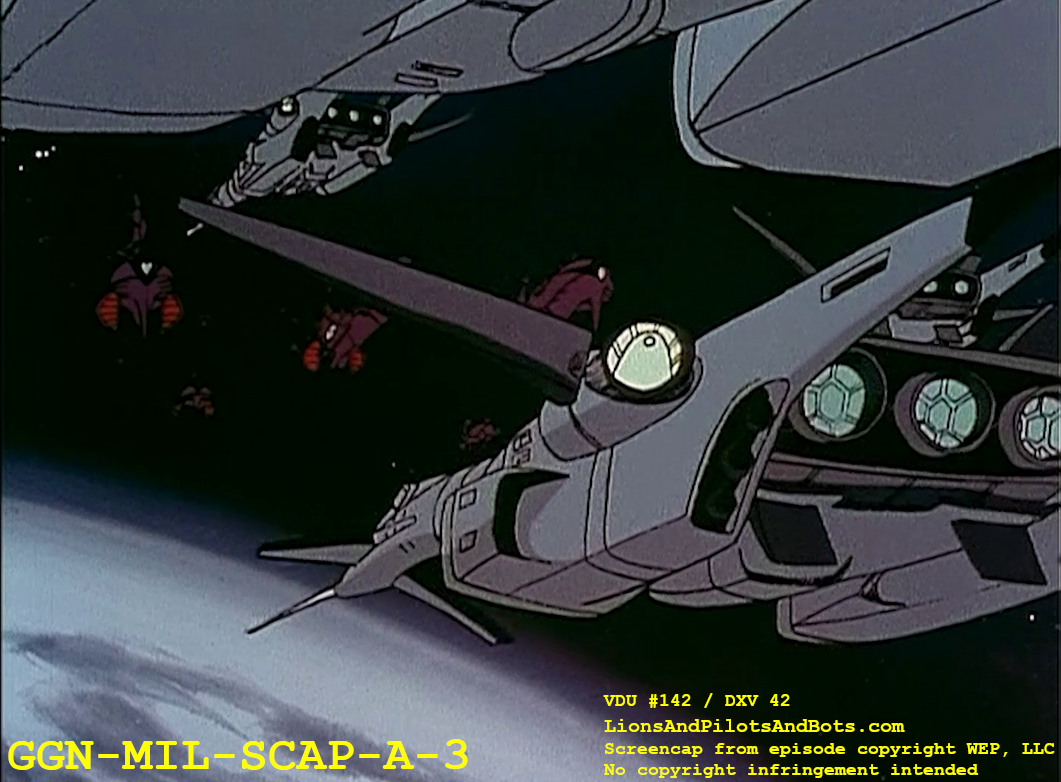
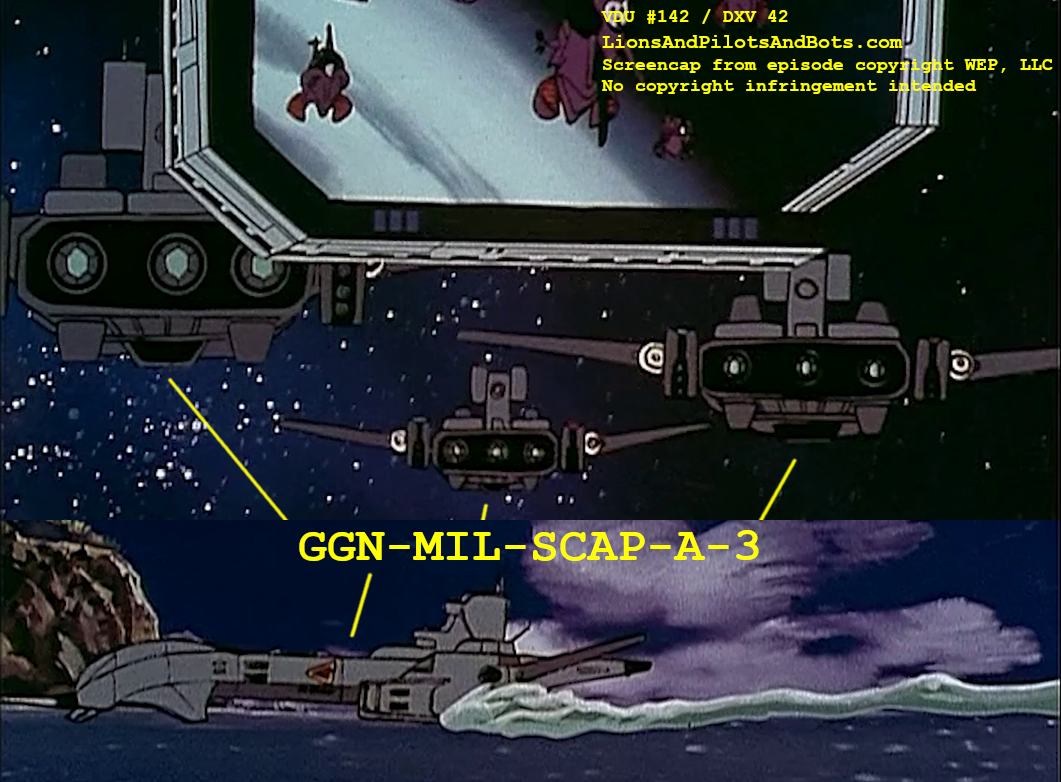
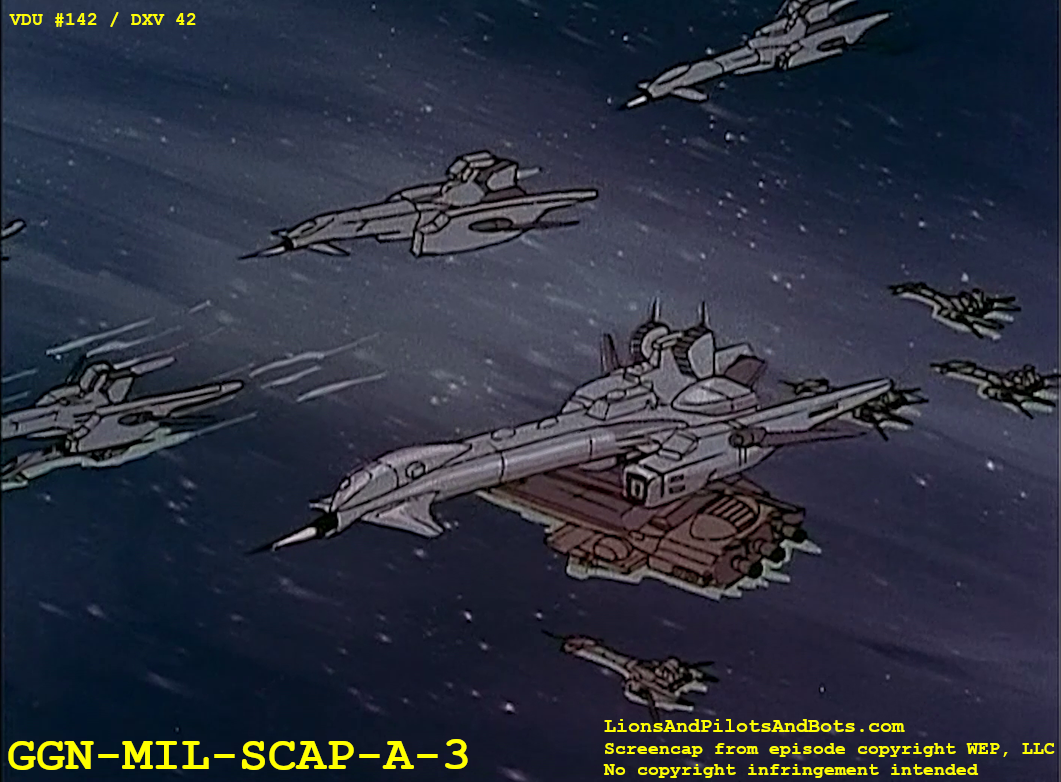
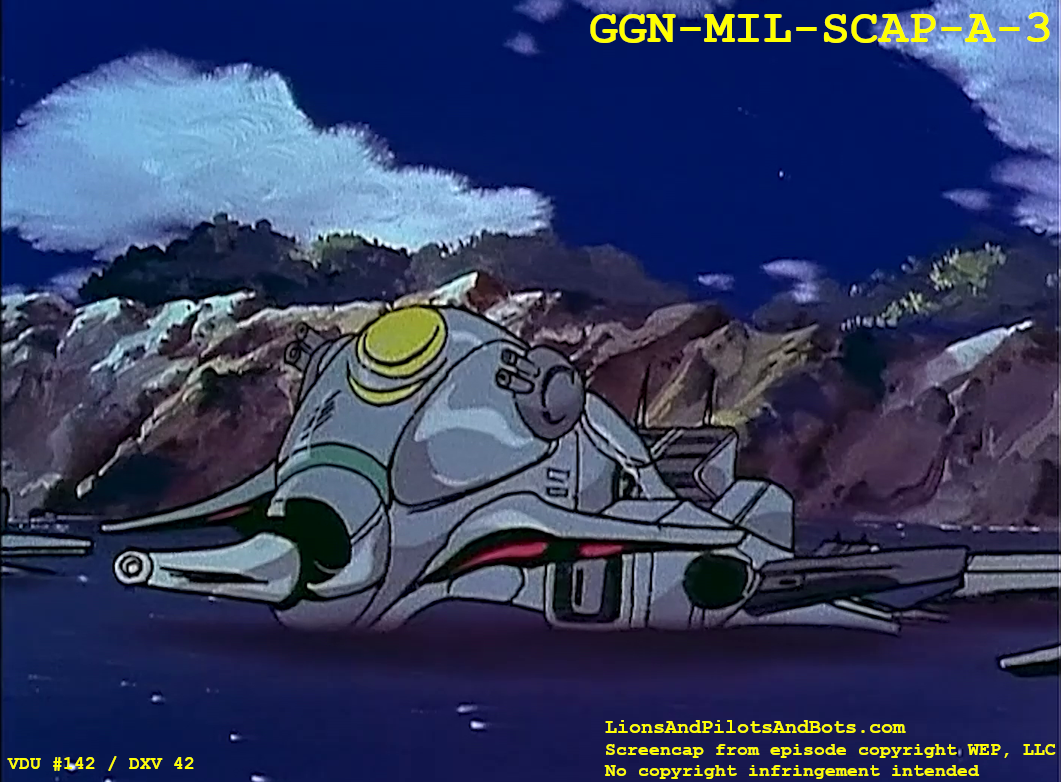
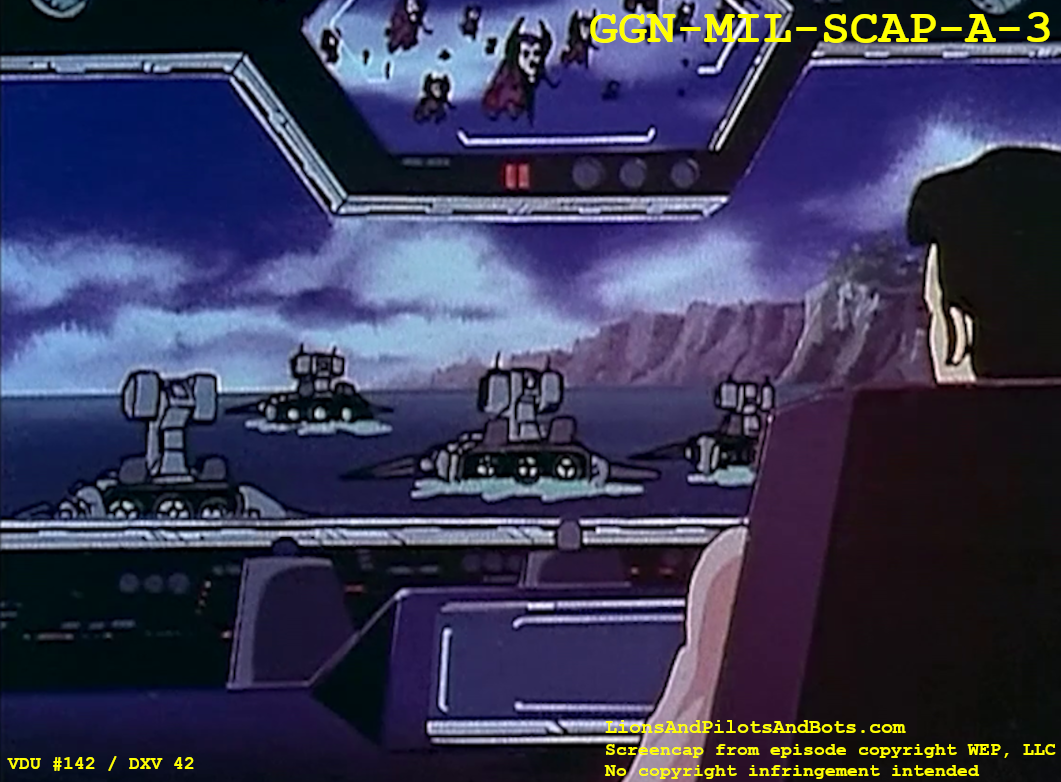
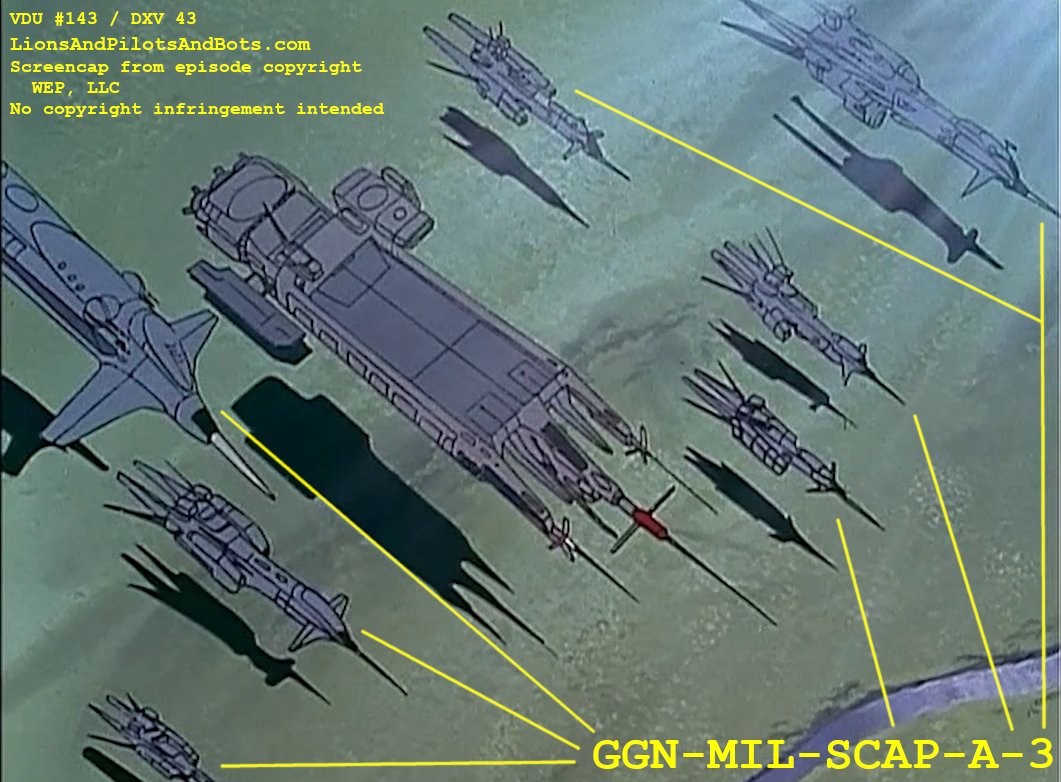
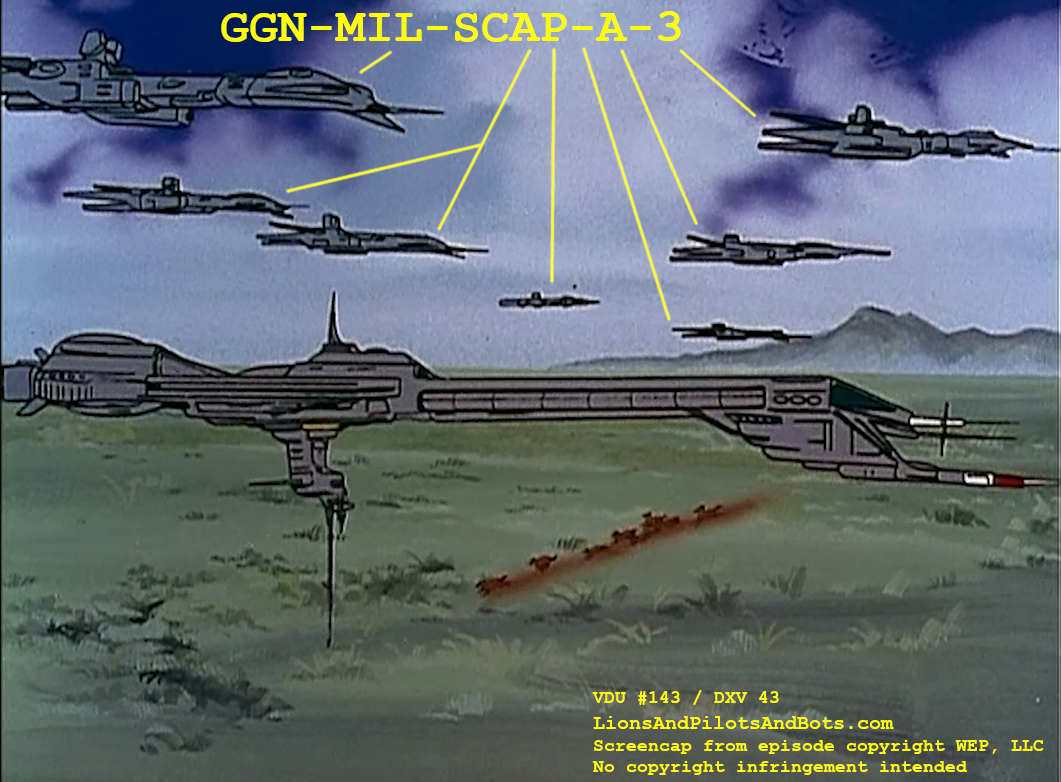
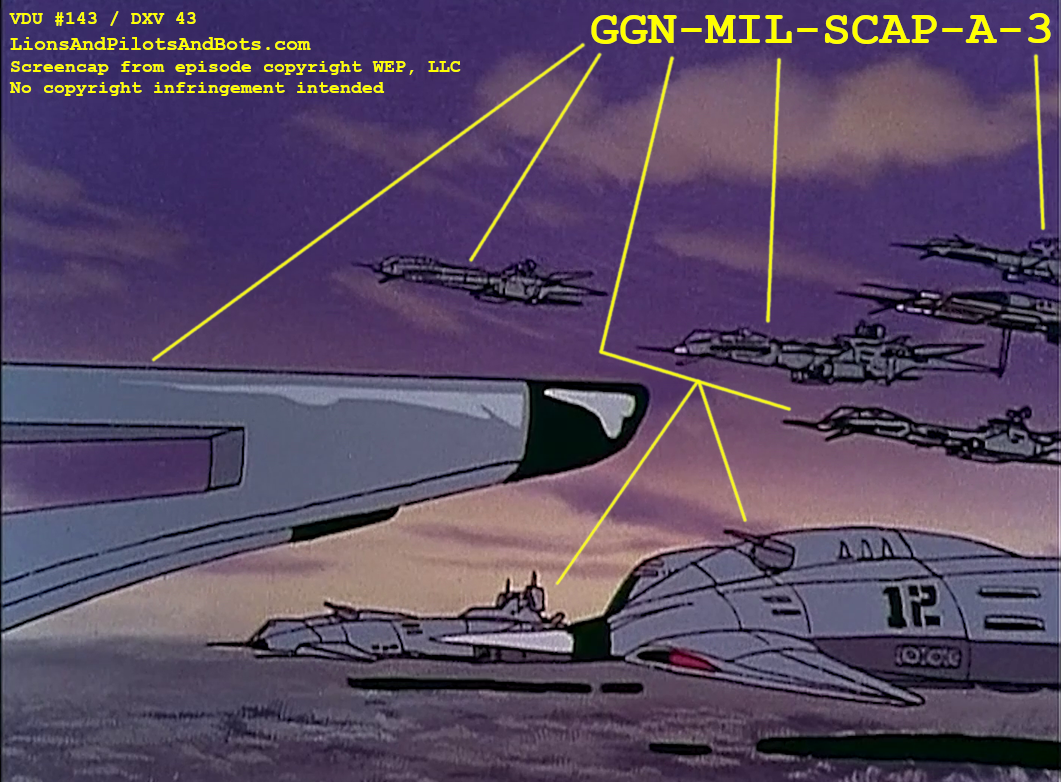
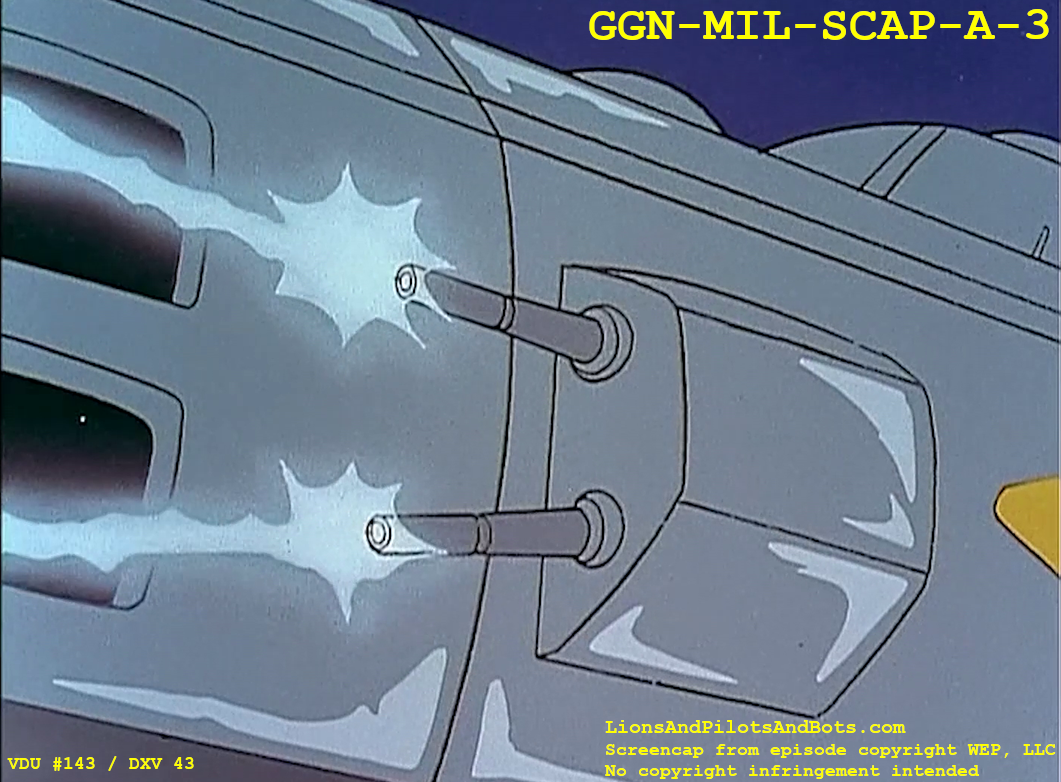
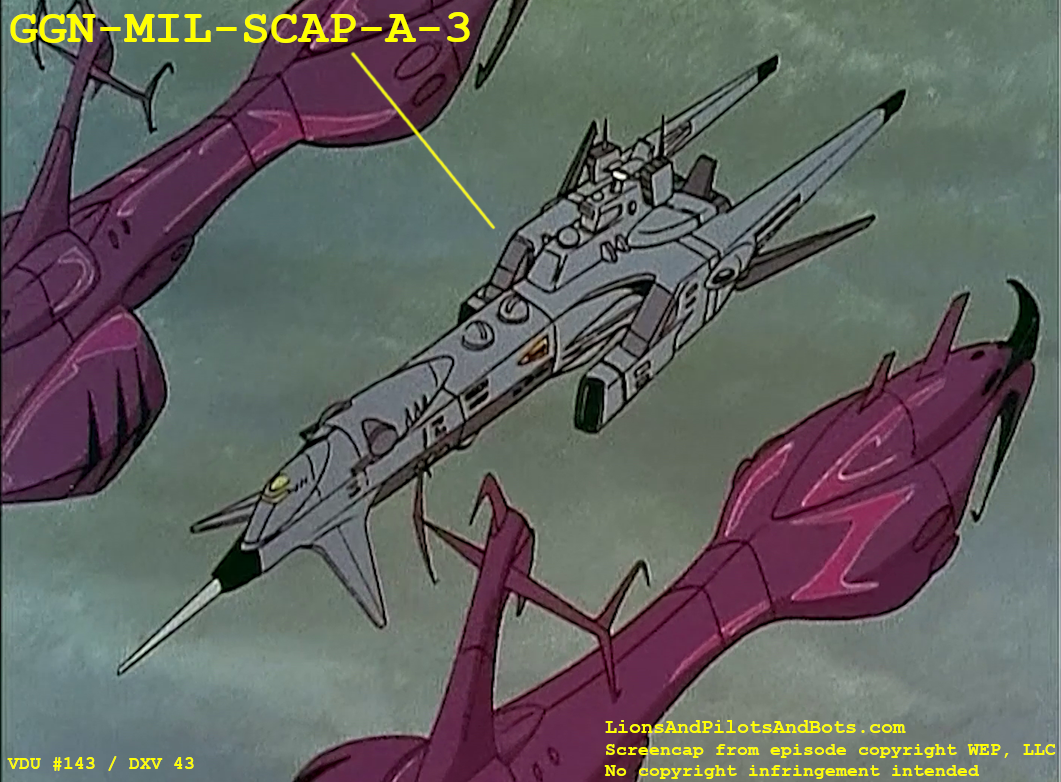
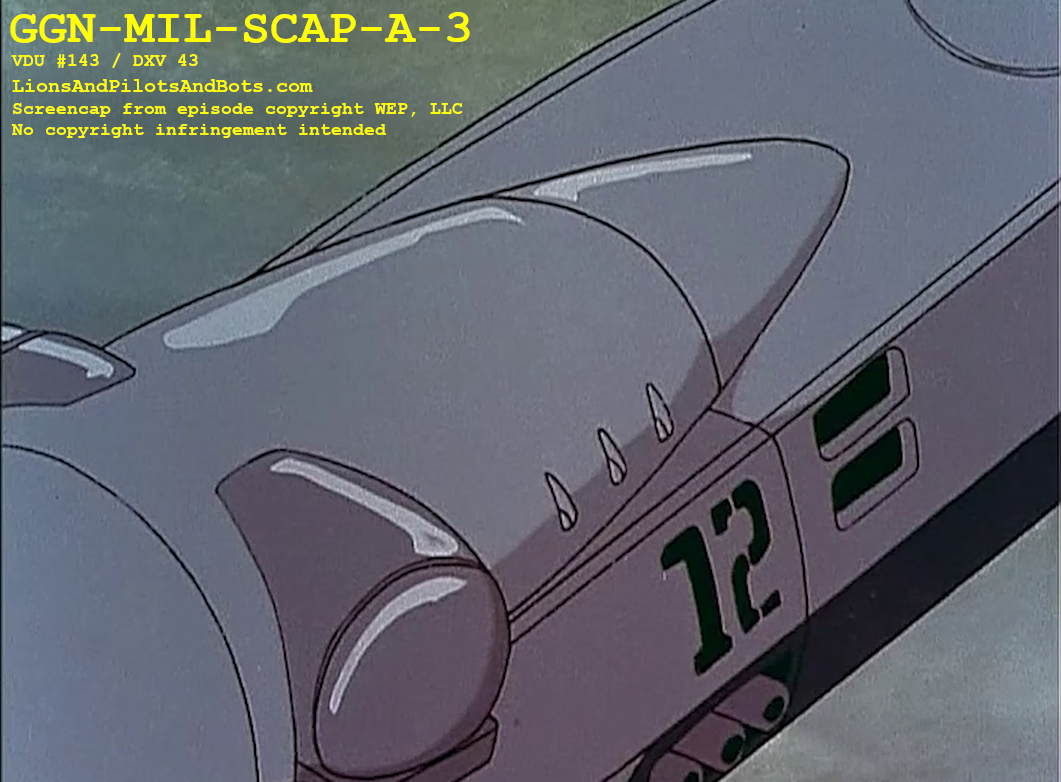
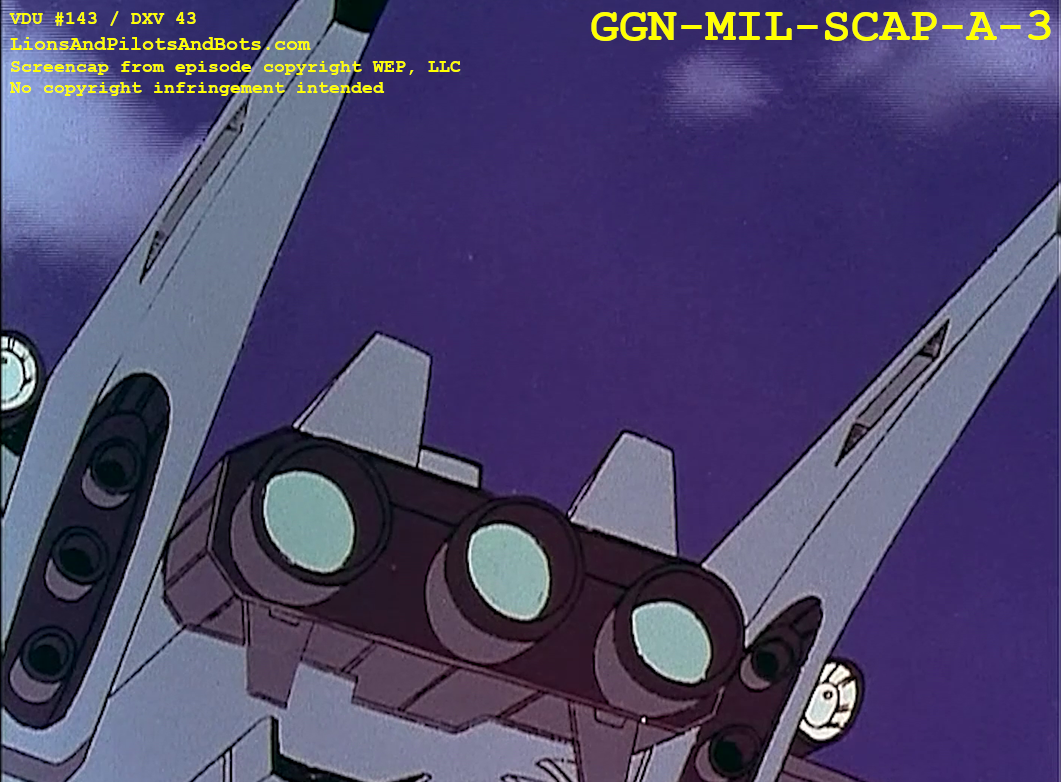
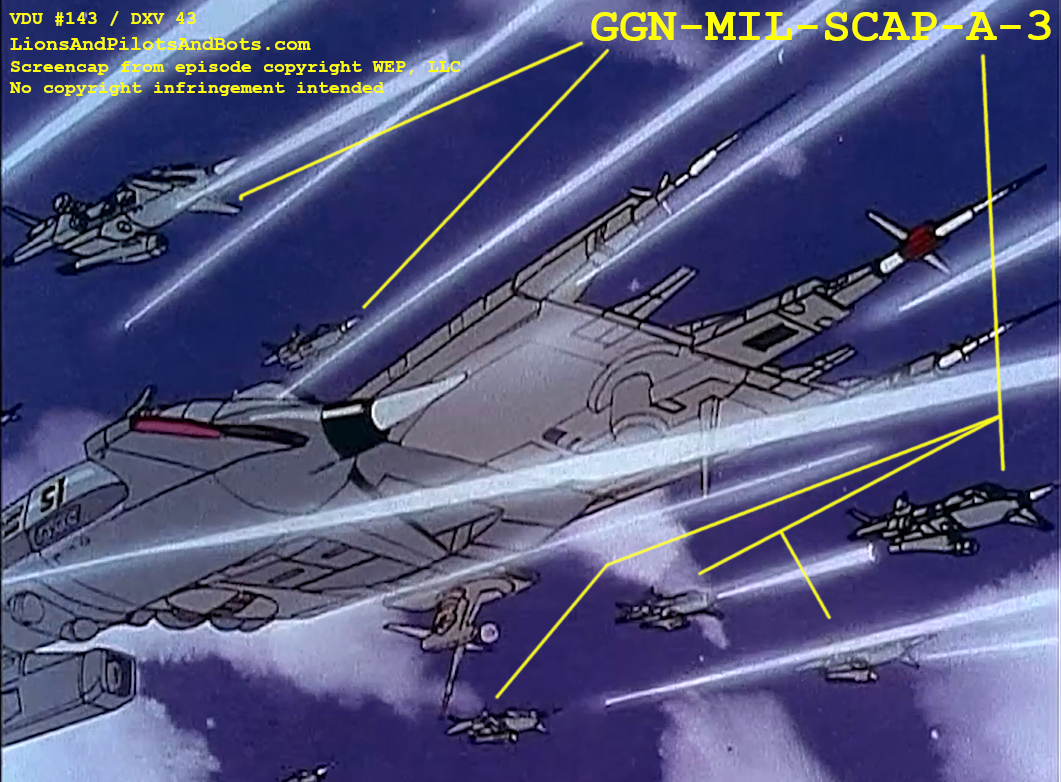
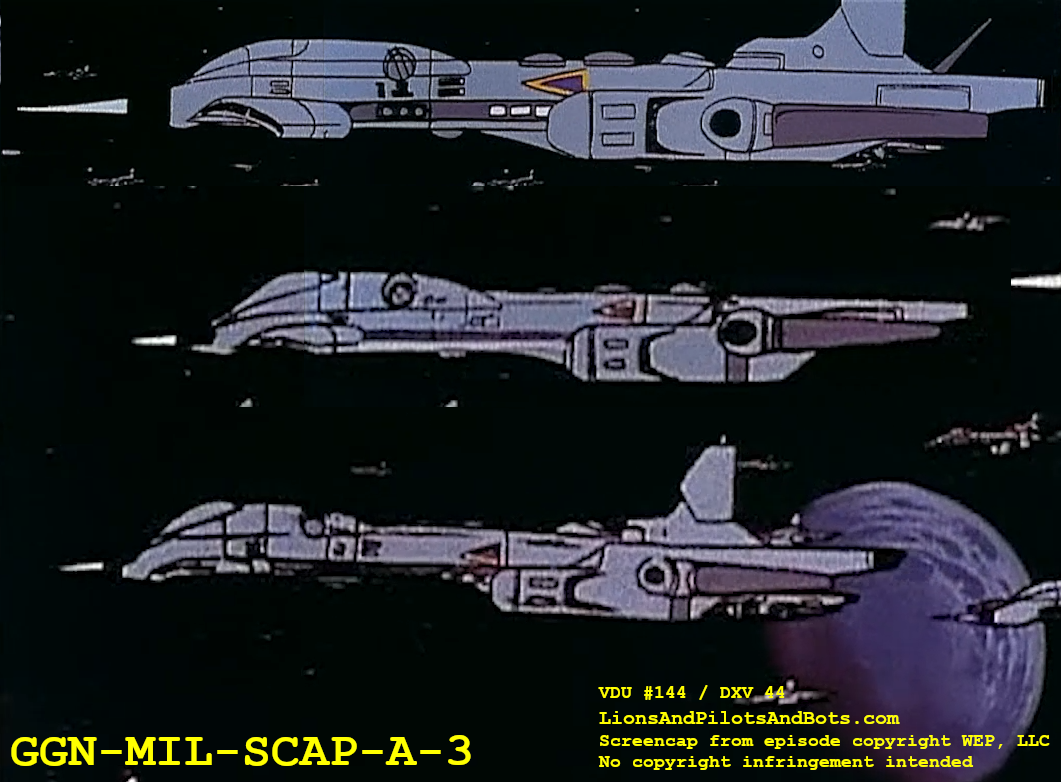
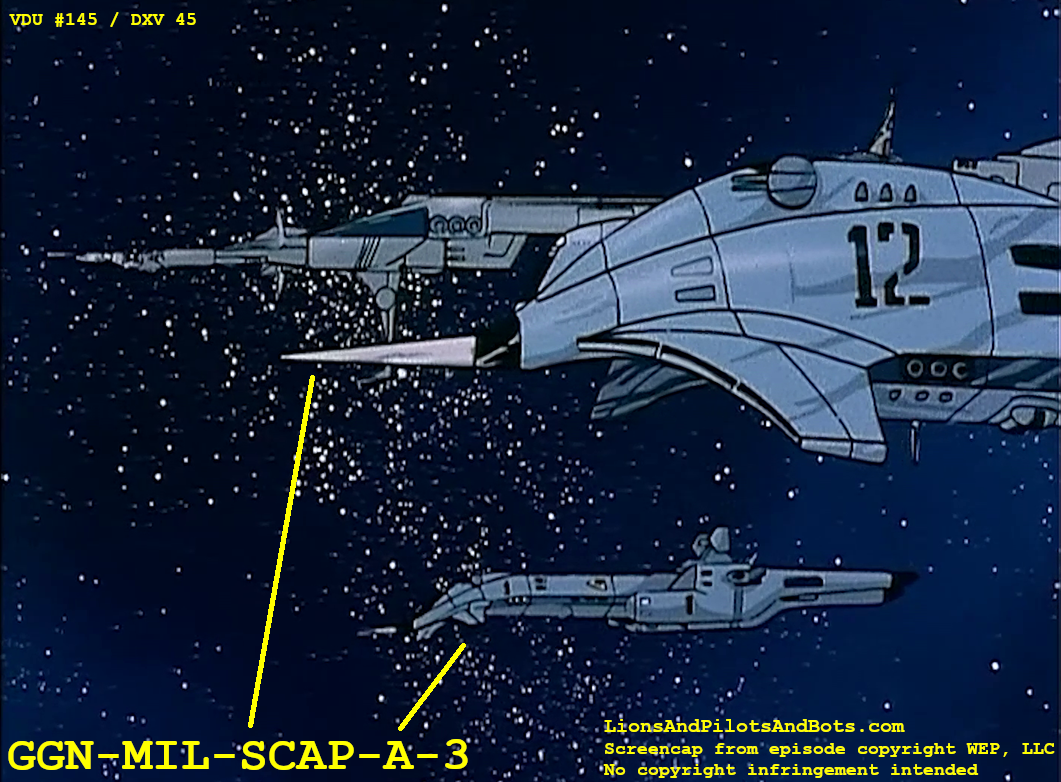
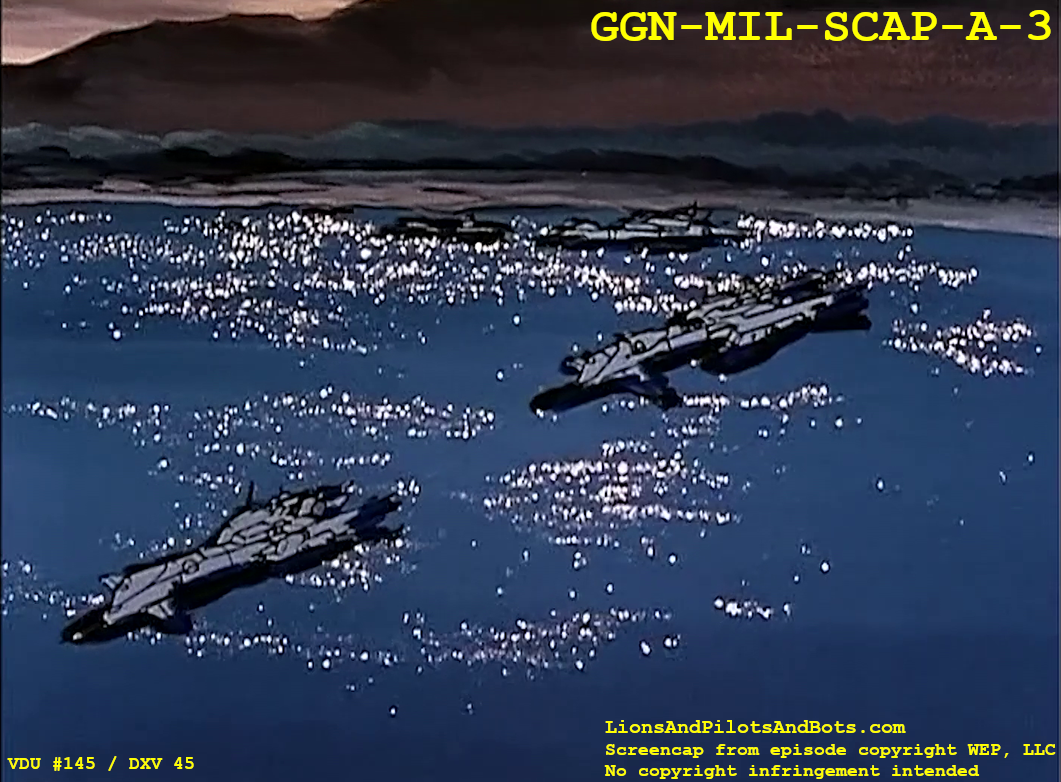
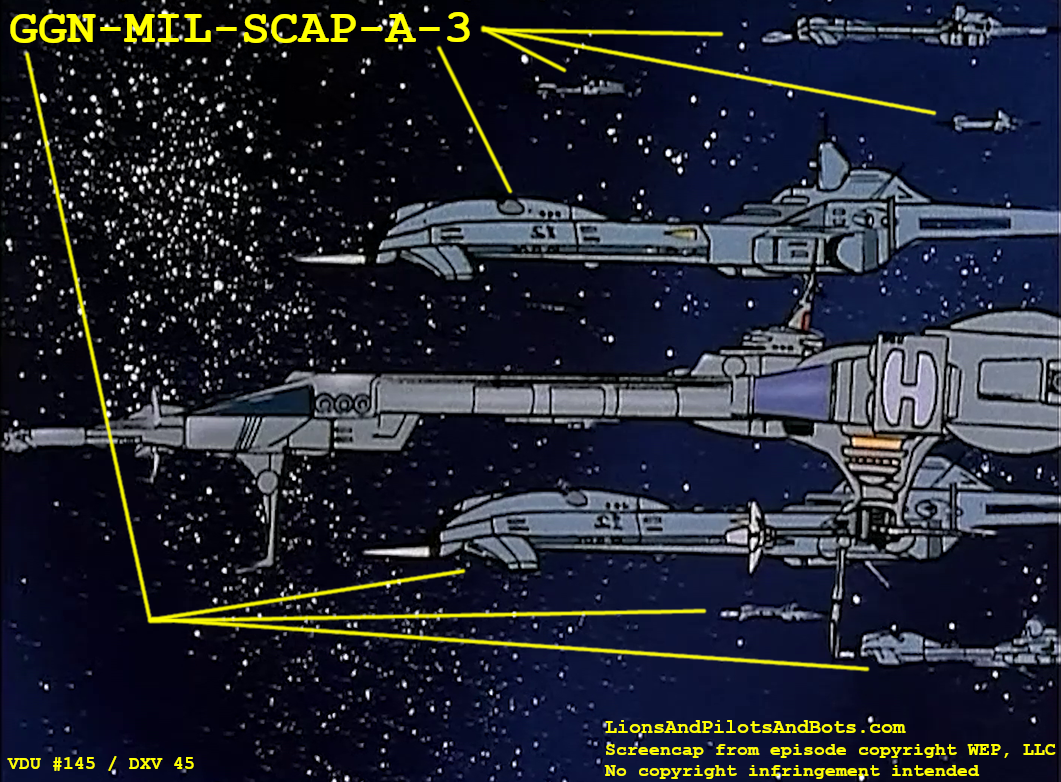
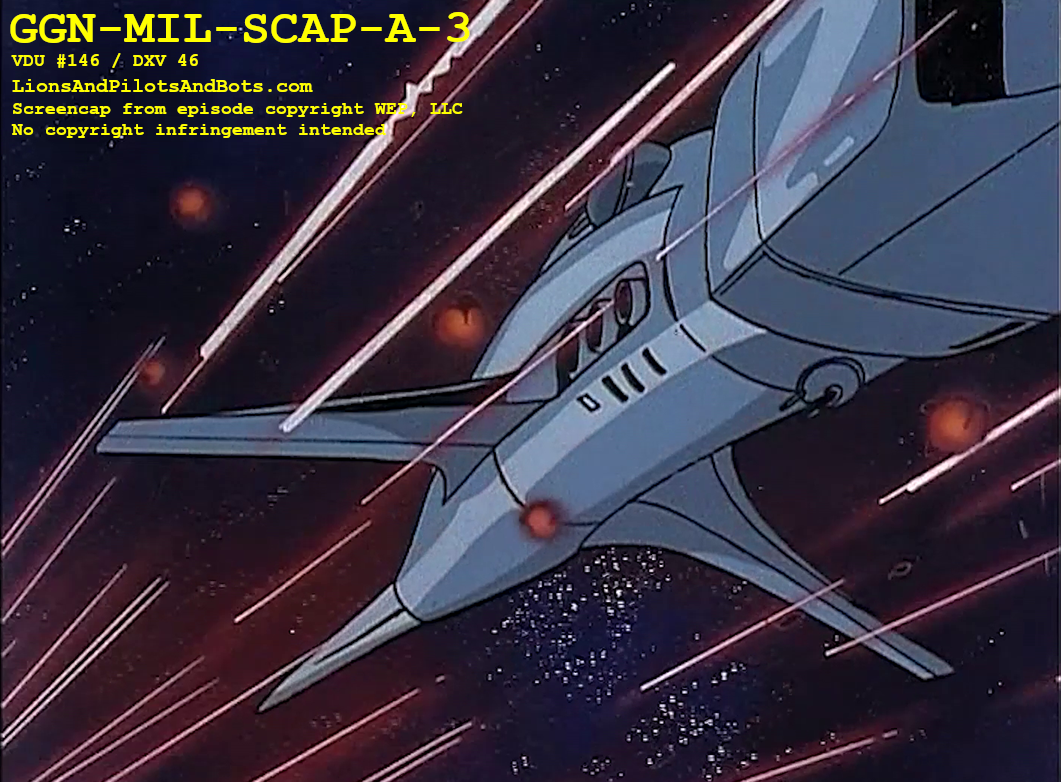
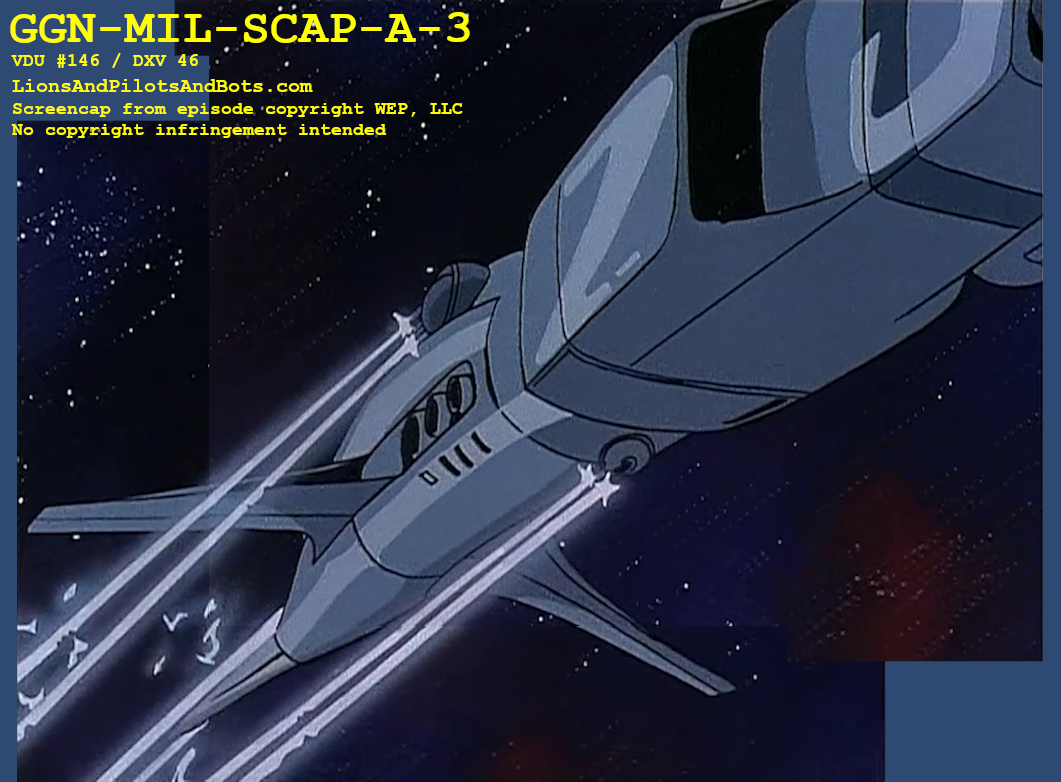
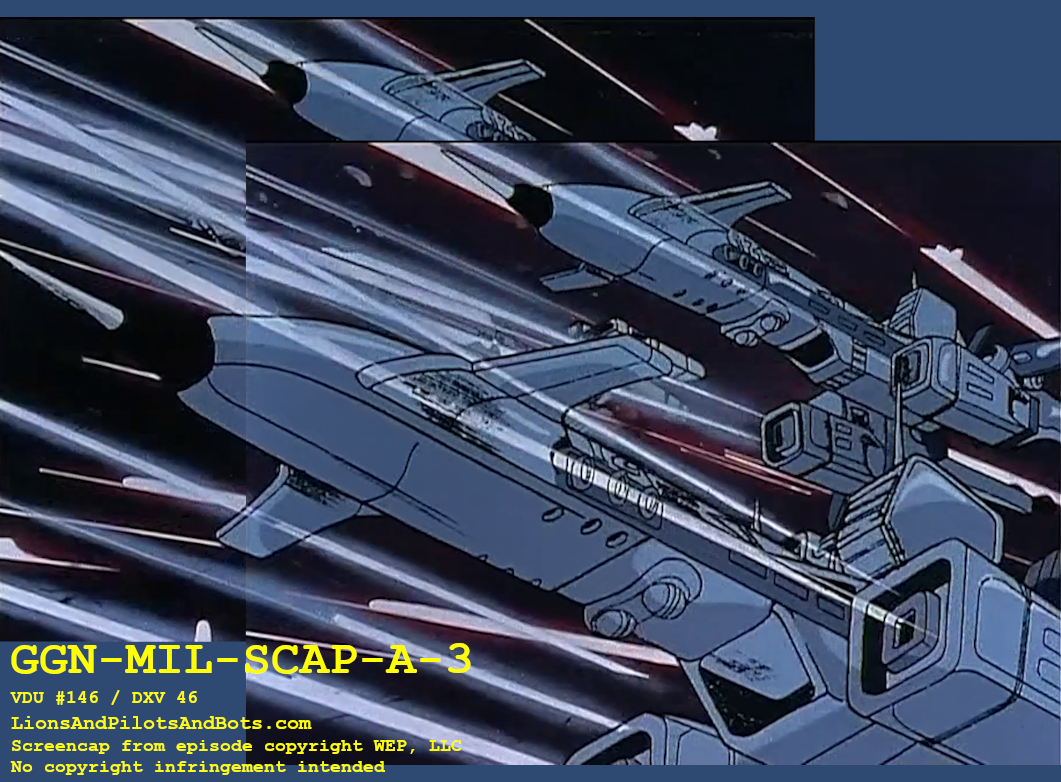
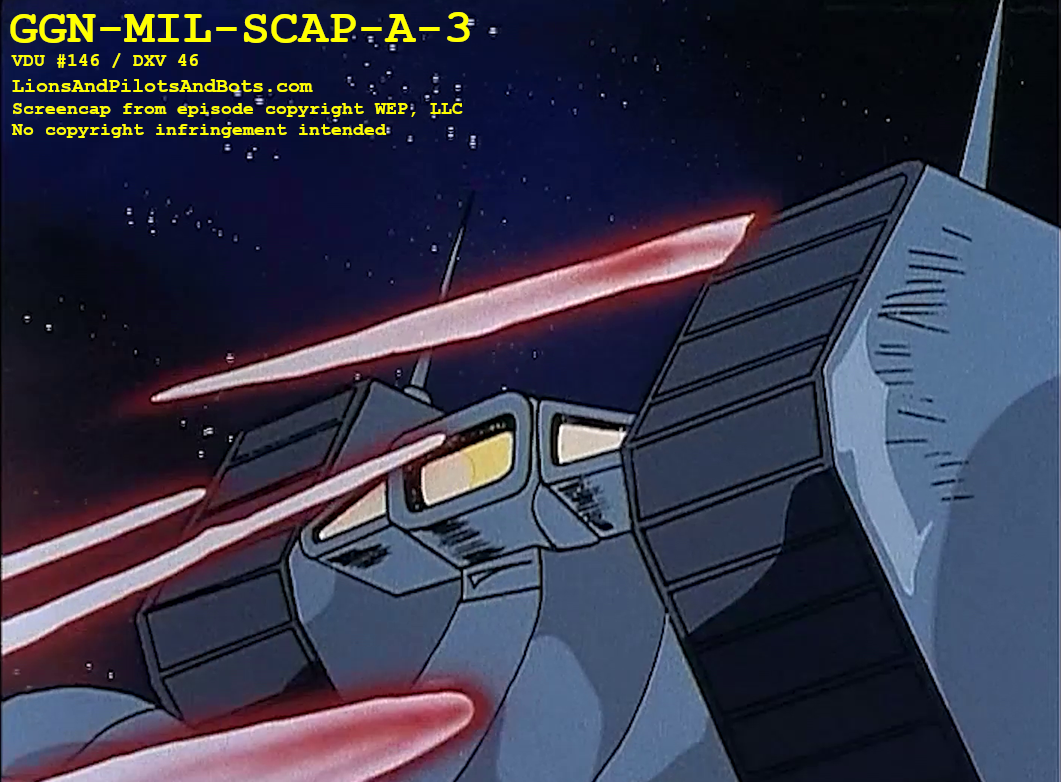
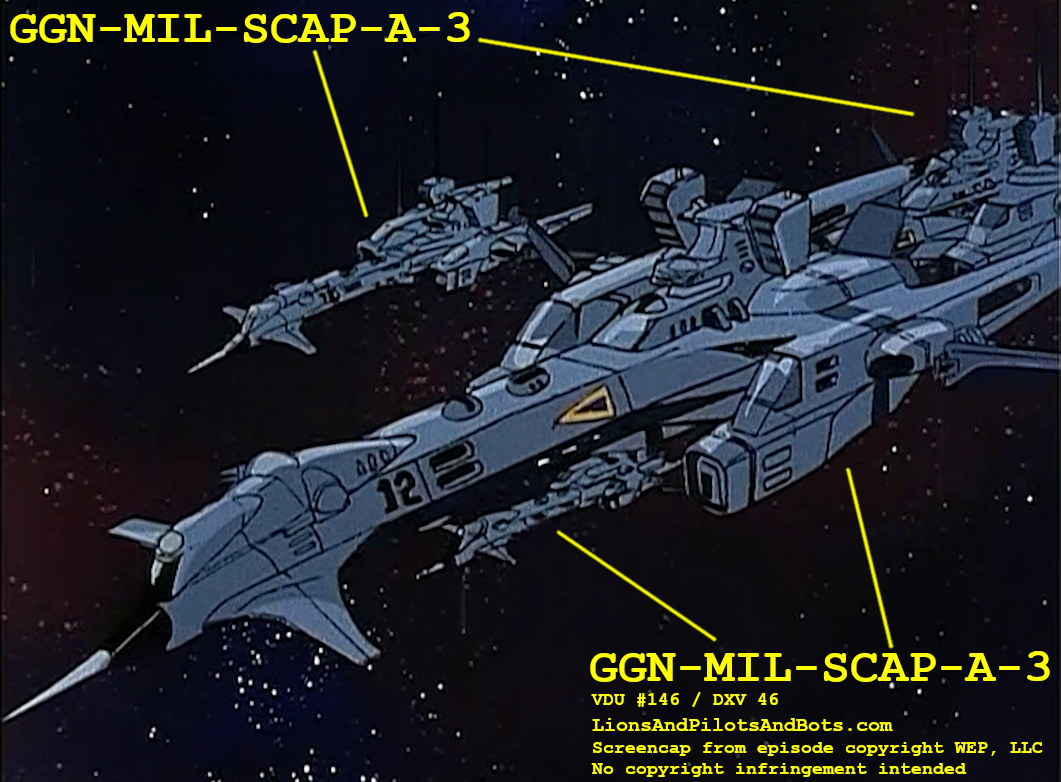
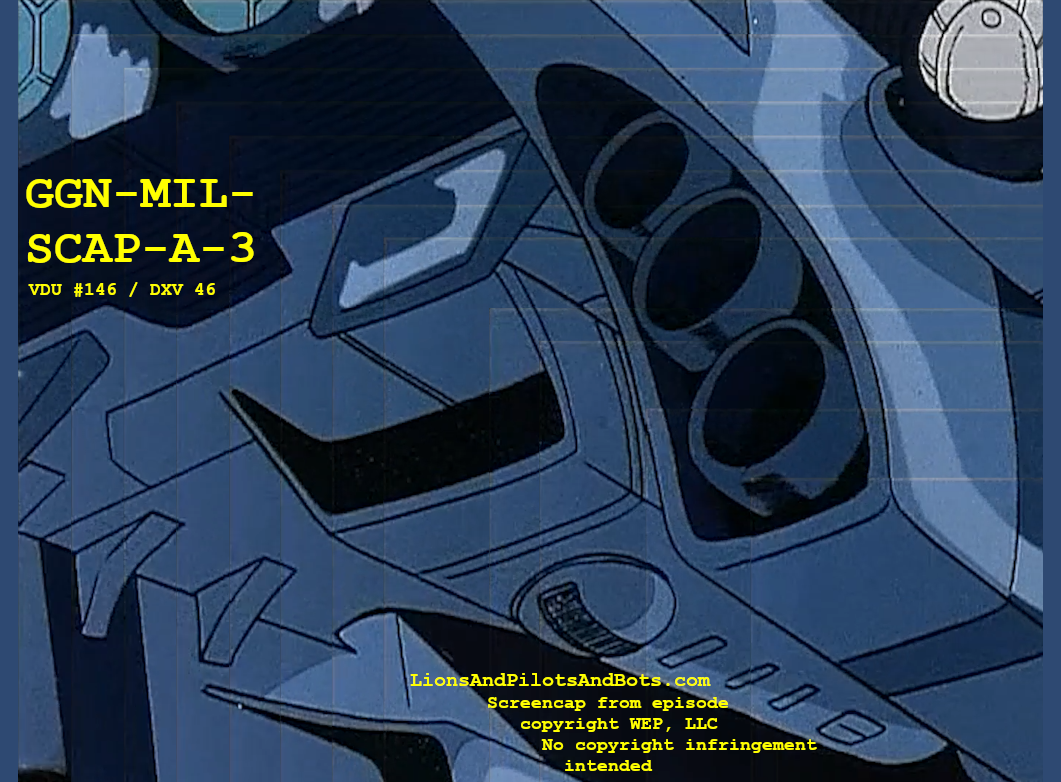
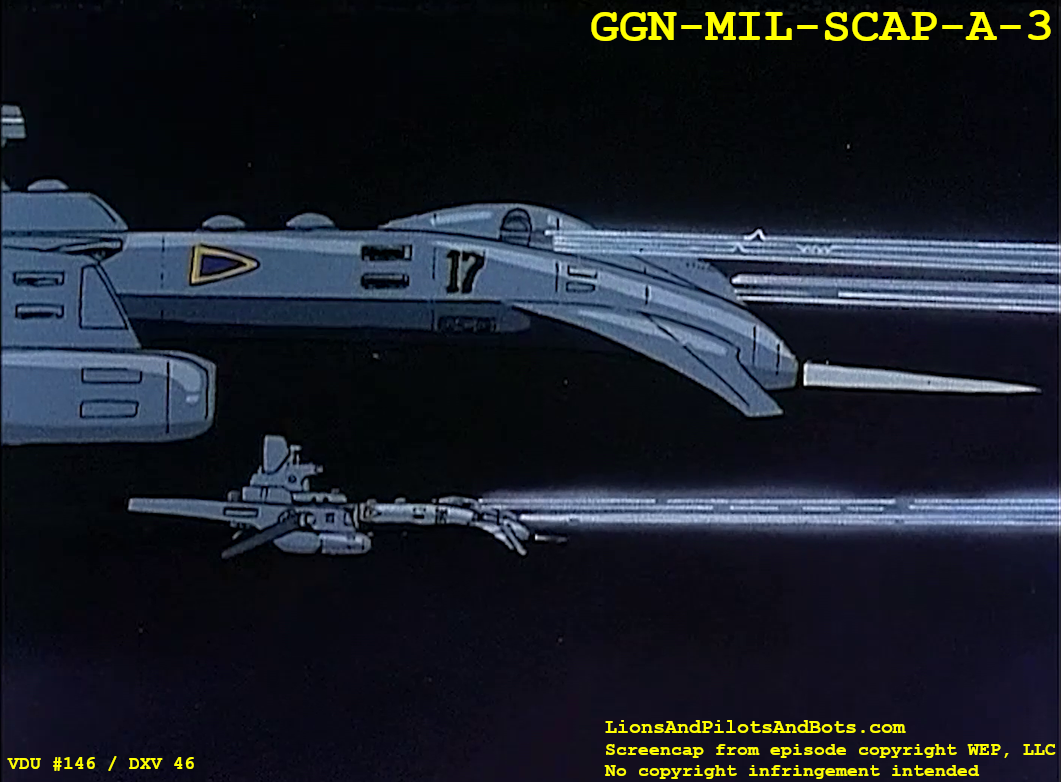
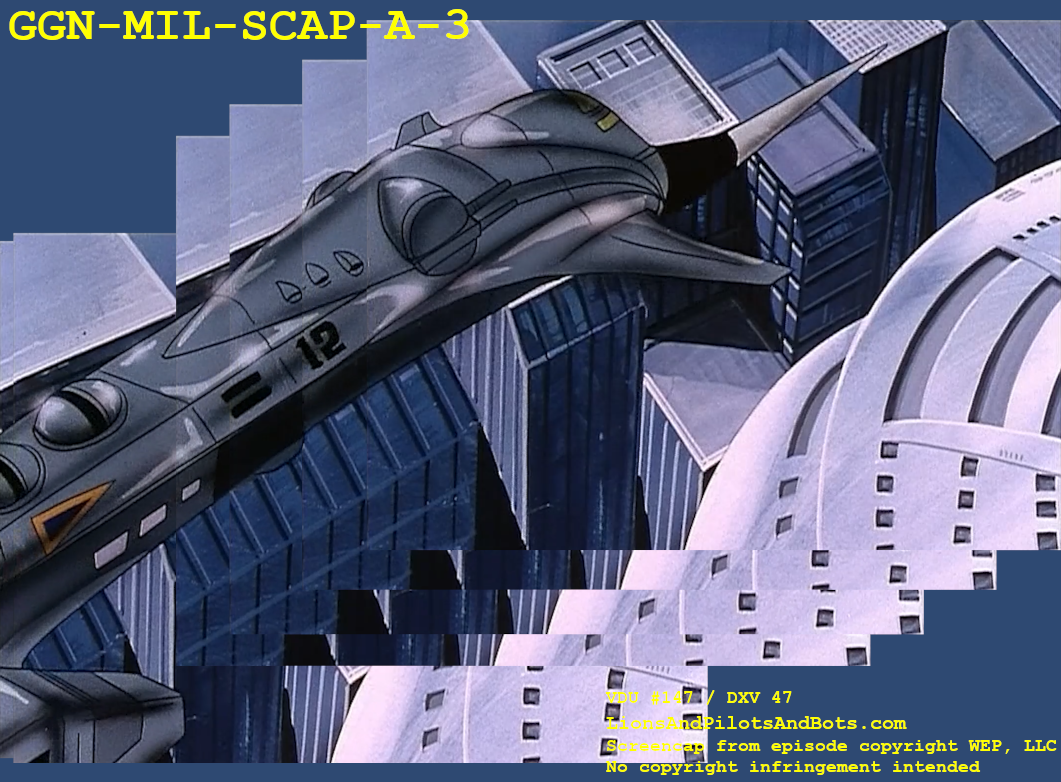
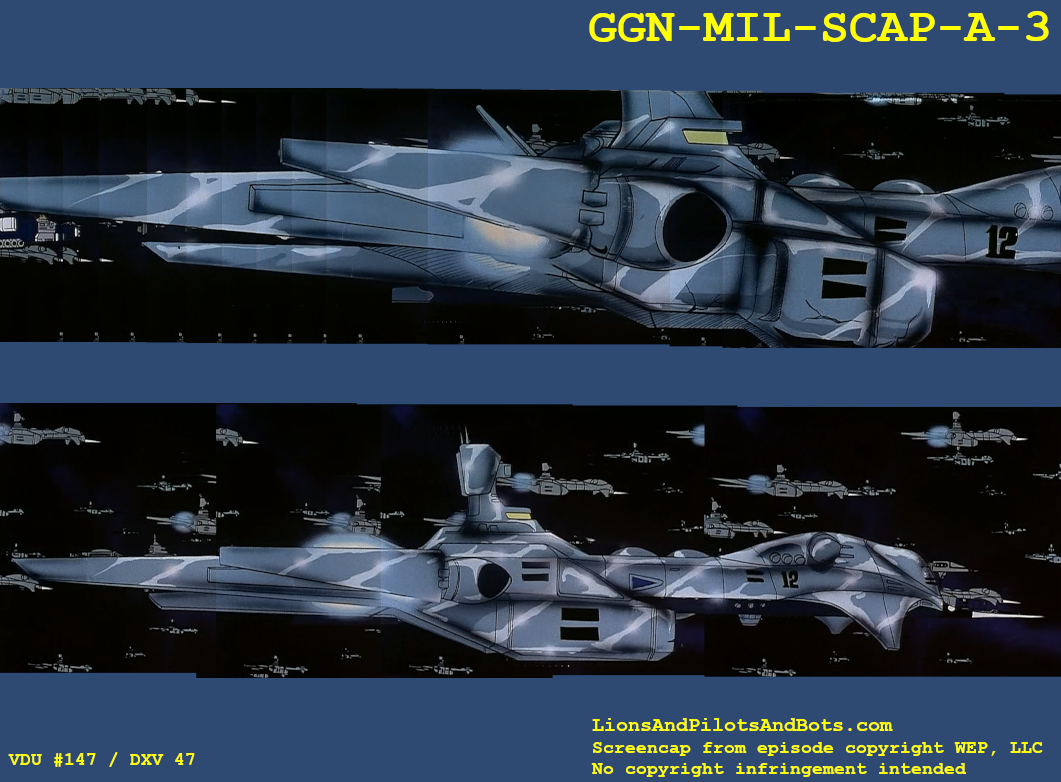
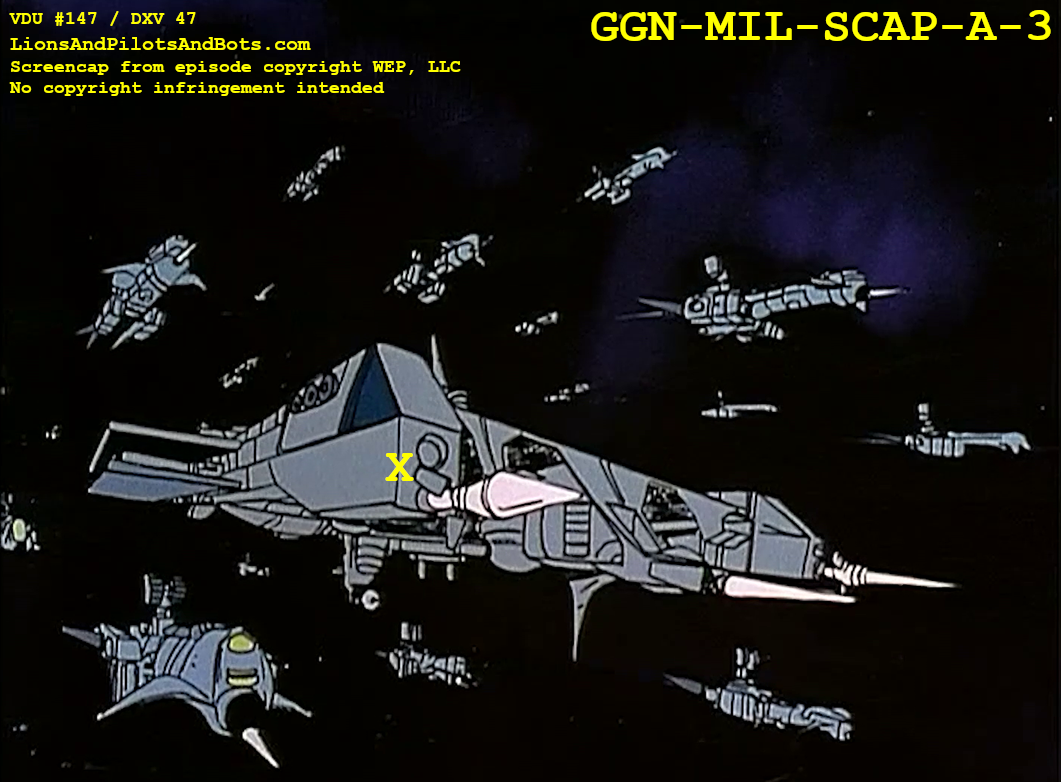
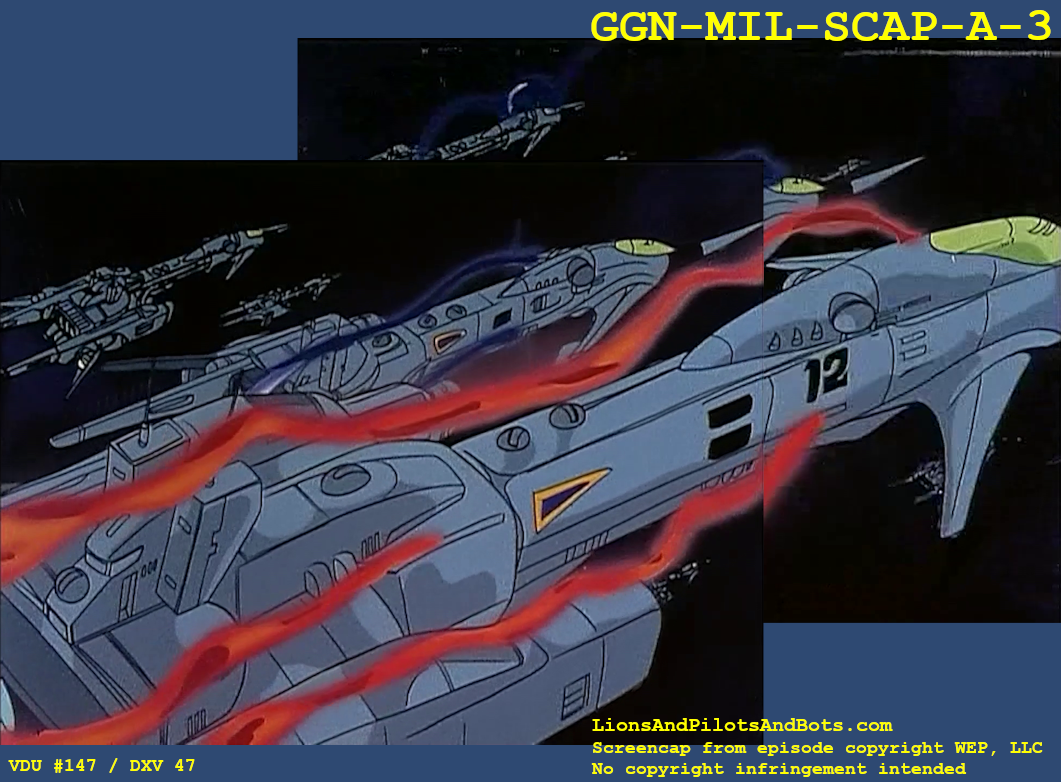
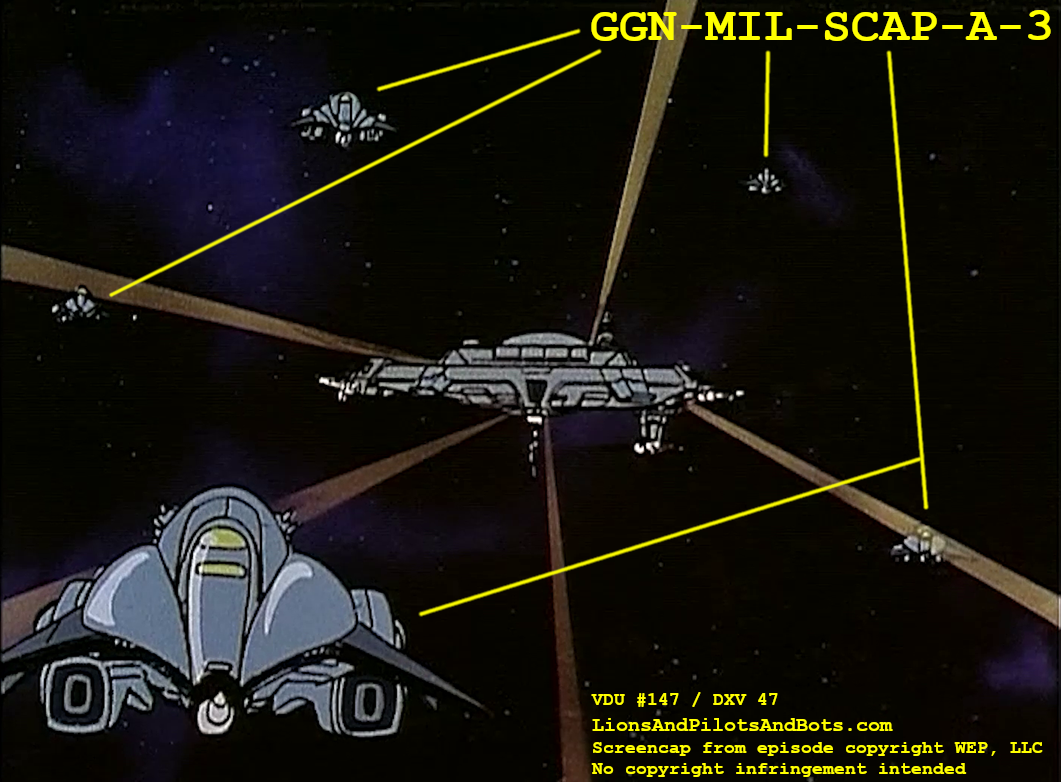
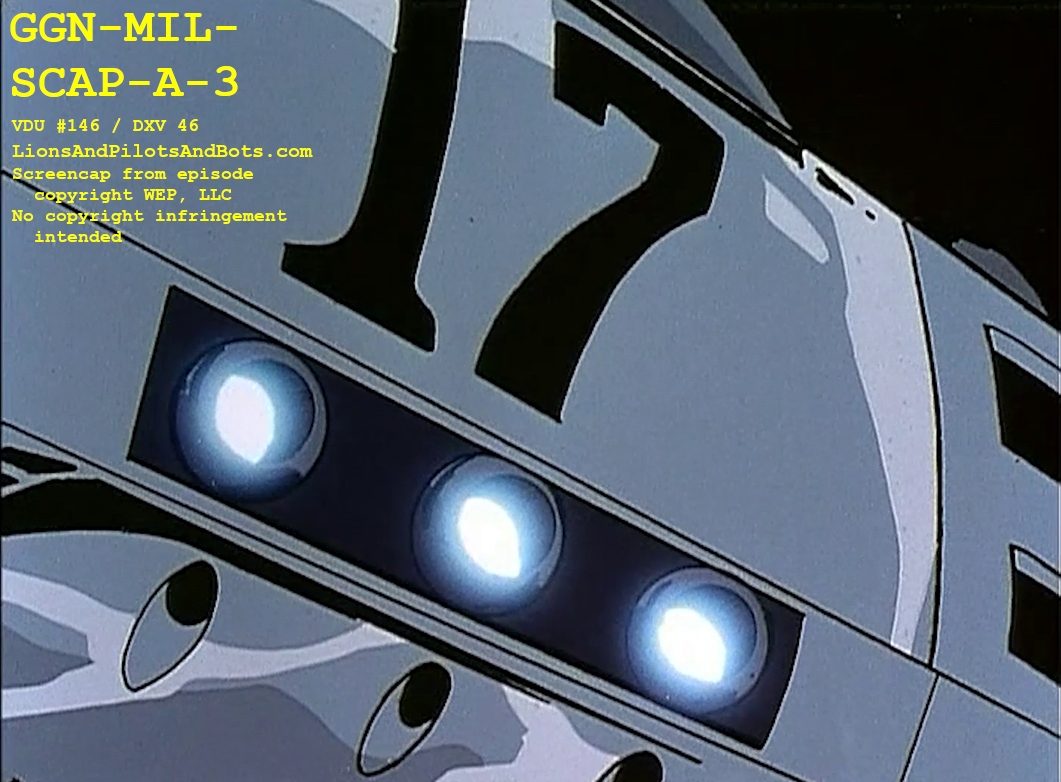
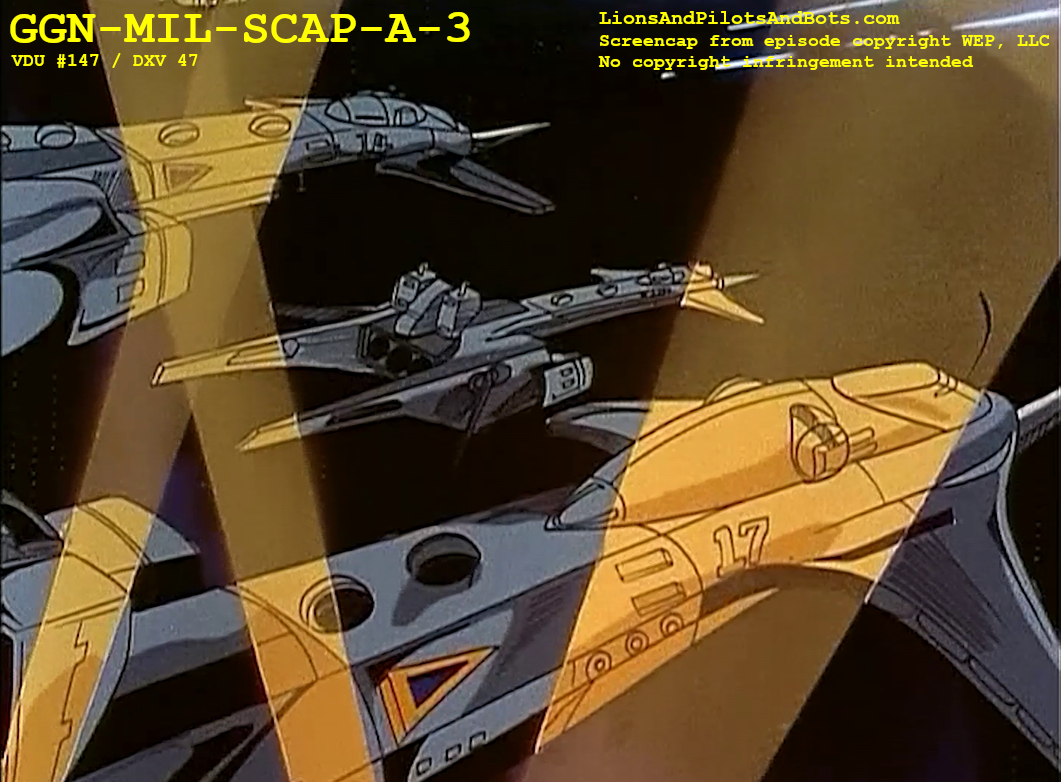
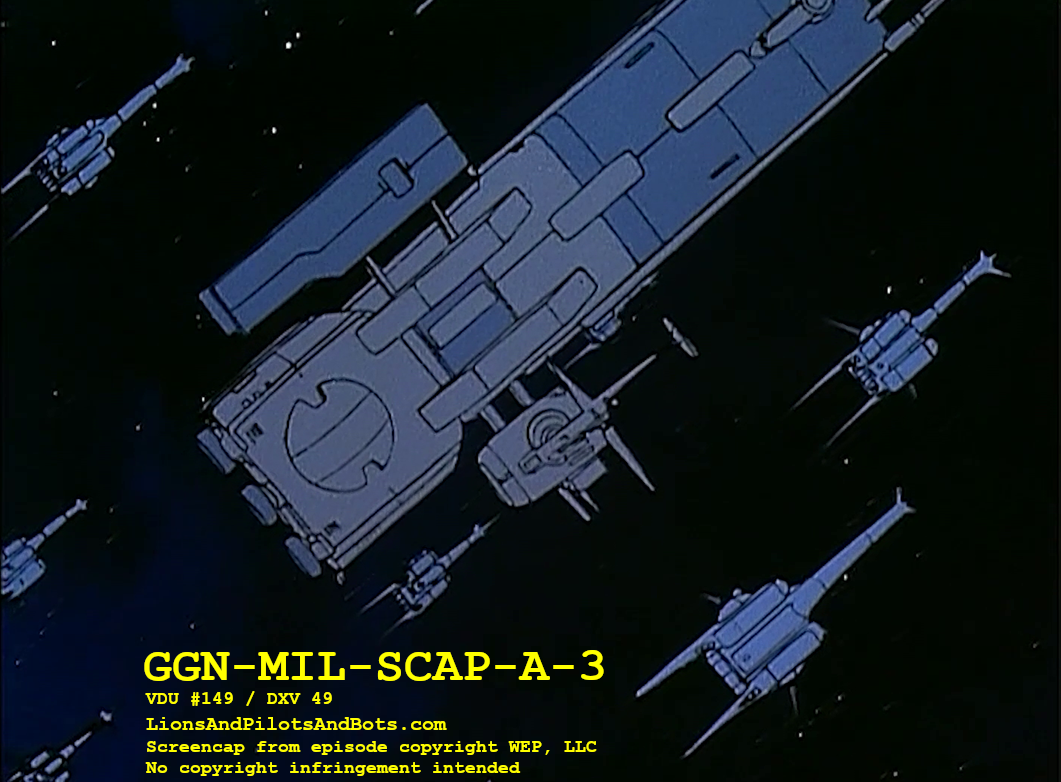
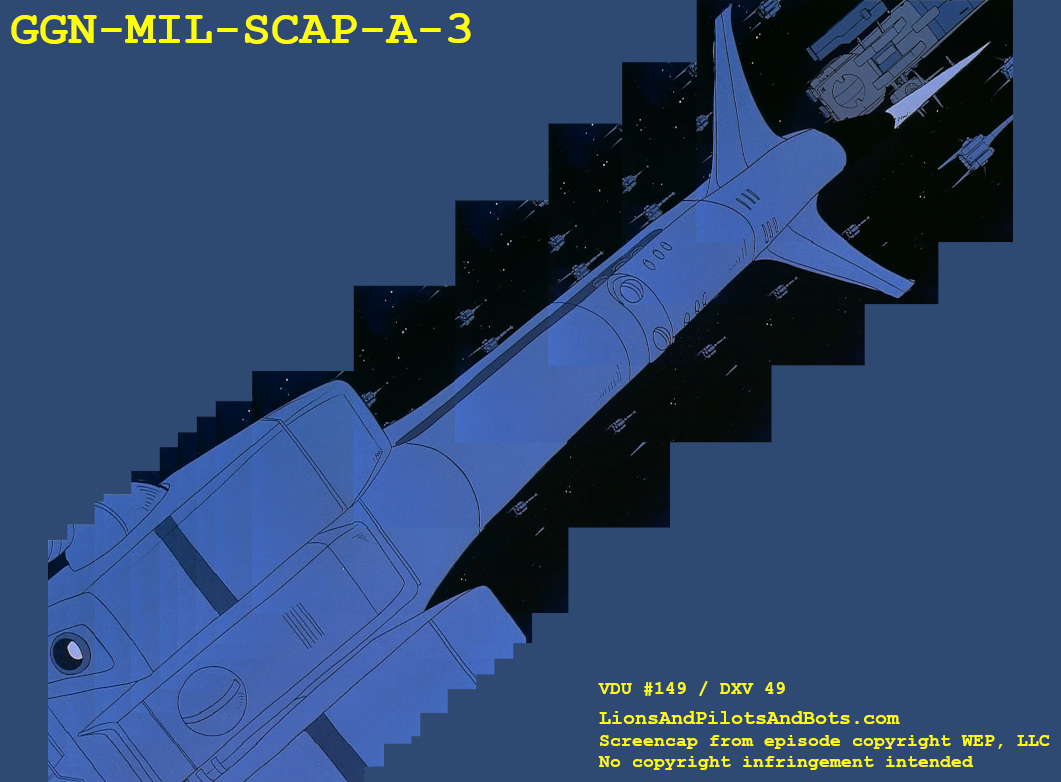
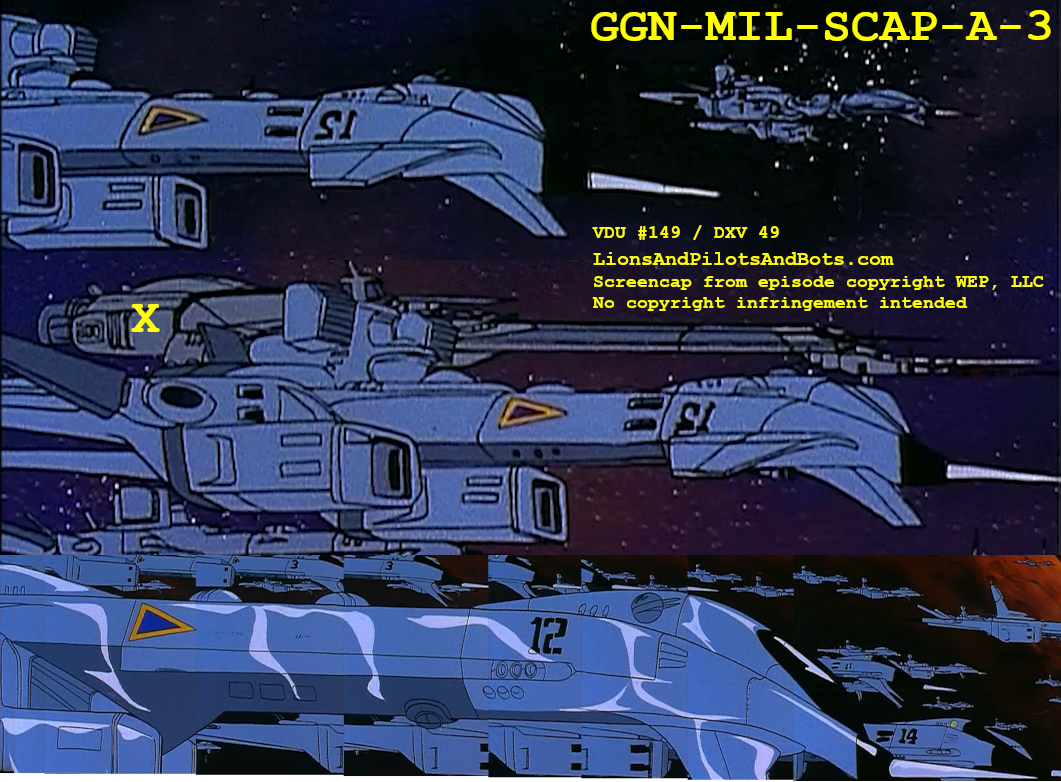
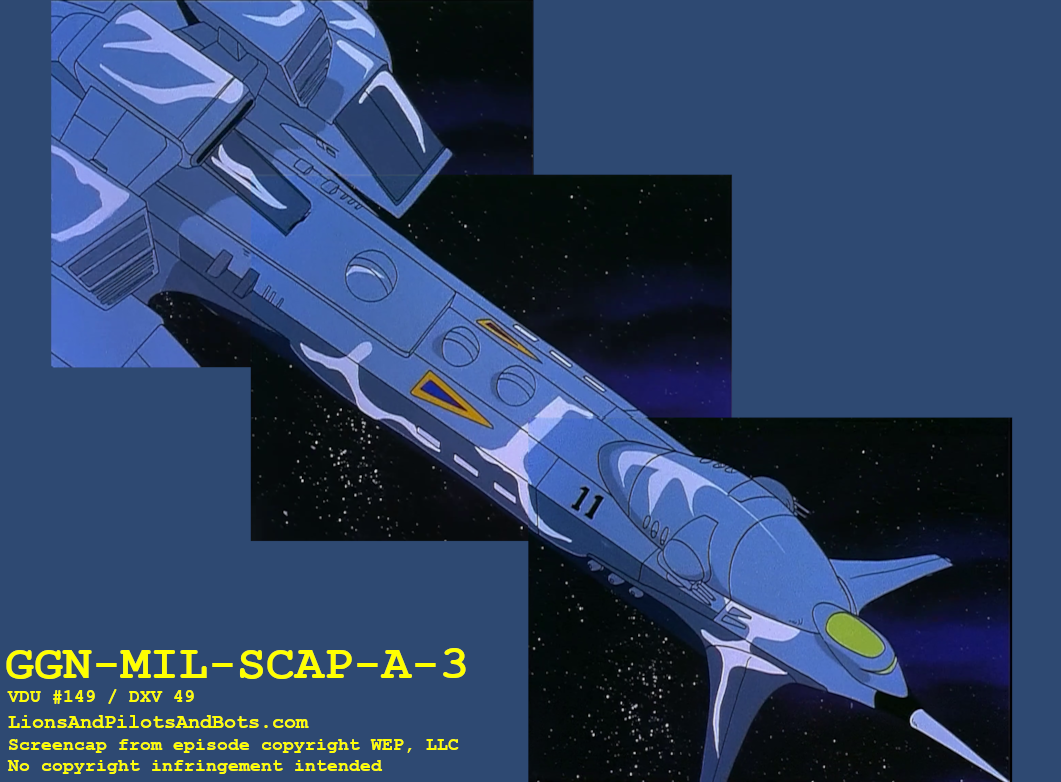
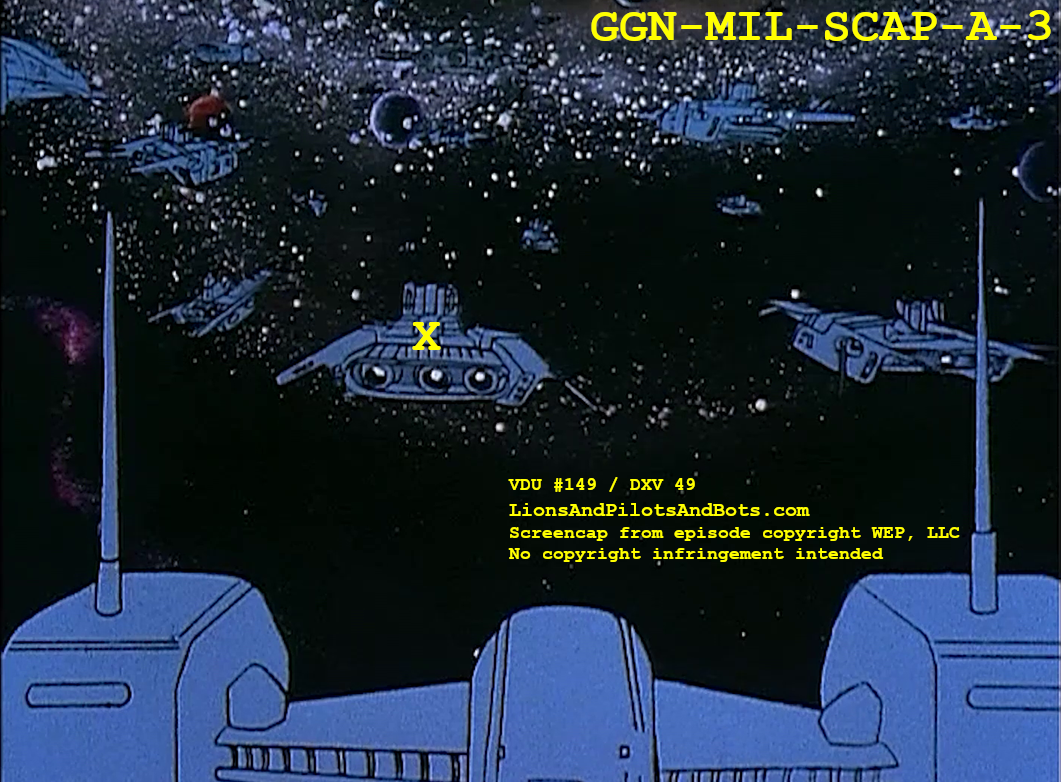
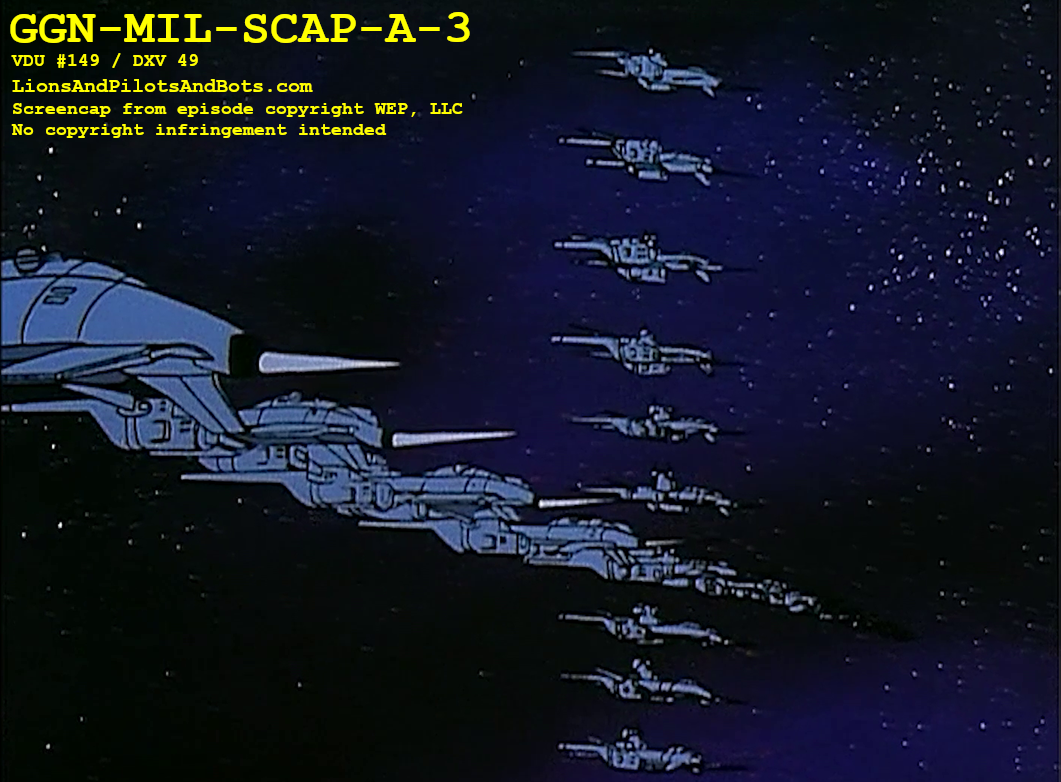
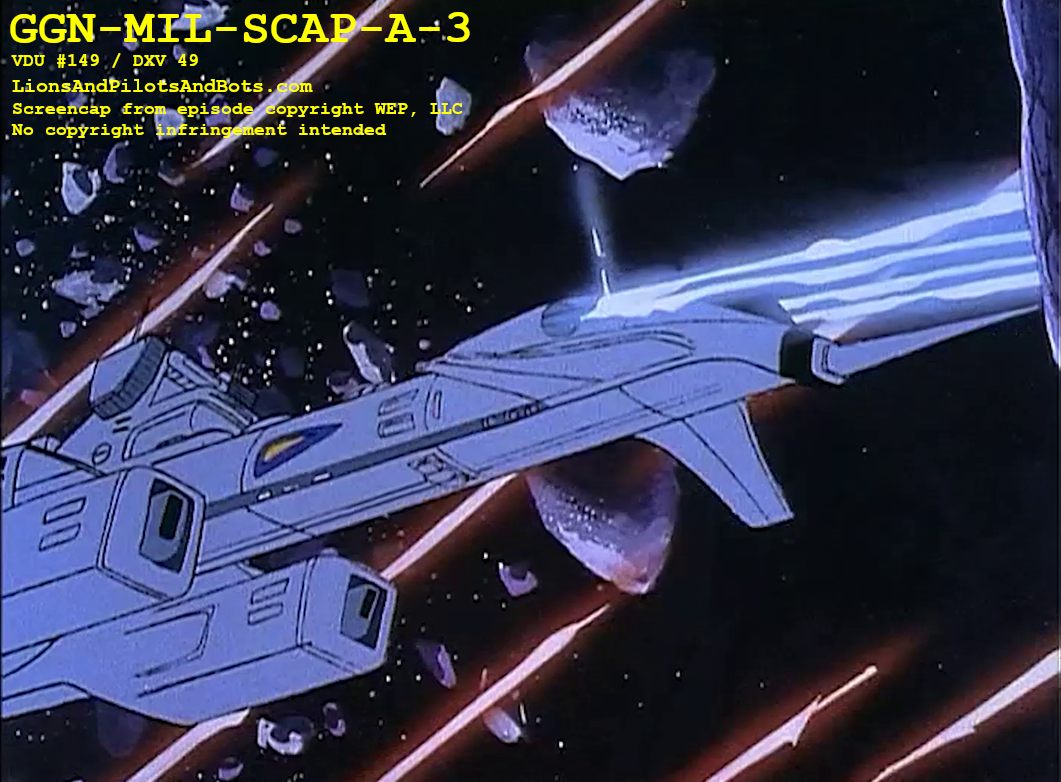
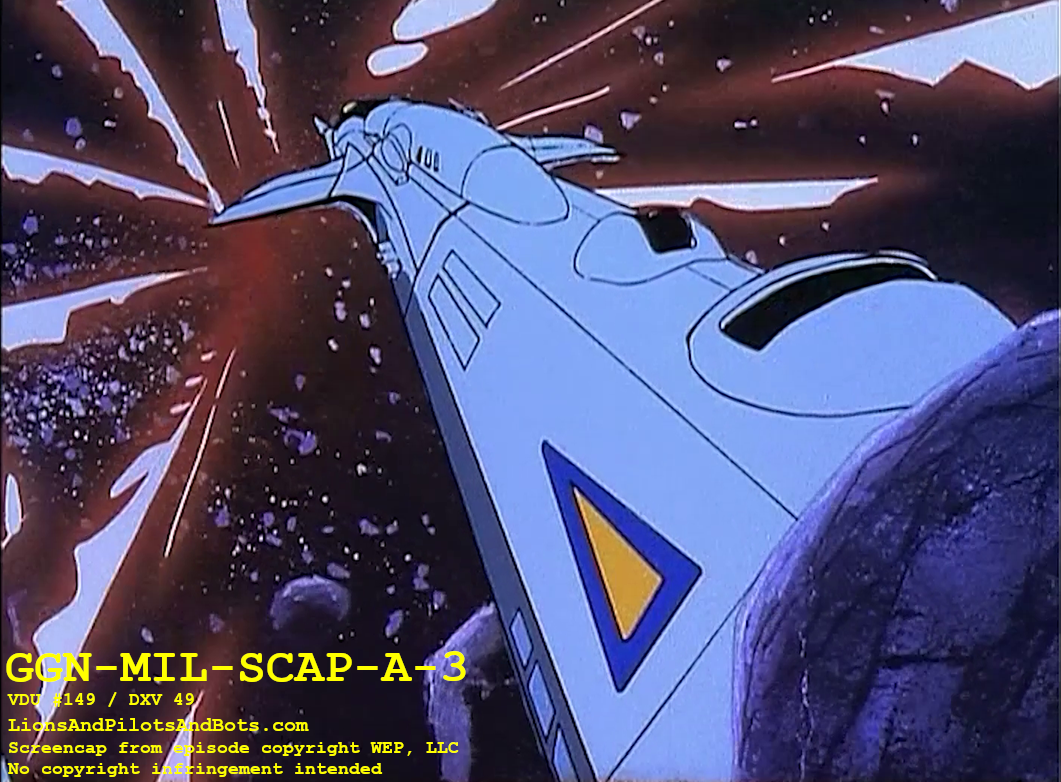
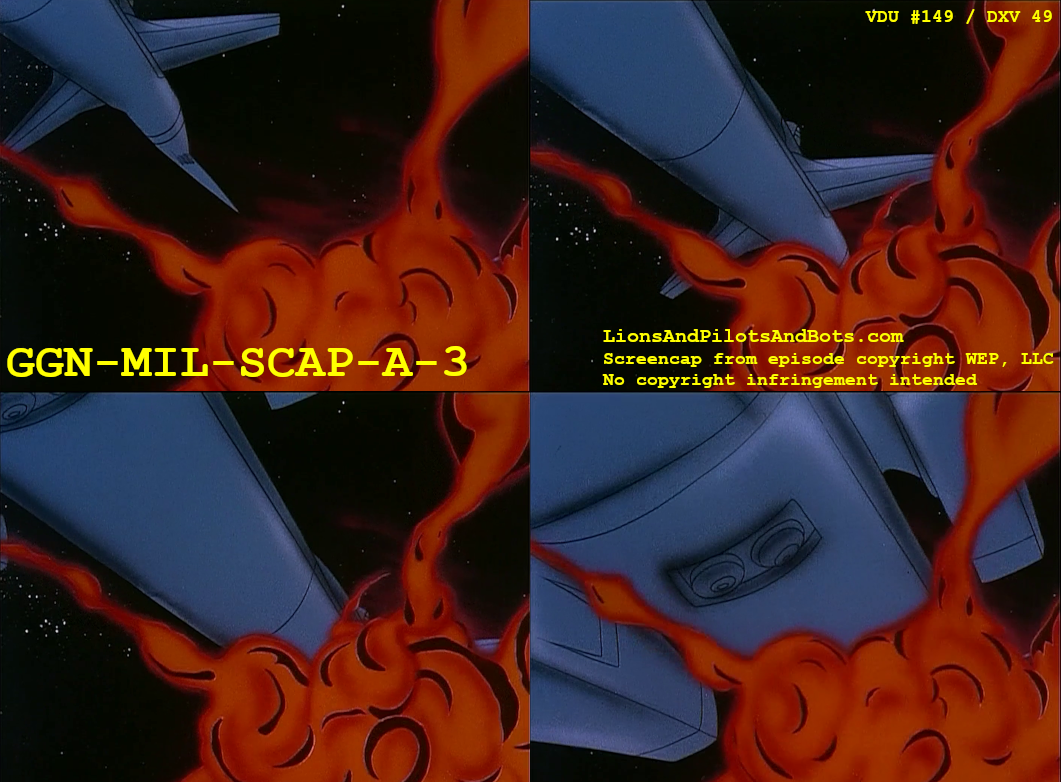
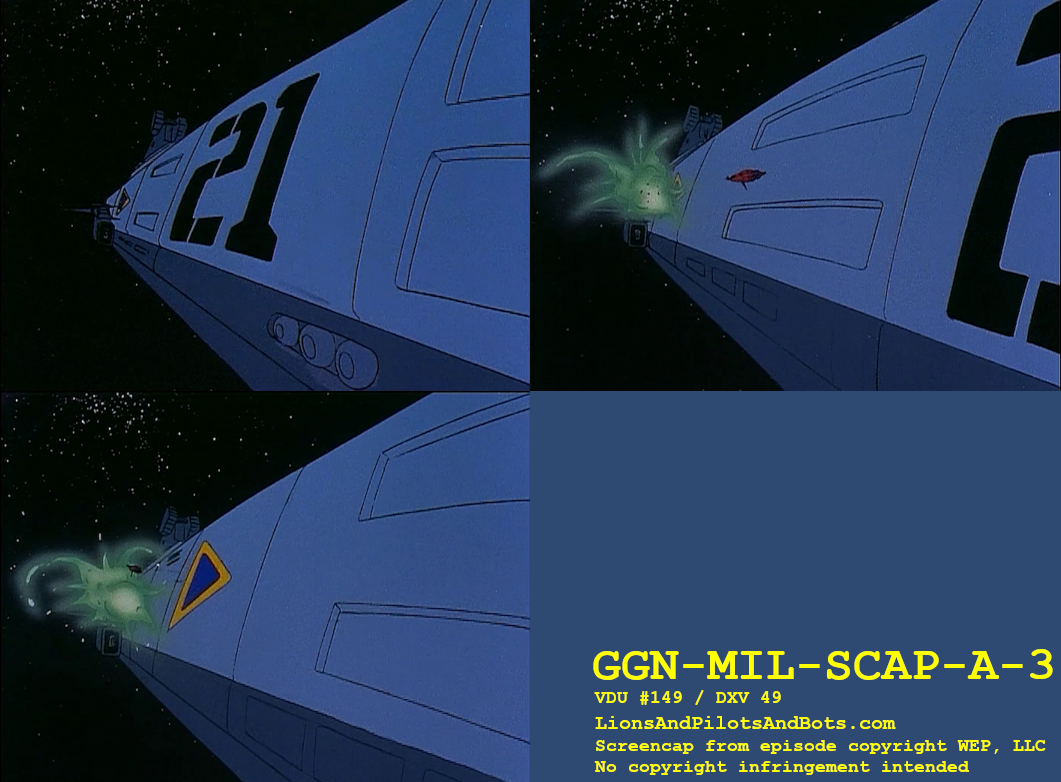
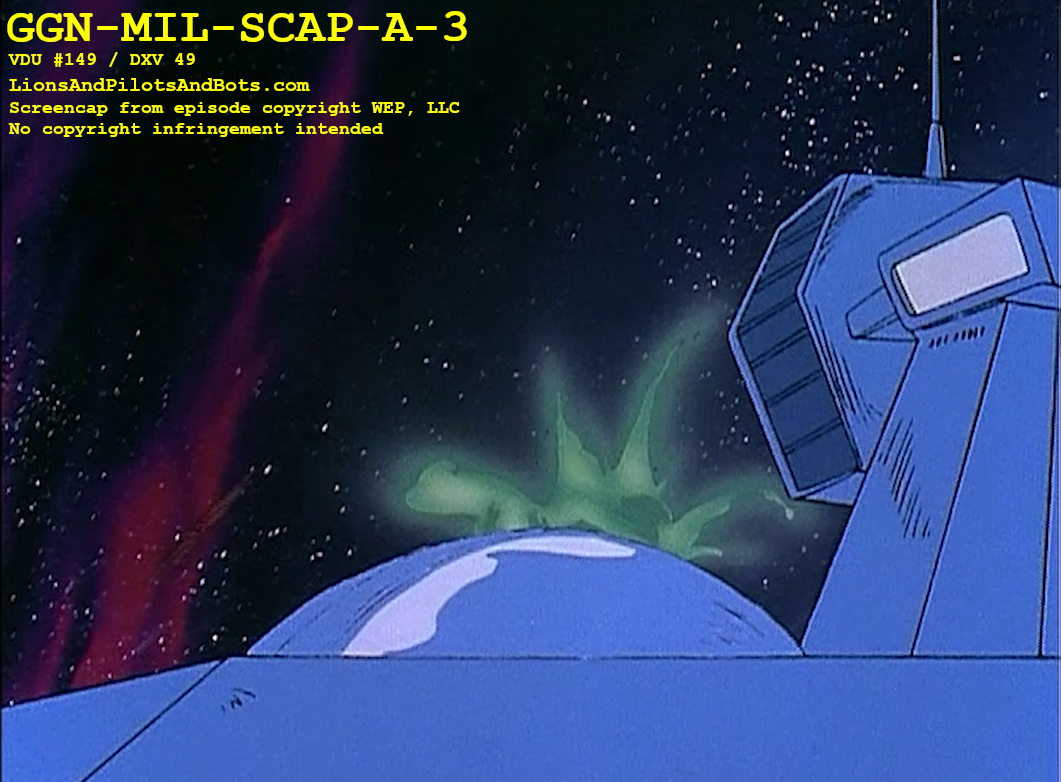
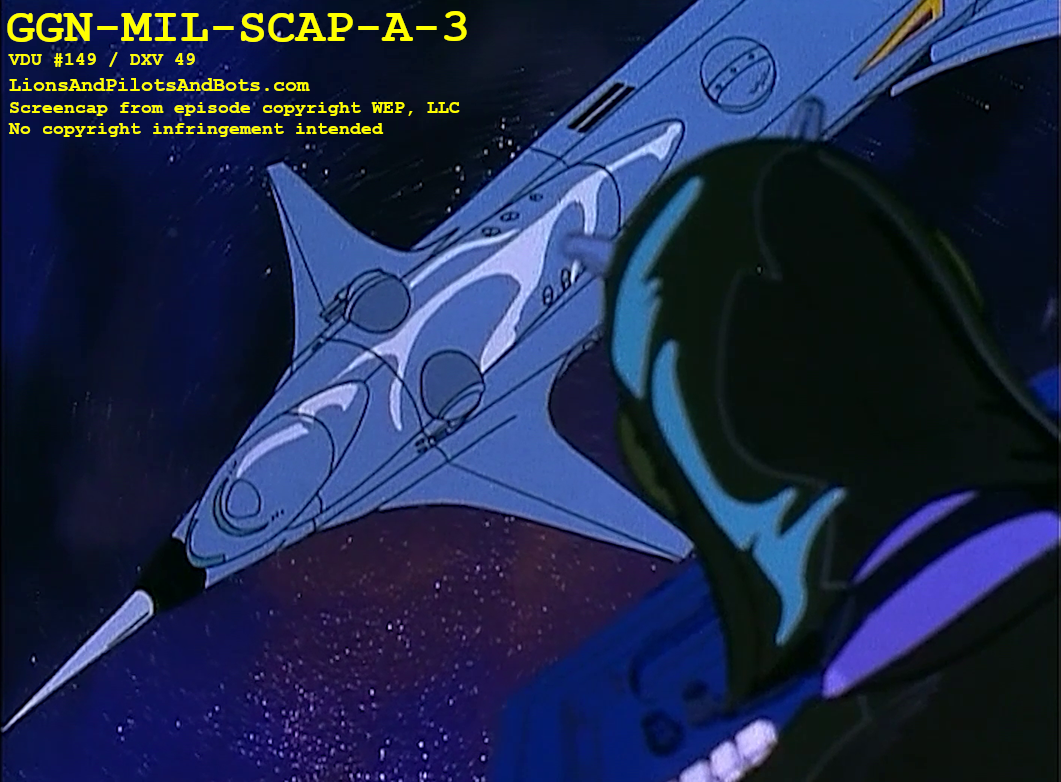
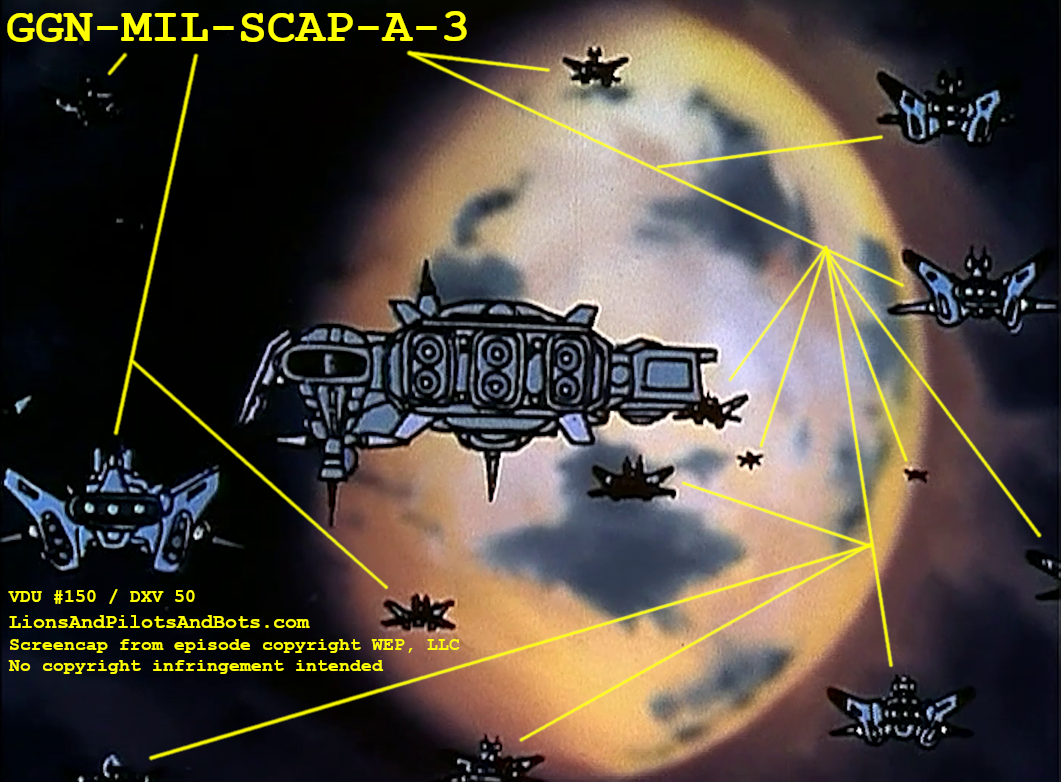
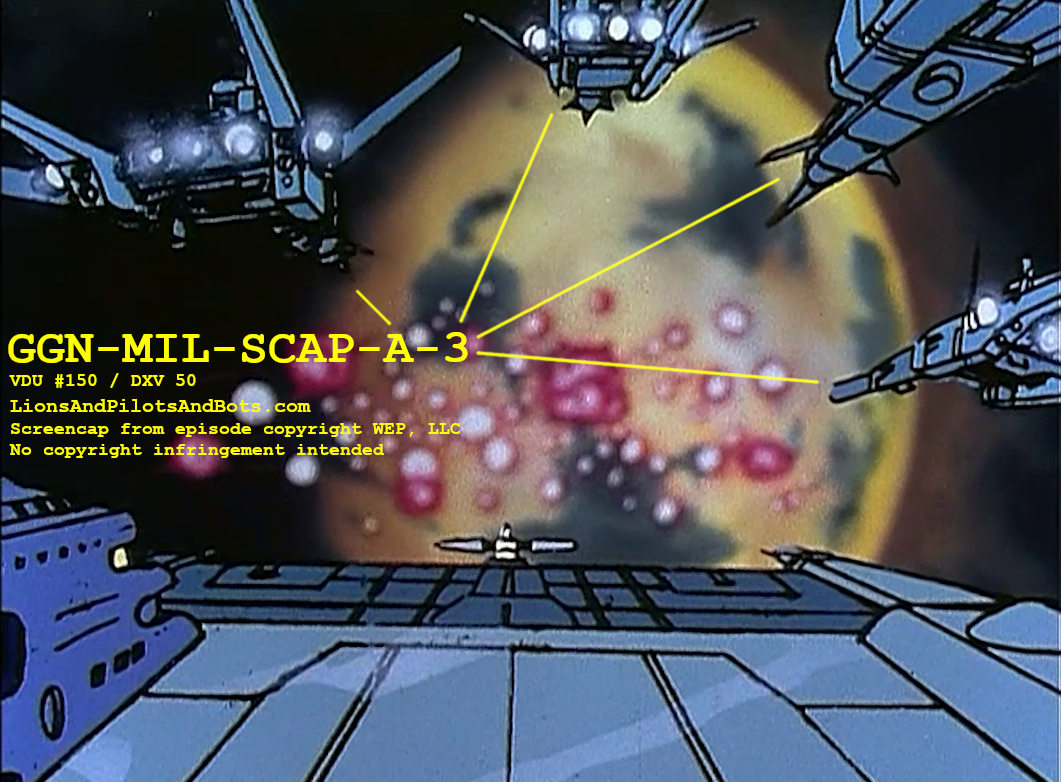
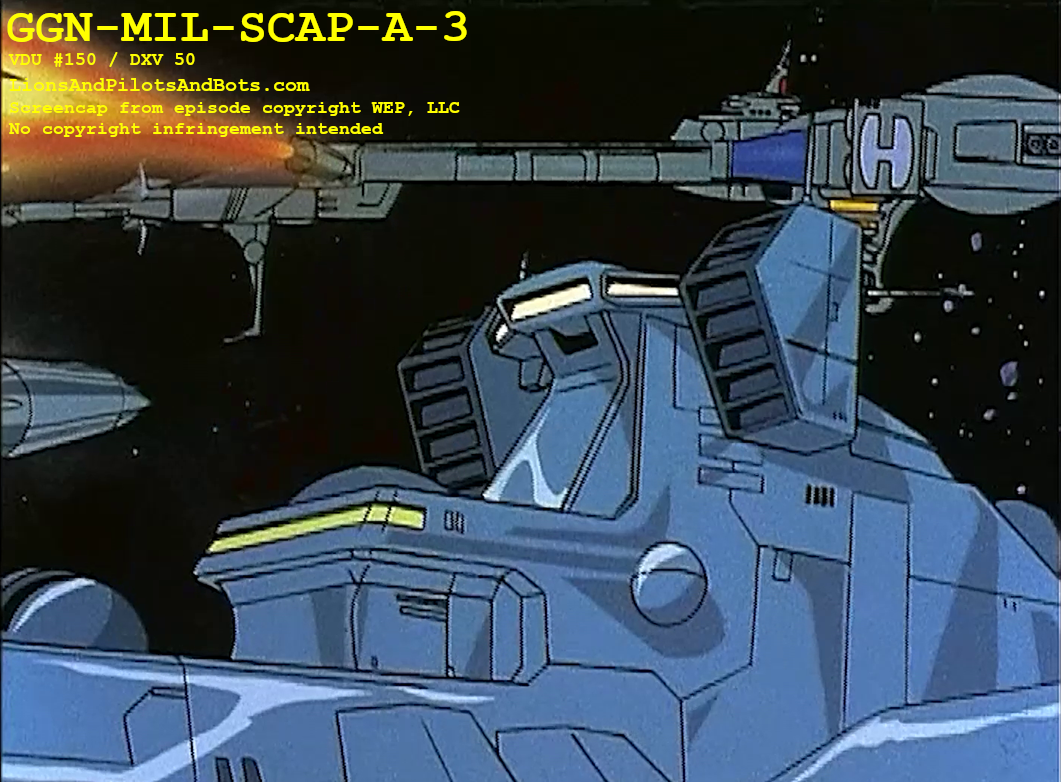
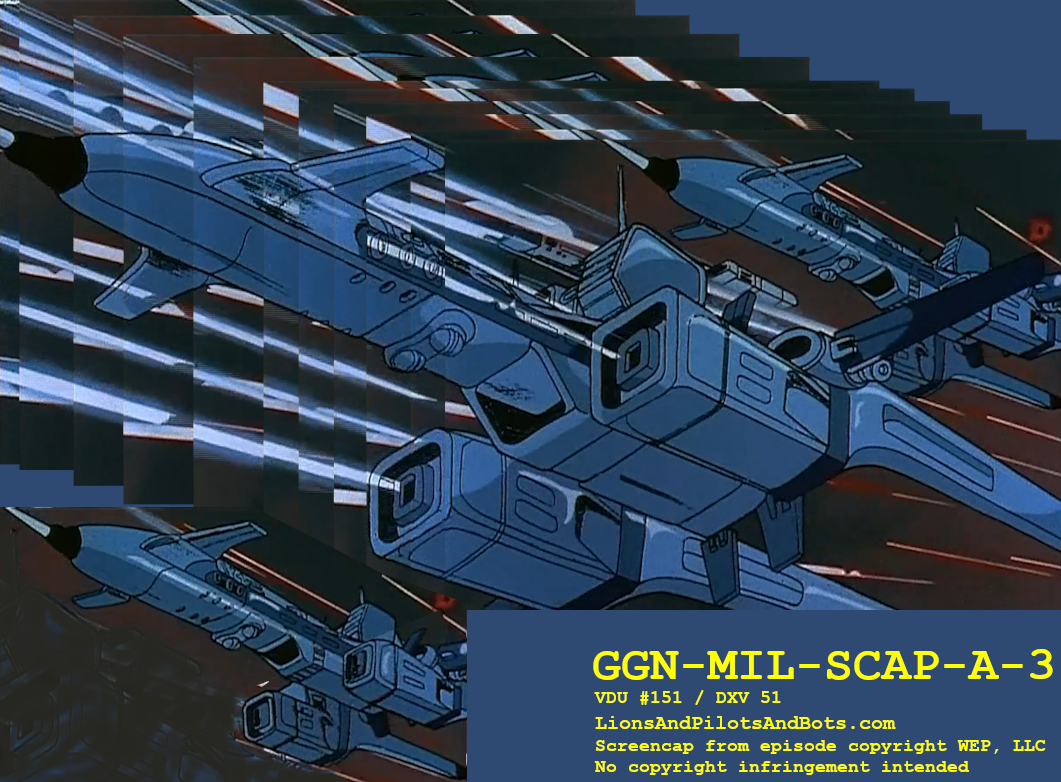
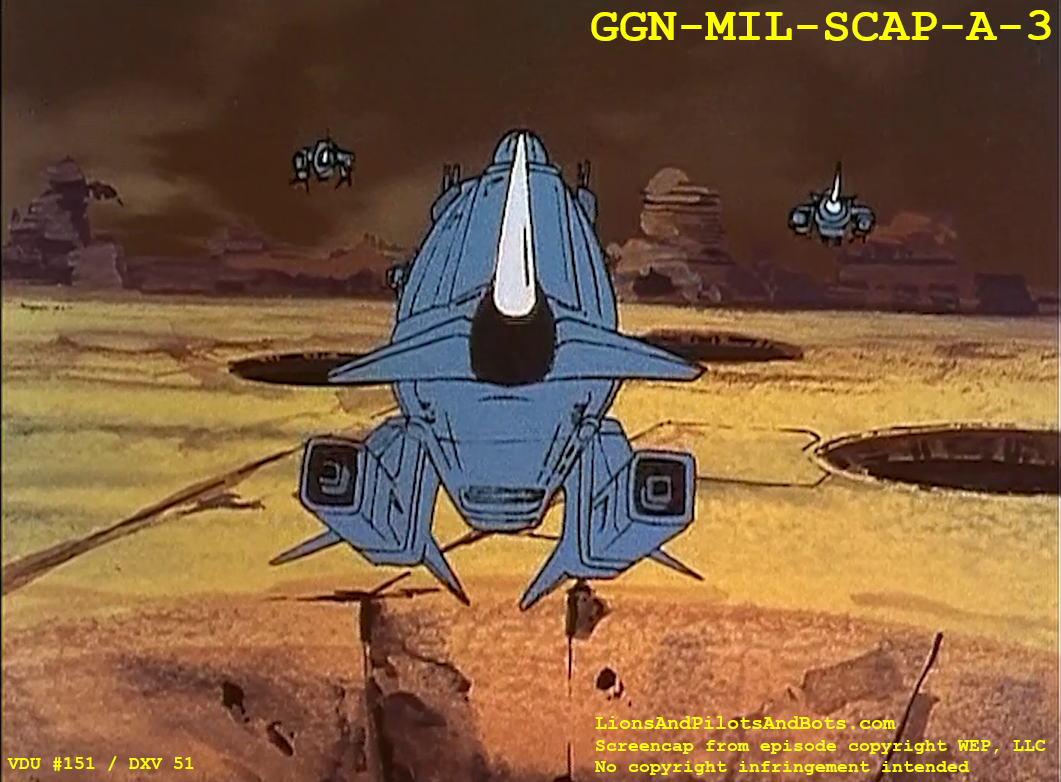
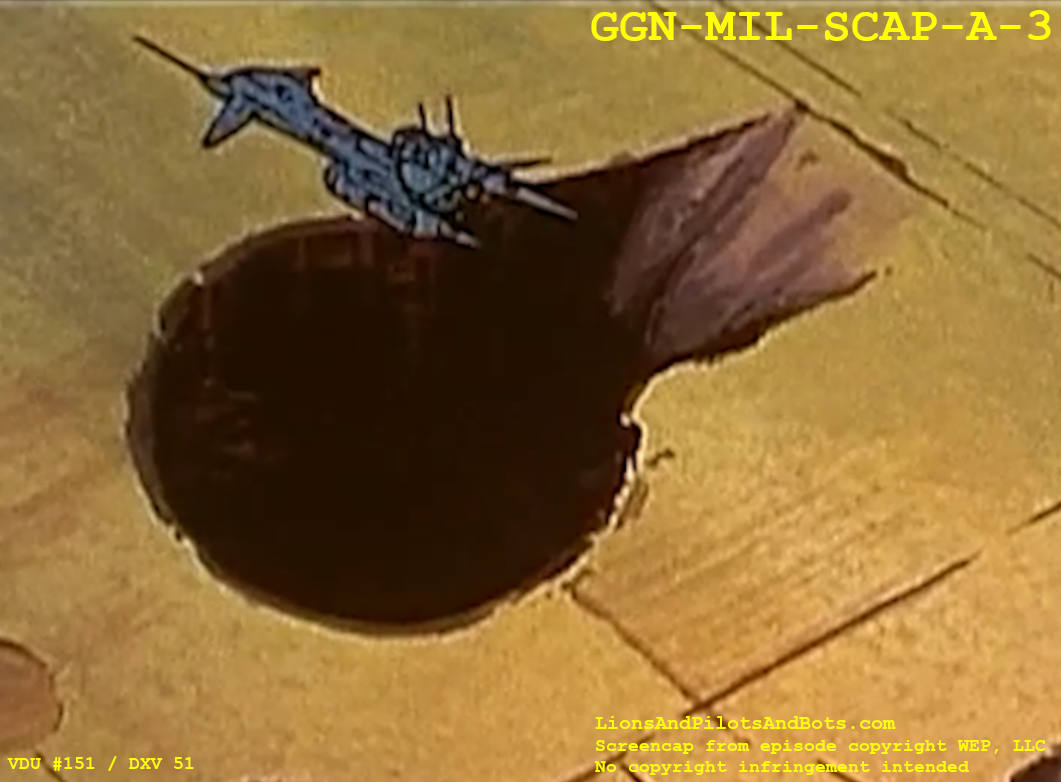
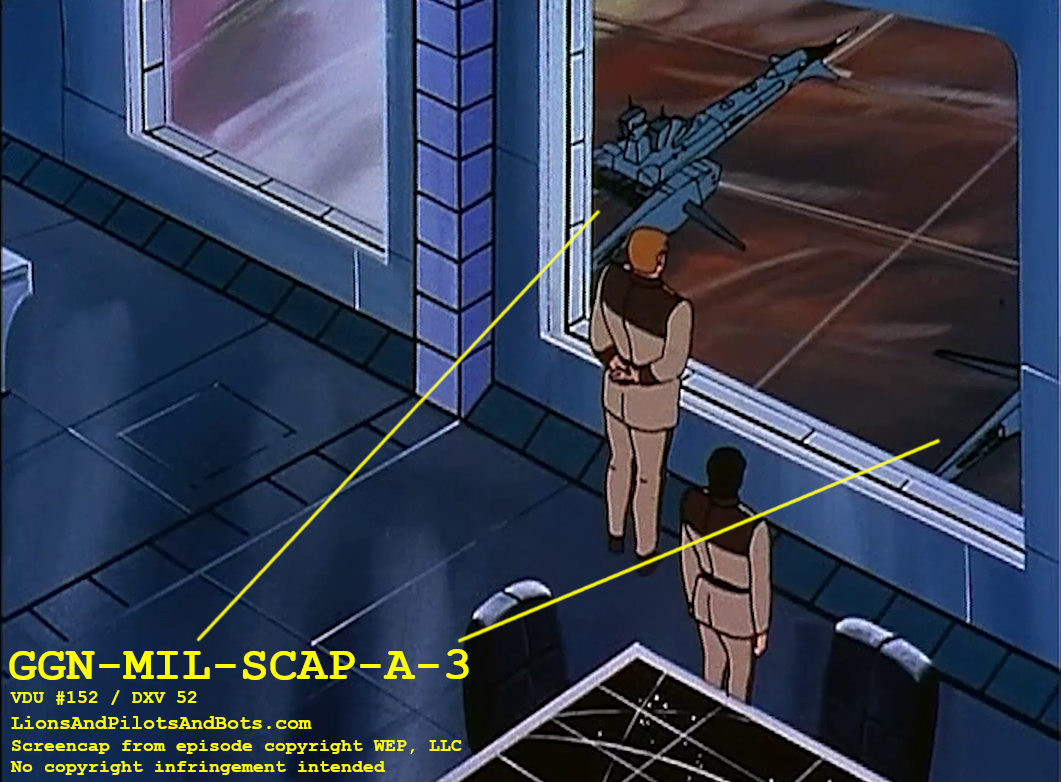
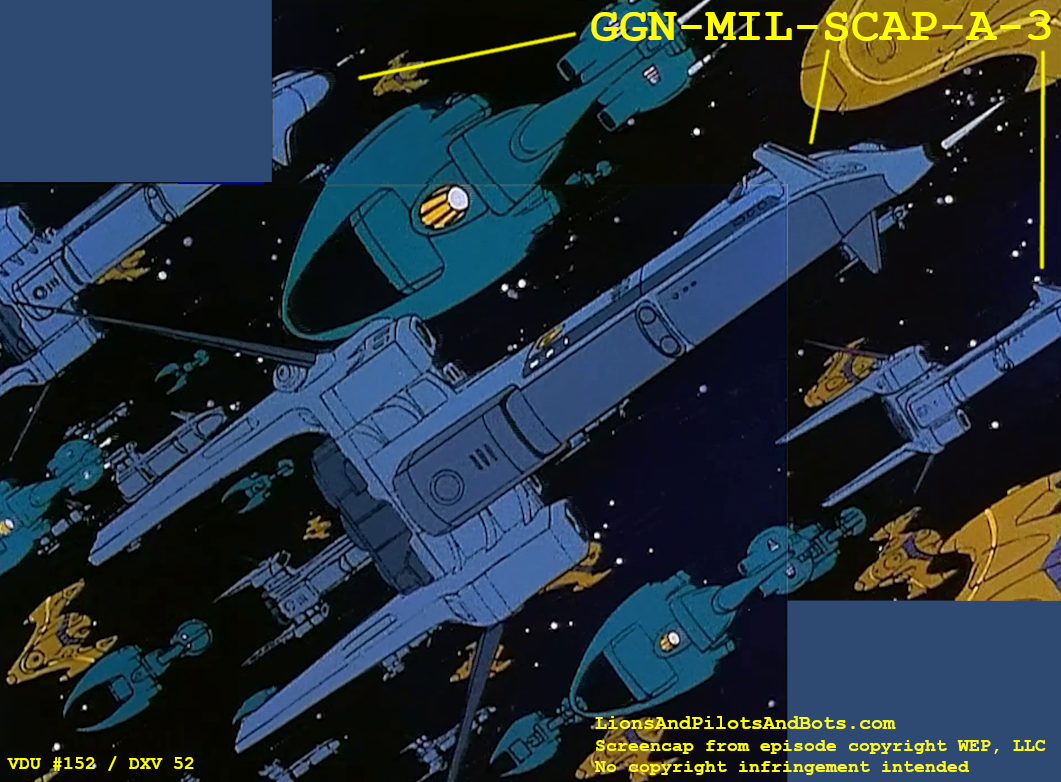
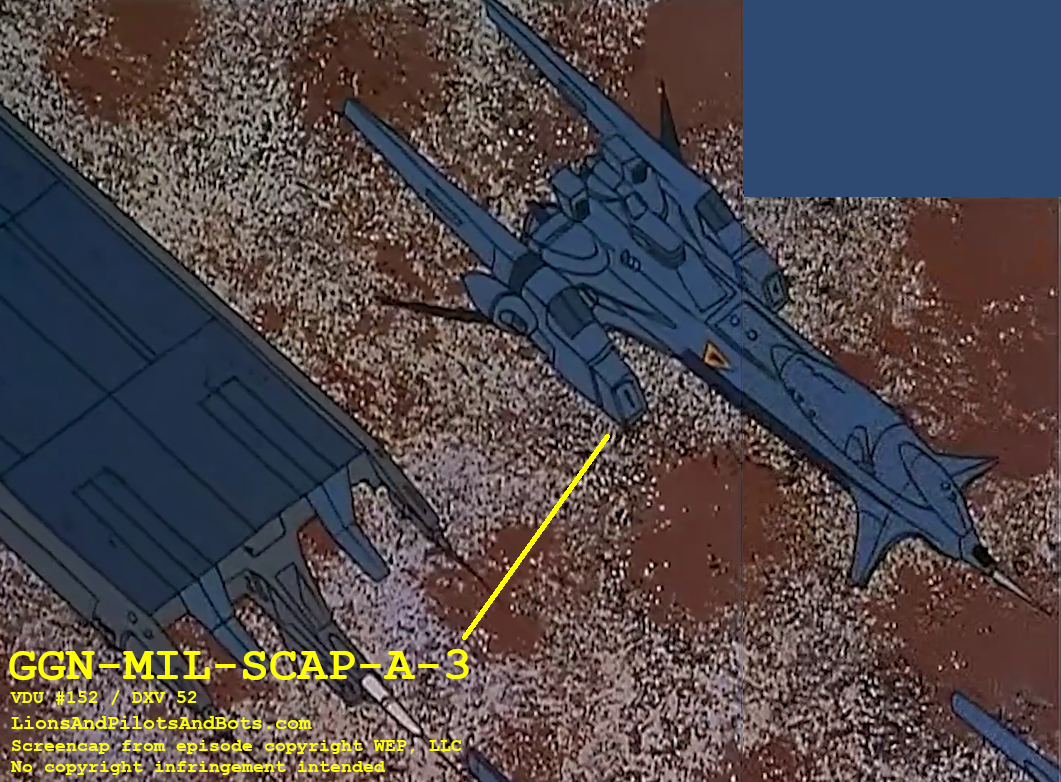
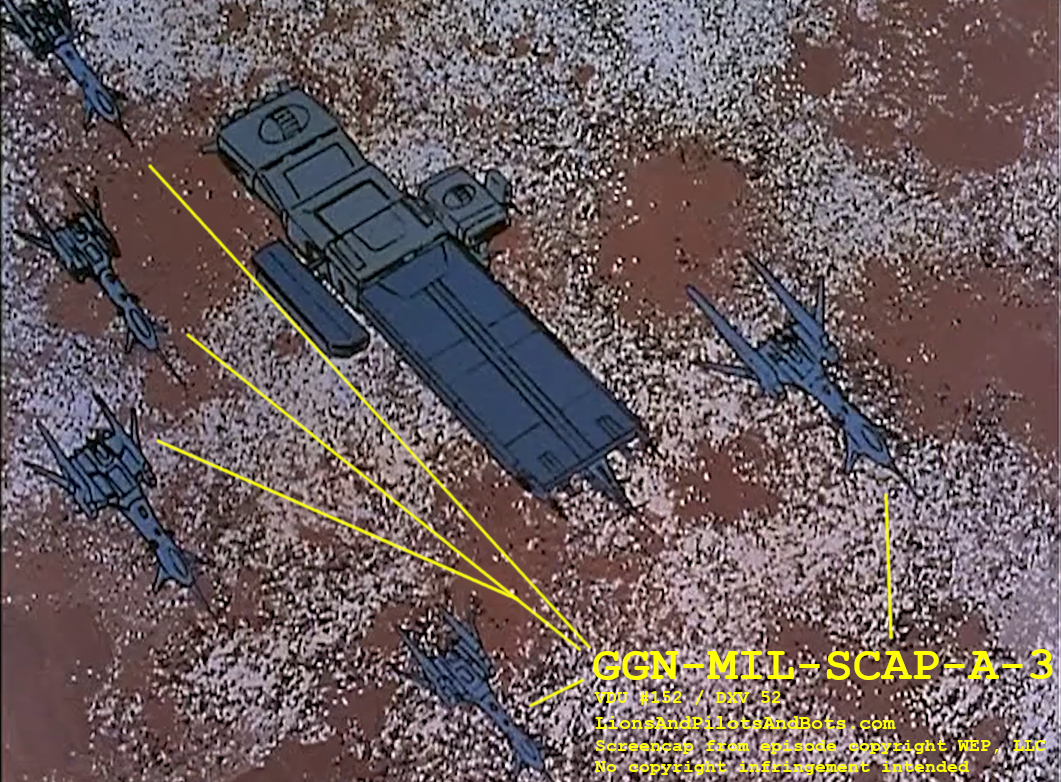
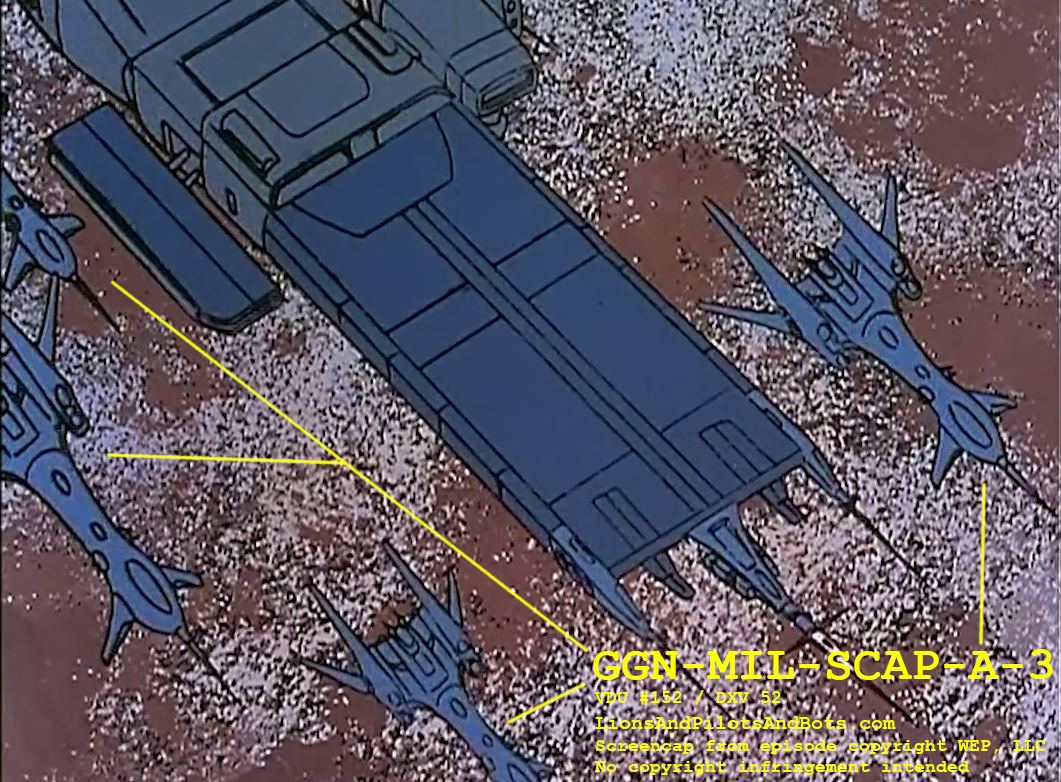
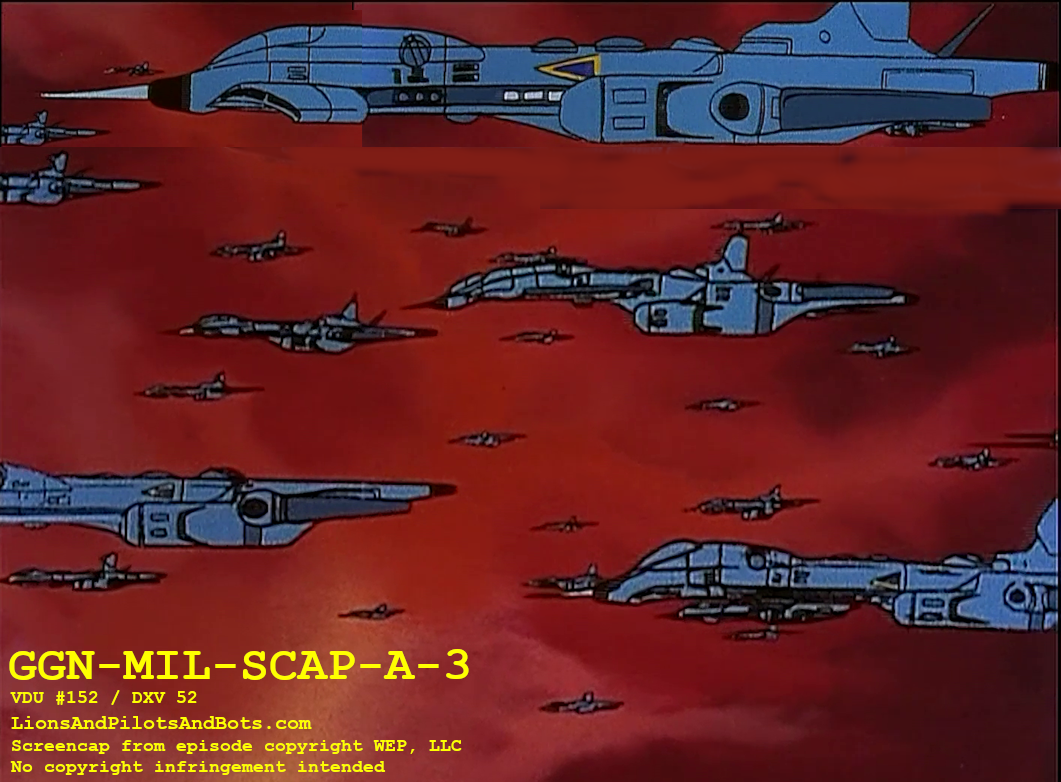
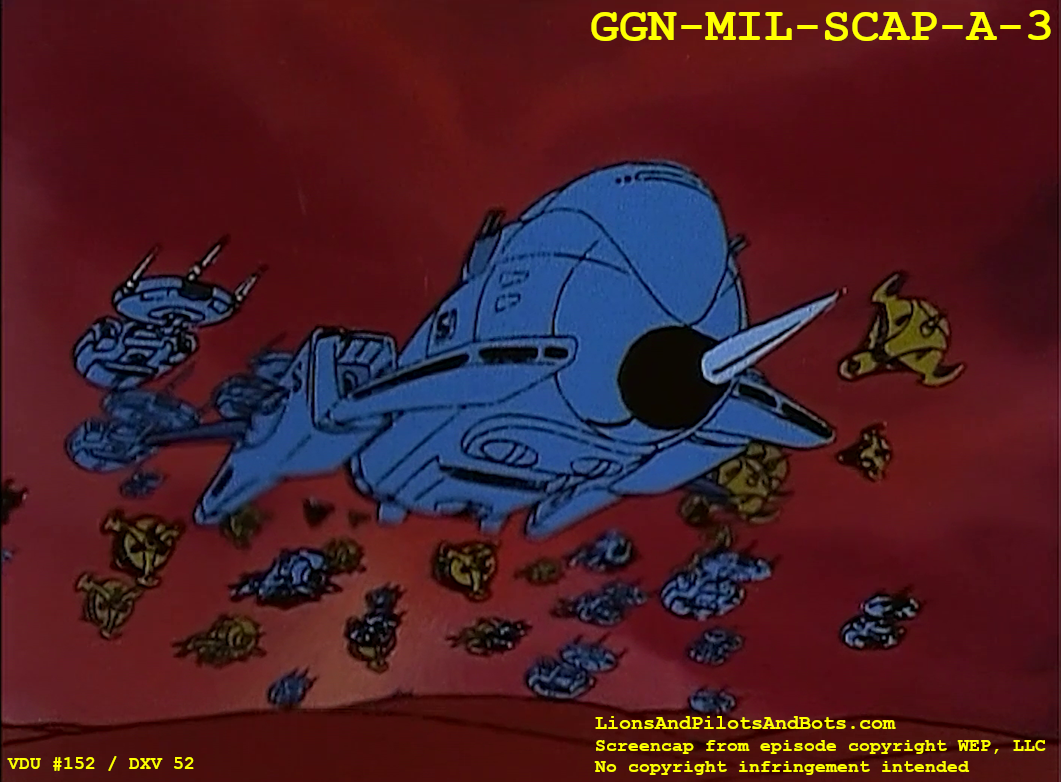
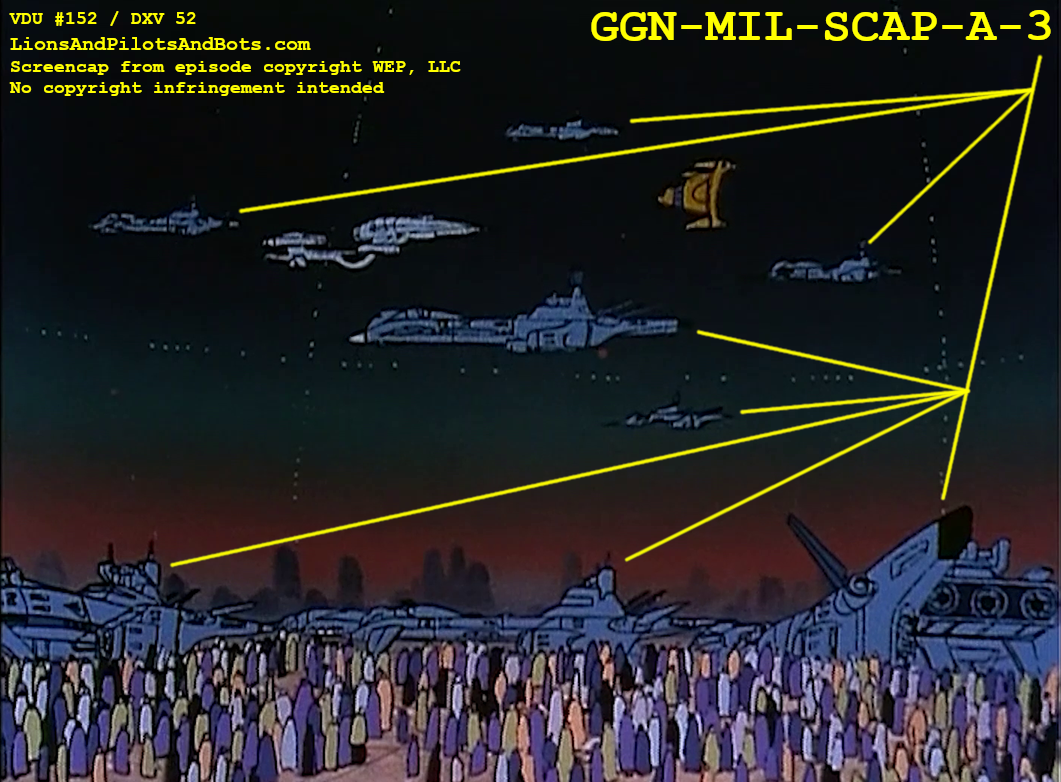
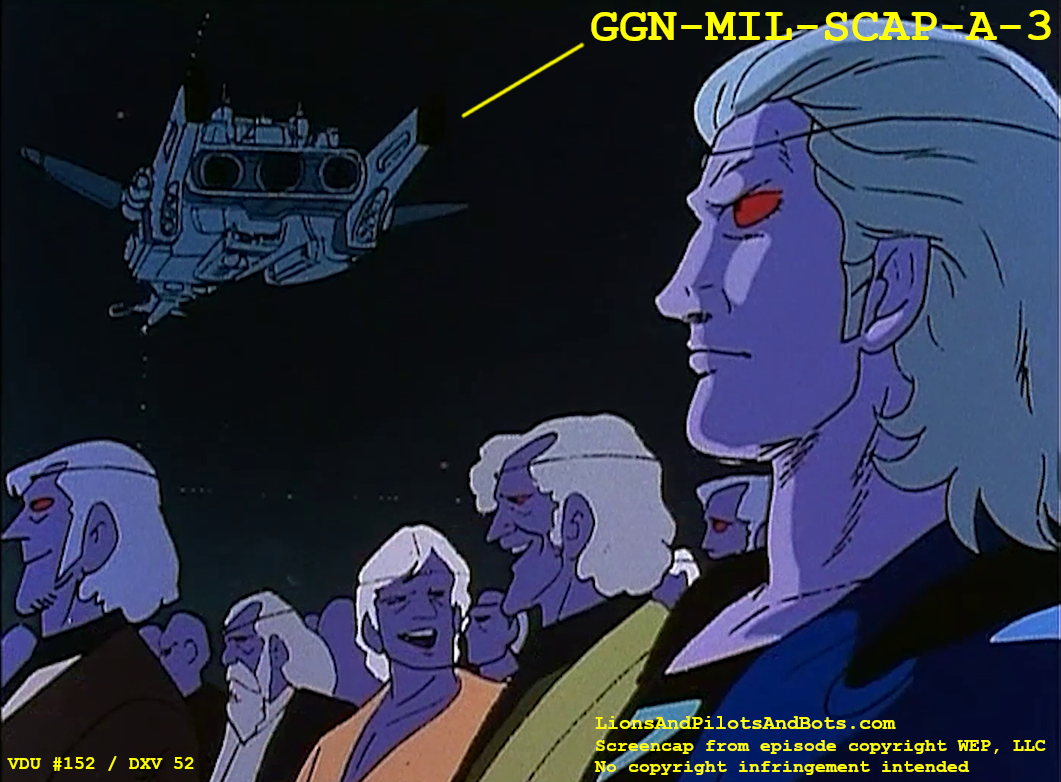
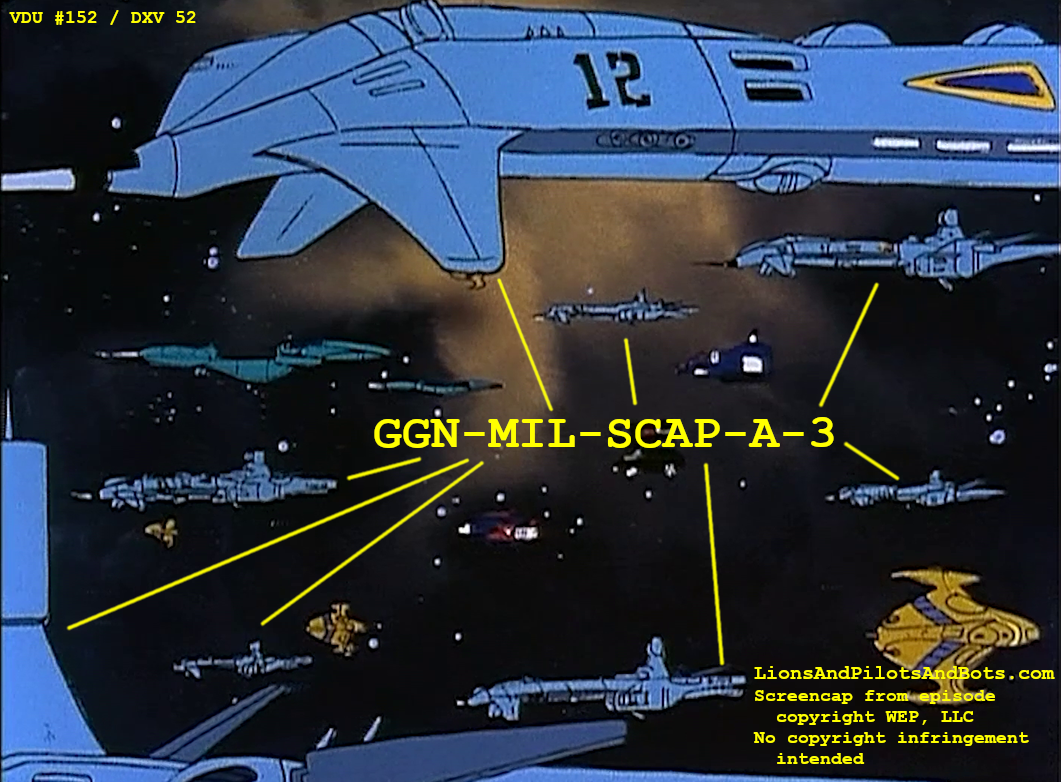
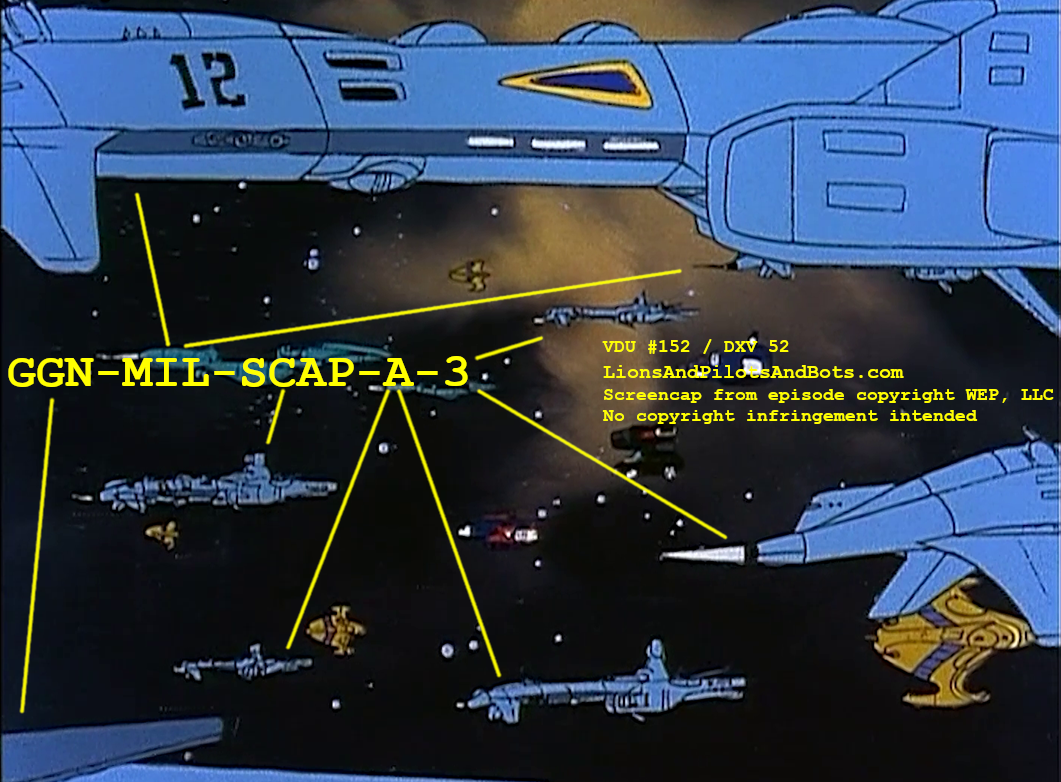
GGN-MIL-SCAP-A-3
GGN-MIL-SCAP-A-3 spacecraft often serve in Galaxy Garrison support or combat fleets.
 |  |  |
 |  |  |
 |  |  |
 |  |  |
 |  |  |
 |  |  |
 |  |  |
 |  |  |
 |  |  |
 |  |  |
 |  |  |
 |  |  |
 |  |  |
 |  |  |
 |  |  |
 |  |  |
 |  |  |
 |  |  |
 |  |  |
 |  |  |
 |  |  |
 |  |  |
 |  |  |
 |  |  |
 |  |  |
 |  |  |
 |  |  |
 |  |  |
 |  |  |
 |  |  |
 |  |  |
 |  |  |
 |  |  |
 | |  |
 |  |  |
 |  |  |
 |  |  |
 |  |  |
 |  |
Return to Vehicle Types – Summary Information
Military – Spacecraft – Capital Ship – Large (MIL-SCAP-B)
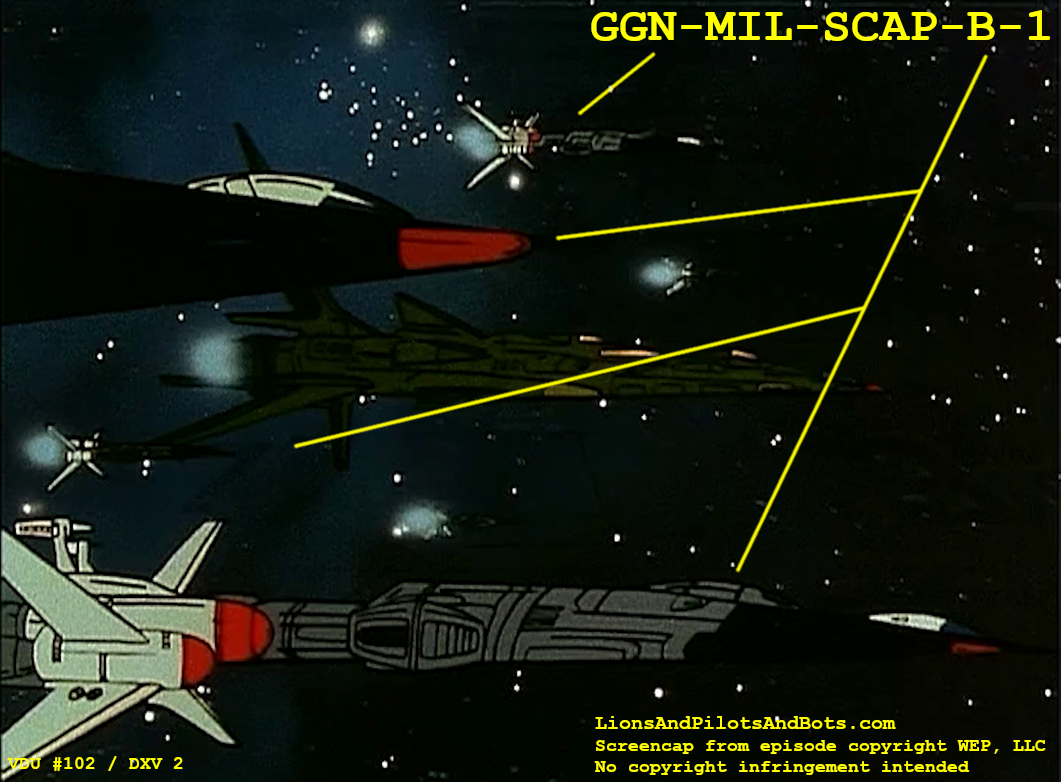
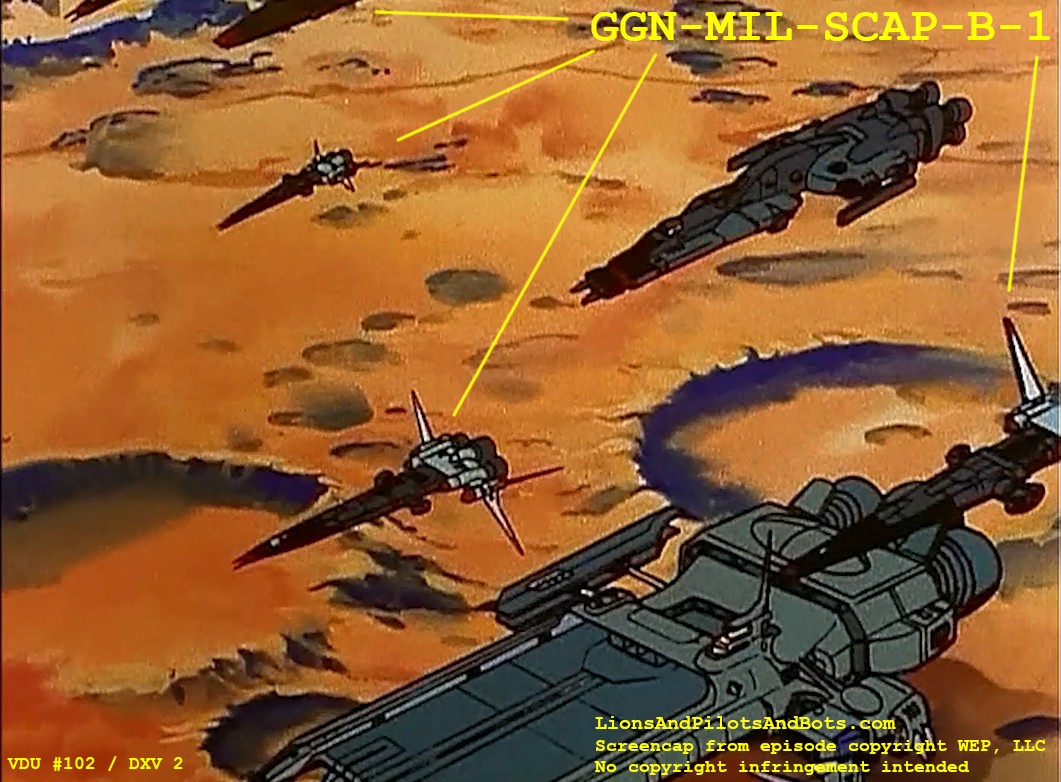
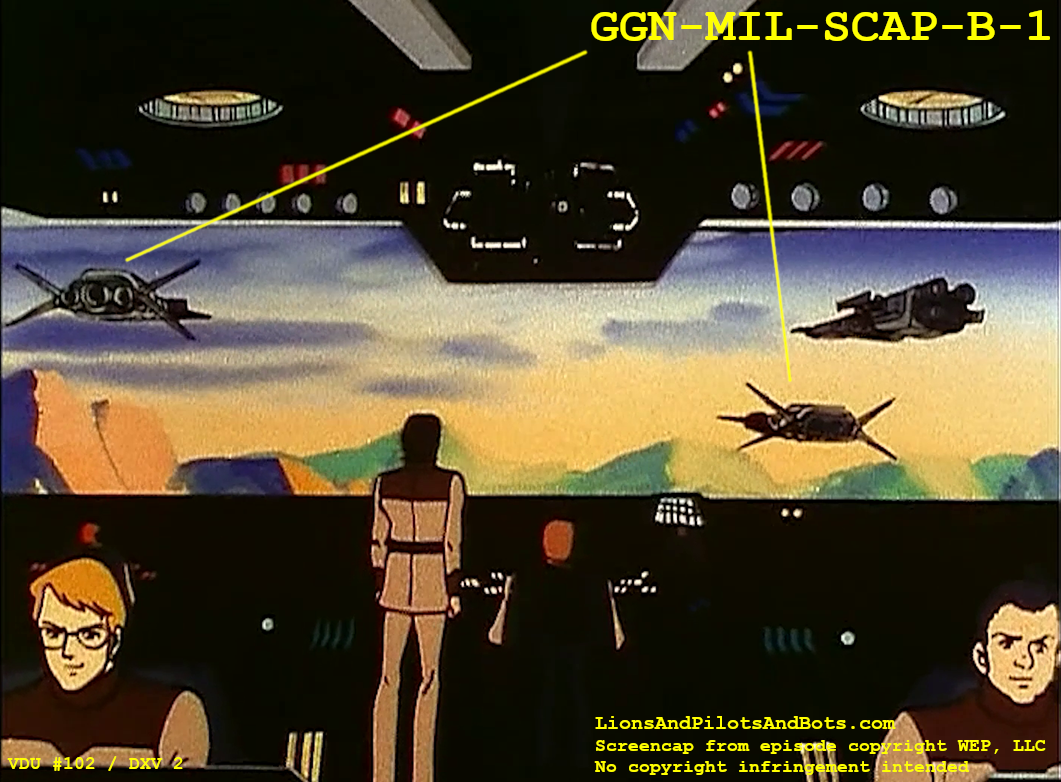
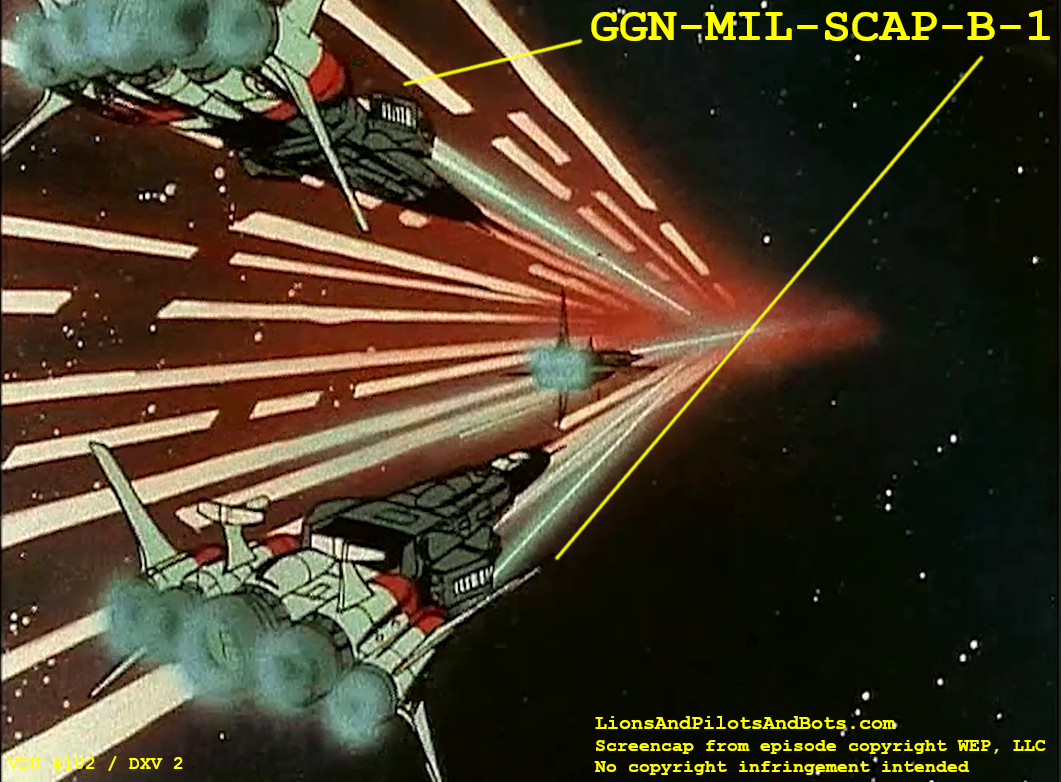
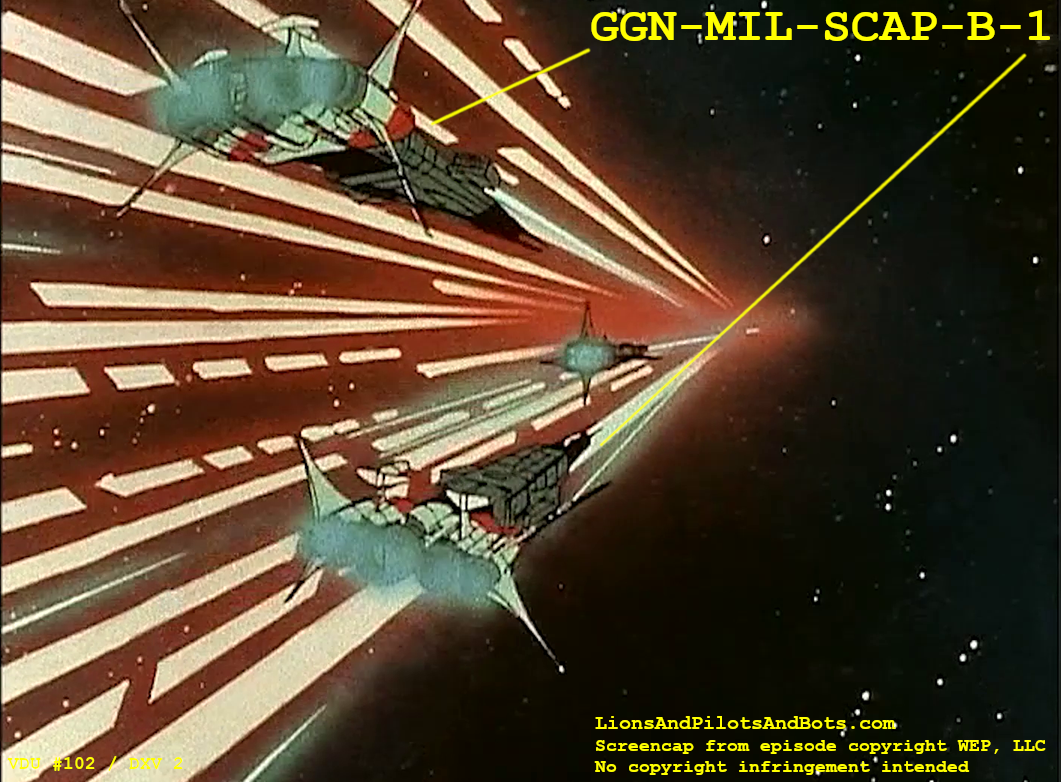
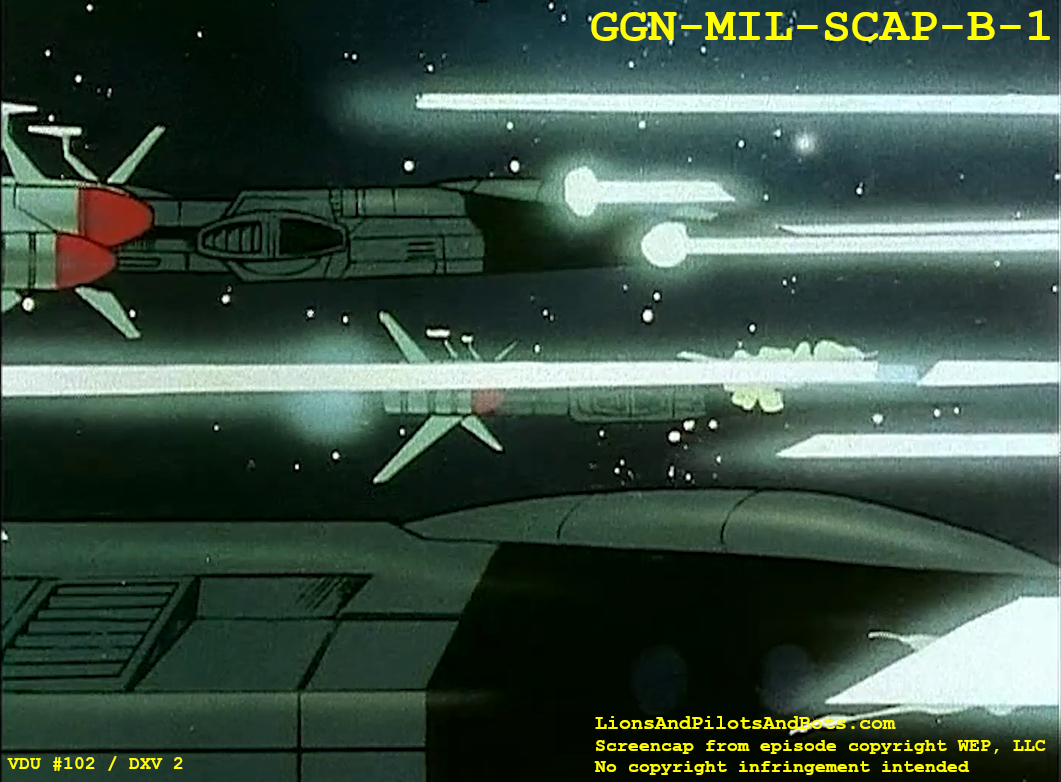
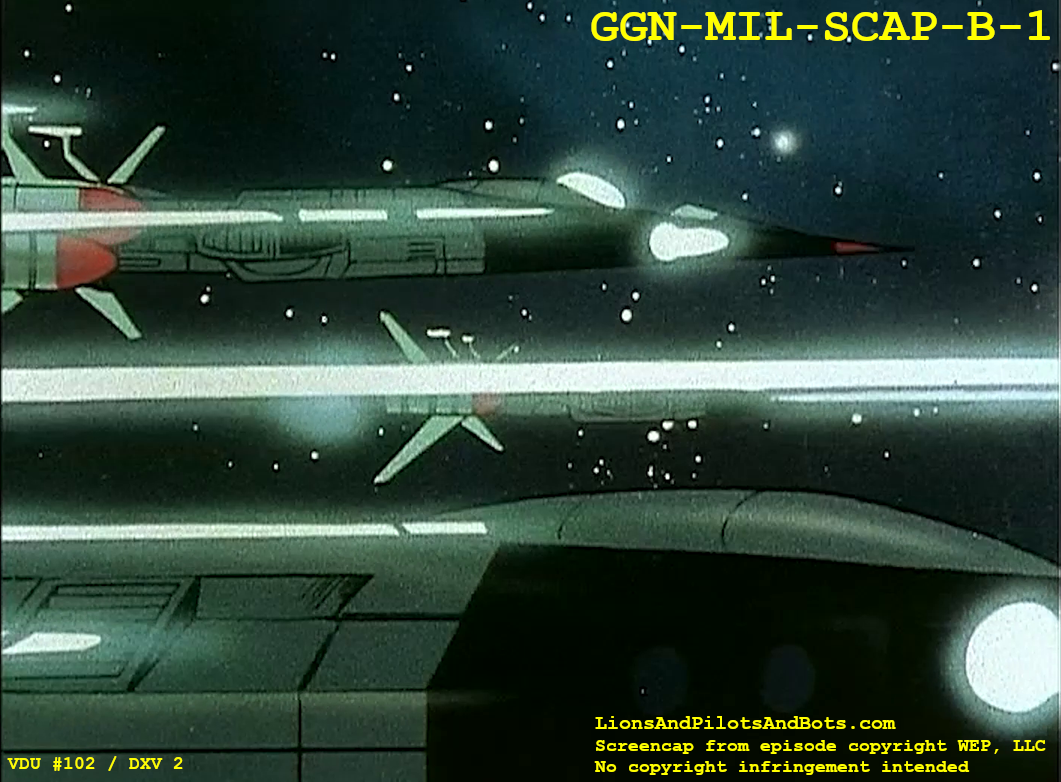
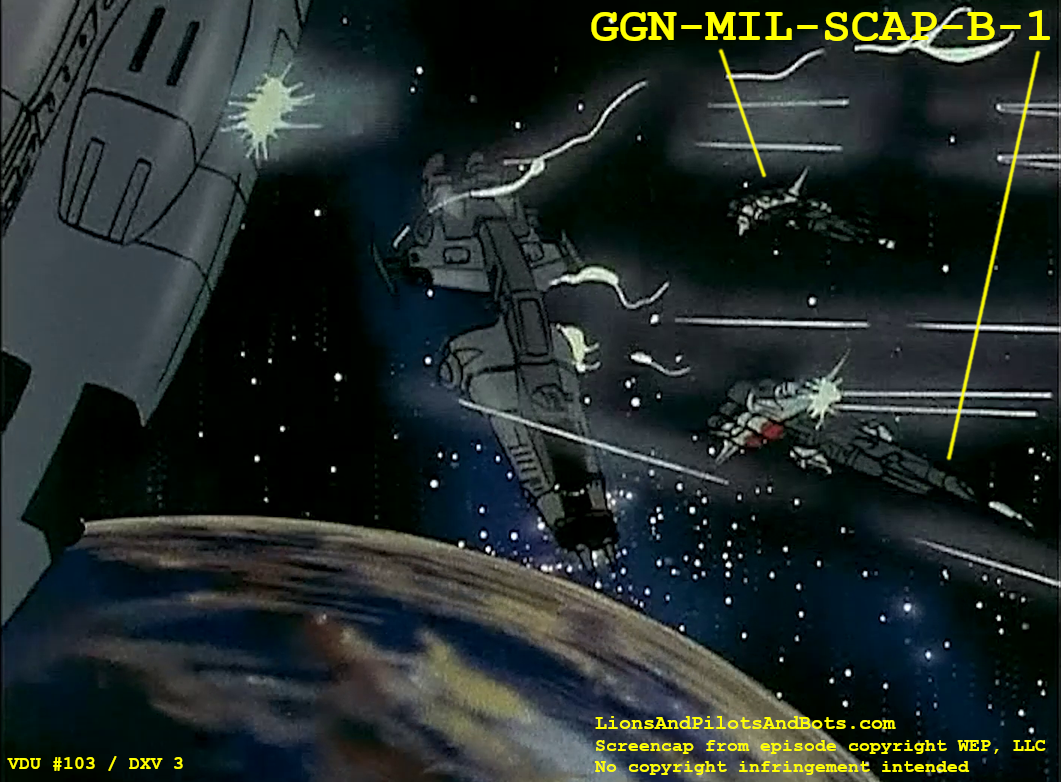
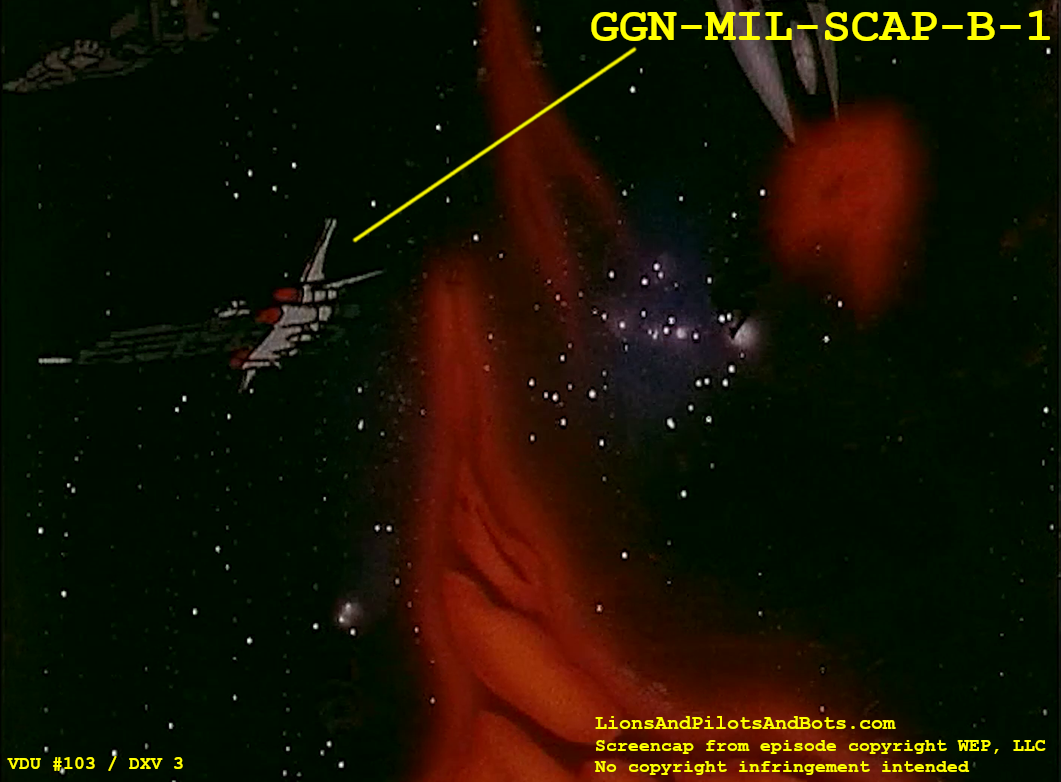
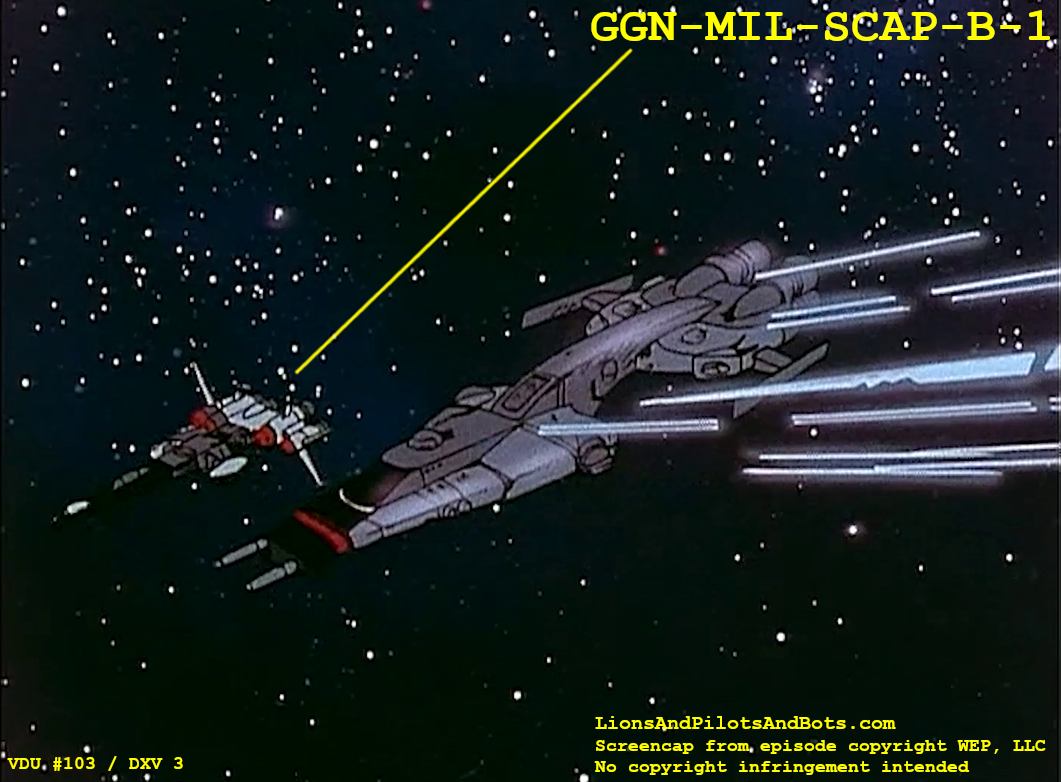
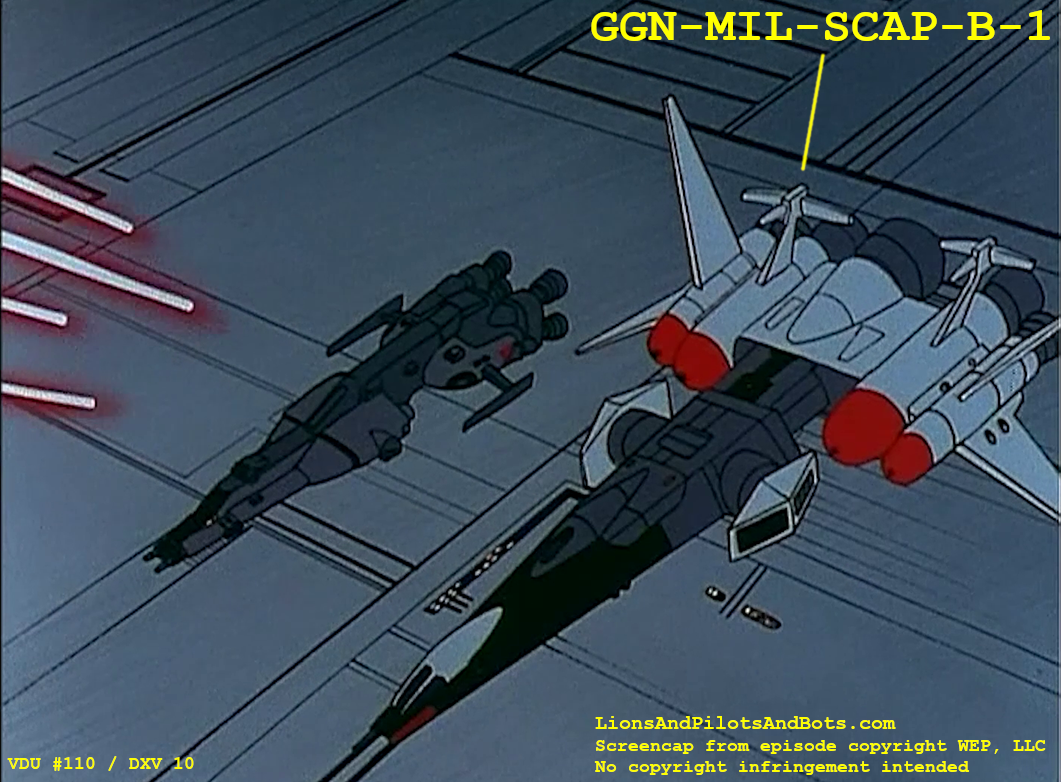
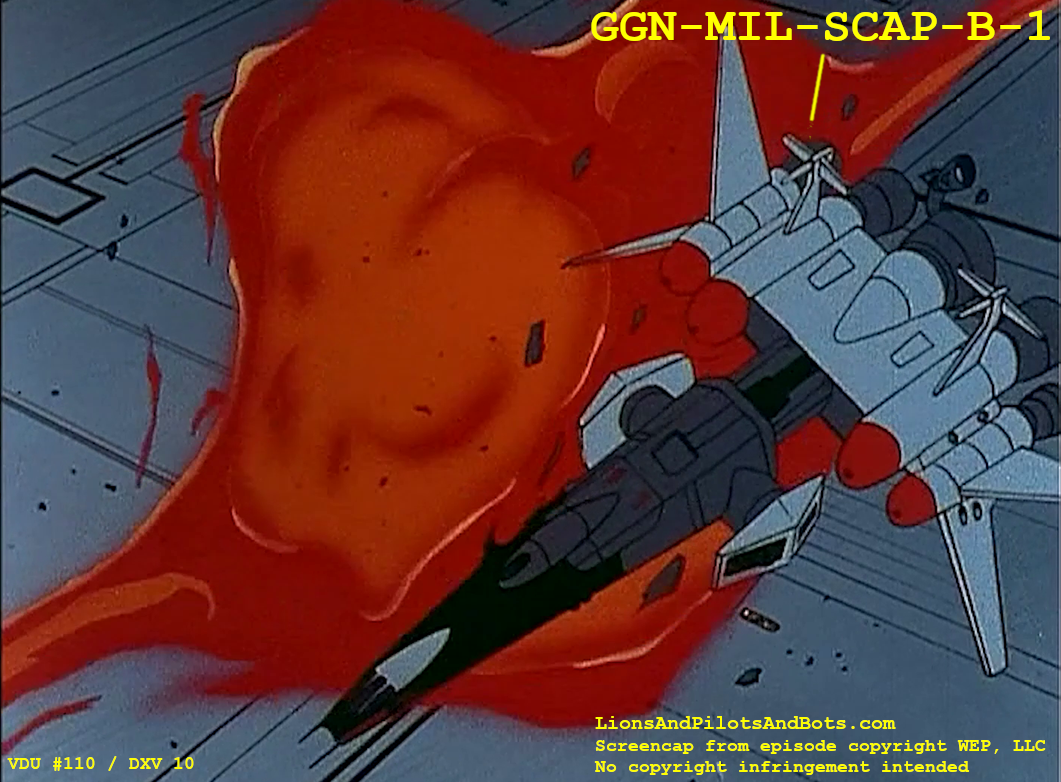
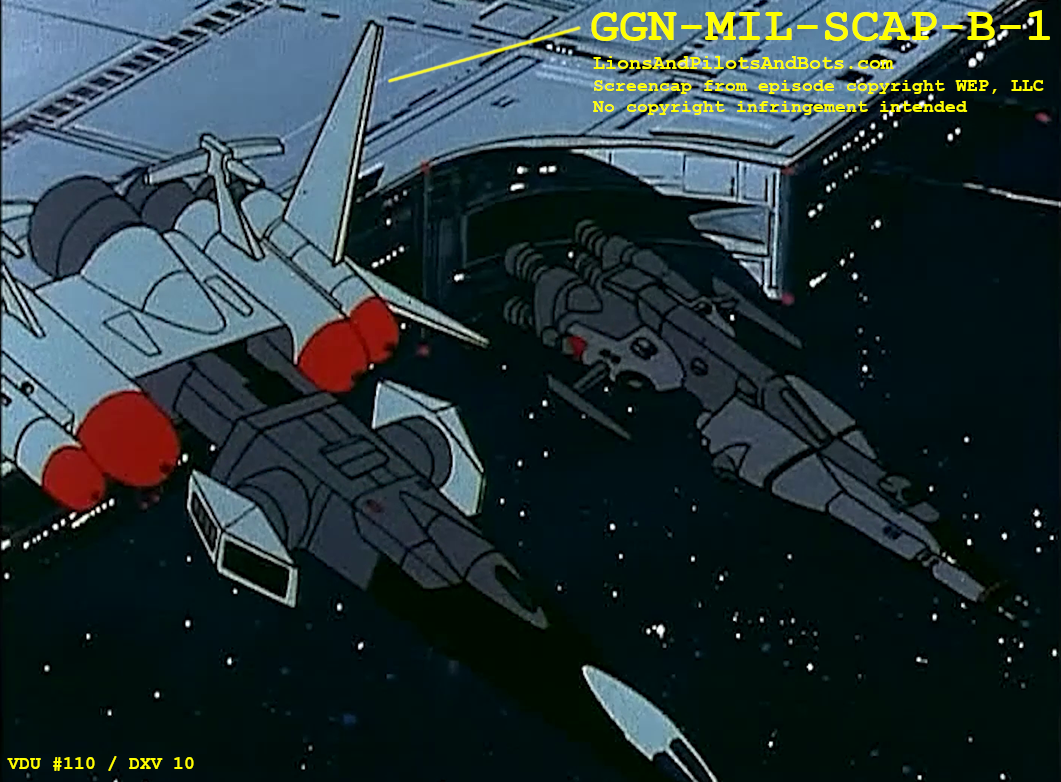
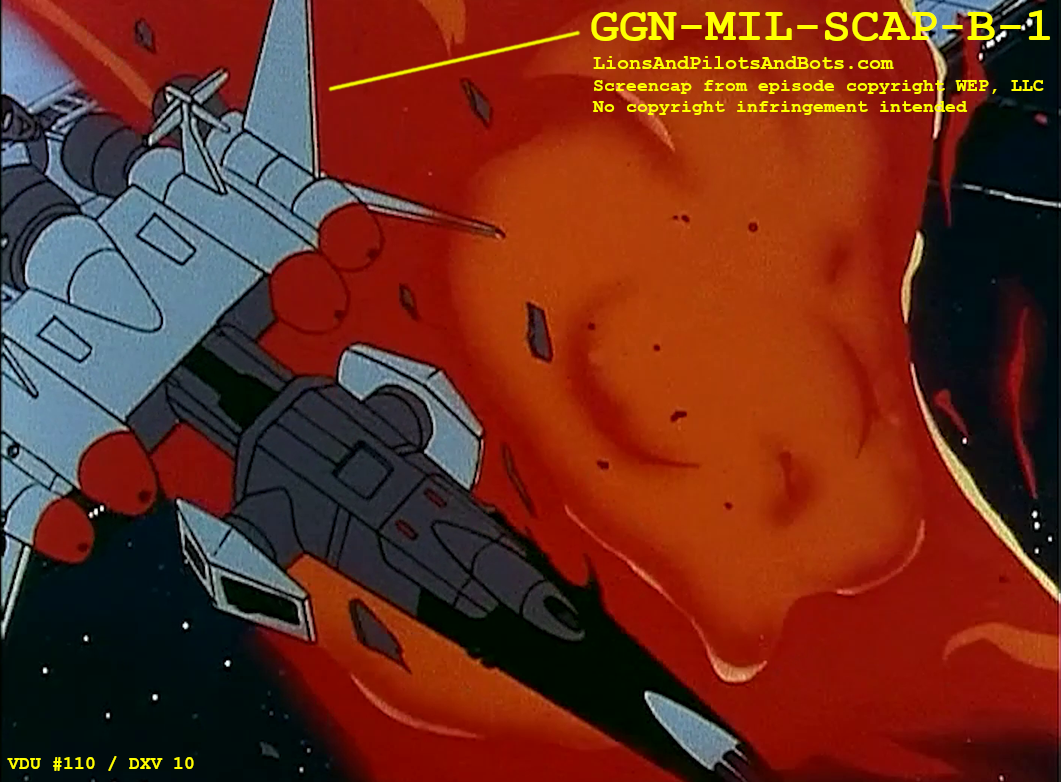
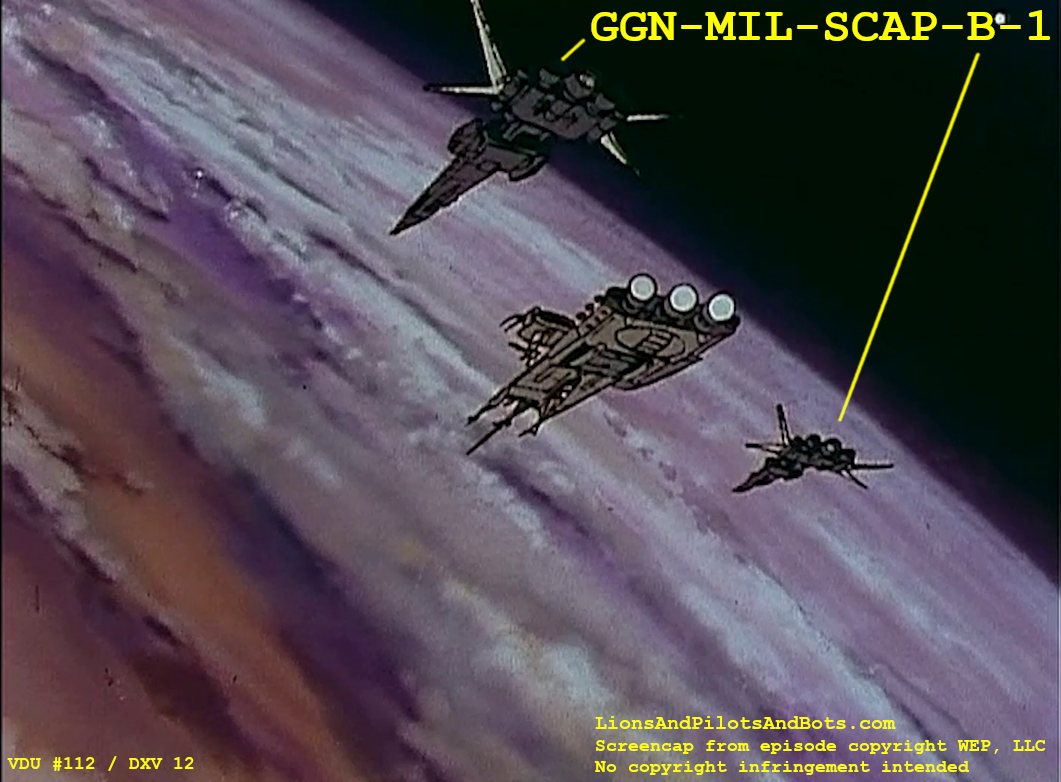
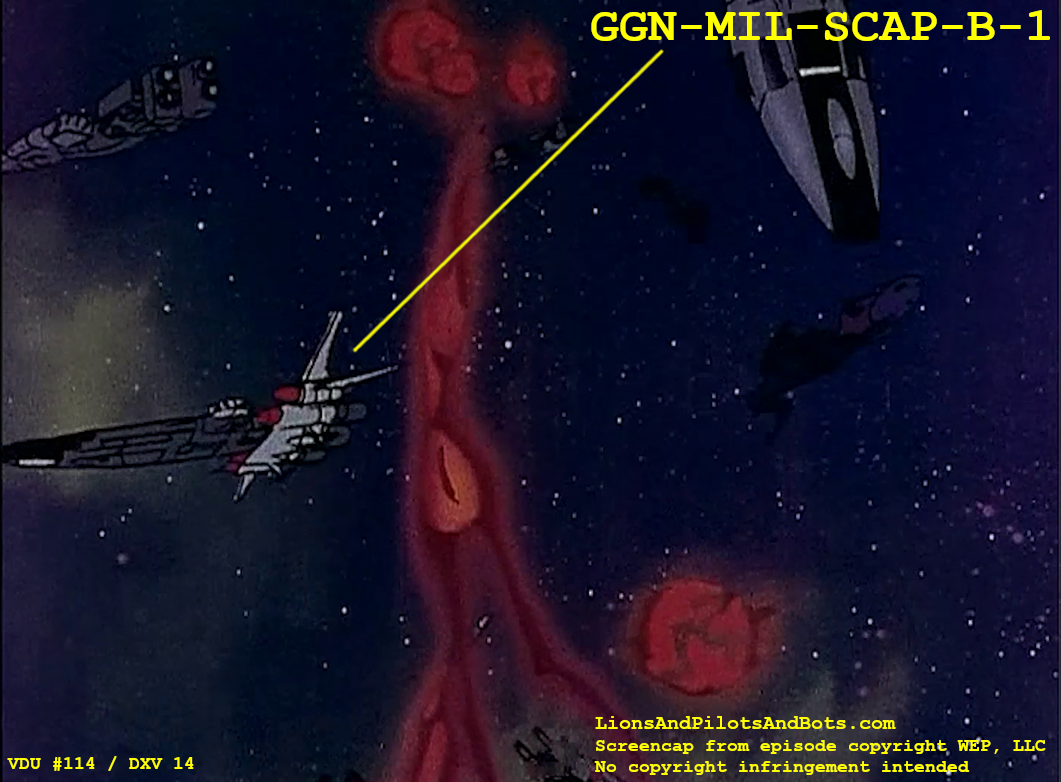
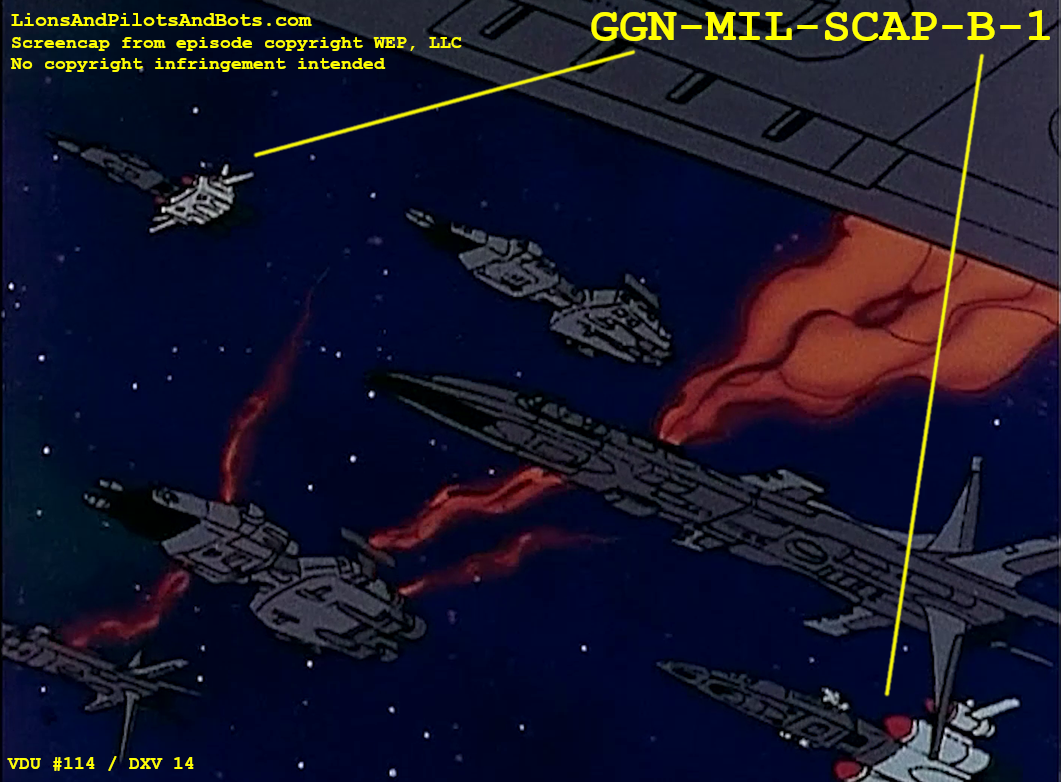
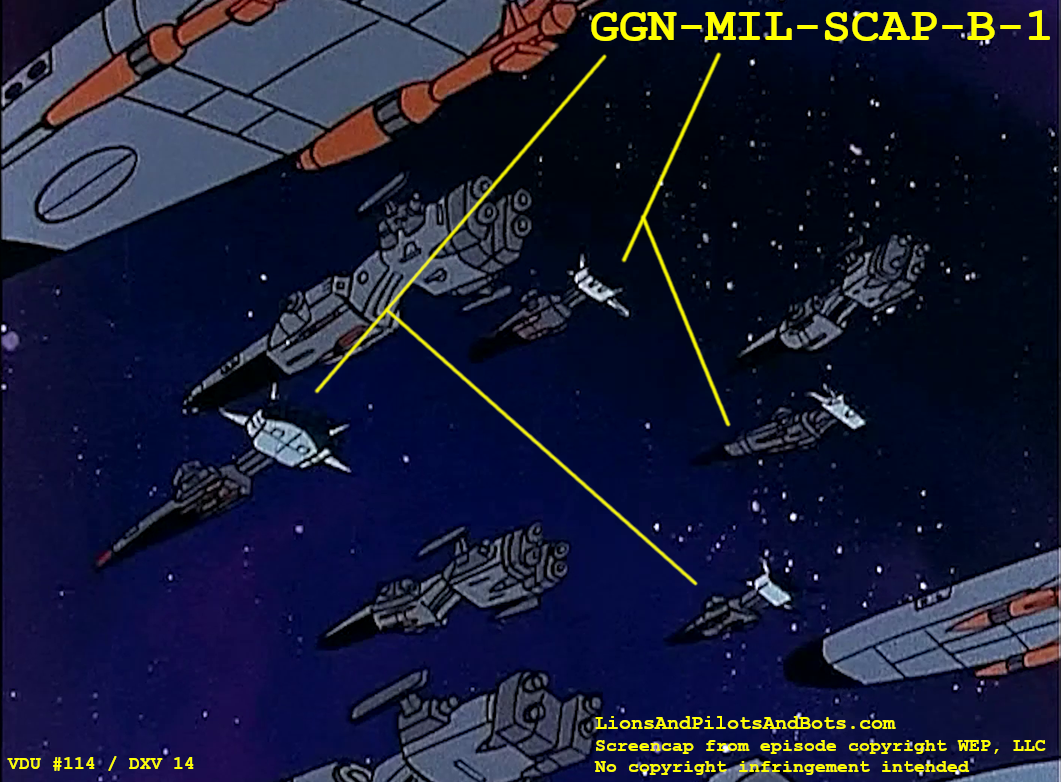
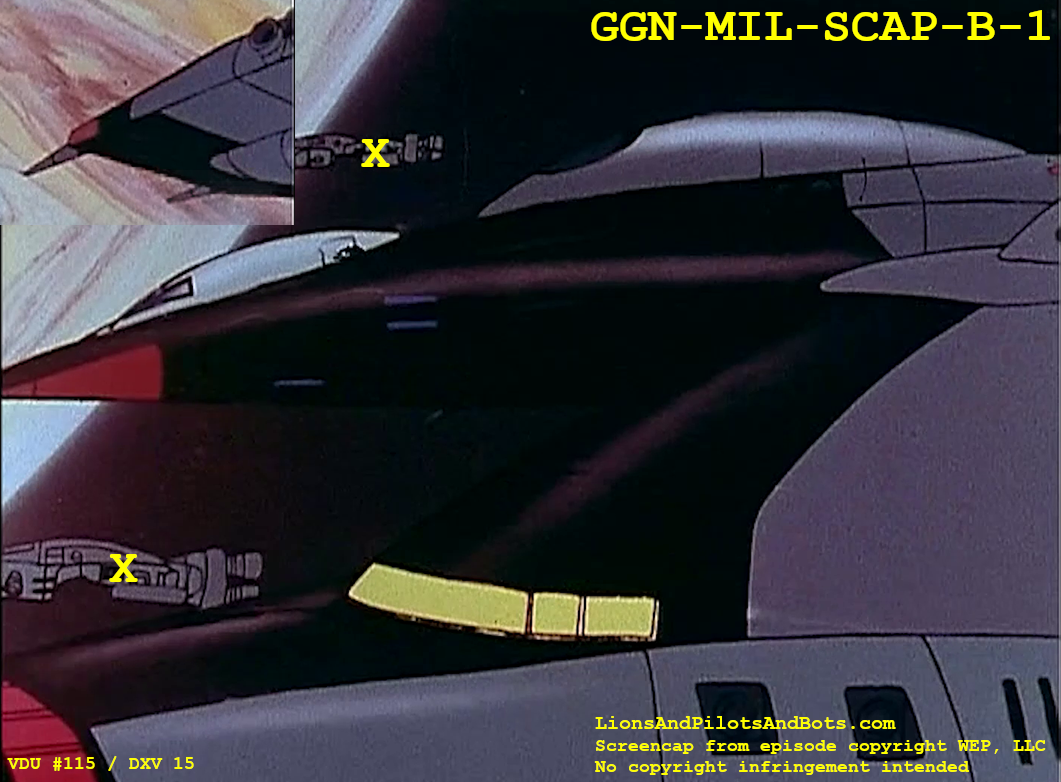
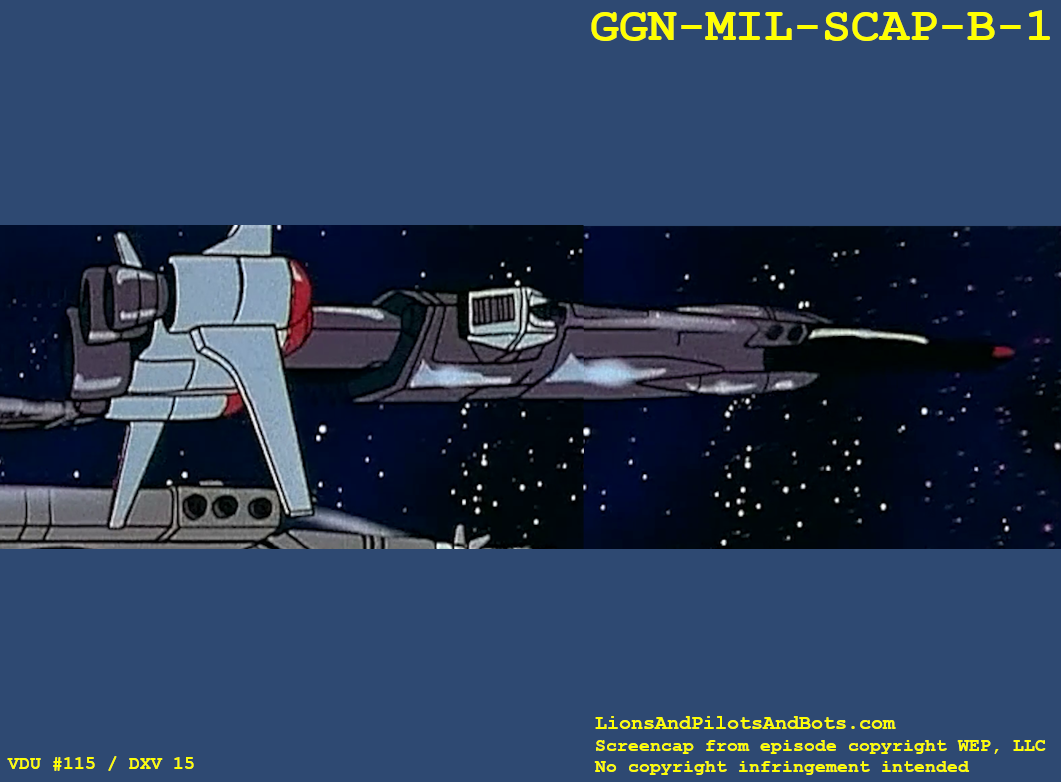
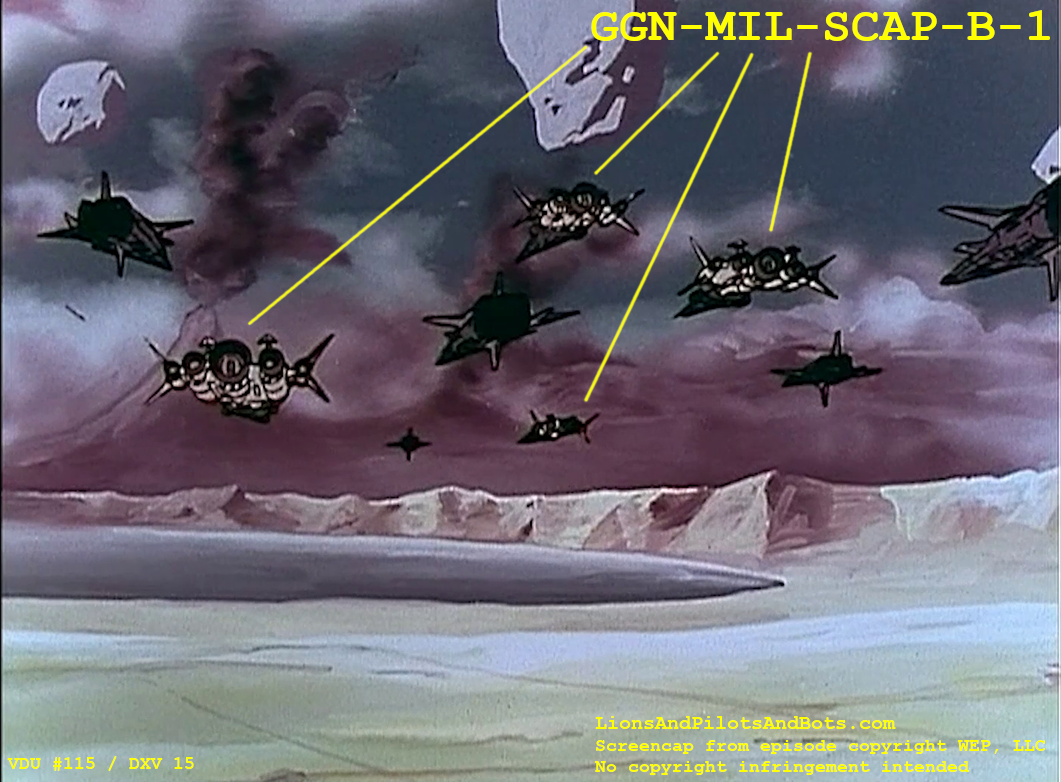
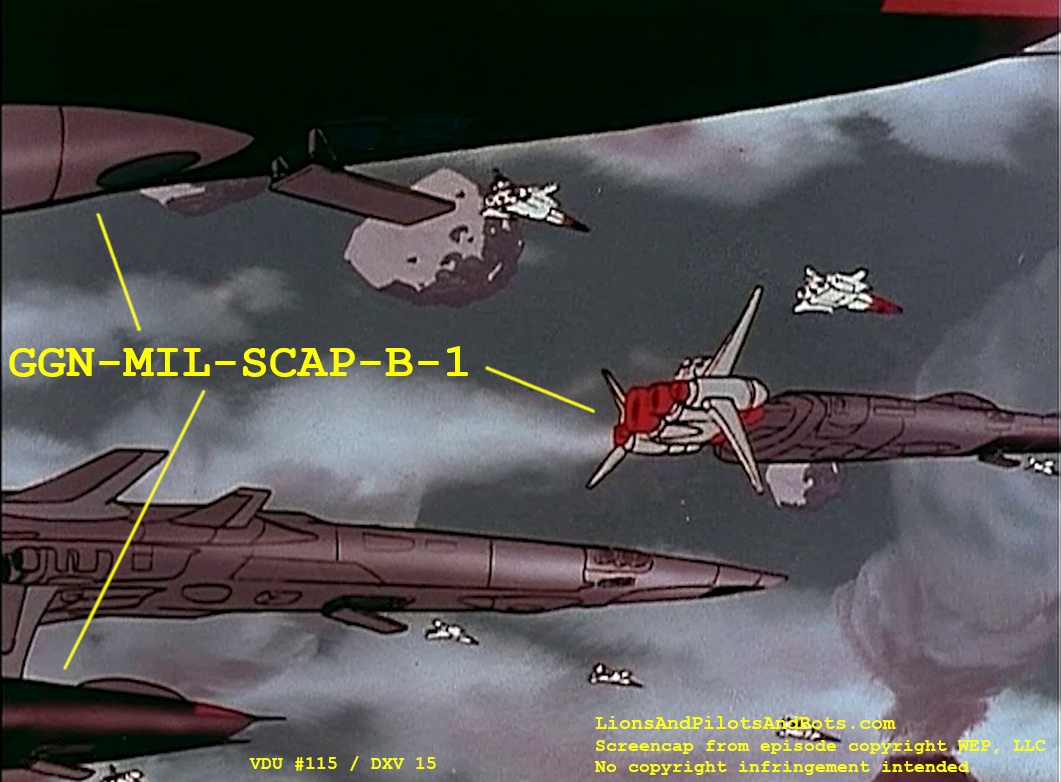
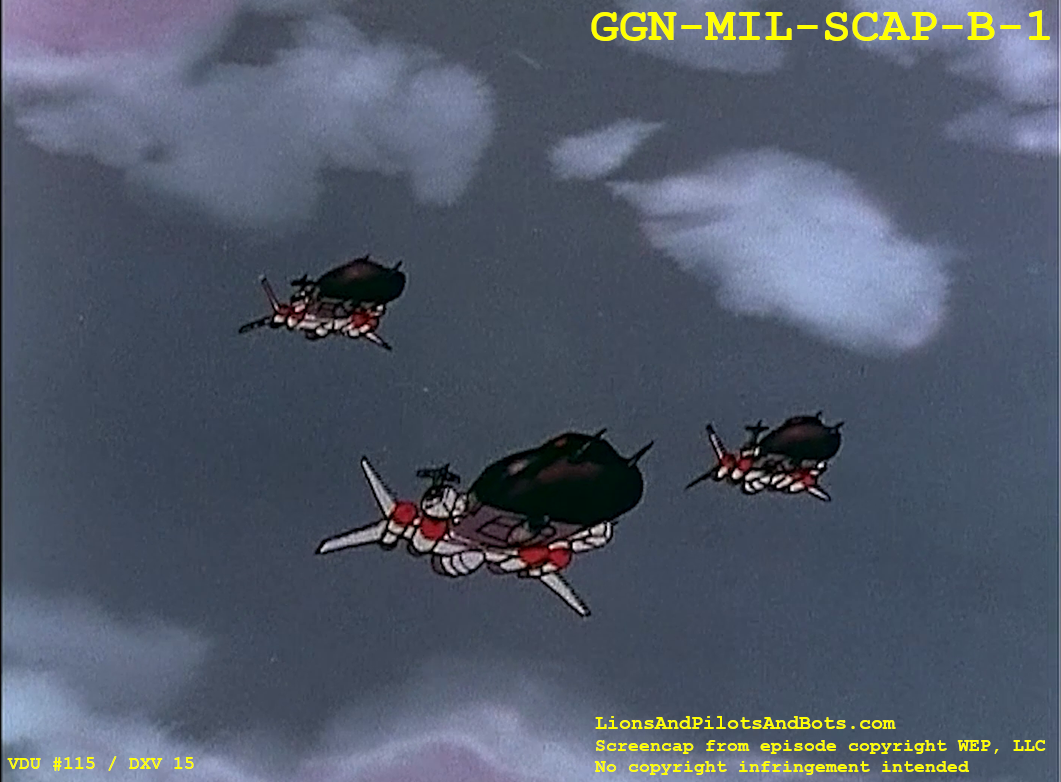
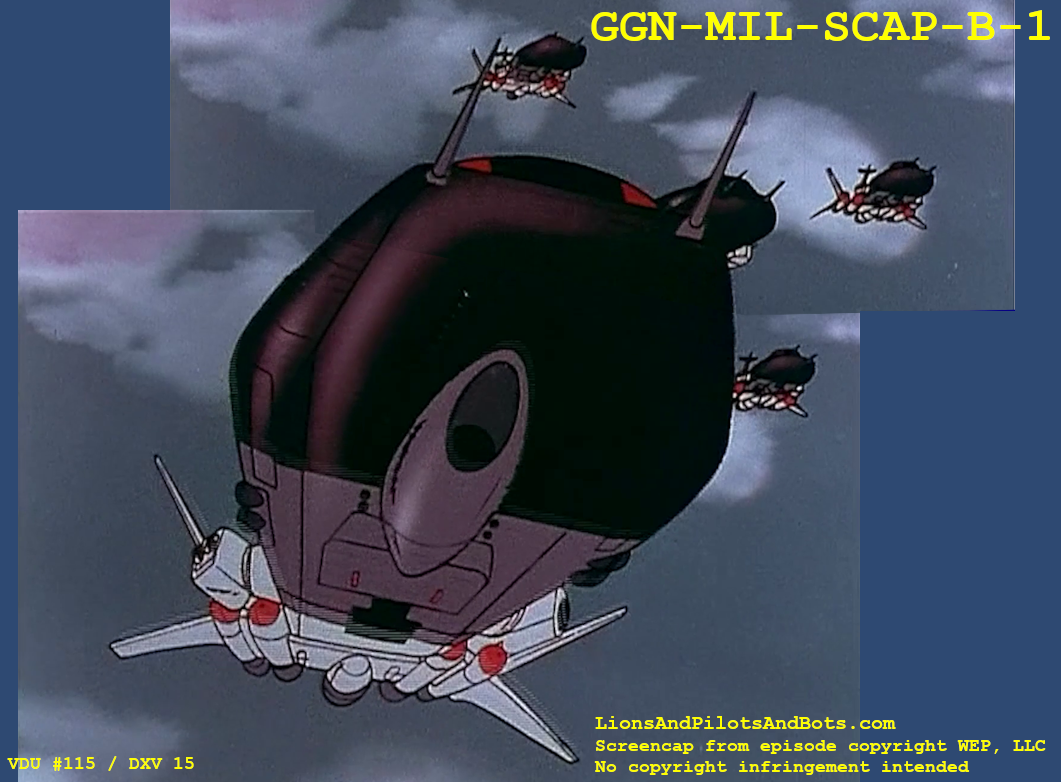
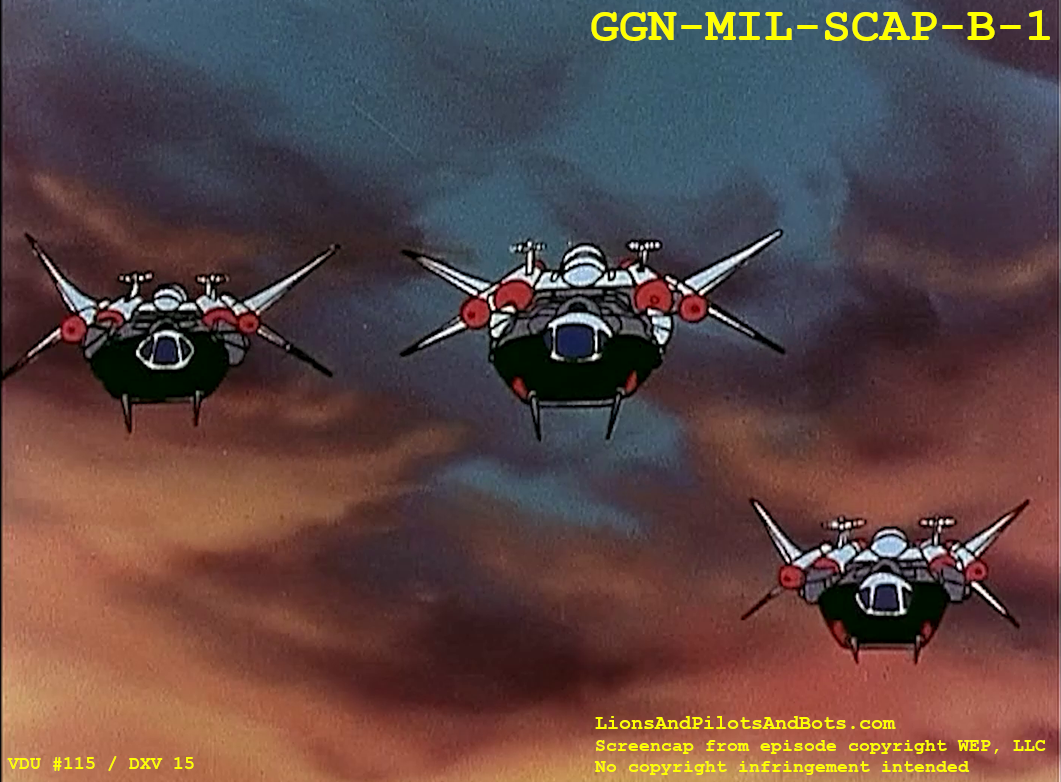
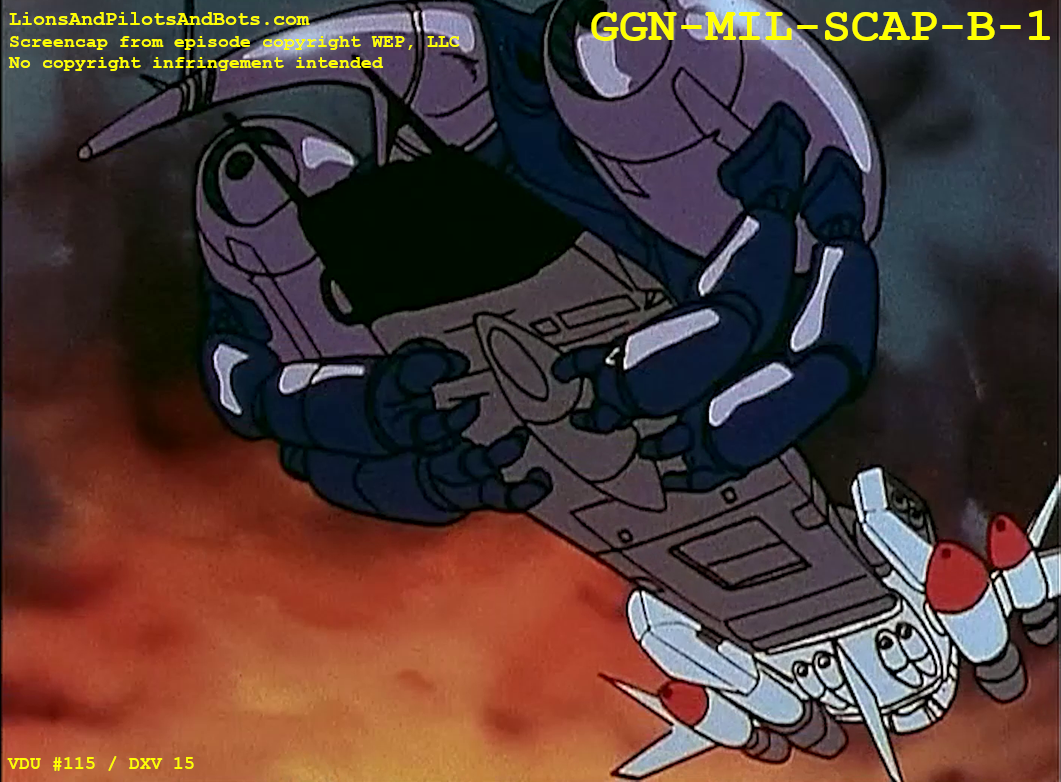
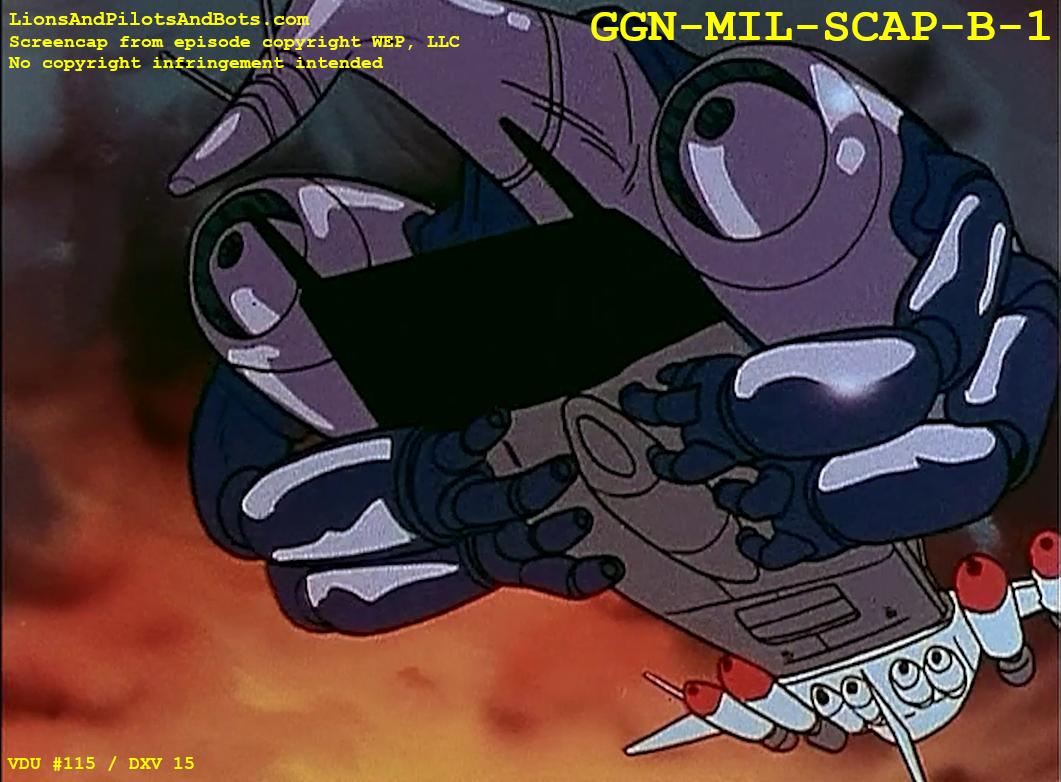
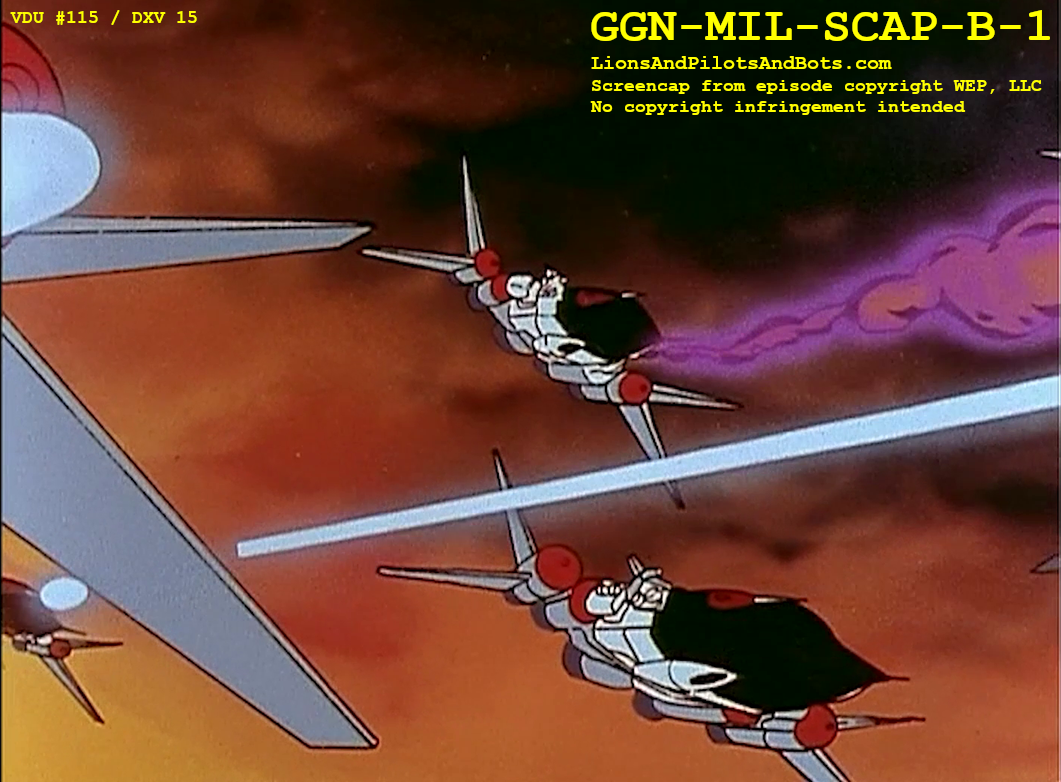
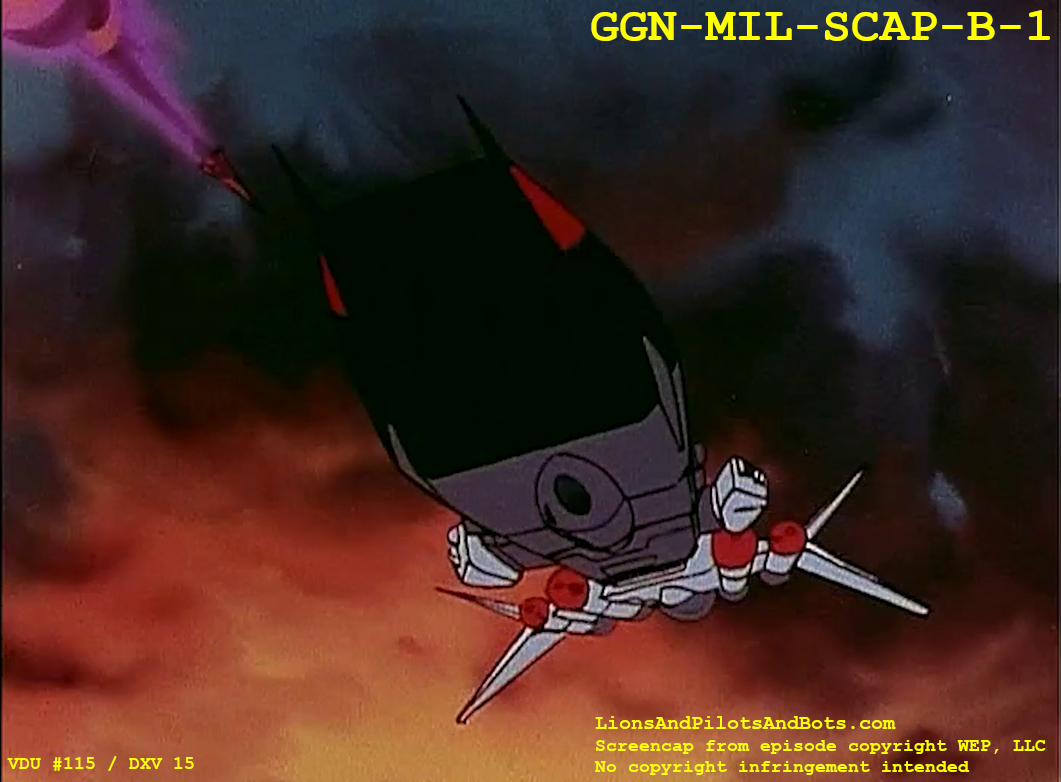
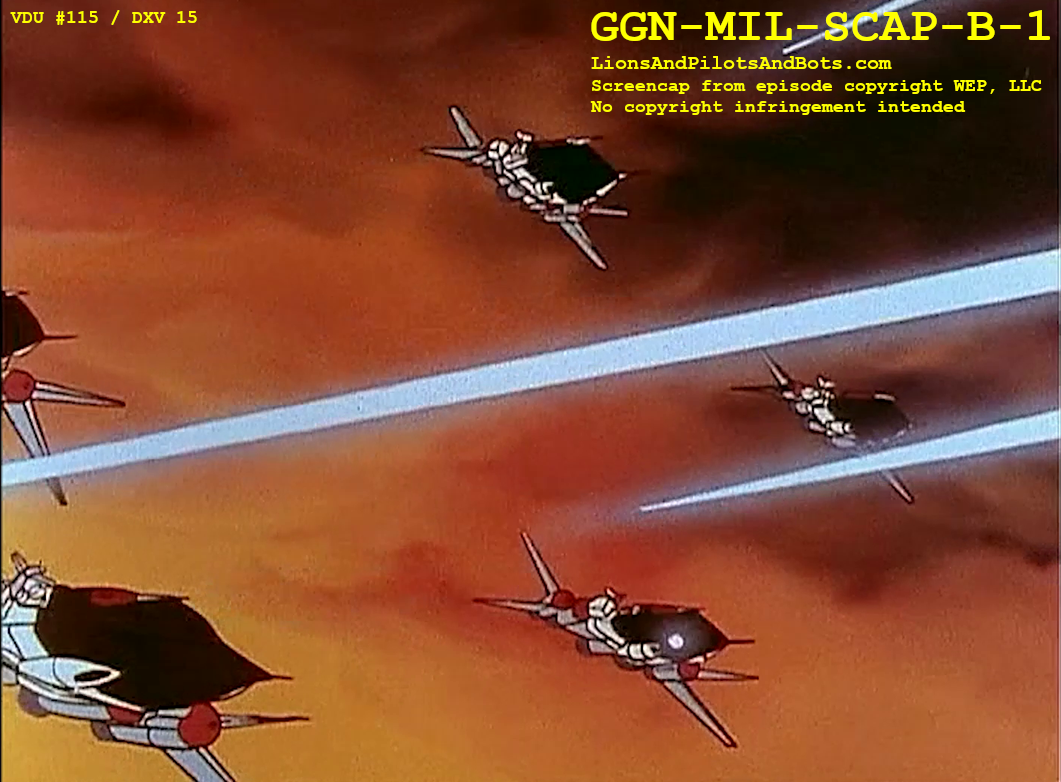
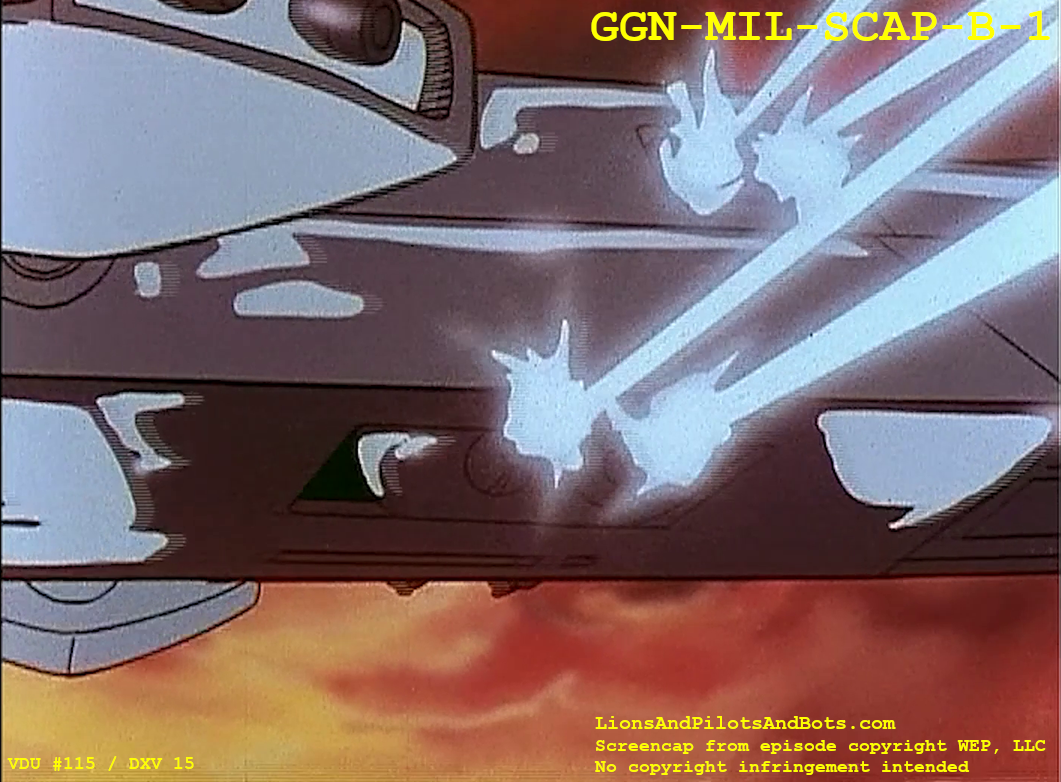
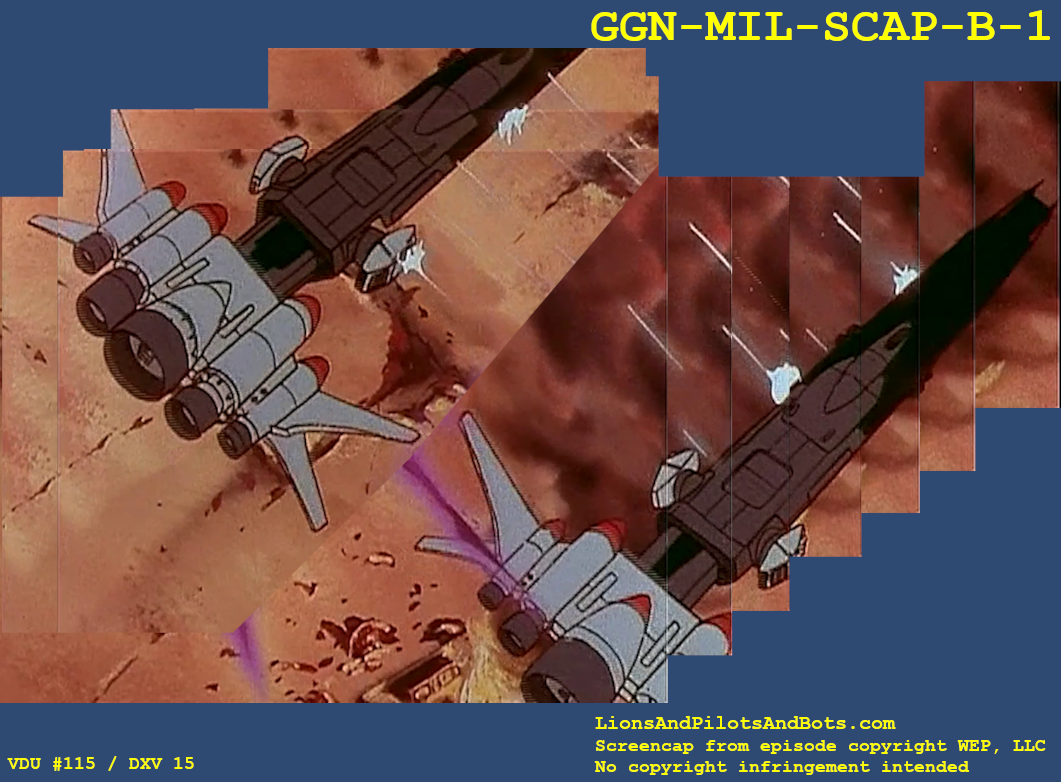
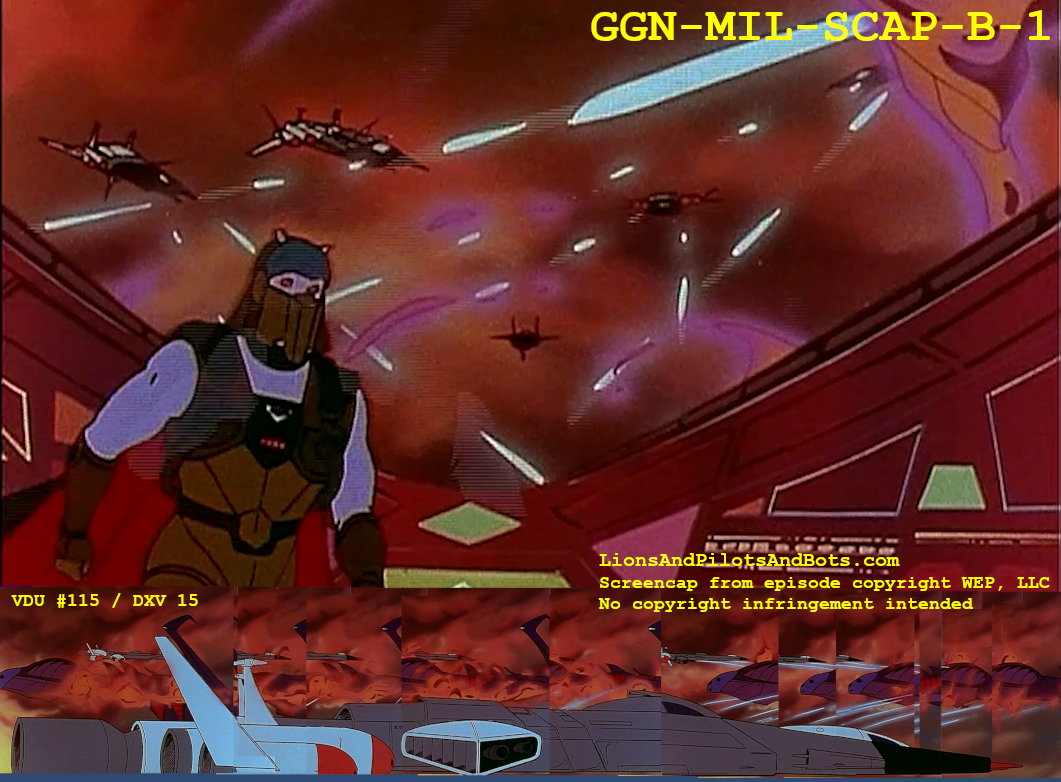
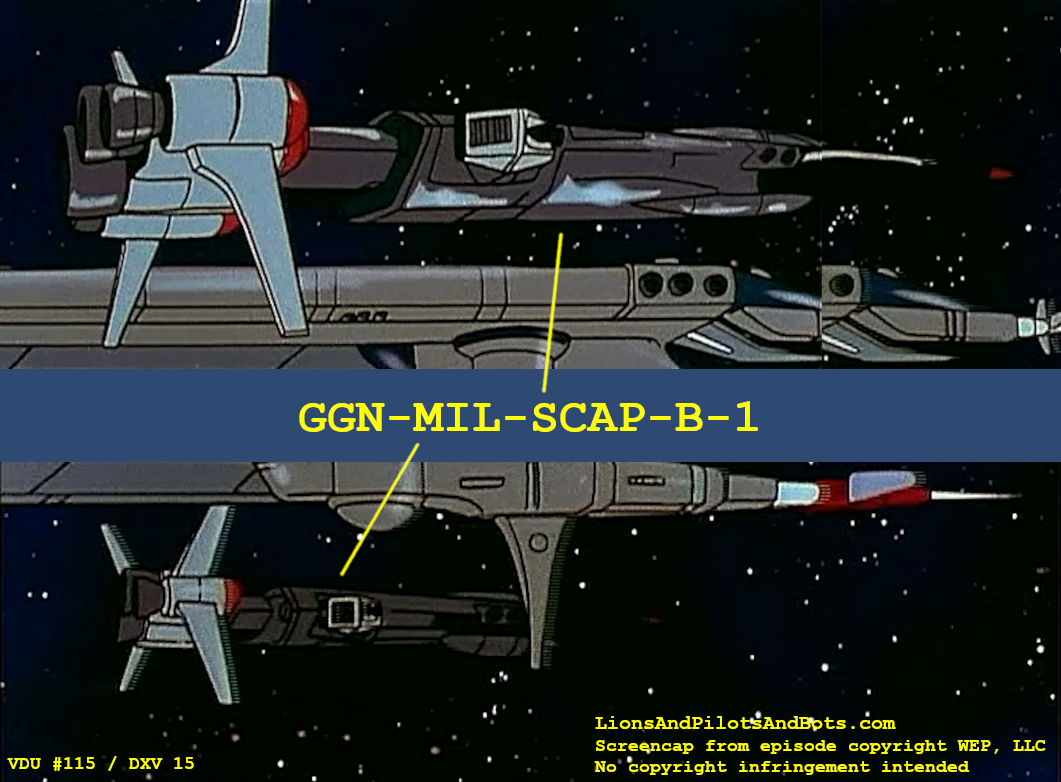
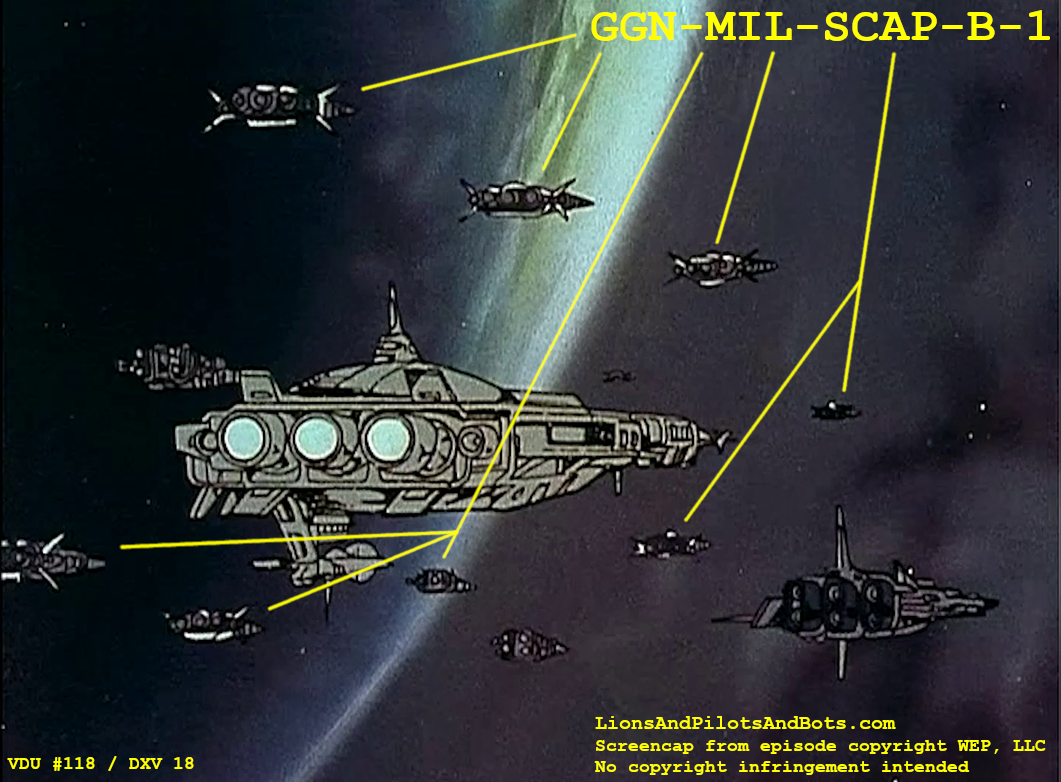
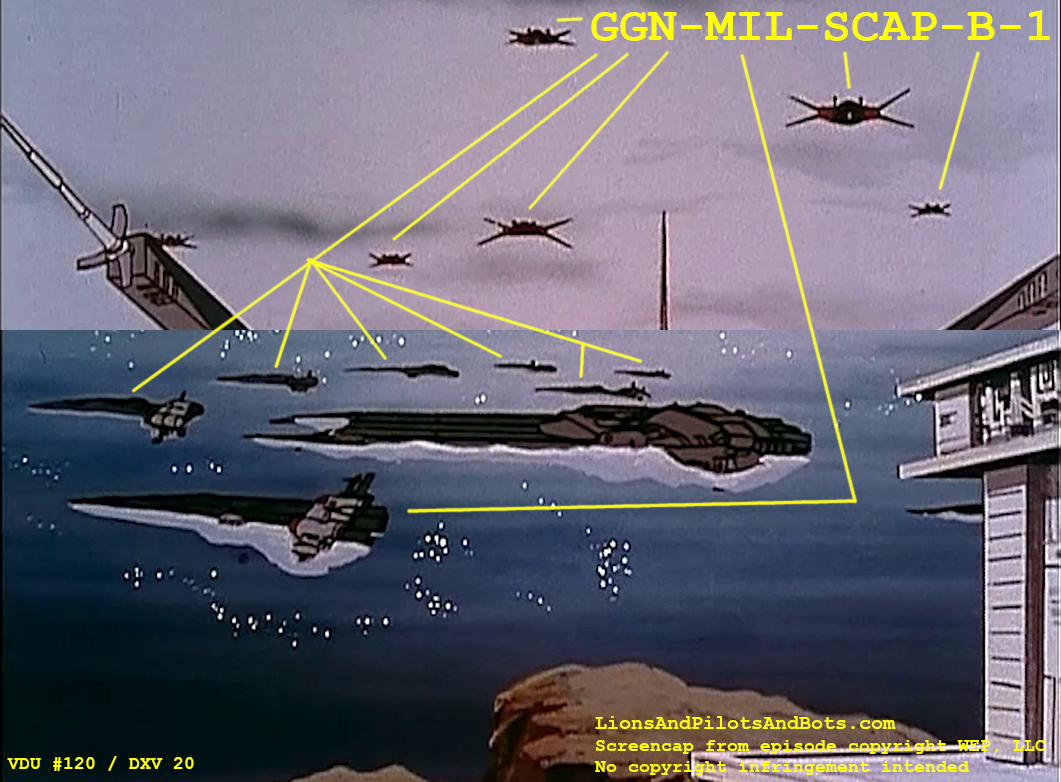
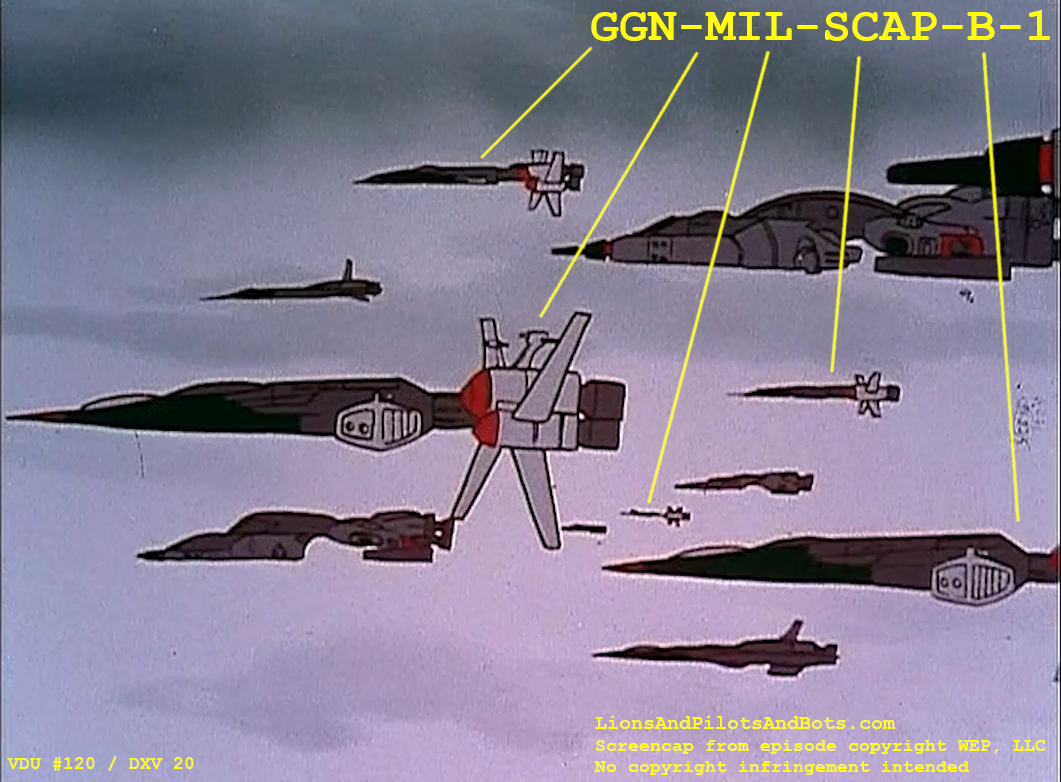
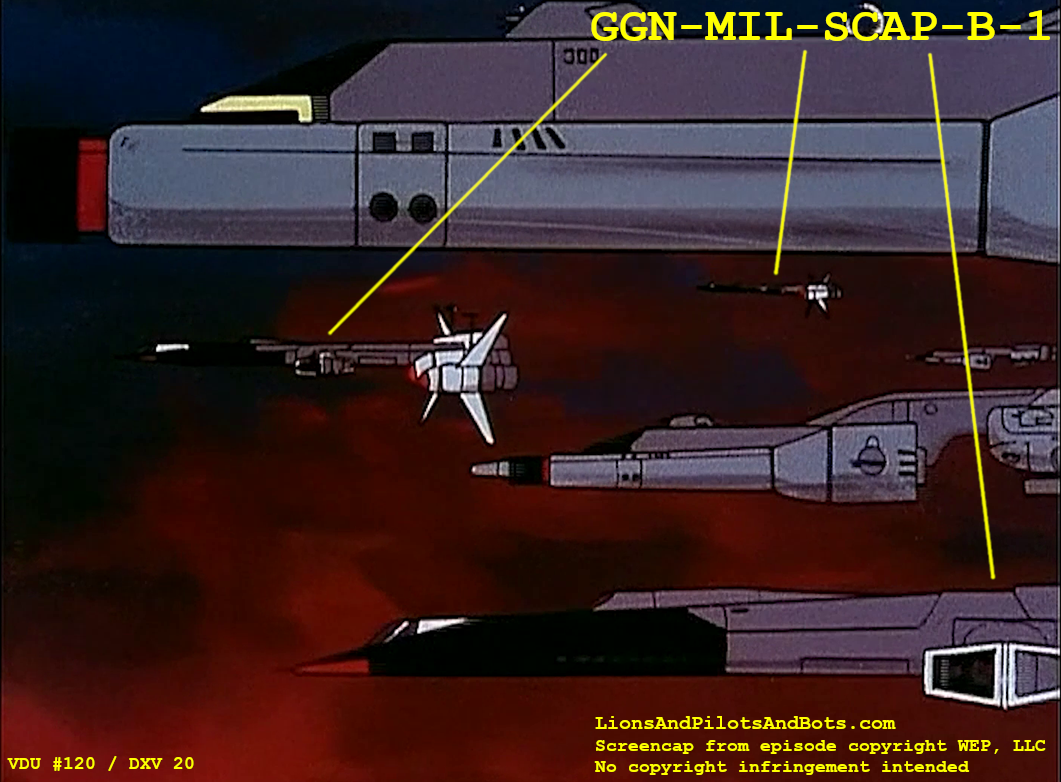
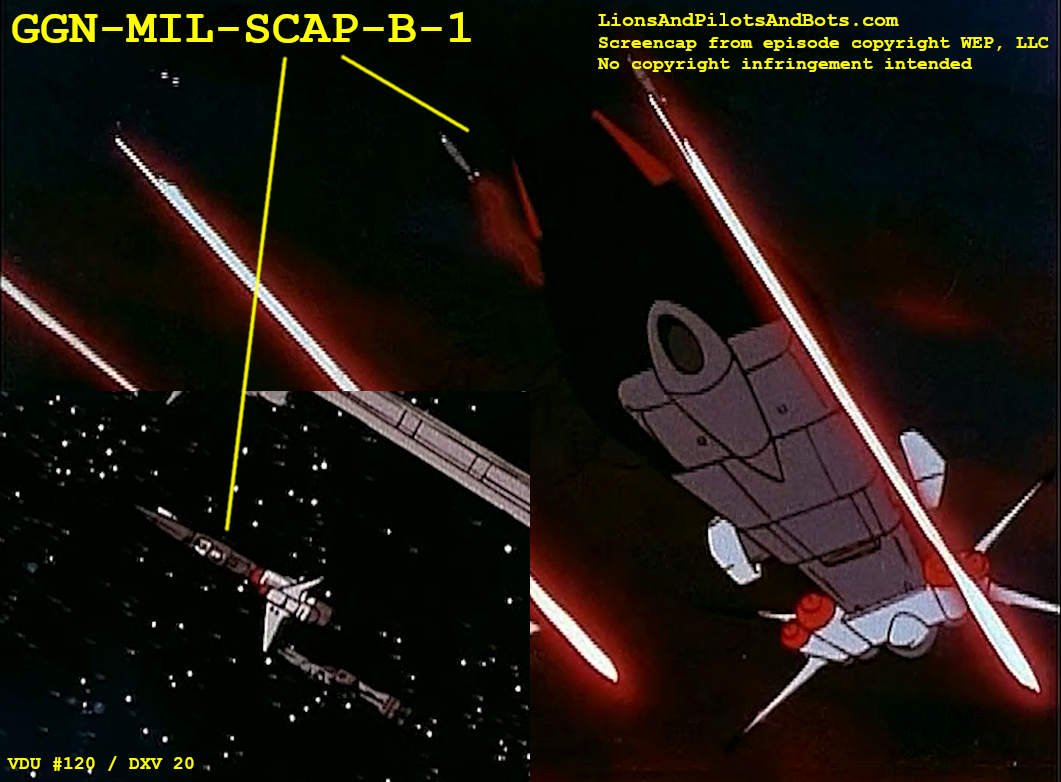
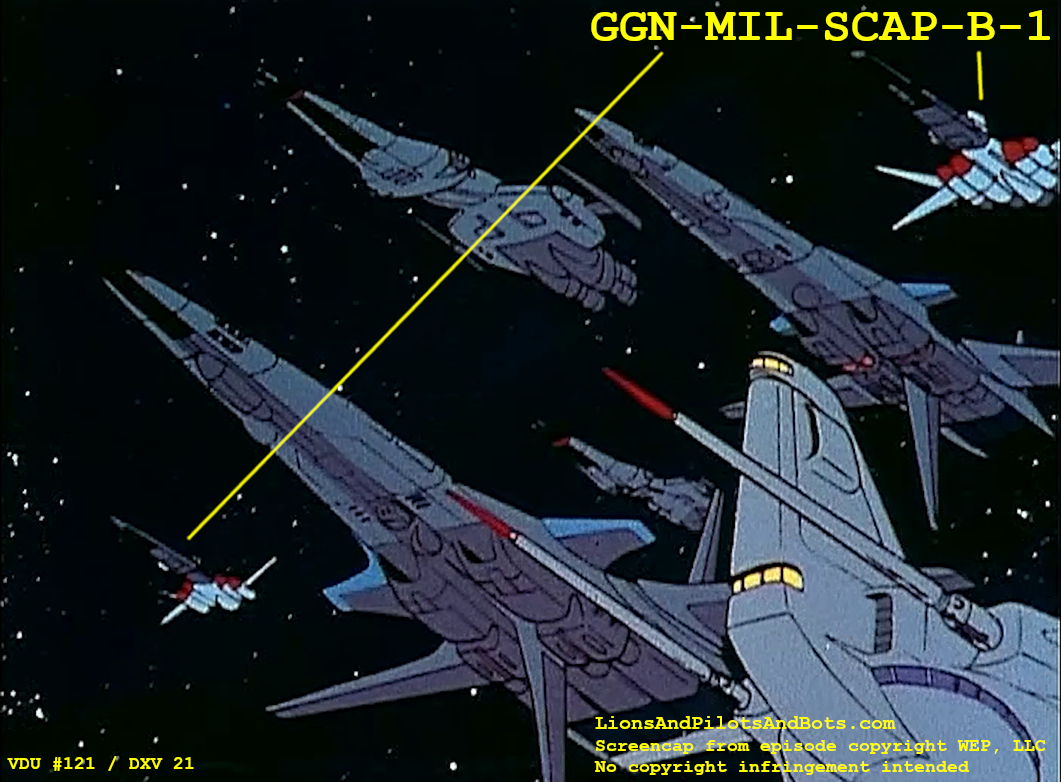
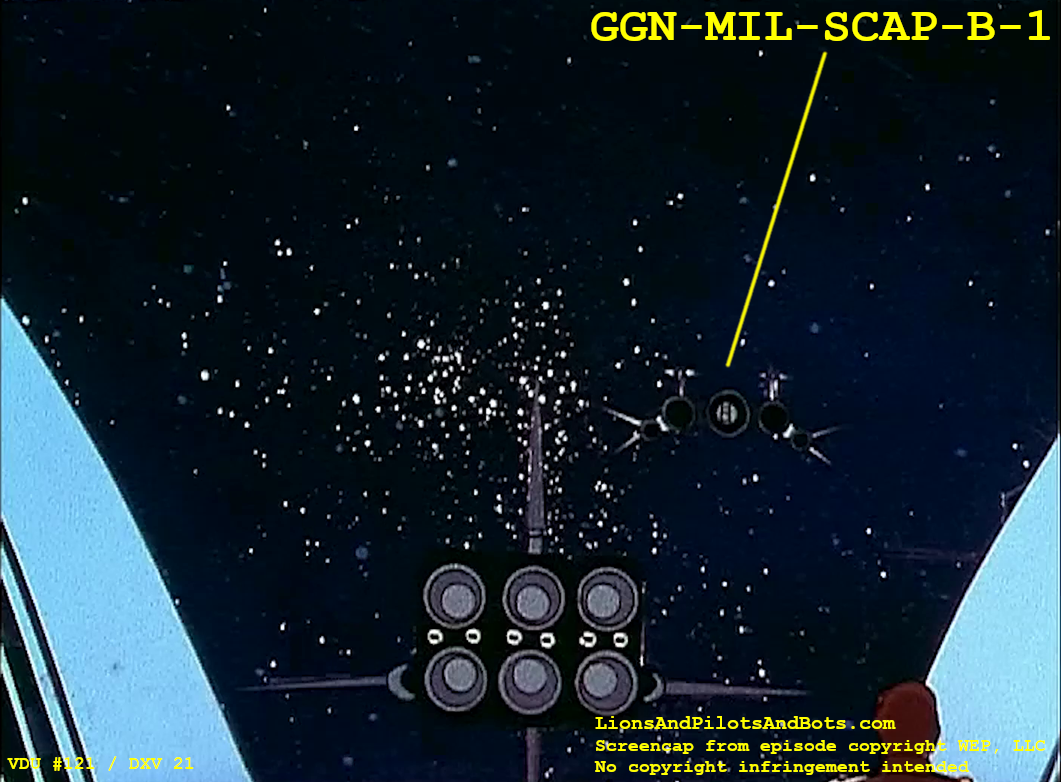
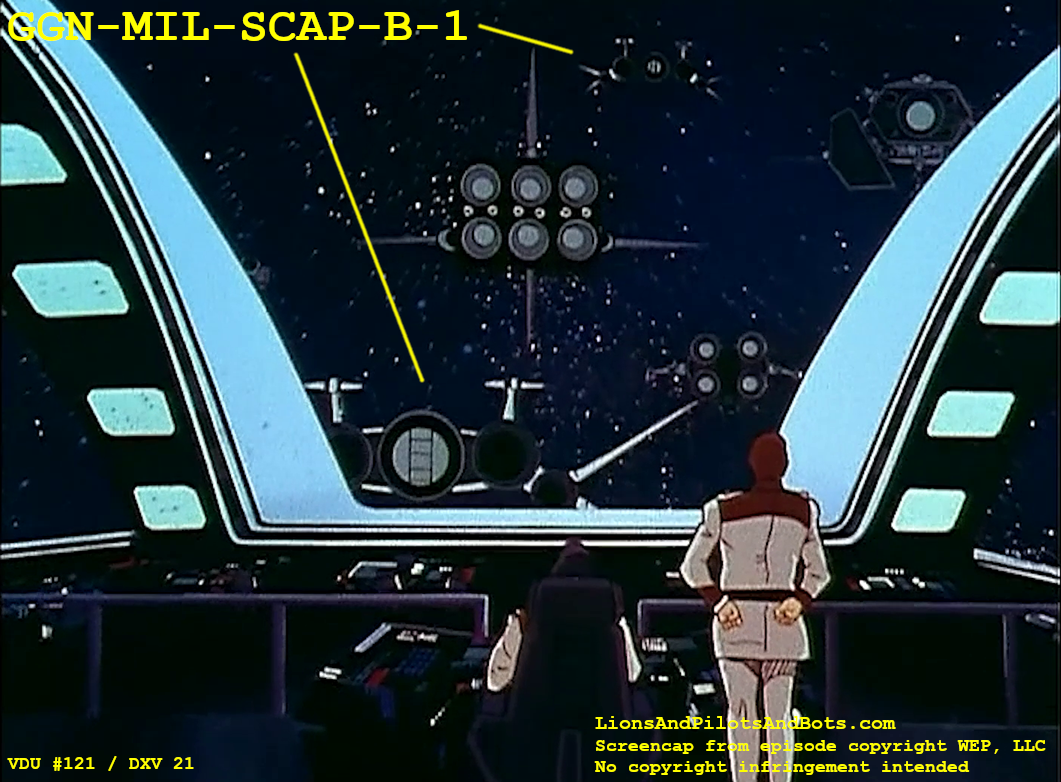
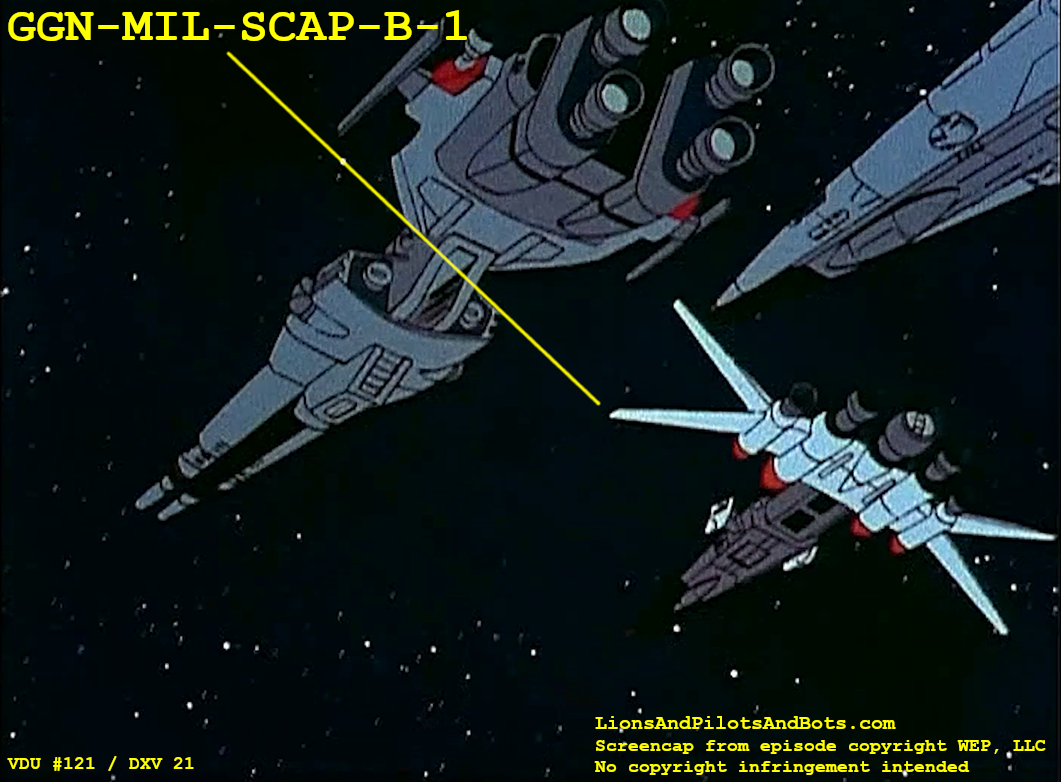
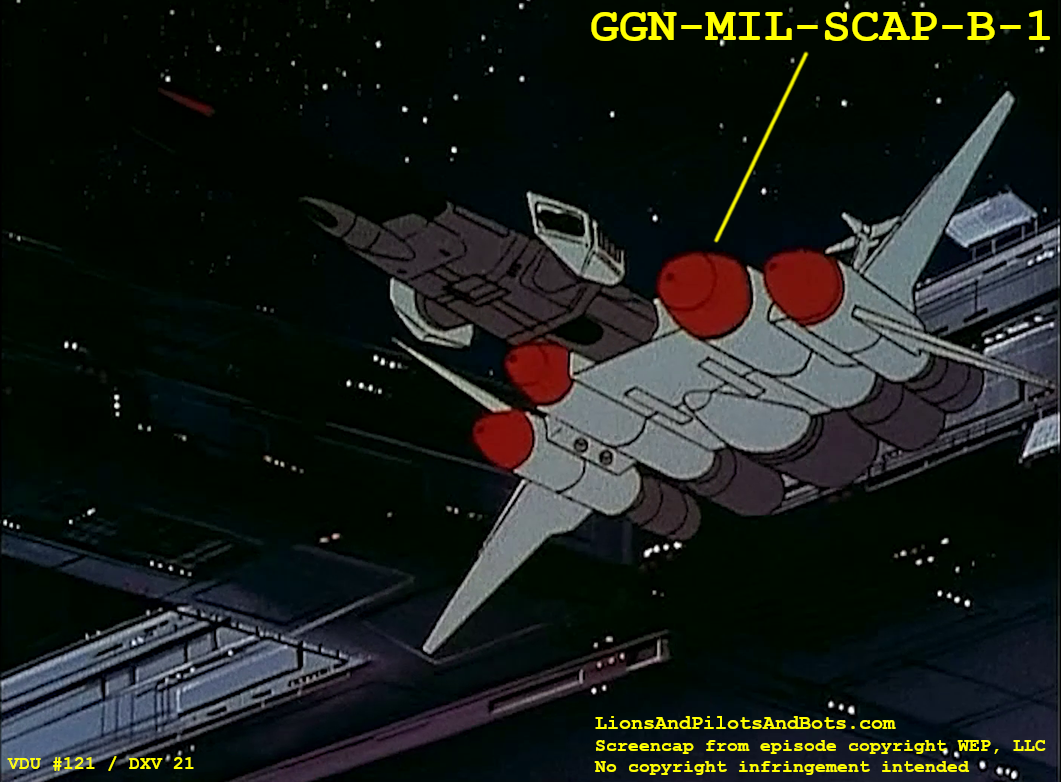
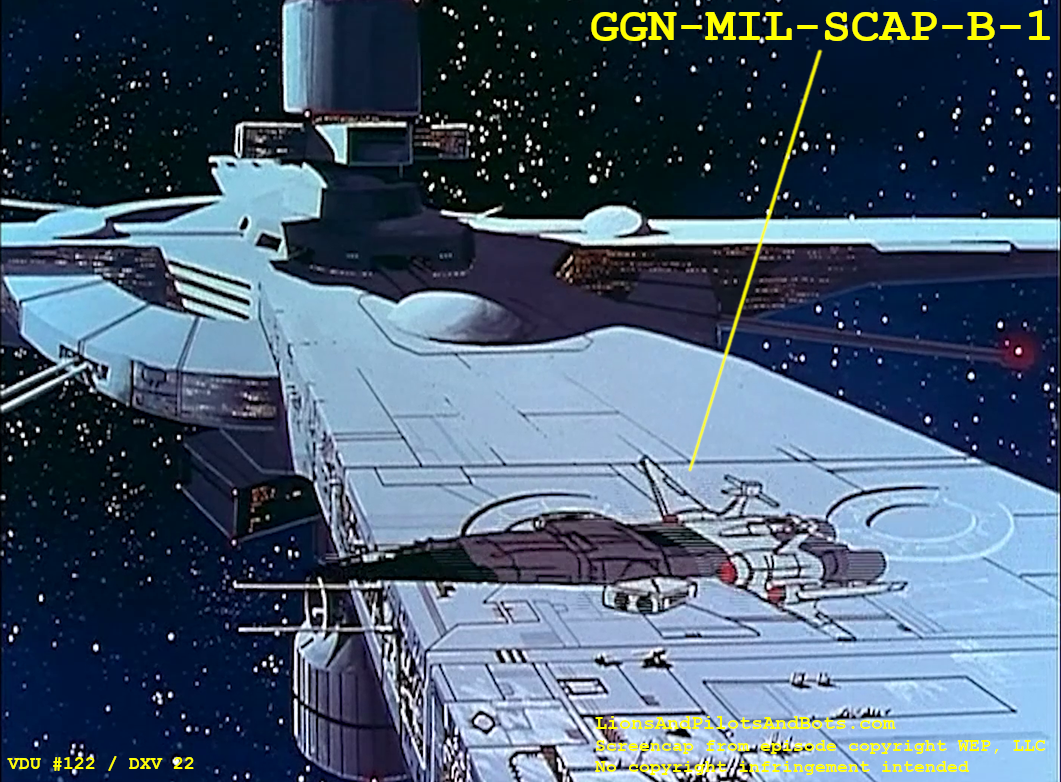
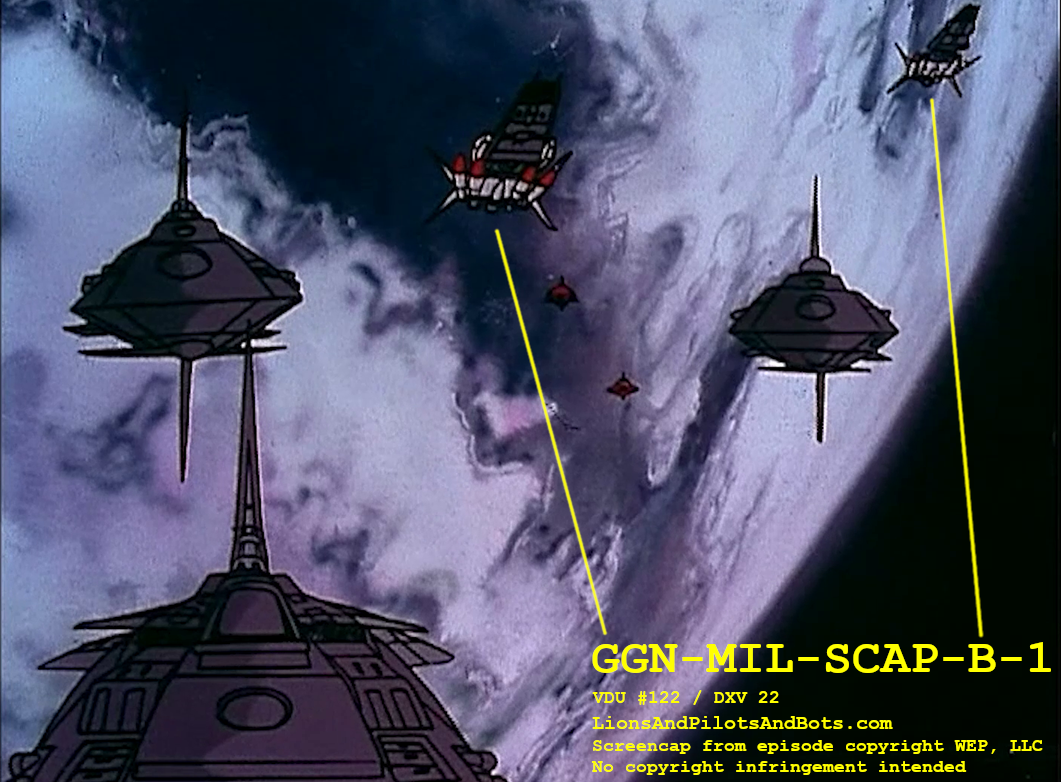
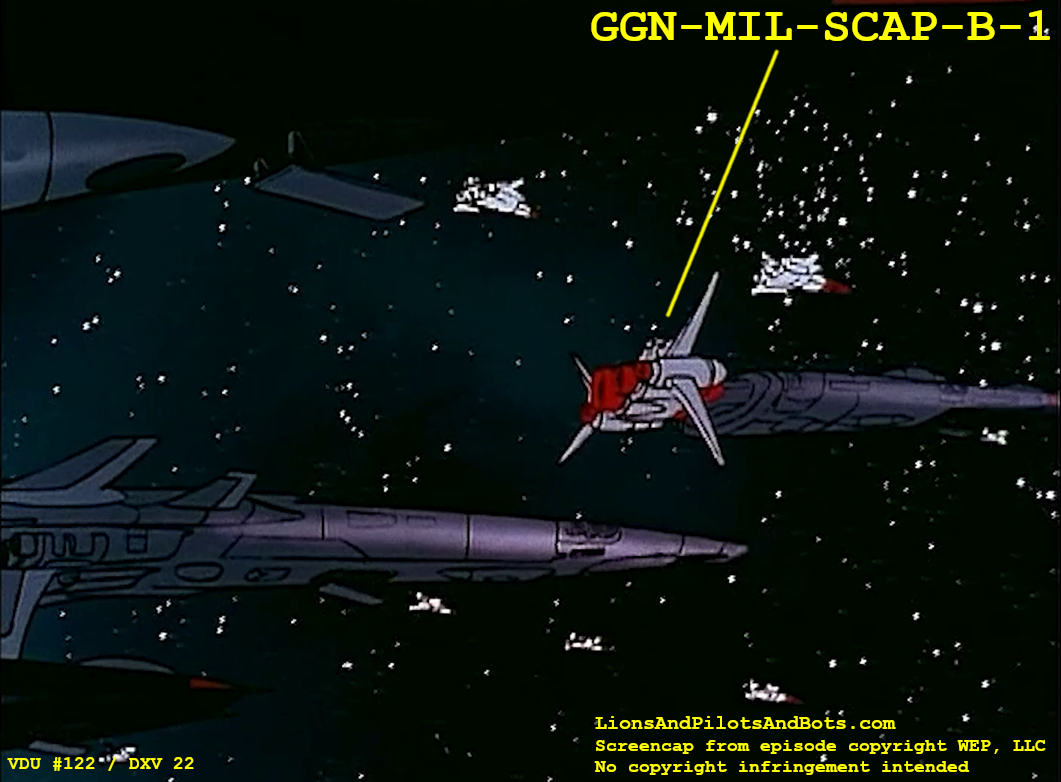
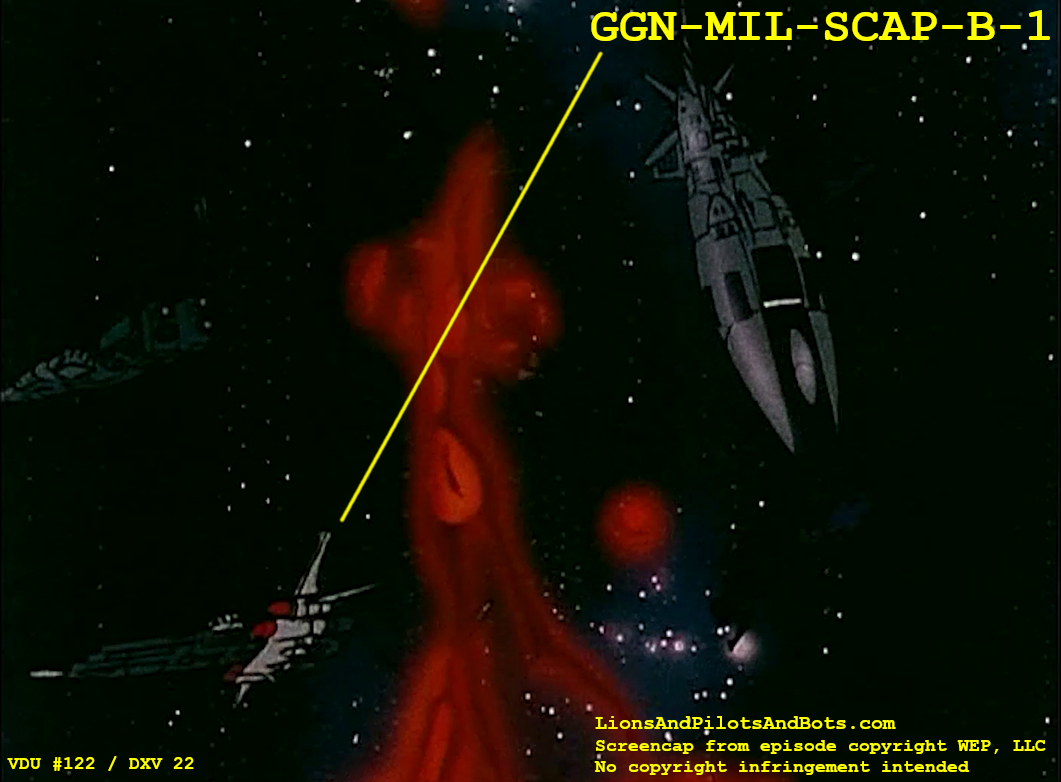
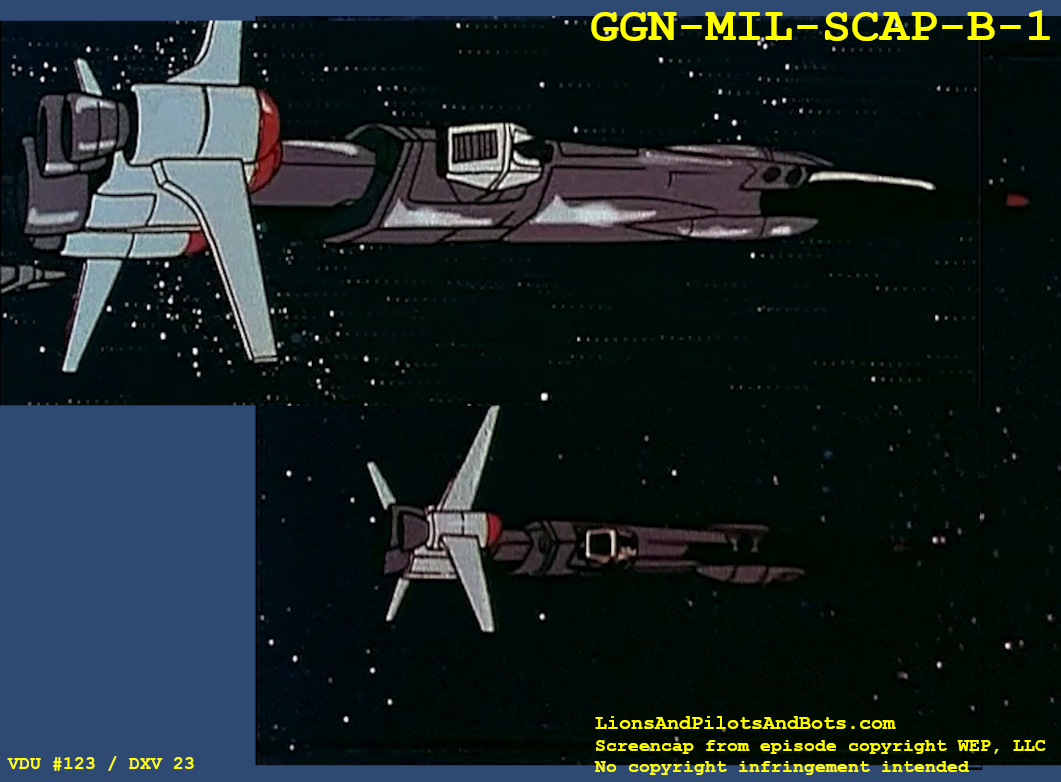
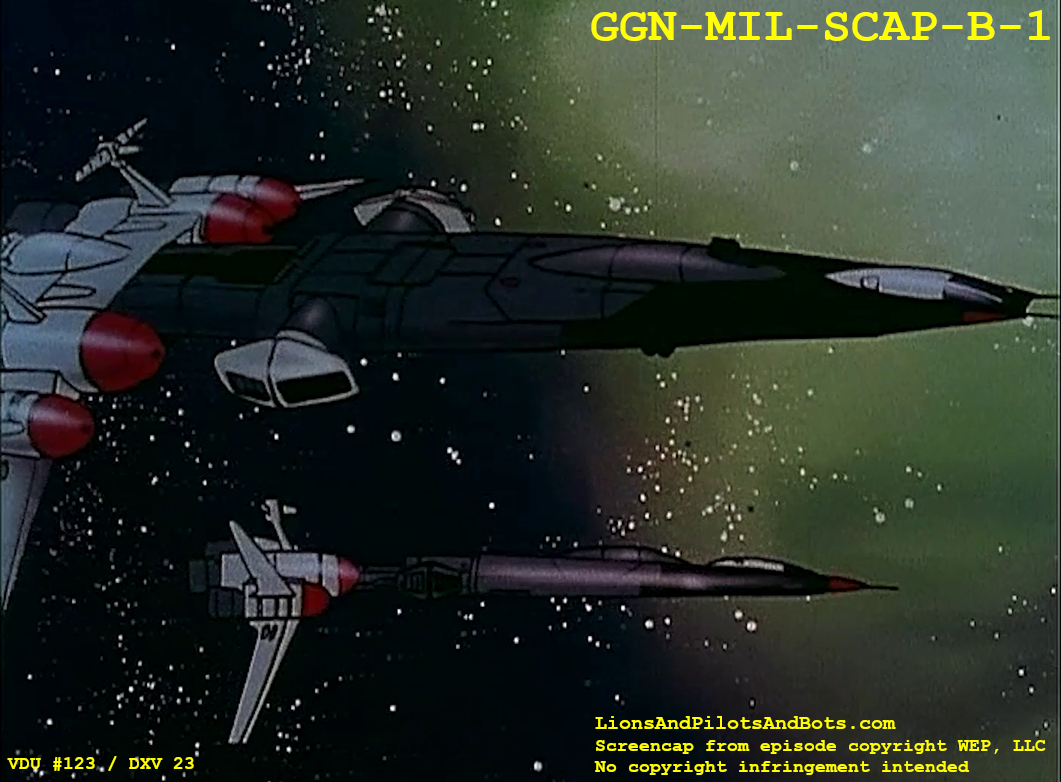
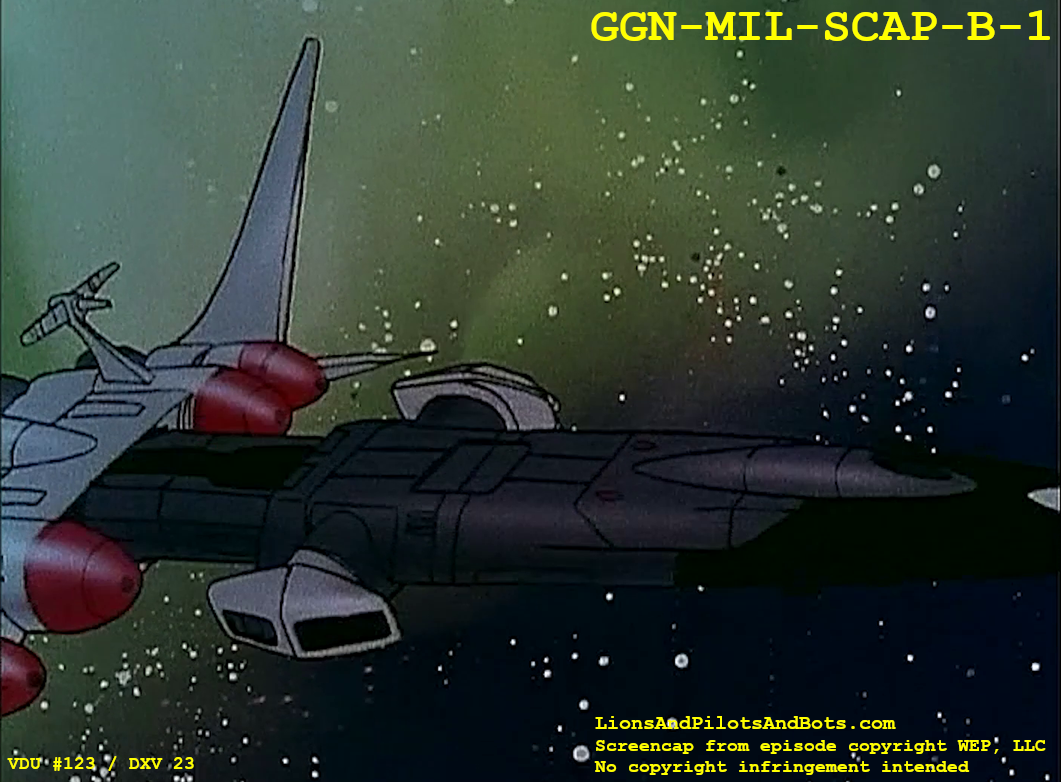
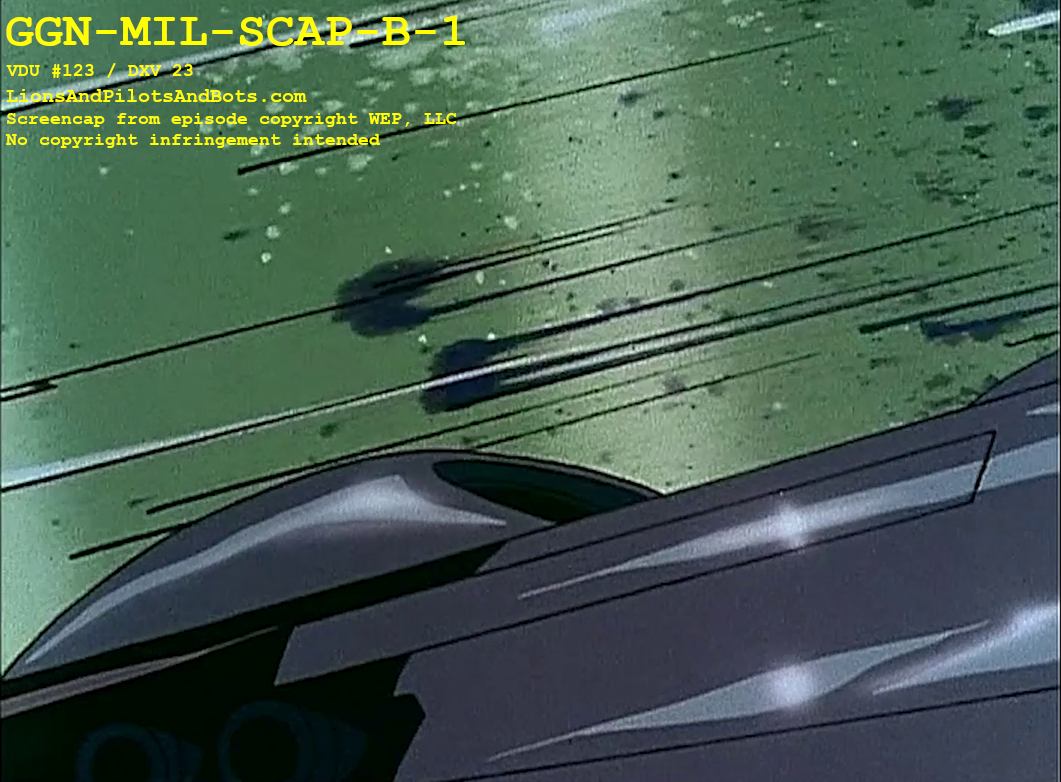
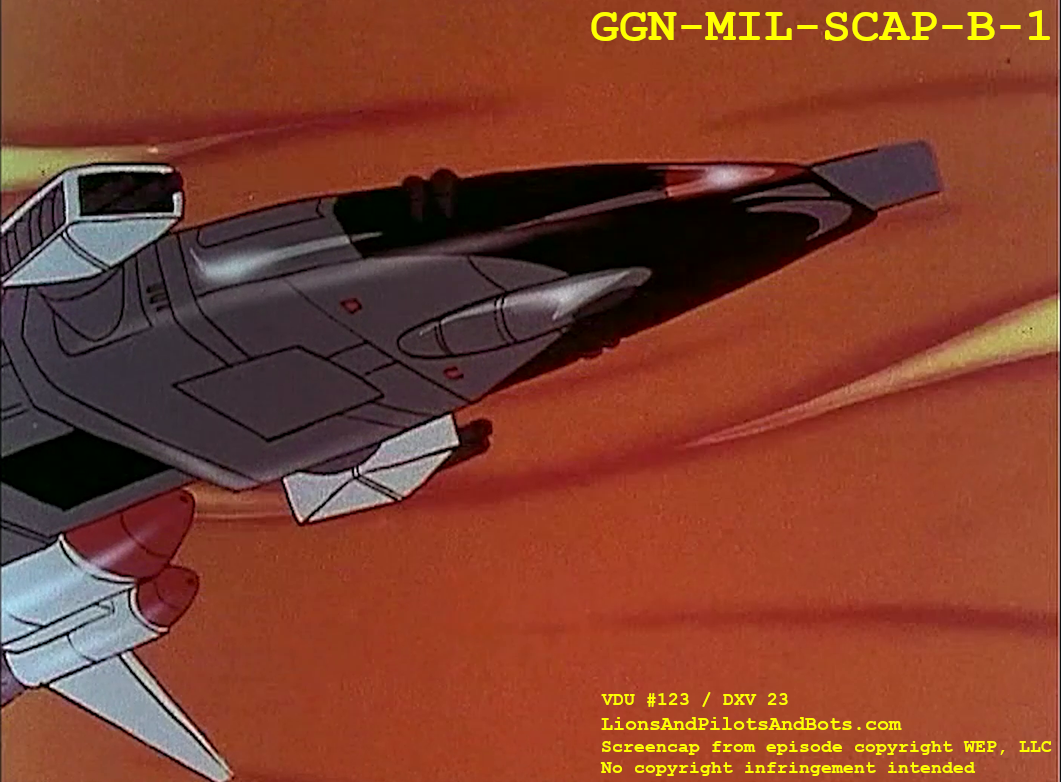
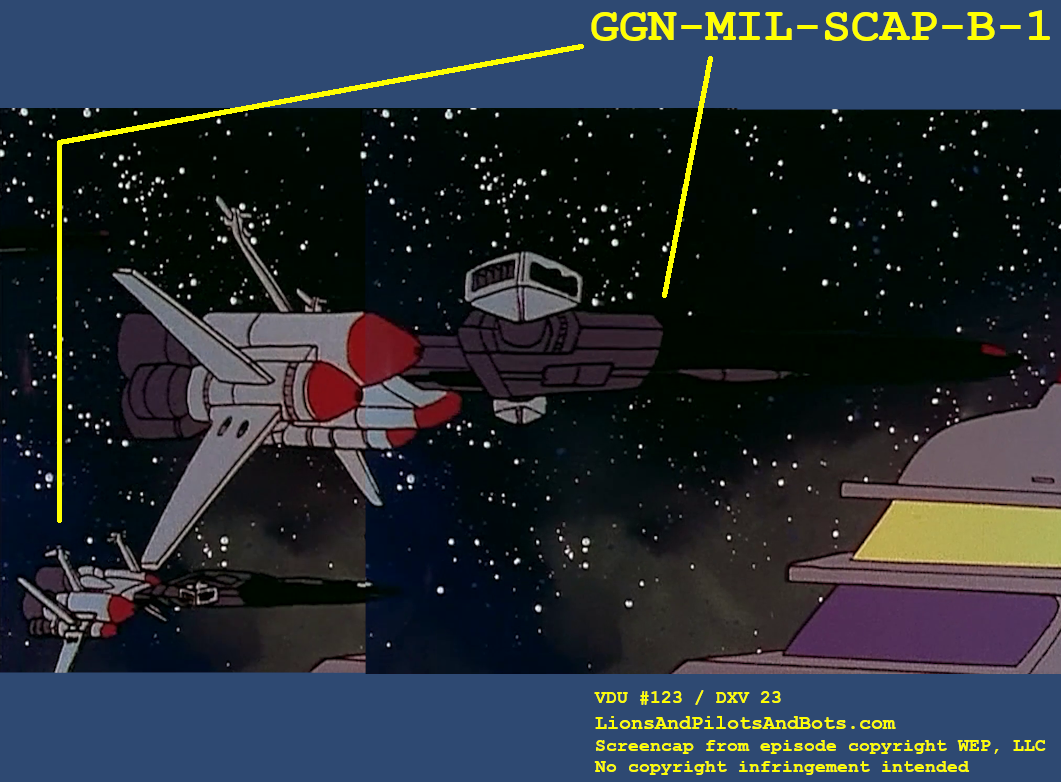
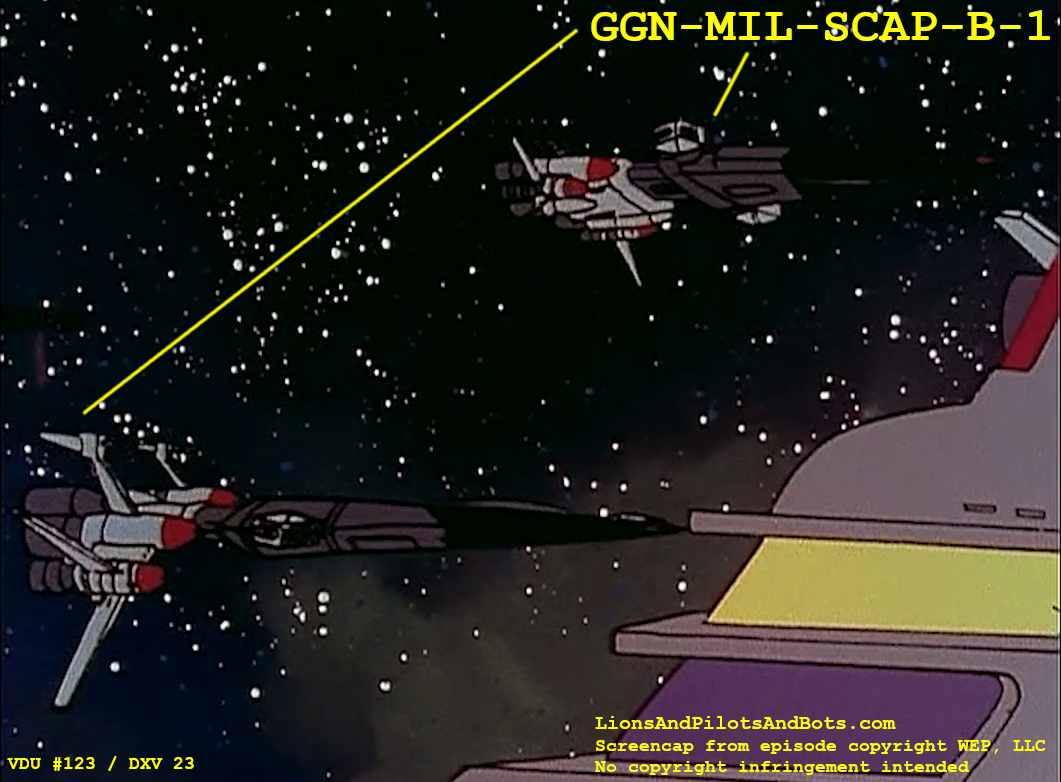
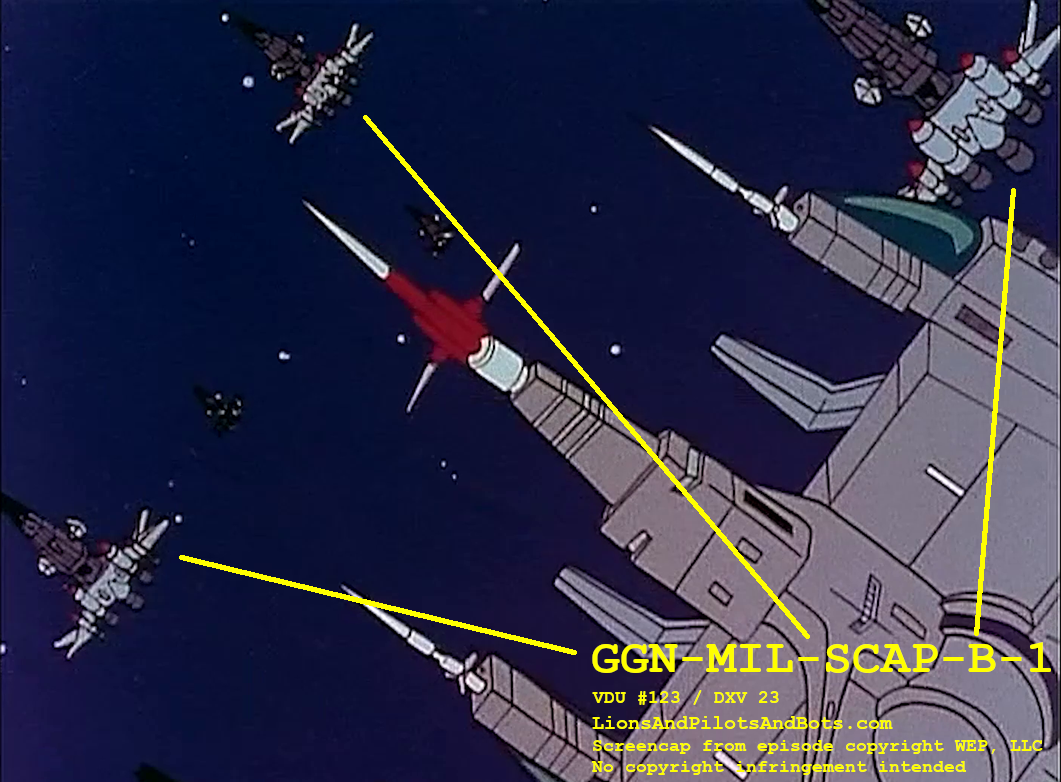
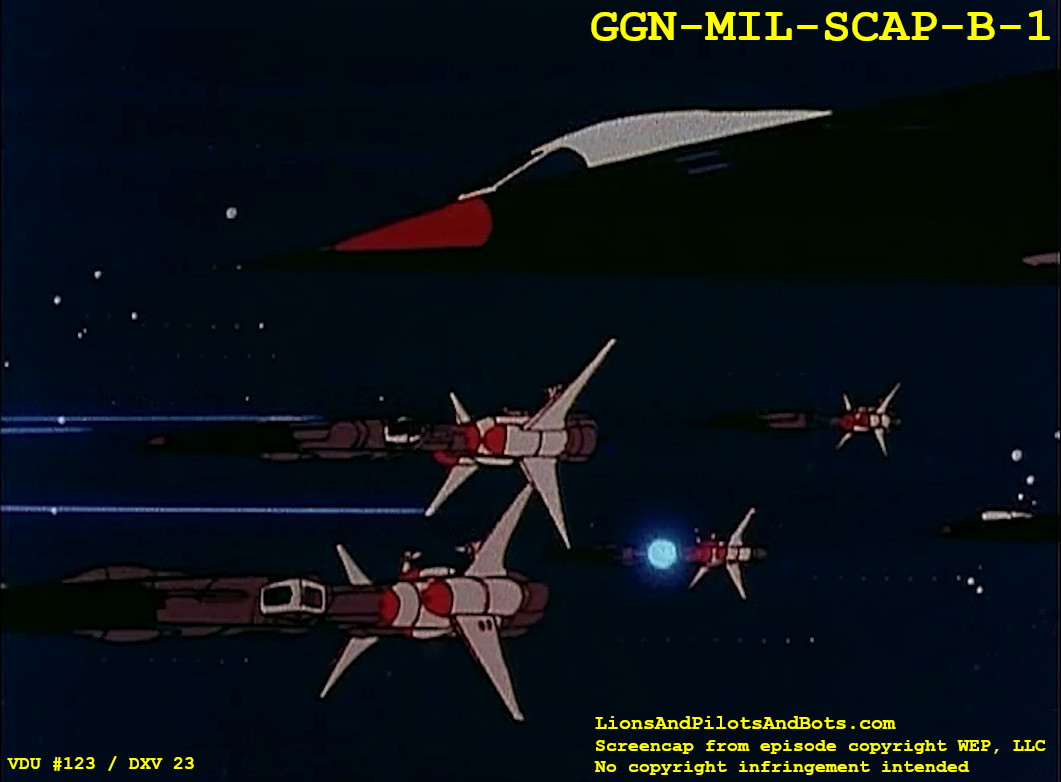
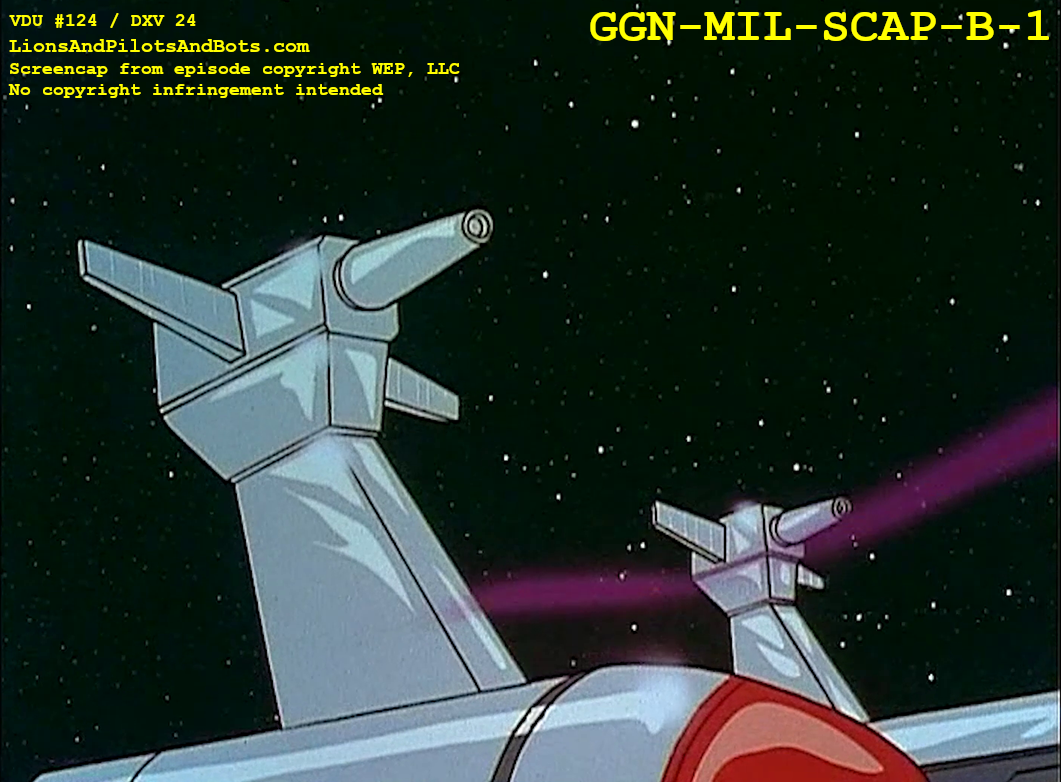
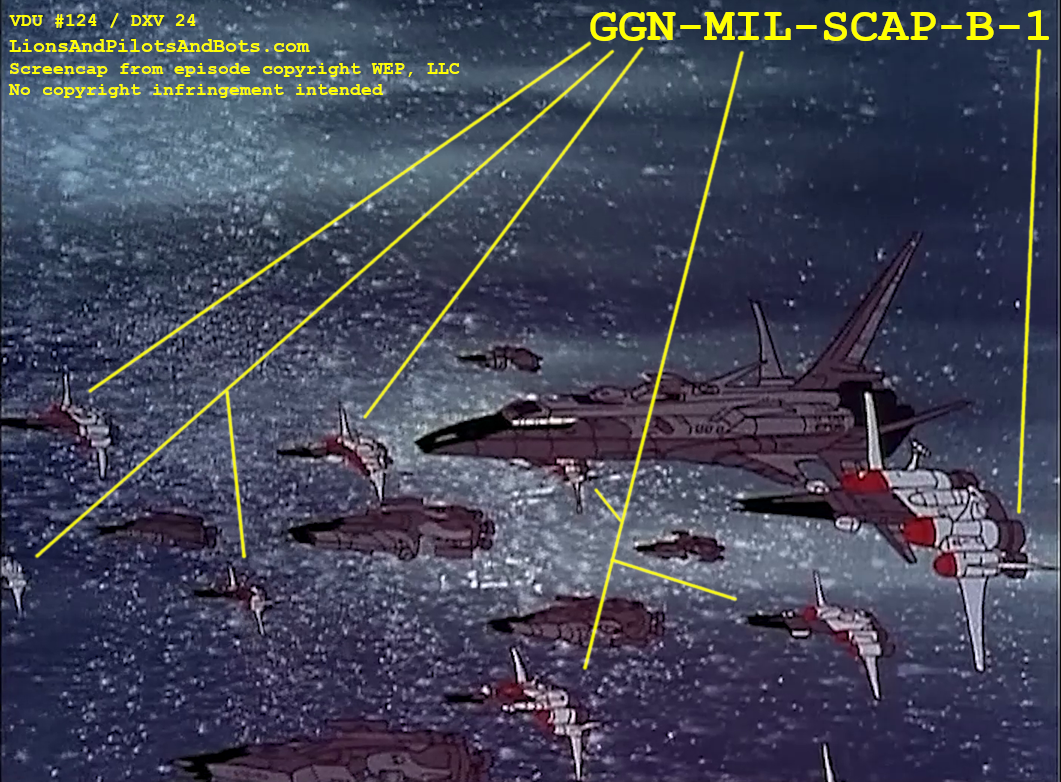
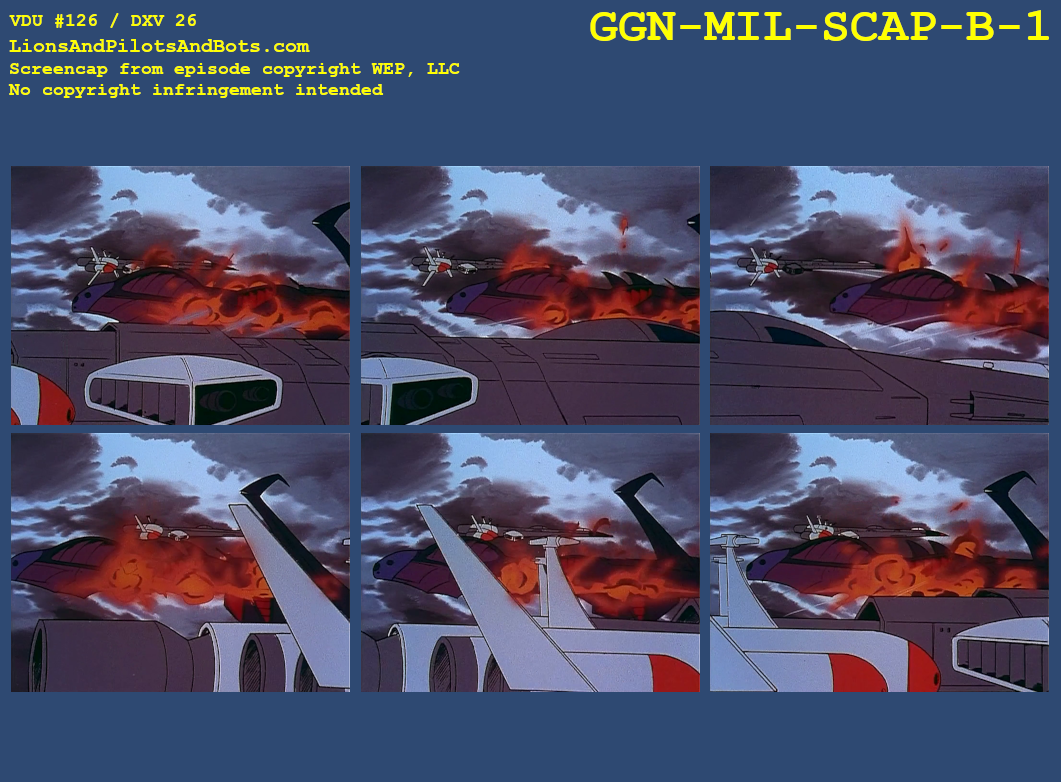
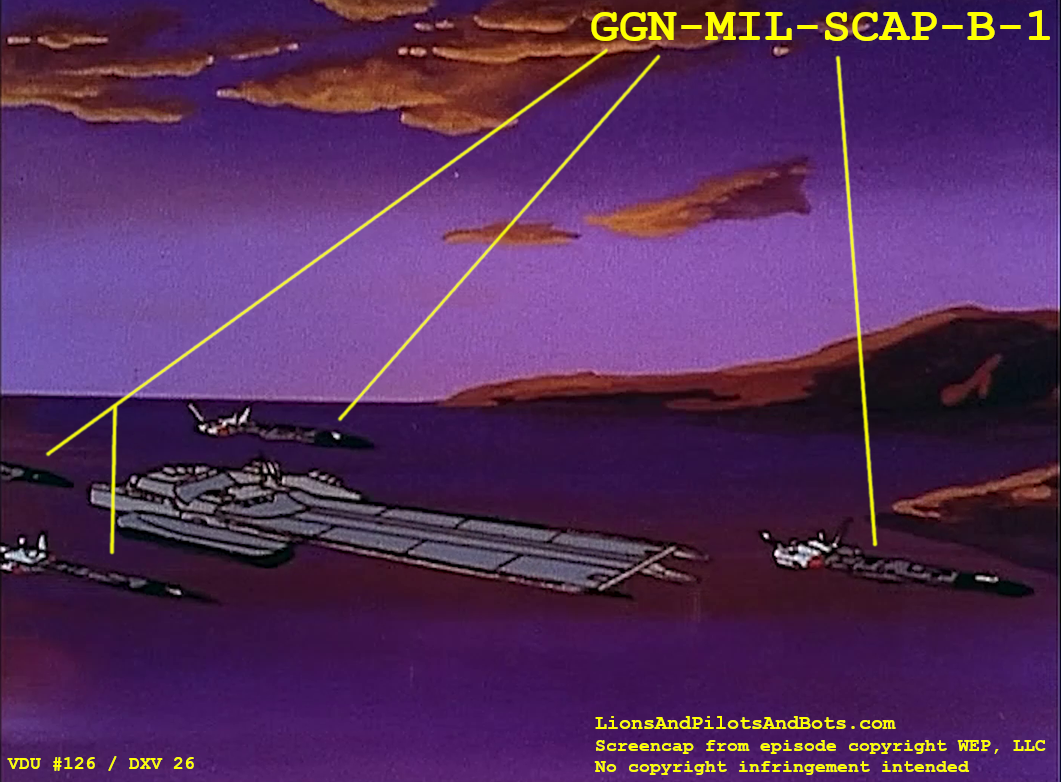
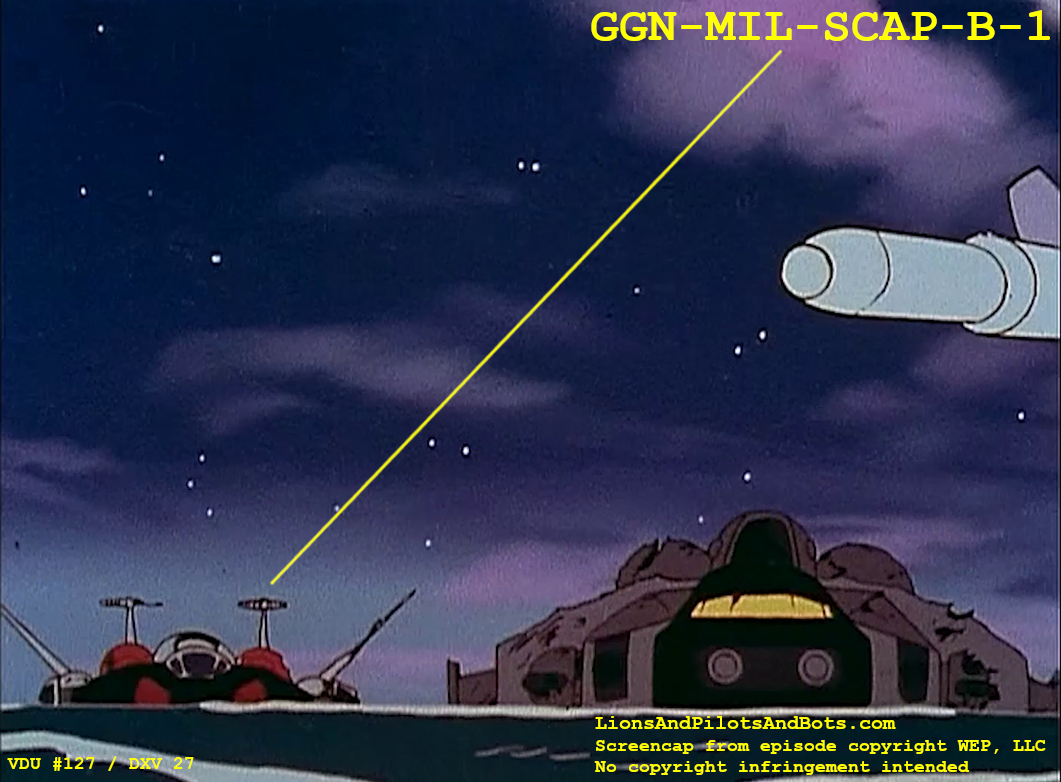
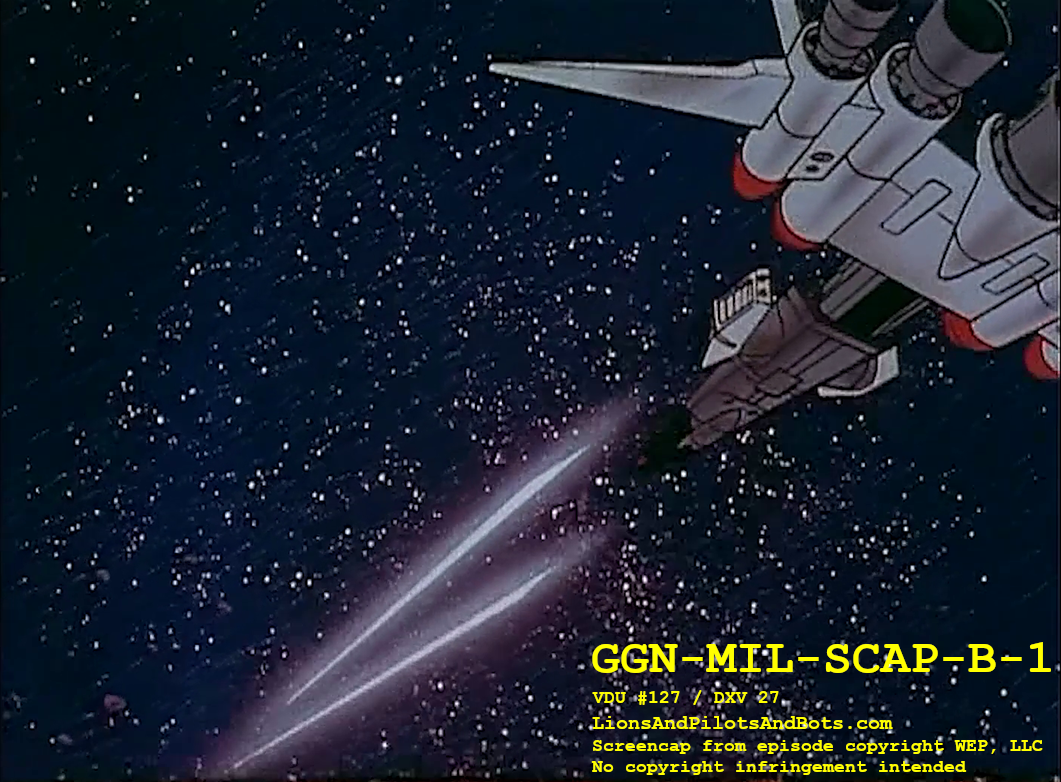
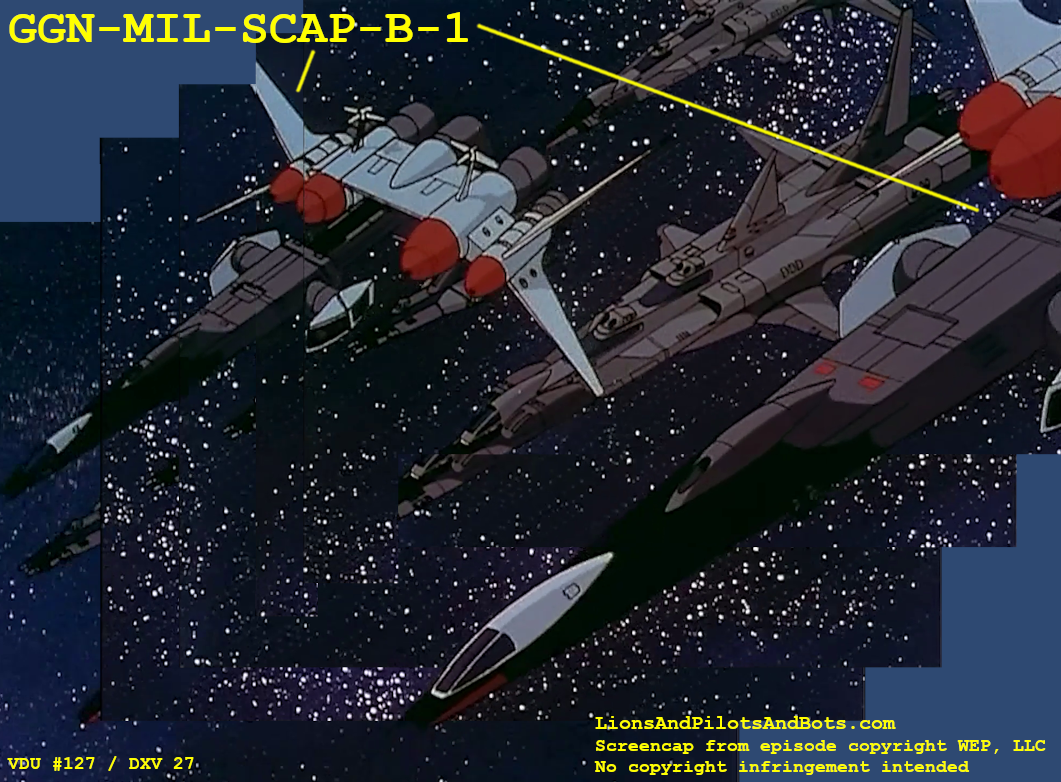
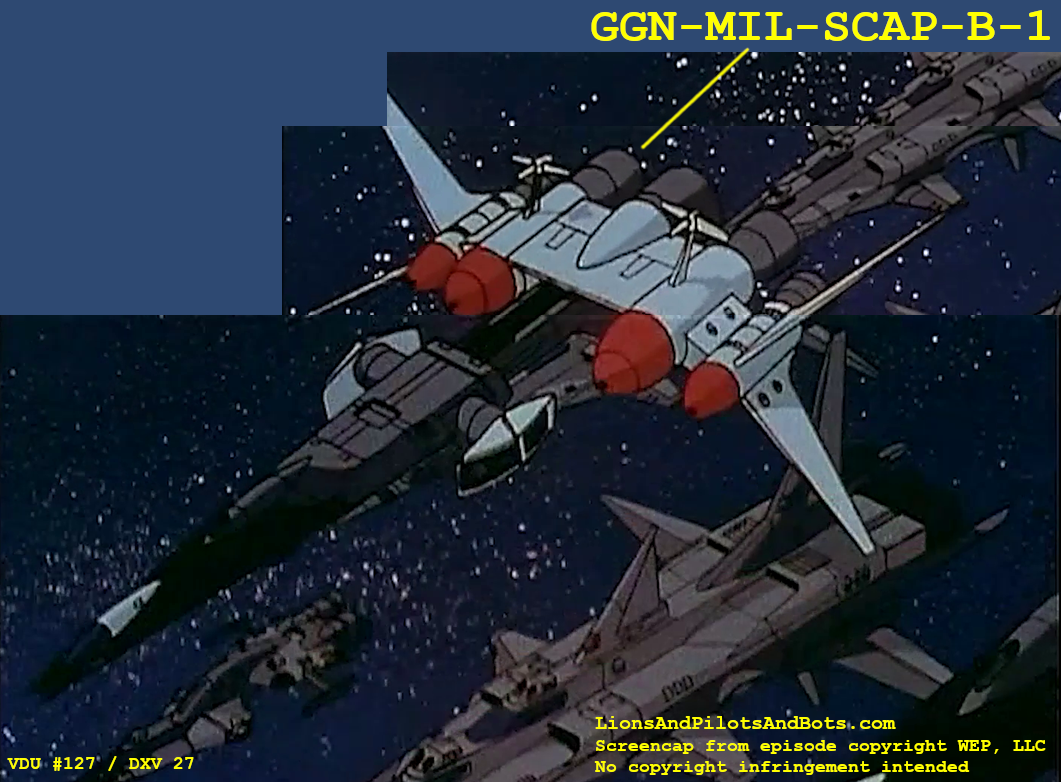
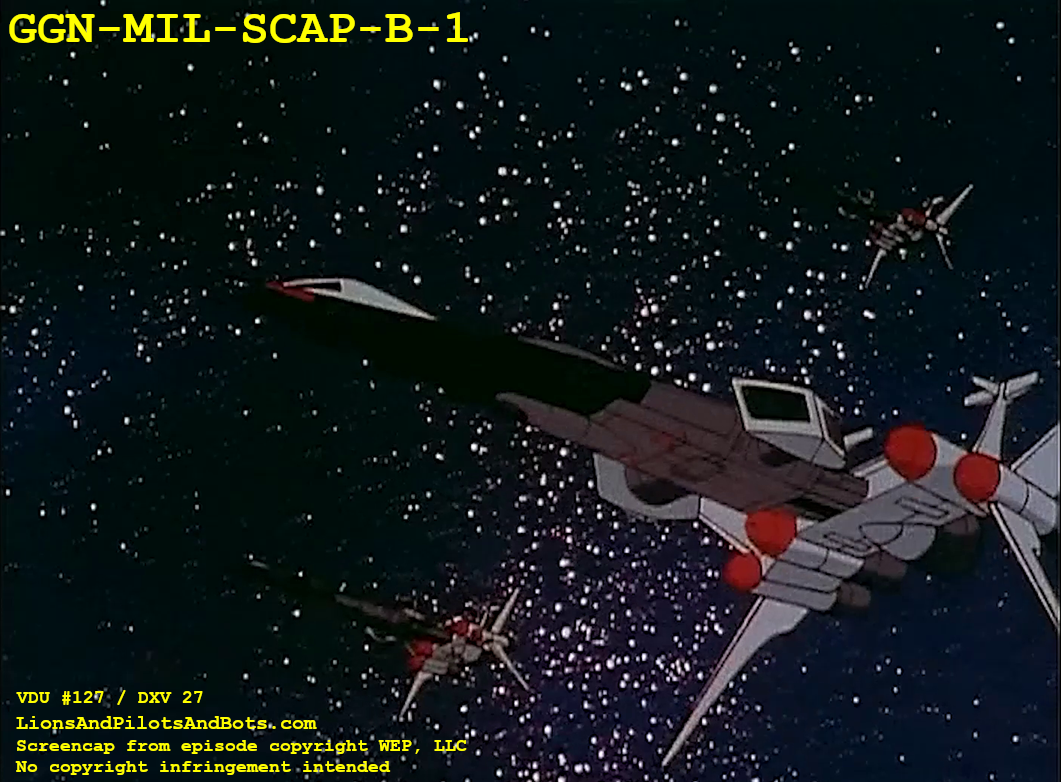
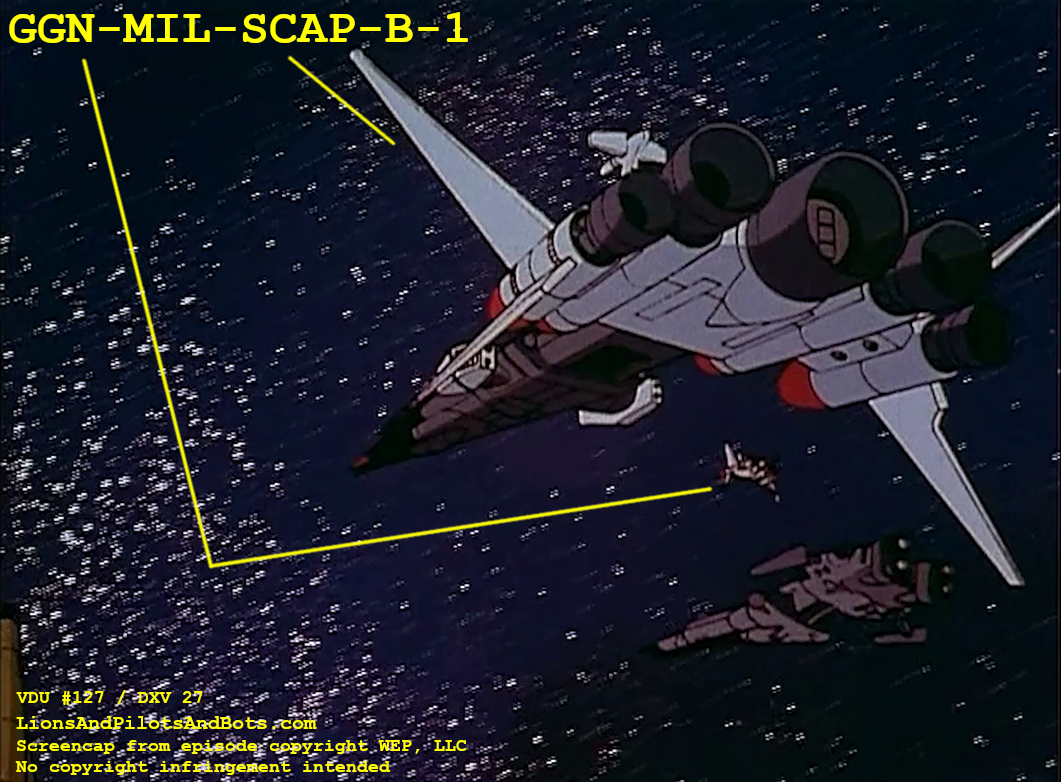
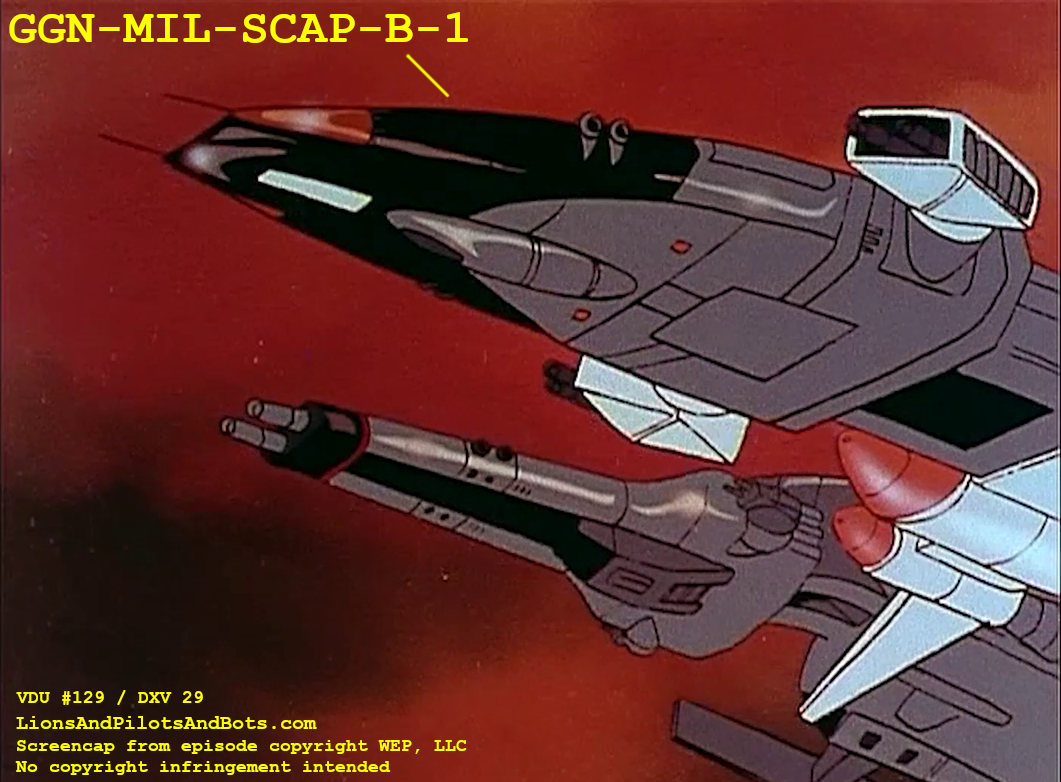
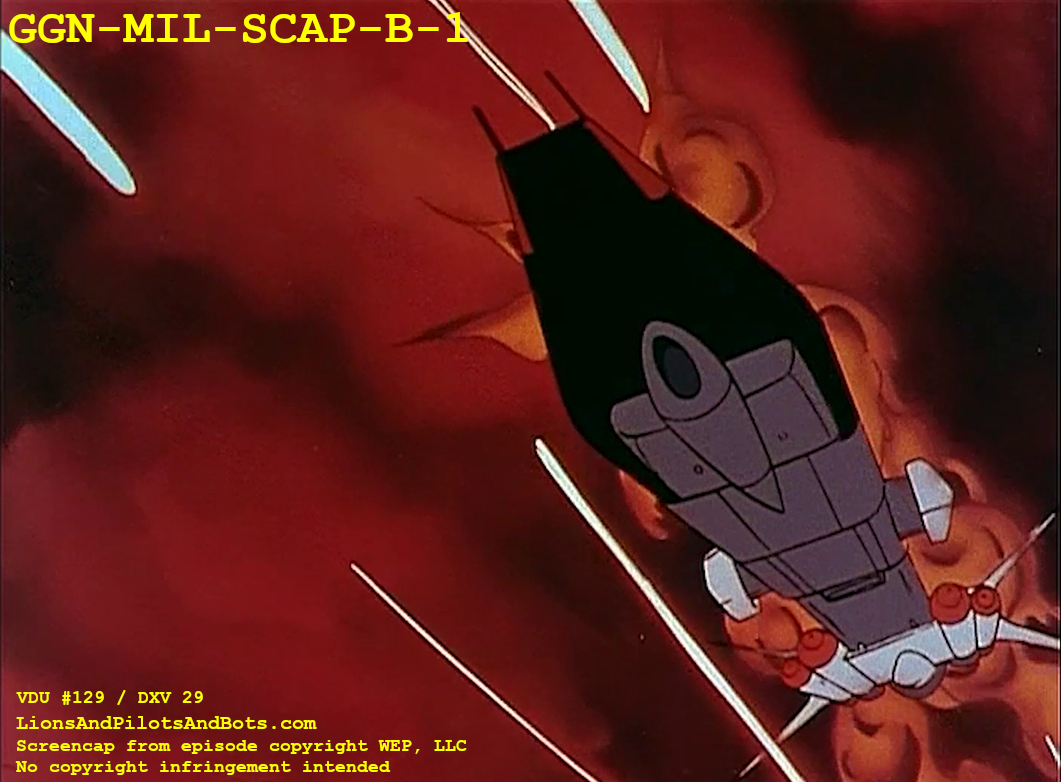
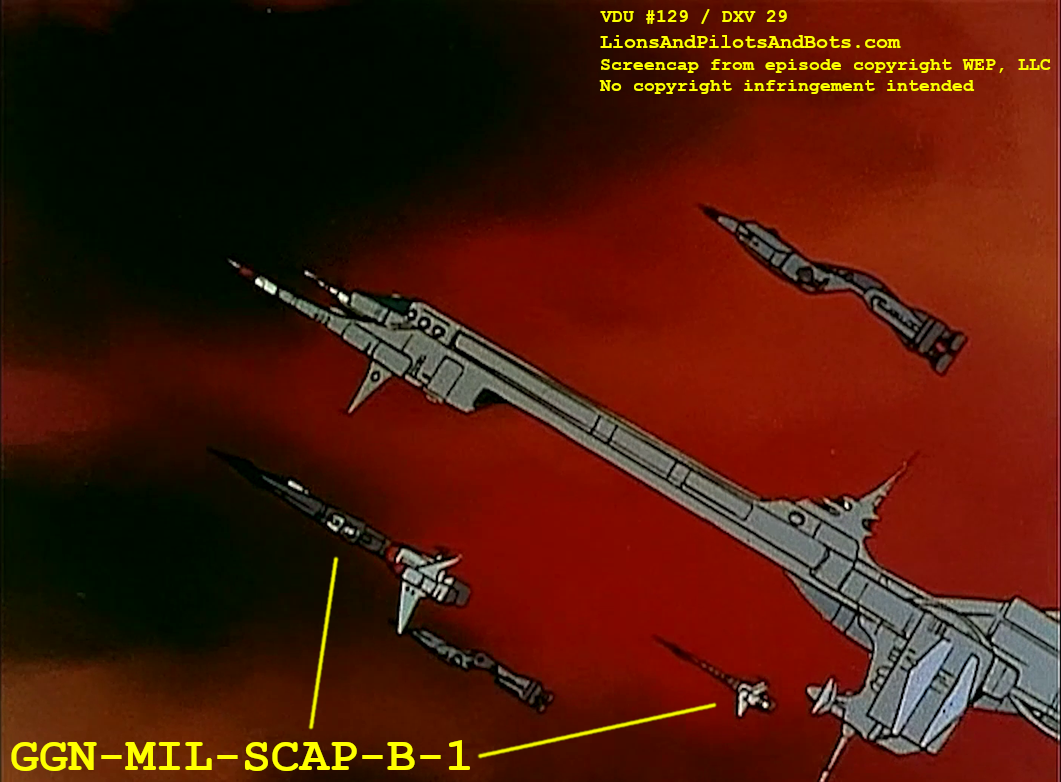
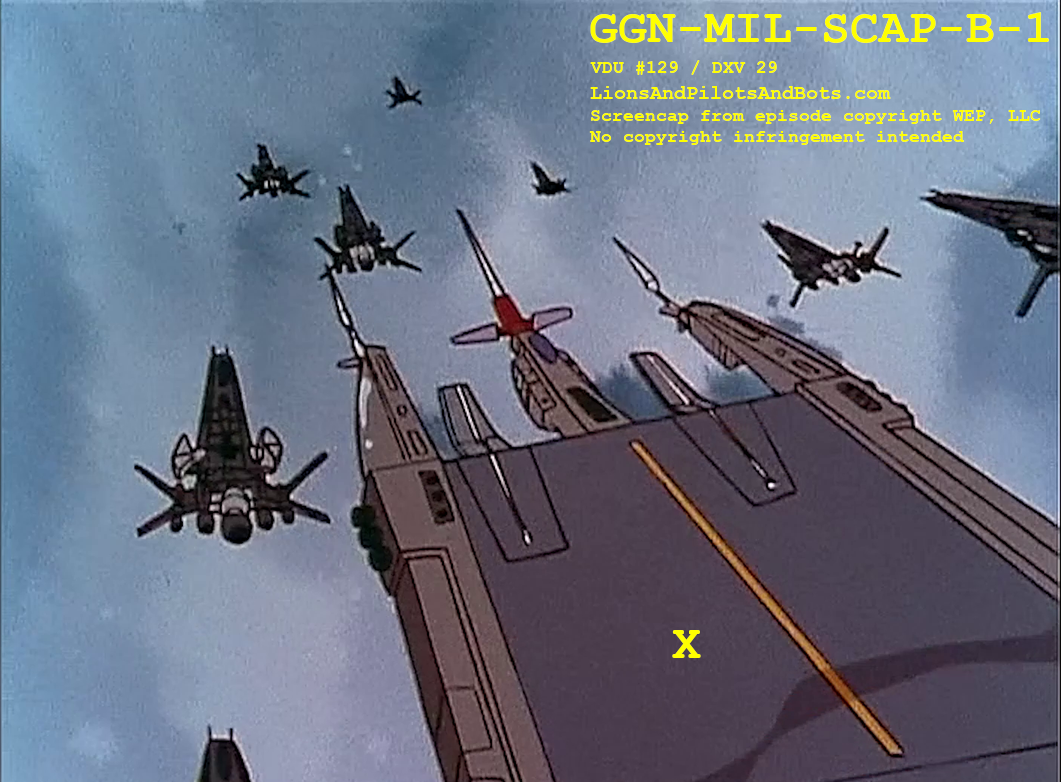
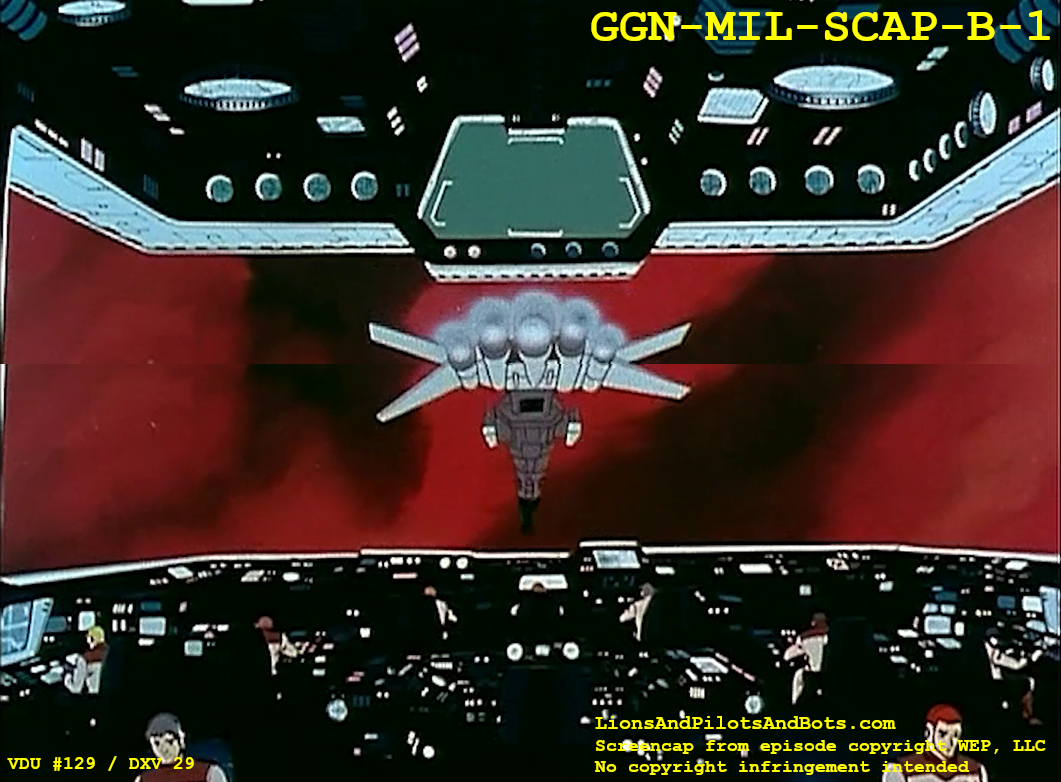
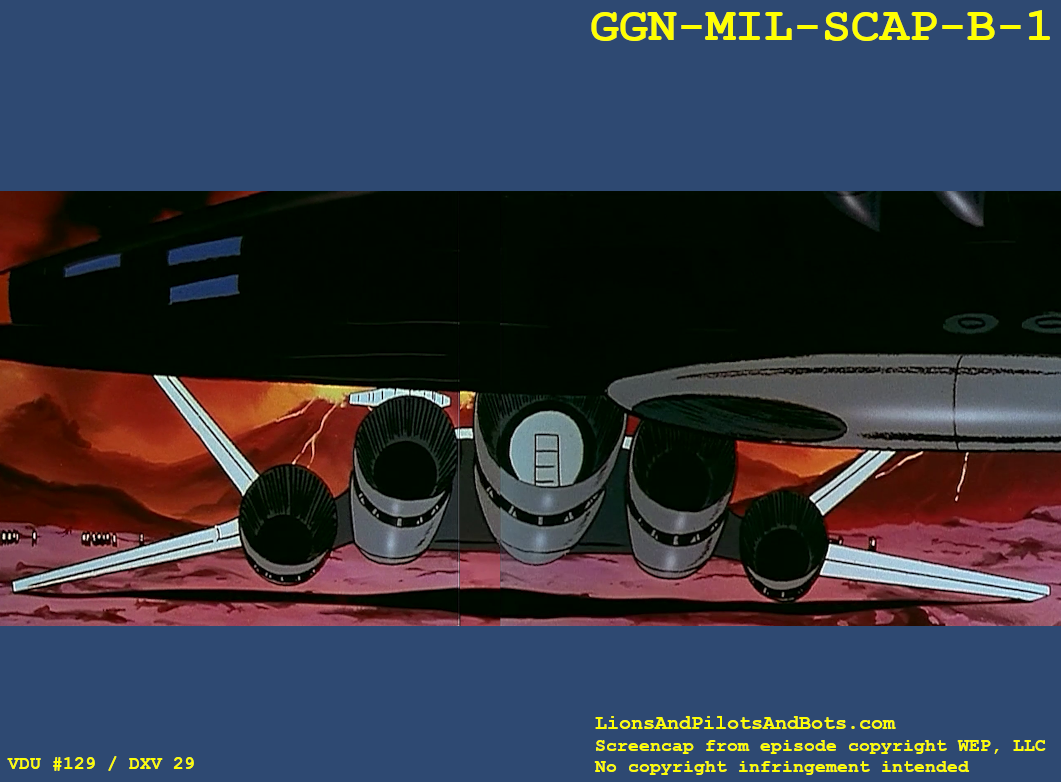
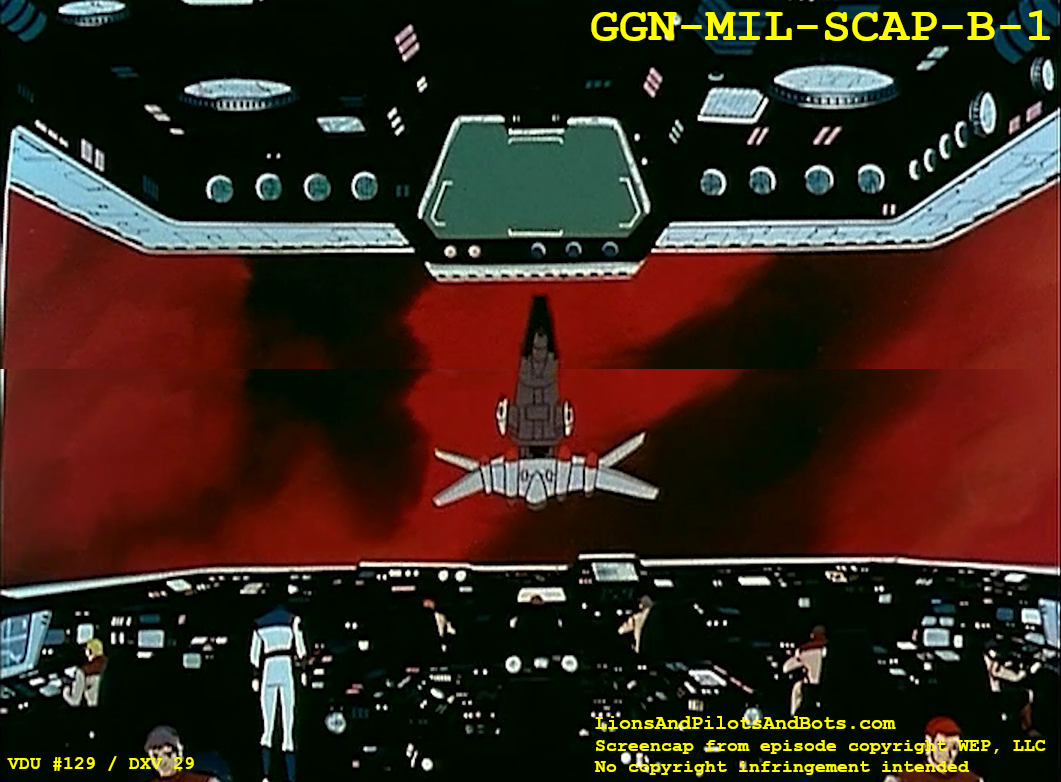
GGN-MIL-SCAP-B-1
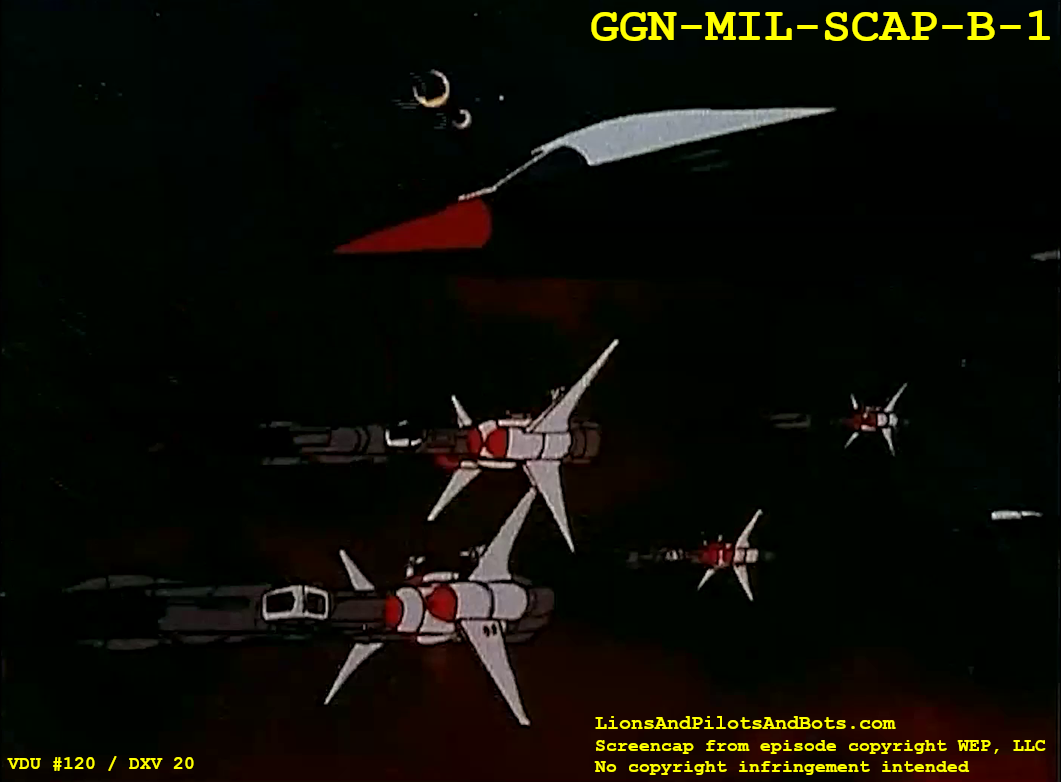
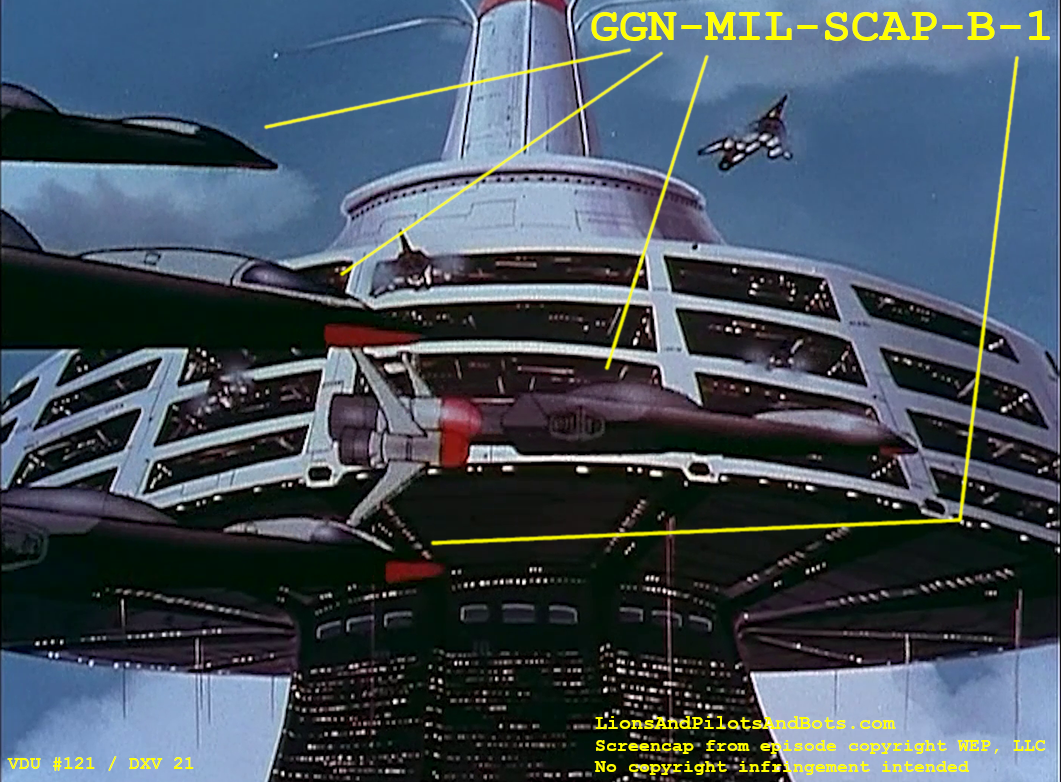
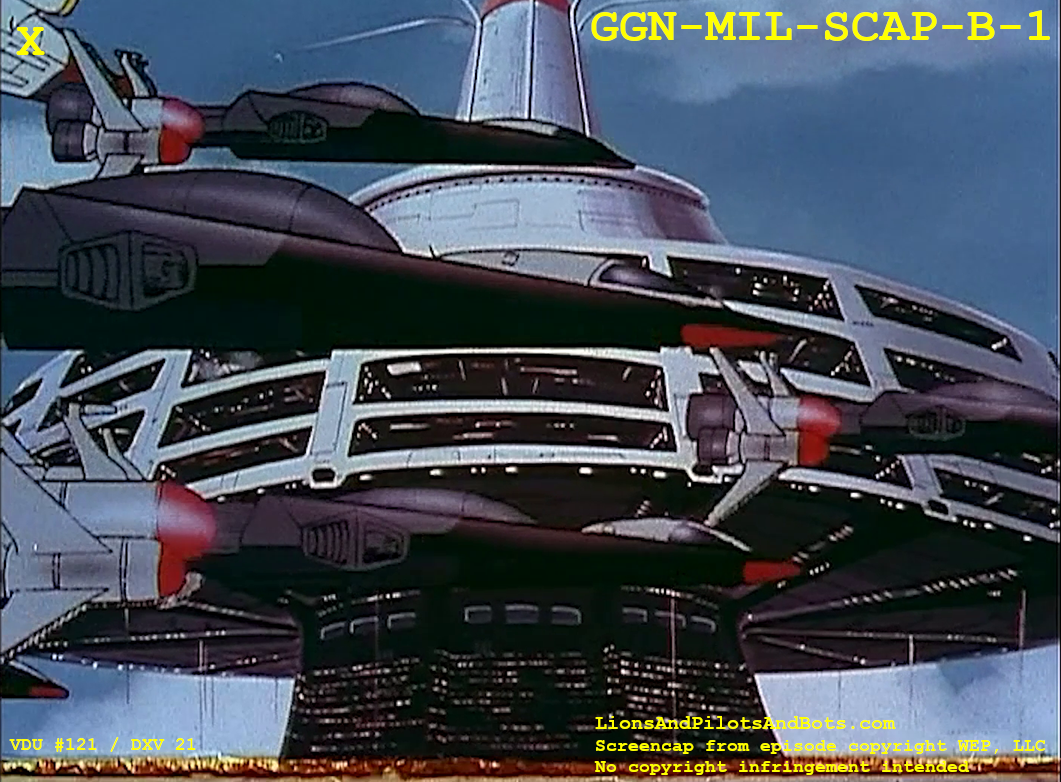
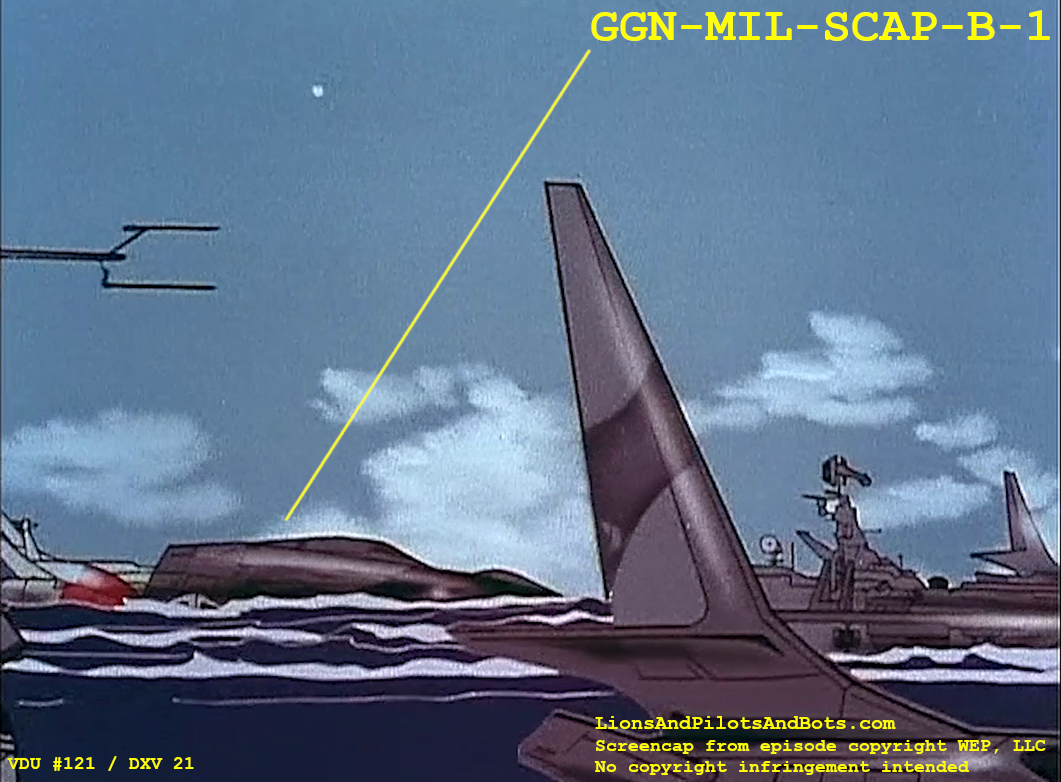
GGN-MIL-SCAP-B-1 spacecraft often serve in Galaxy Garrison support or combat fleets.
 |  |  |
 |  |  |
 |  |  |
 |  |  |
 |  |  |
 |  |  |
 |  |  |
 |  |  |
 |  |  |
 |  |  |
 |  |  |
 |  |  |
 |  |  |
 |  |  |
 |  |  |
 |  |  |
 |  |  |
 |  |  |
 |  |  |
 |  |  |
 |  |  |
 |  |  |
|  |  |
 |  |  |
 |  |  |
 |  |  |
 |
Return to Vehicle Types – Summary Information
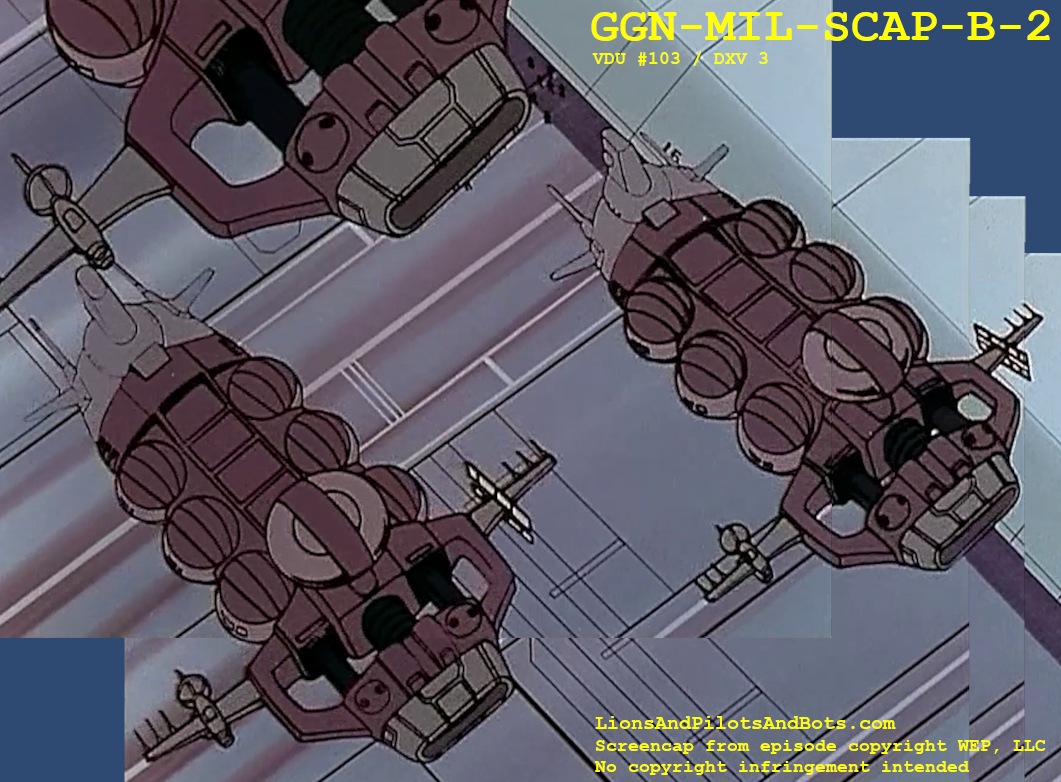
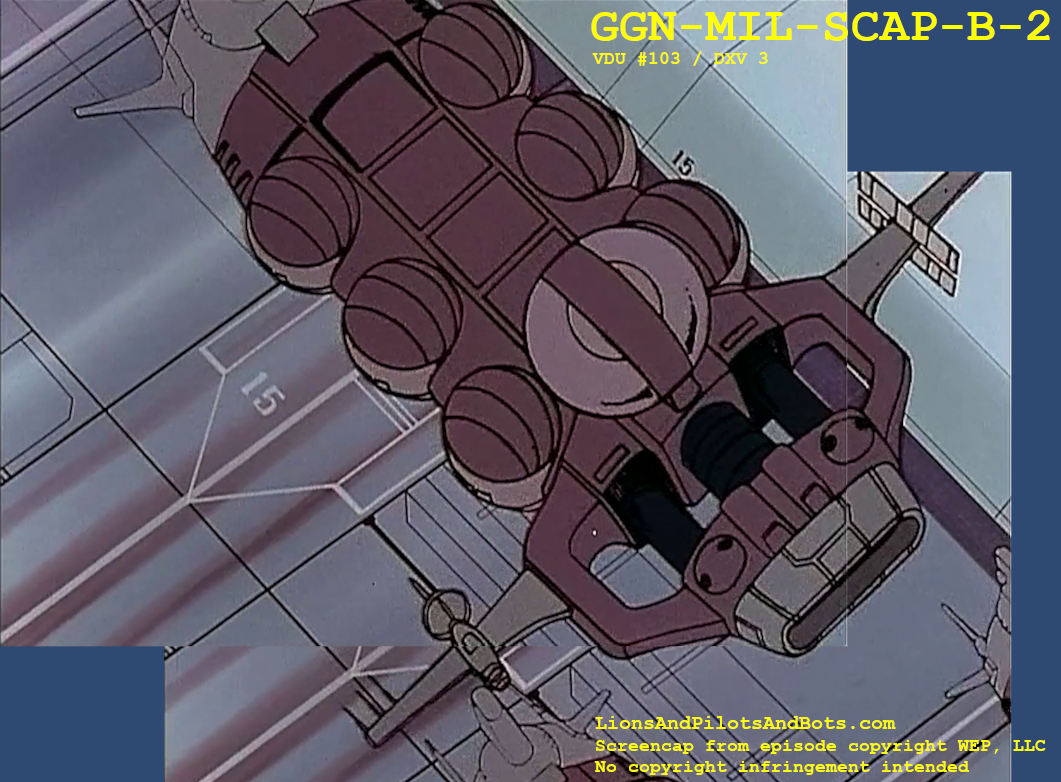
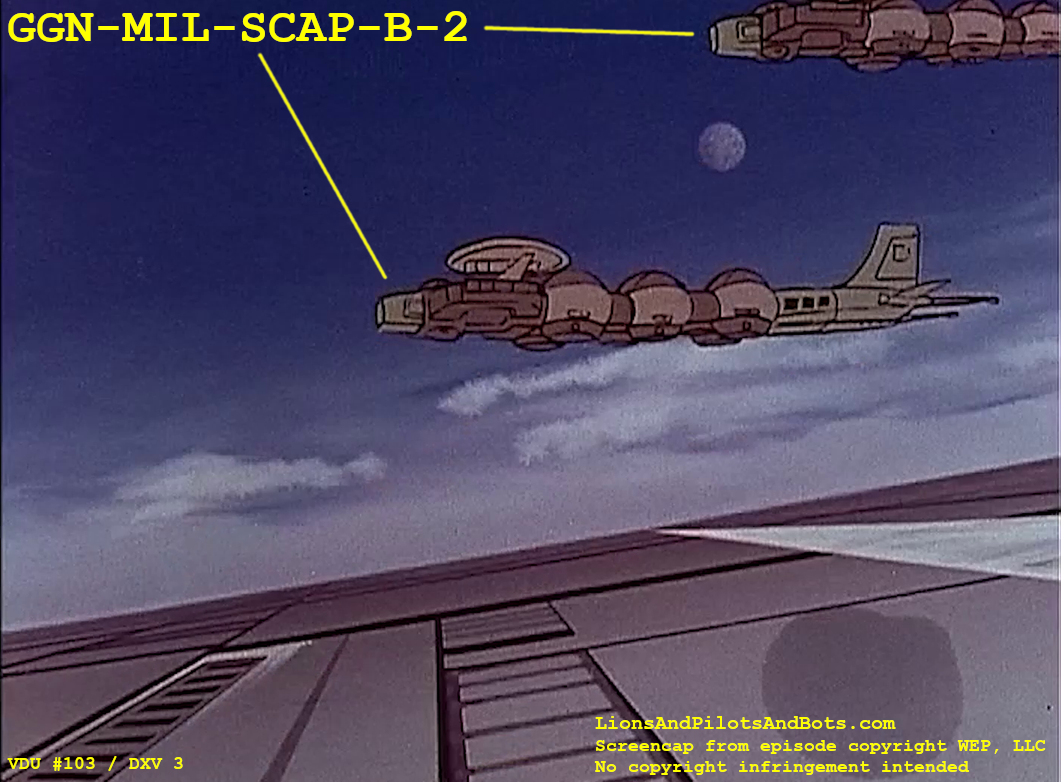
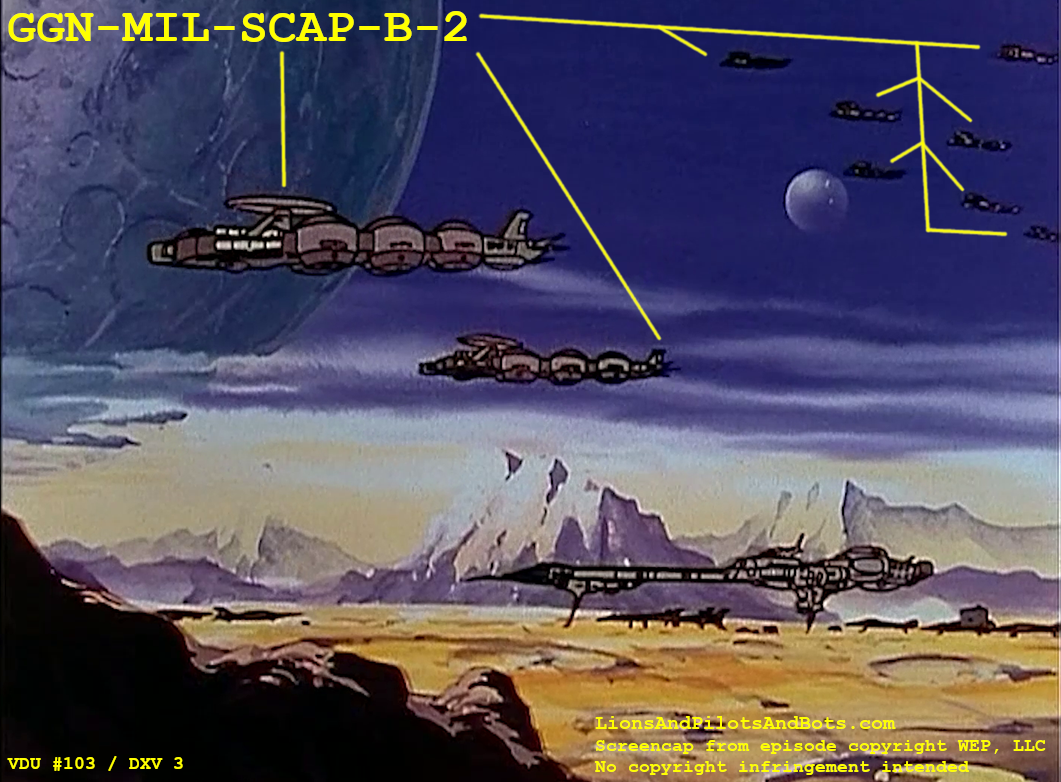
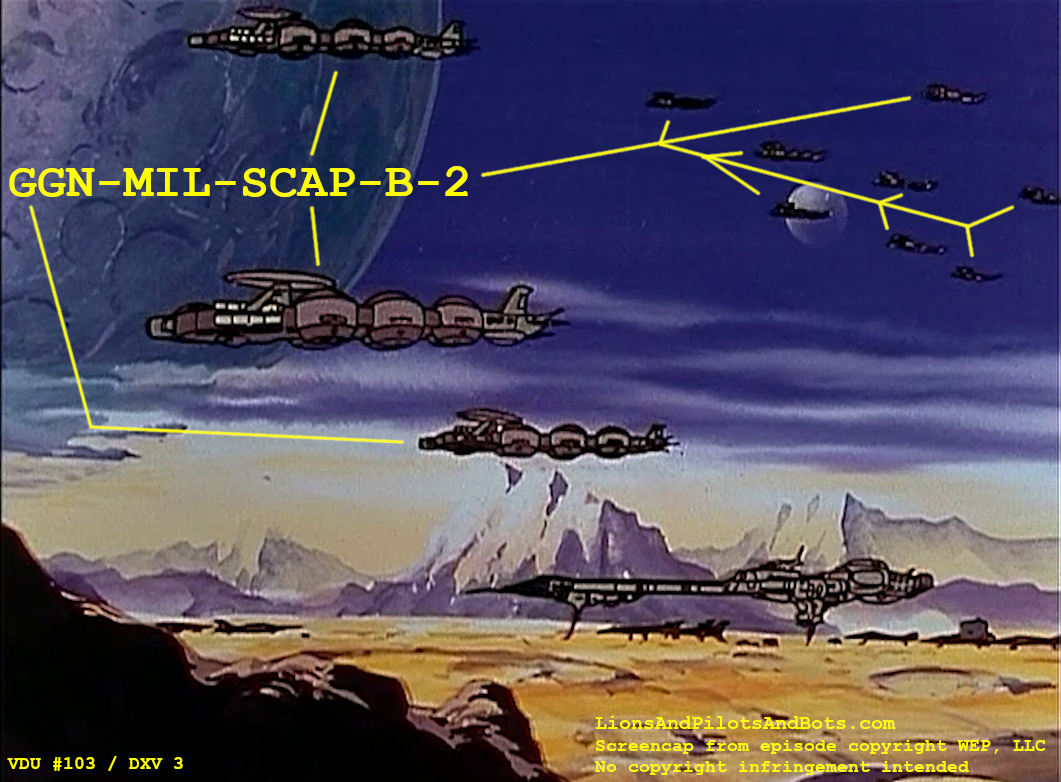
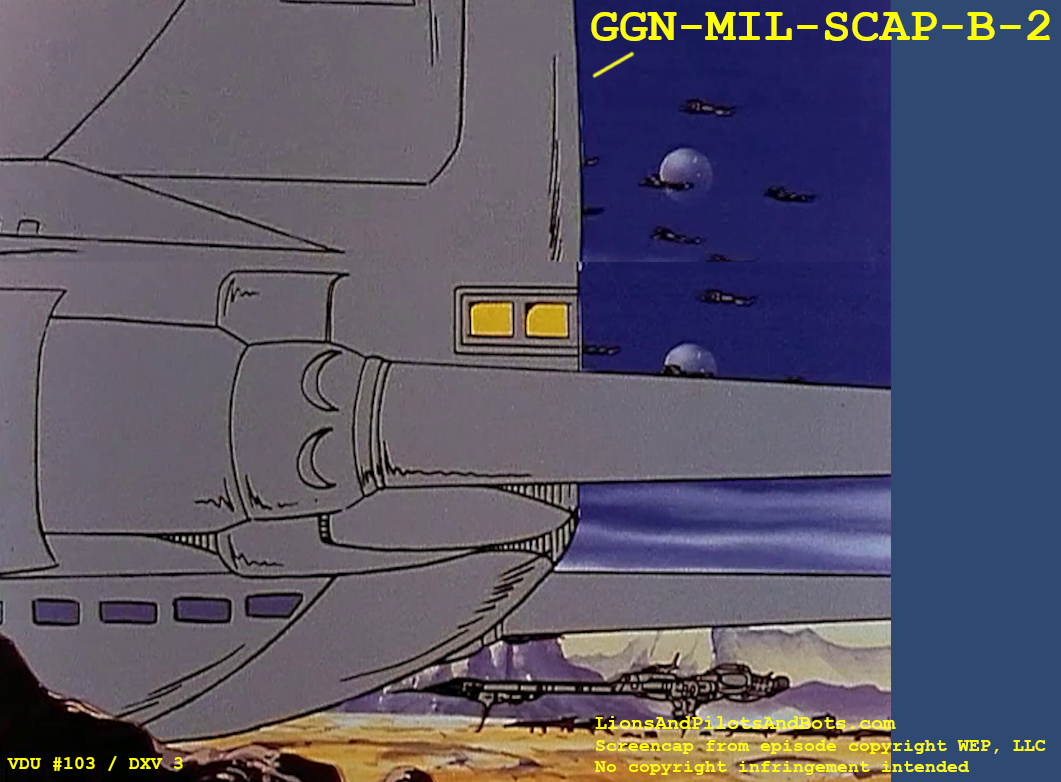
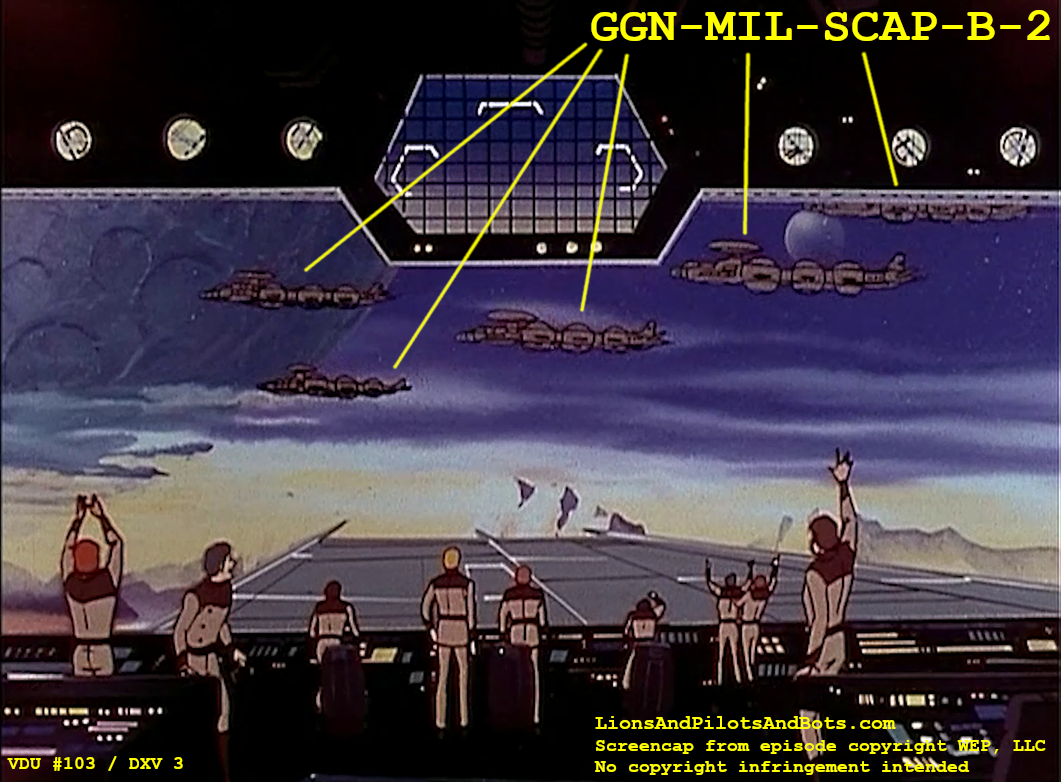
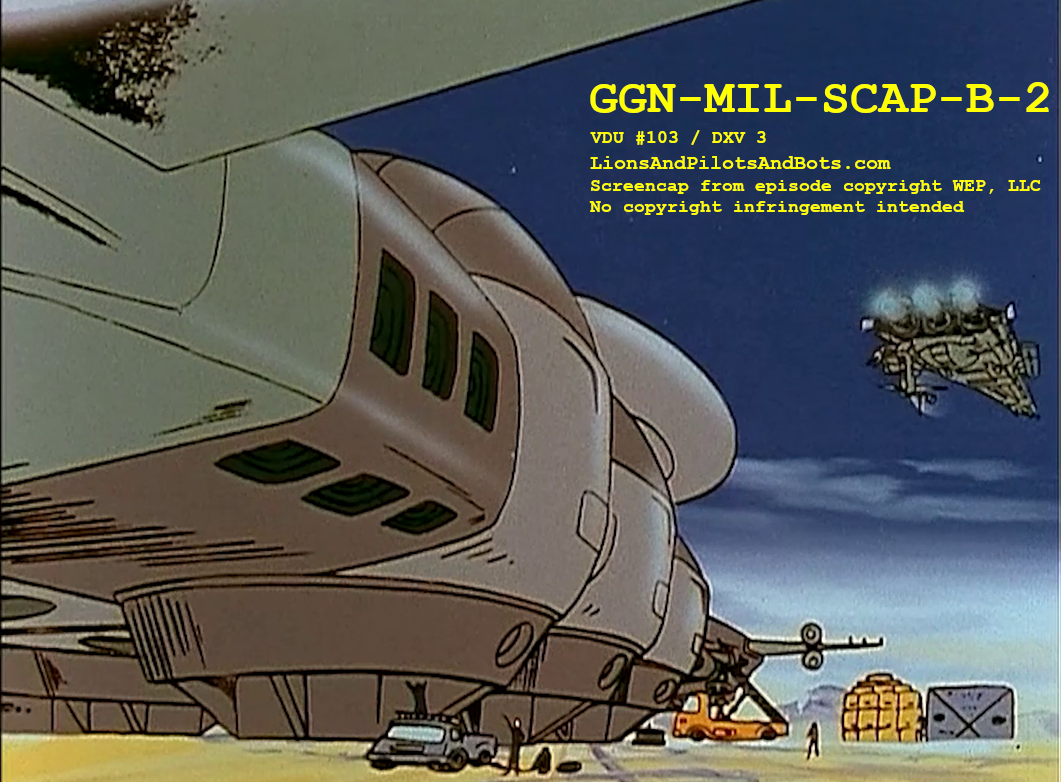
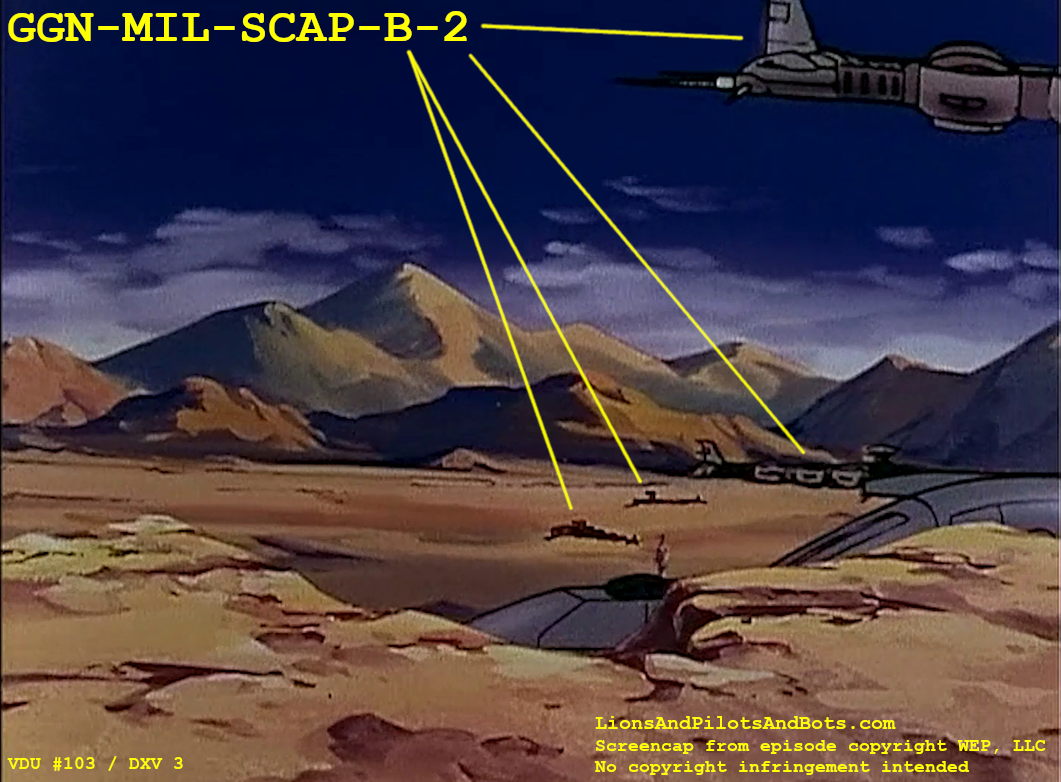
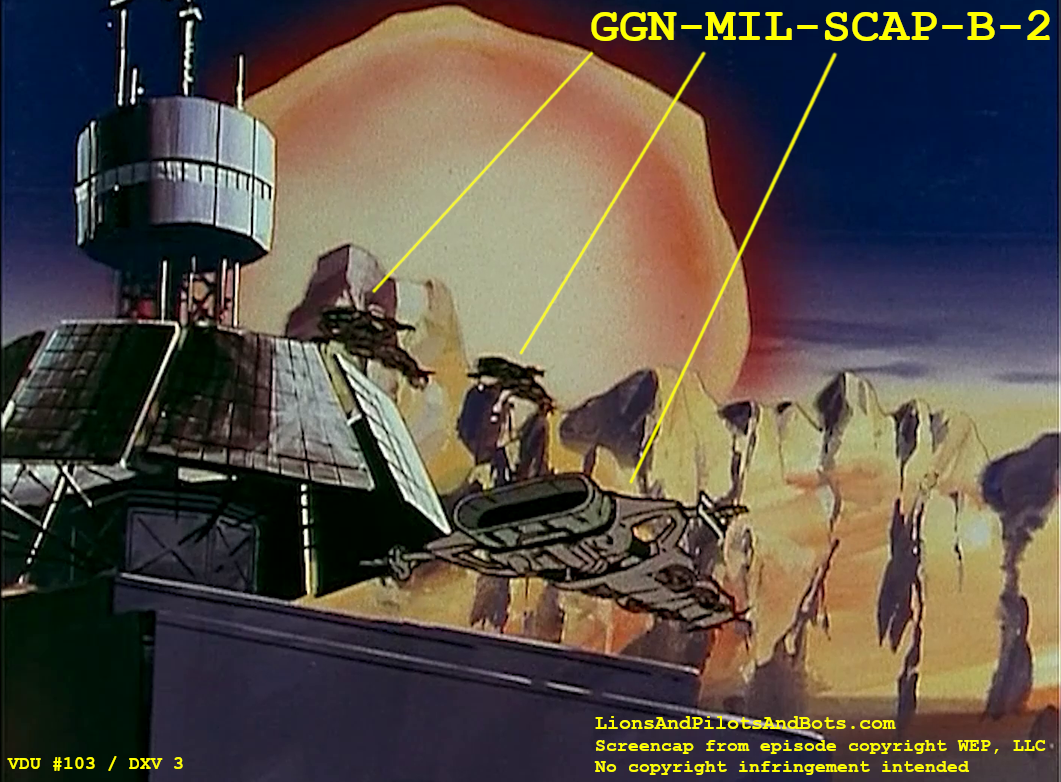
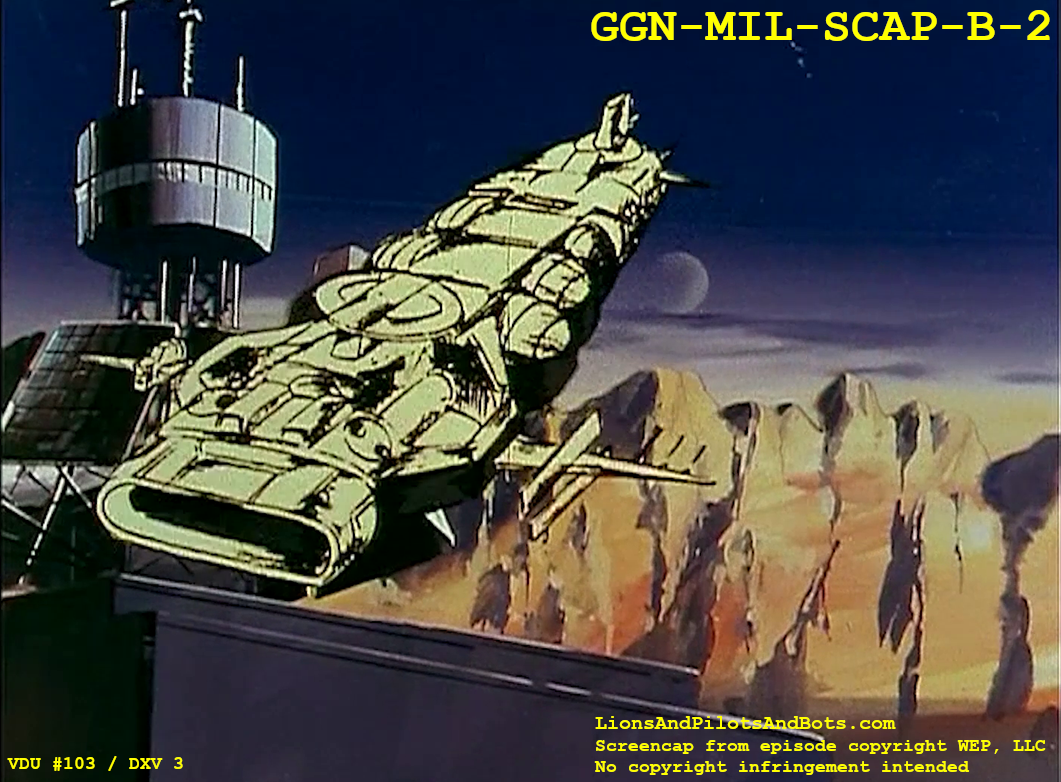
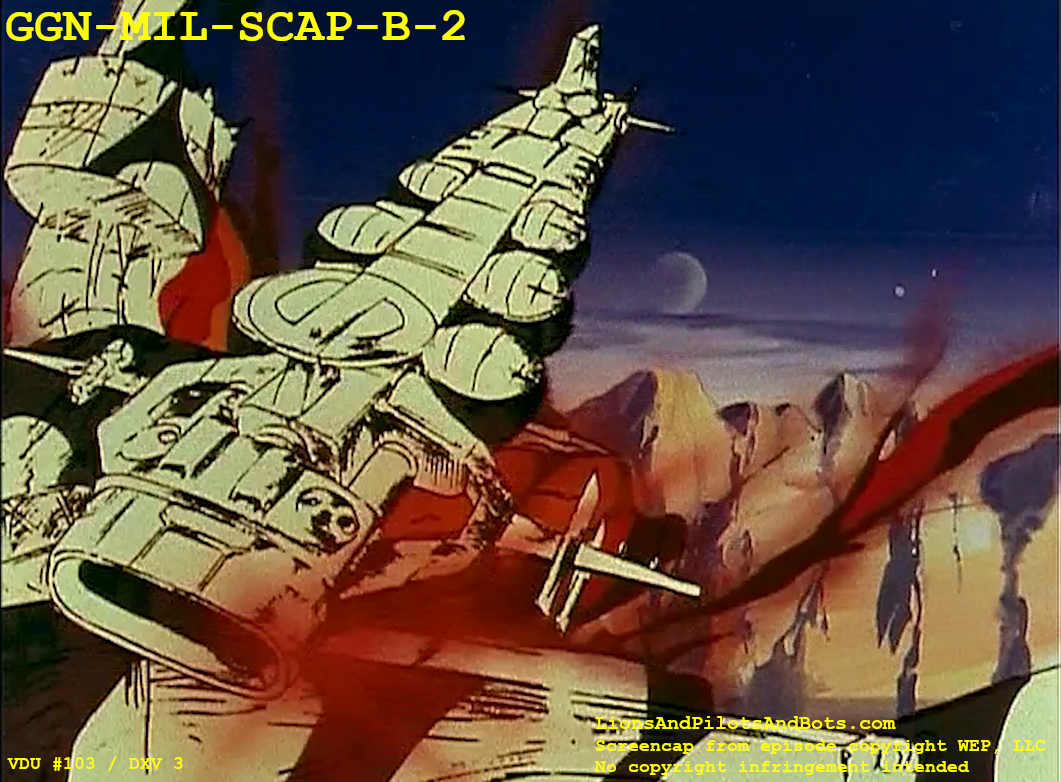
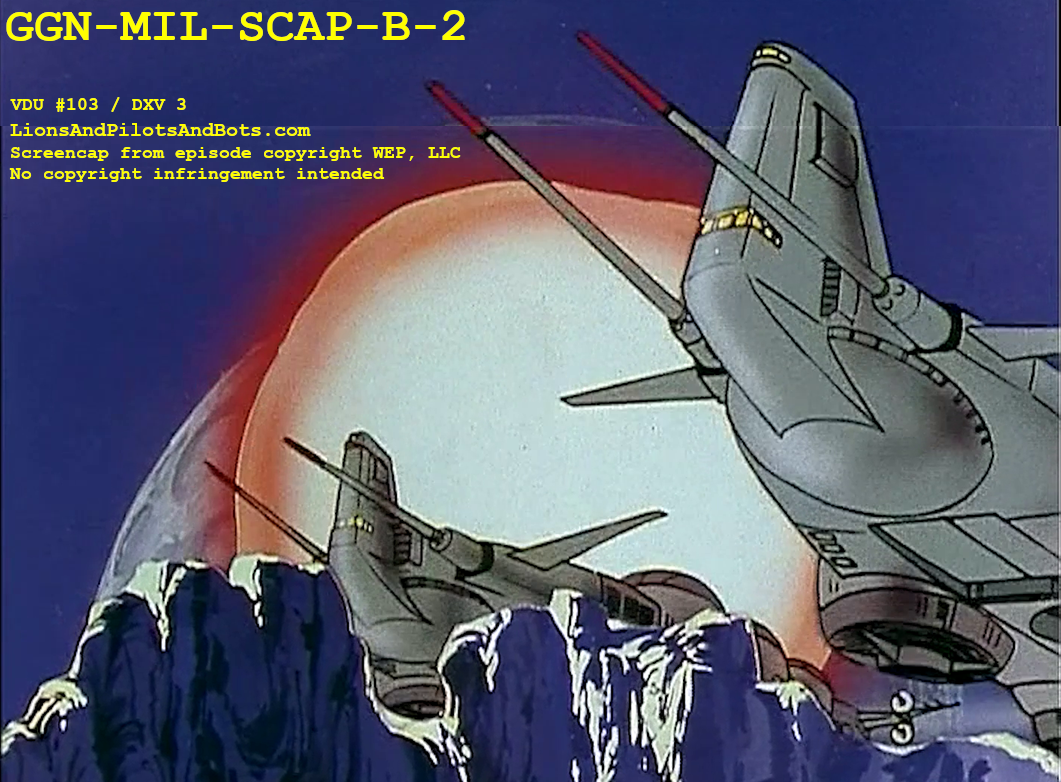
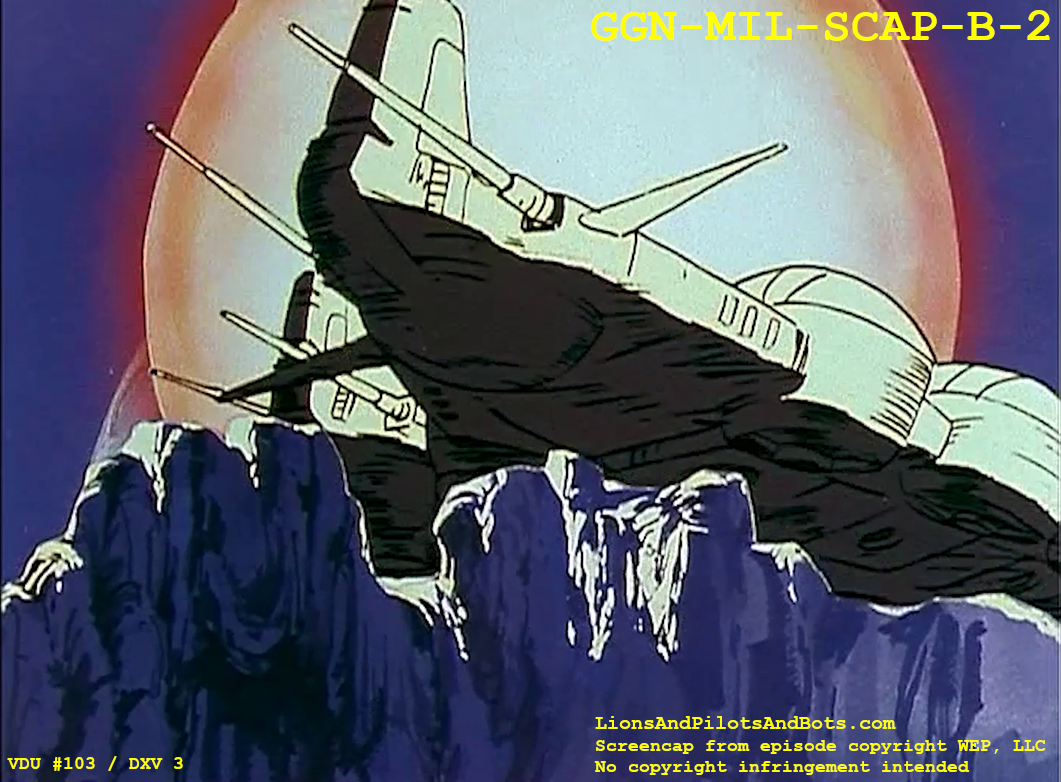
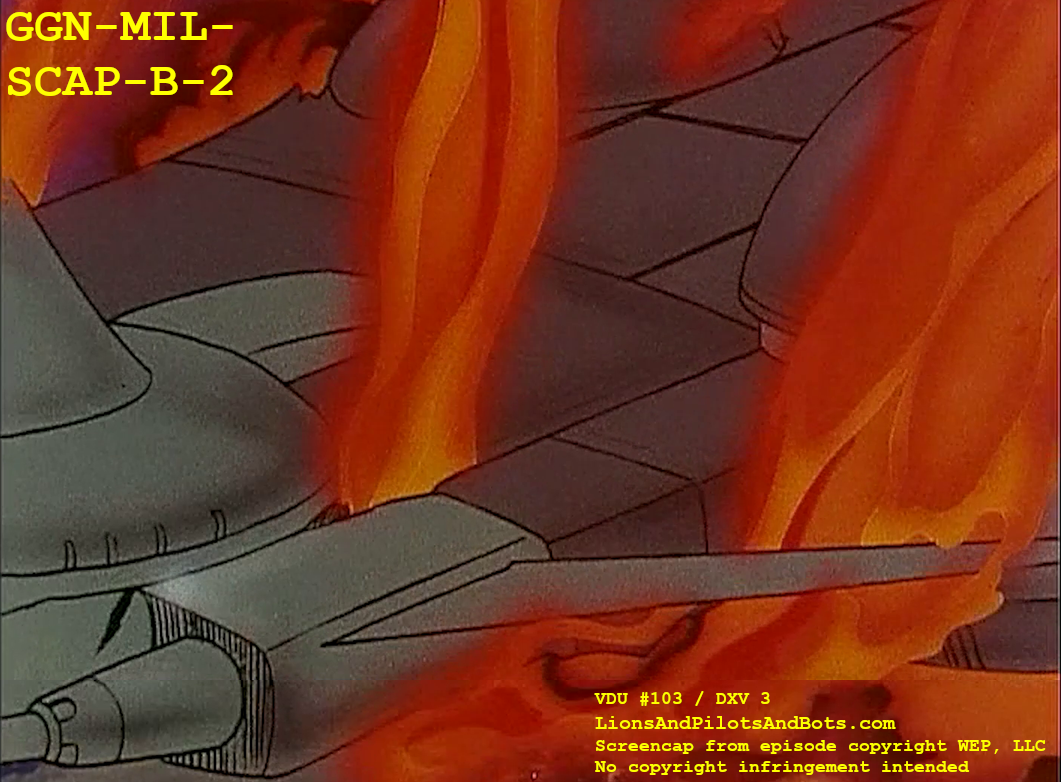
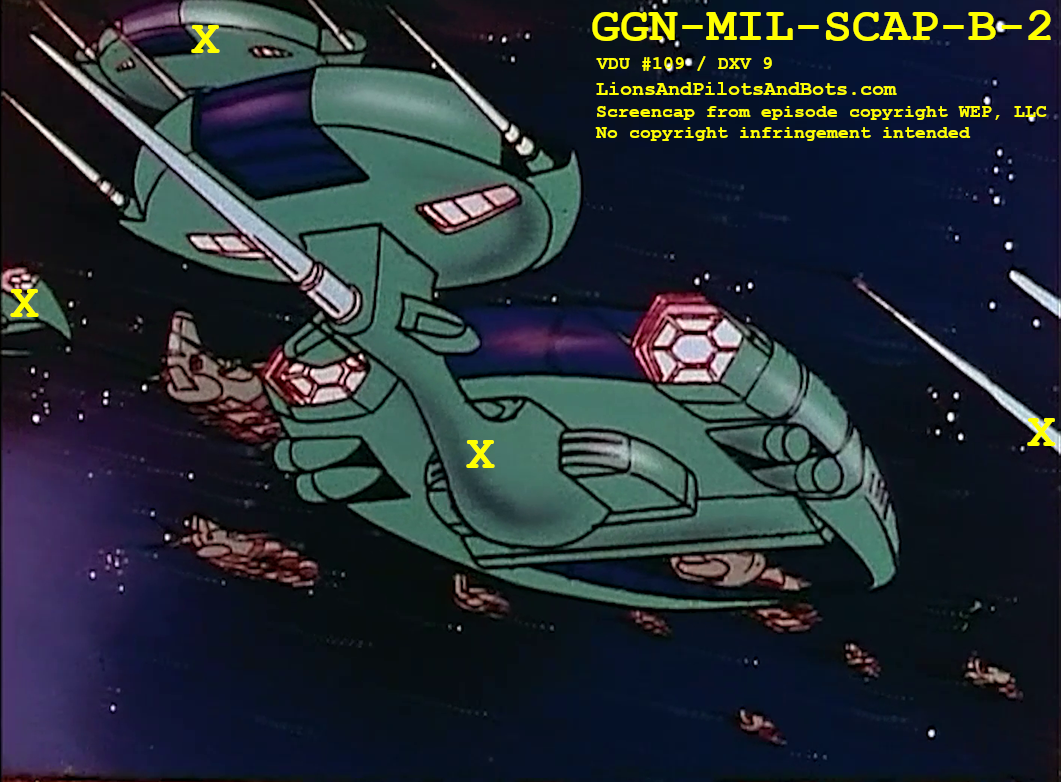
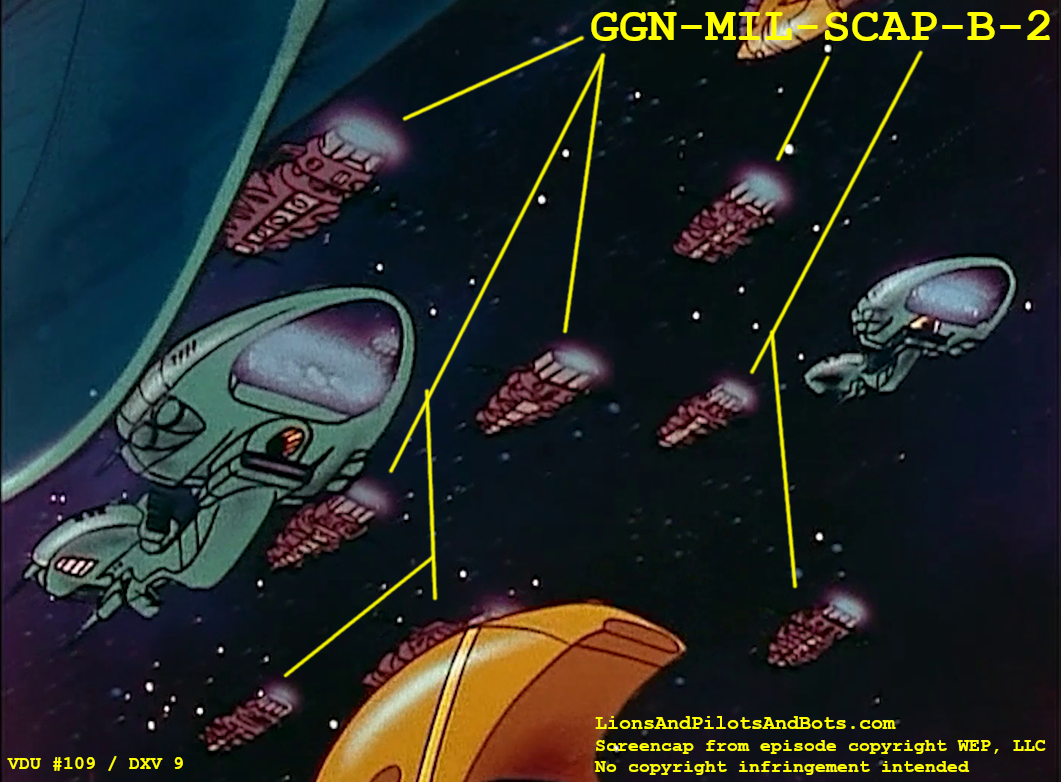
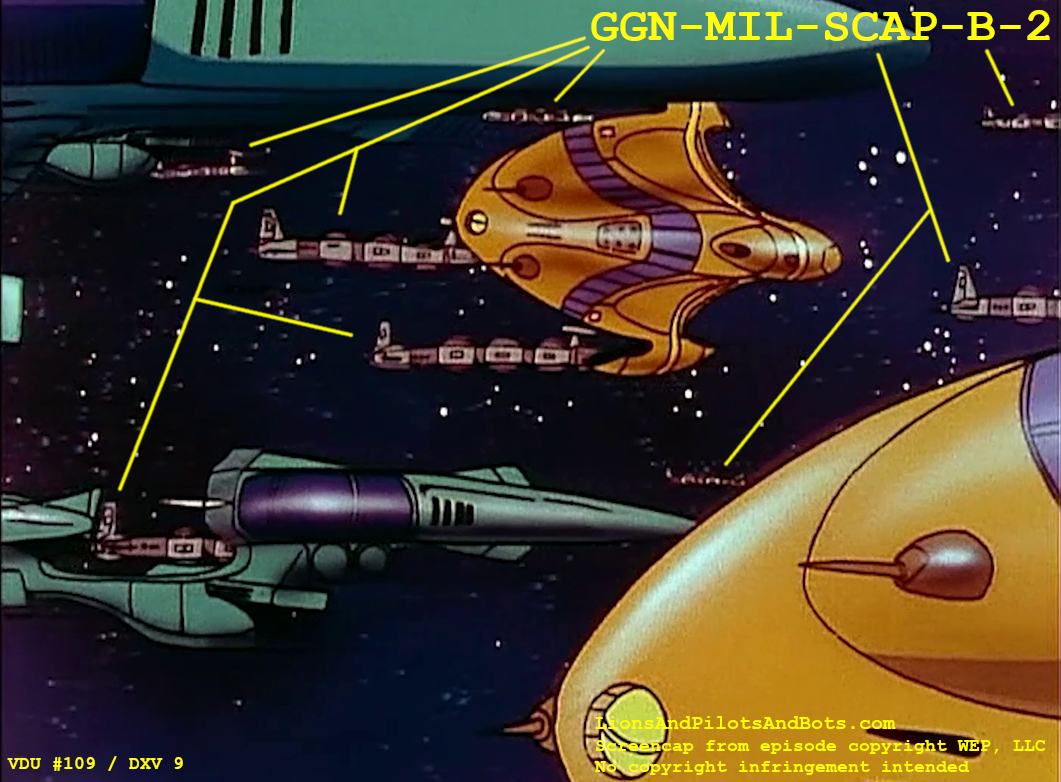
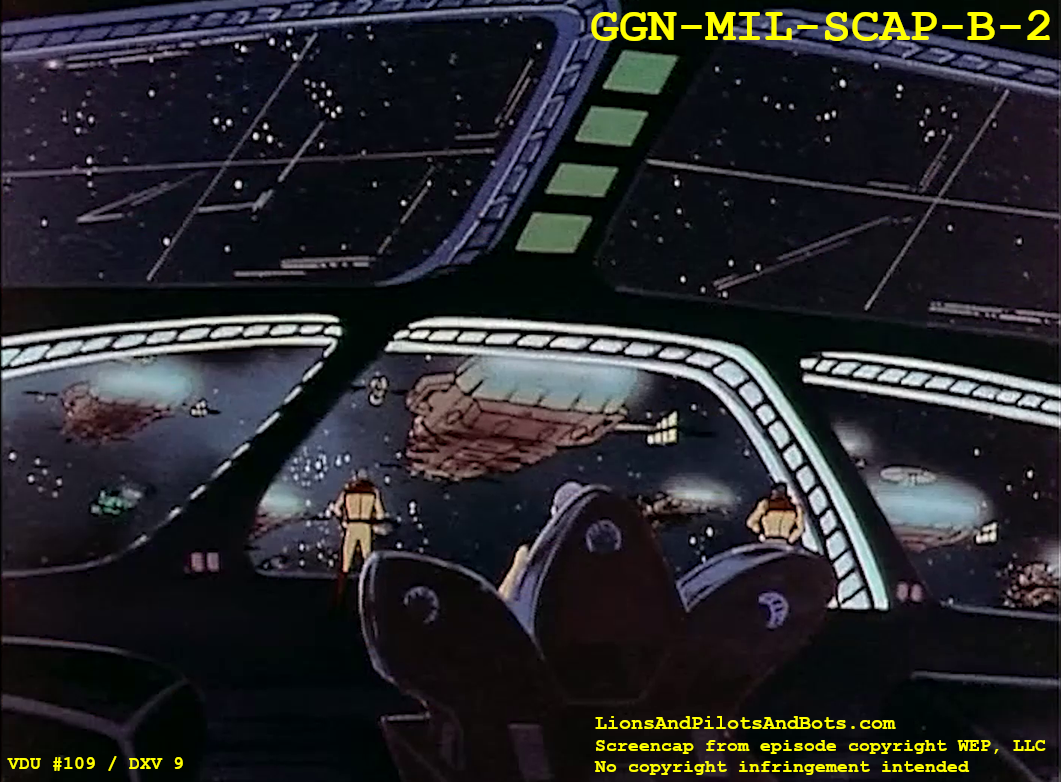
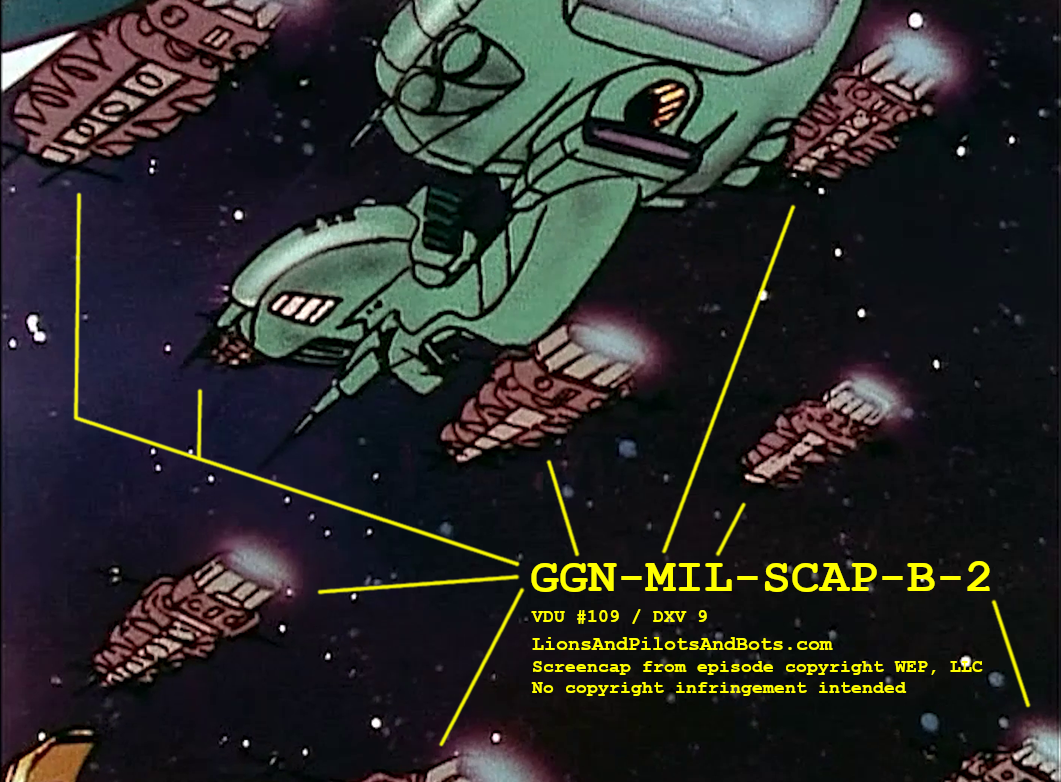
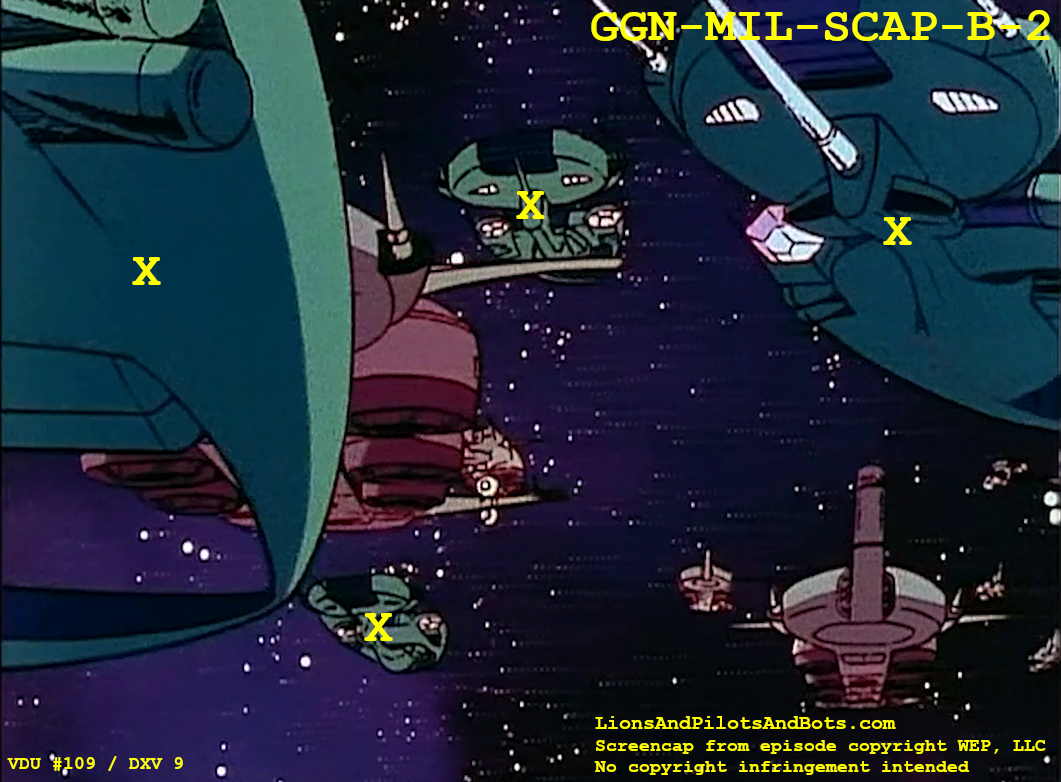
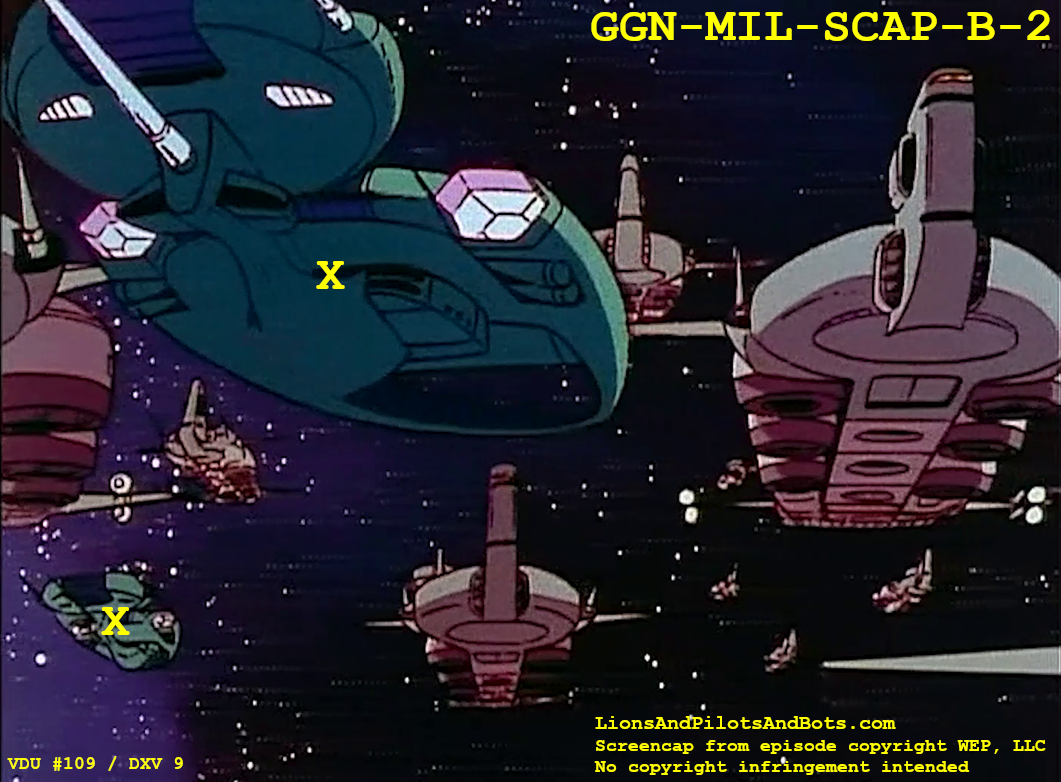
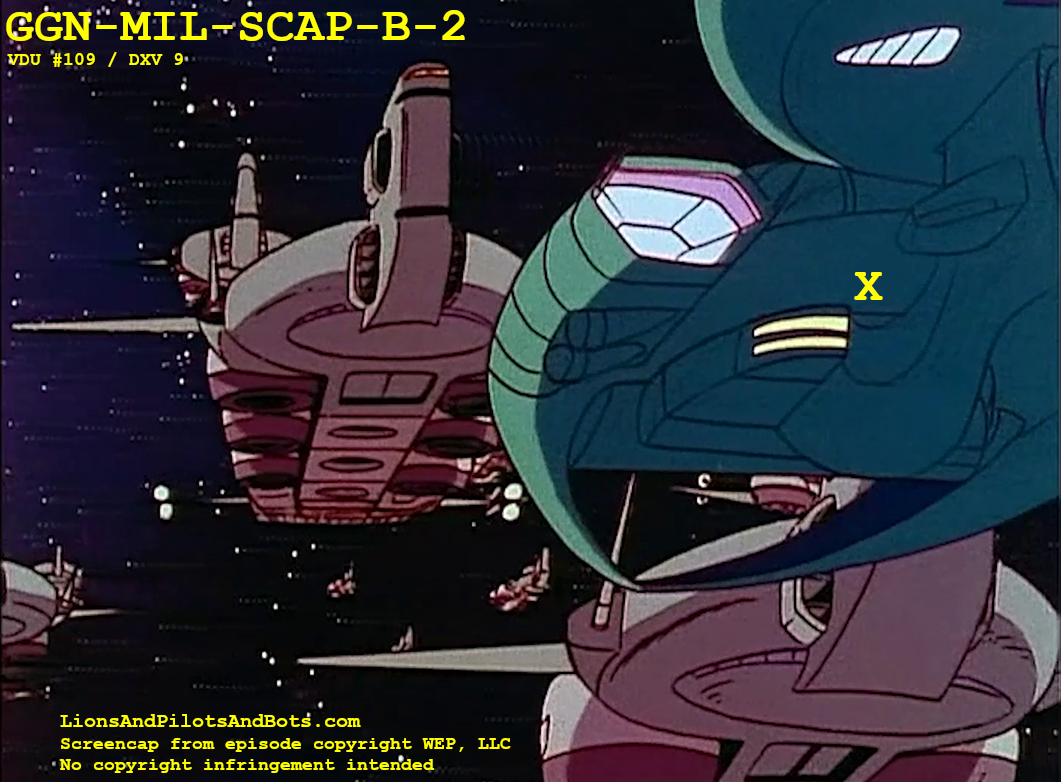
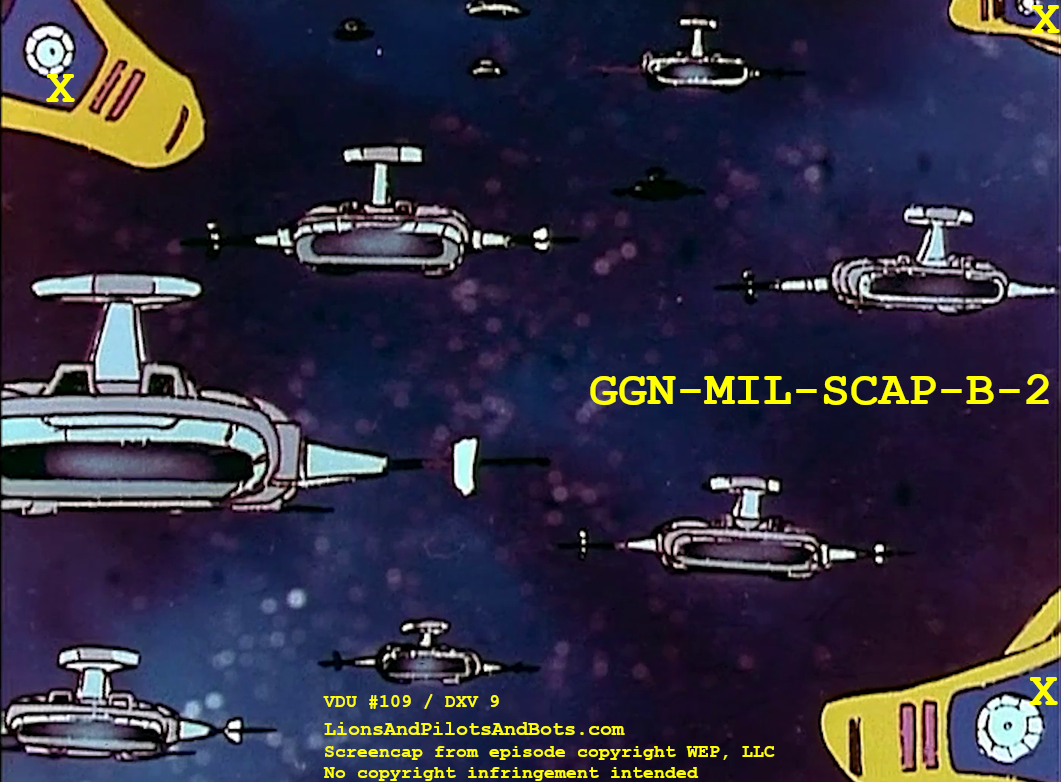
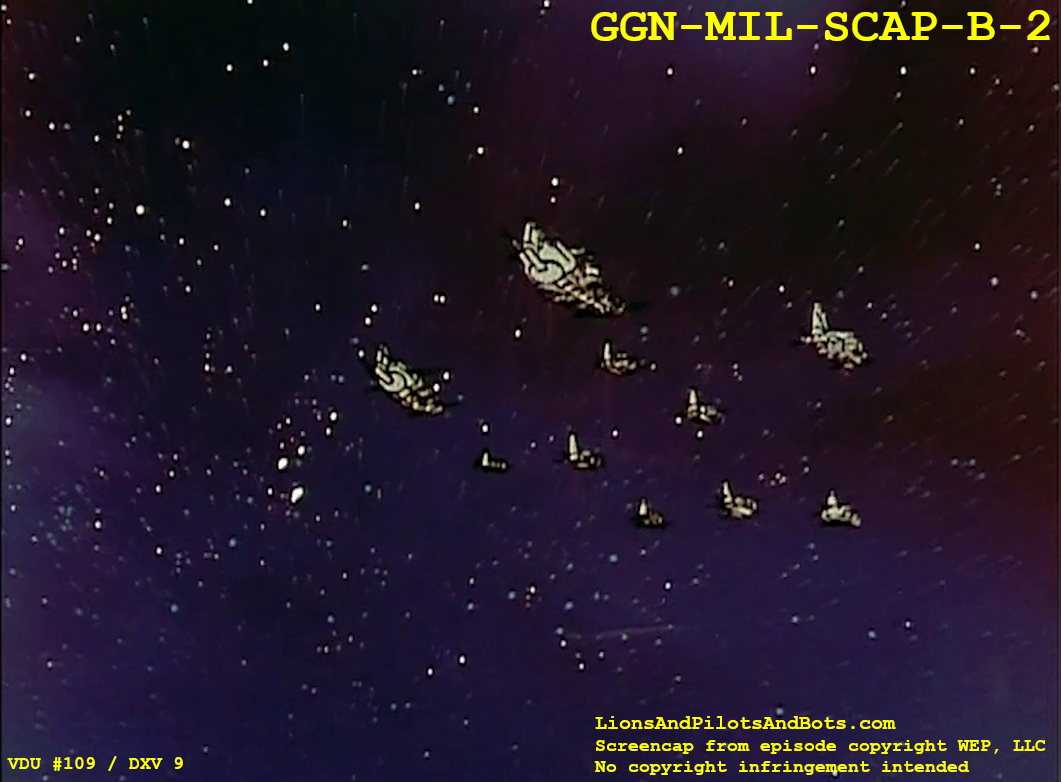
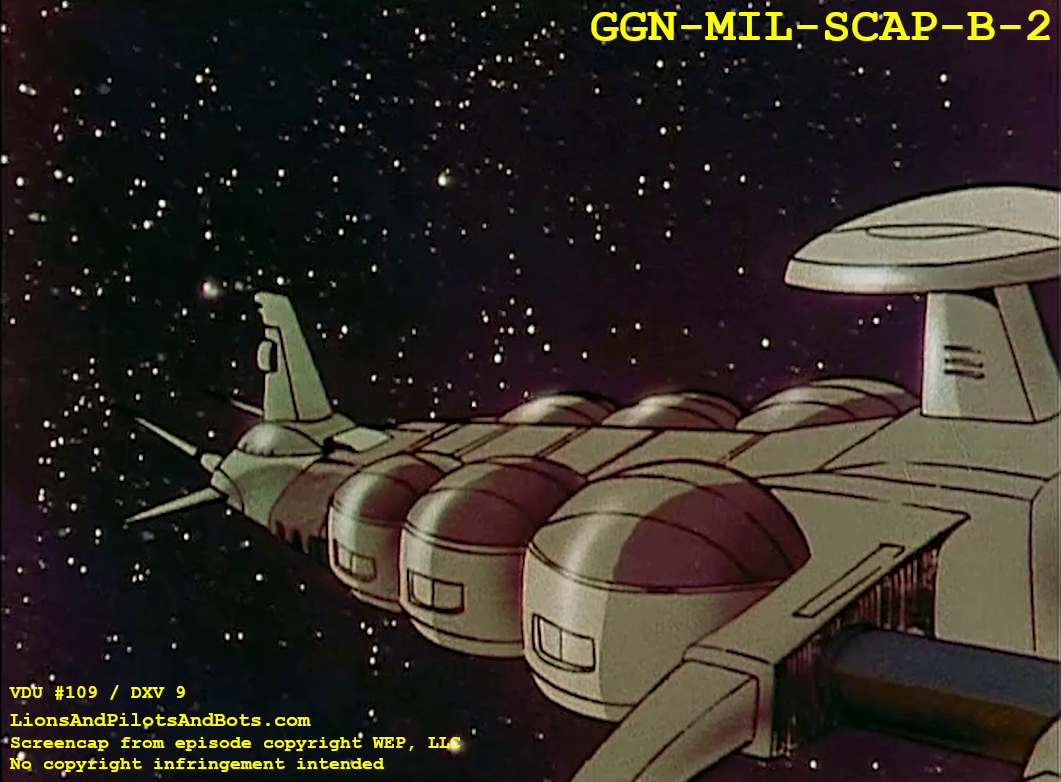
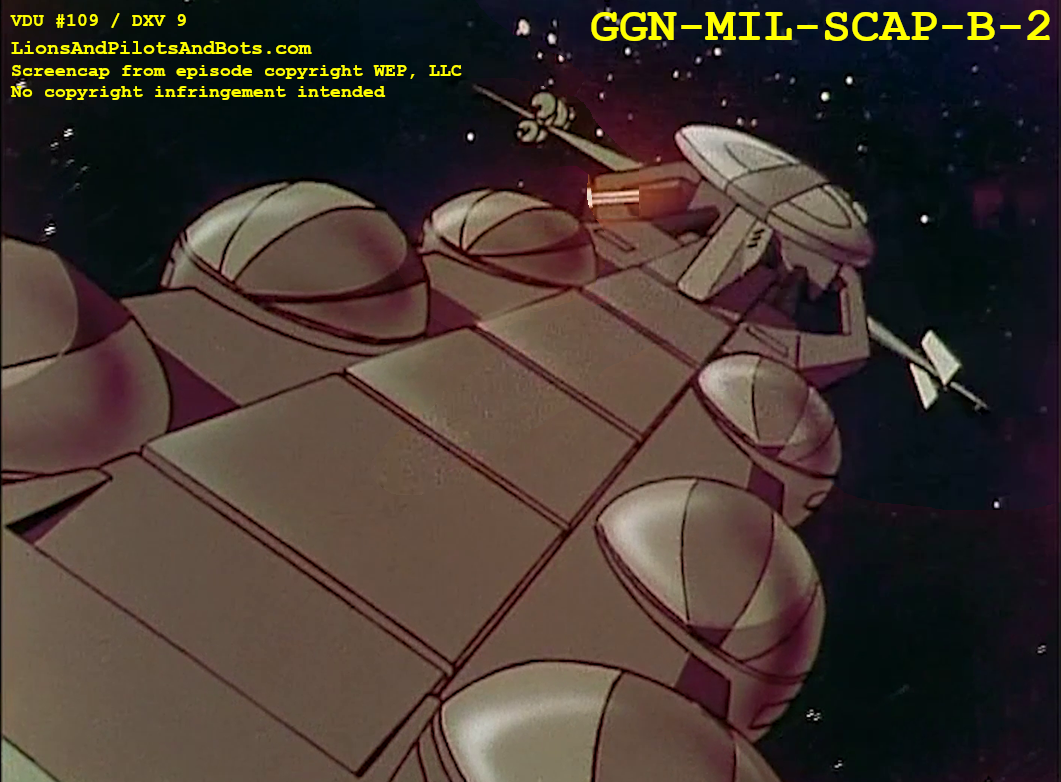
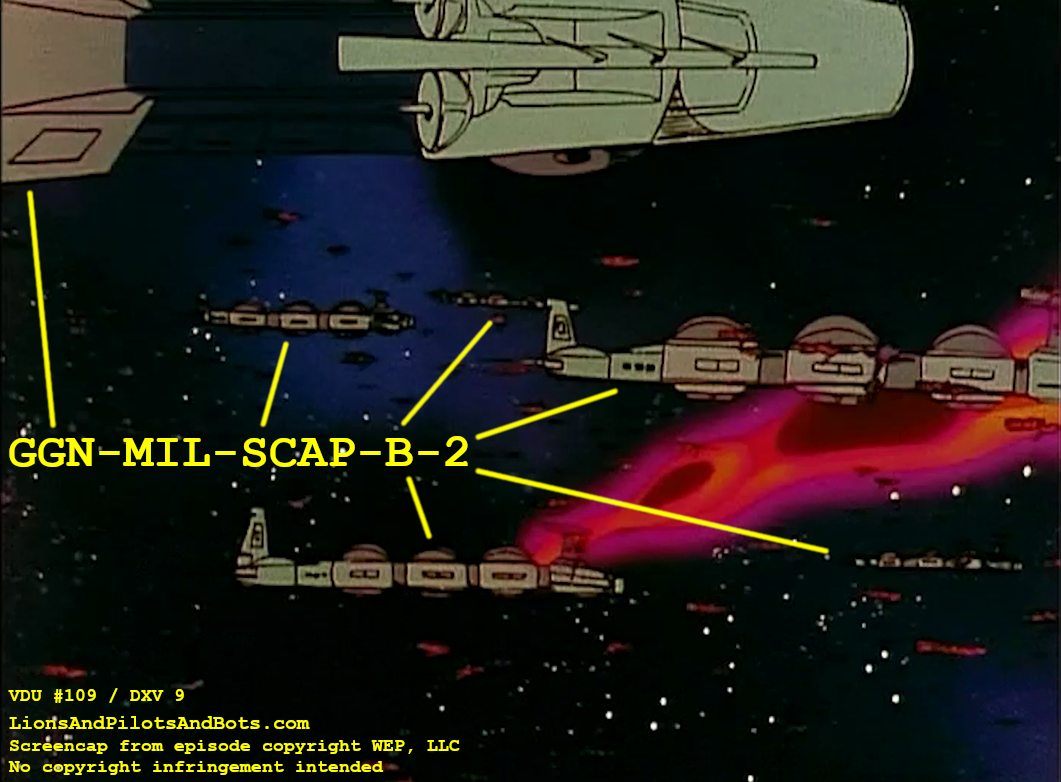
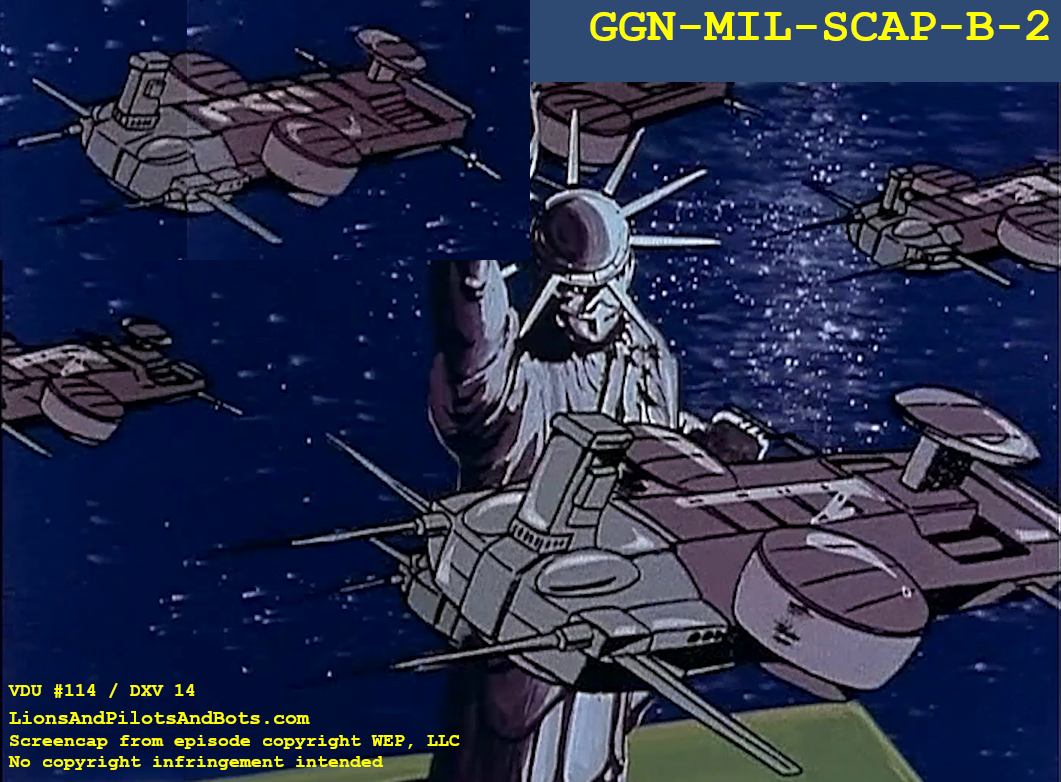
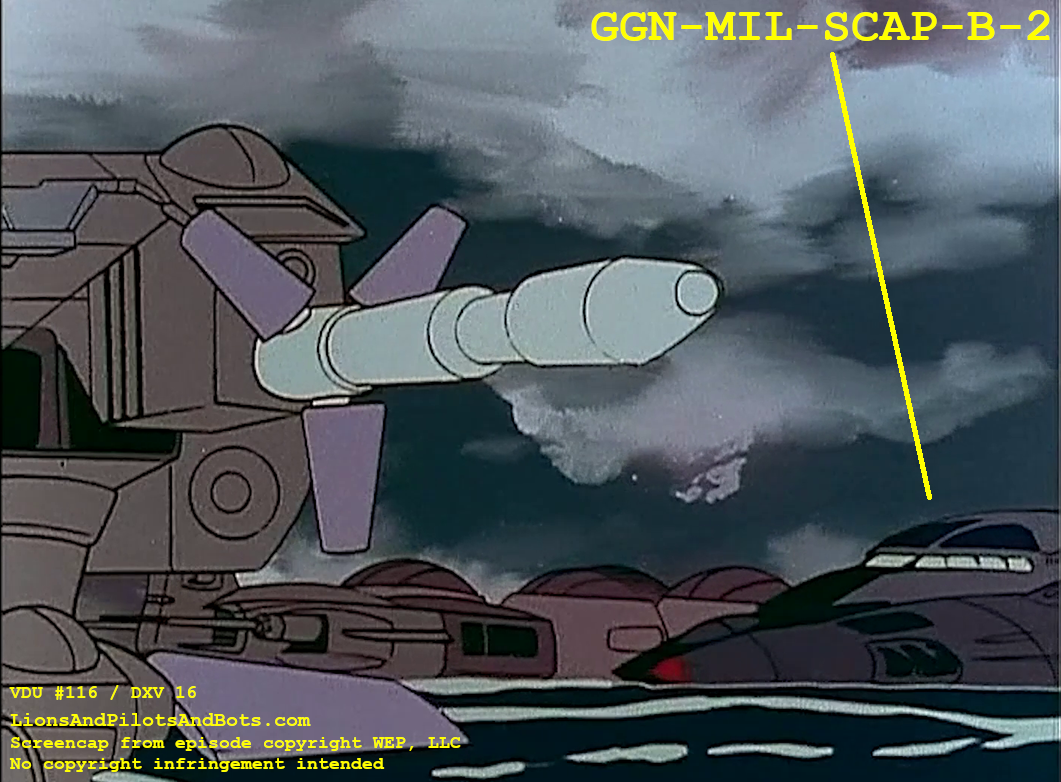
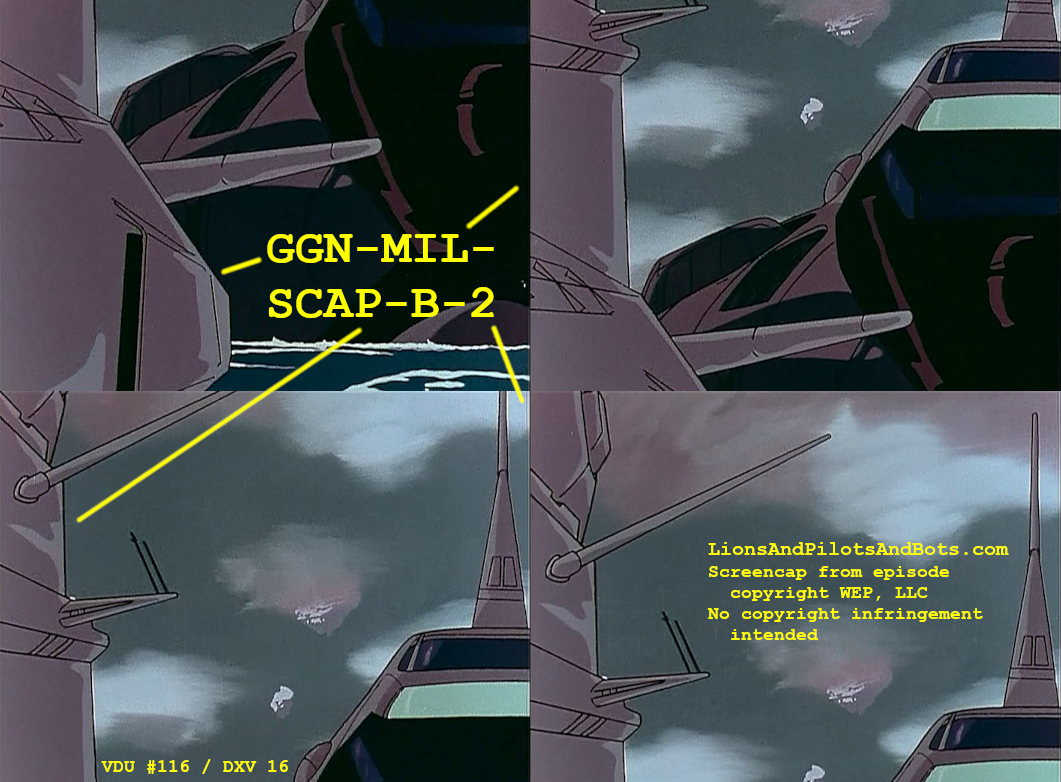
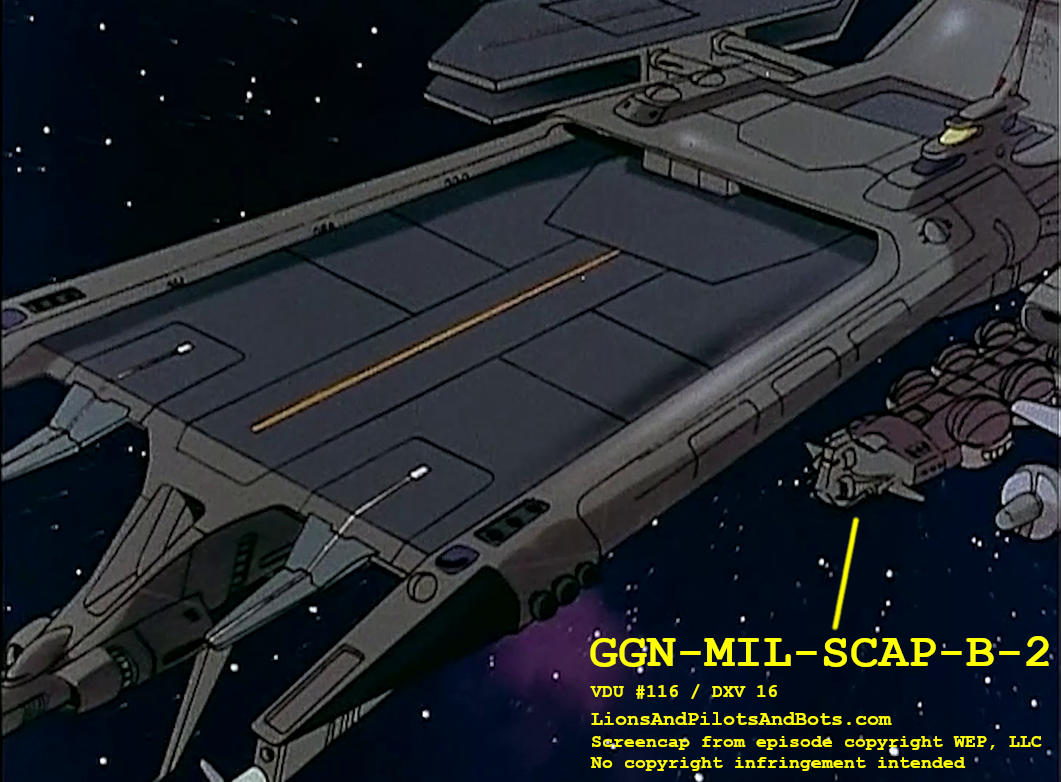
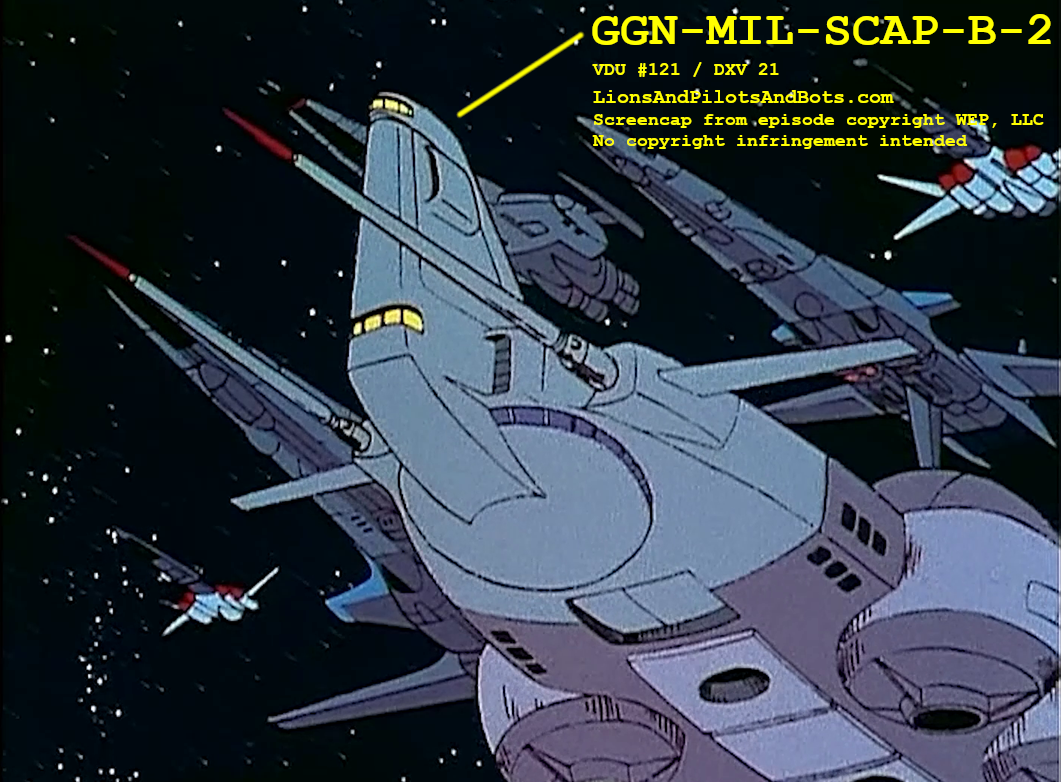
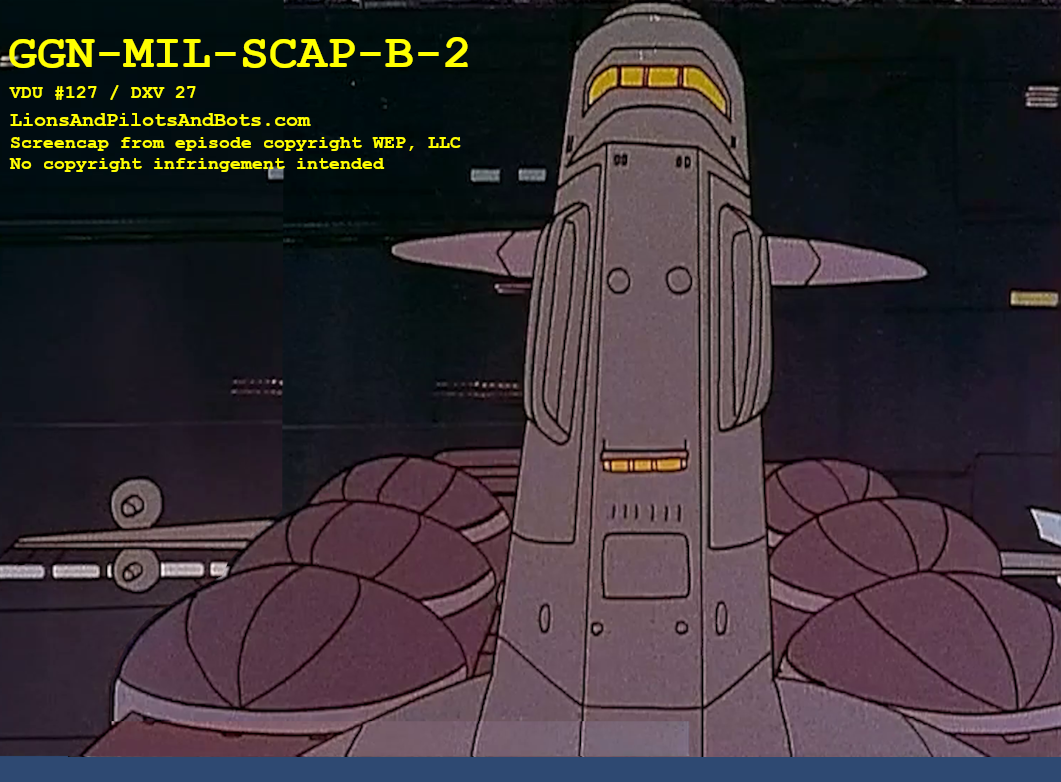
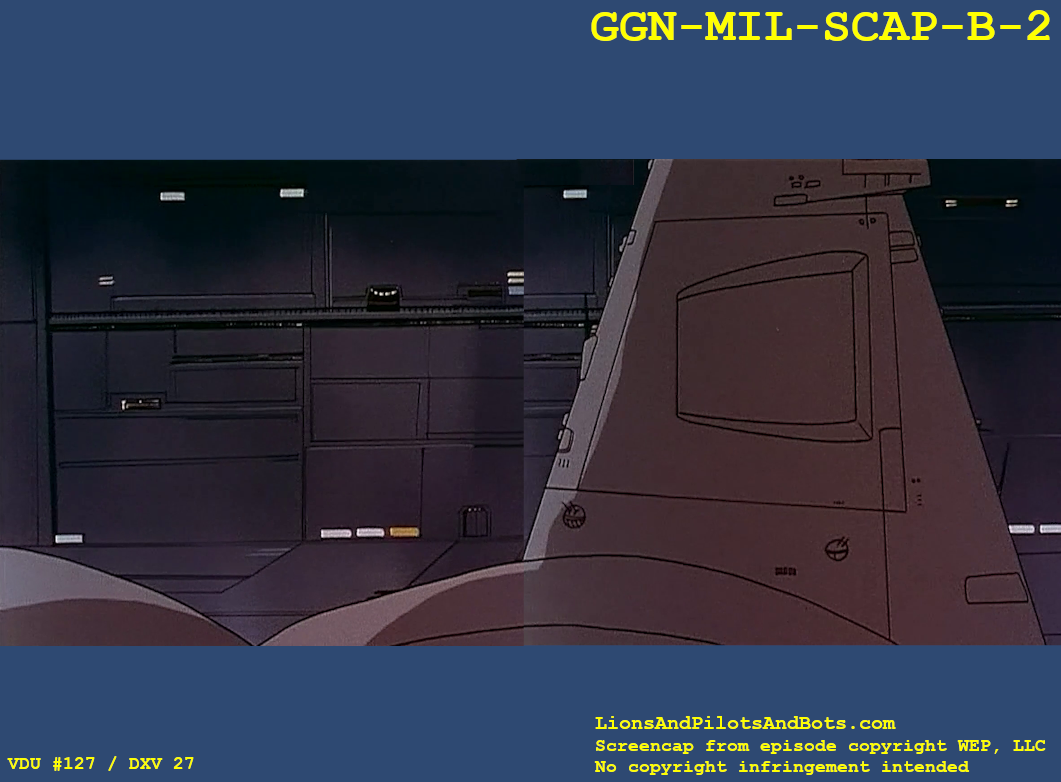
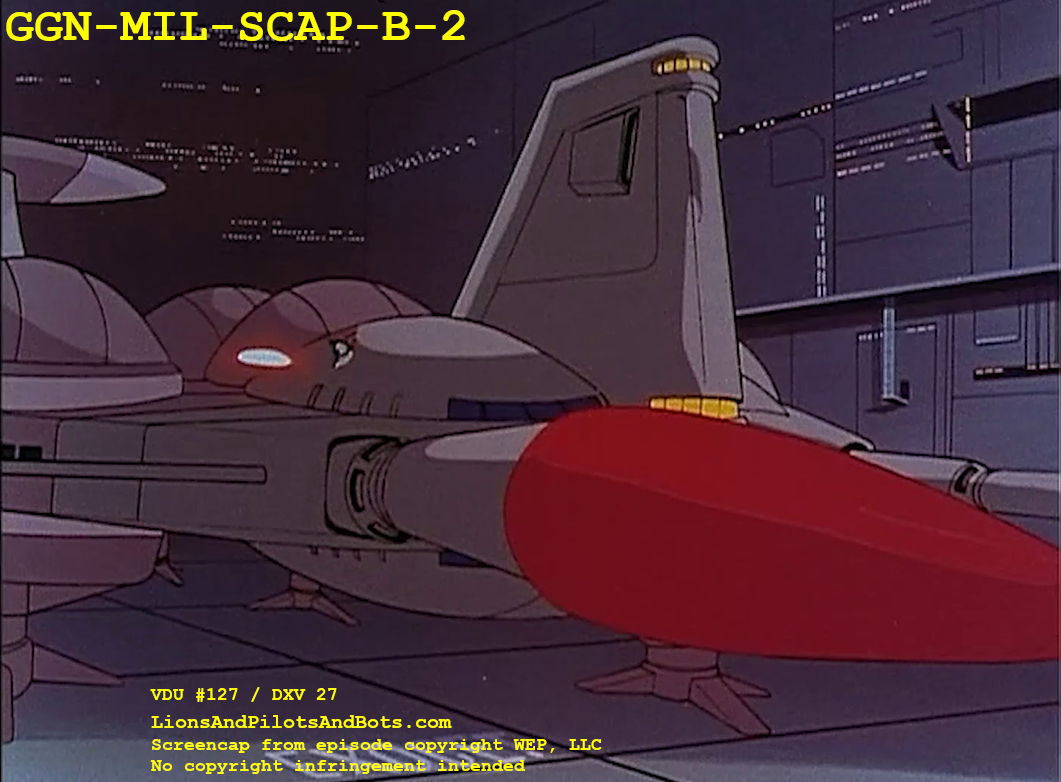
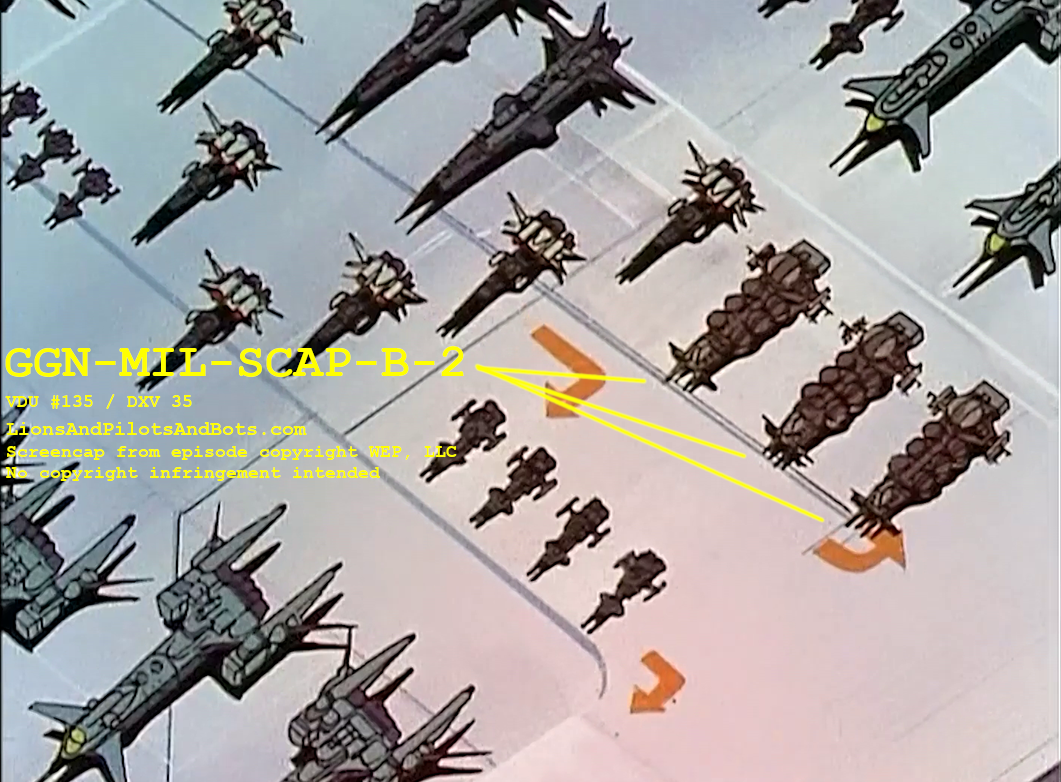
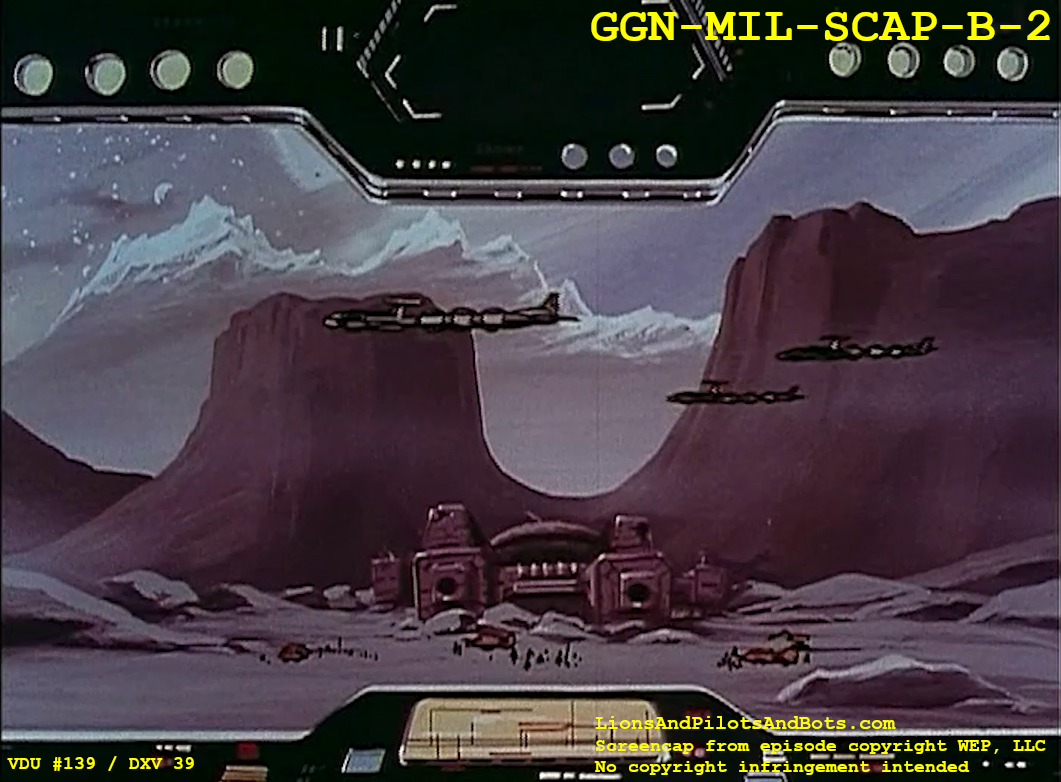
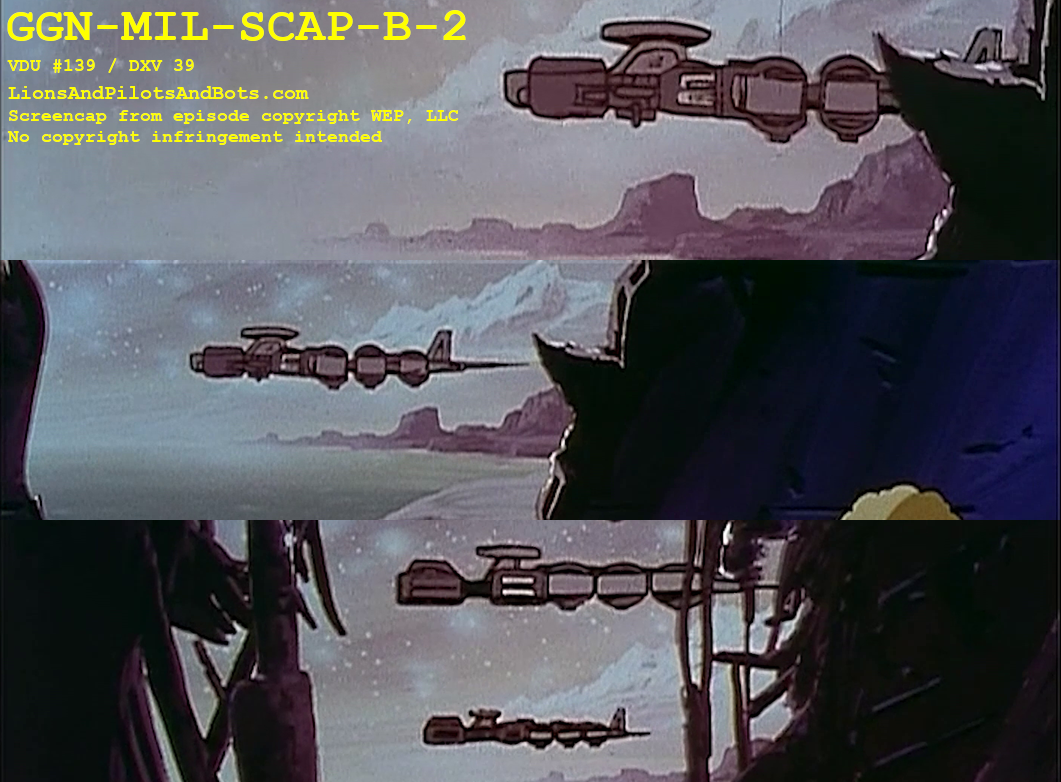
GGN-MIL-SCAP-B-2
GGN-MIL-SCAP-B-2 spacecraft often serve in Galaxy Garrison support or combat fleets.
 |  |  |
 |  |  |
 |  |  |
 |  |  |
 |  |  |
 |  |  |
 |  |  |
 |  |  |
 |  |  |
 | |  |
 |  |  |
 |  |  |
 |  |  |
 |
Return to Vehicle Types – Summary Information
GGN-MIL-SCAP-B-3
GGN-MIL-SCAP-B-3 spacecraft often serve in Galaxy Garrison support or combat fleets.
(In VOLTRON: DEFENDER OF THE UNIVERSE, these ships are seen only from underneath. It’s possible that they were intended to represent ships of other types, but their details don’t closely match those of any other type.)
|
Return to Vehicle Types – Summary Information
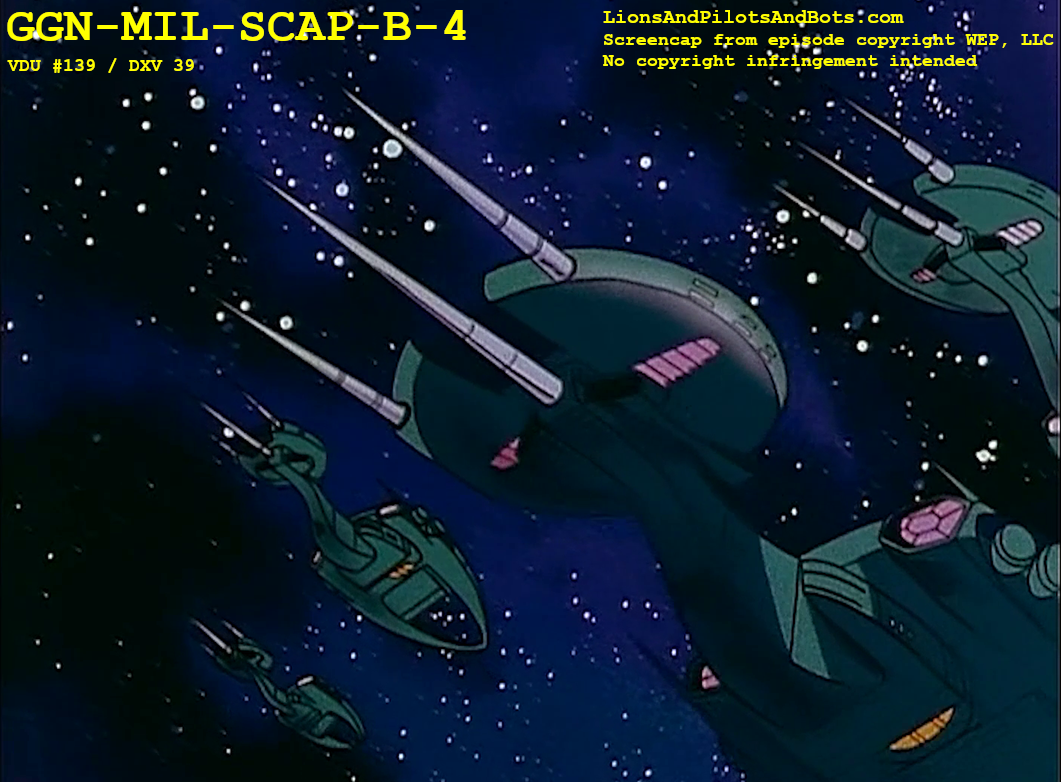
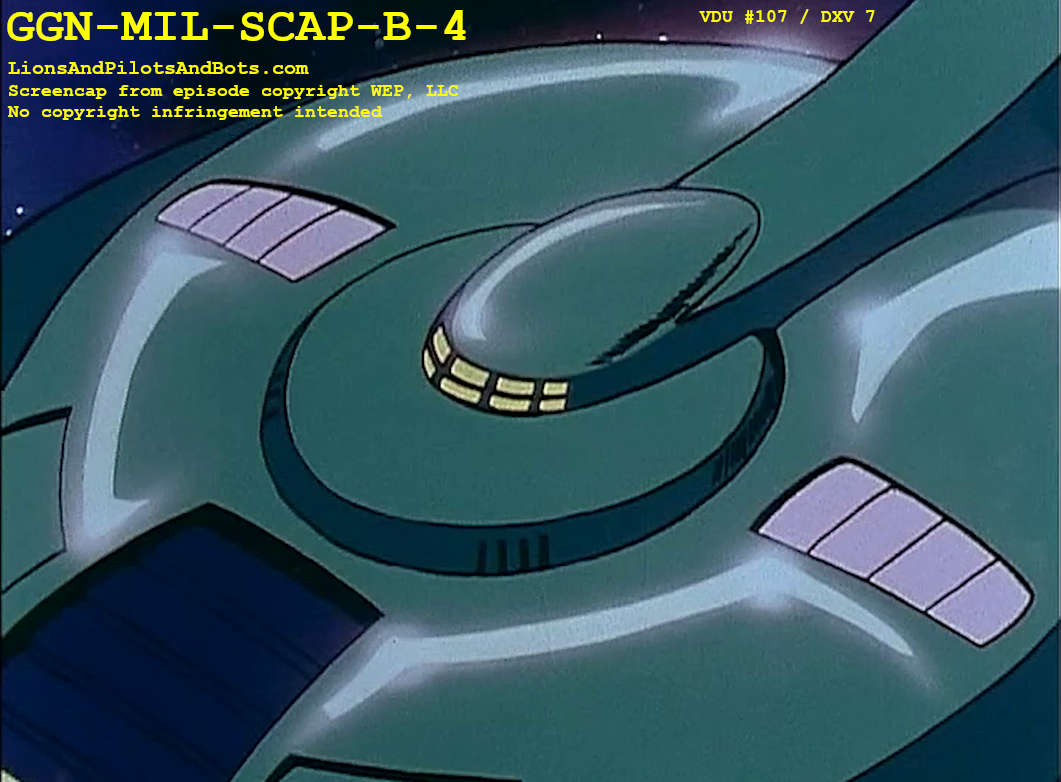
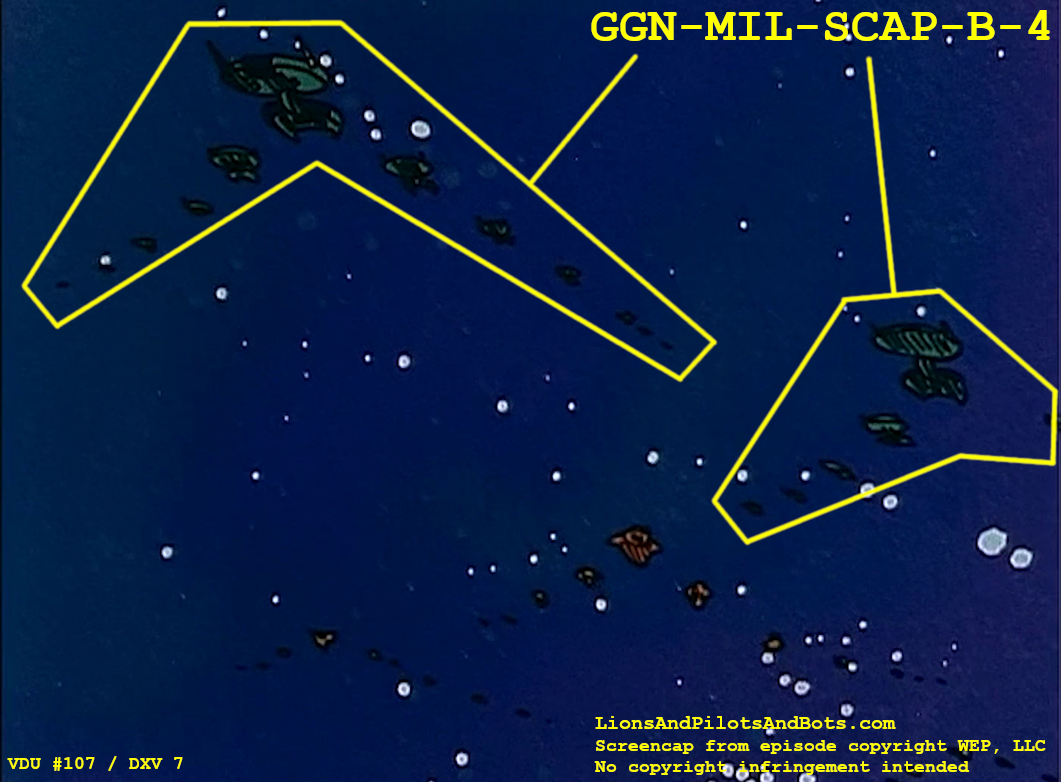
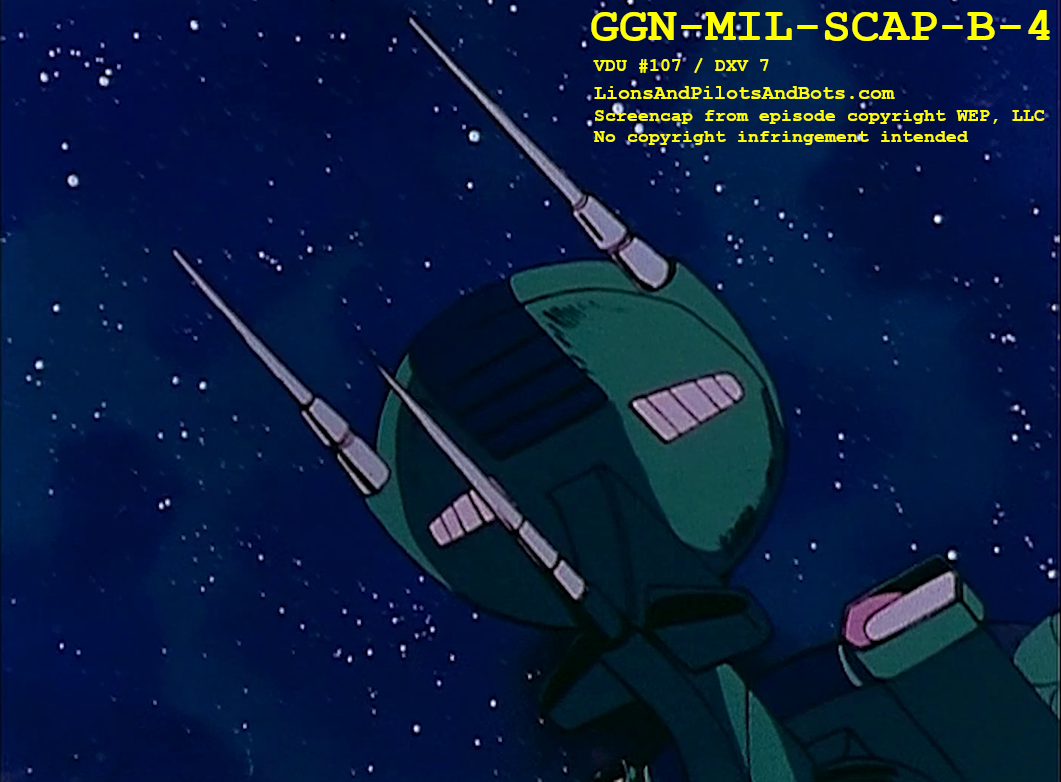
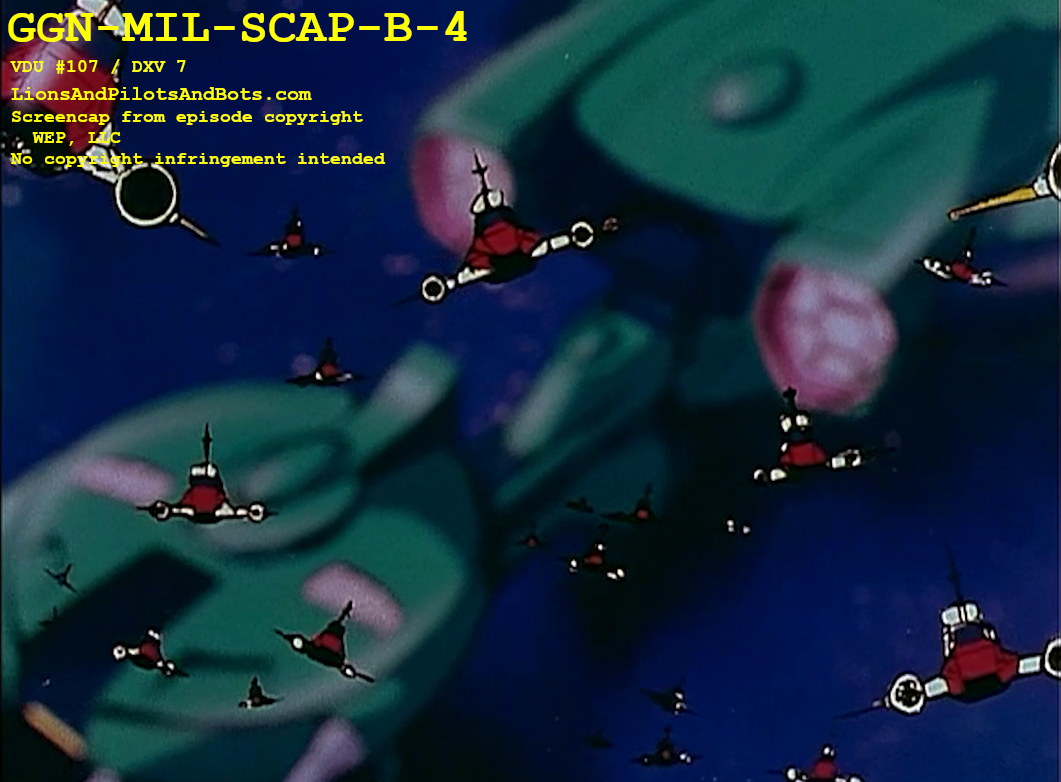
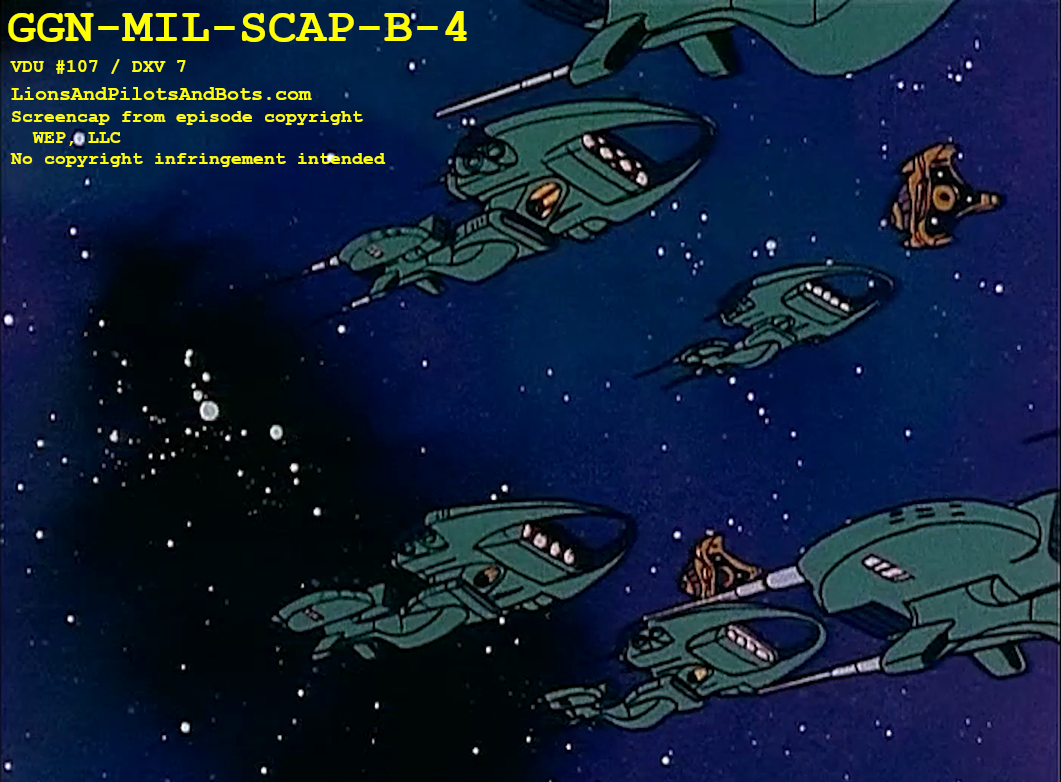
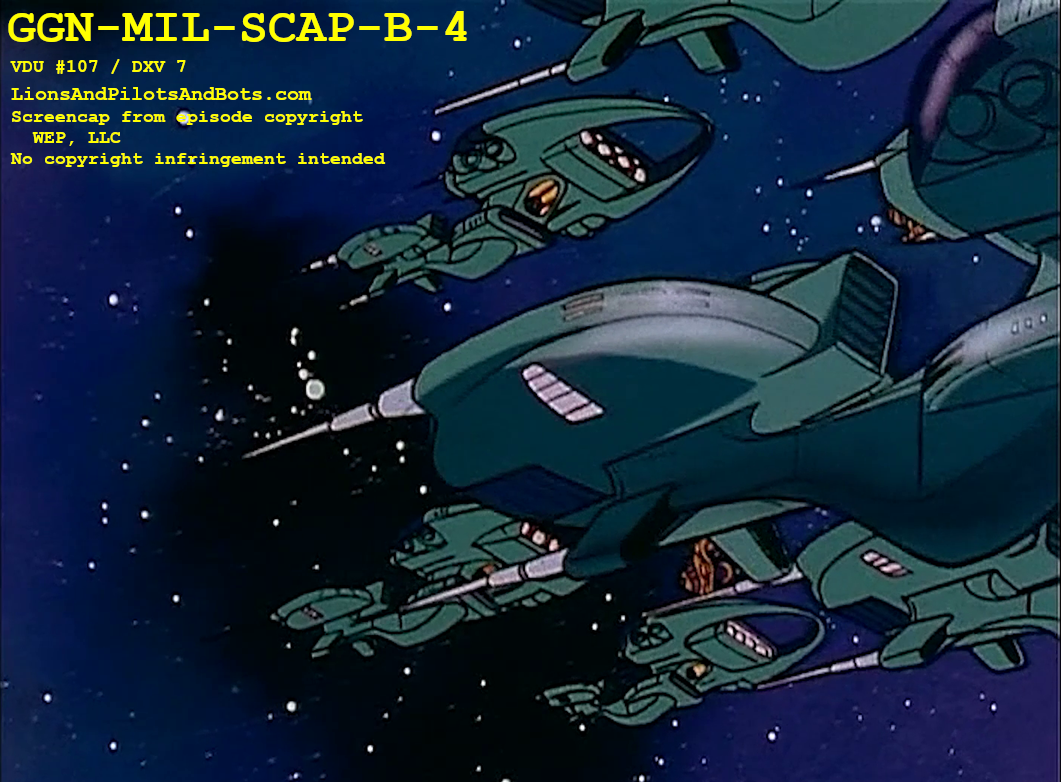
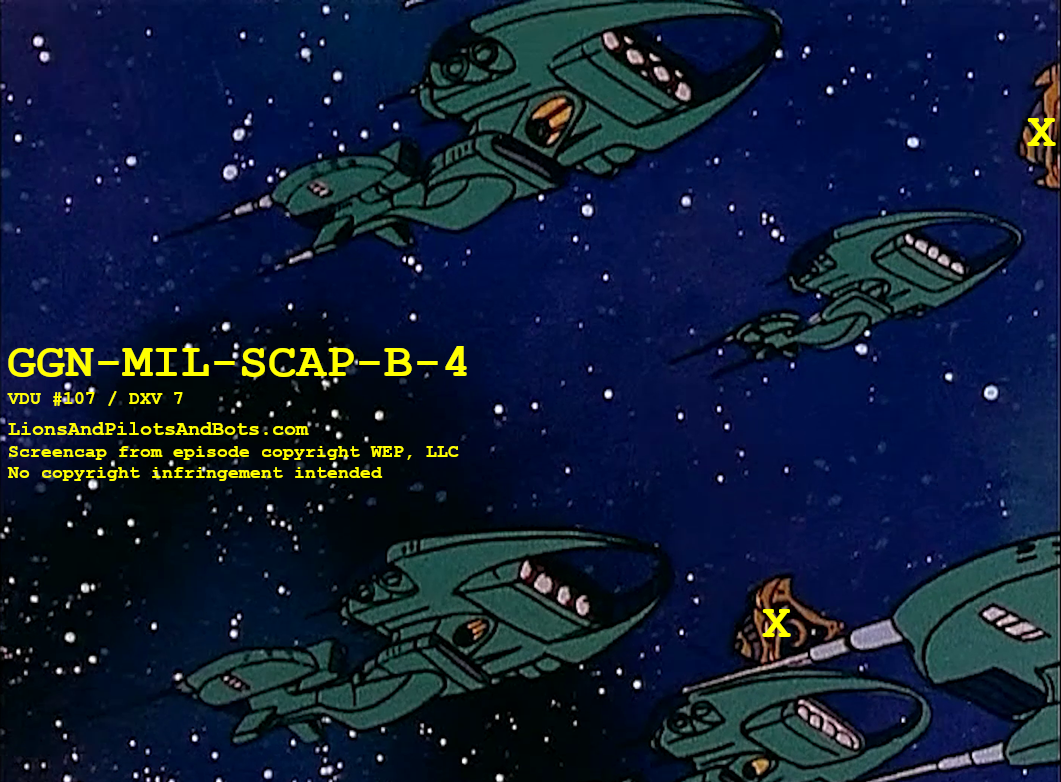
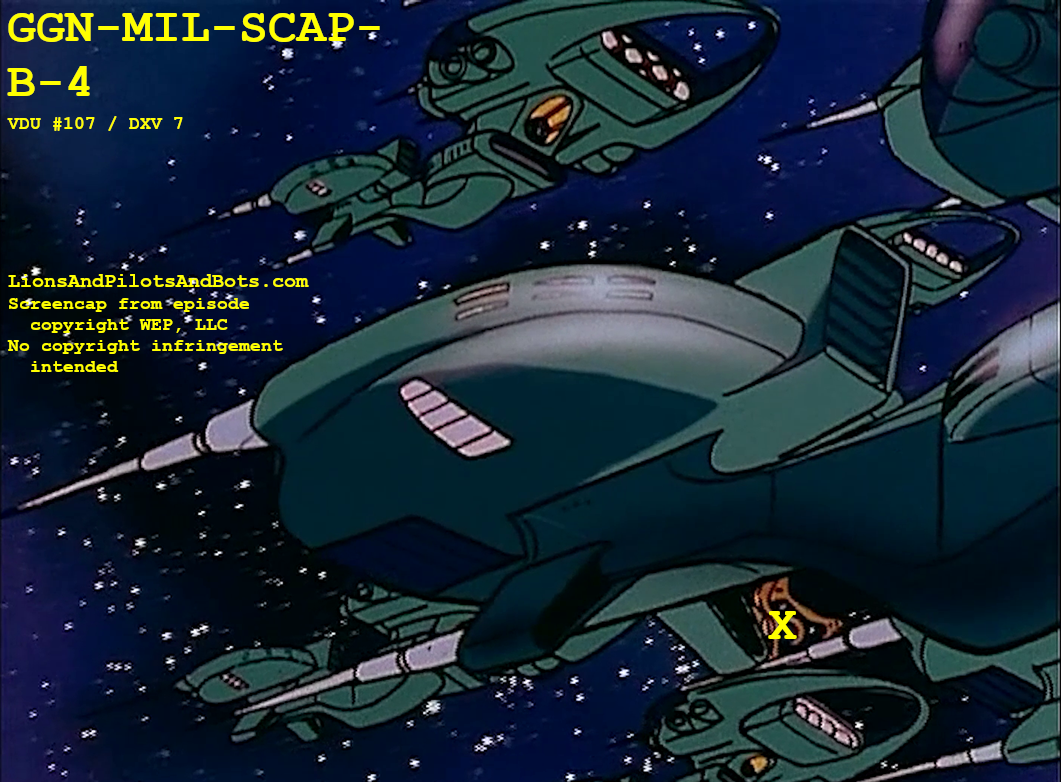
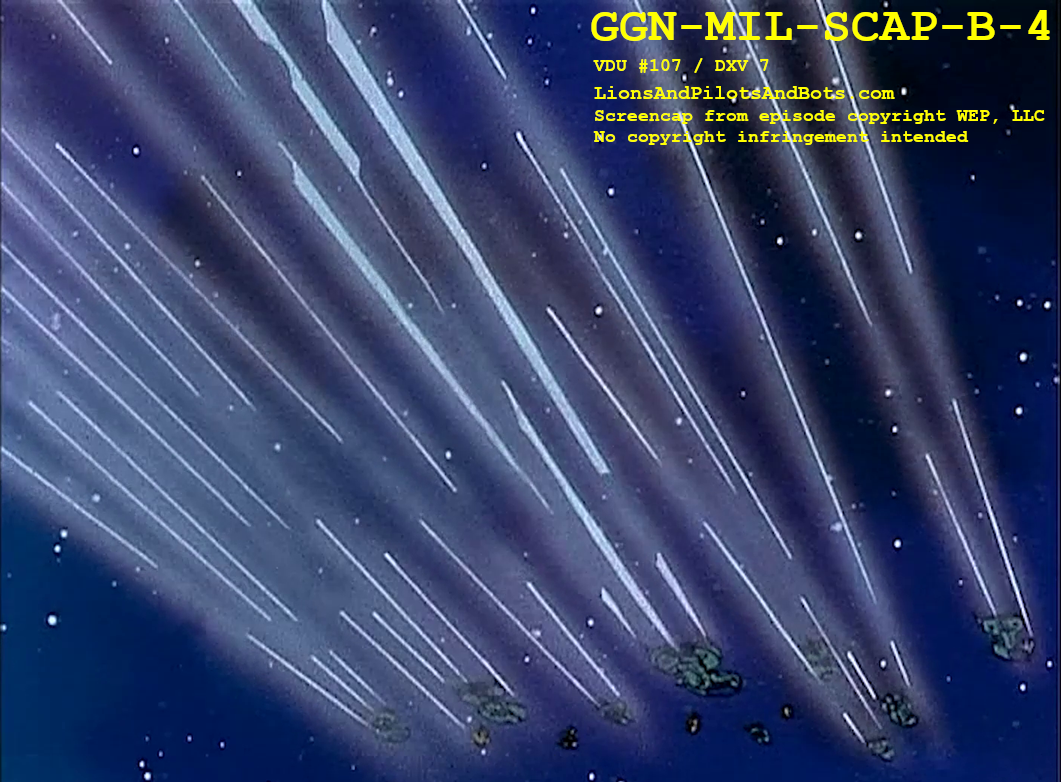
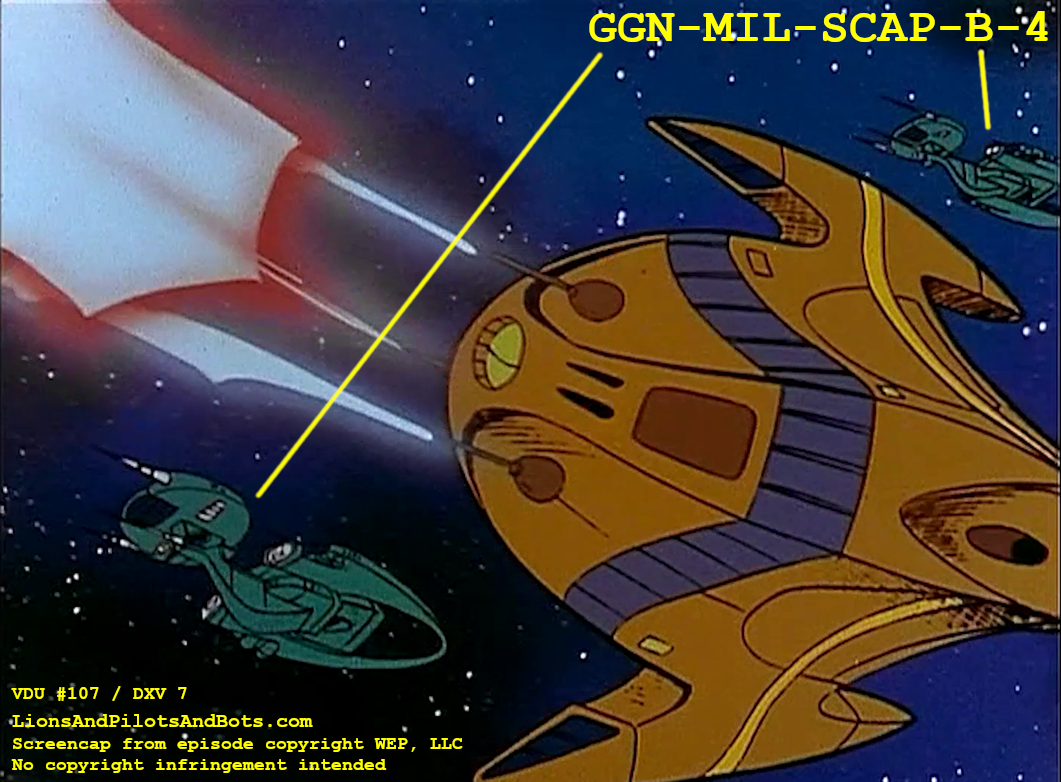
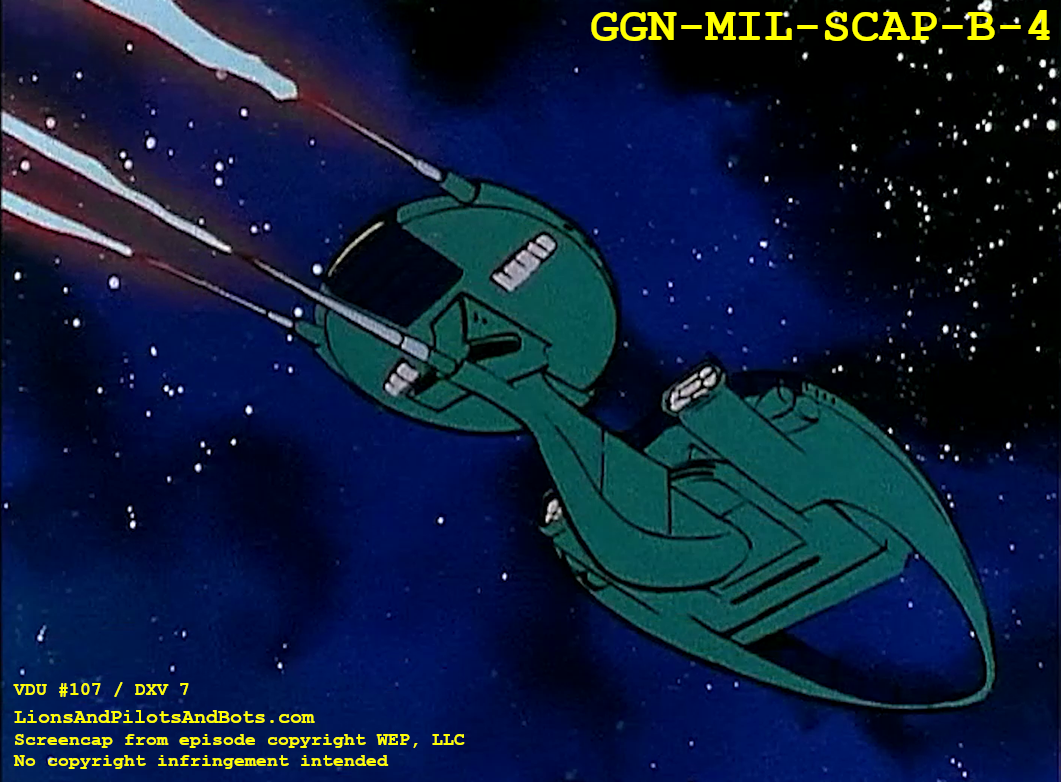
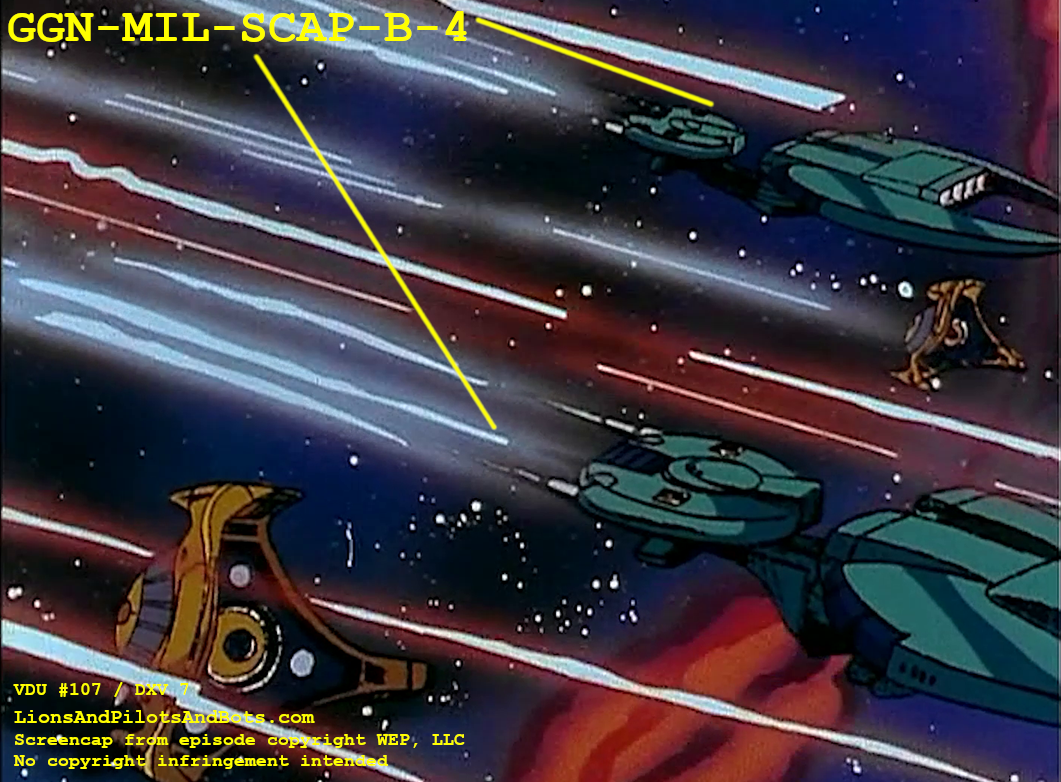
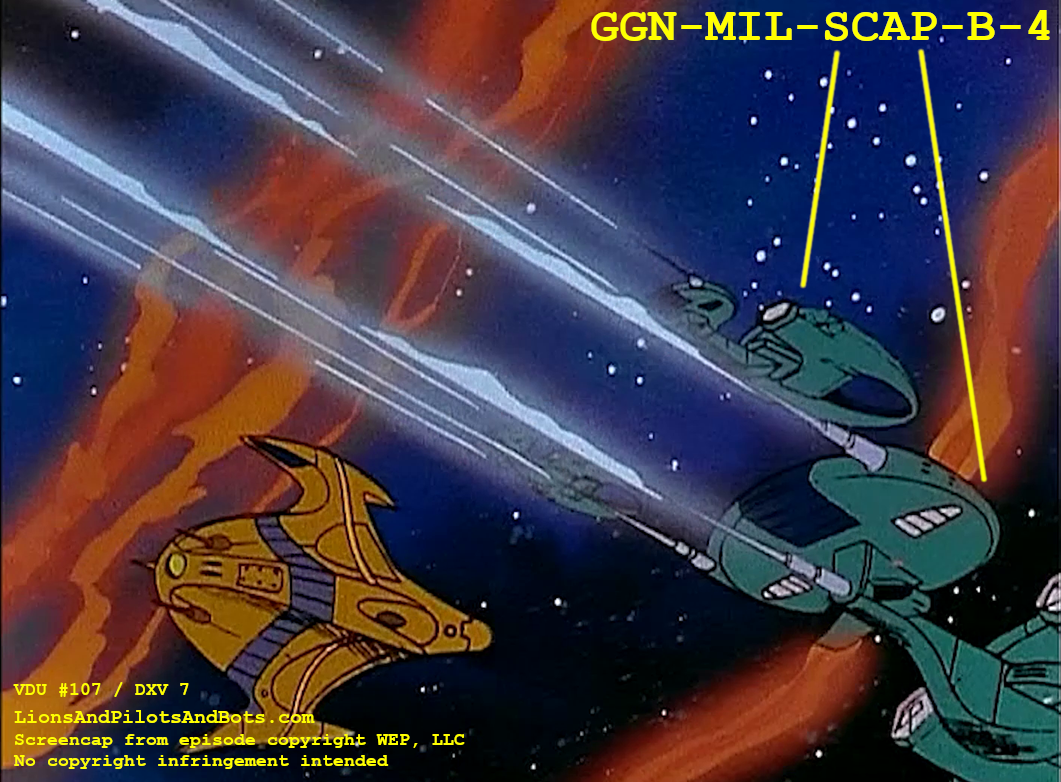
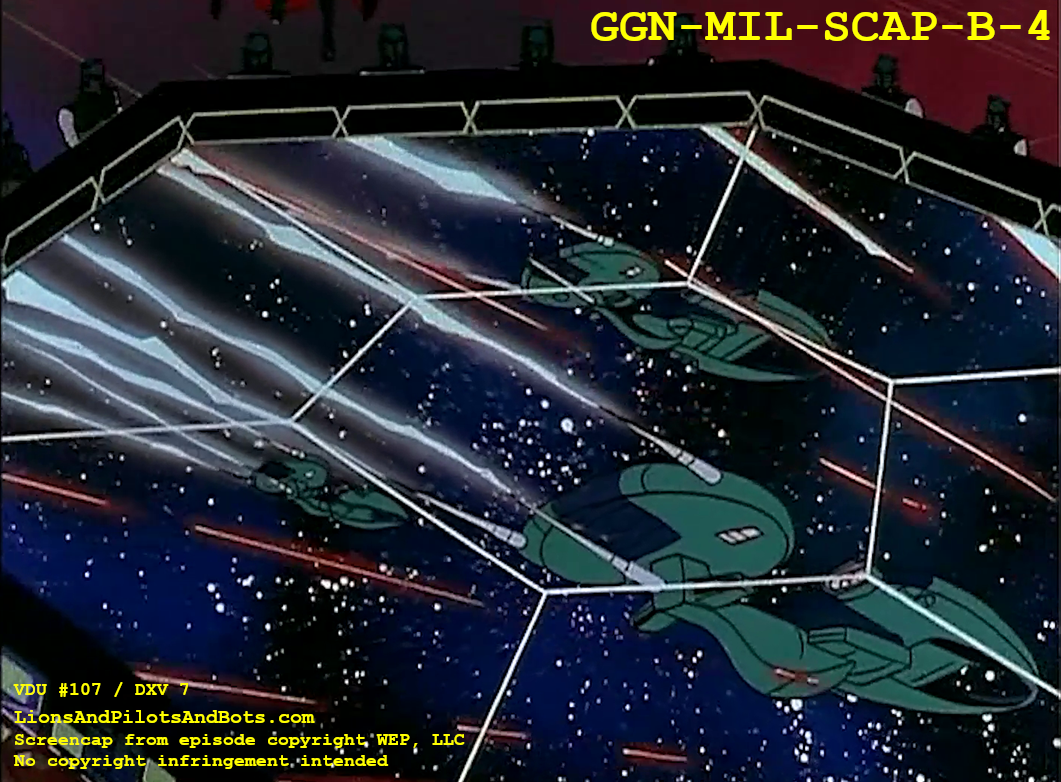
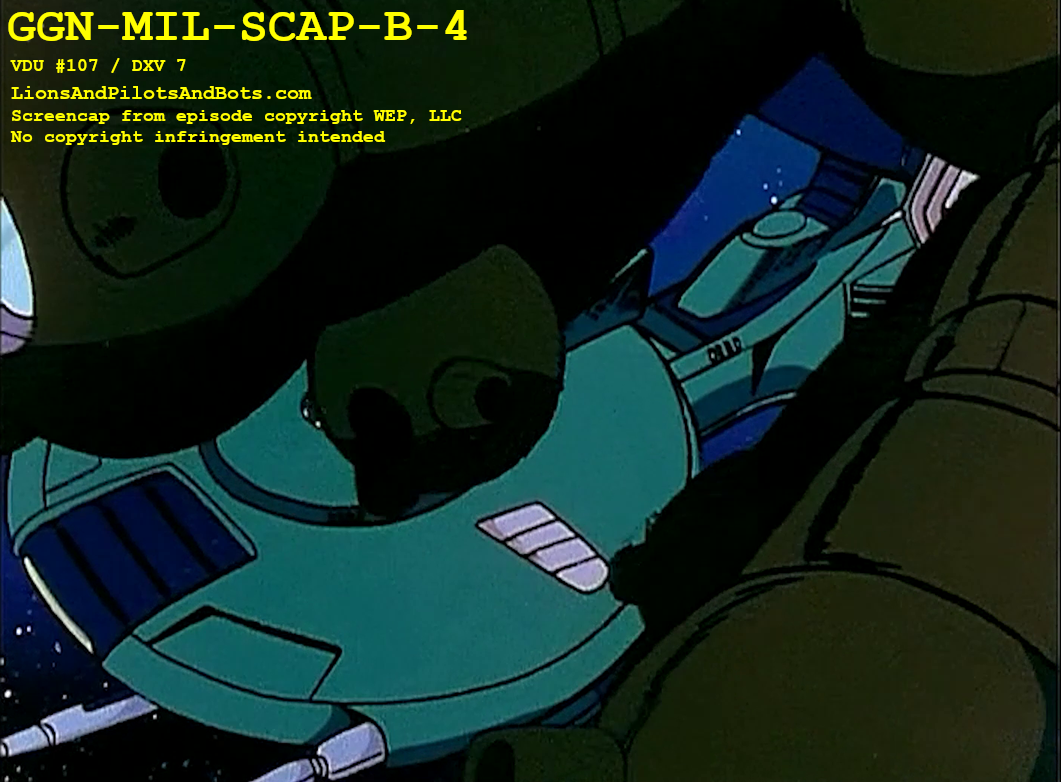
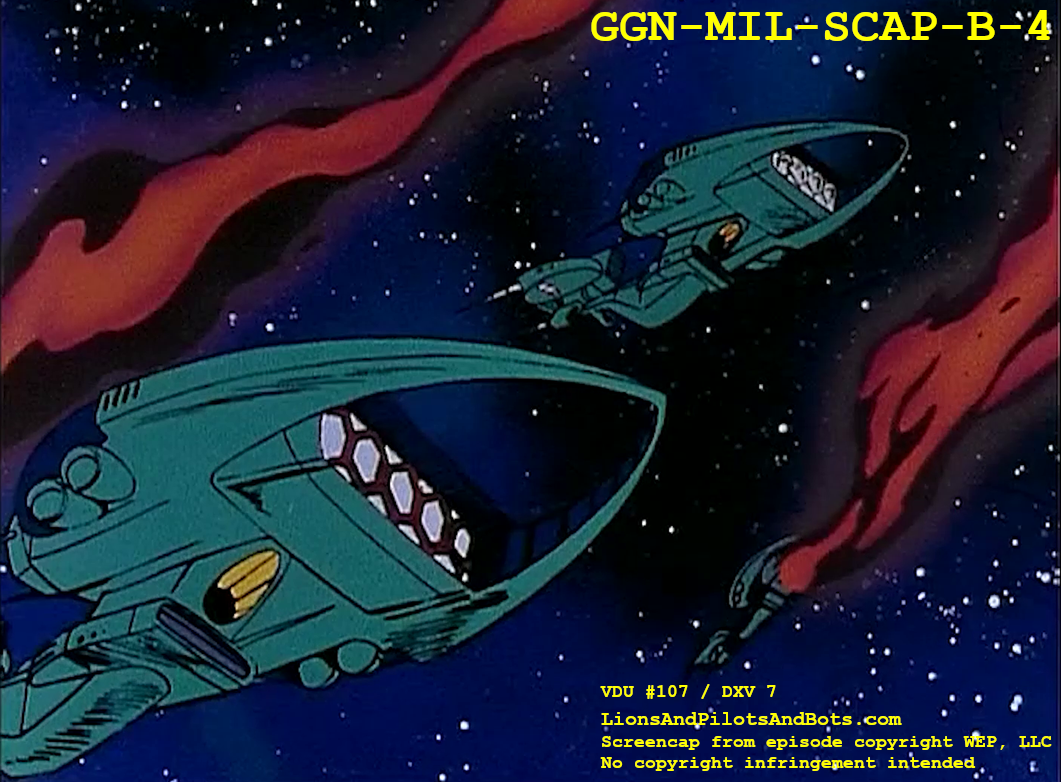
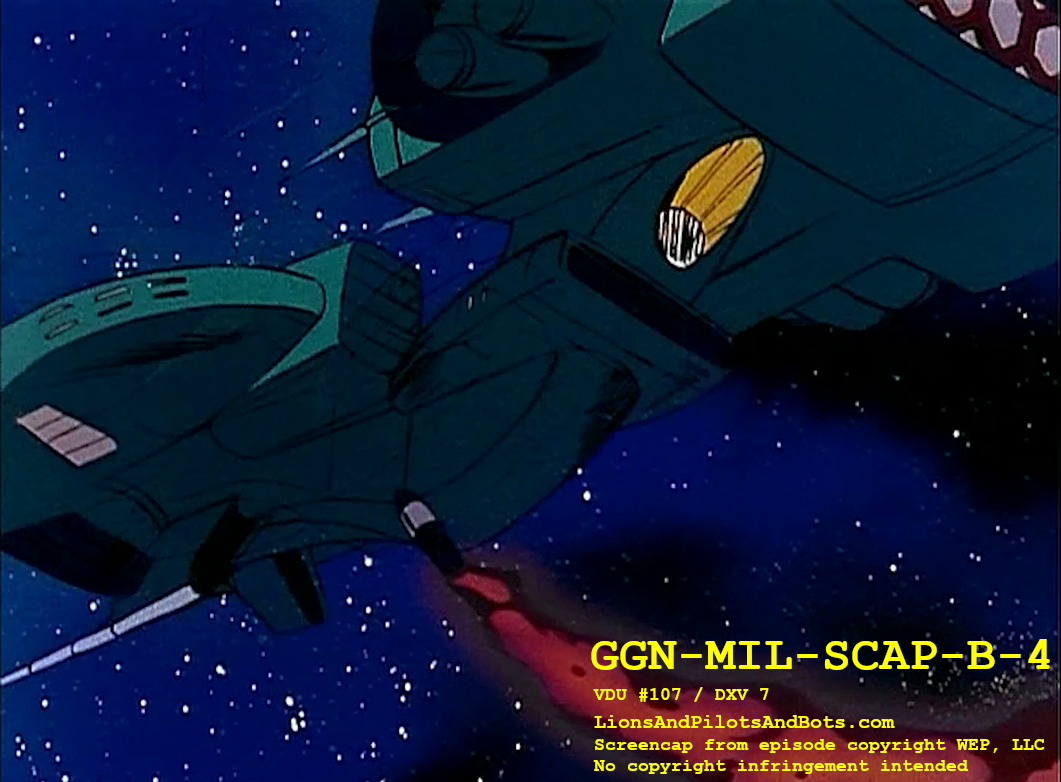
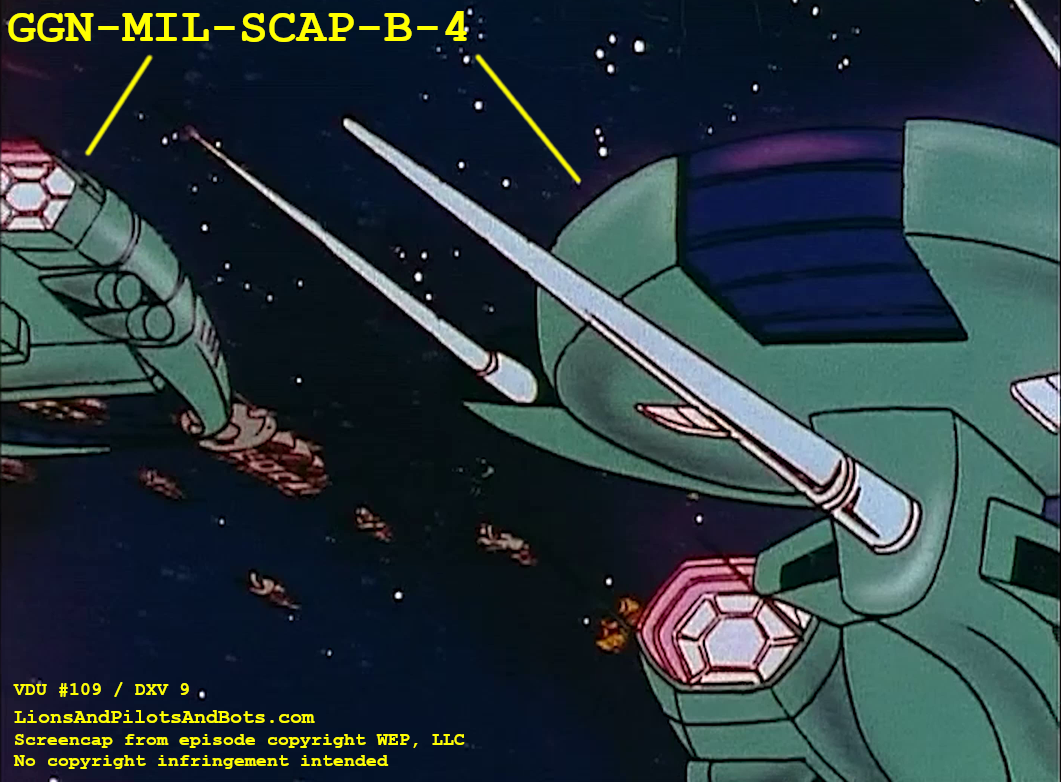
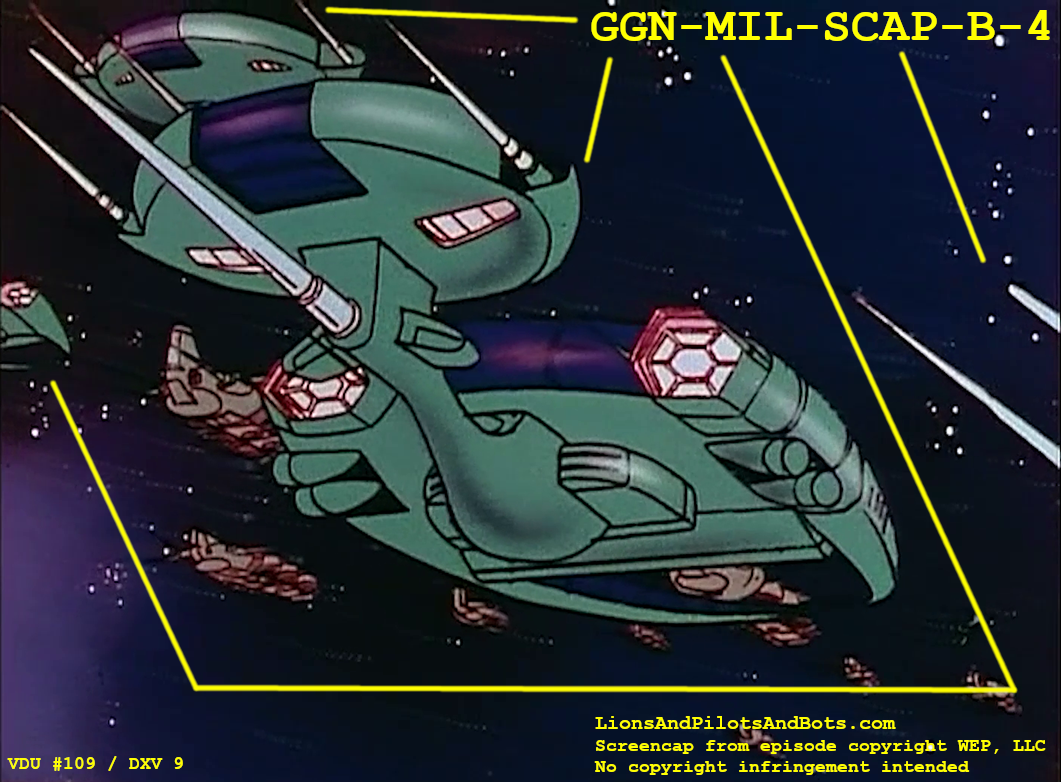
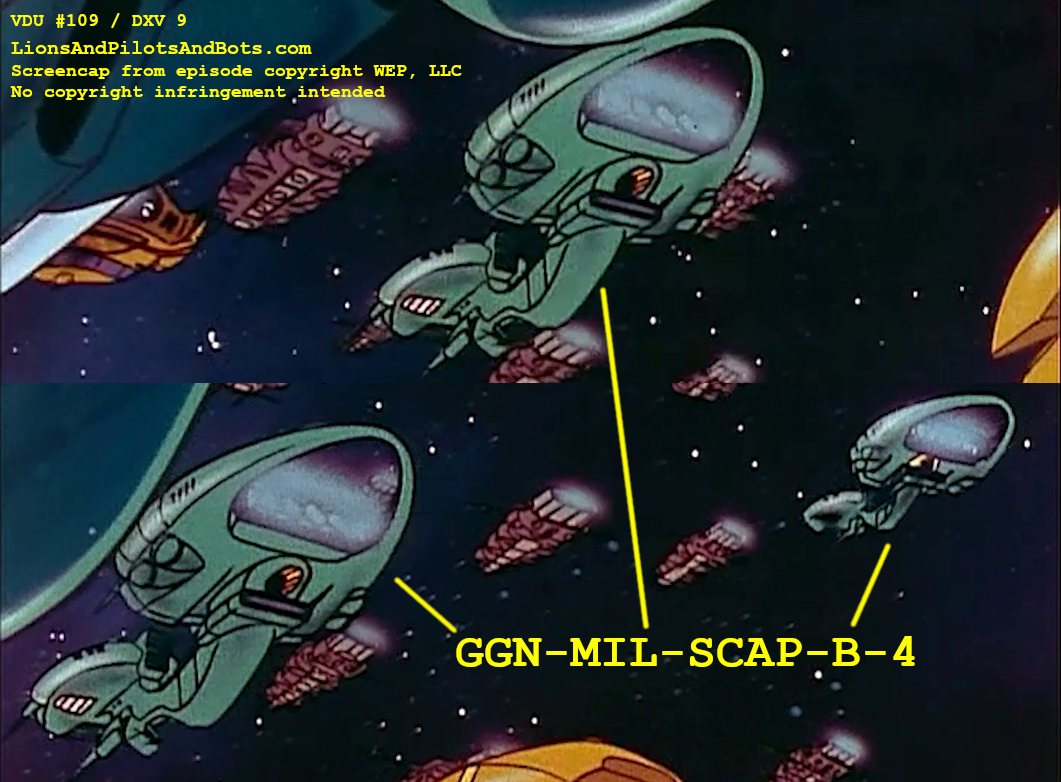
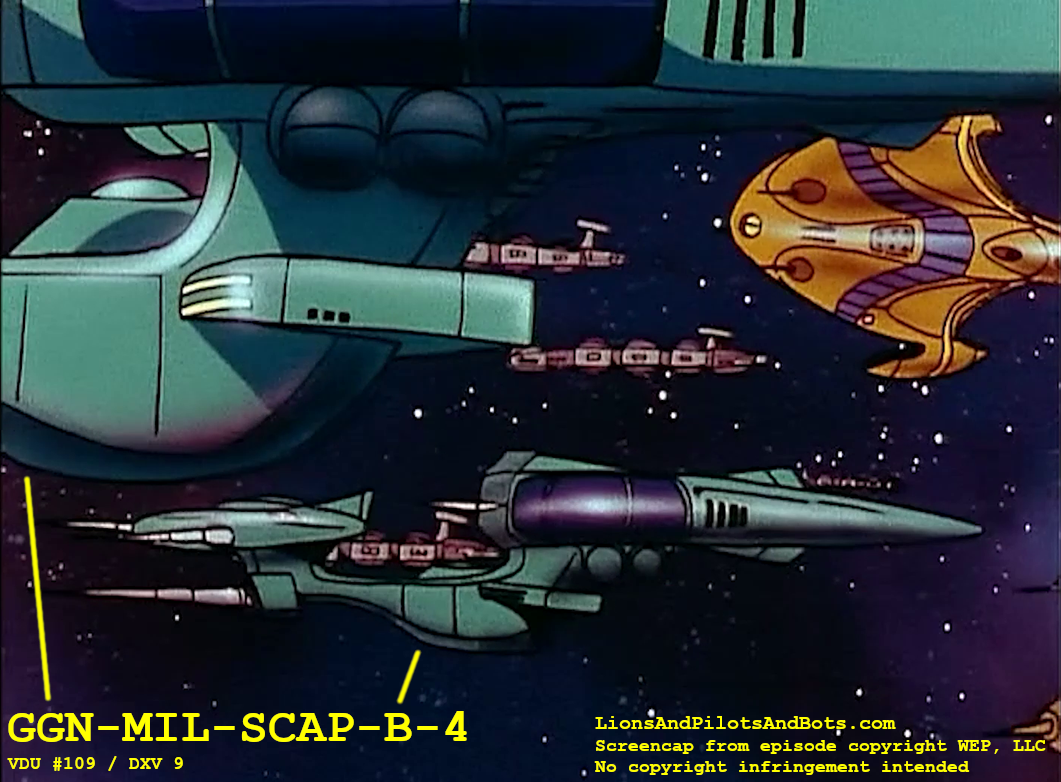
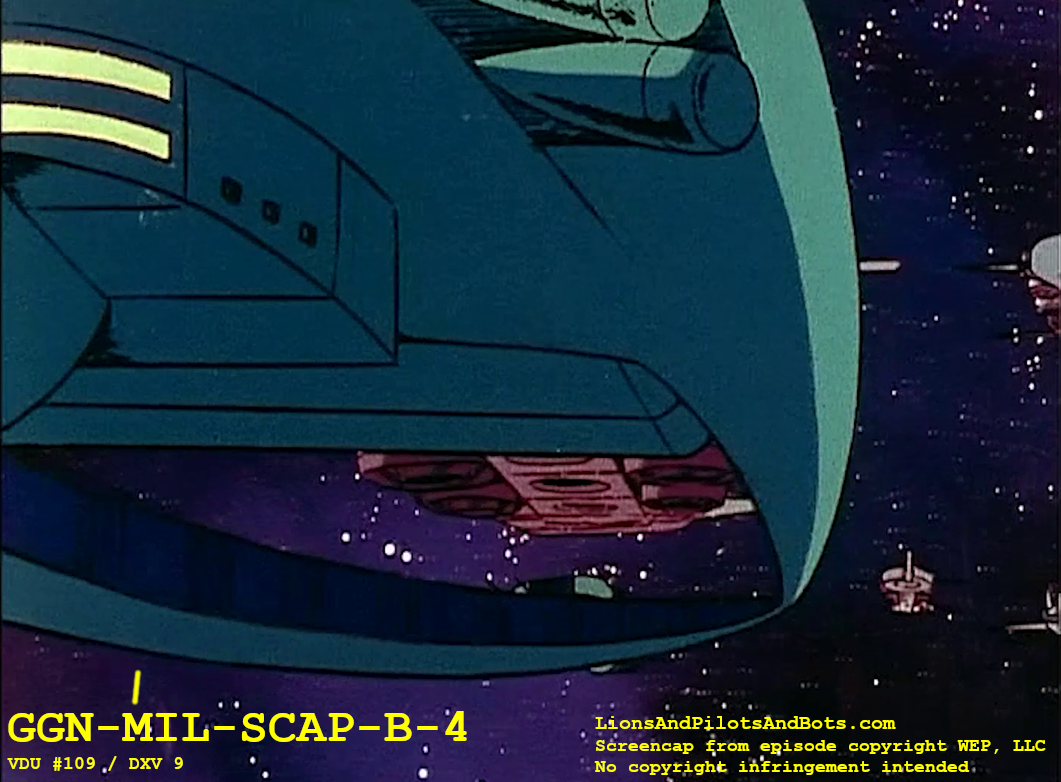
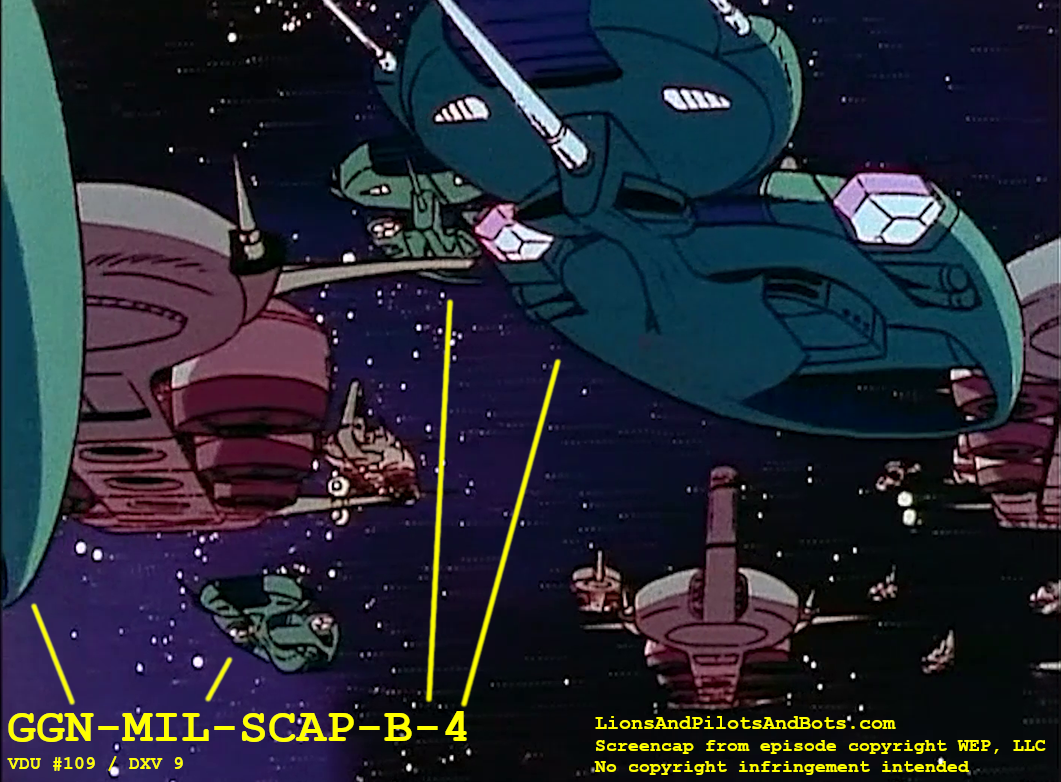
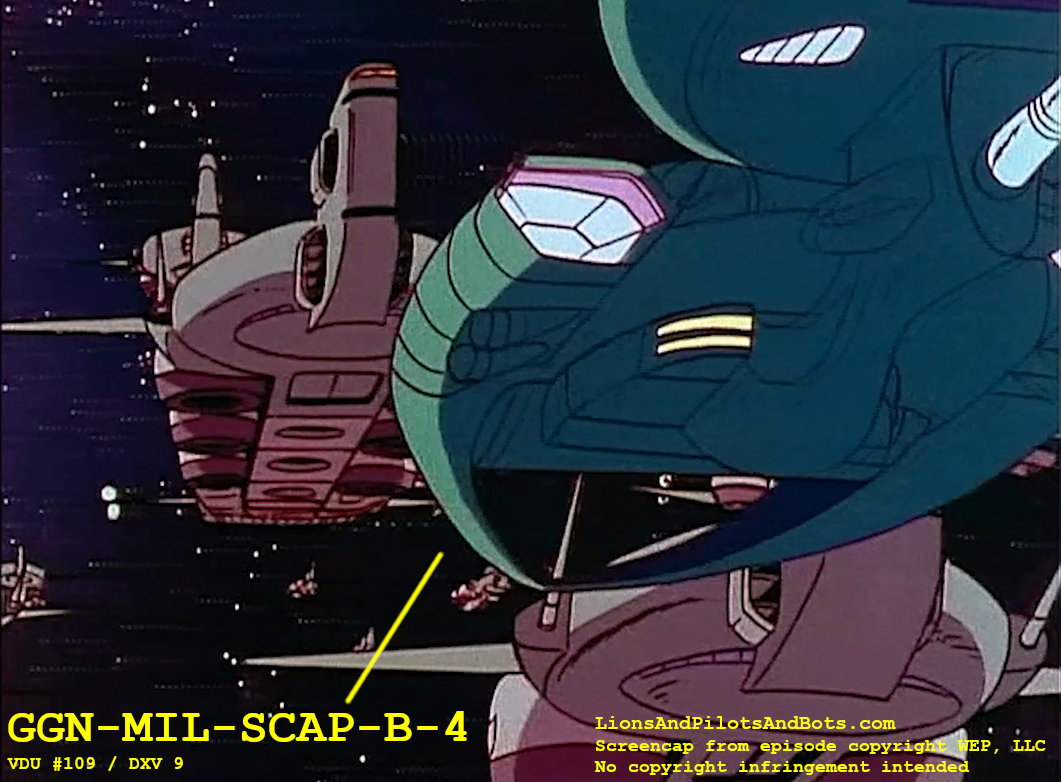
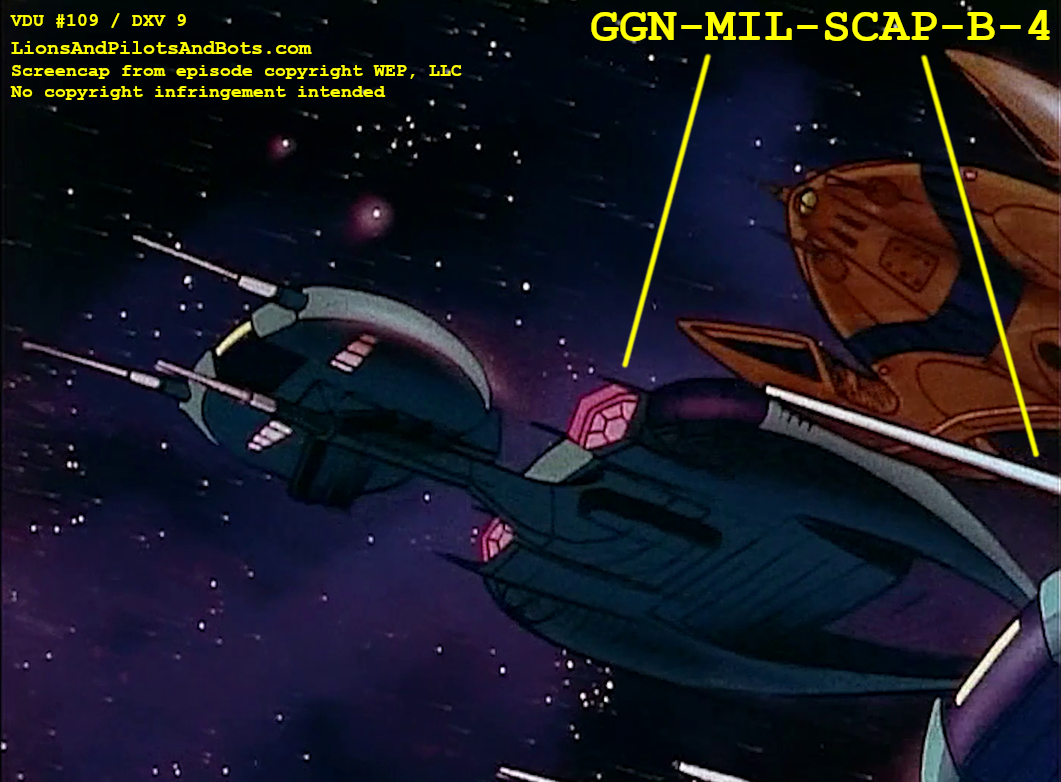
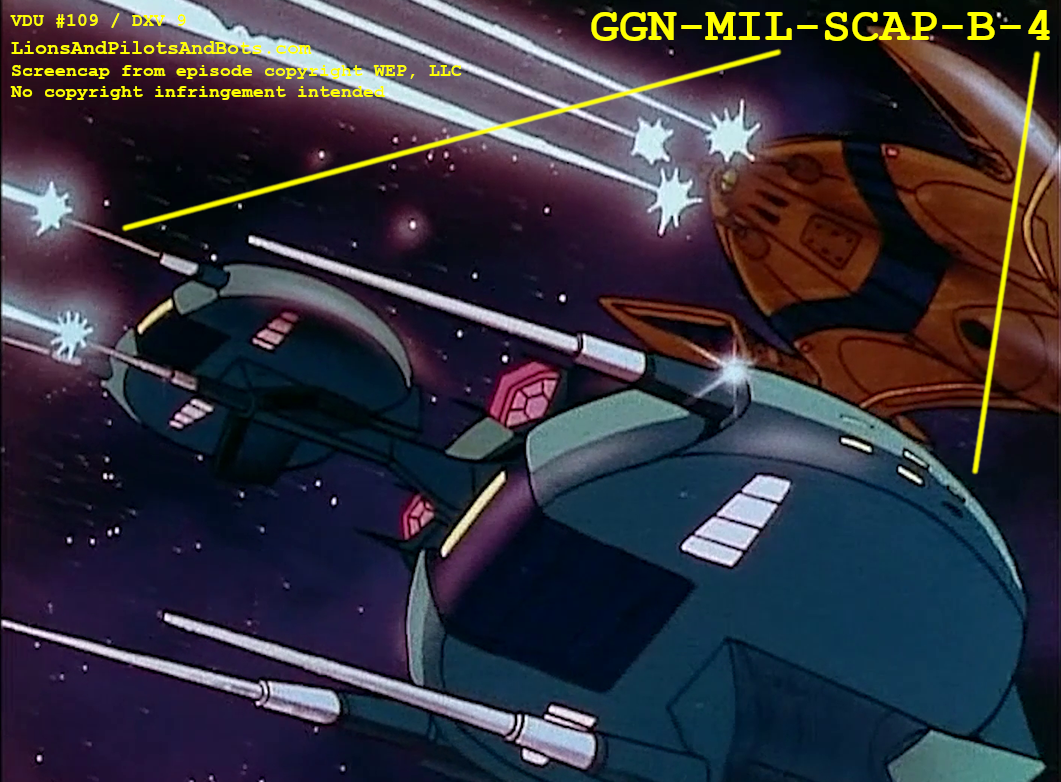
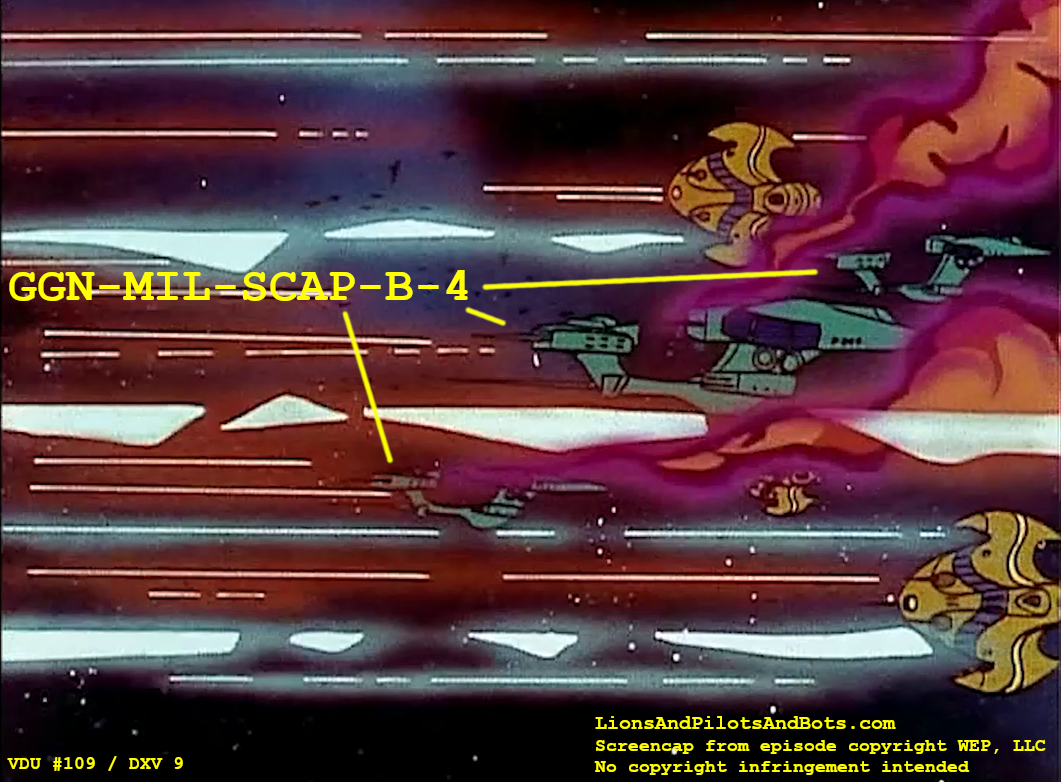
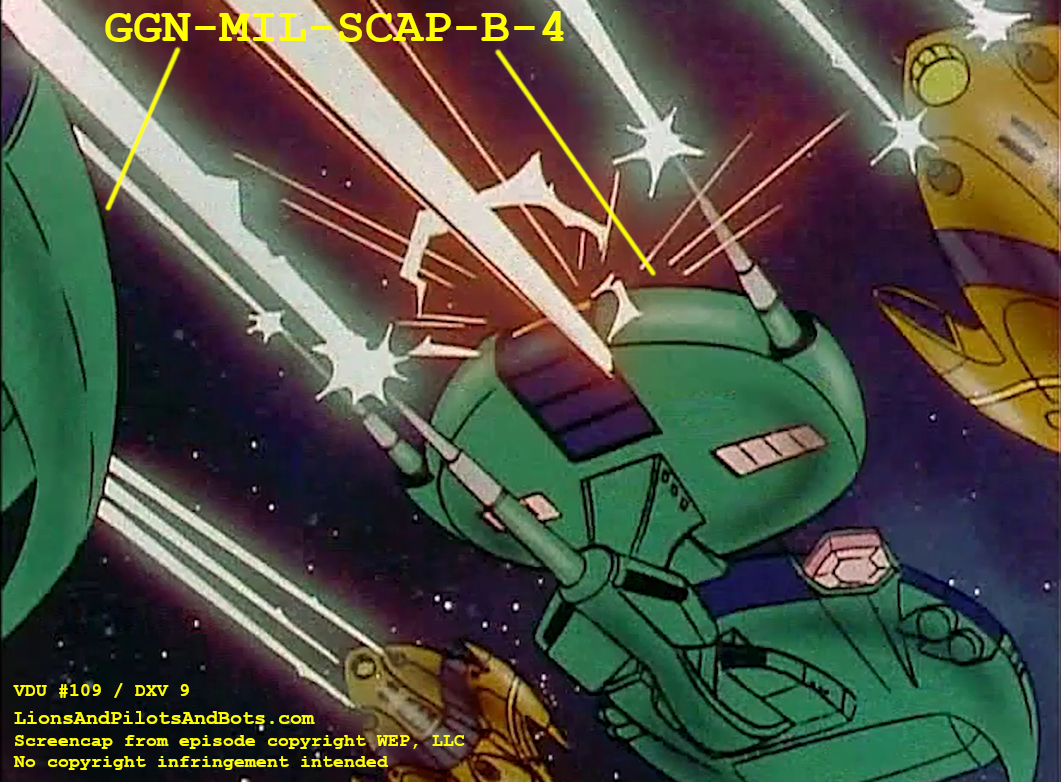
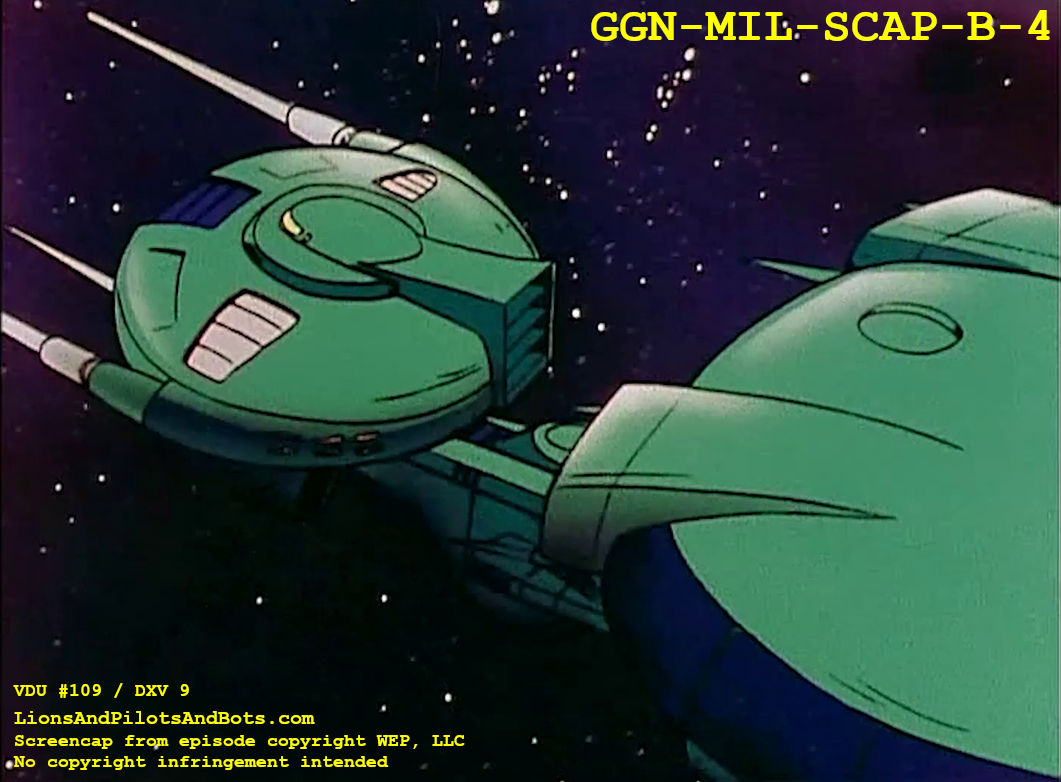
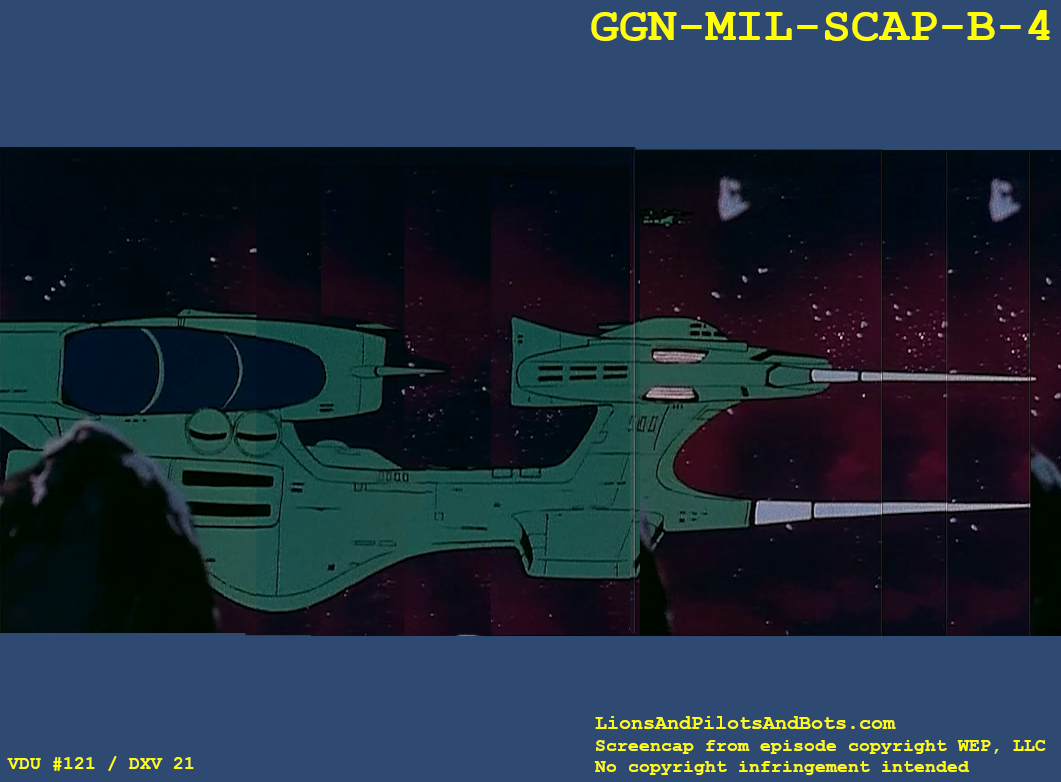
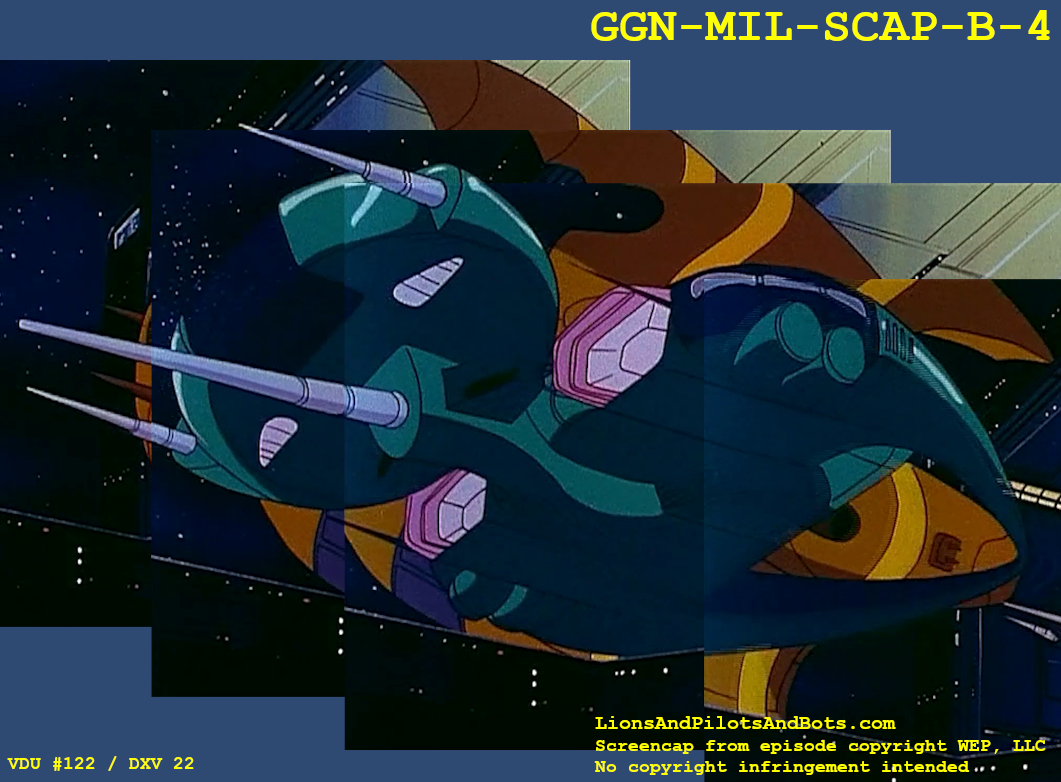
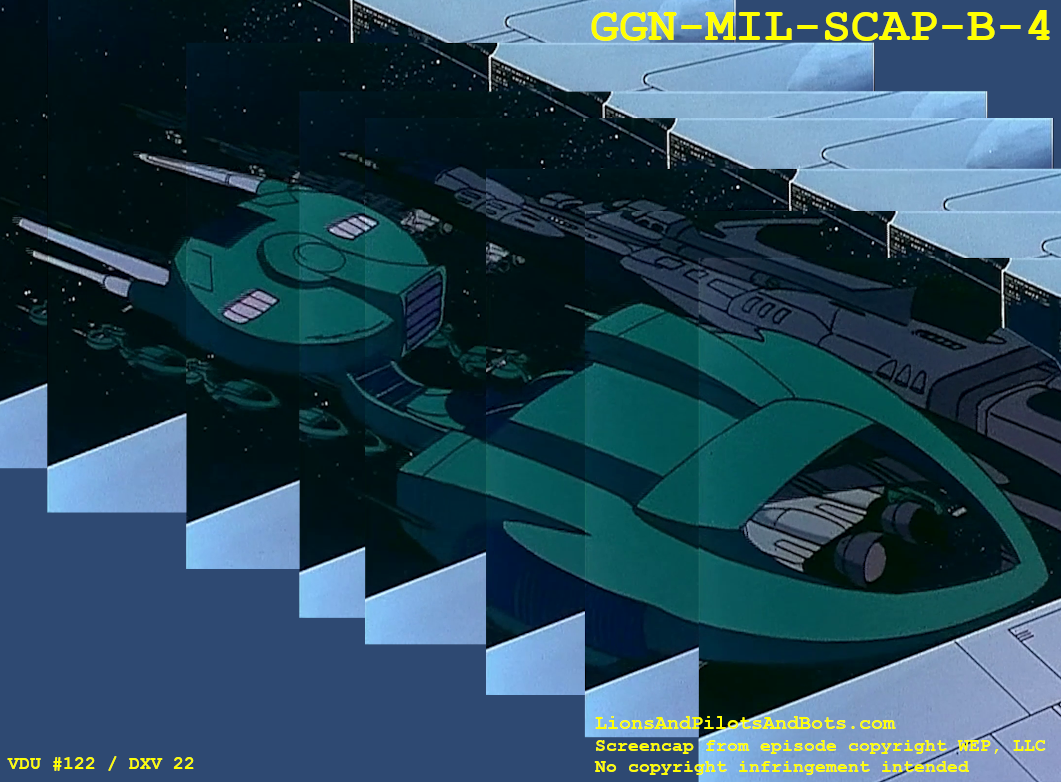
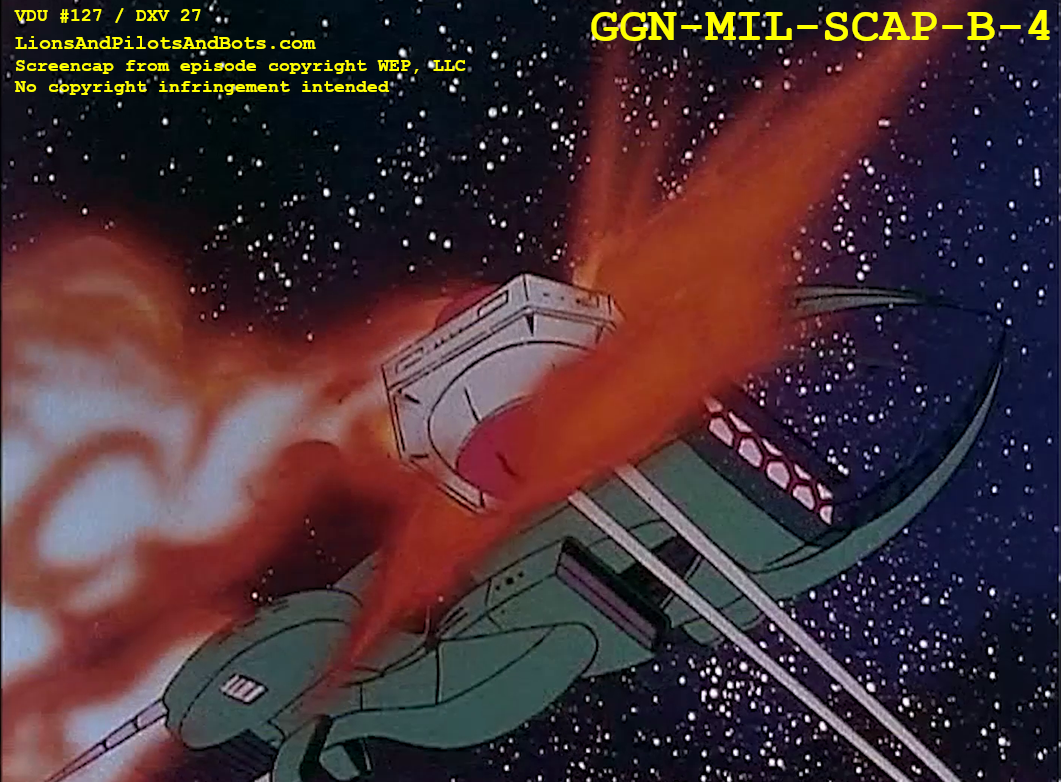
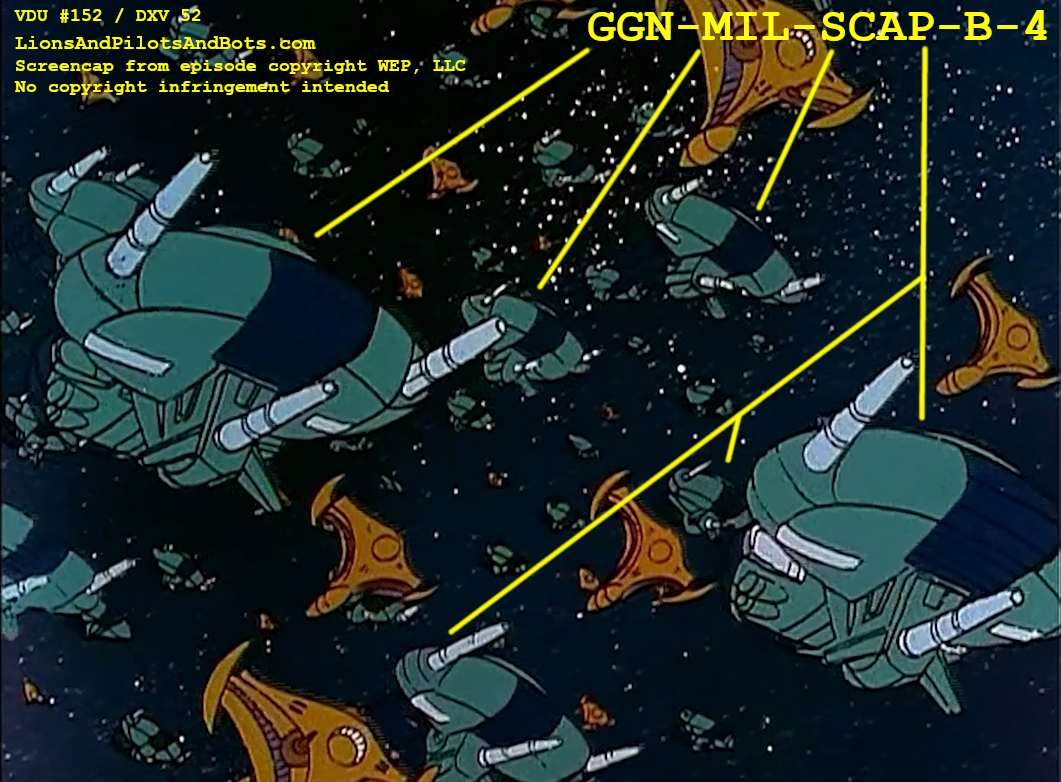
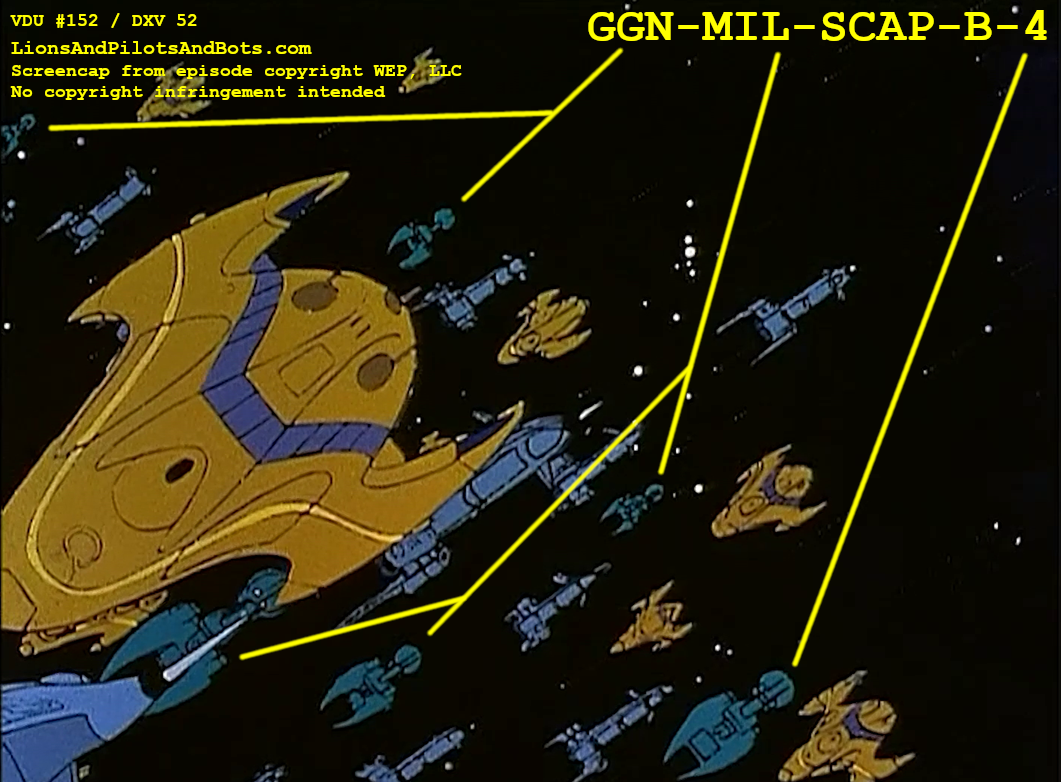
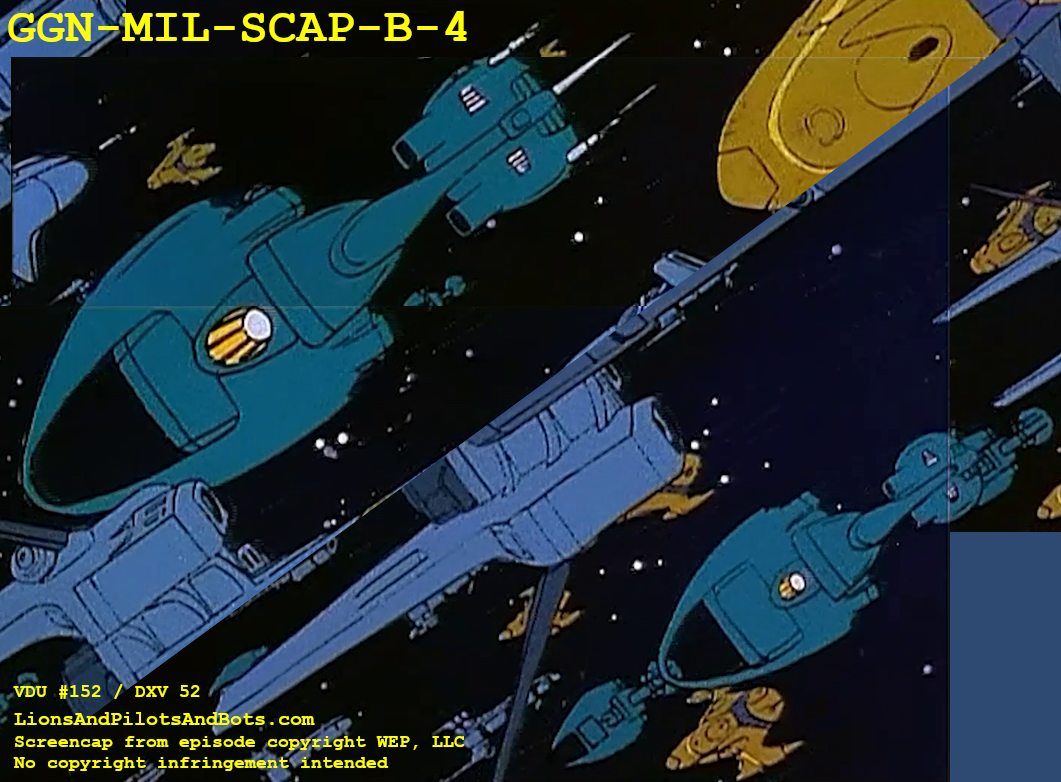
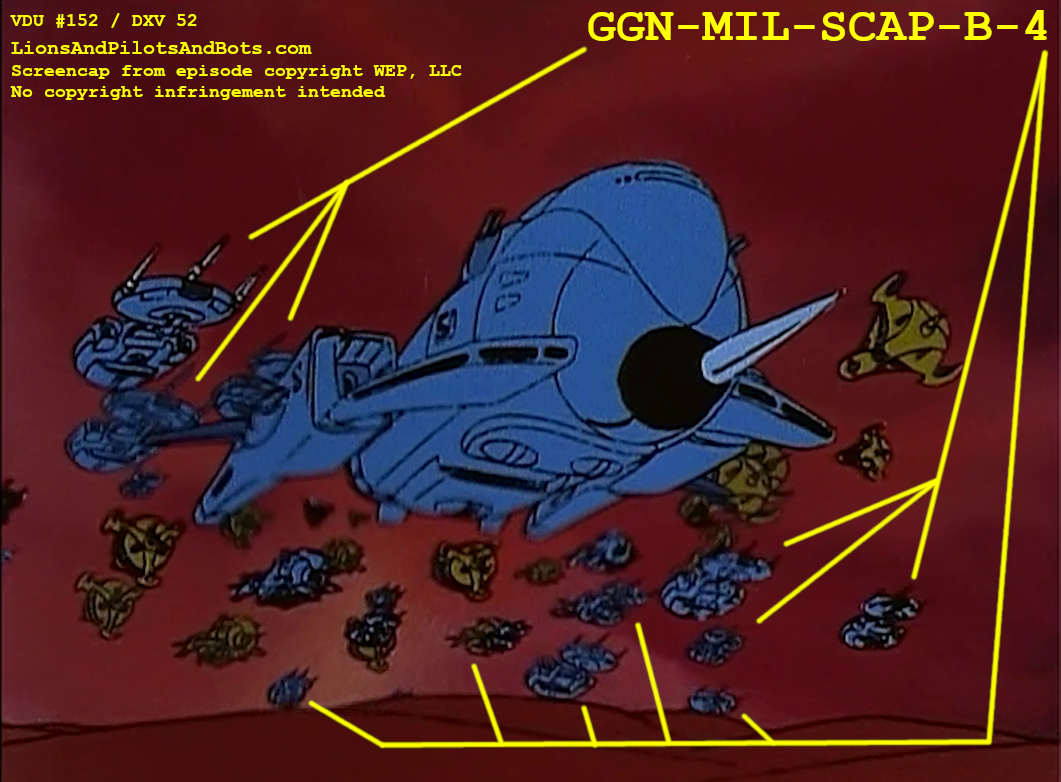
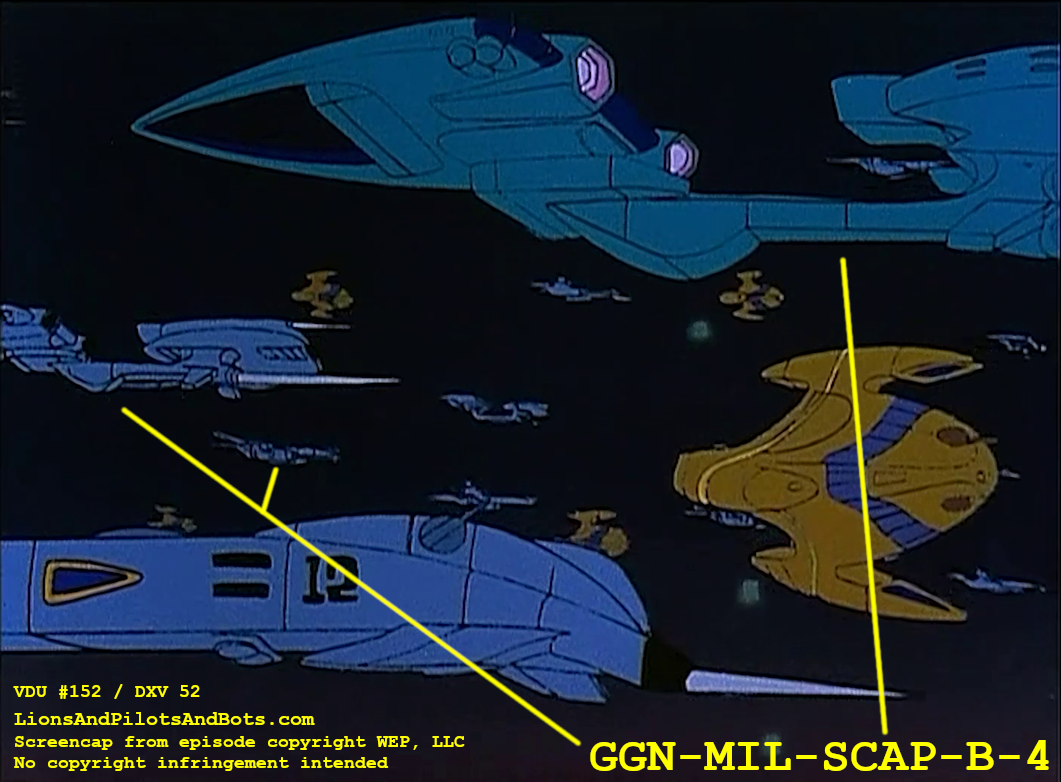
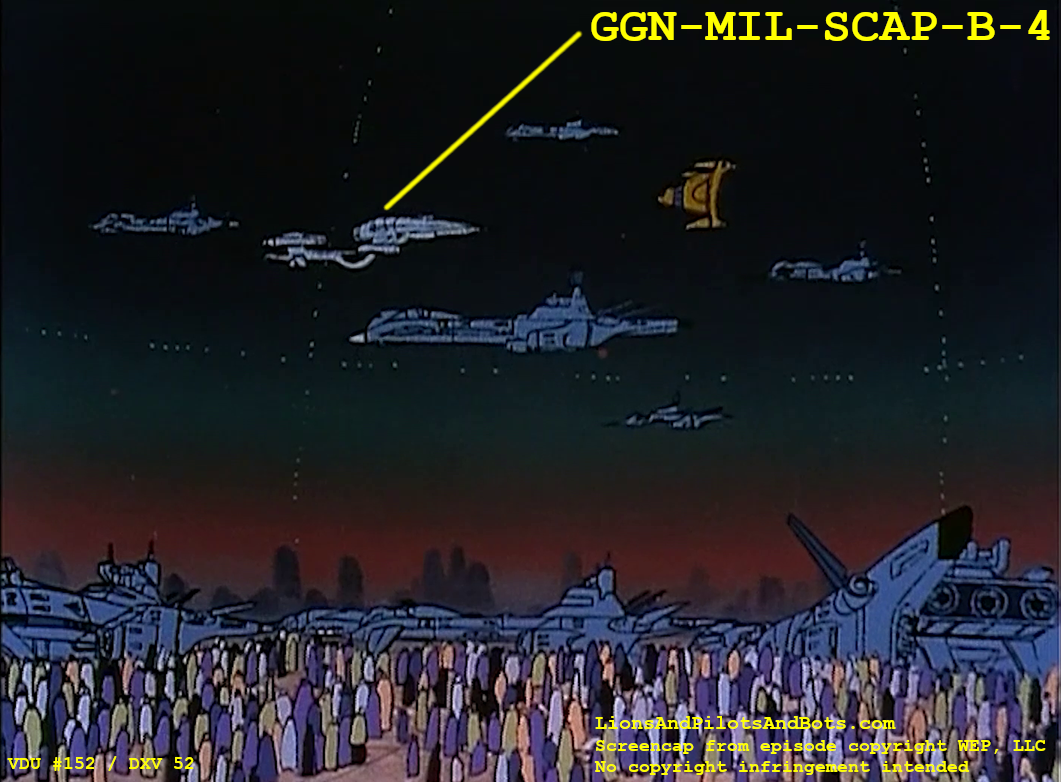
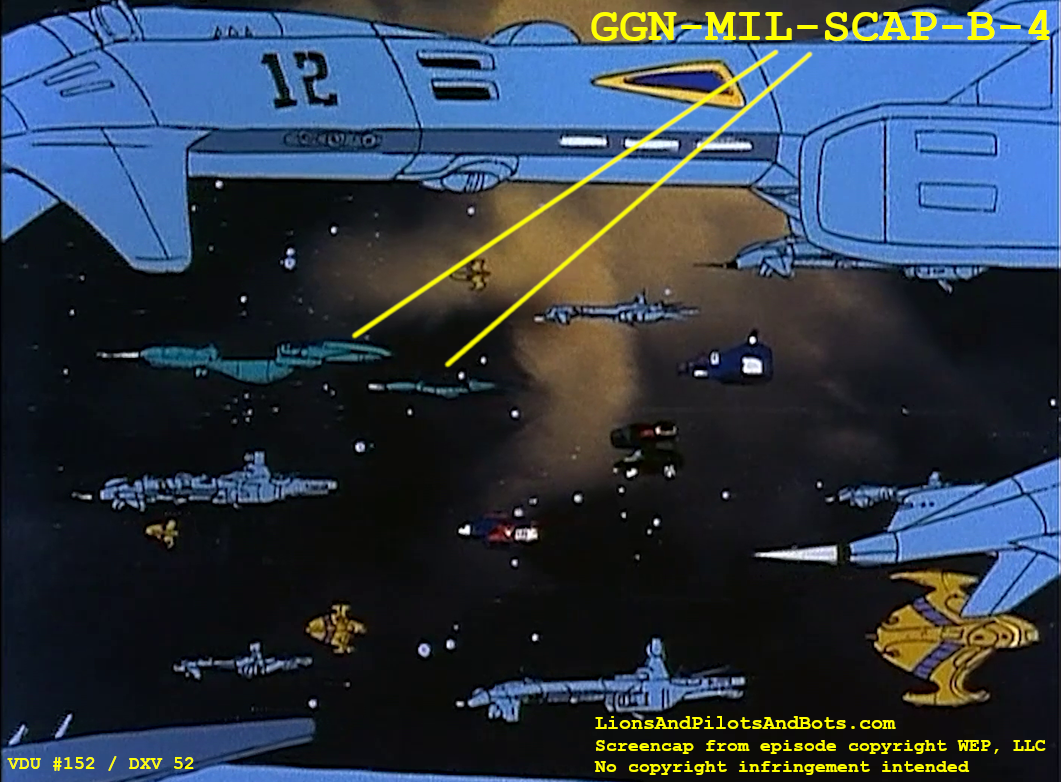
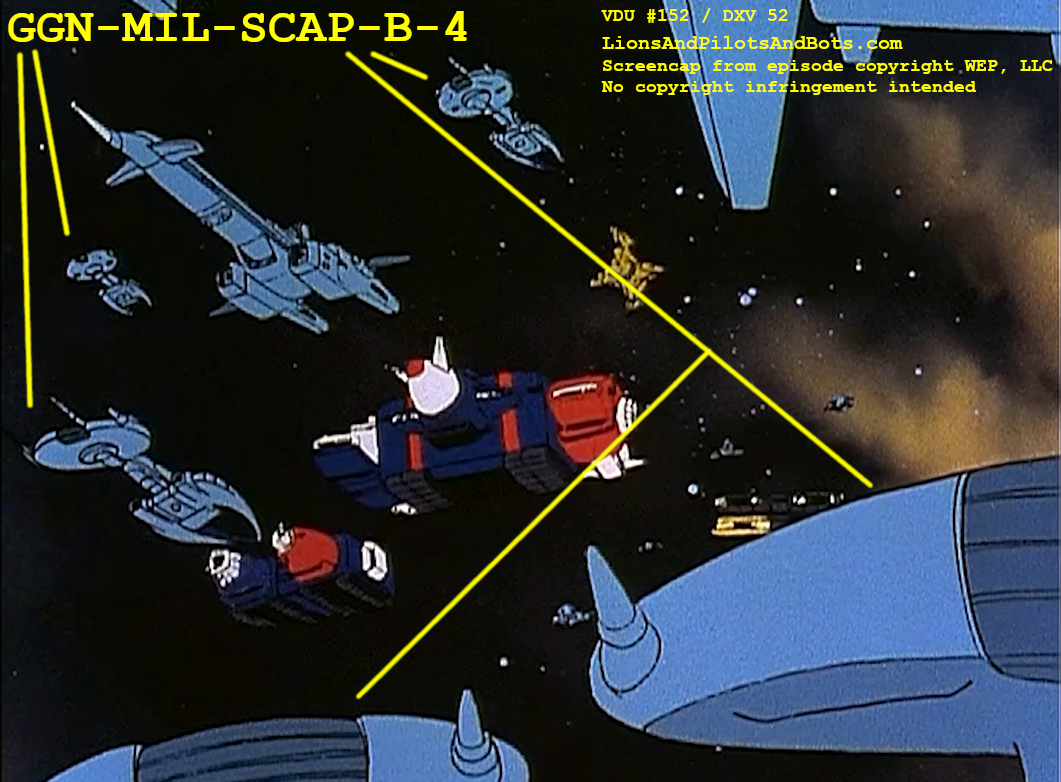
GGN-MIL-SCAP-B-4
GGN-MIL-SCAP-B-4 spacecraft often serve in Galaxy Garrison support or combat fleets.
 |  |  |
 |  |  |
 |  |  |
 |  |  |
 |  |  |
 |  |  |
 |  |  |
 |  |  |
 |  |  |
 |  |  |
 |  |  |
|  |  |
 |  |  |
 |  |  |
 |
Return to Vehicle Types – Summary Information
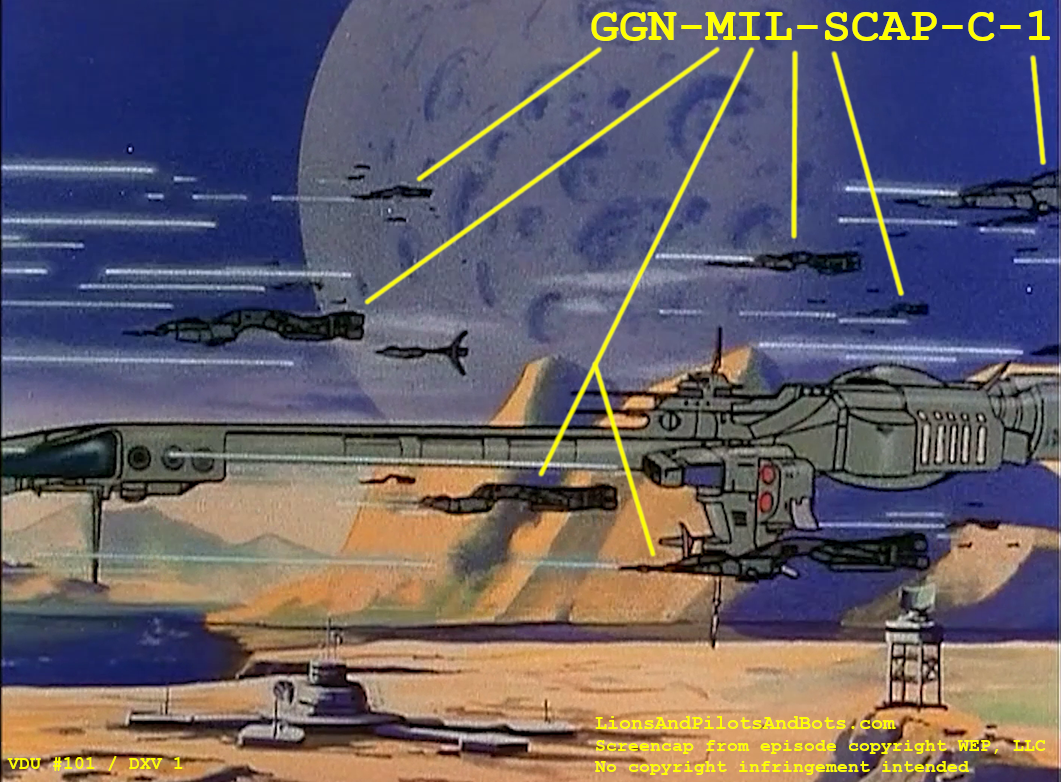
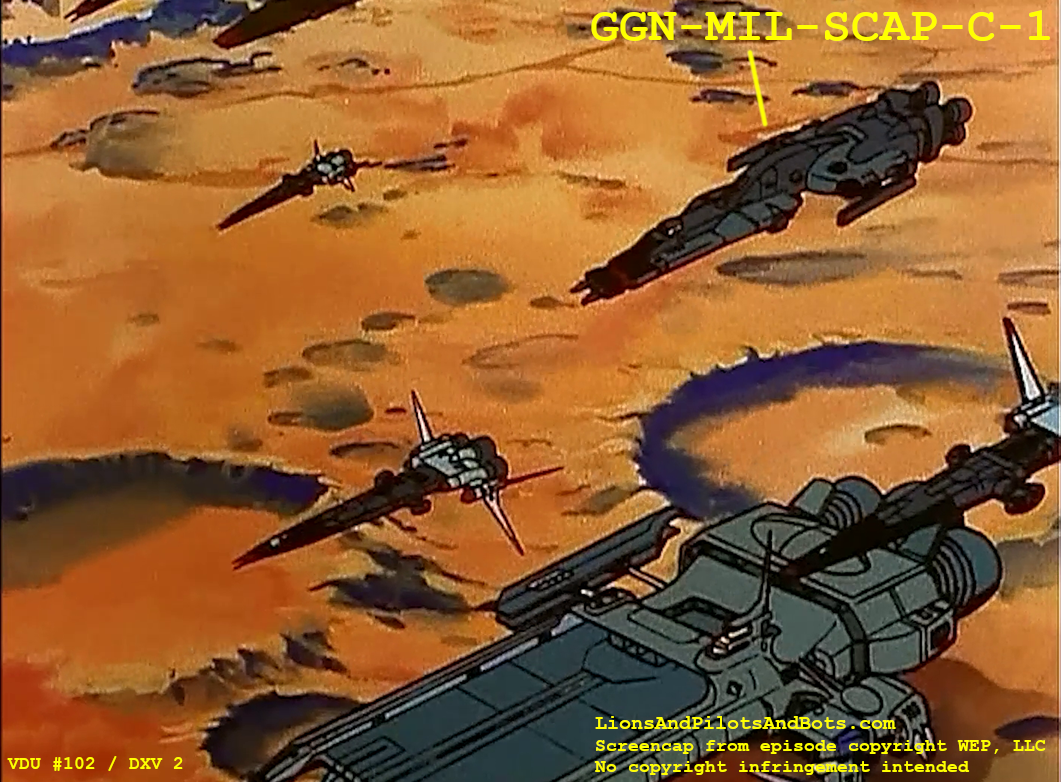
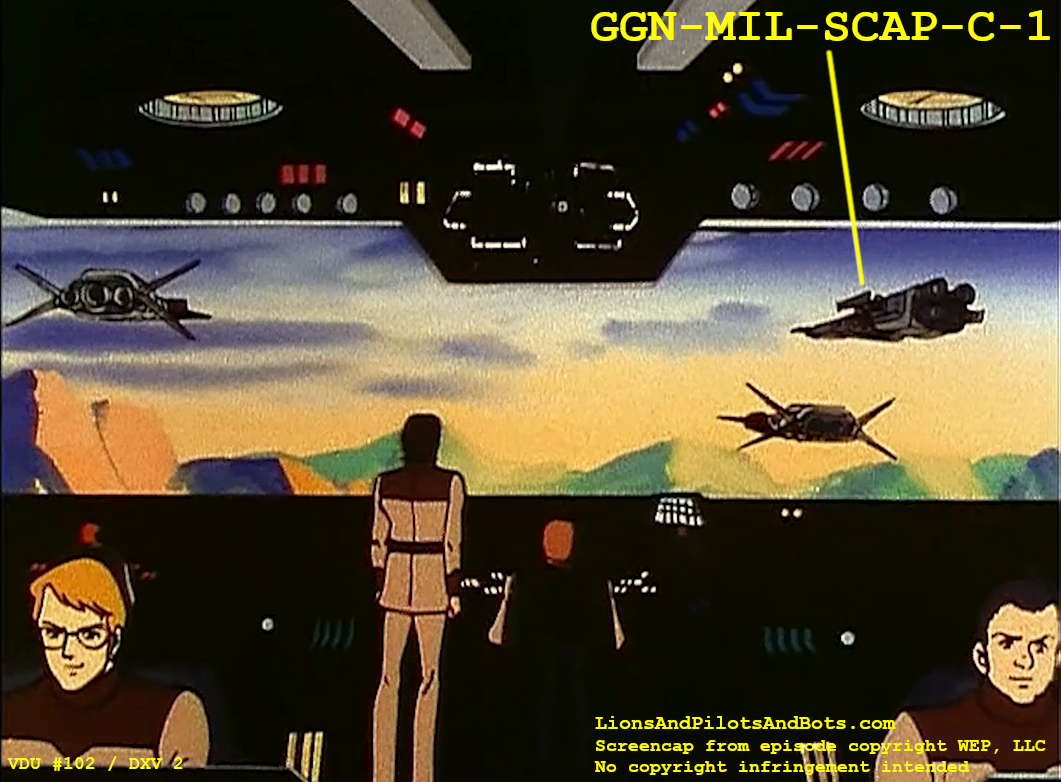
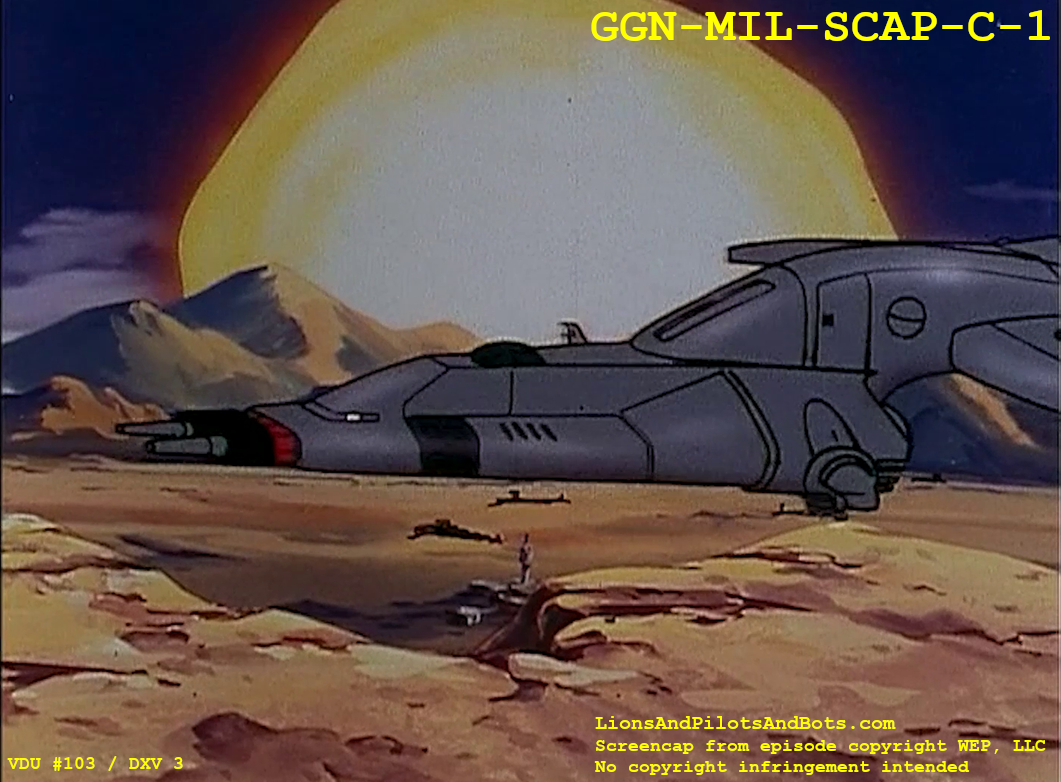
Military – Spacecraft – Capital Ship – Medium (MIL-SCAP-C)
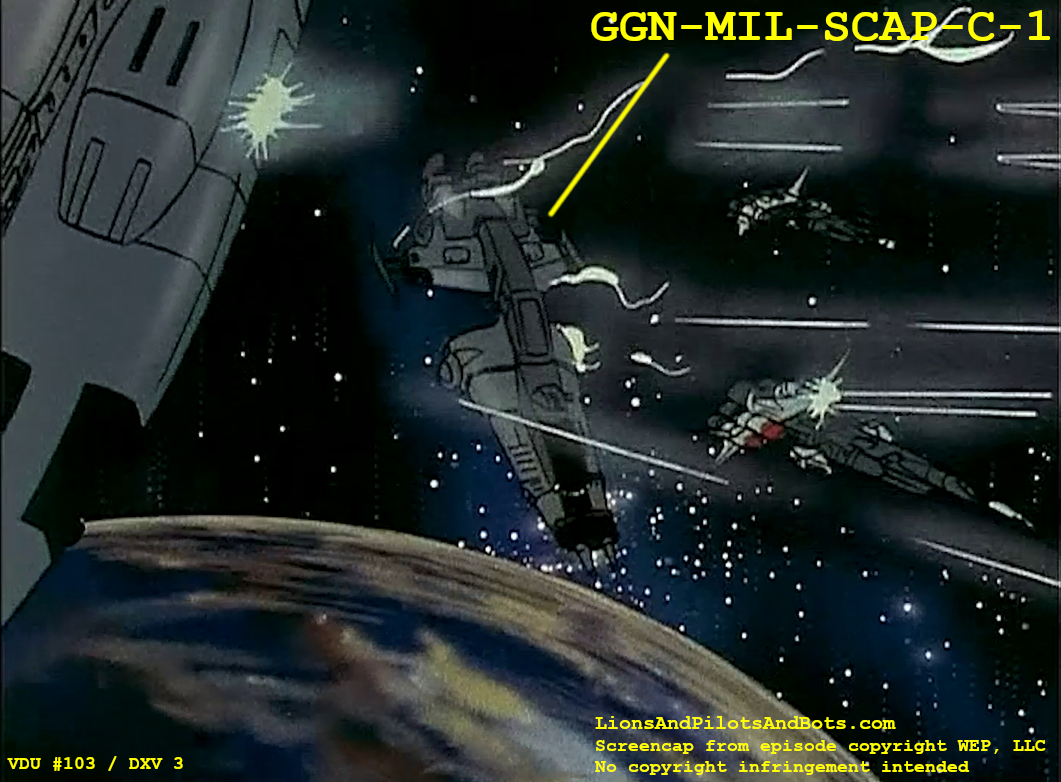
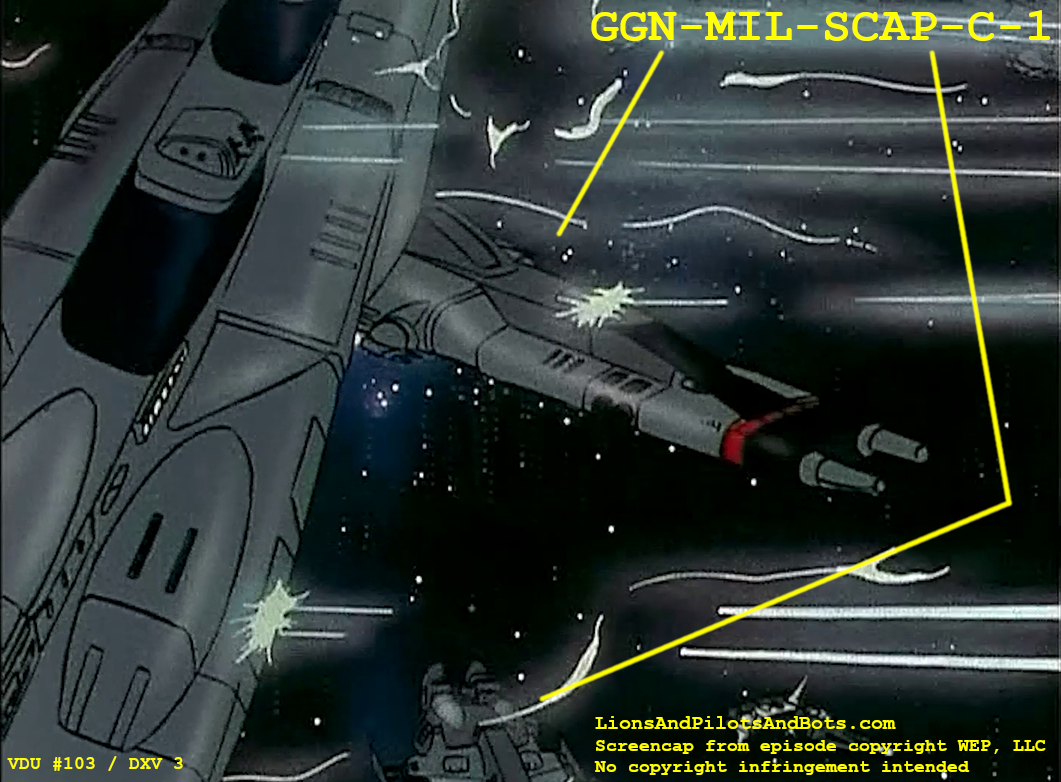
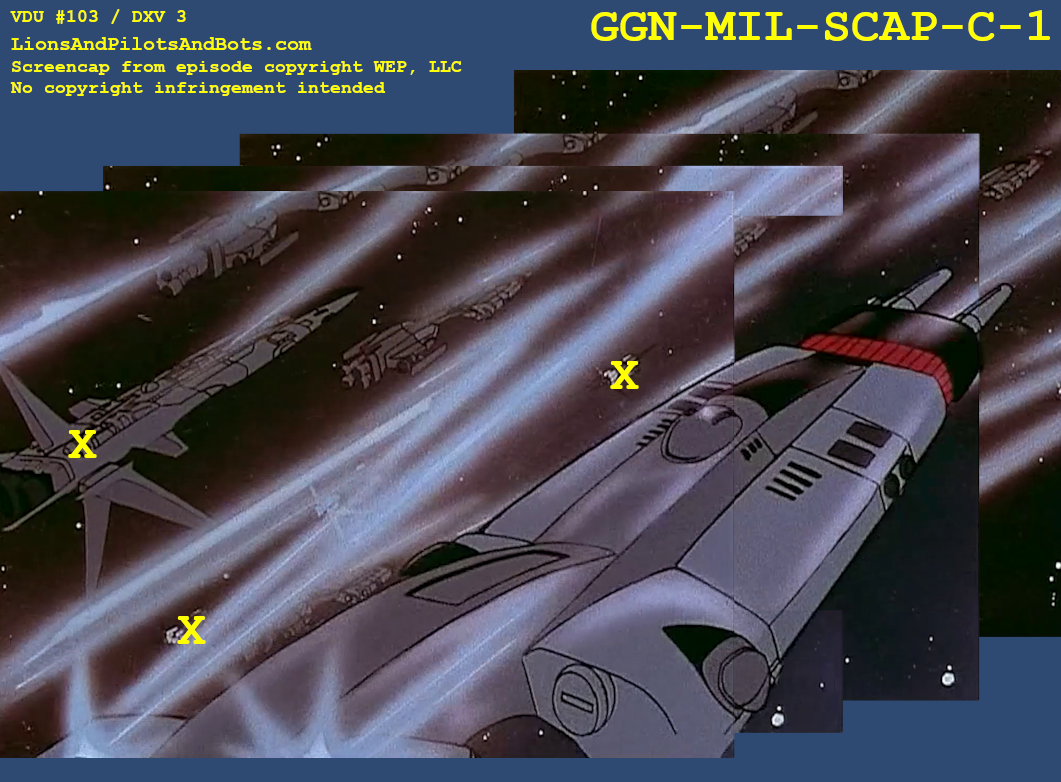
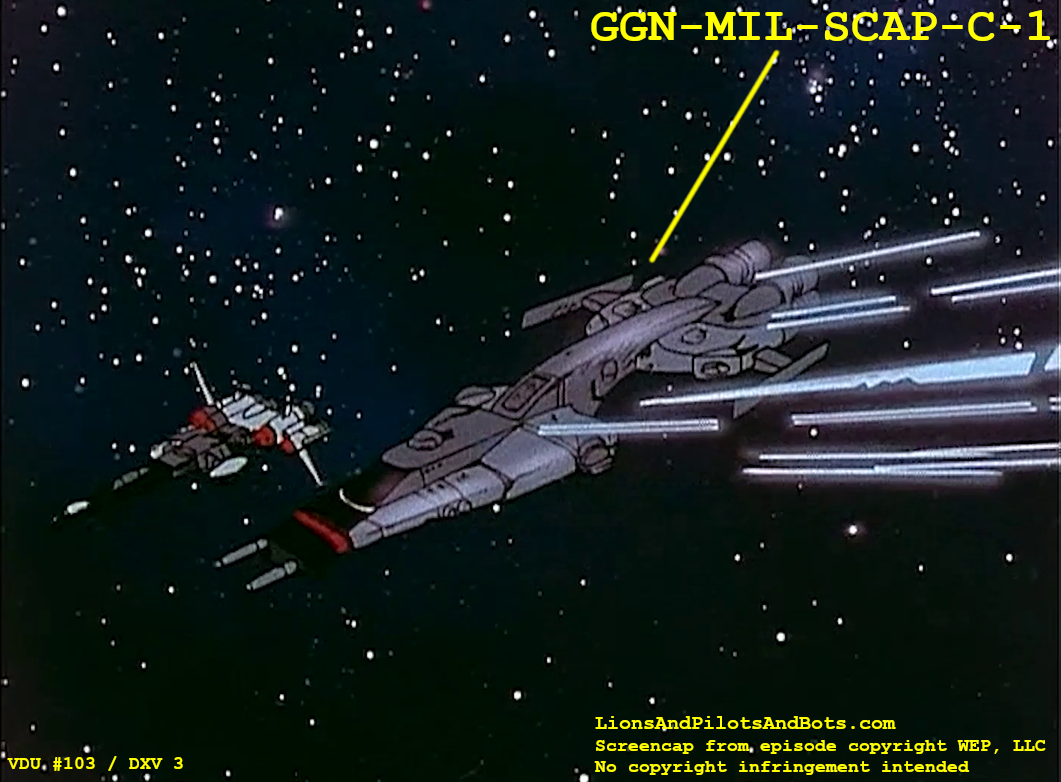
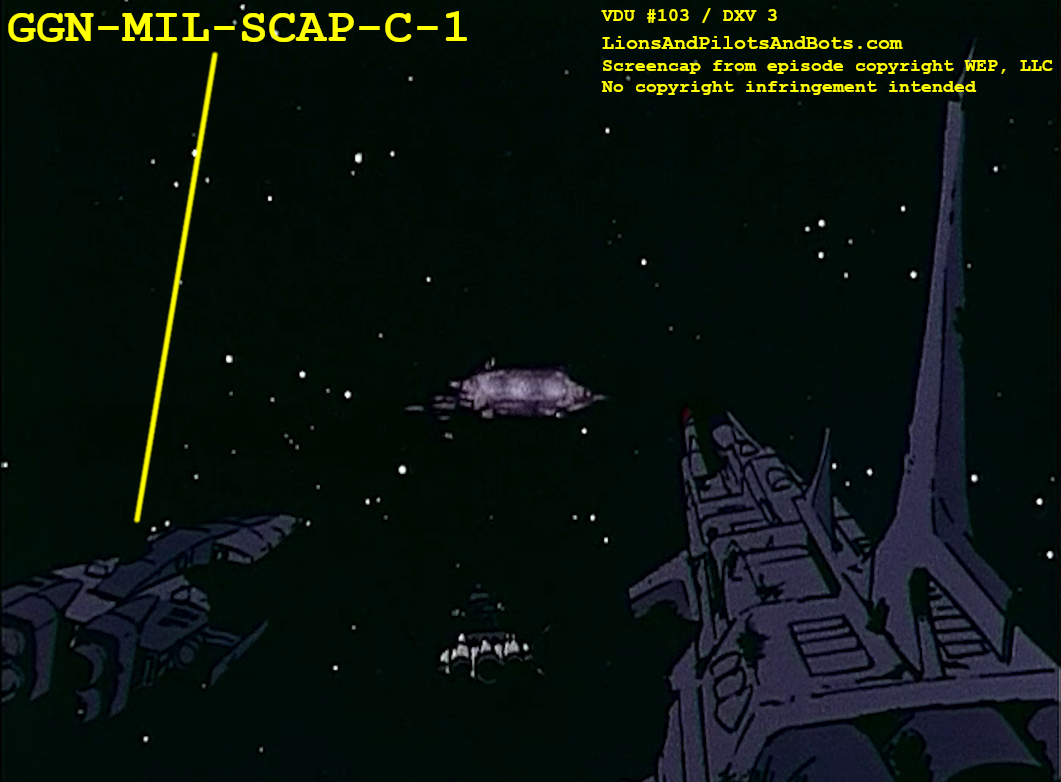
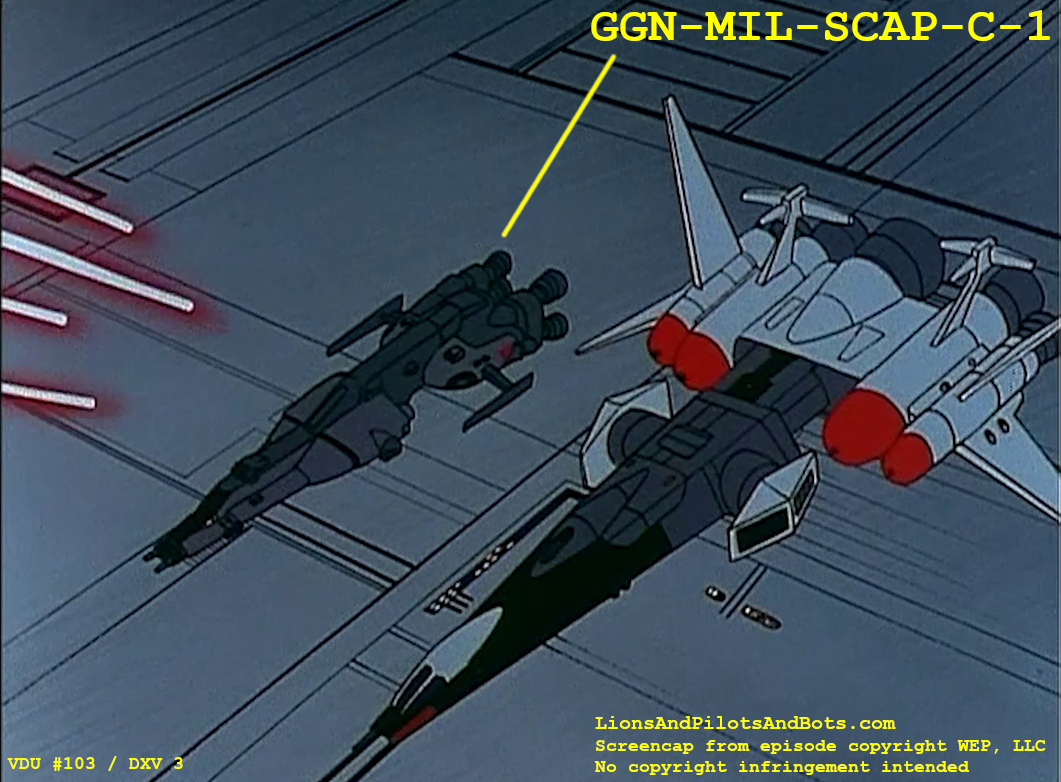
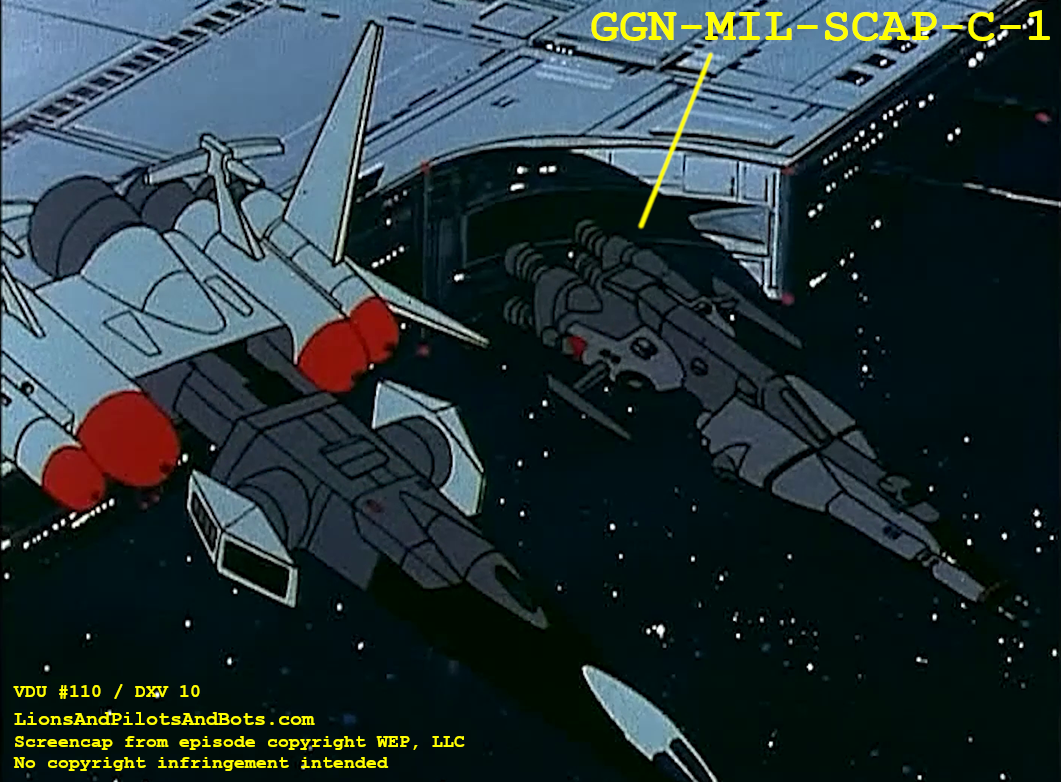
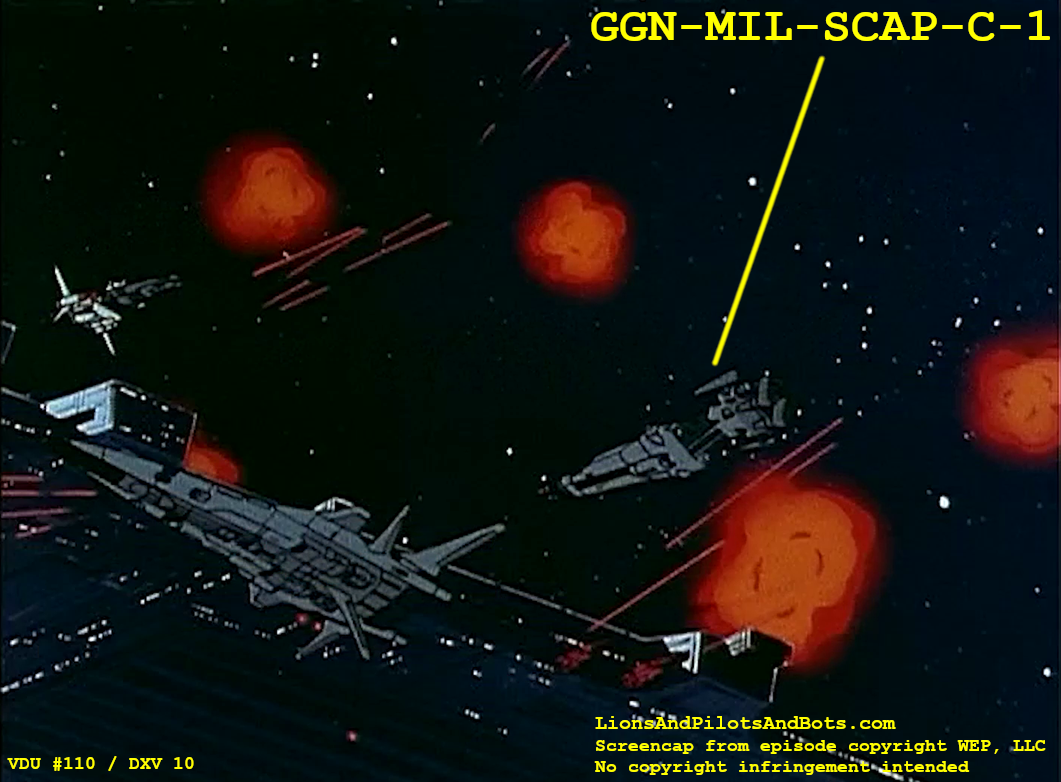
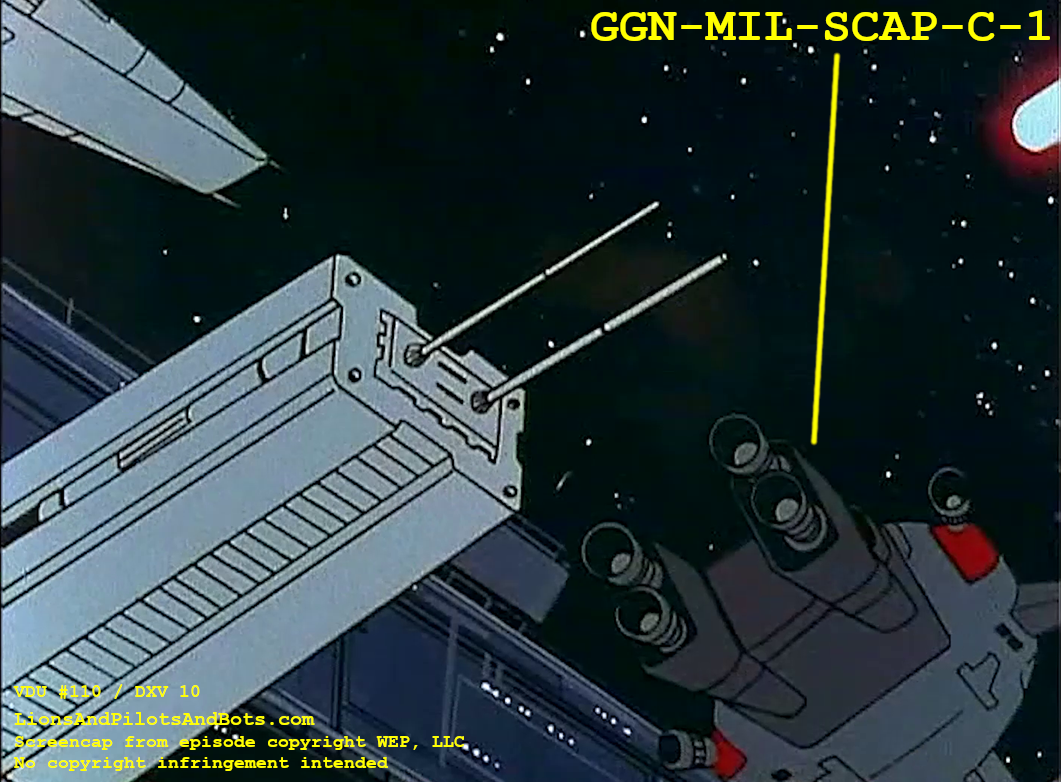
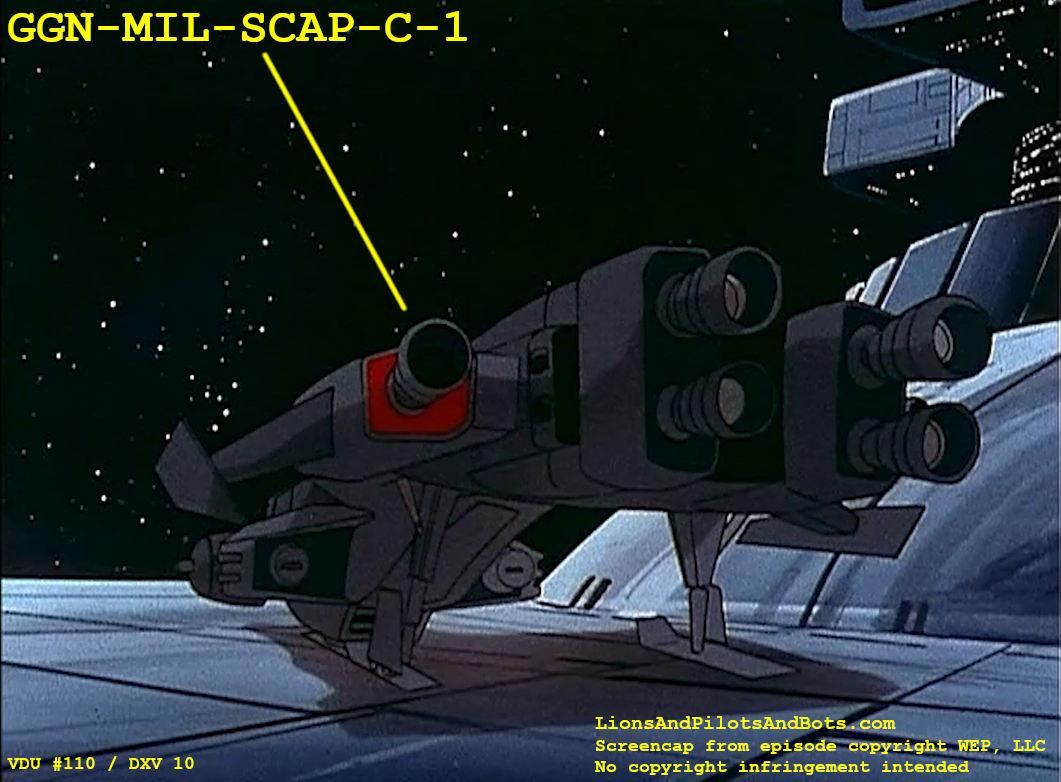
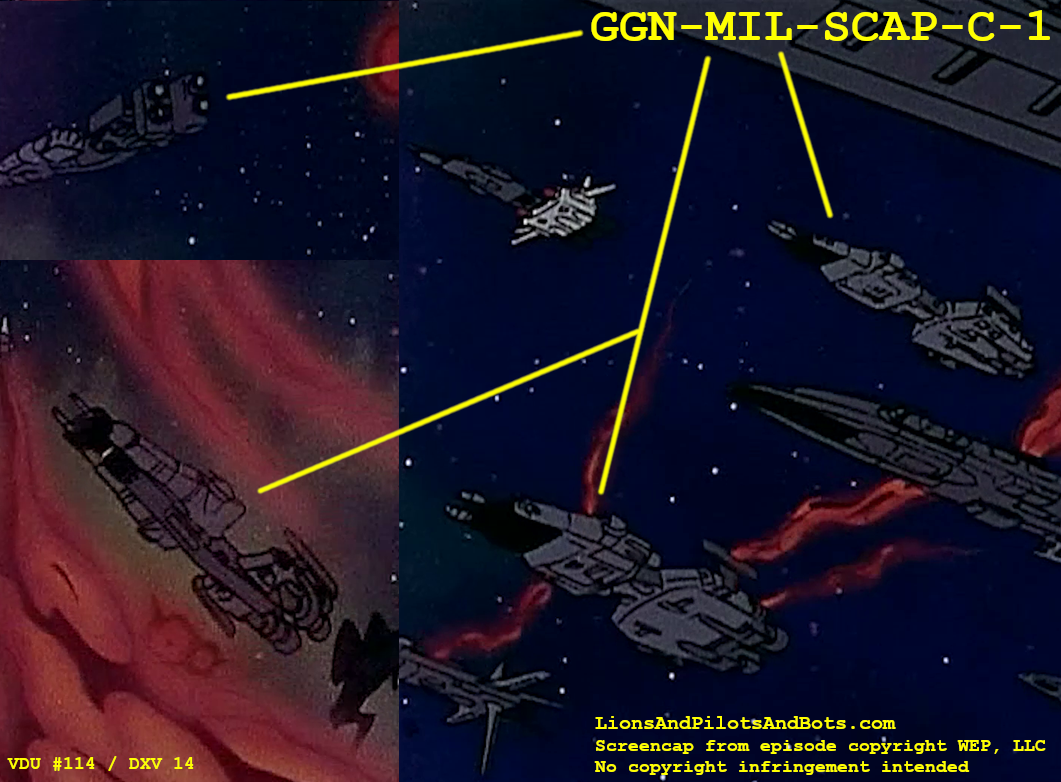
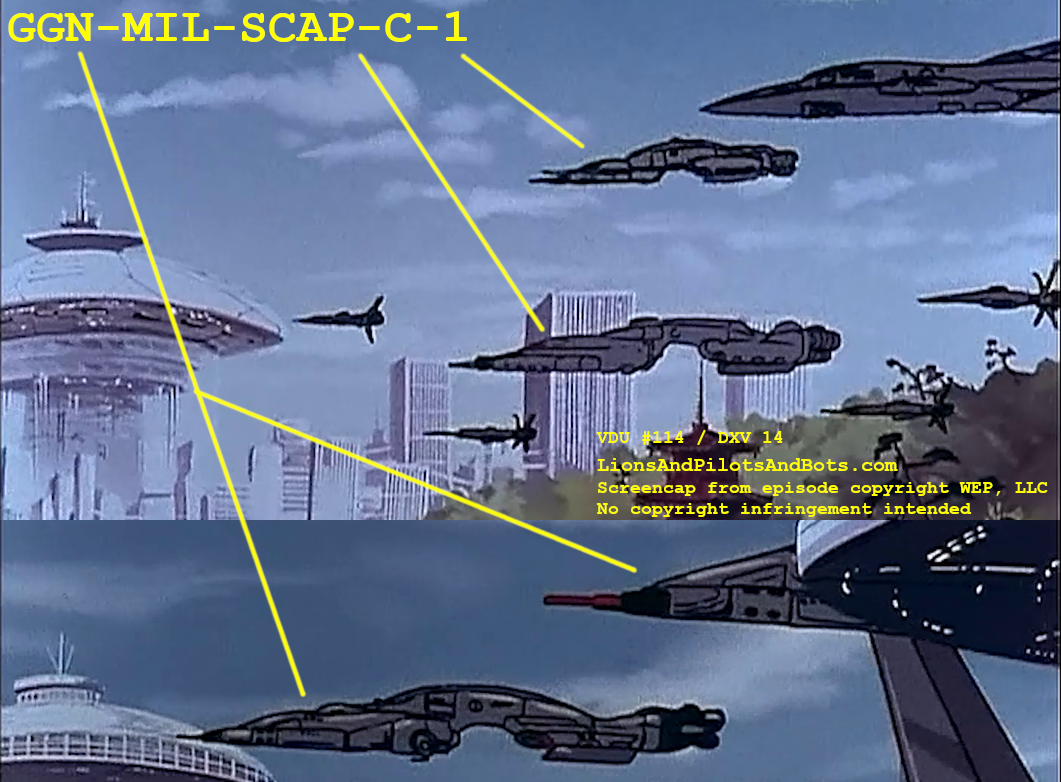
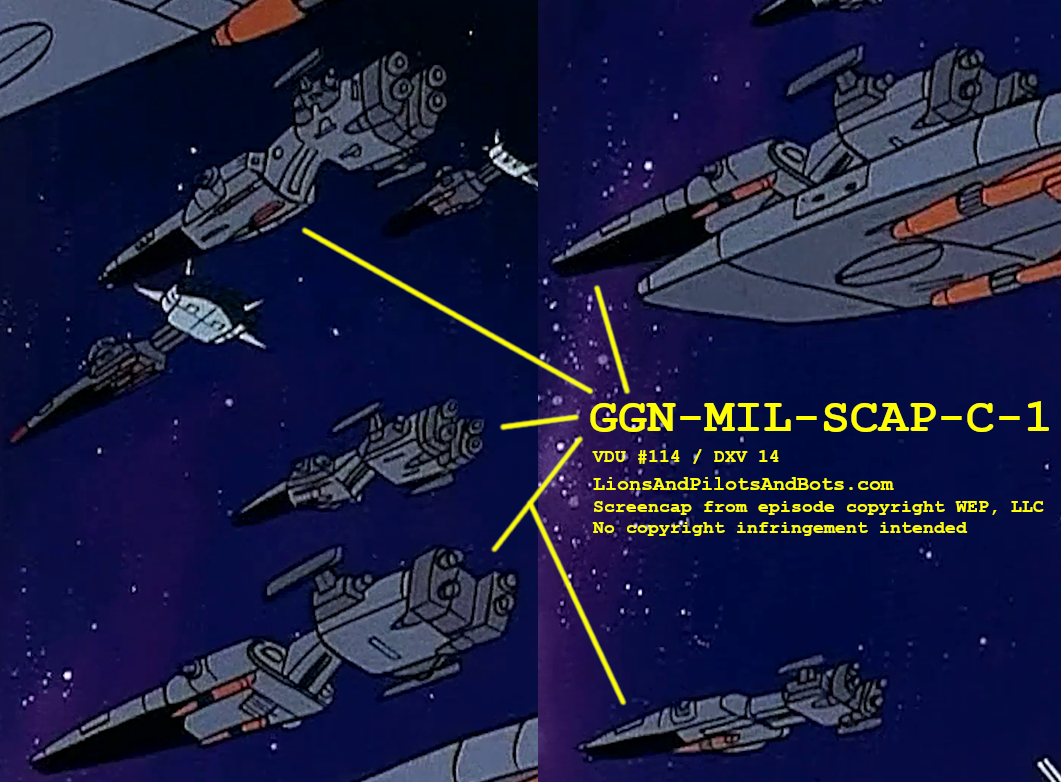
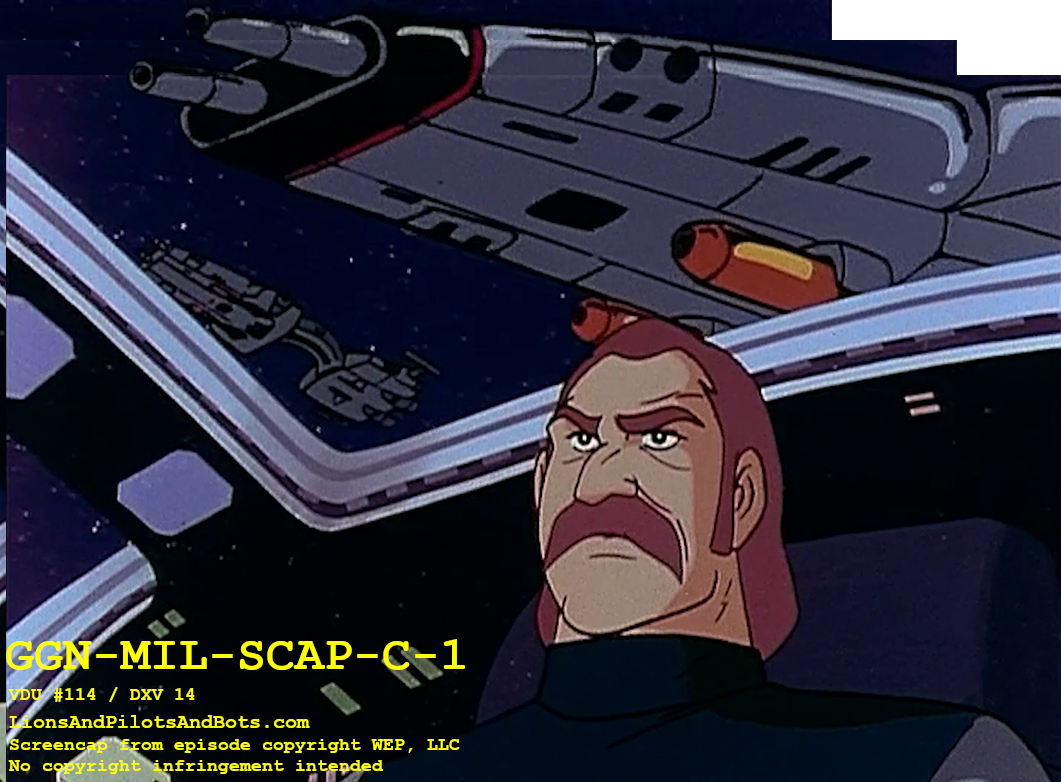
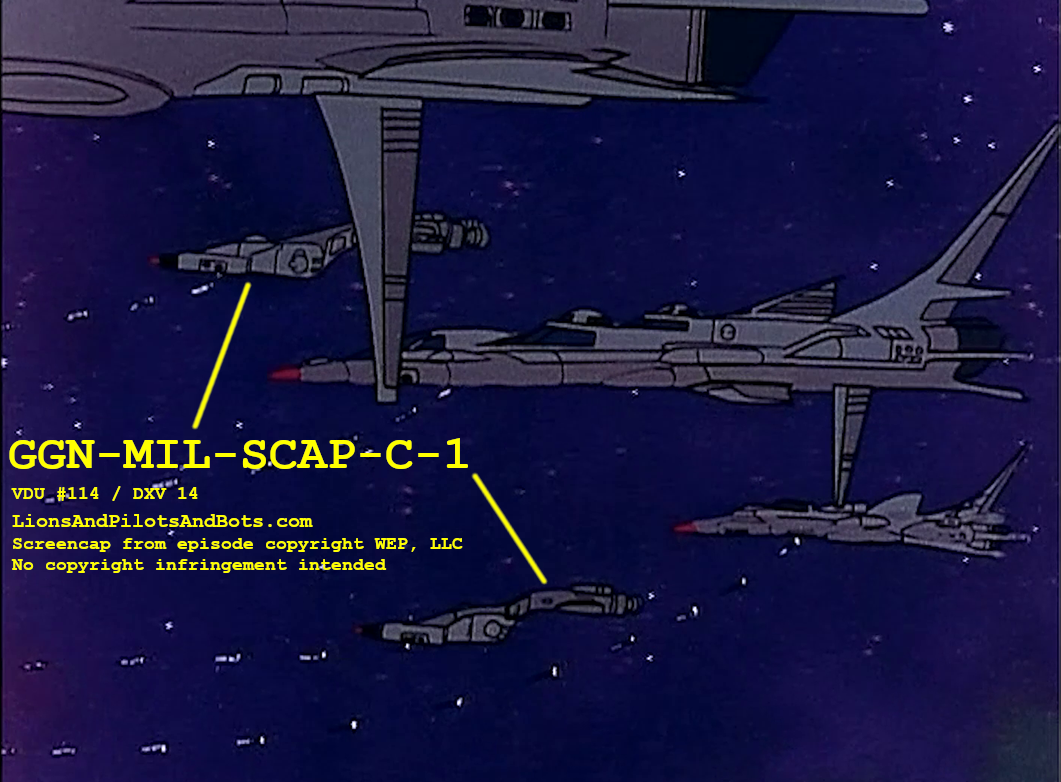
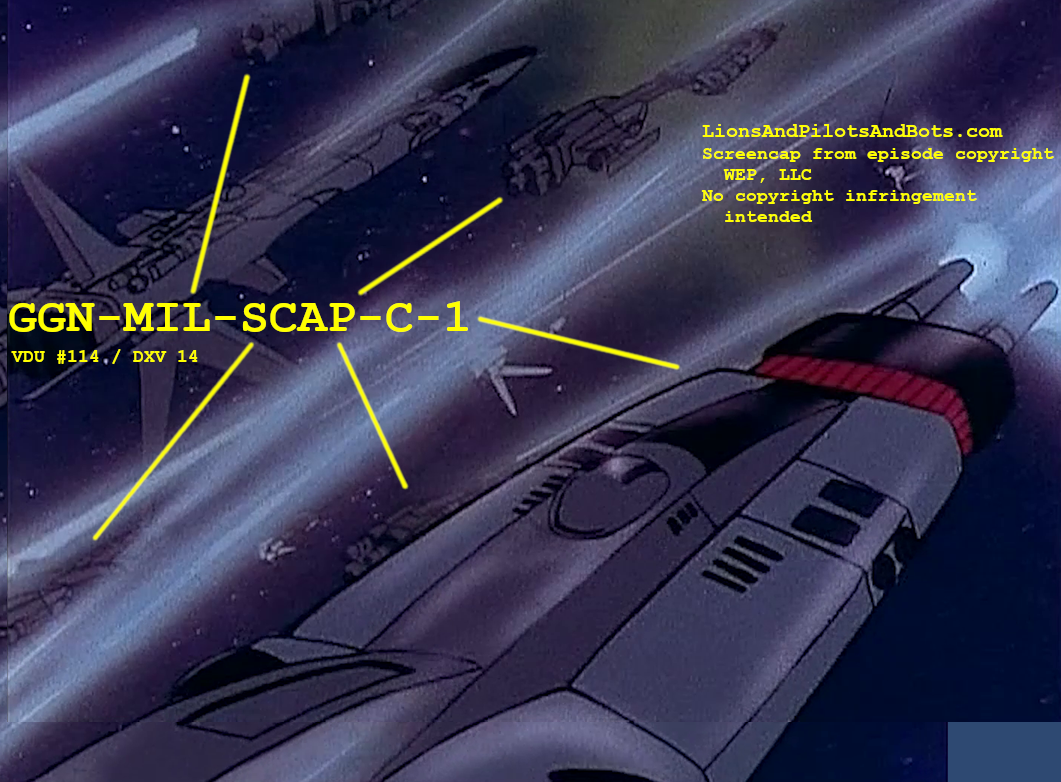
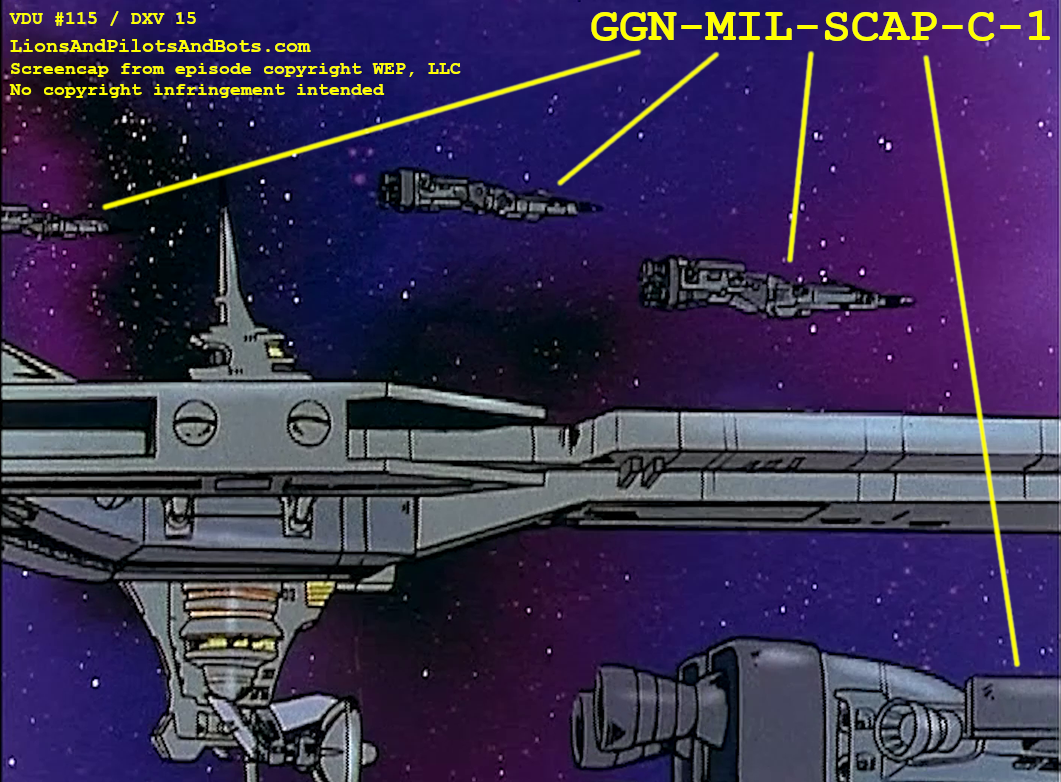
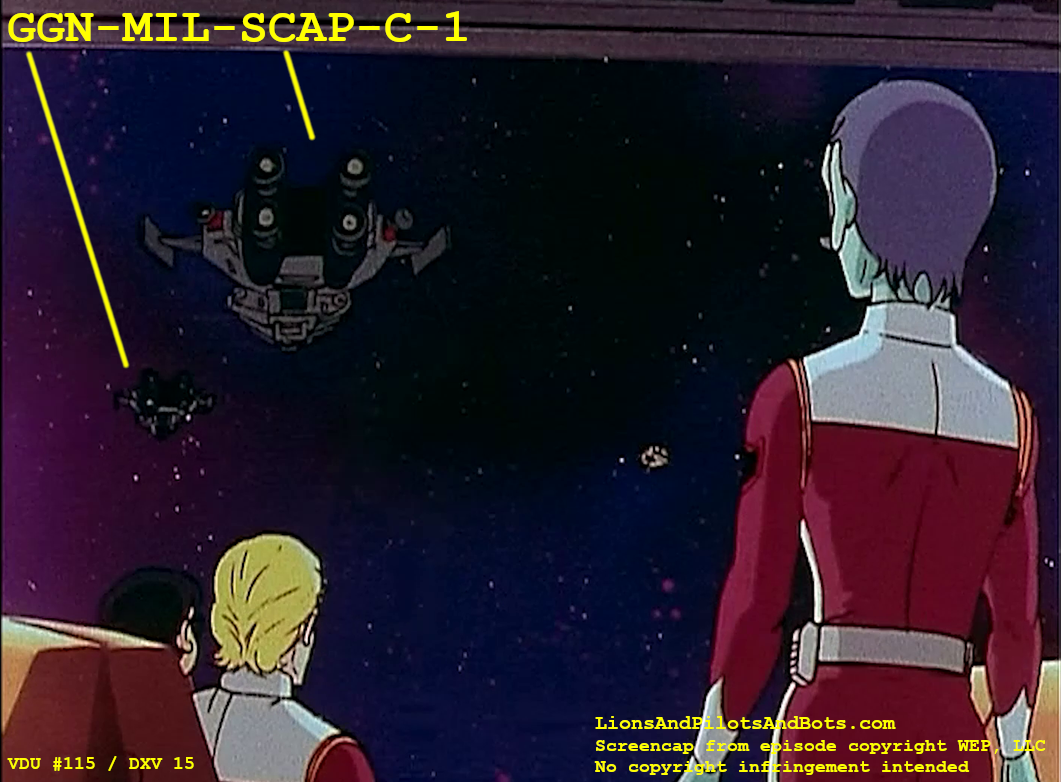
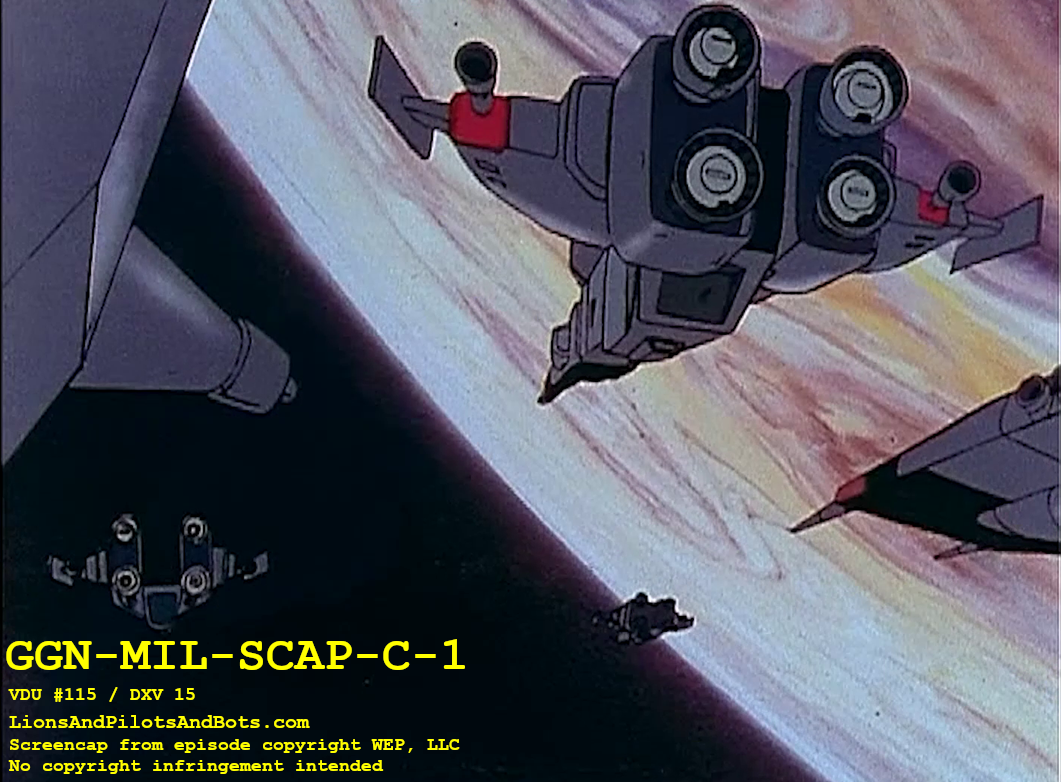
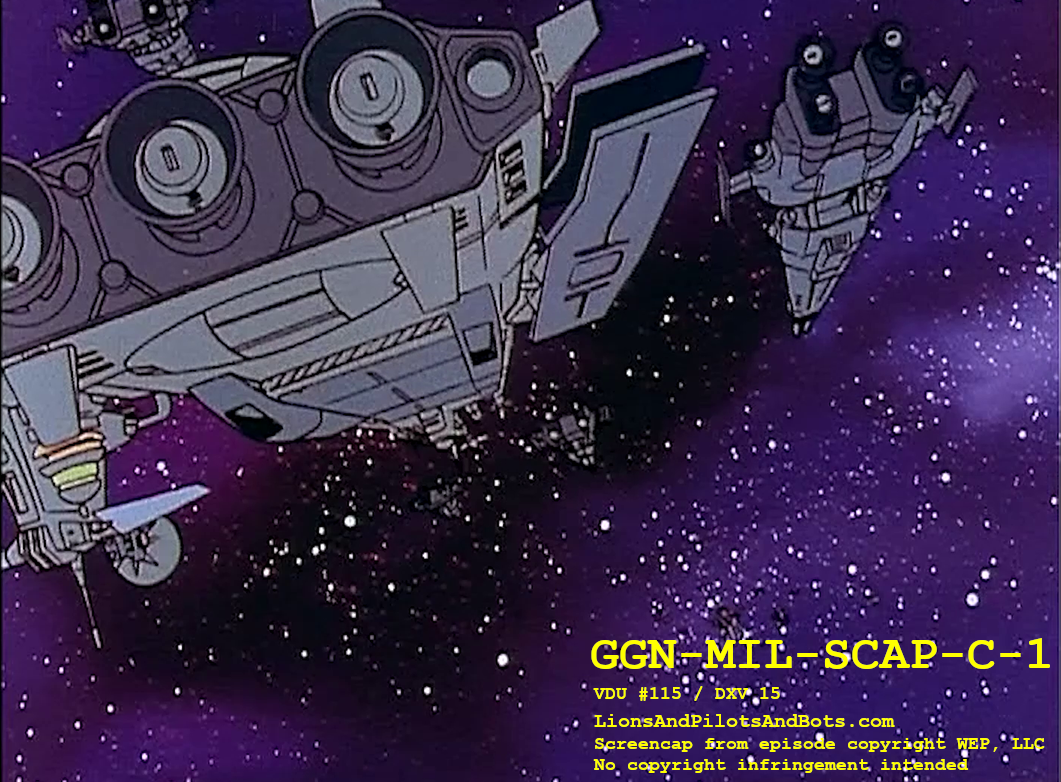
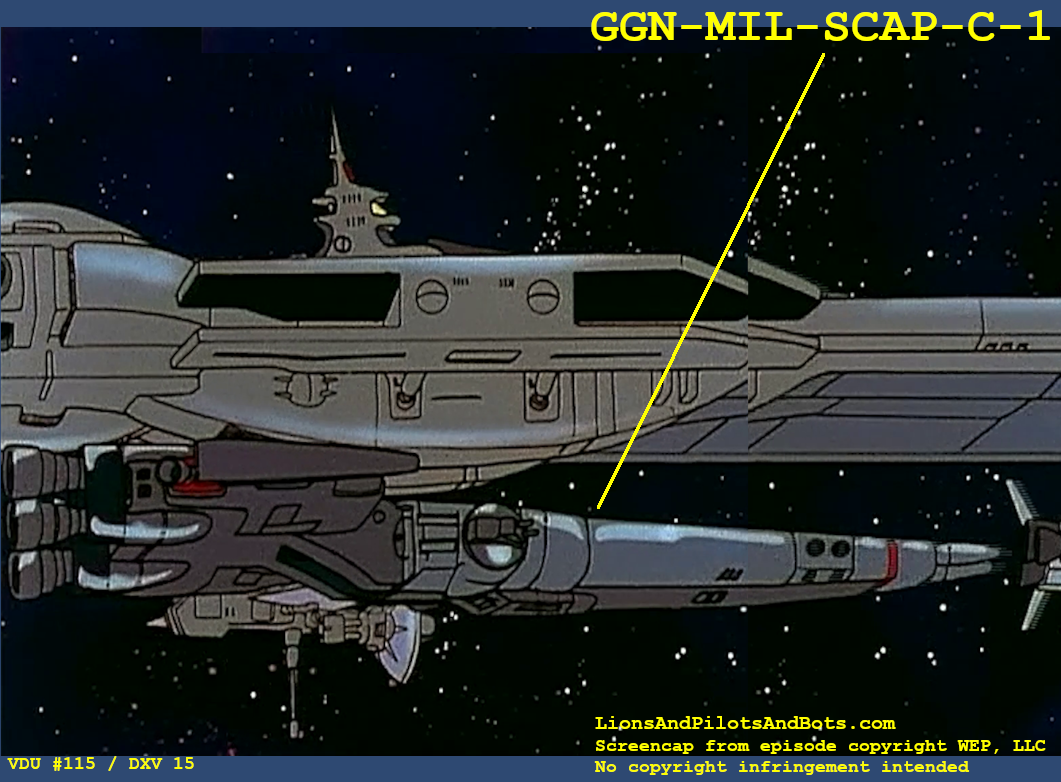
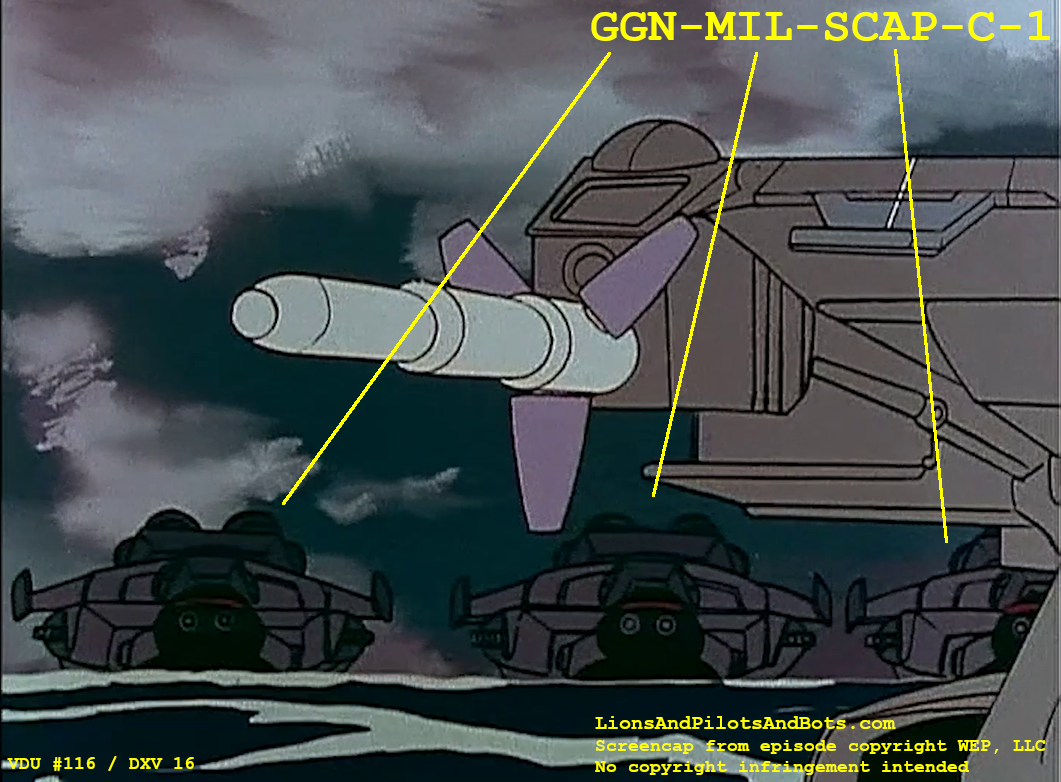
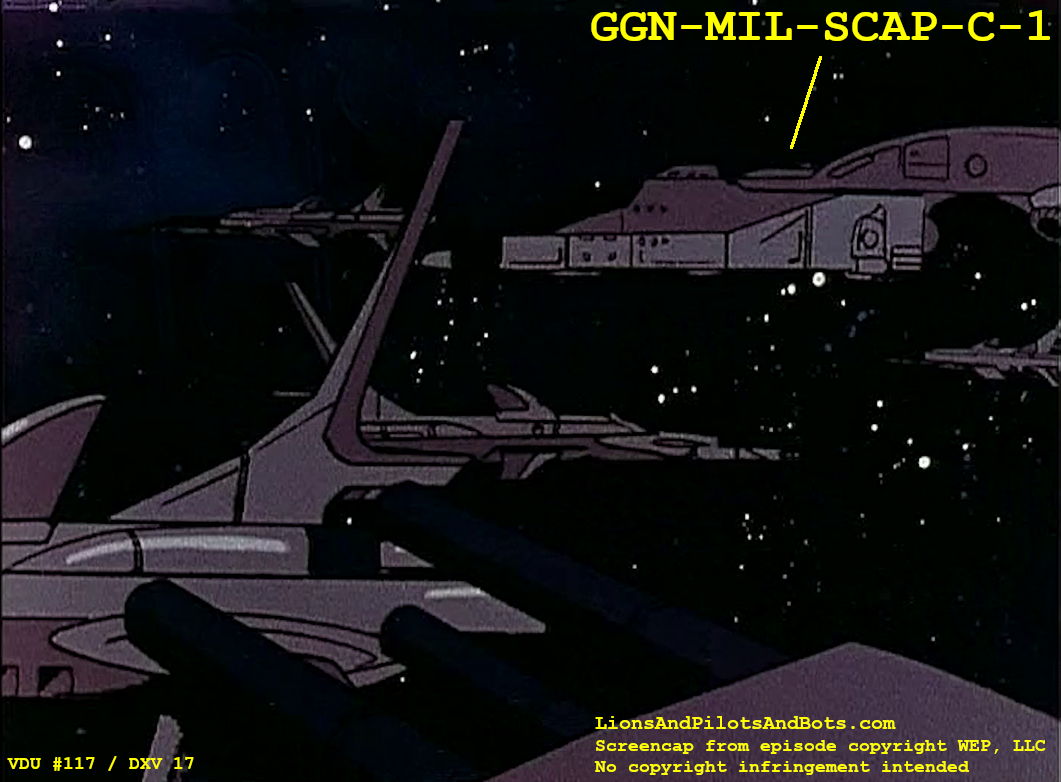
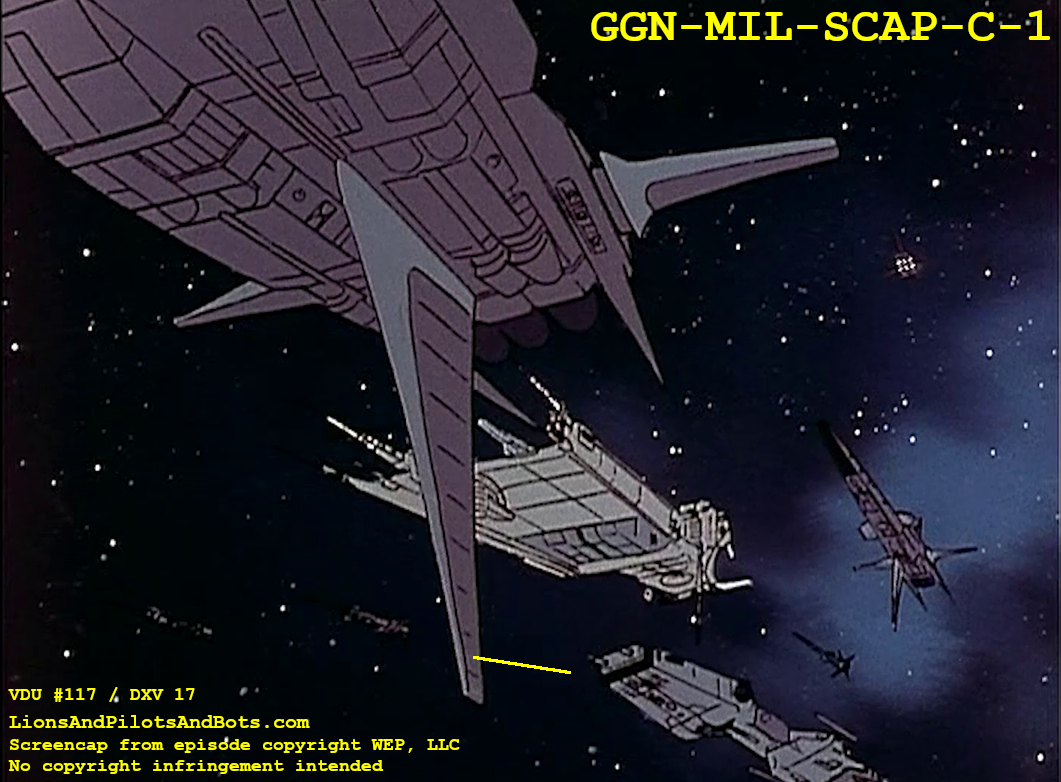
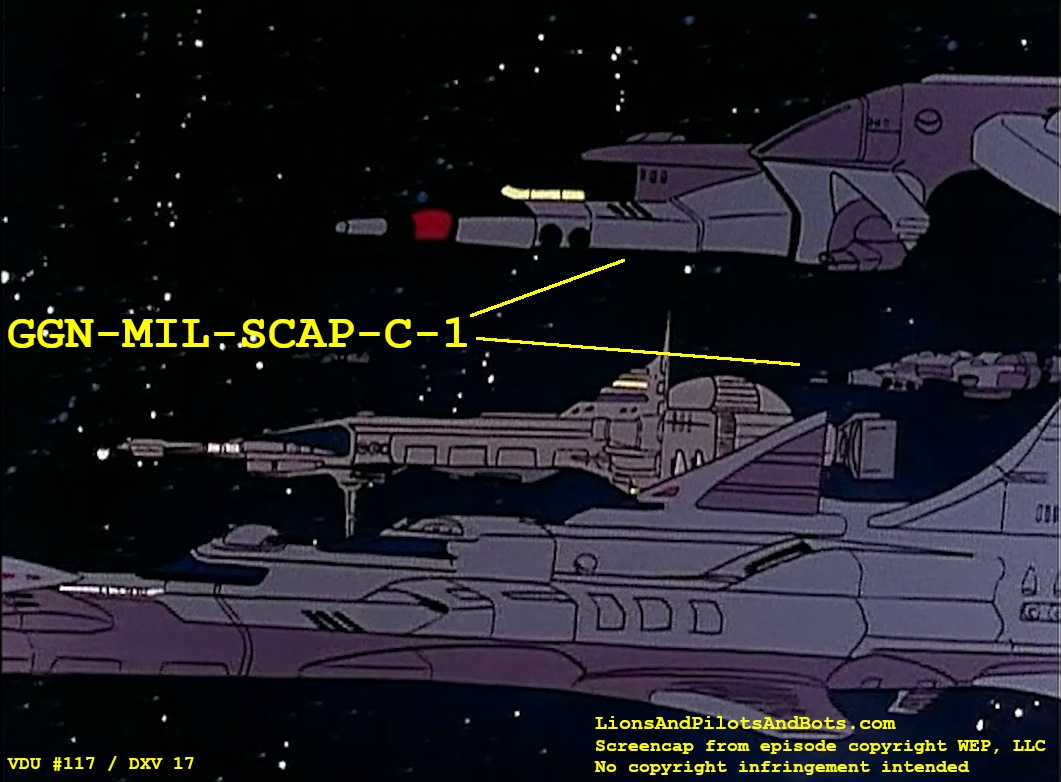
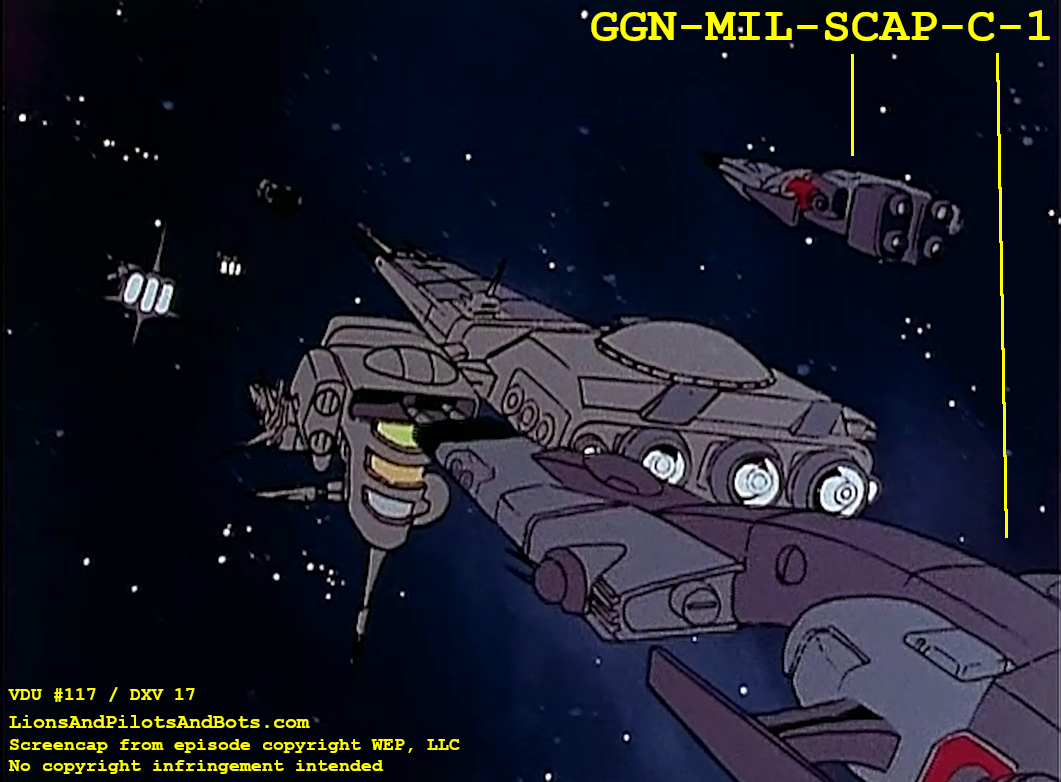
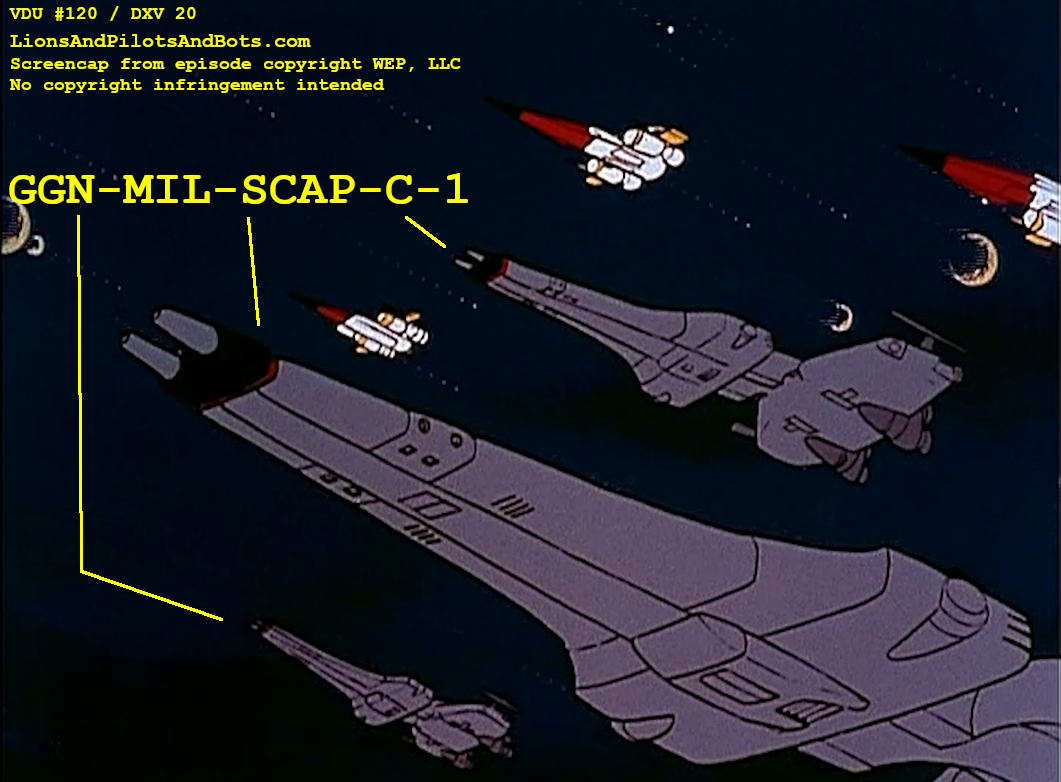
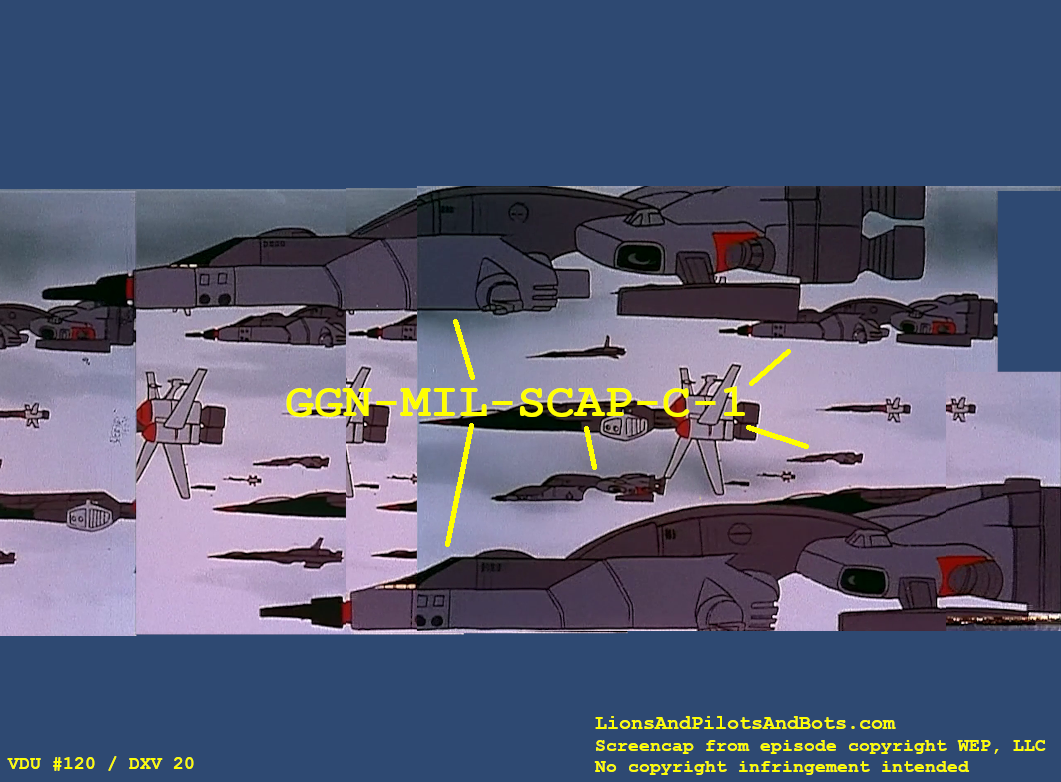
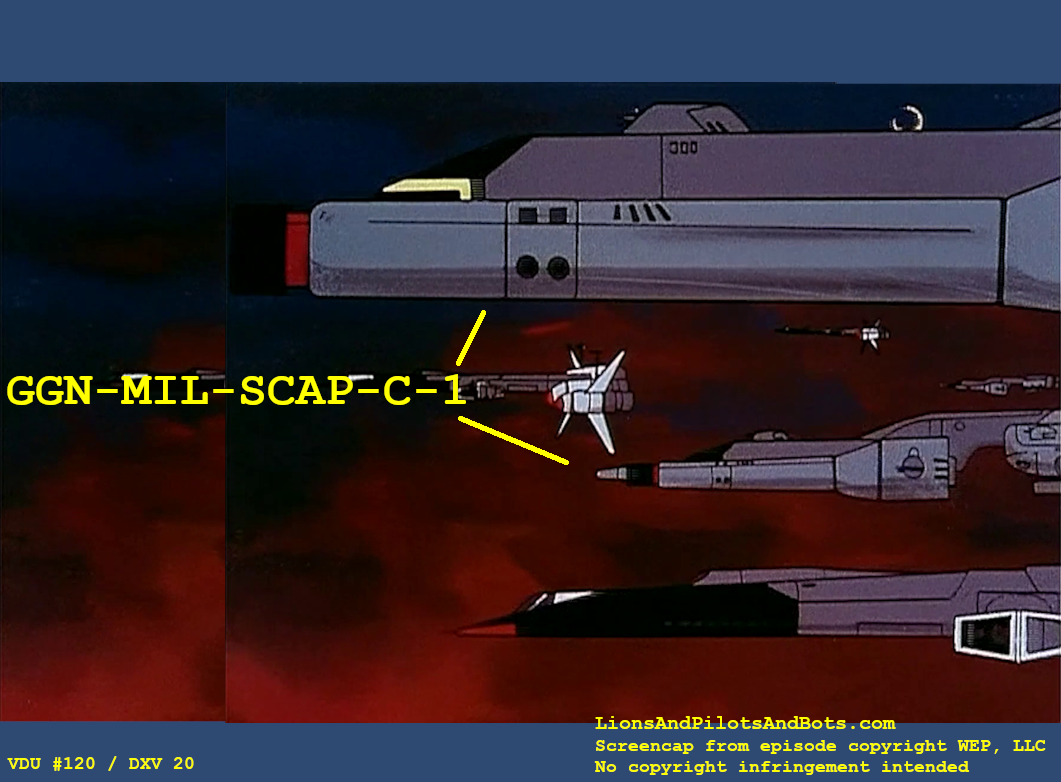
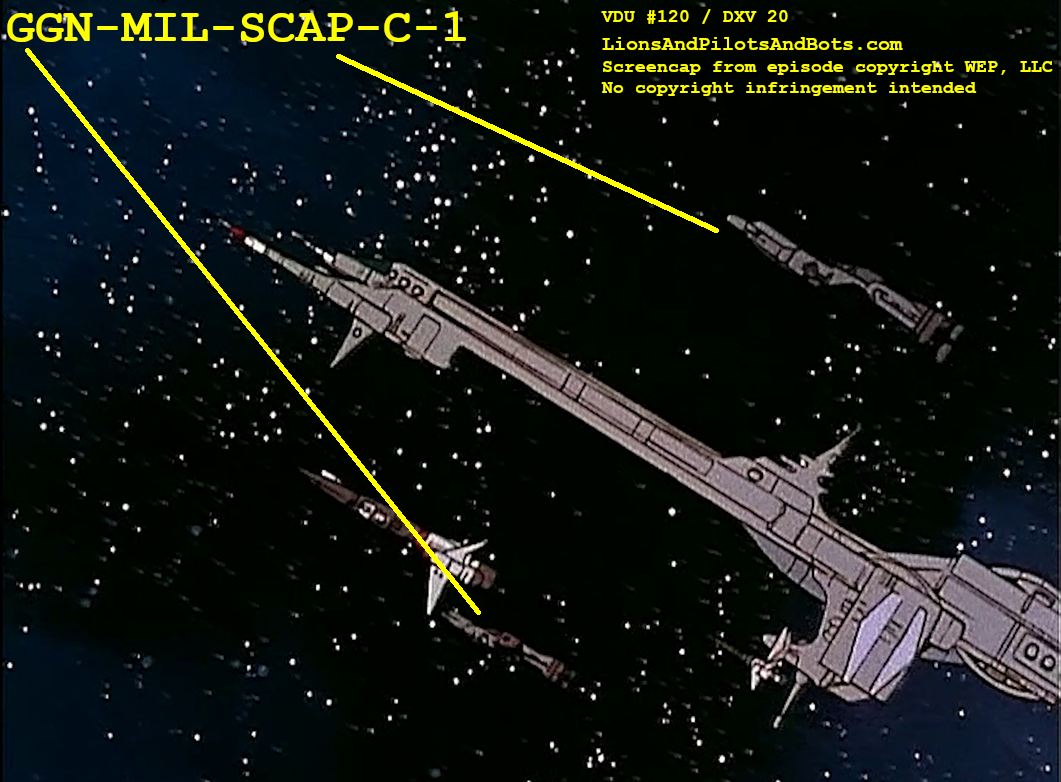
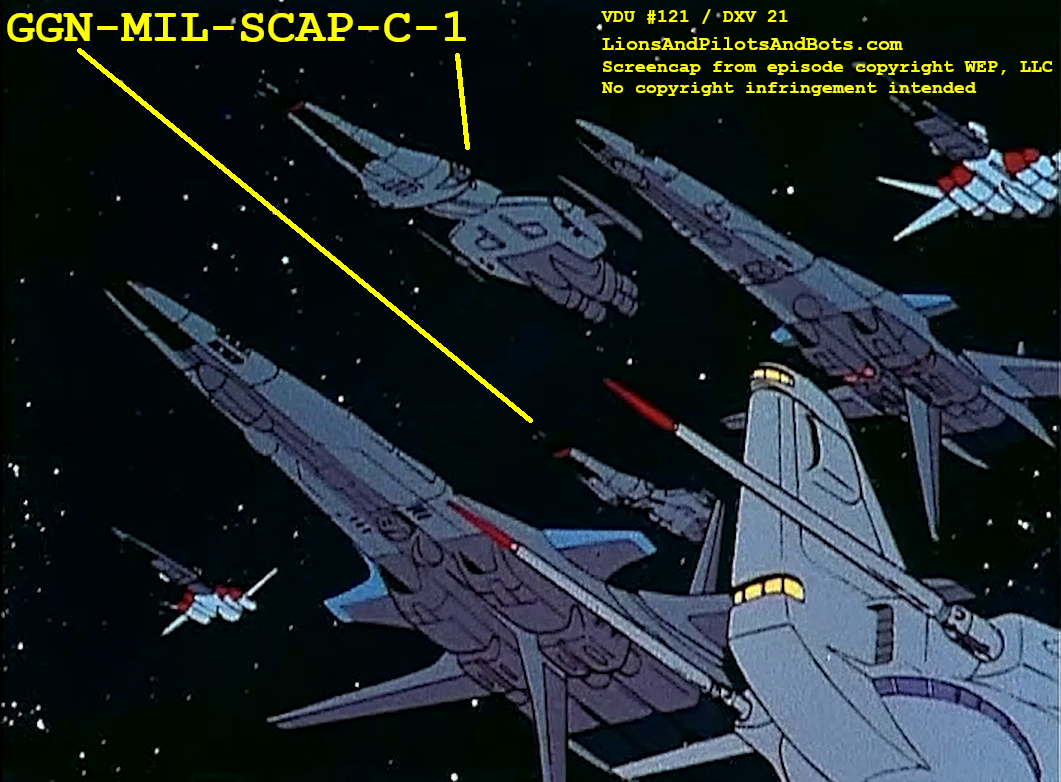
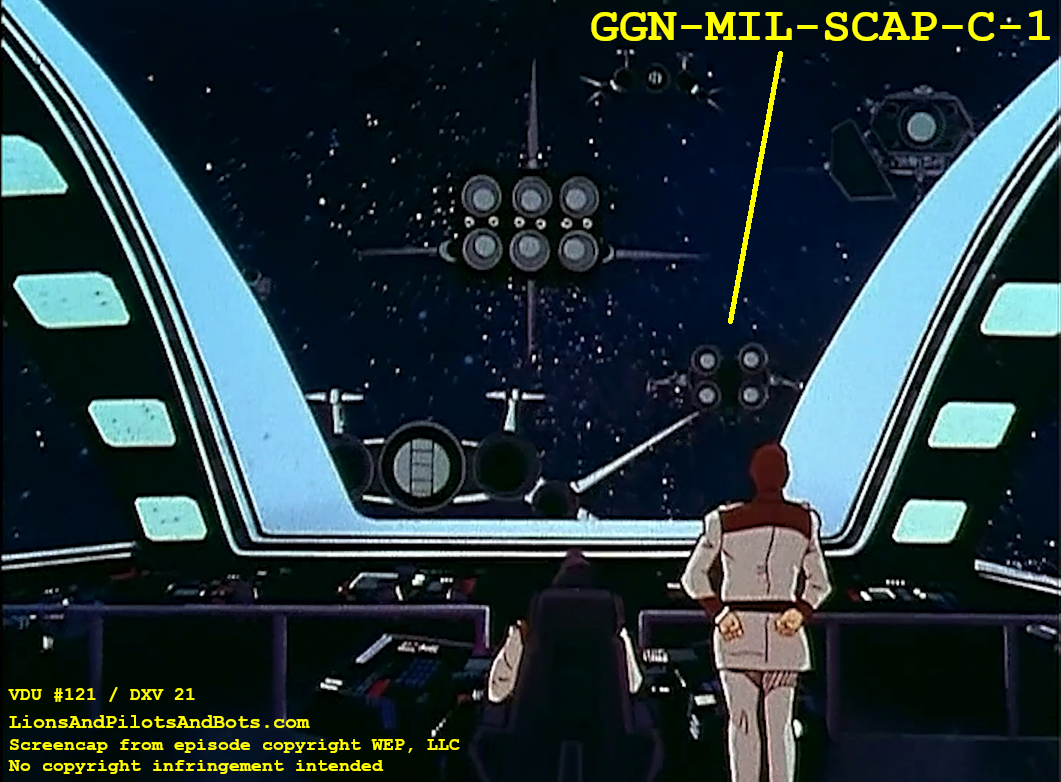
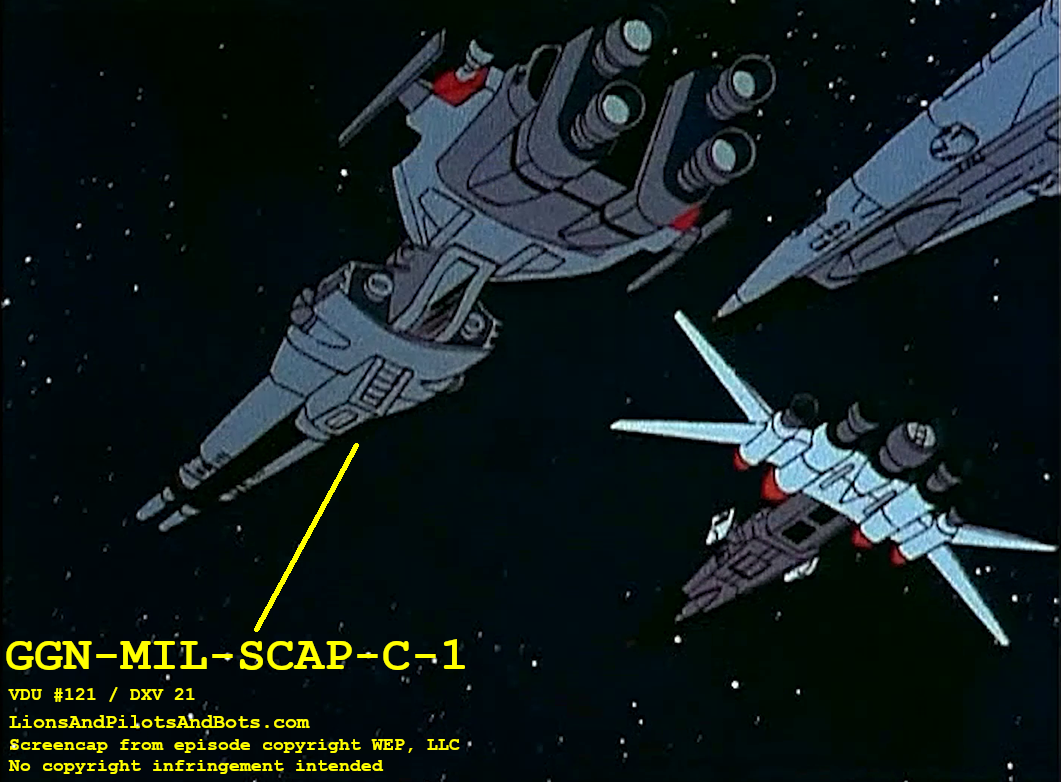
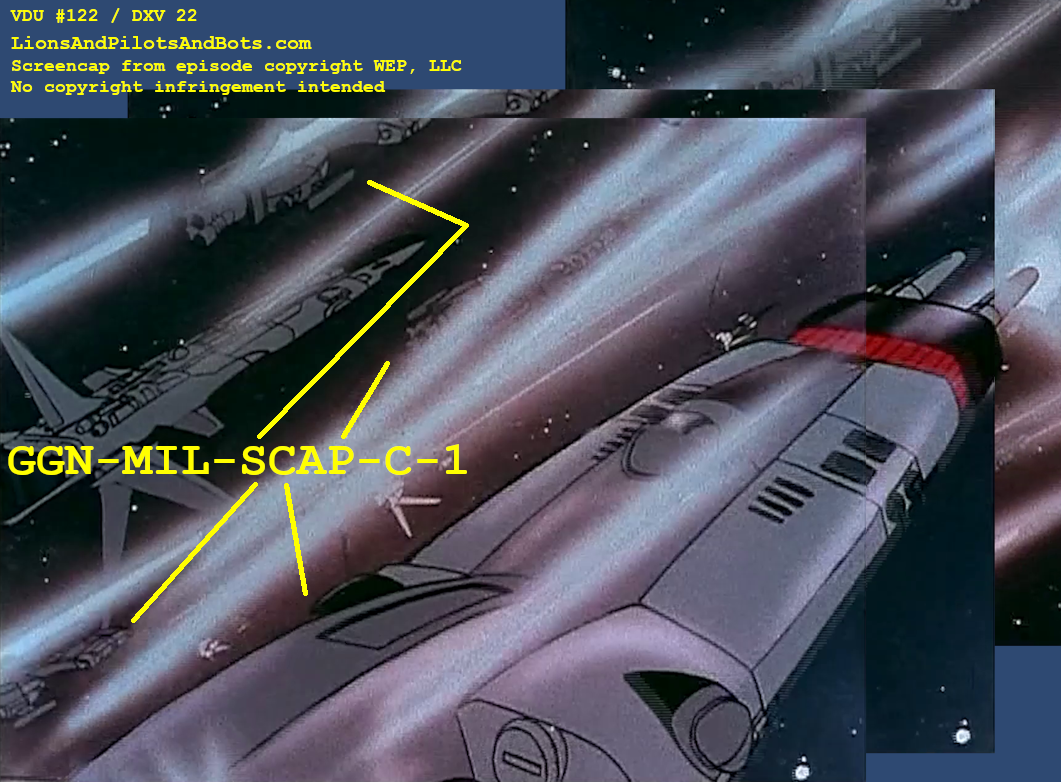
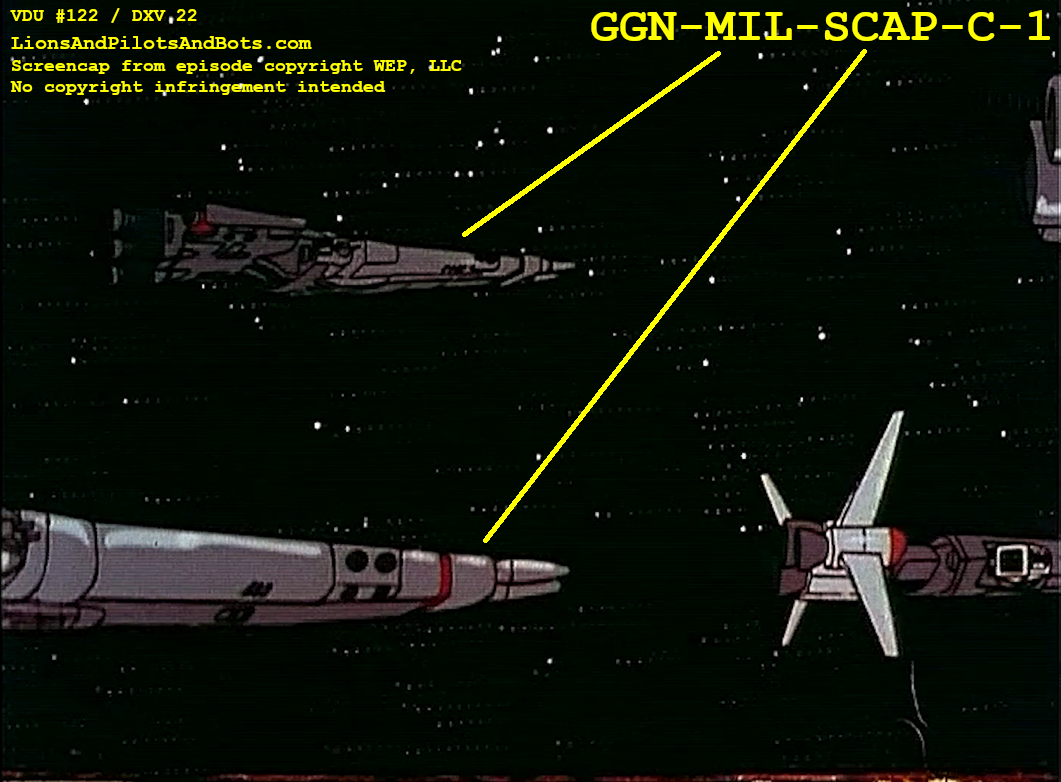
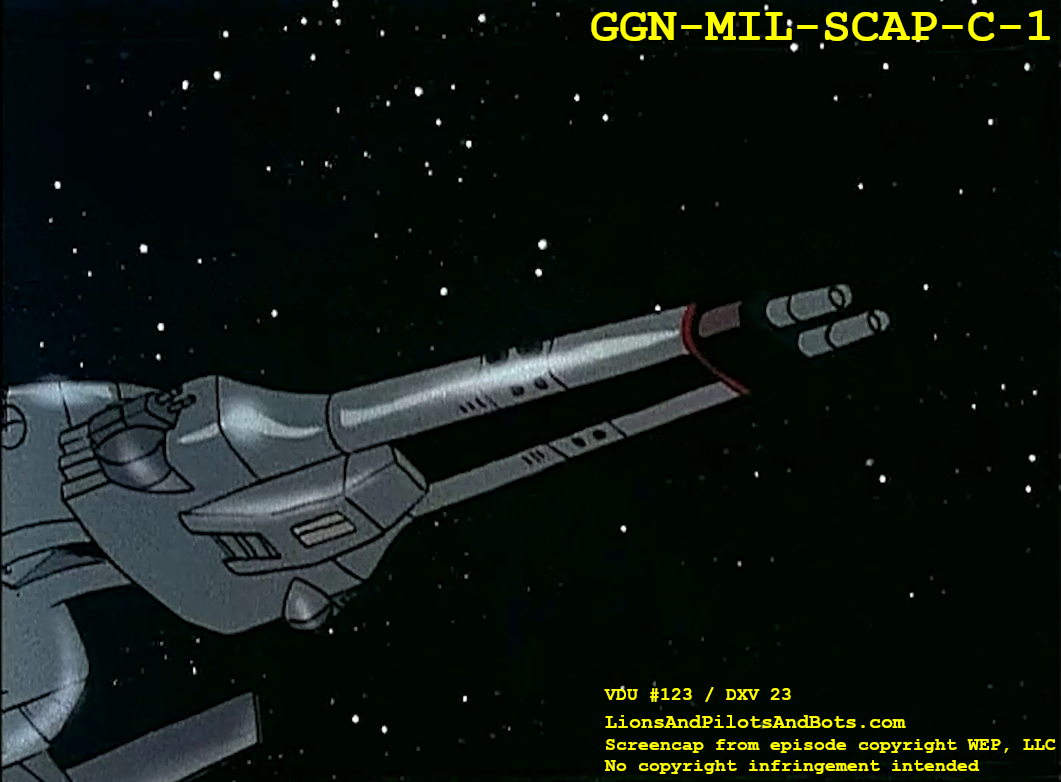
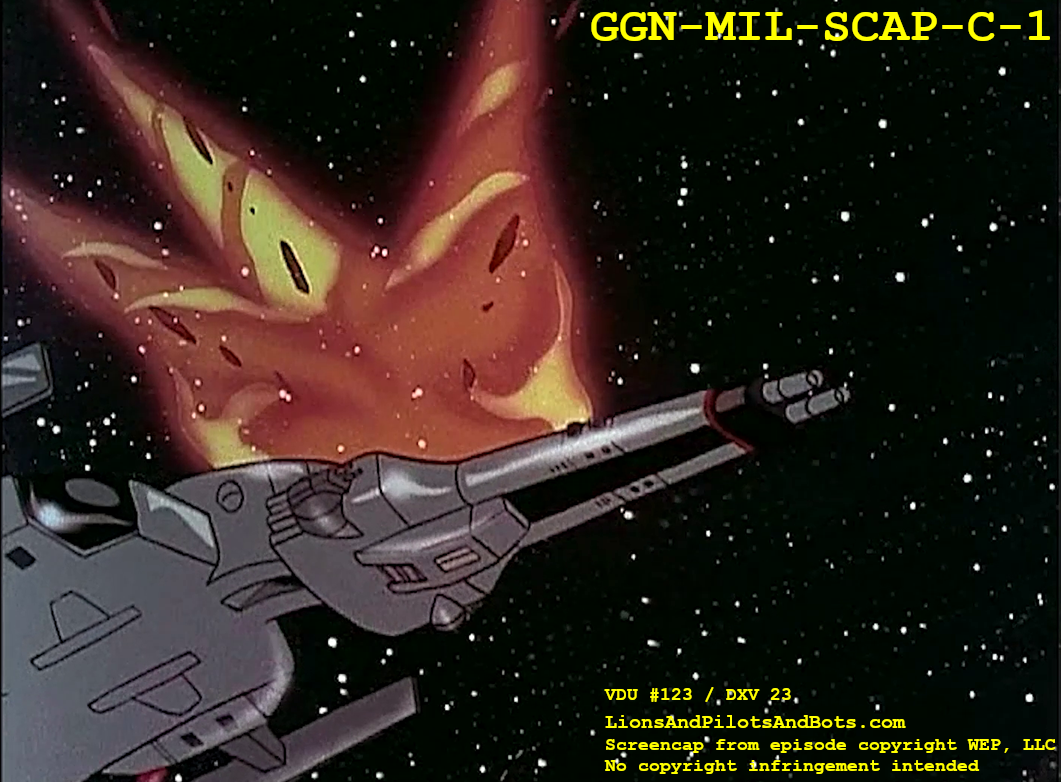
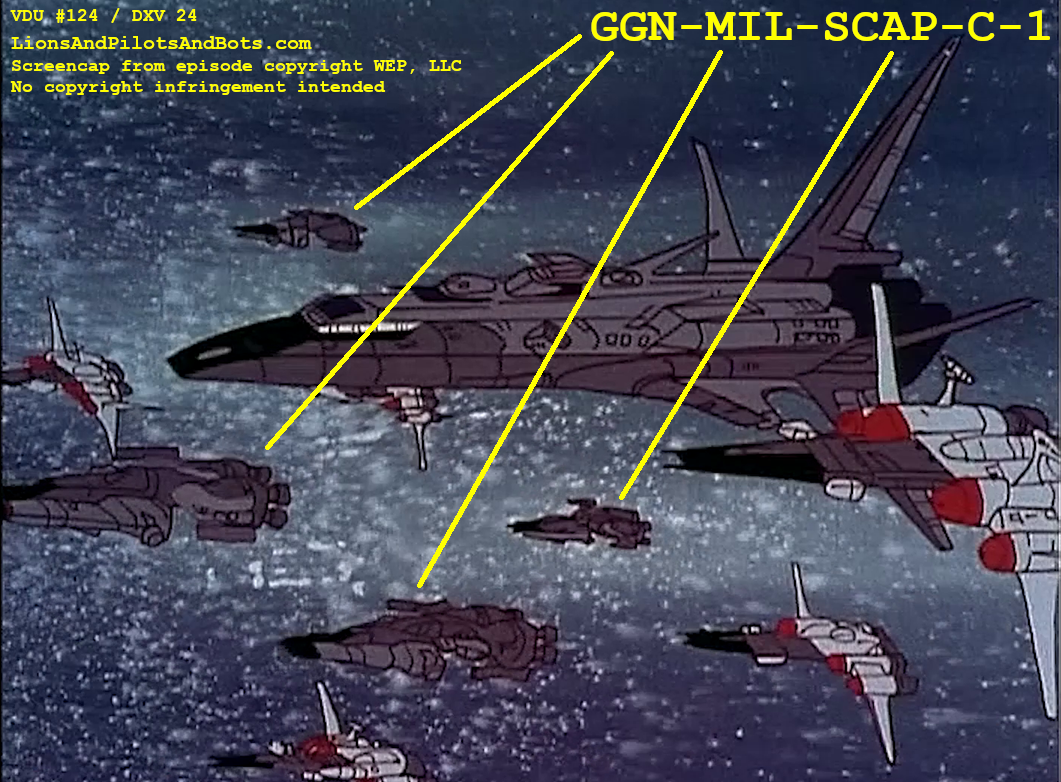
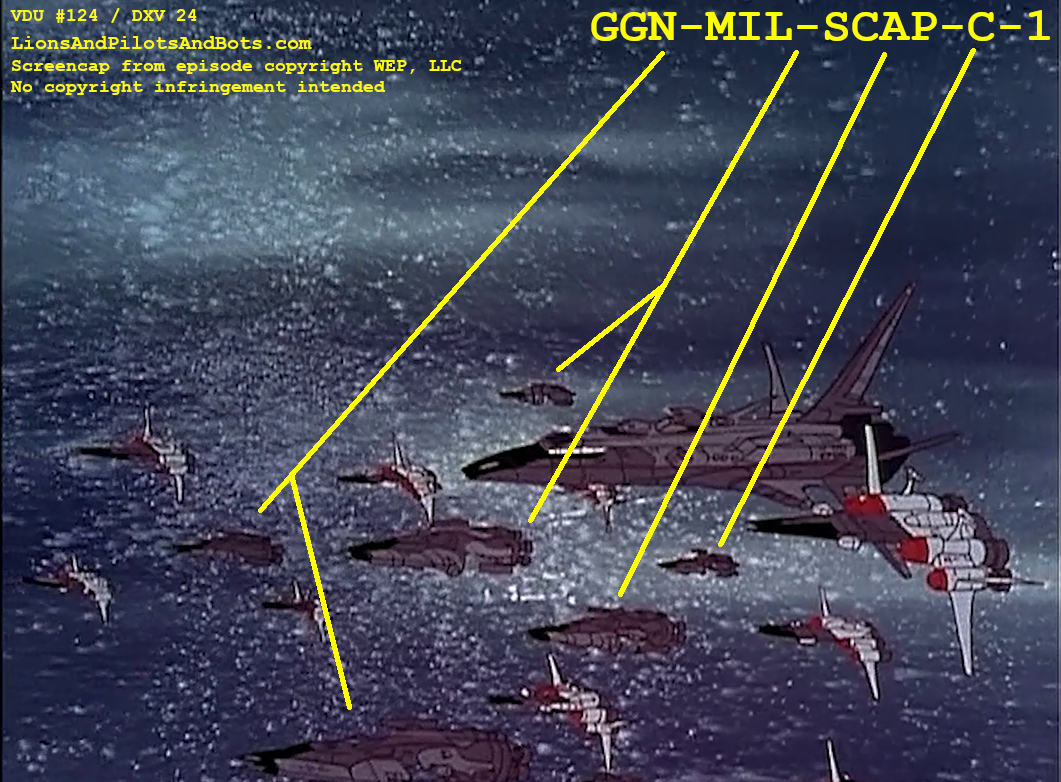
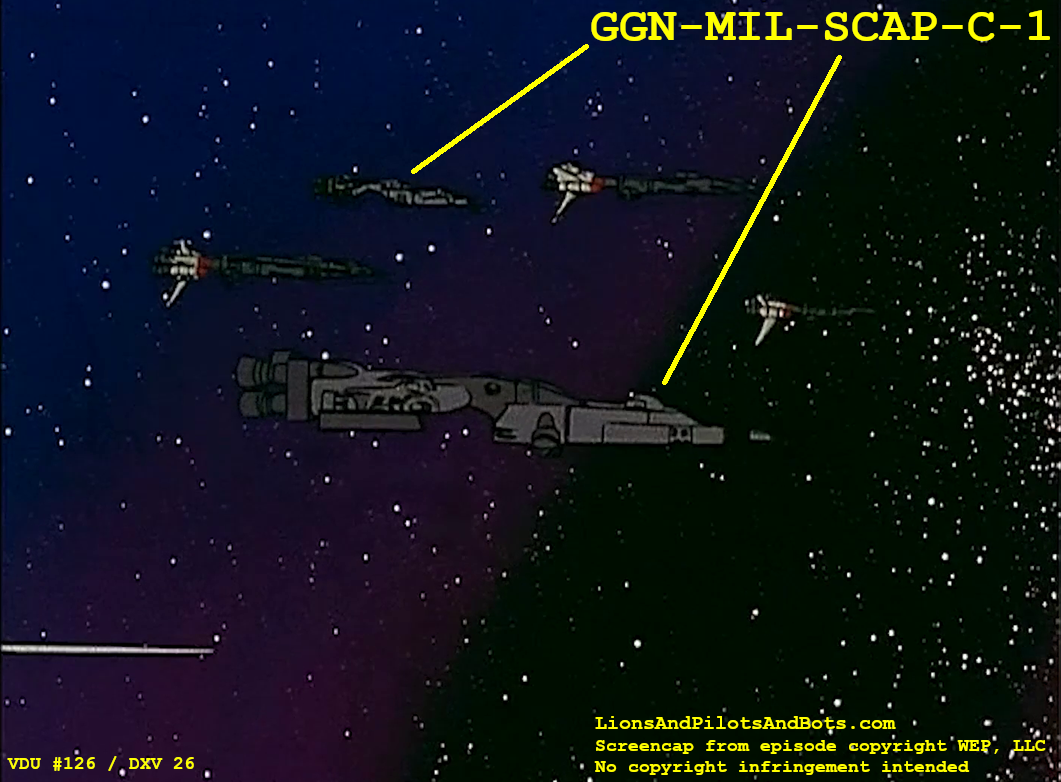
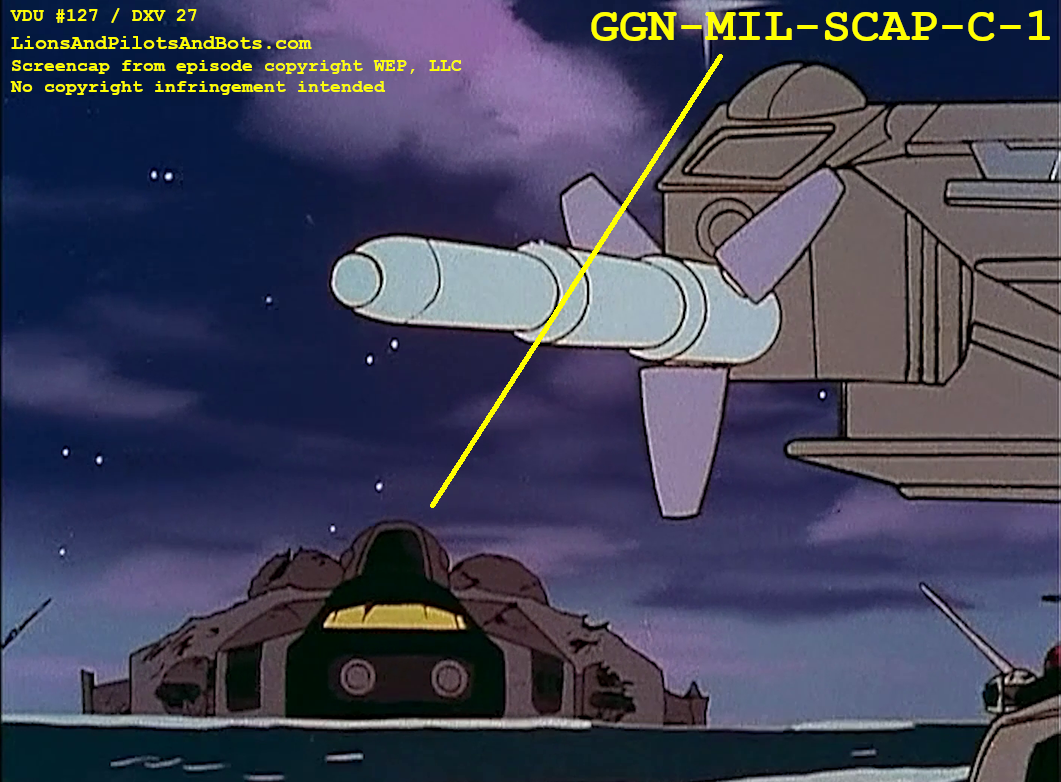
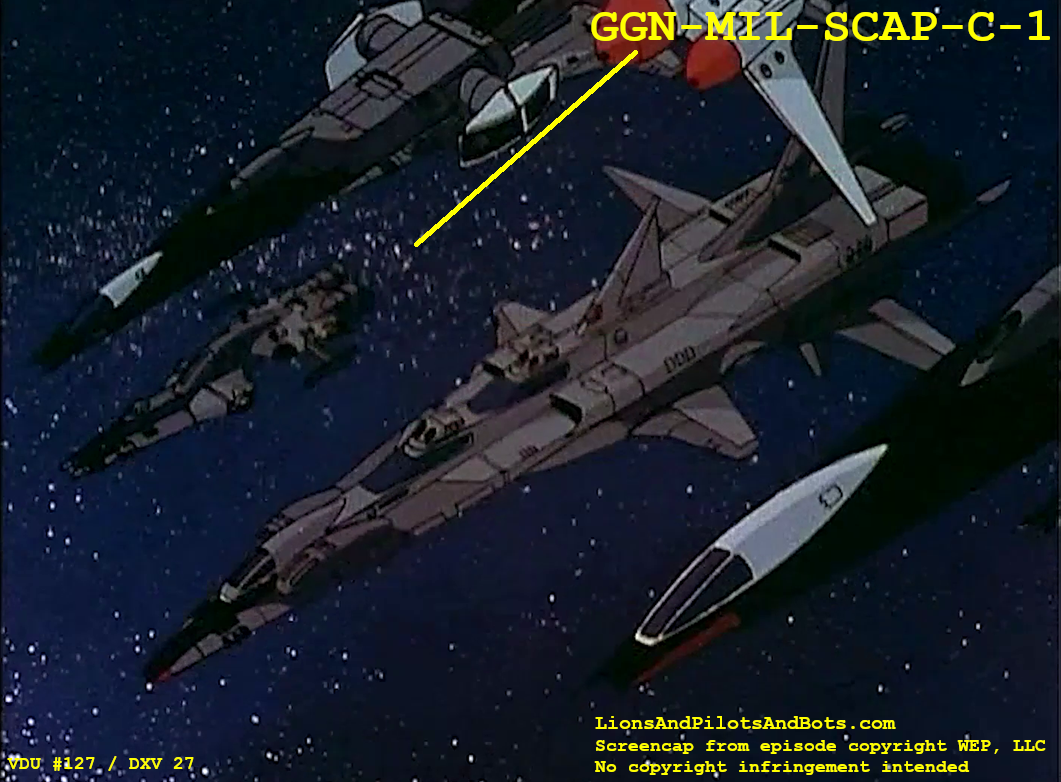
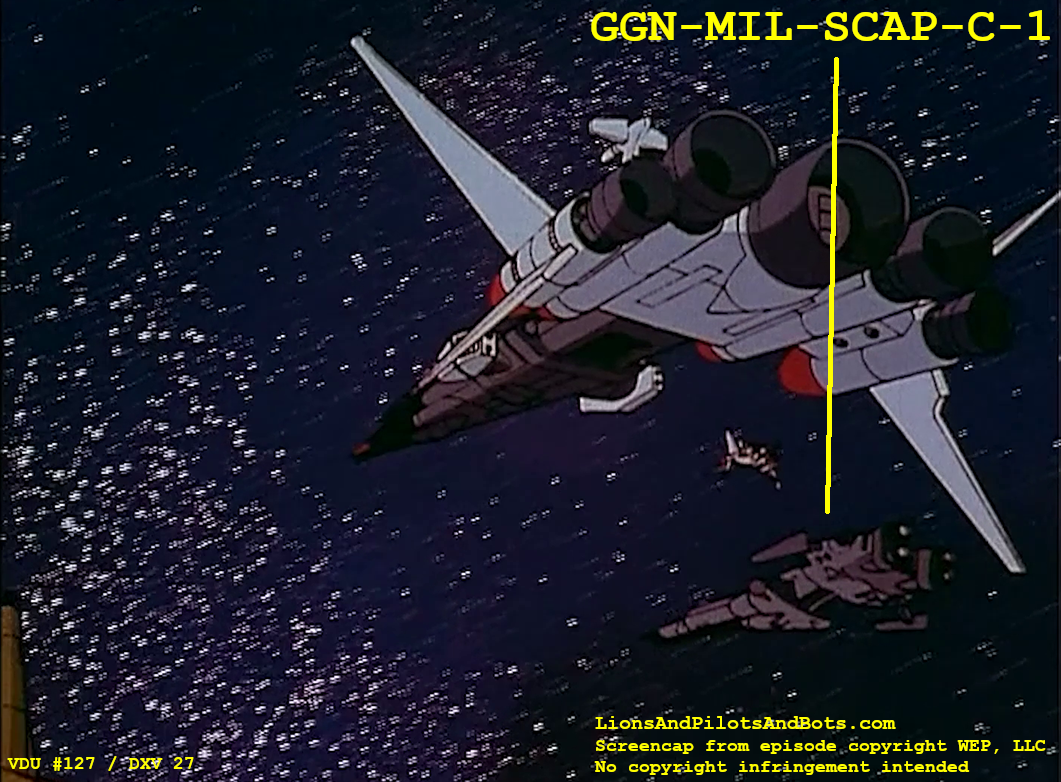
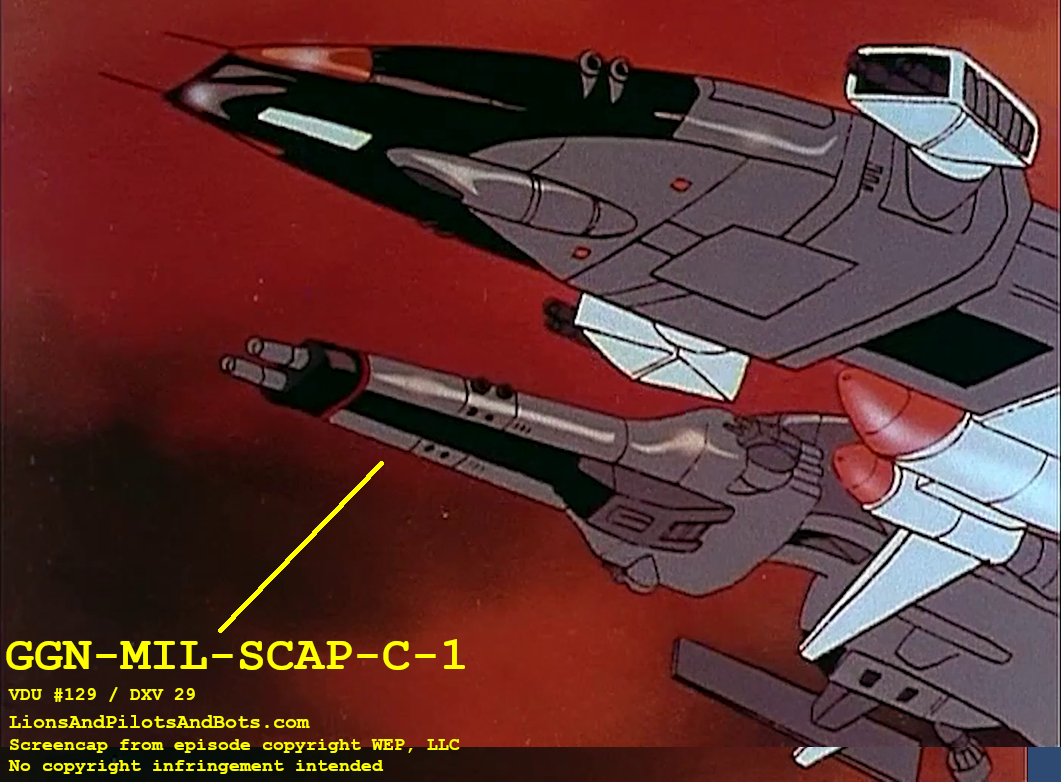
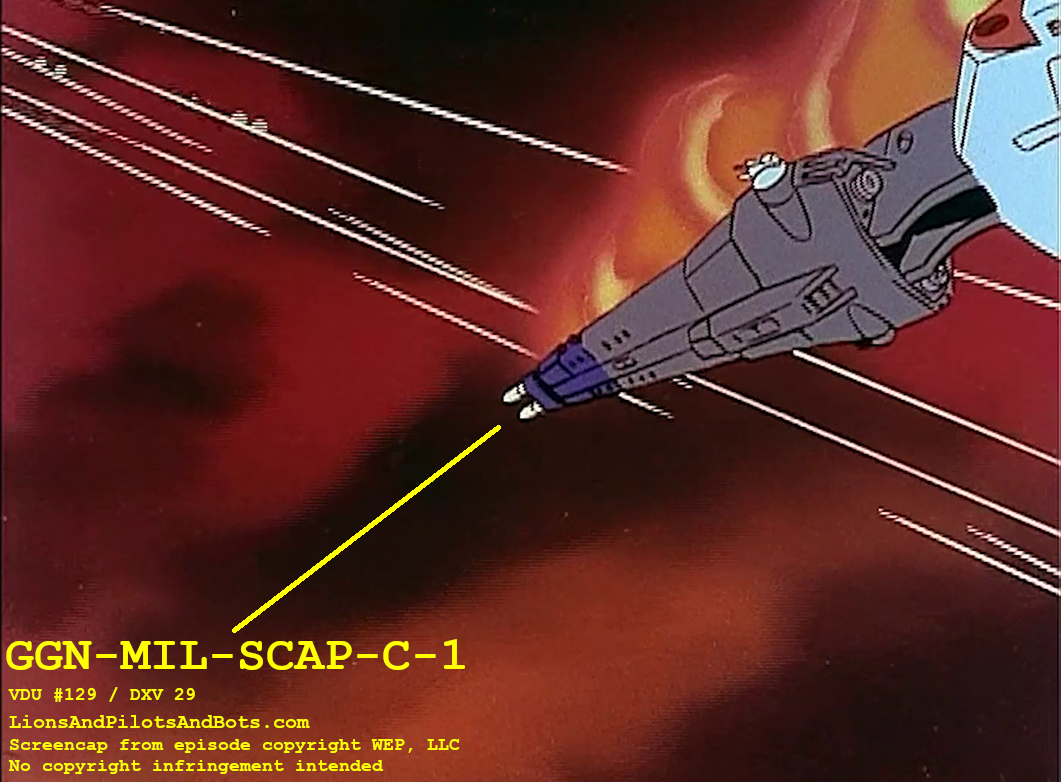
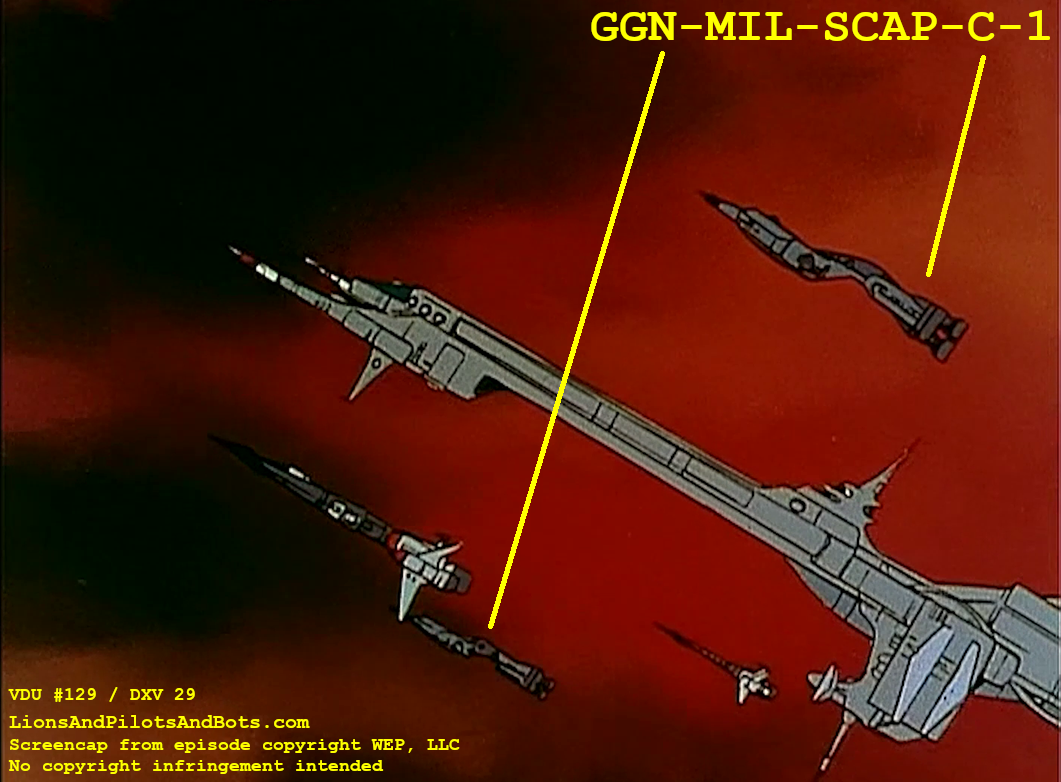
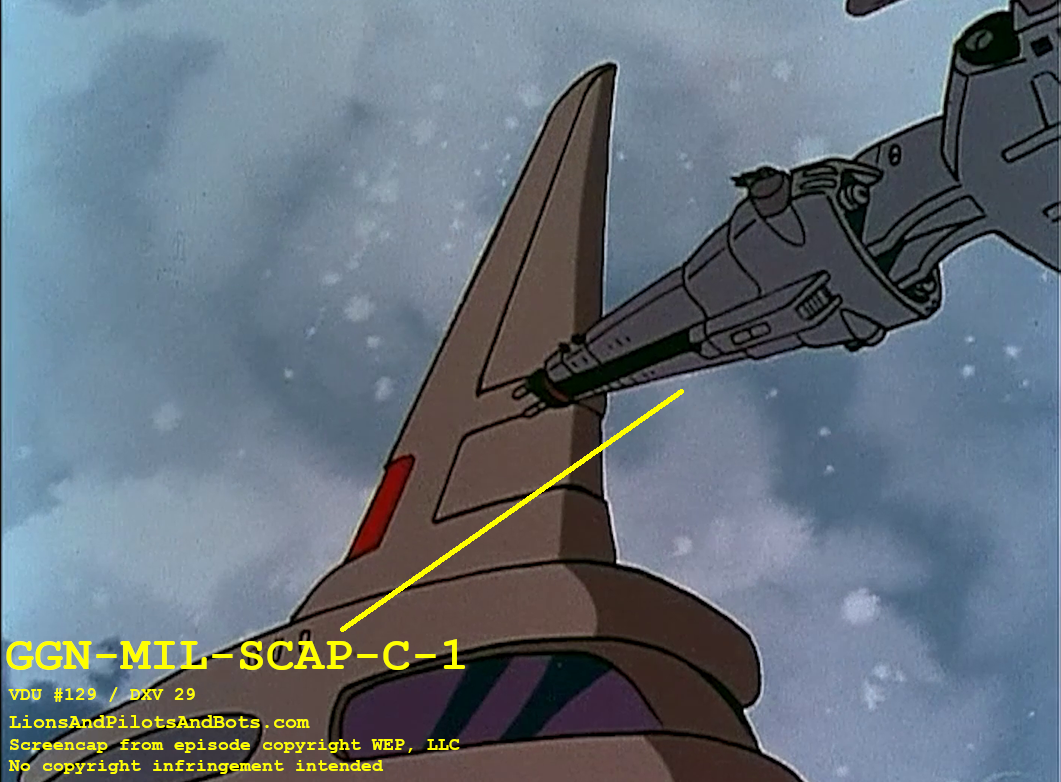
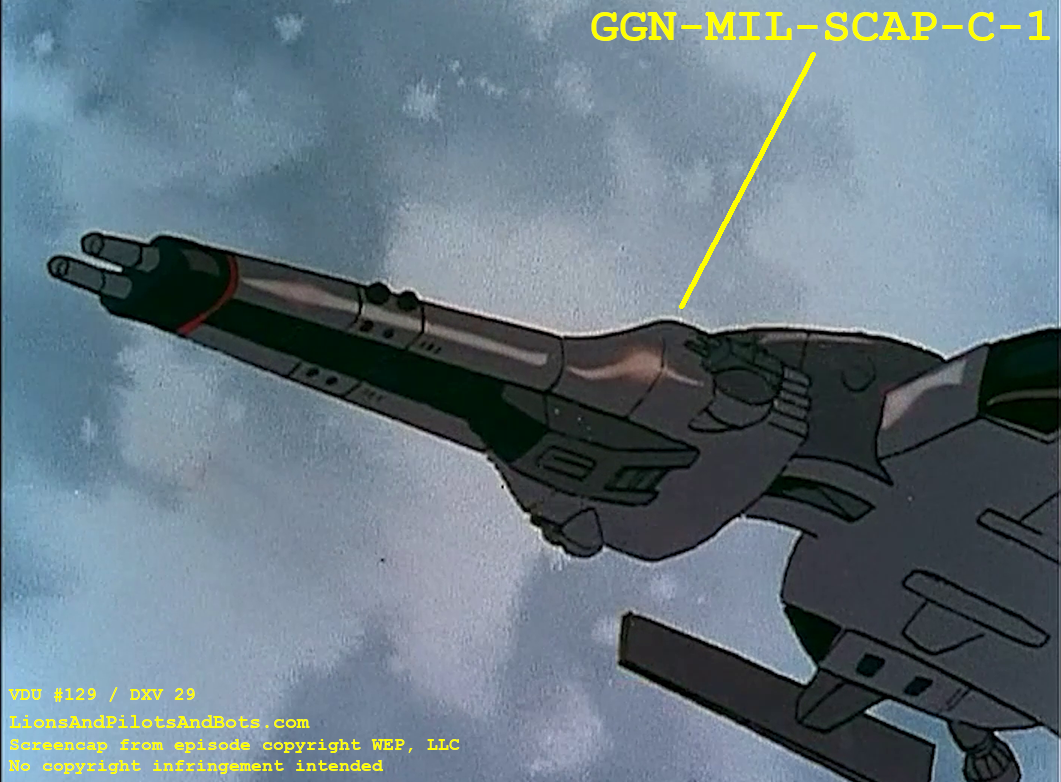
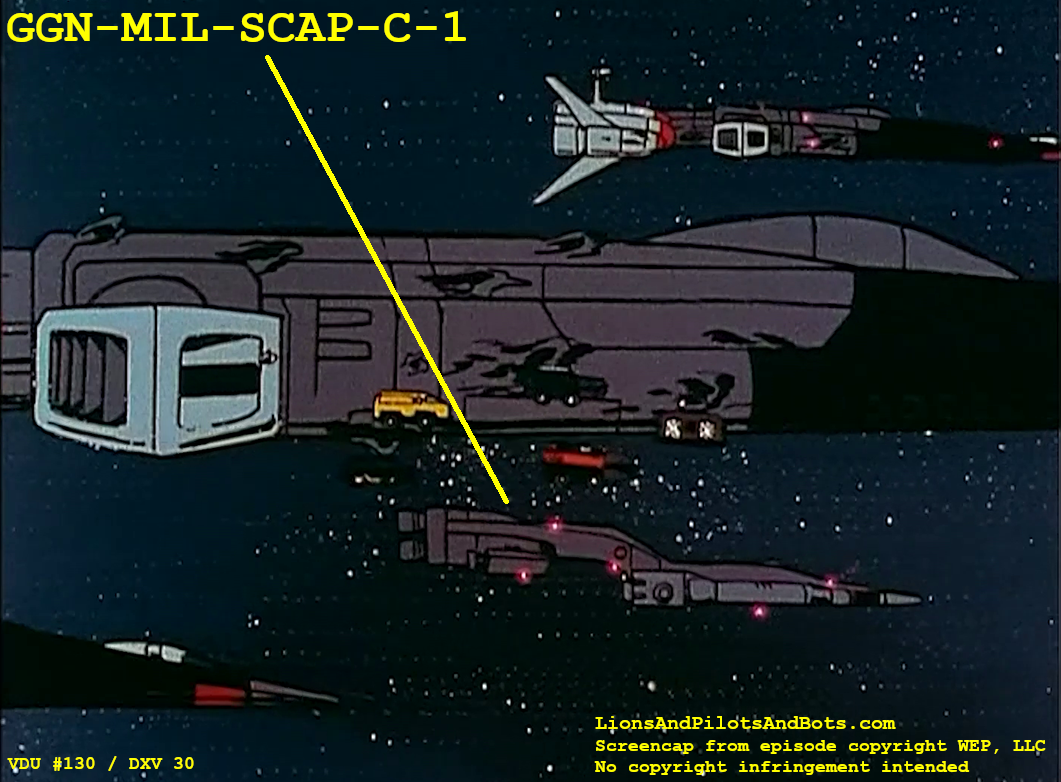
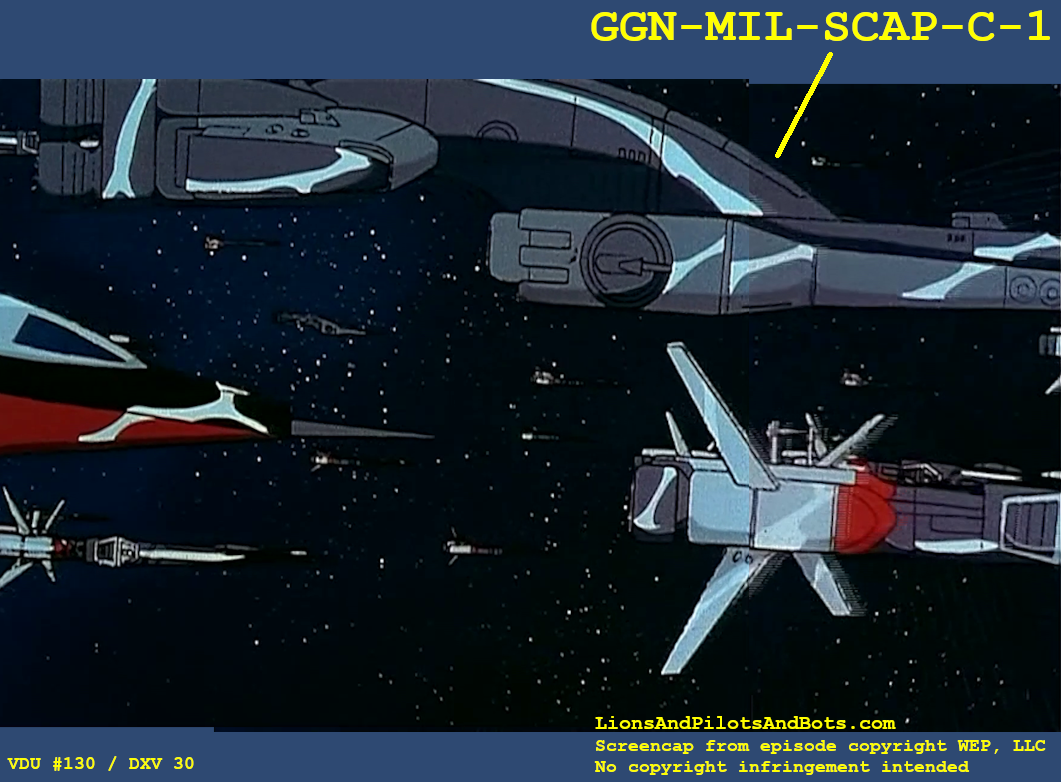
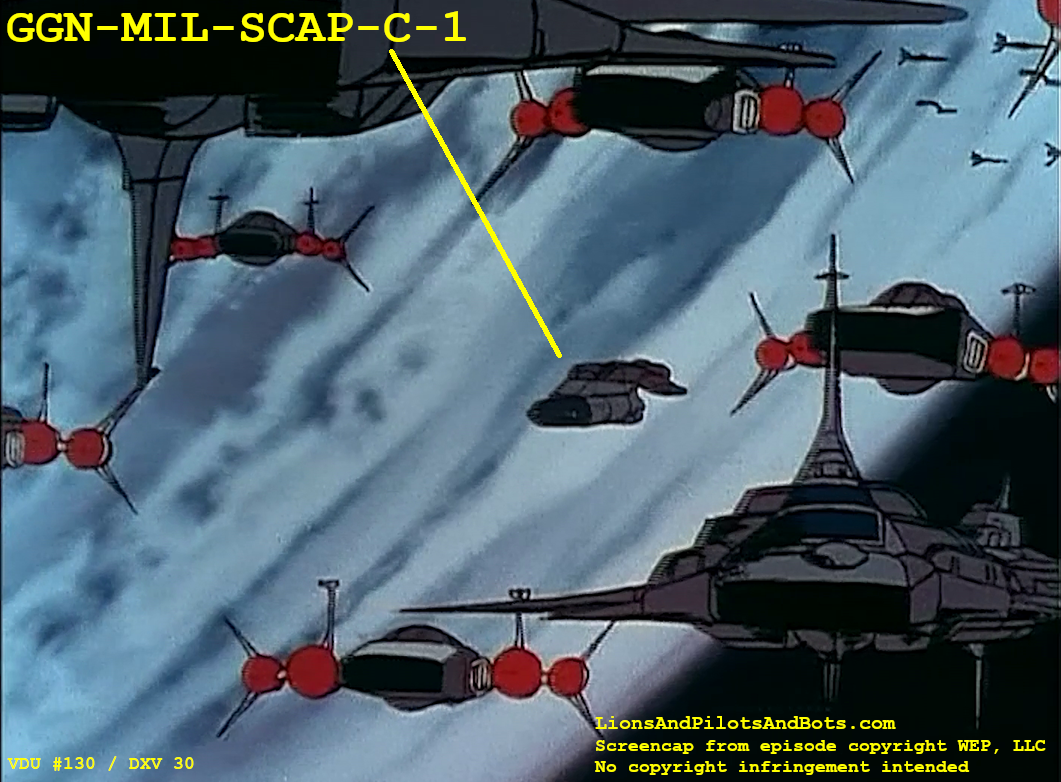
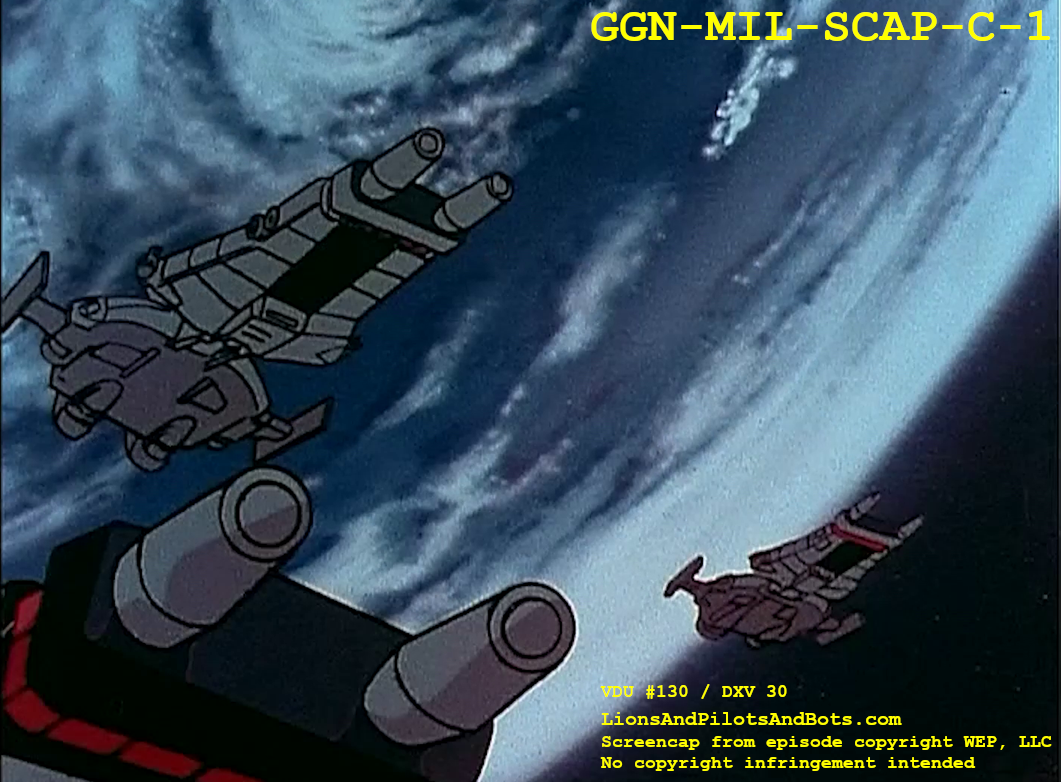
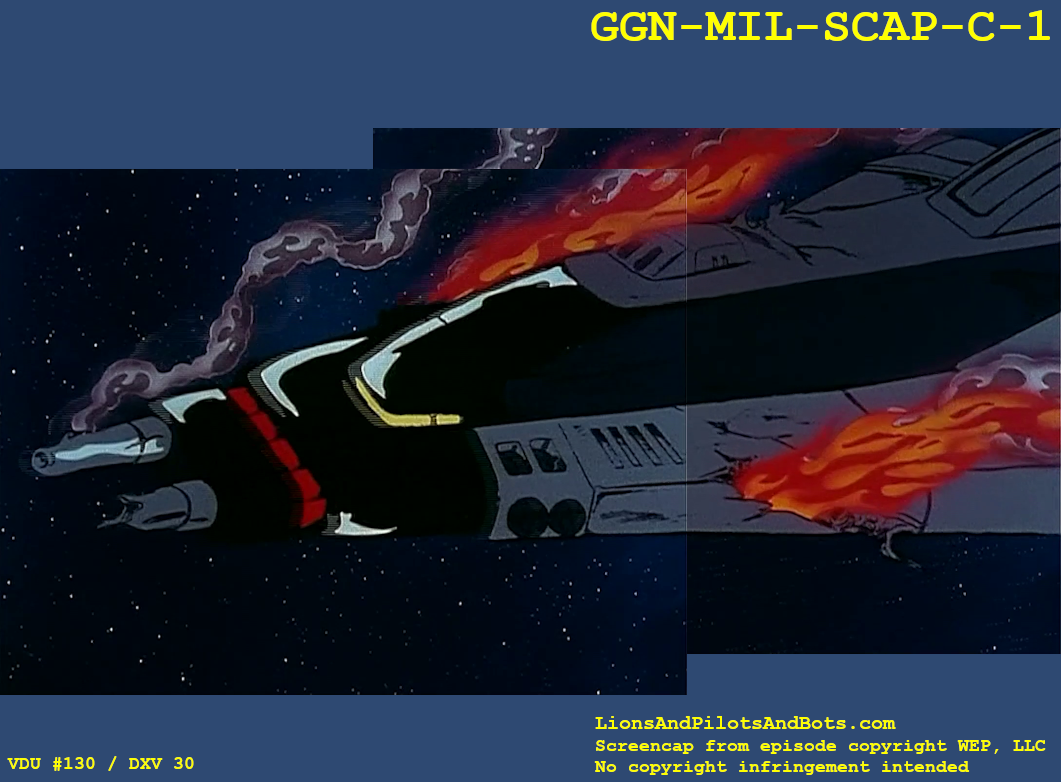
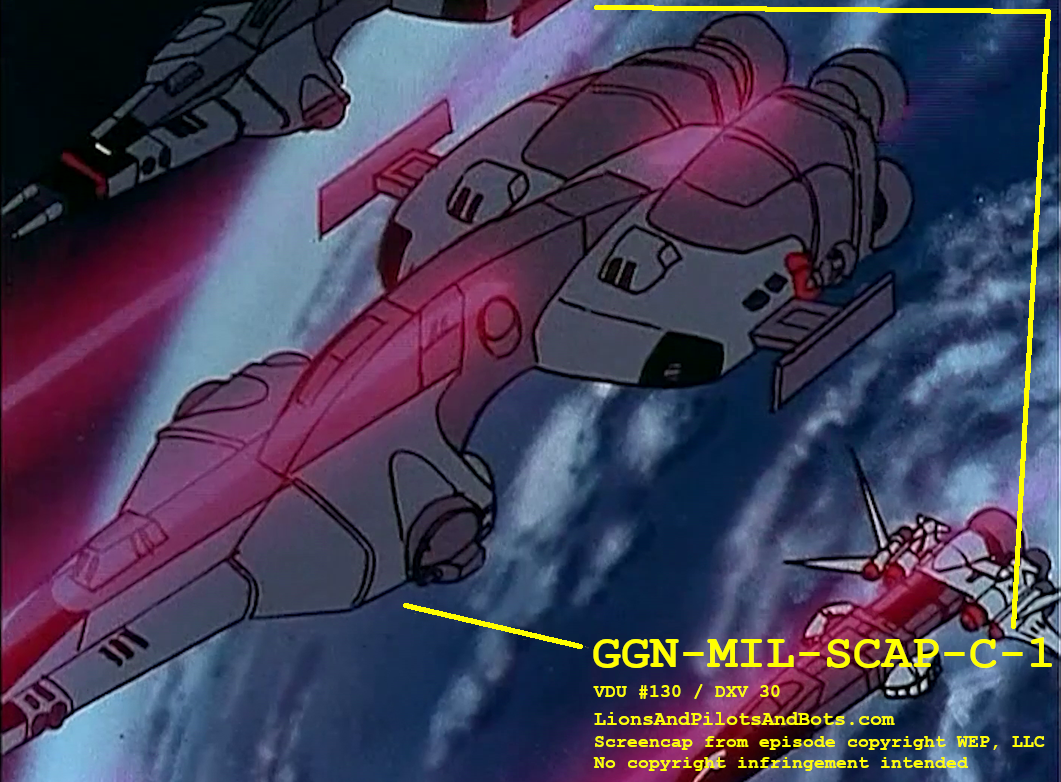
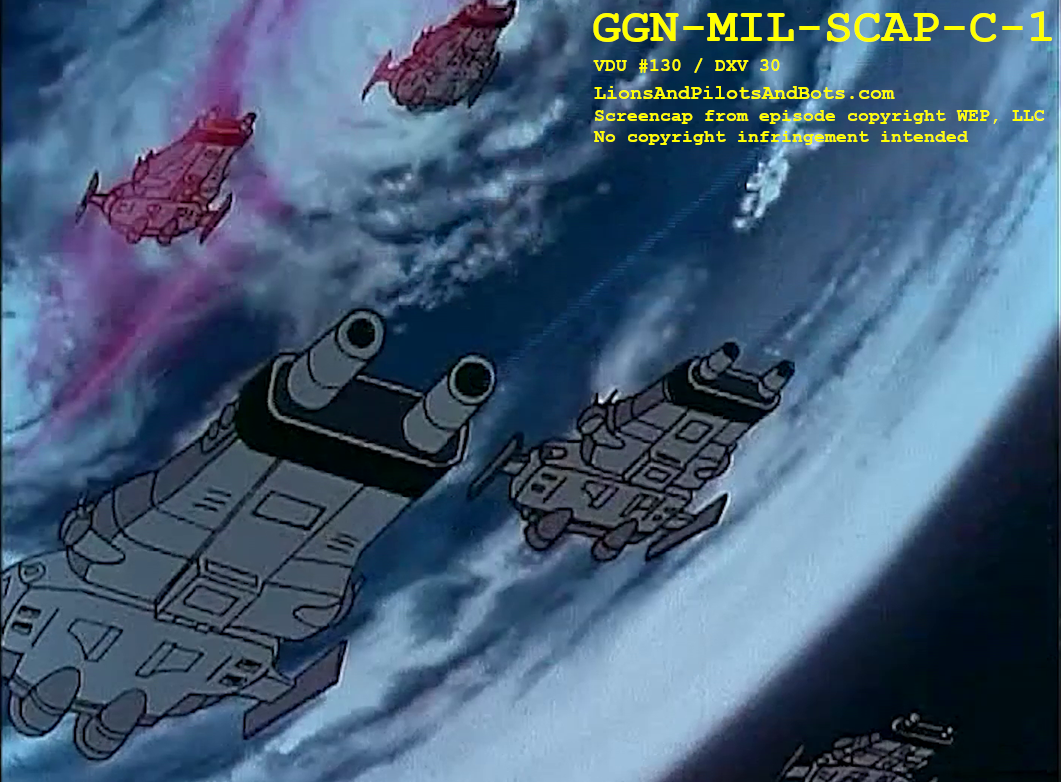
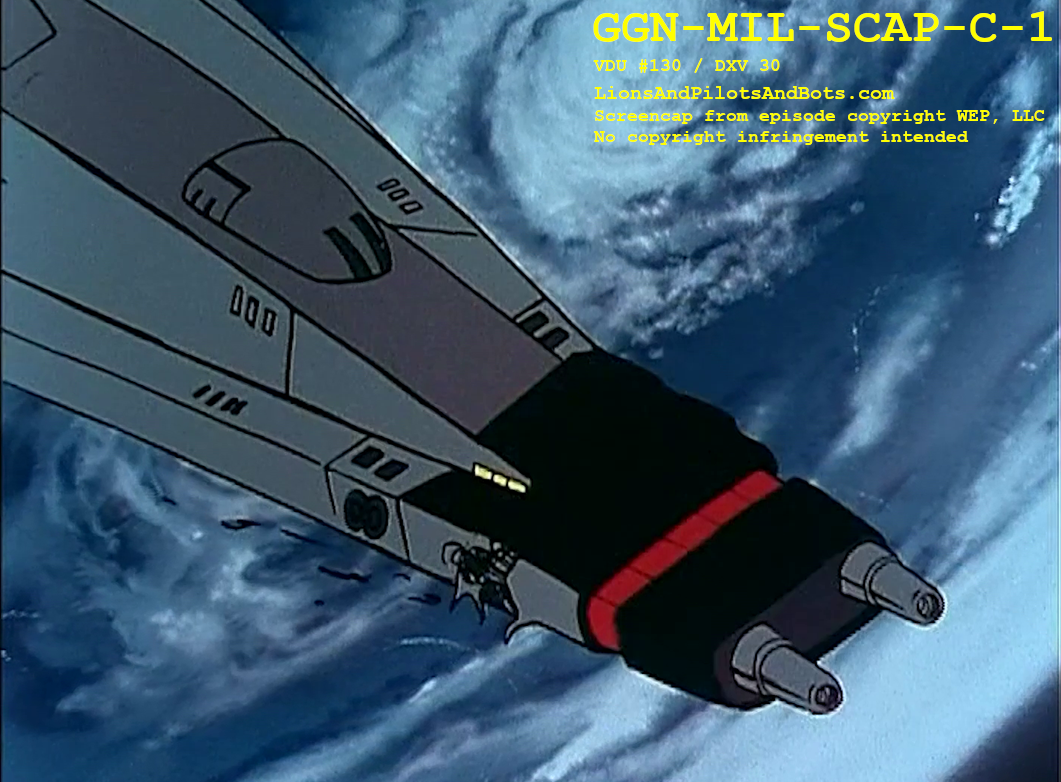
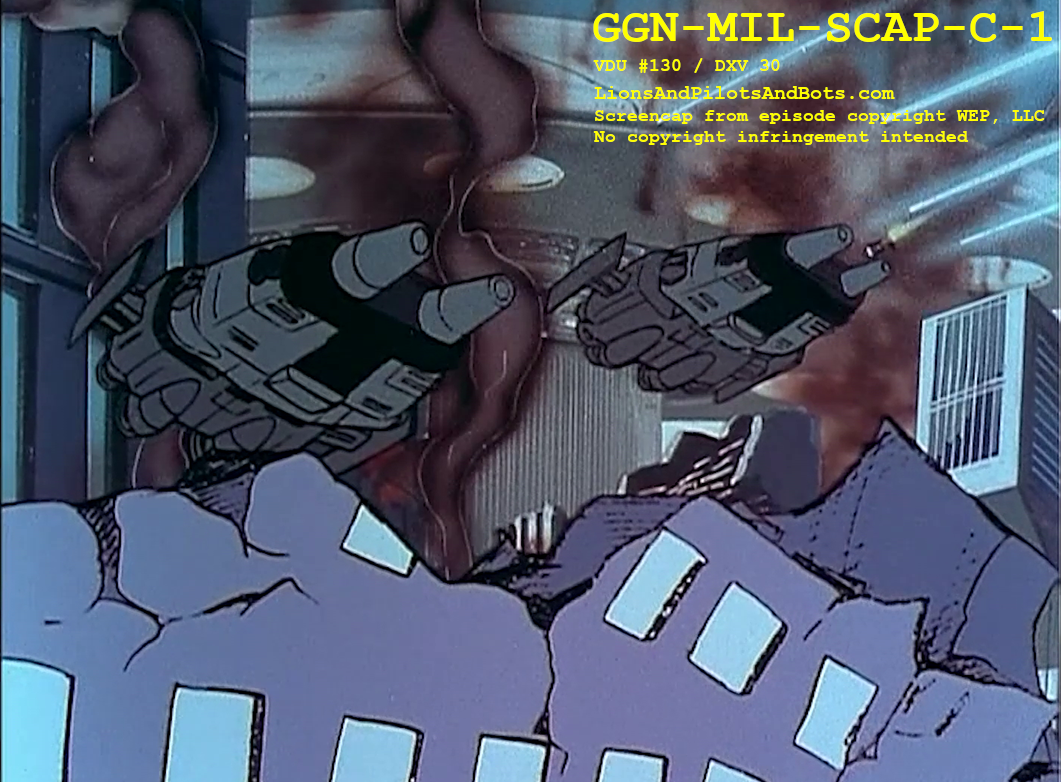
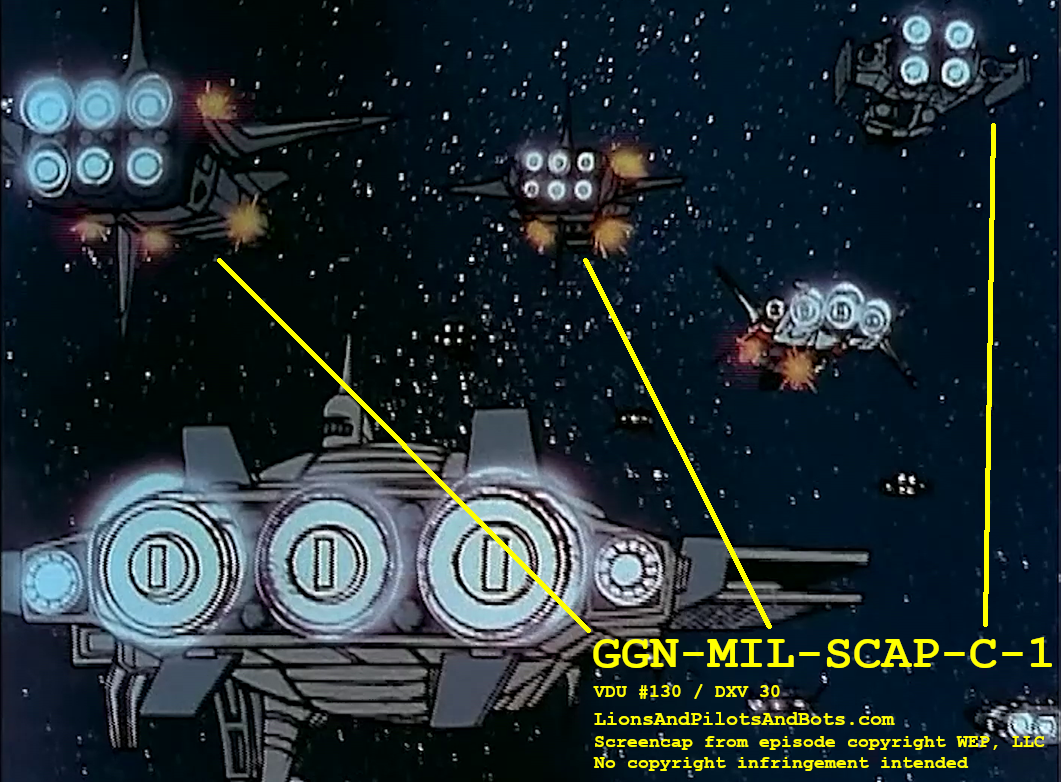
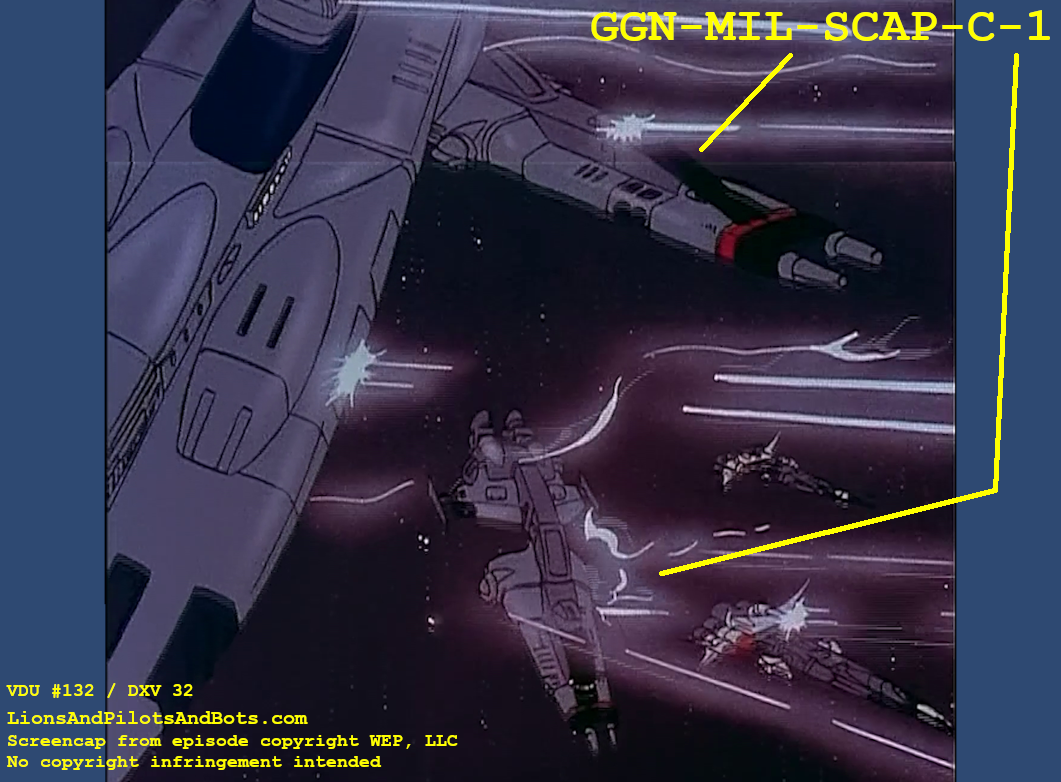
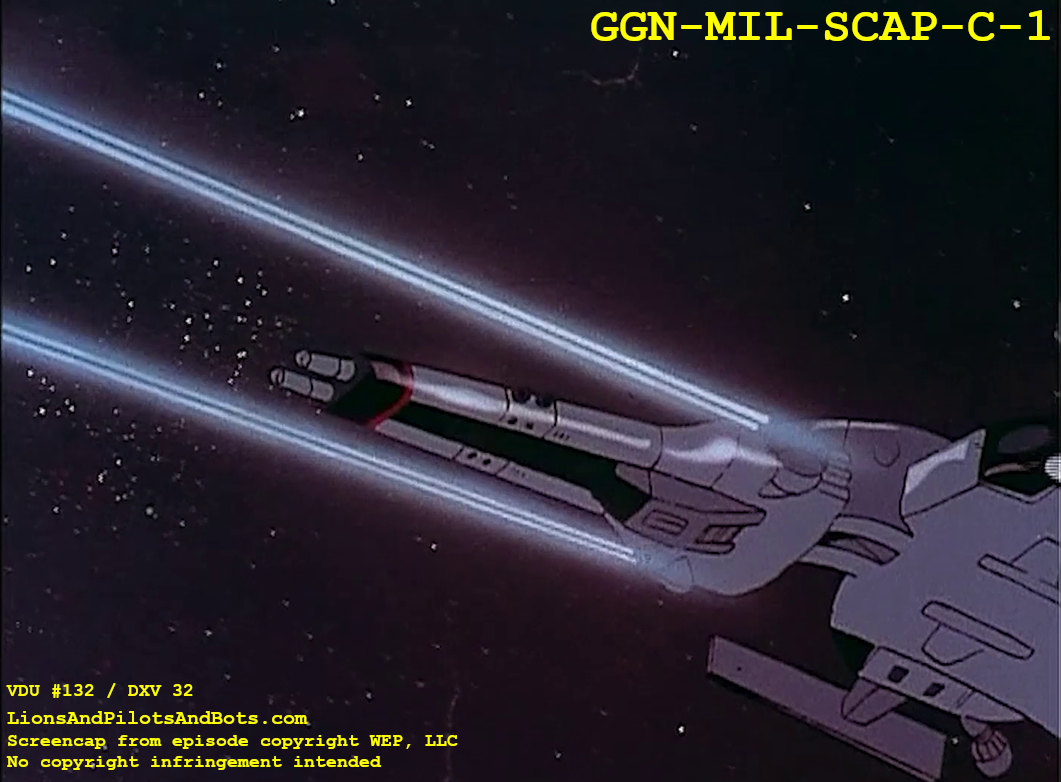
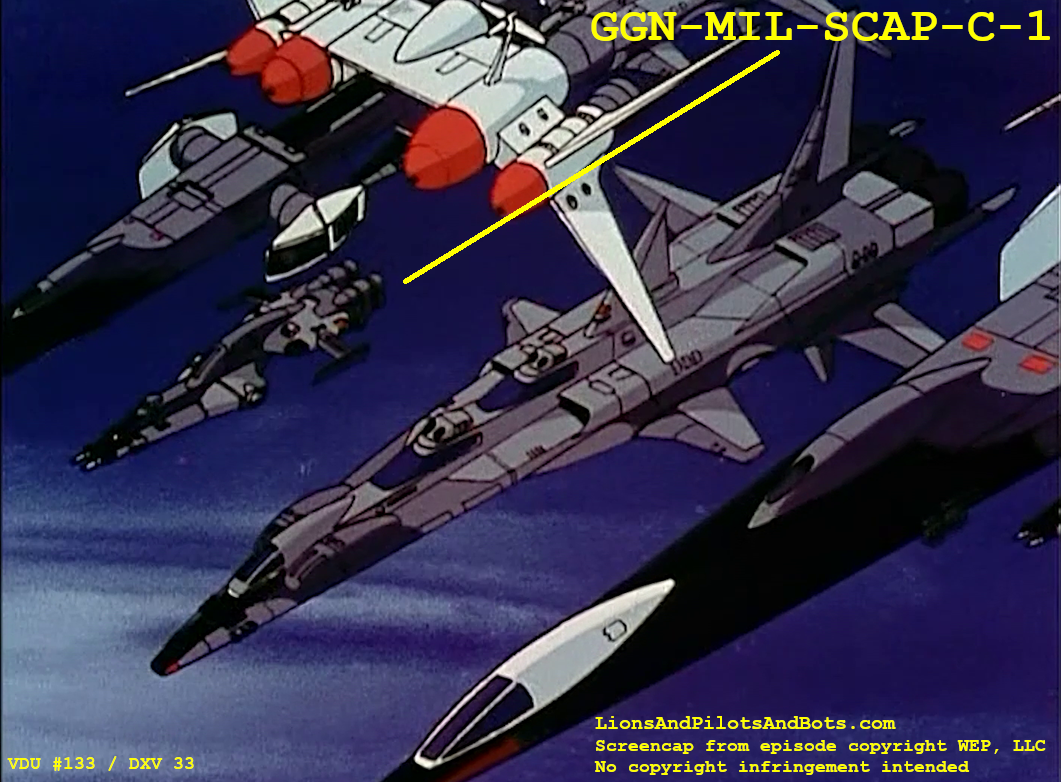
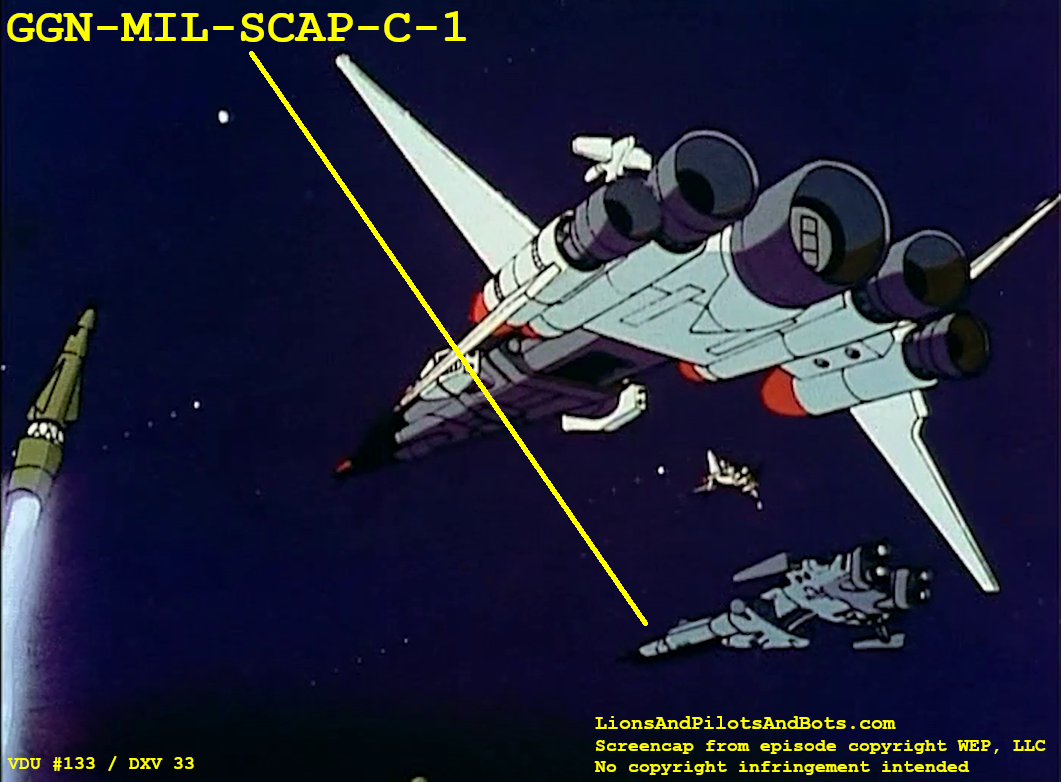
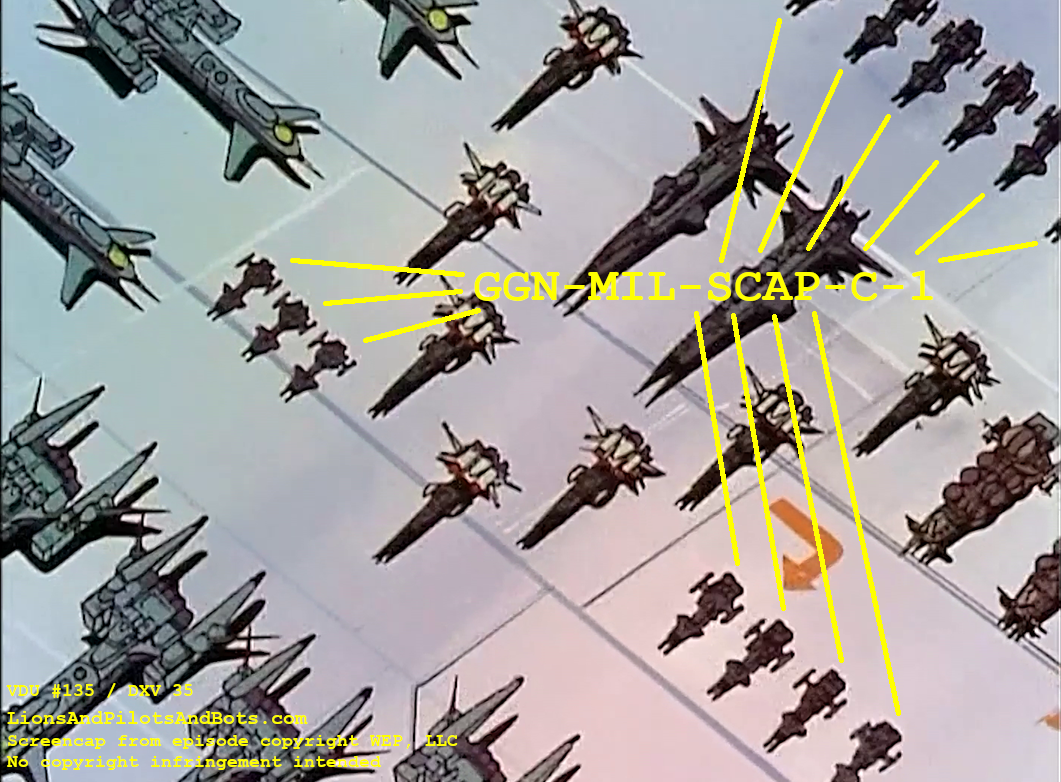
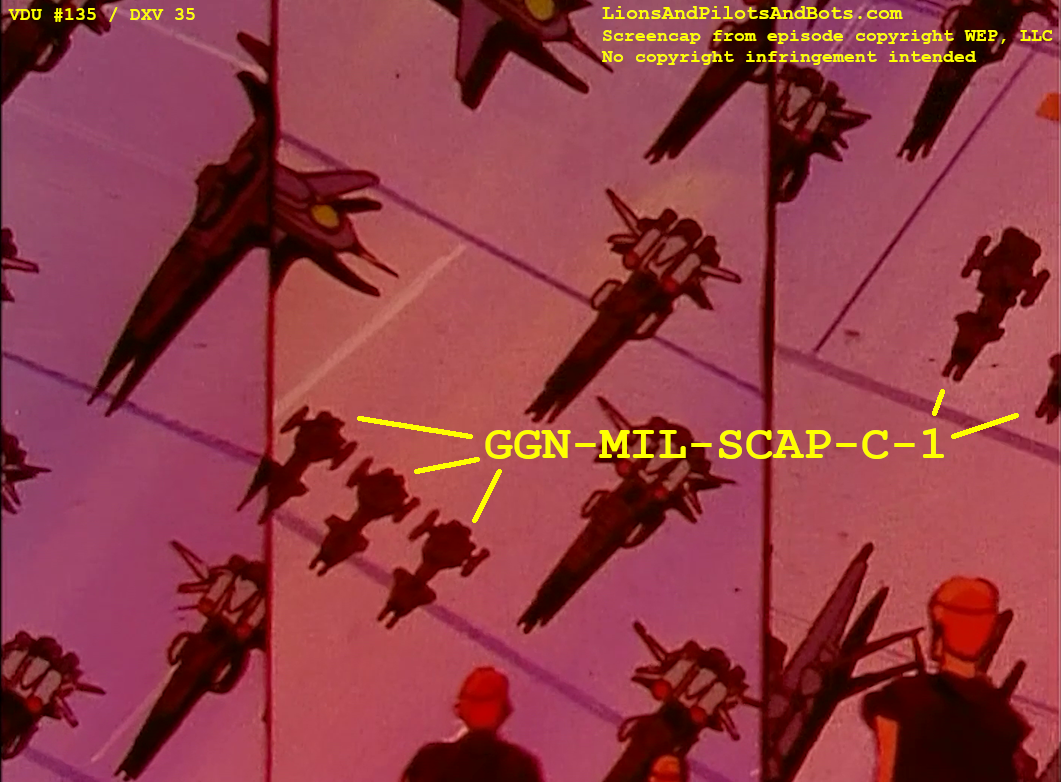
GGN-MIL-SCAP-C-1
GGN-MIL-SCAP-C-1 spacecraft often serve in Galaxy Garrison support or combat fleets.
 |  |  |
 |  |  |
 |  |  |
 |  |  |
 |  |  |
 |  |  |
 |  |  |
 |  |  |
 |  |  |
 |  |  |
 |  |  |
 |  |  |
 |  |  |
 |  |  |
 |  |  |
 |  |  |
 |  |  |
 |  |  |
 |  | |
 |  |  |
 |  |  |
 |  |  |
 |  |  |
Return to Vehicle Types – Summary Information
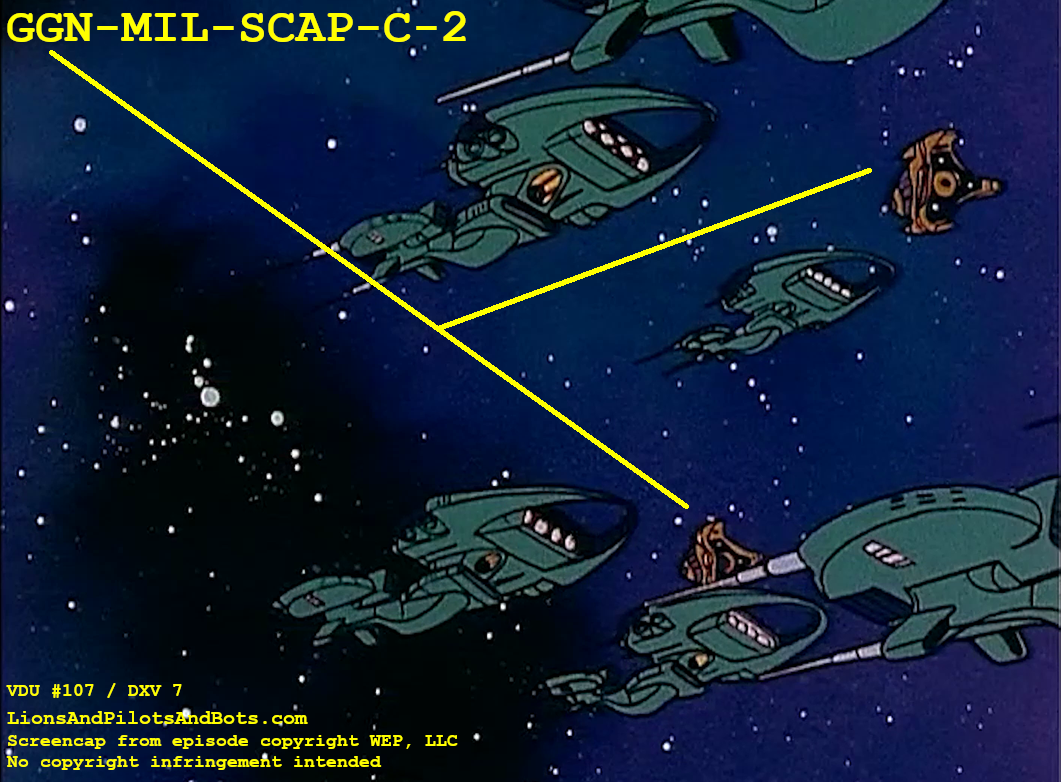
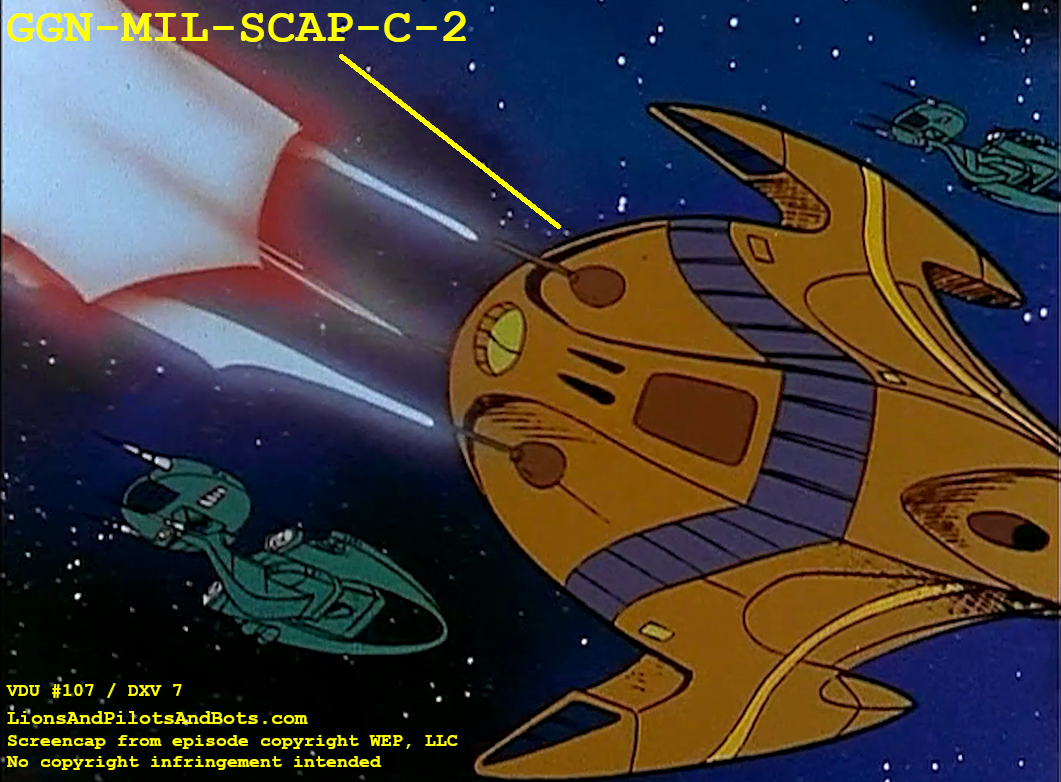
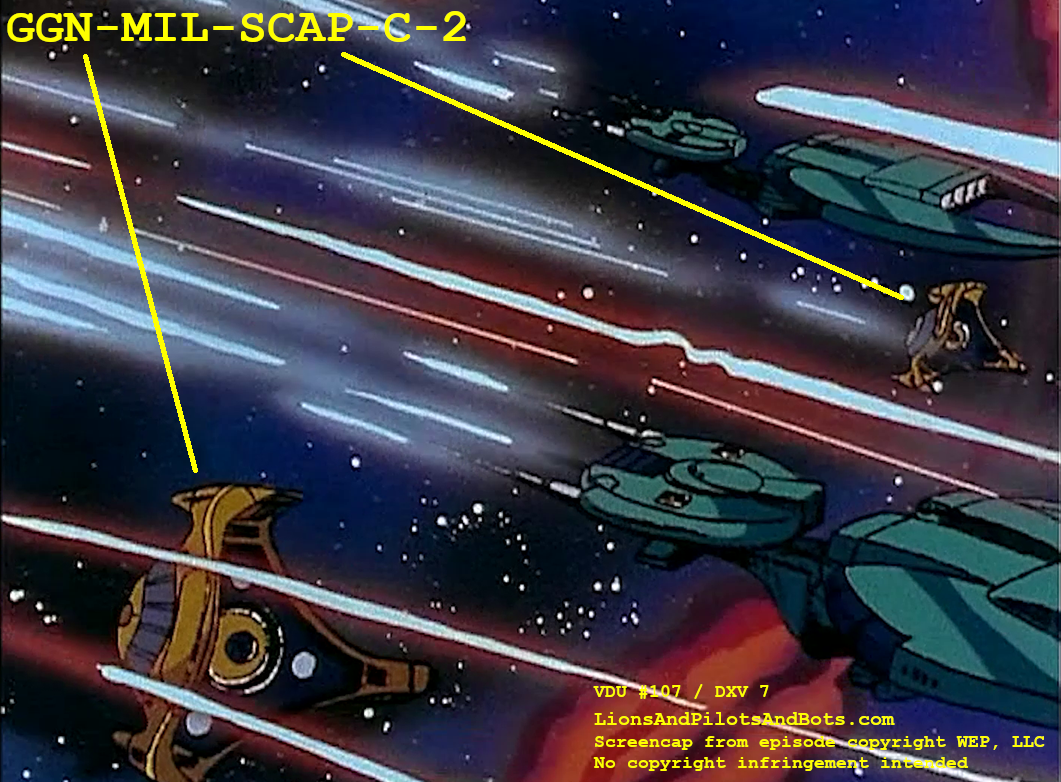
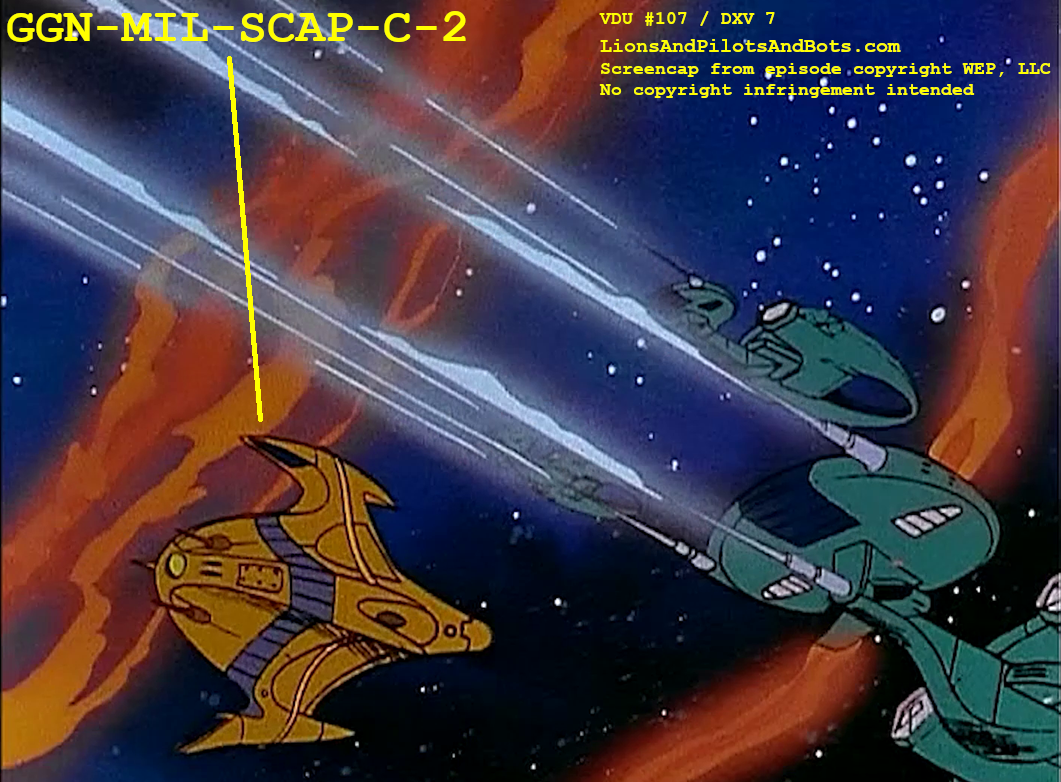
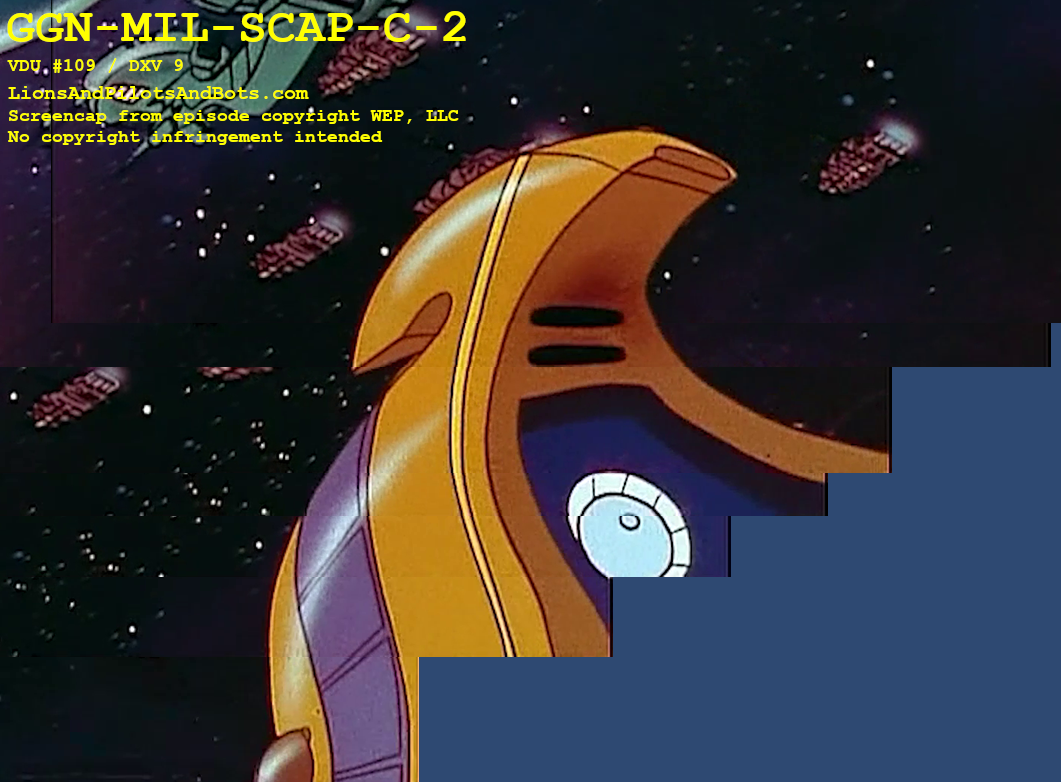
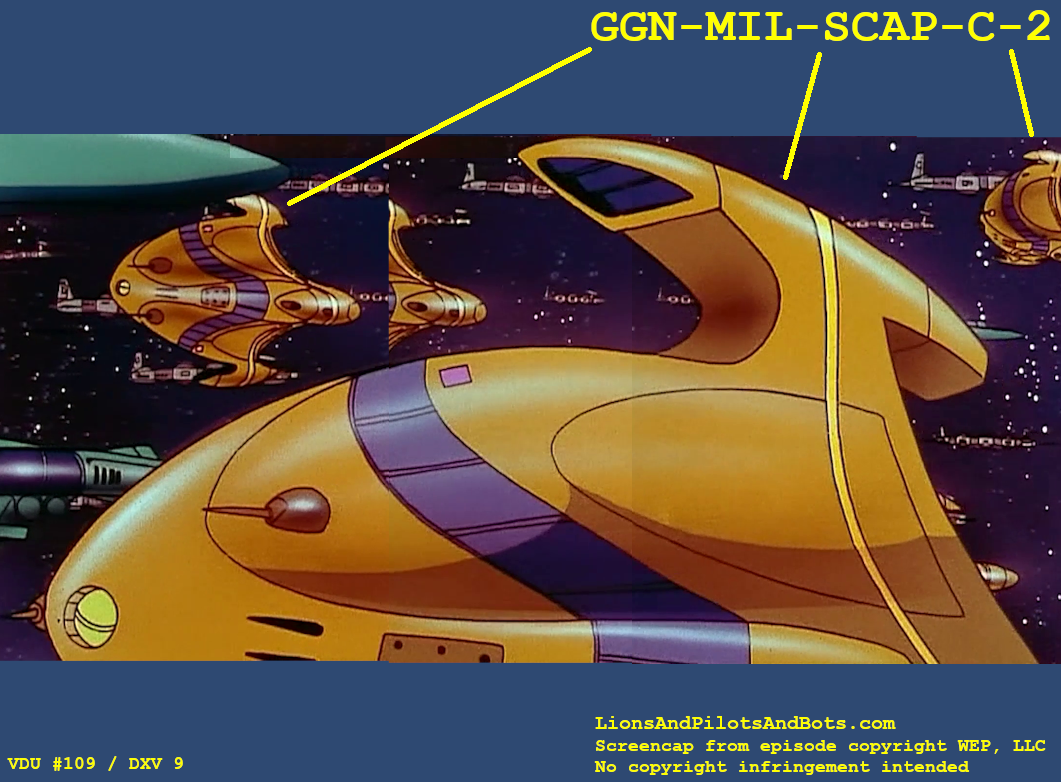
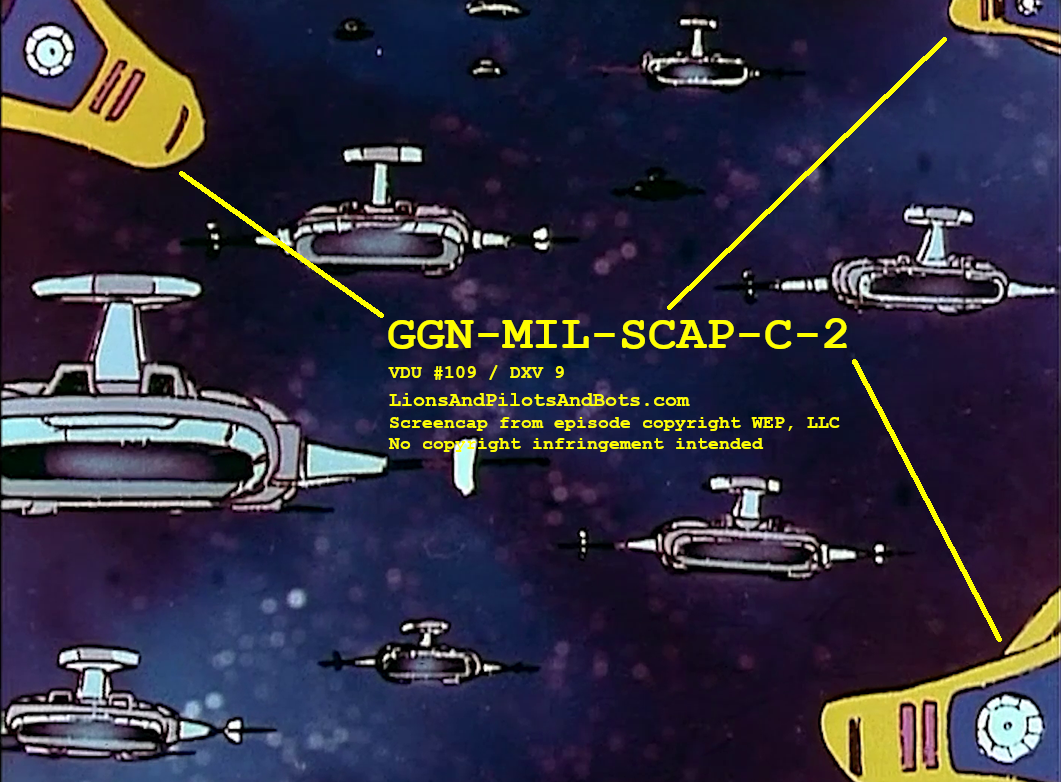
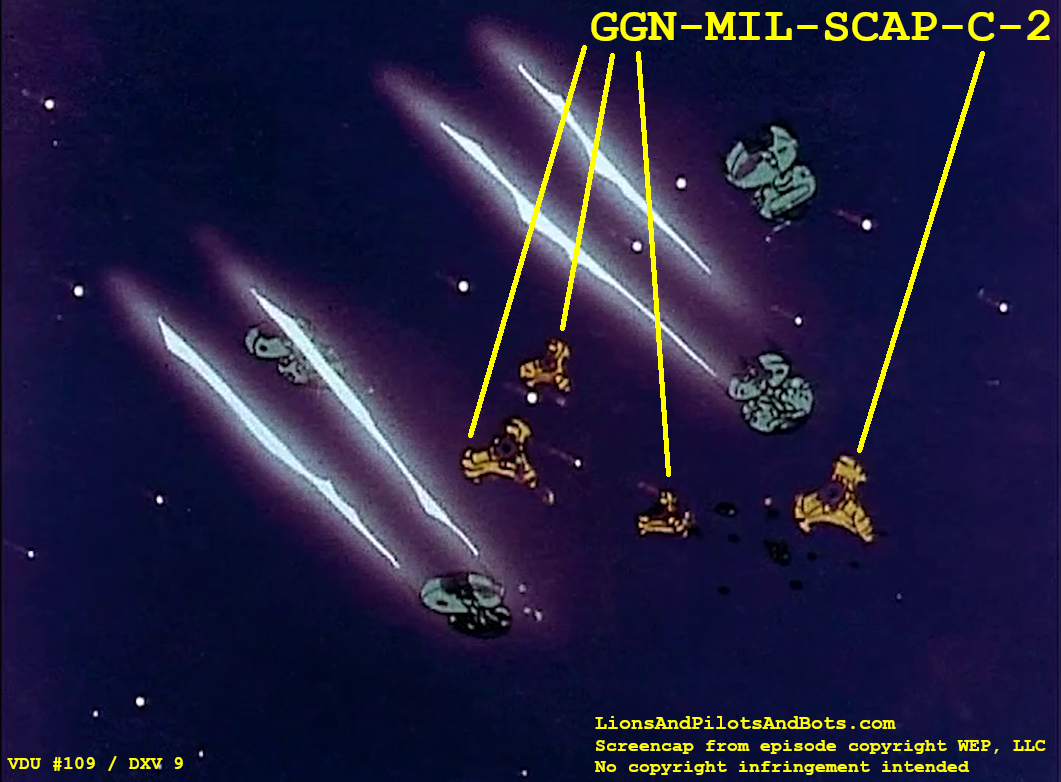
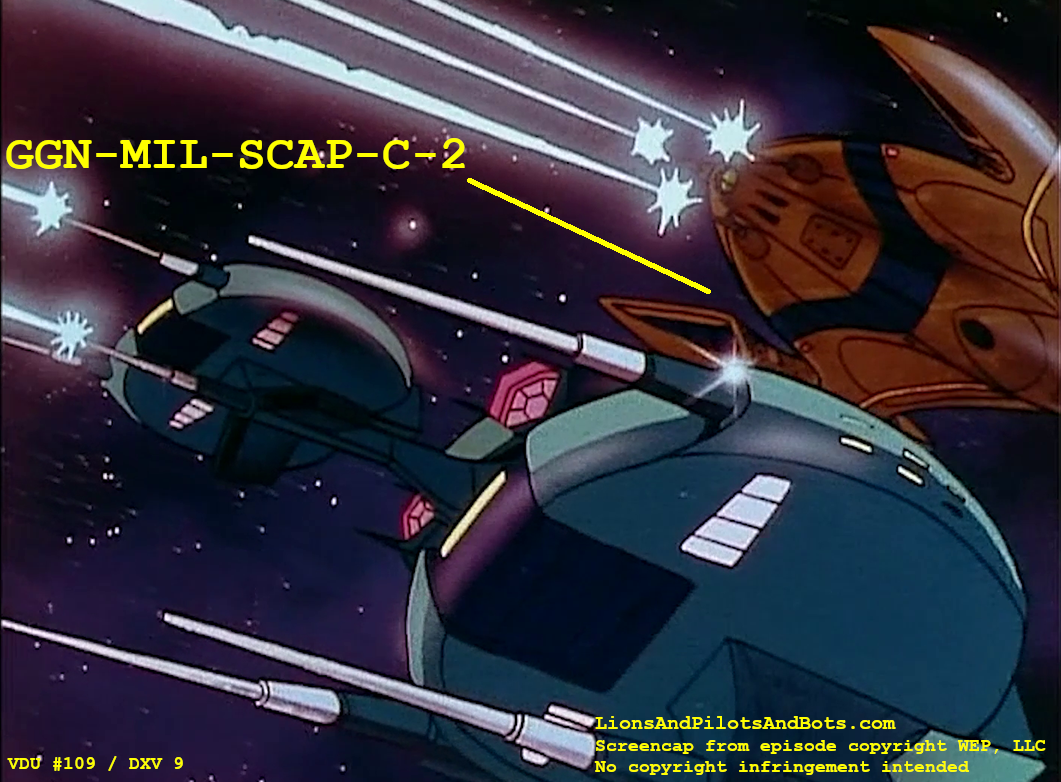
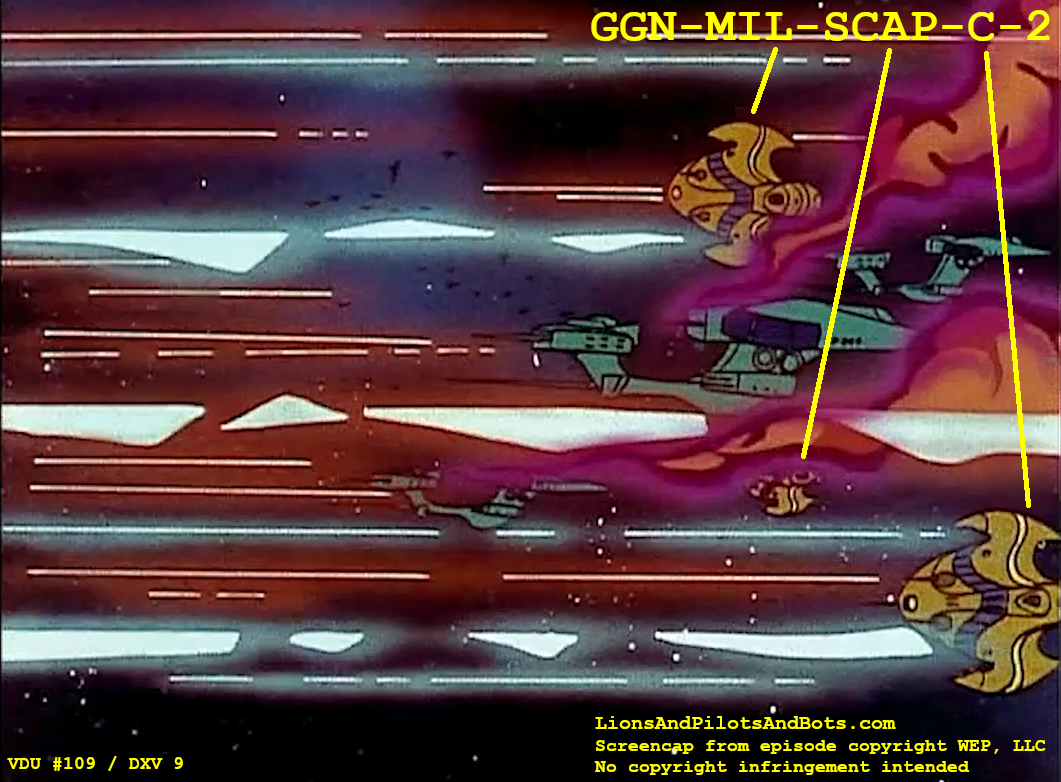
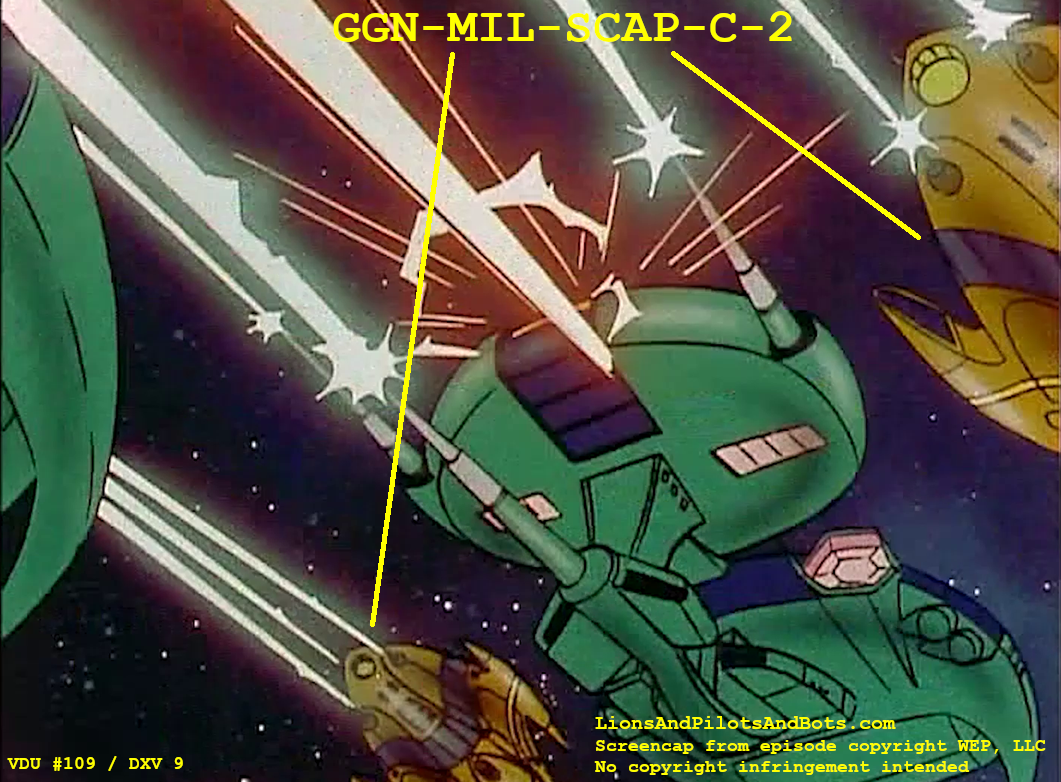
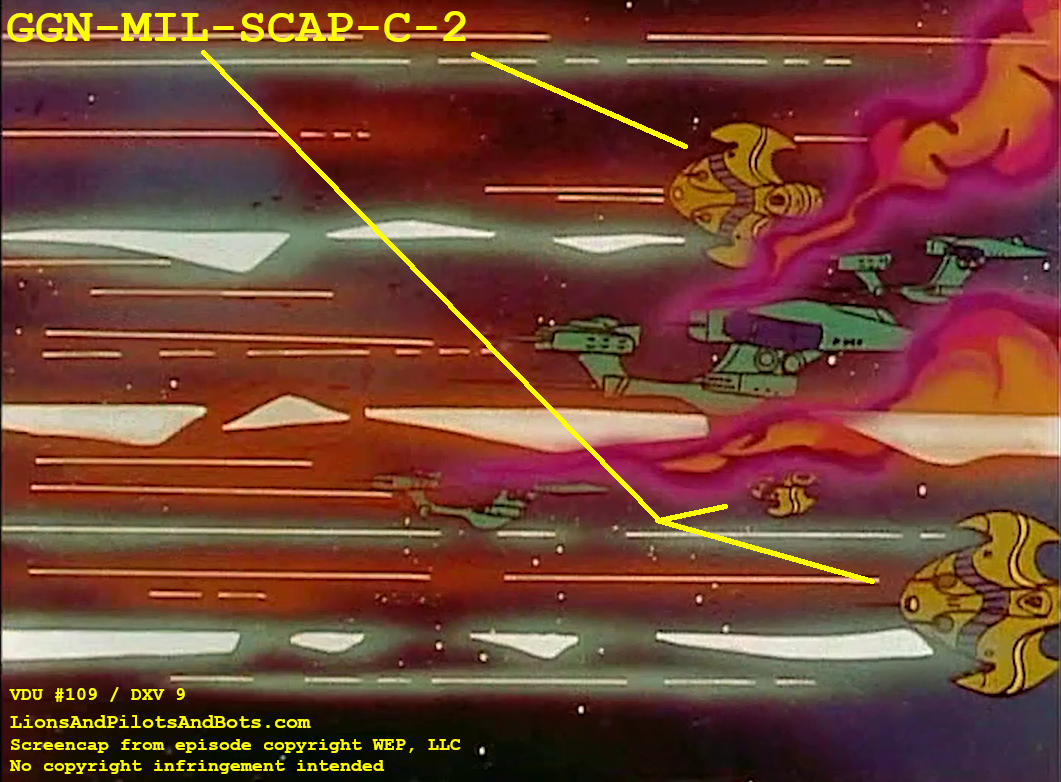
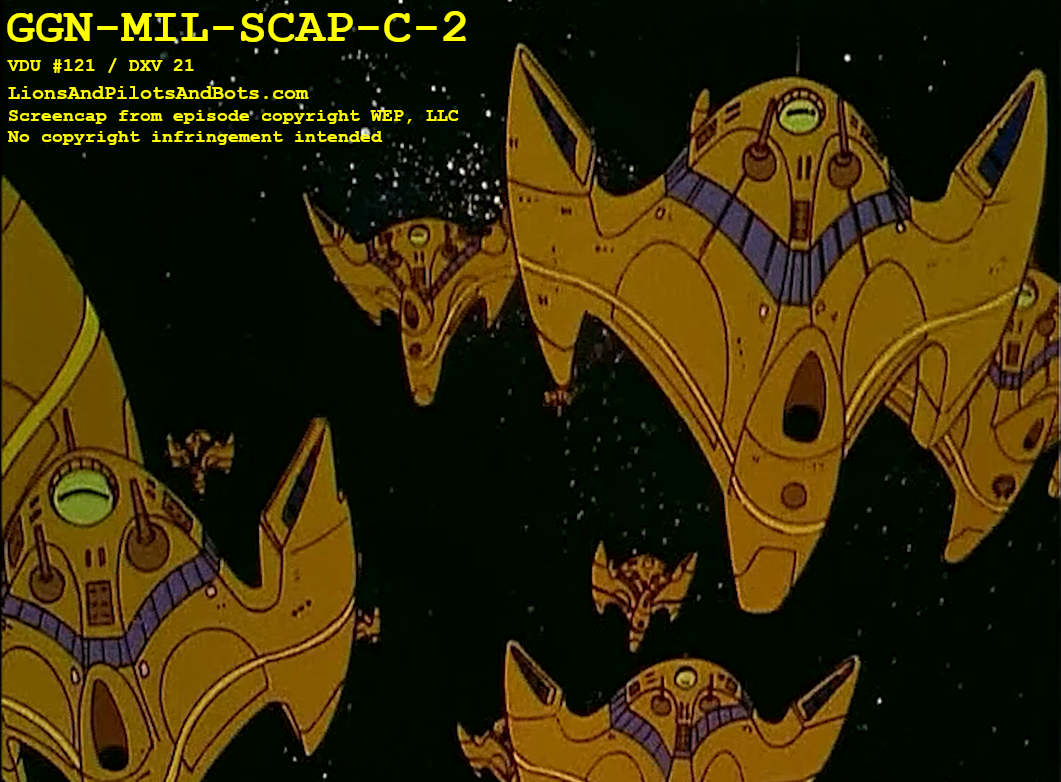
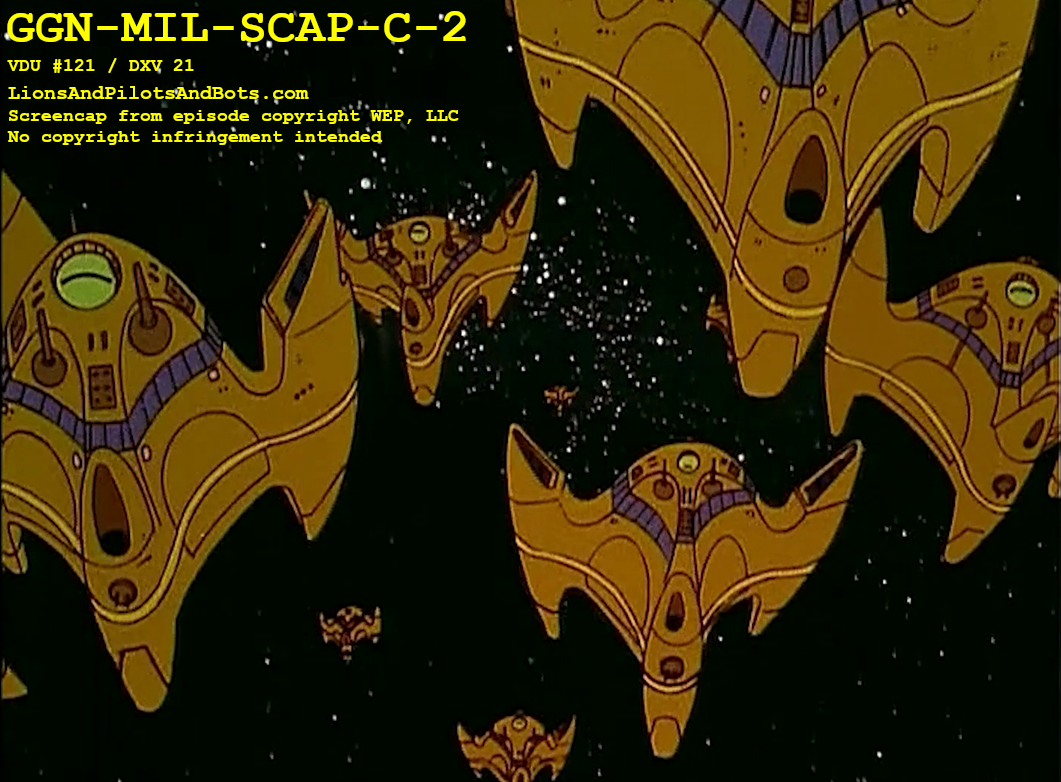
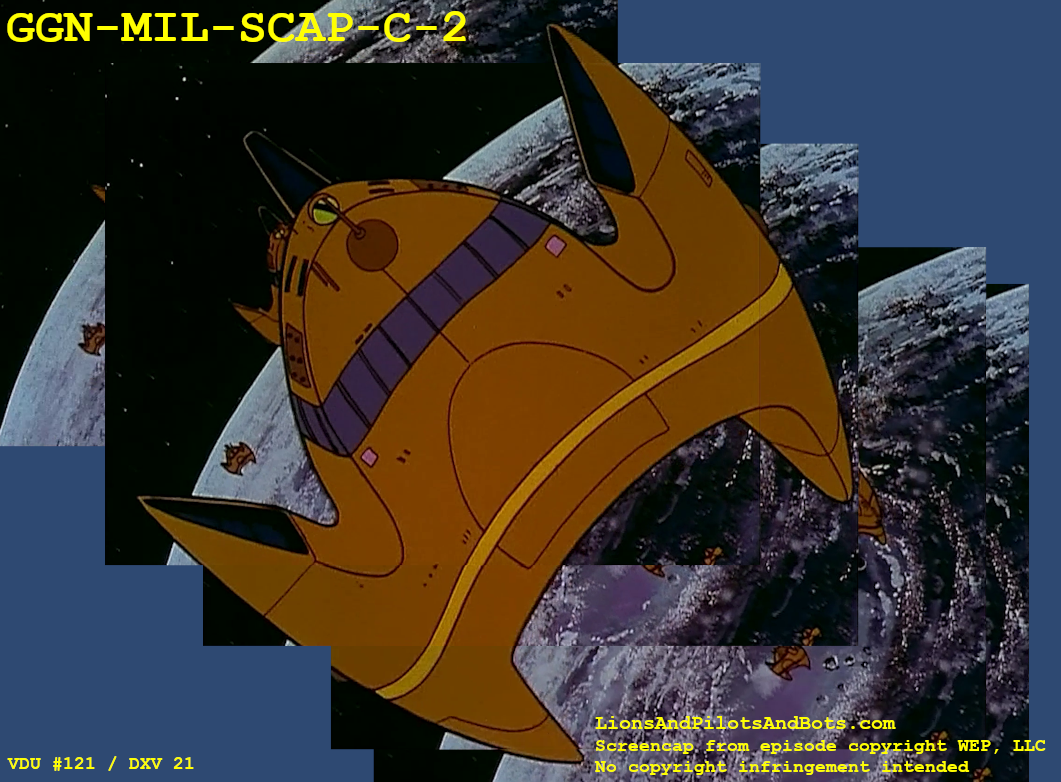
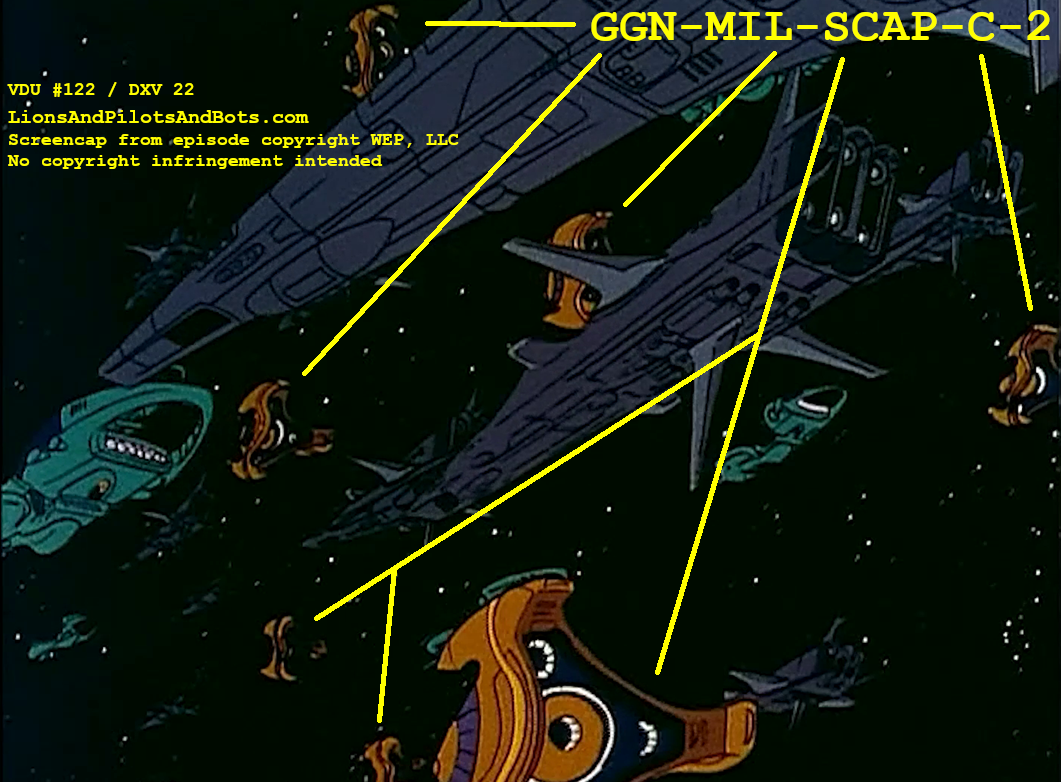
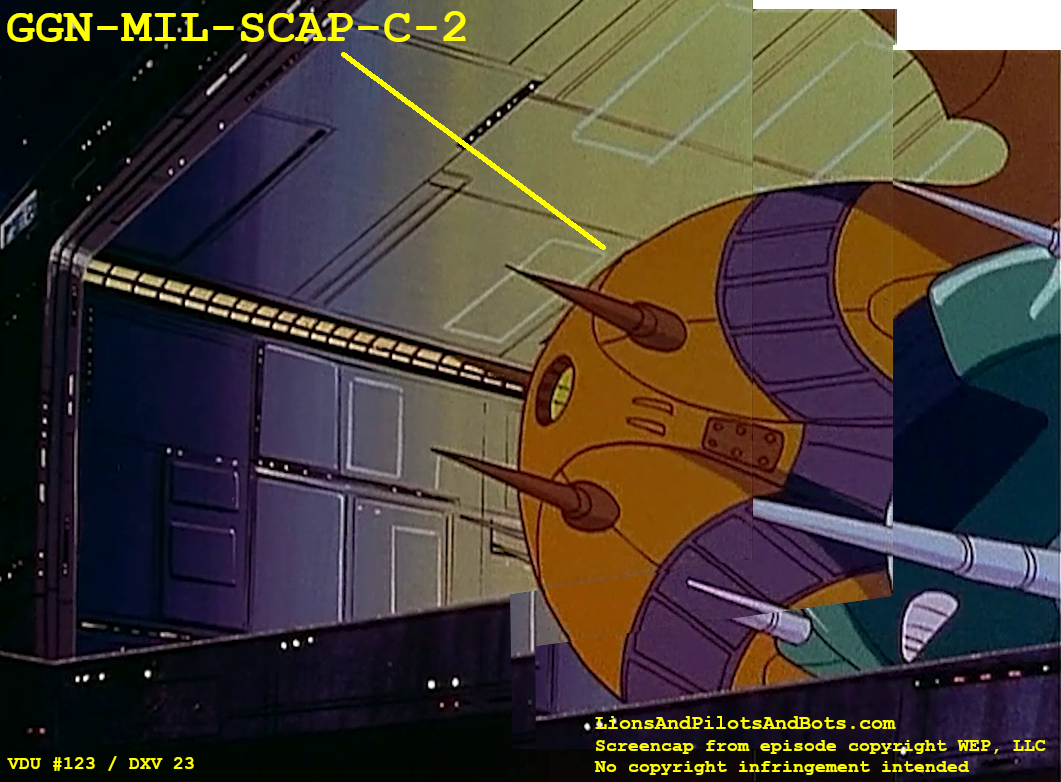
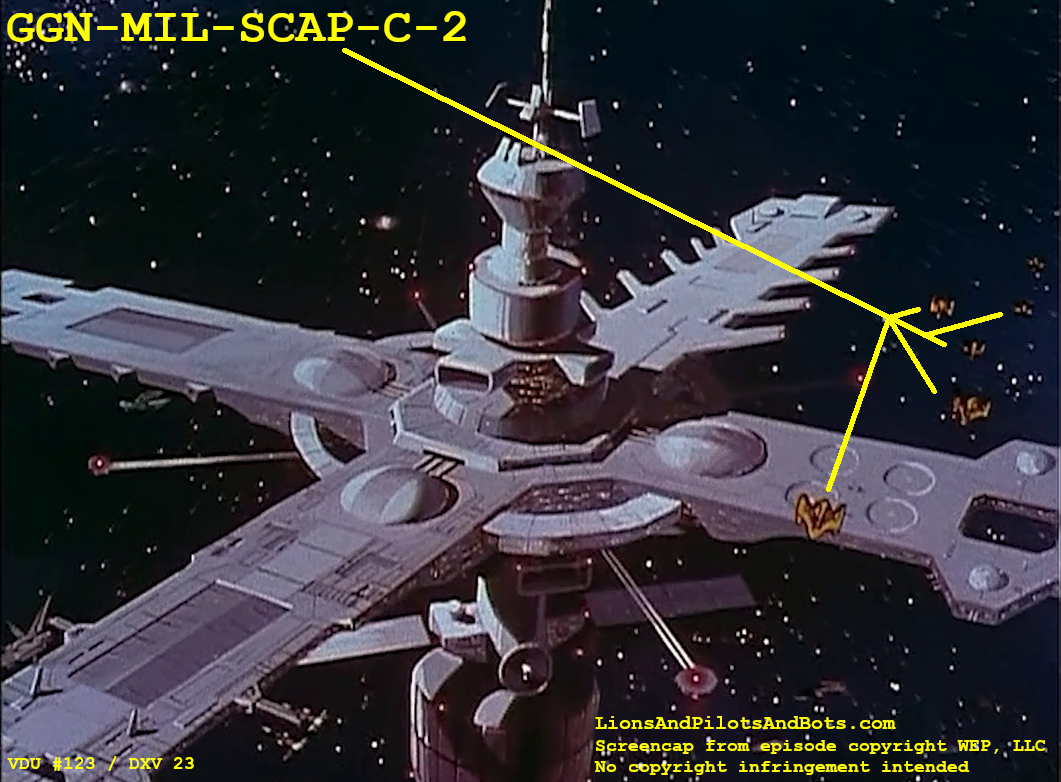
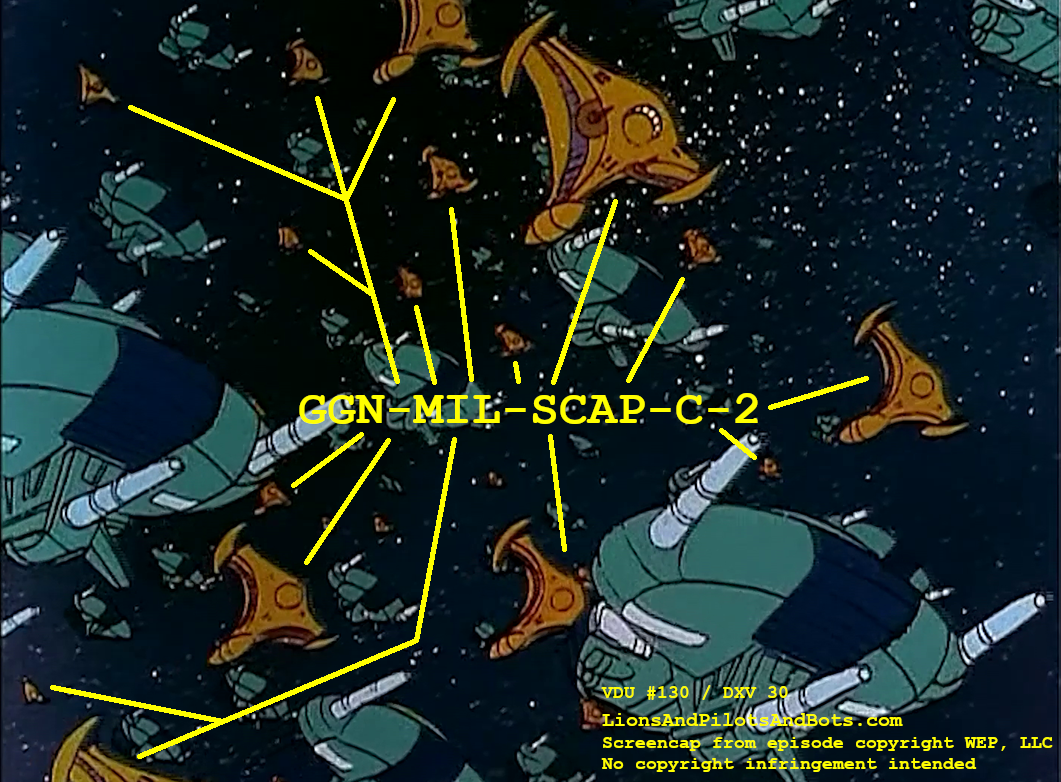
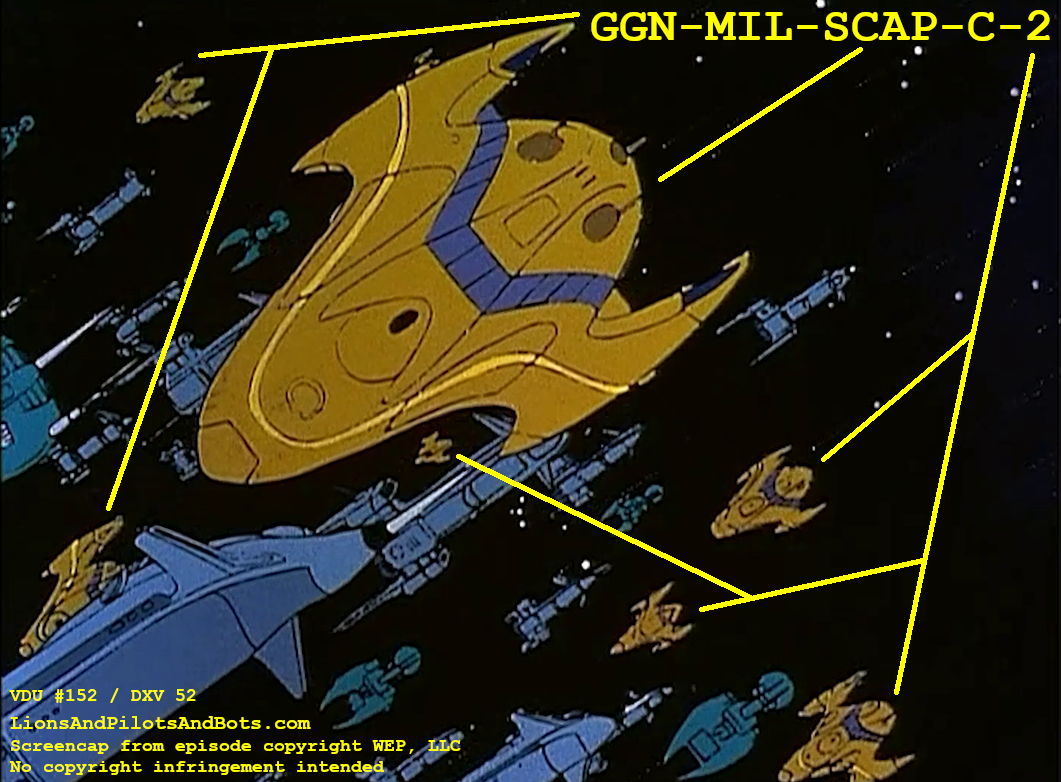
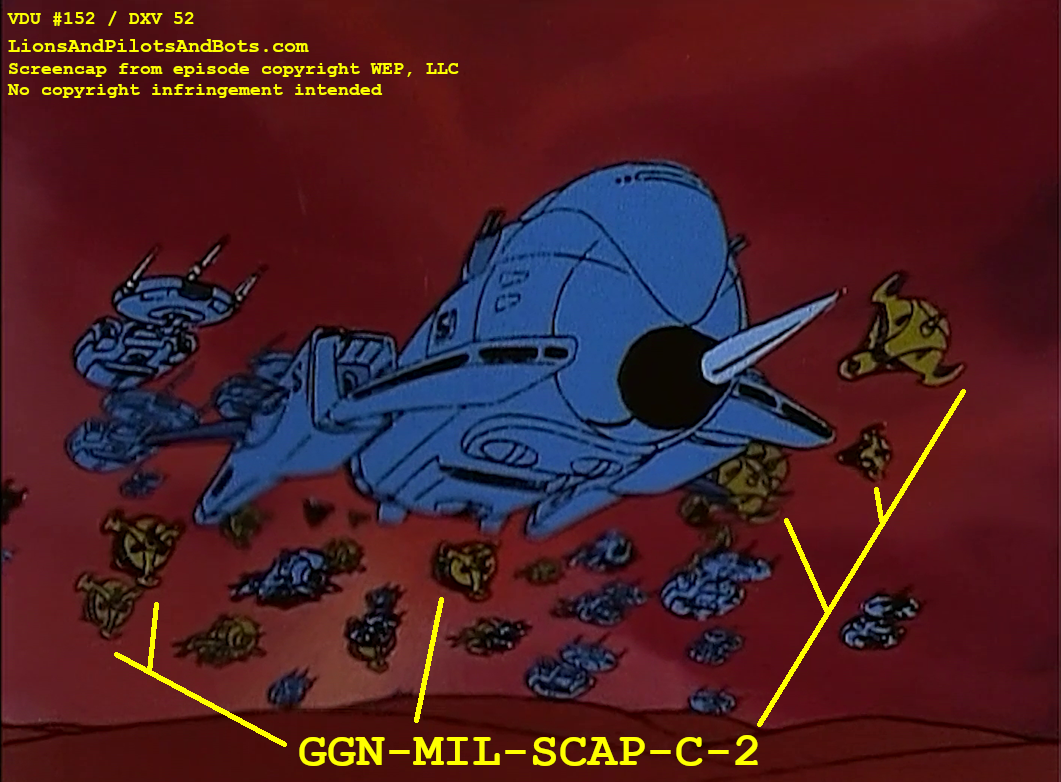
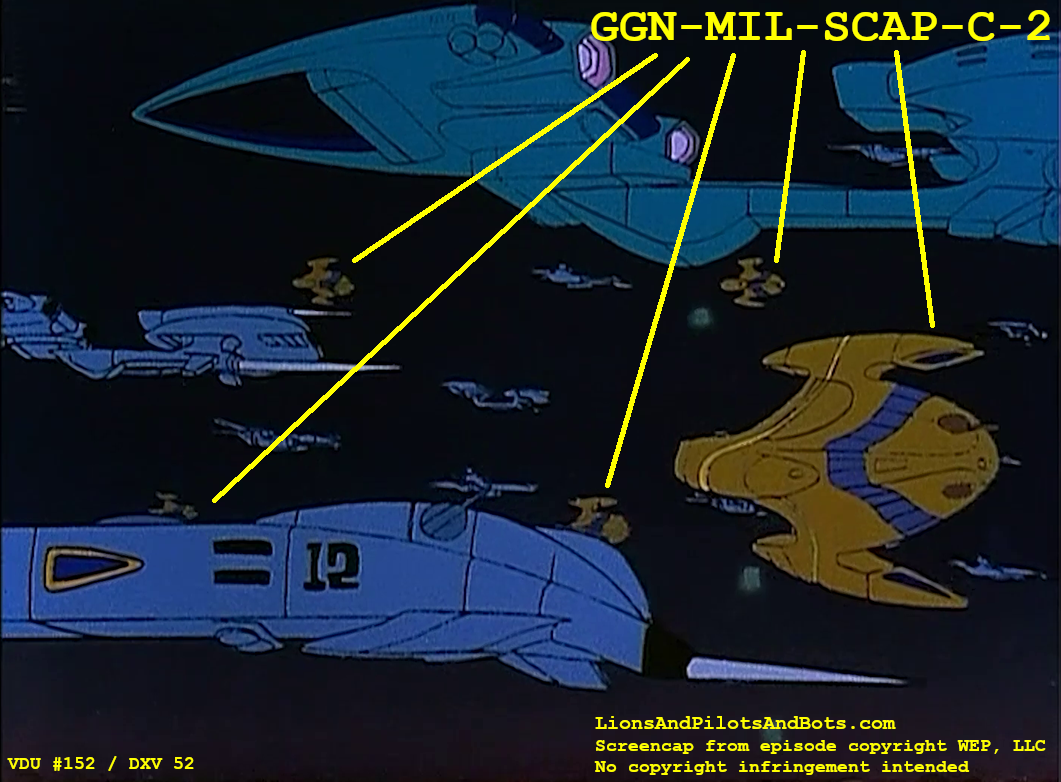
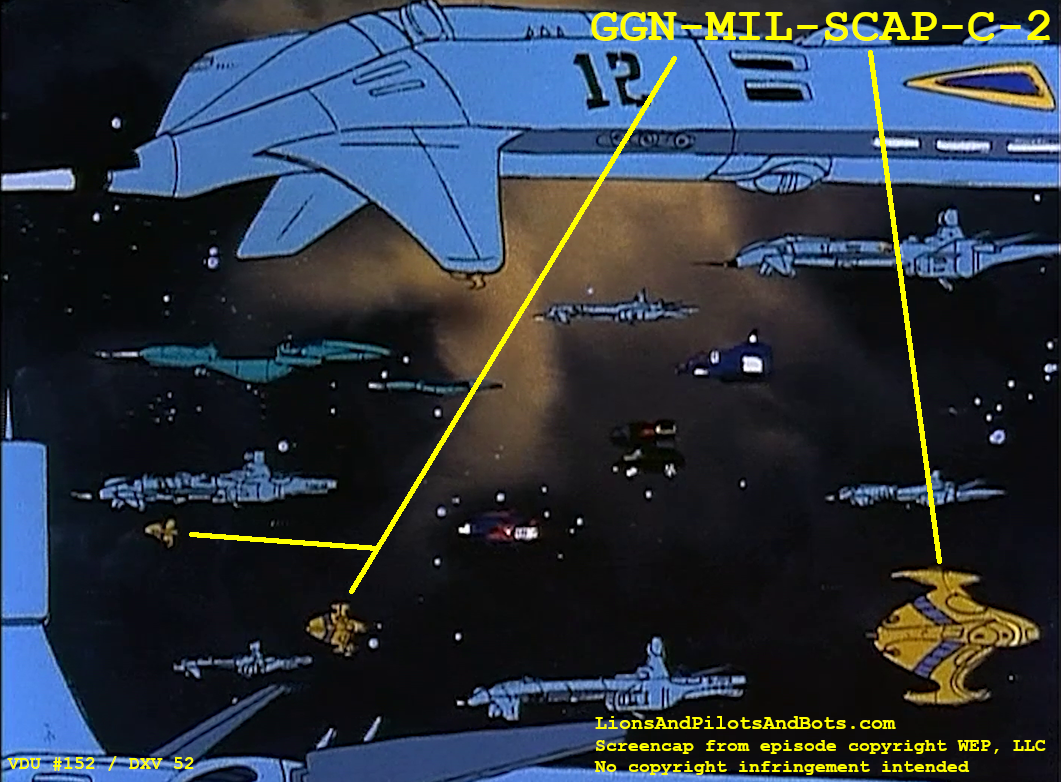
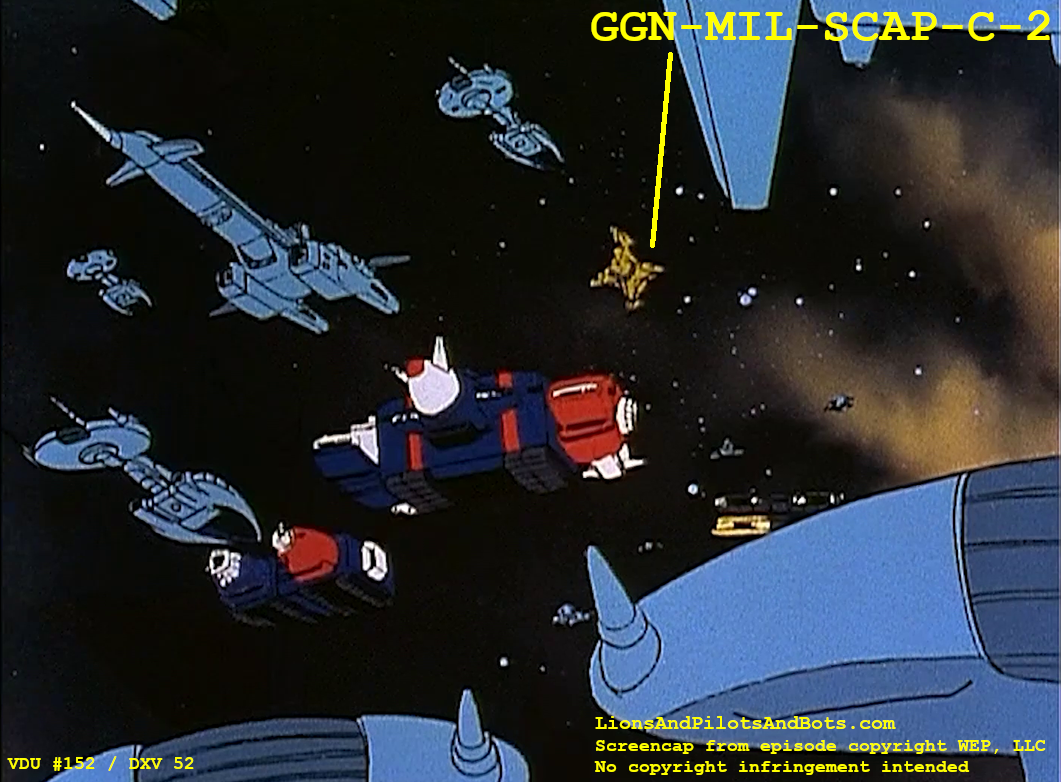
GGN-MIL-SCAP-C-2
GGN-MIL-SCAP-C-2 spacecraft often serve in Galaxy Garrison support or combat fleets.
 |  |  |
 |  |  |
 |  |  |
 |  |  |
 |  | |
 |  |  |
 |  |  |
 |  |  |
 |
Return to Vehicle Types – Summary Information
Military – Spacecraft – Capital Ship – Small (MIL-SCAP-D)
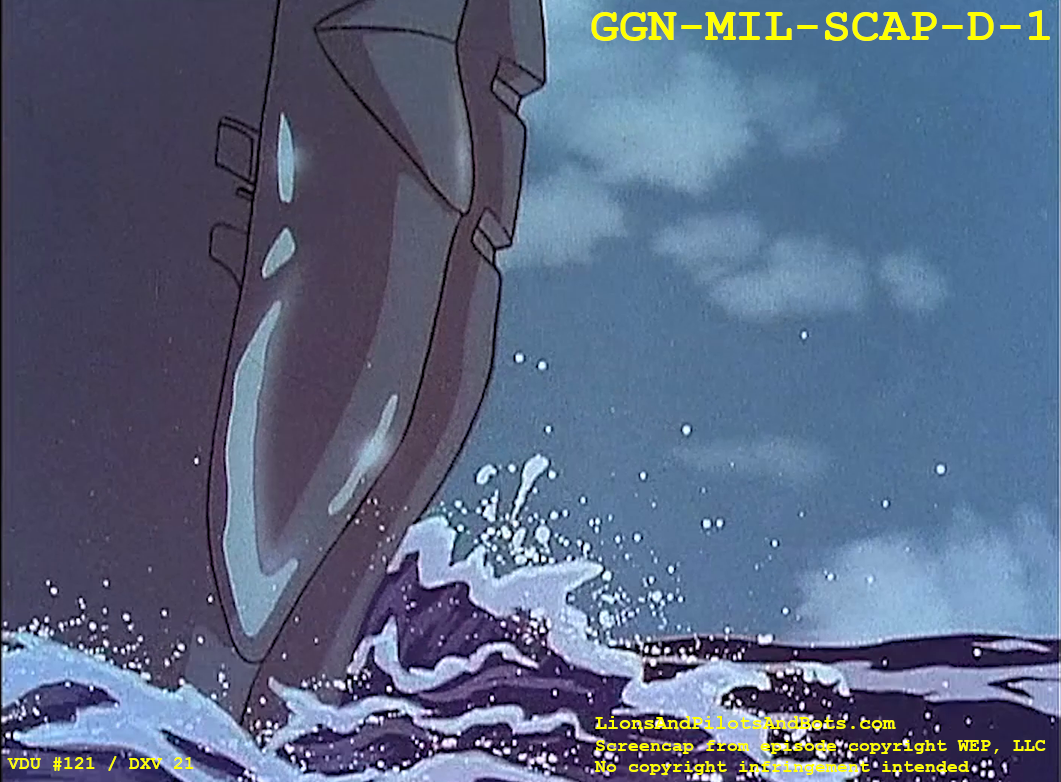
GGN-MIL-SCAP-D-1
(In VOLTRON: DEFENDER OF THE UNIVERSE, this design is never seen in full.)
 | |
Return to Vehicle Types – Summary Information
GGN-MIL-SCAP-D-2
(In VOLTRON: DEFENDER OF THE UNIVERSE, this design is never seen in full.)
|
Return to Vehicle Types – Summary Information
GGN-MIL-SCAP-D-3
(In VOLTRON: DEFENDER OF THE UNIVERSE, this design is never seen in full.)
|
Return to Vehicle Types – Summary Information
Military – Fighter (MIL-FTR)
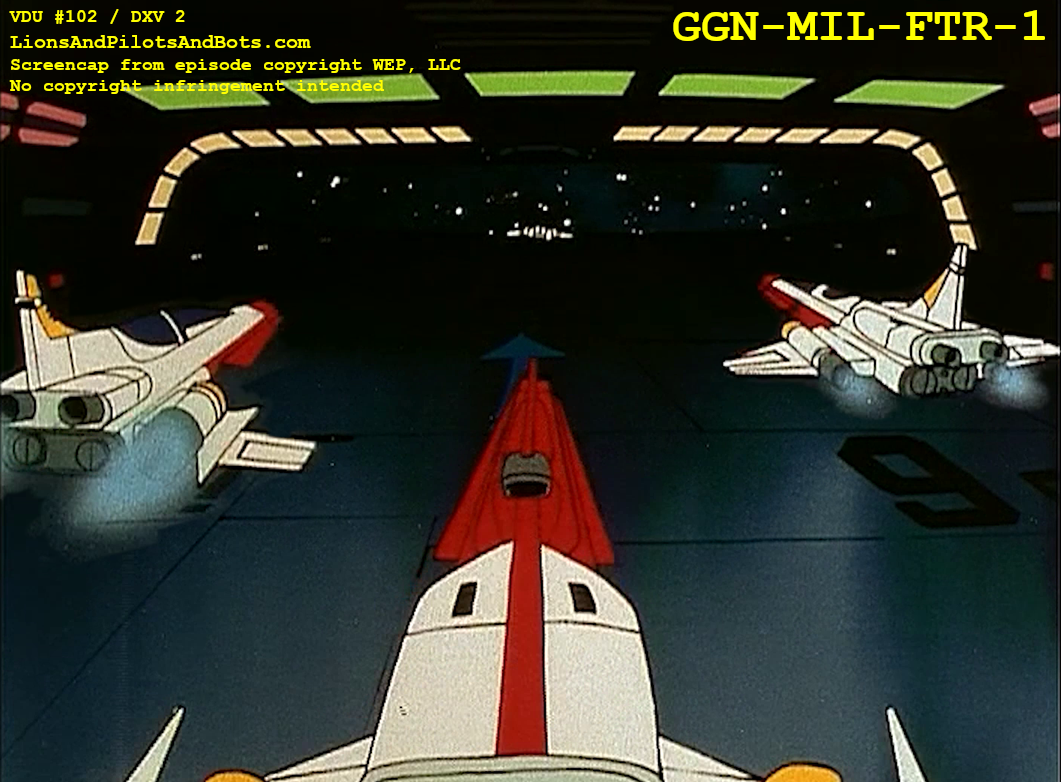
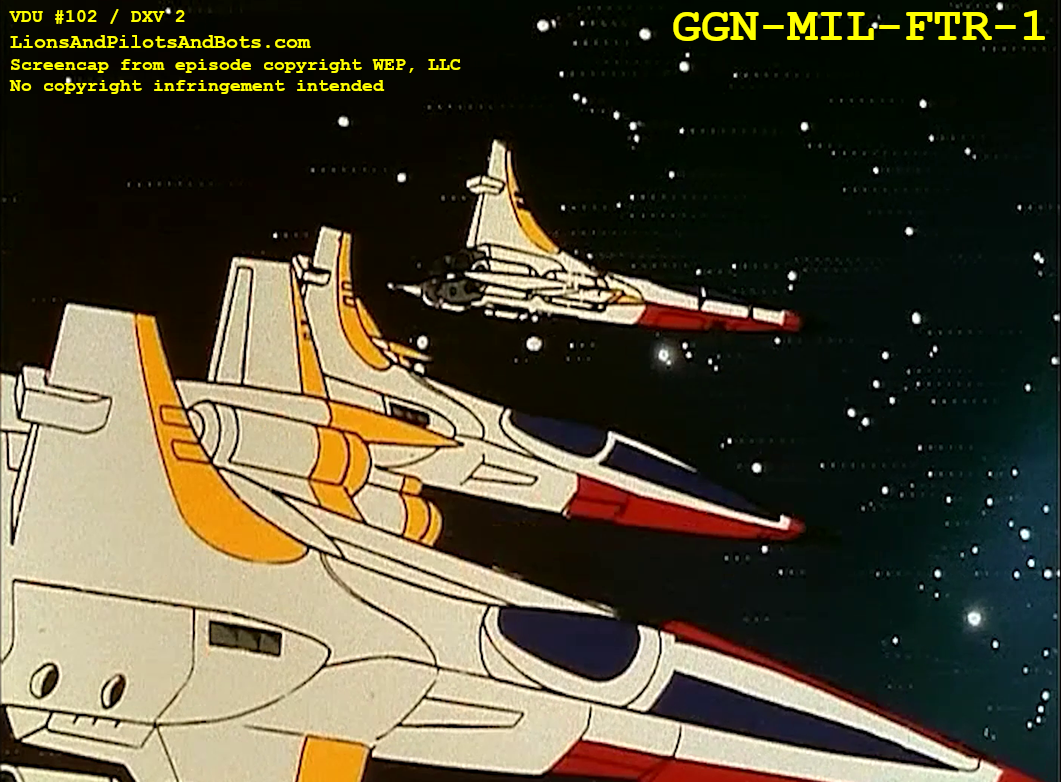
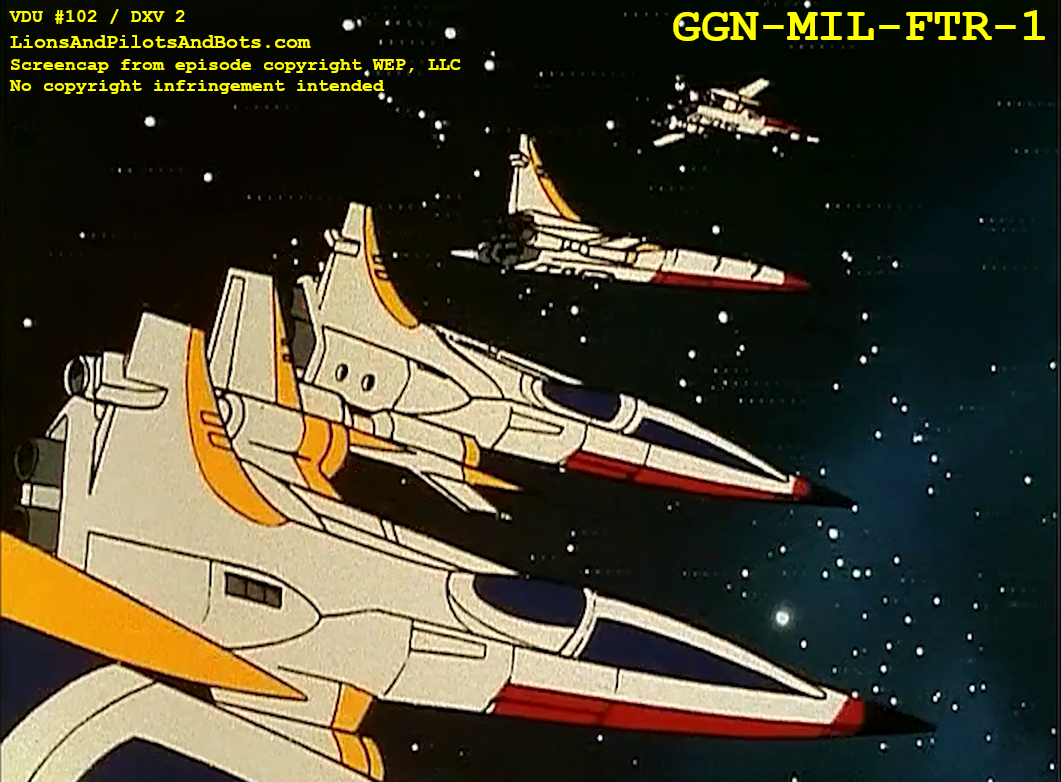
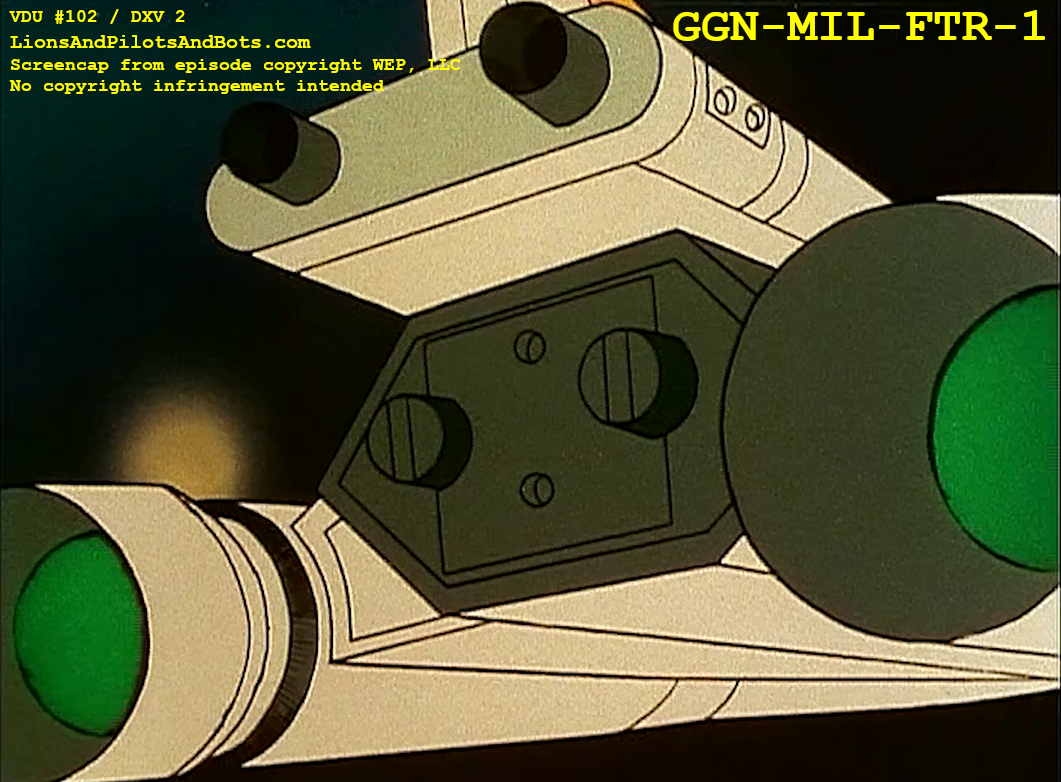
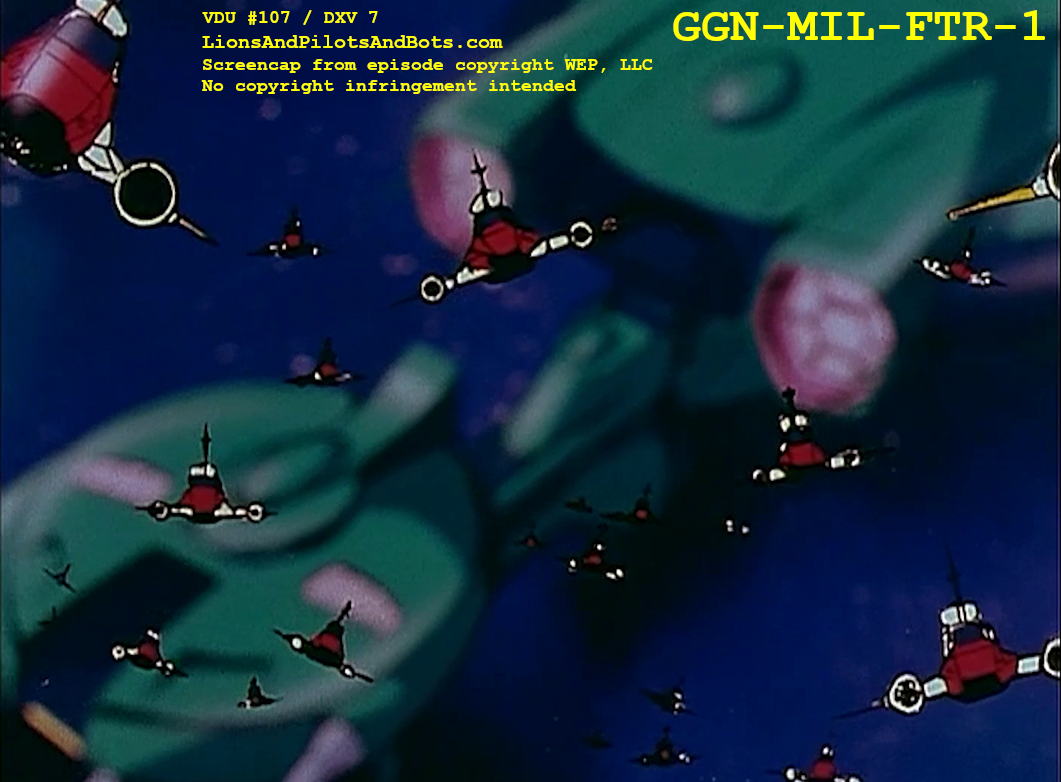
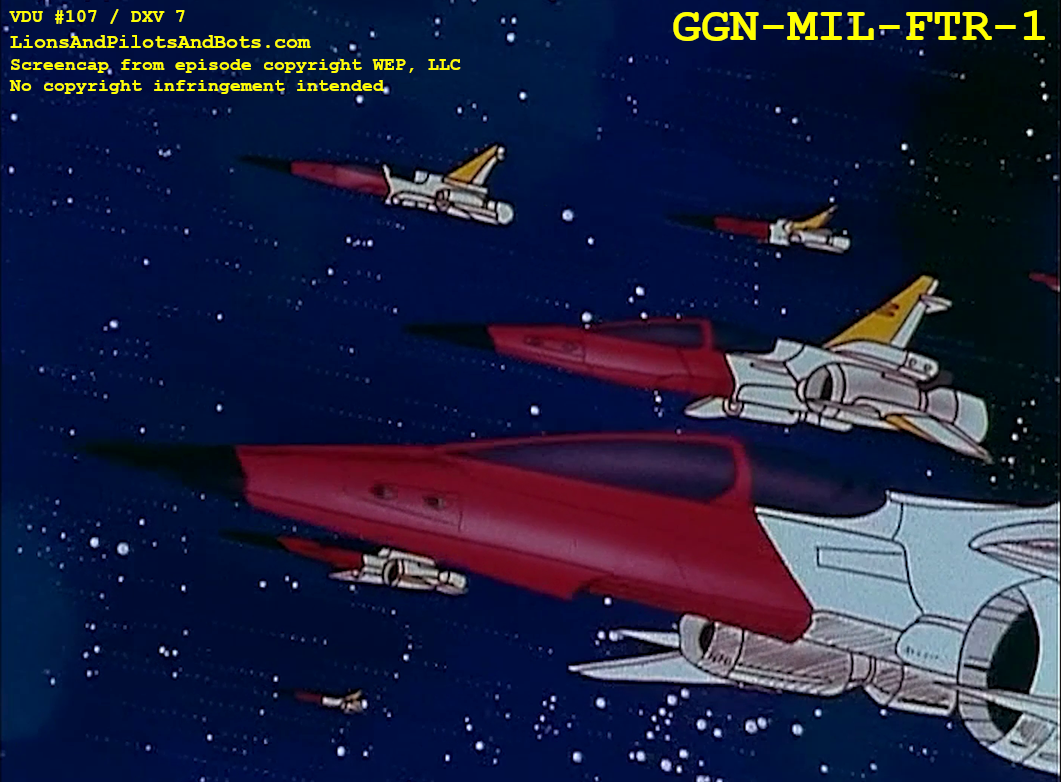
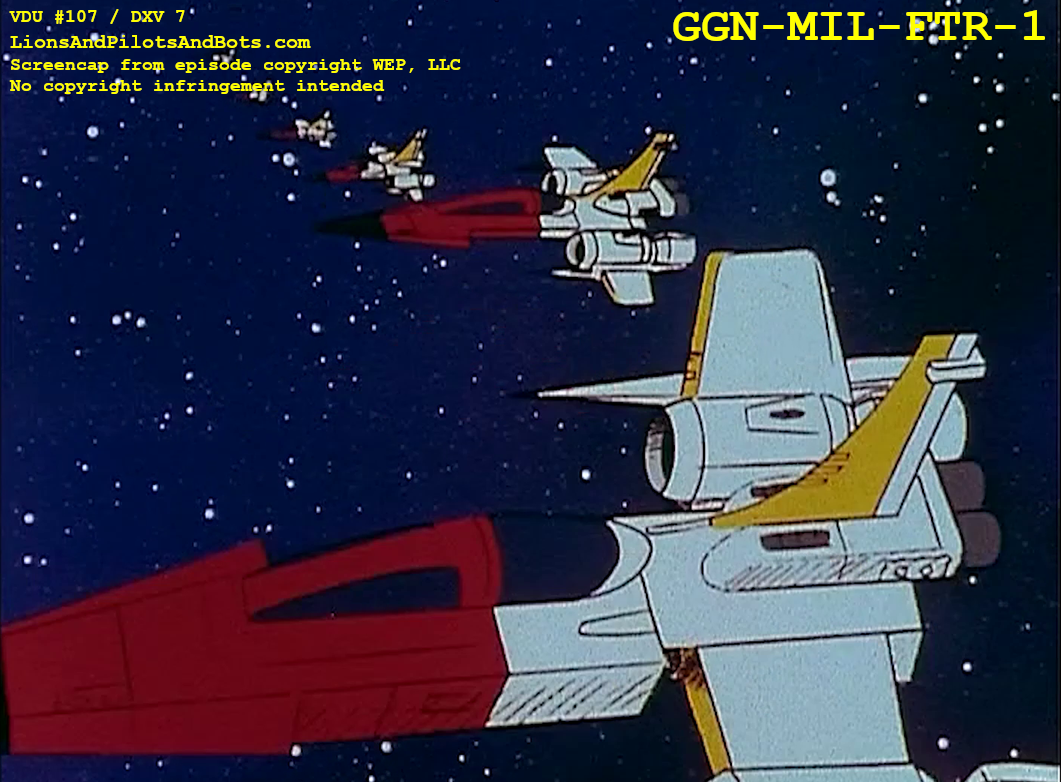
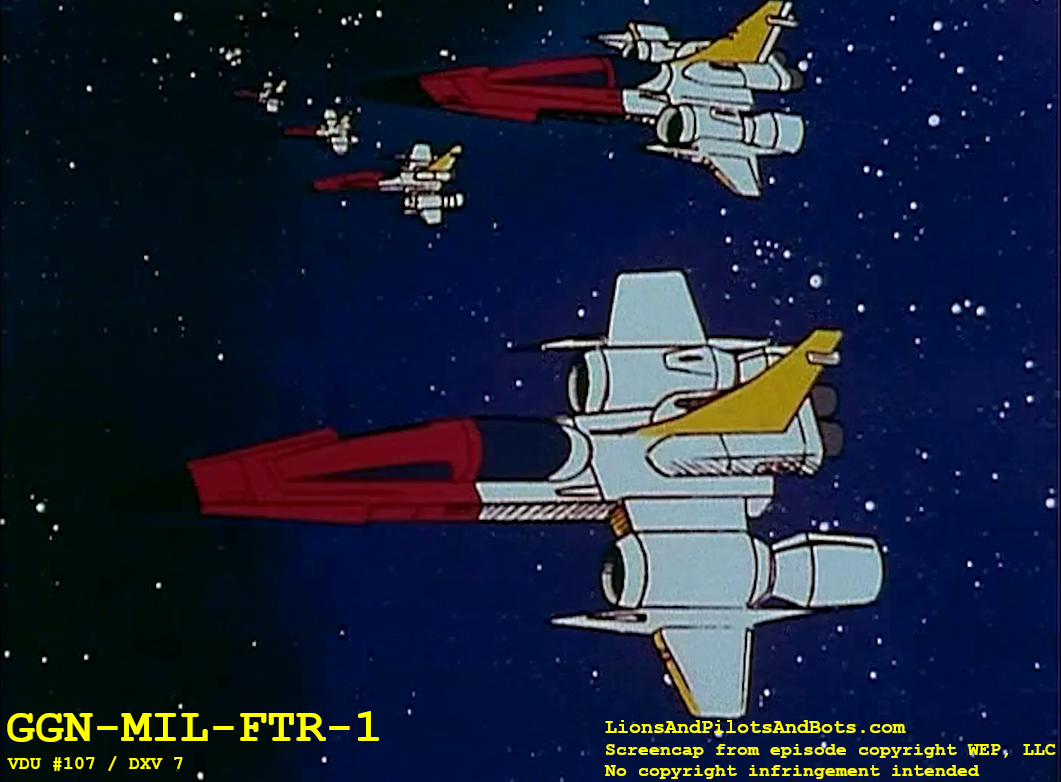
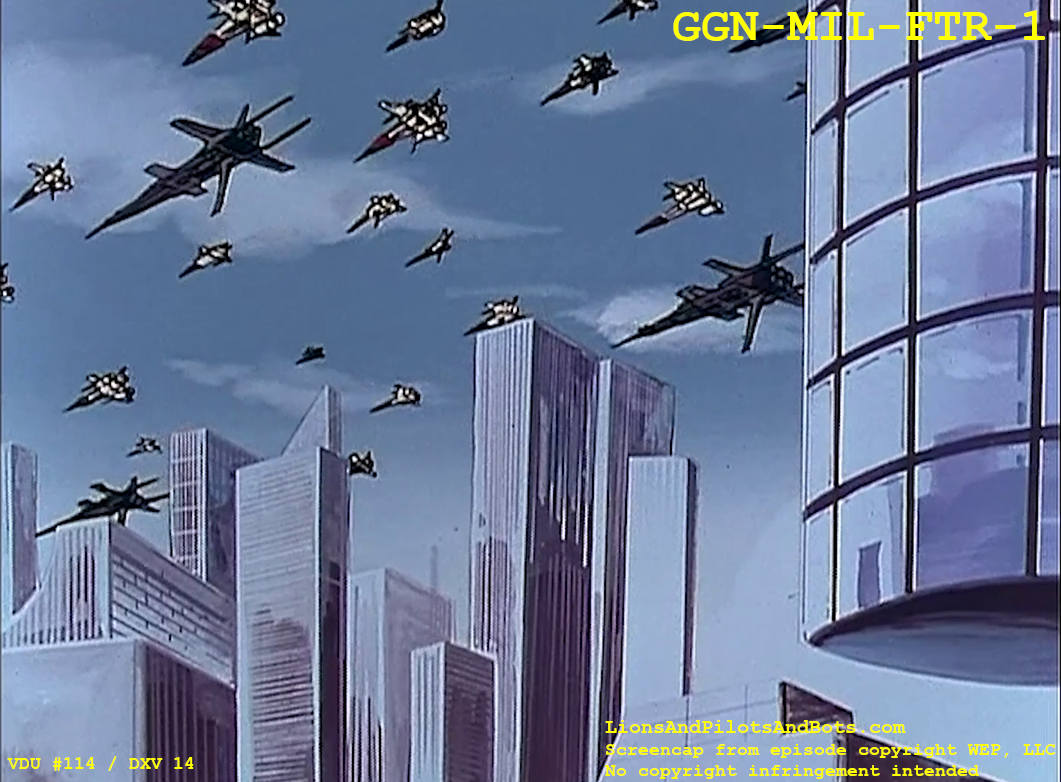
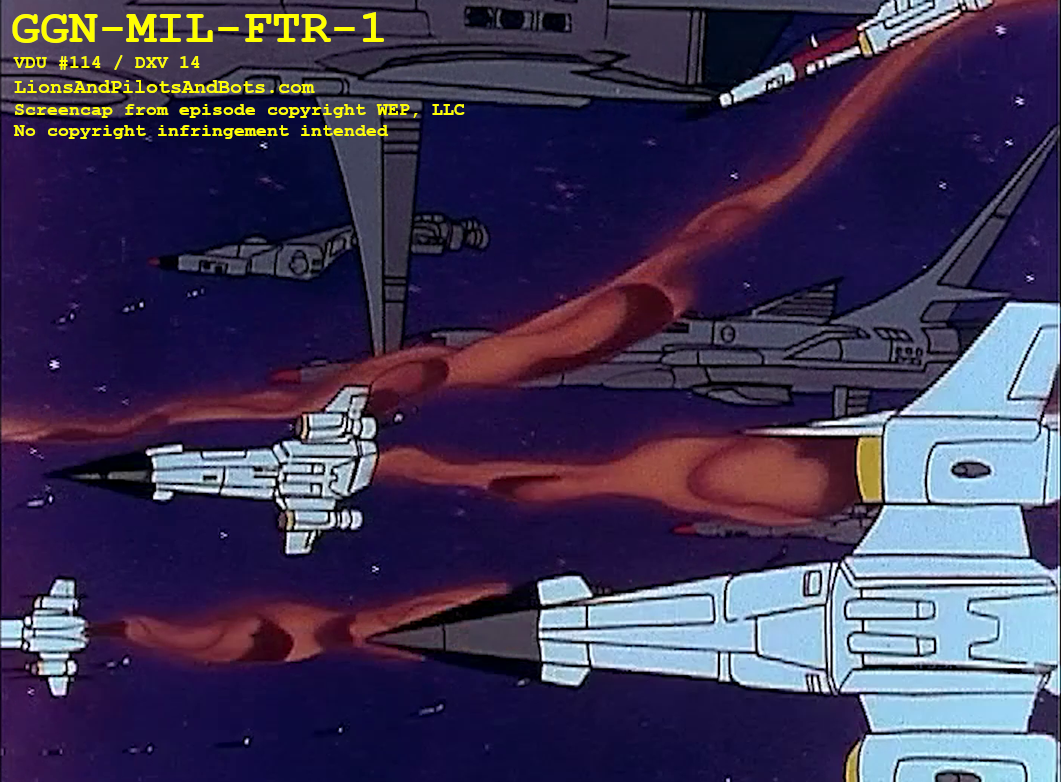
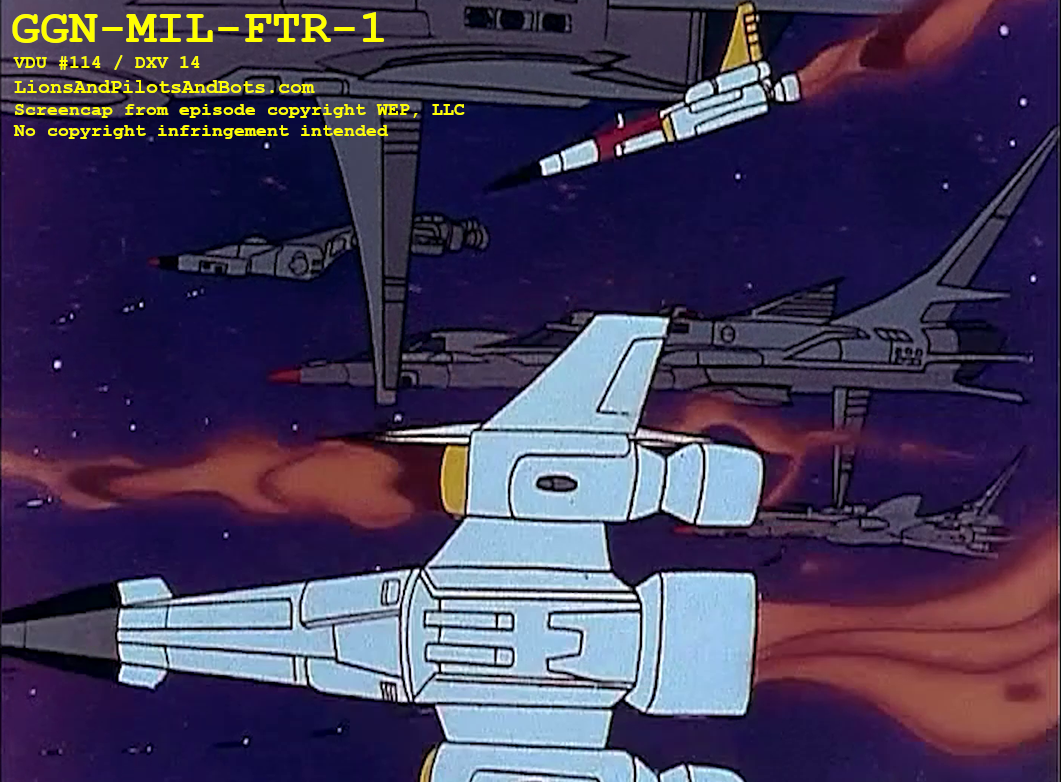
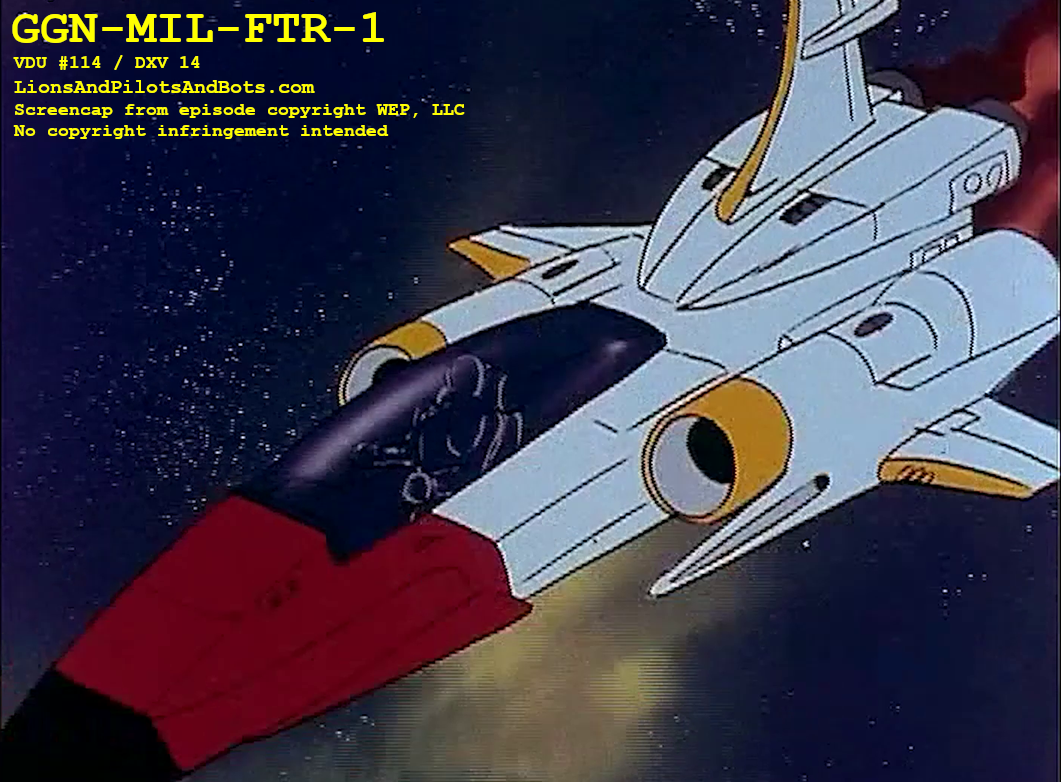
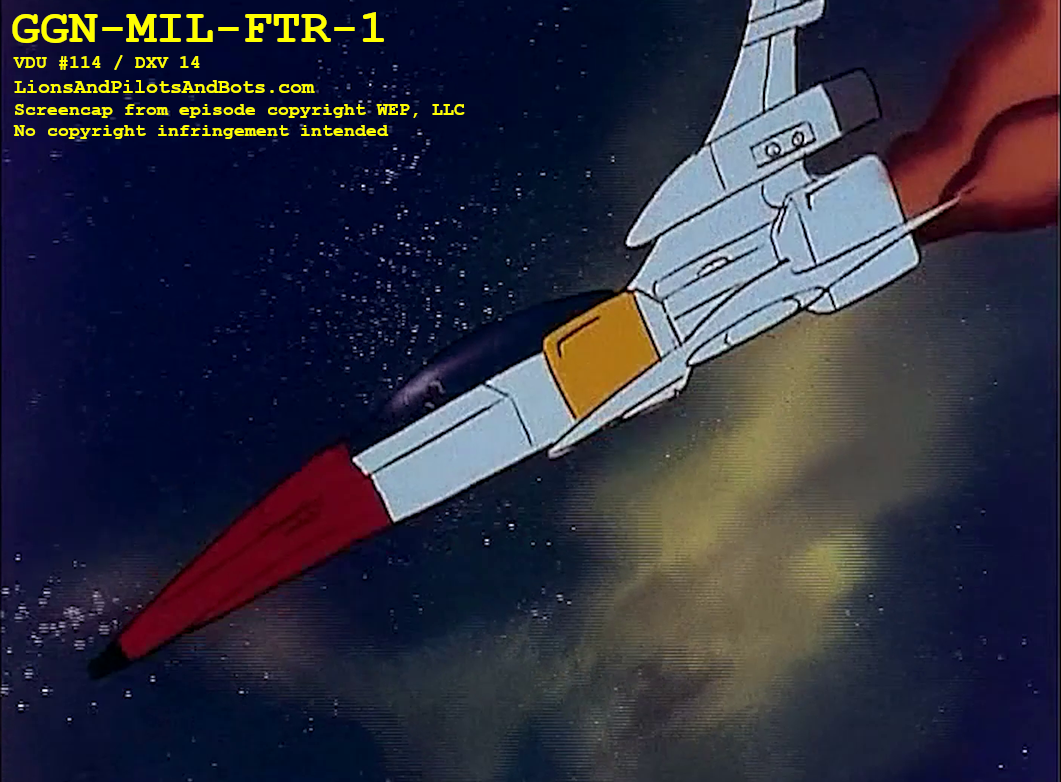
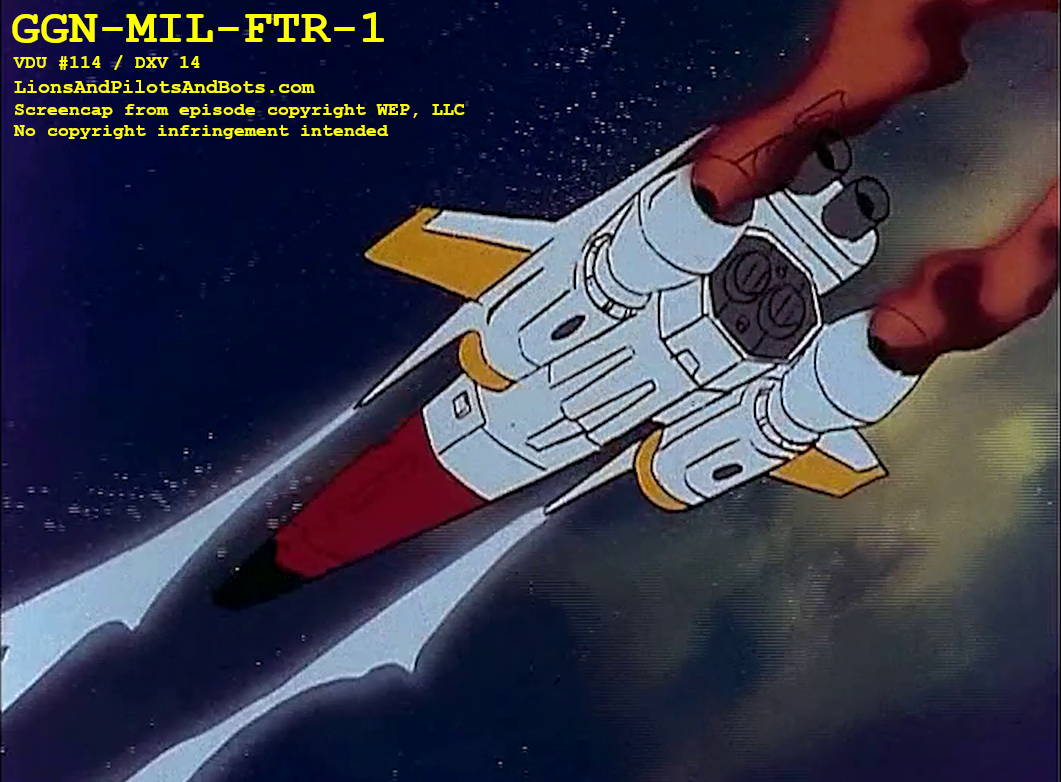
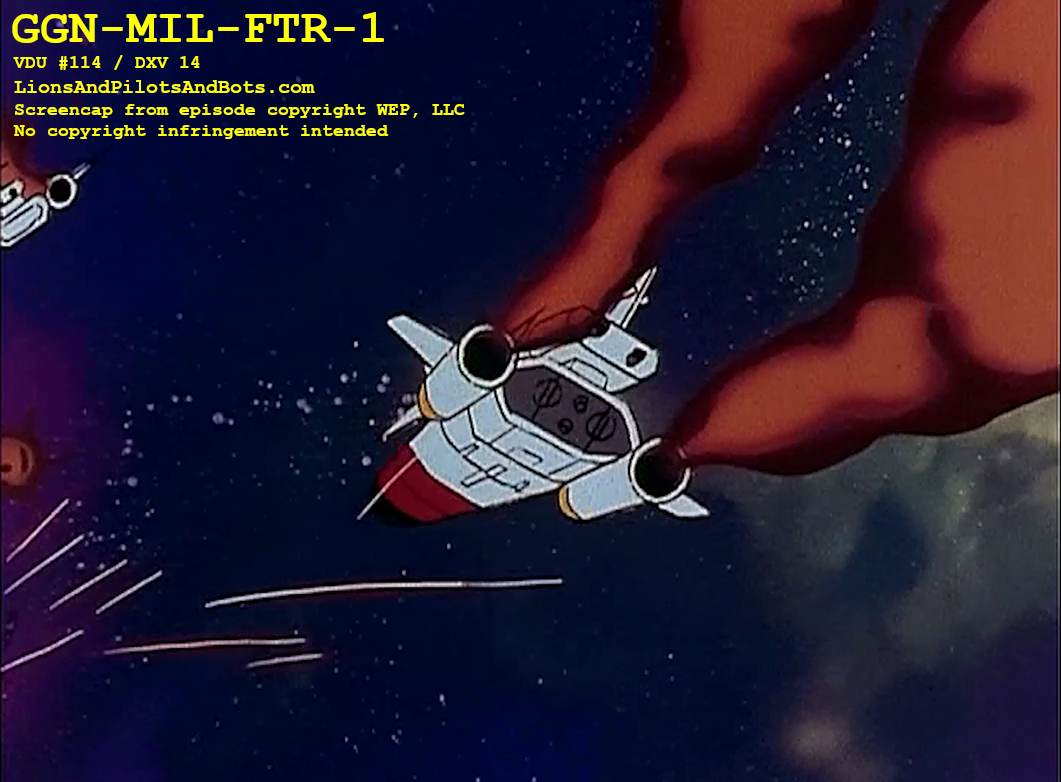
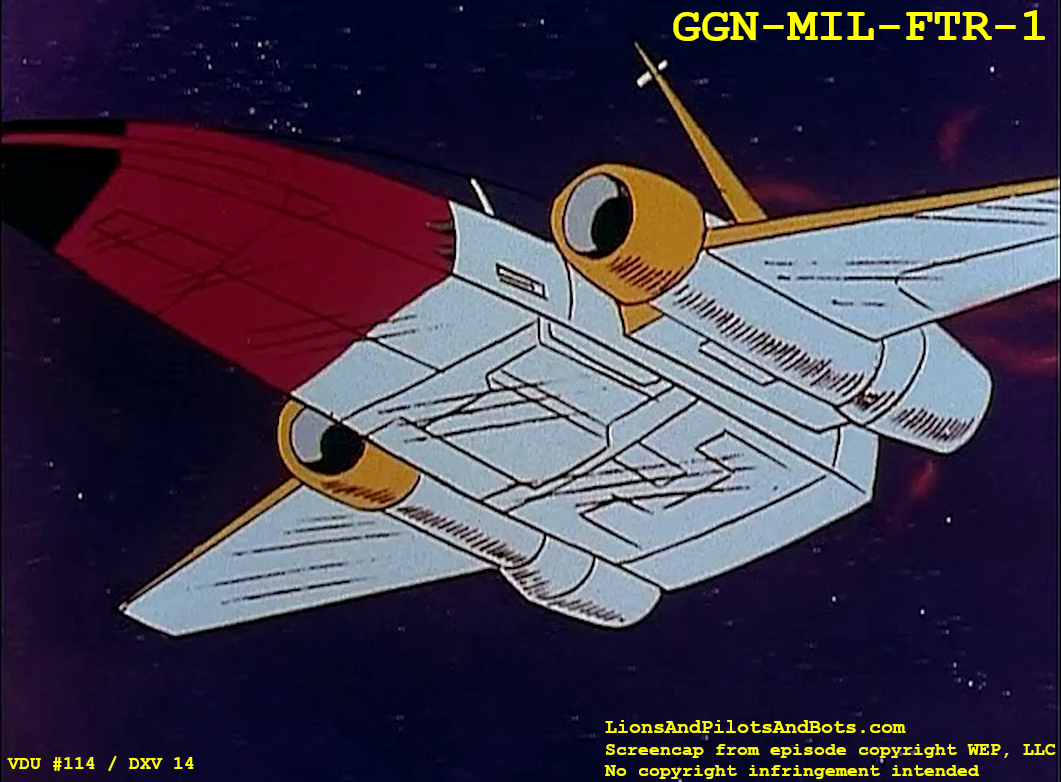
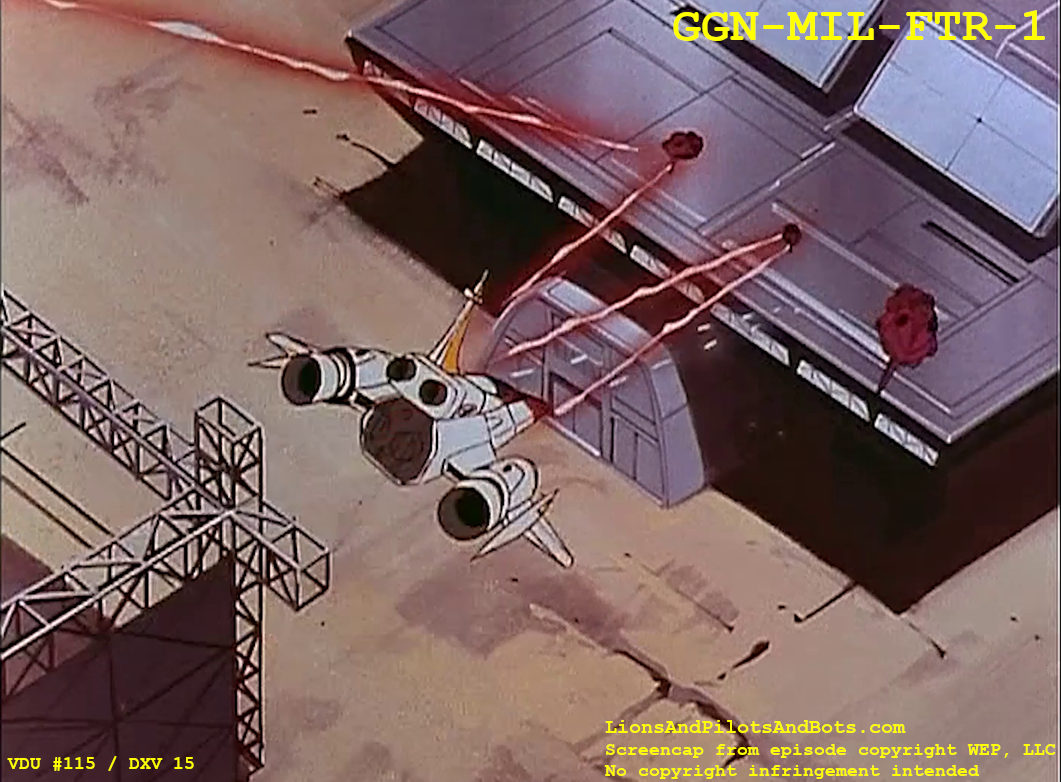
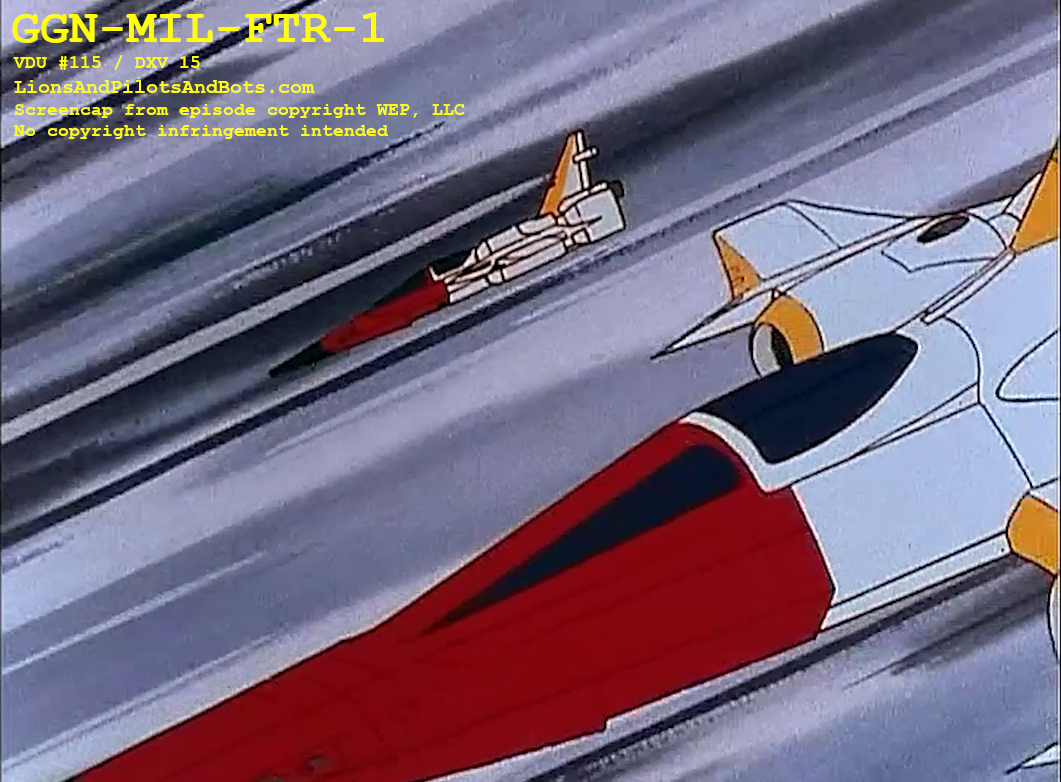
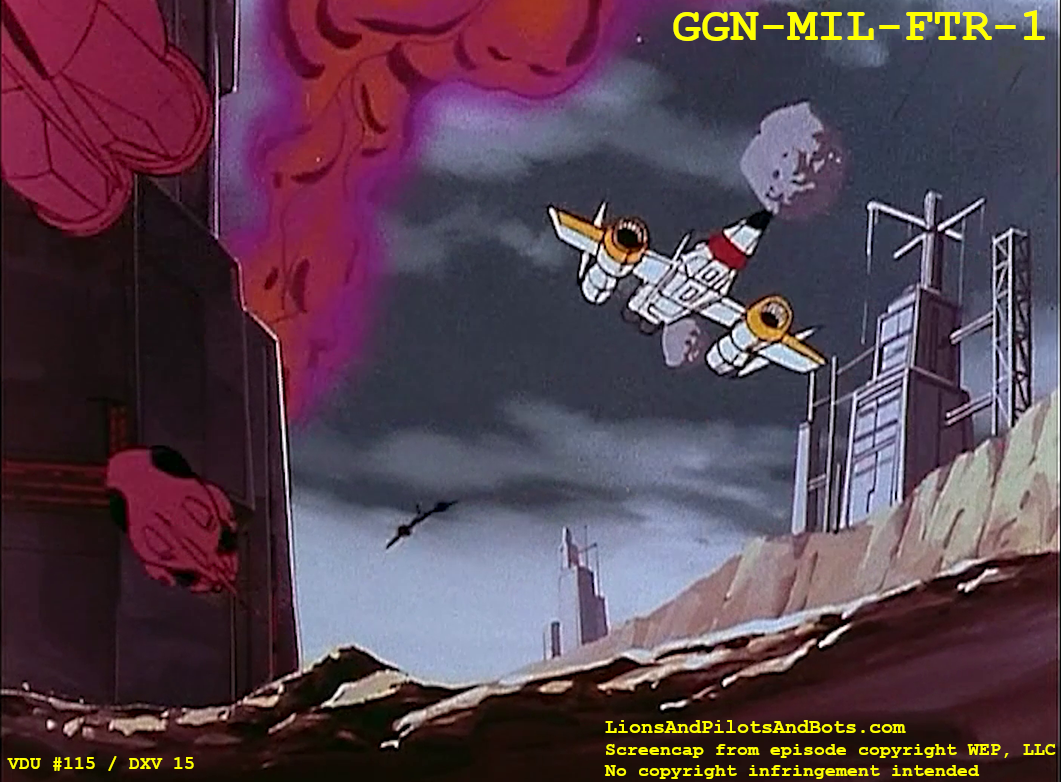
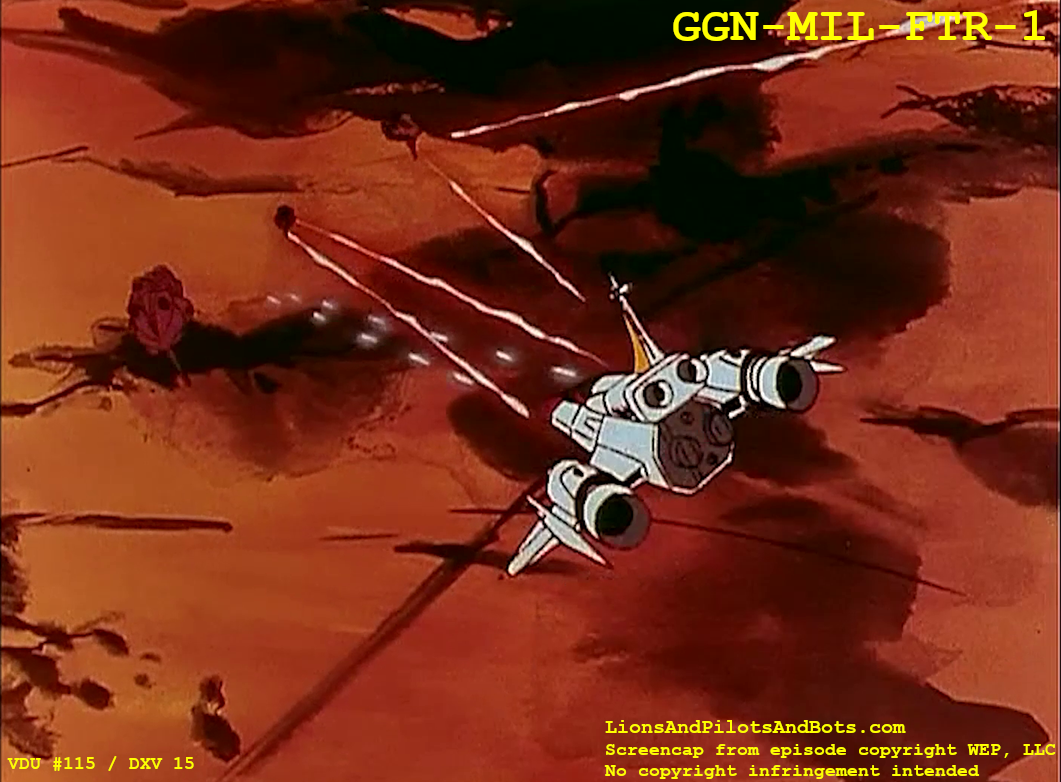
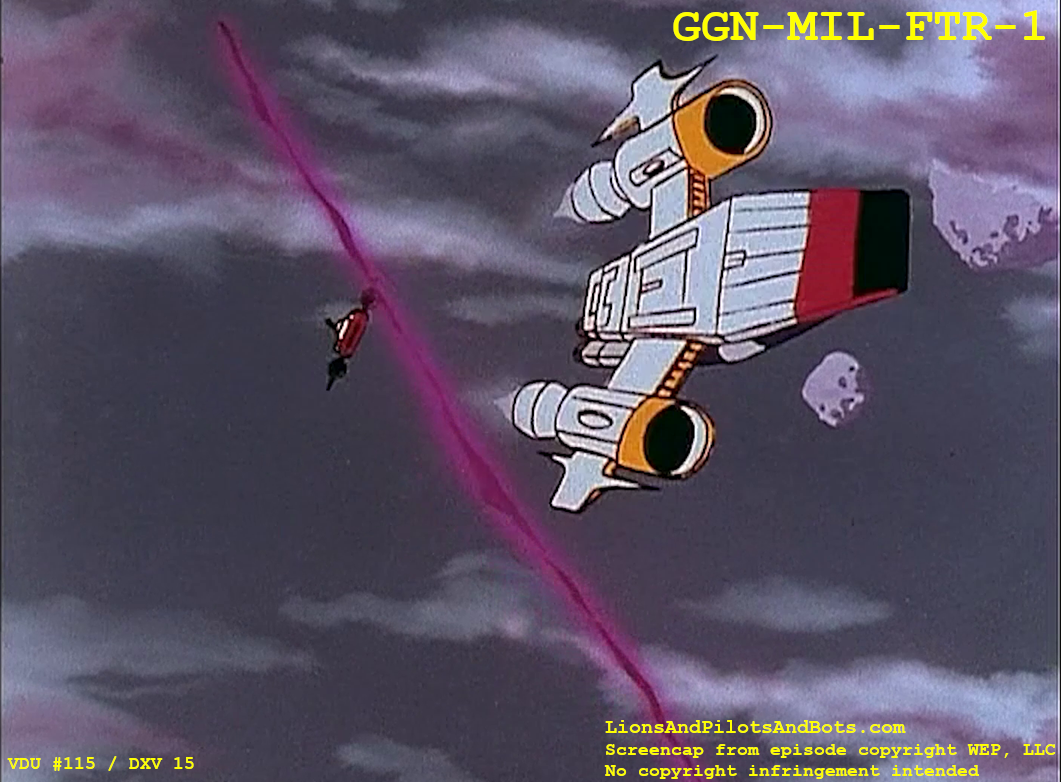
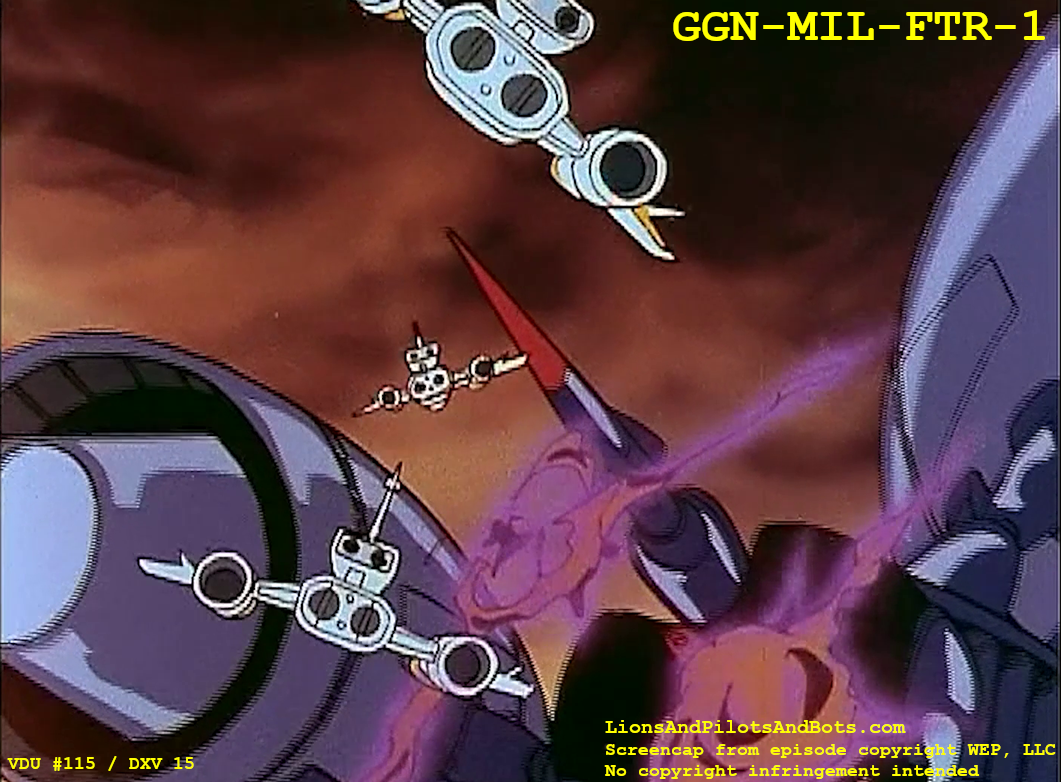
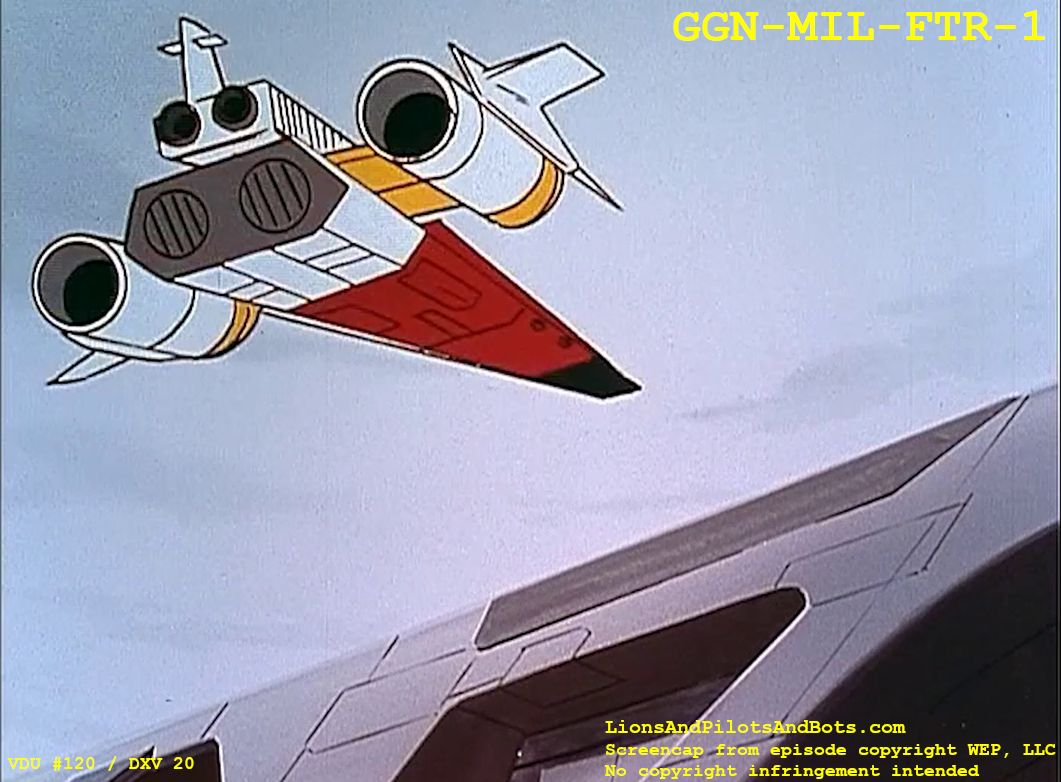
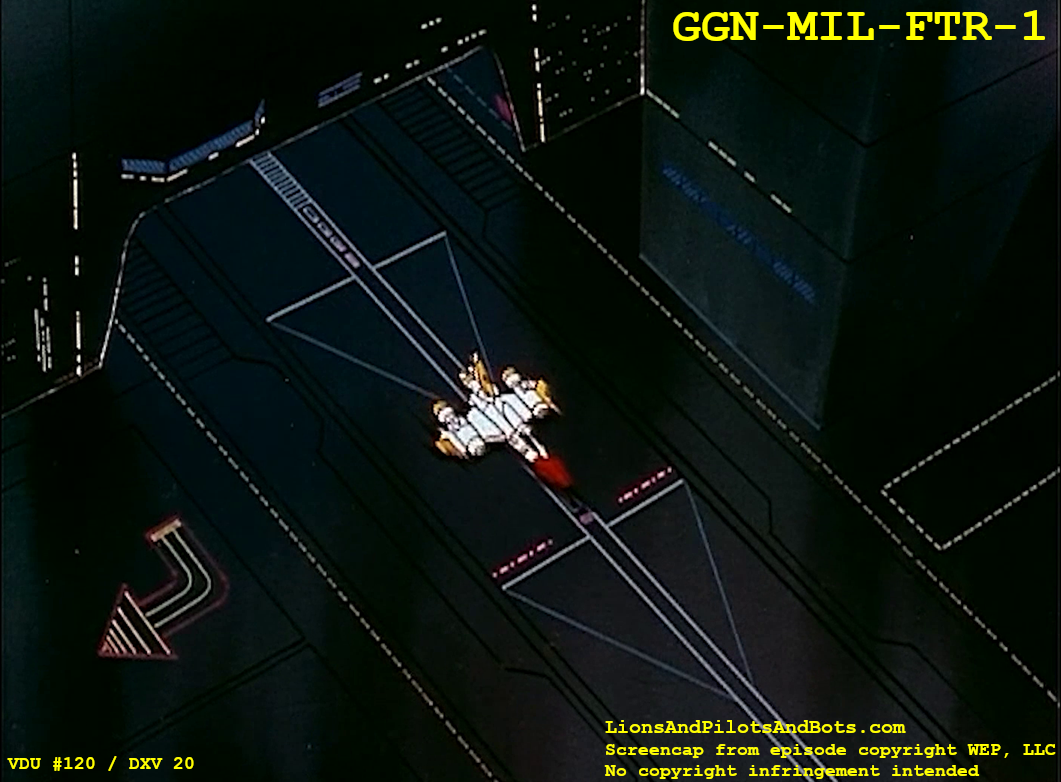
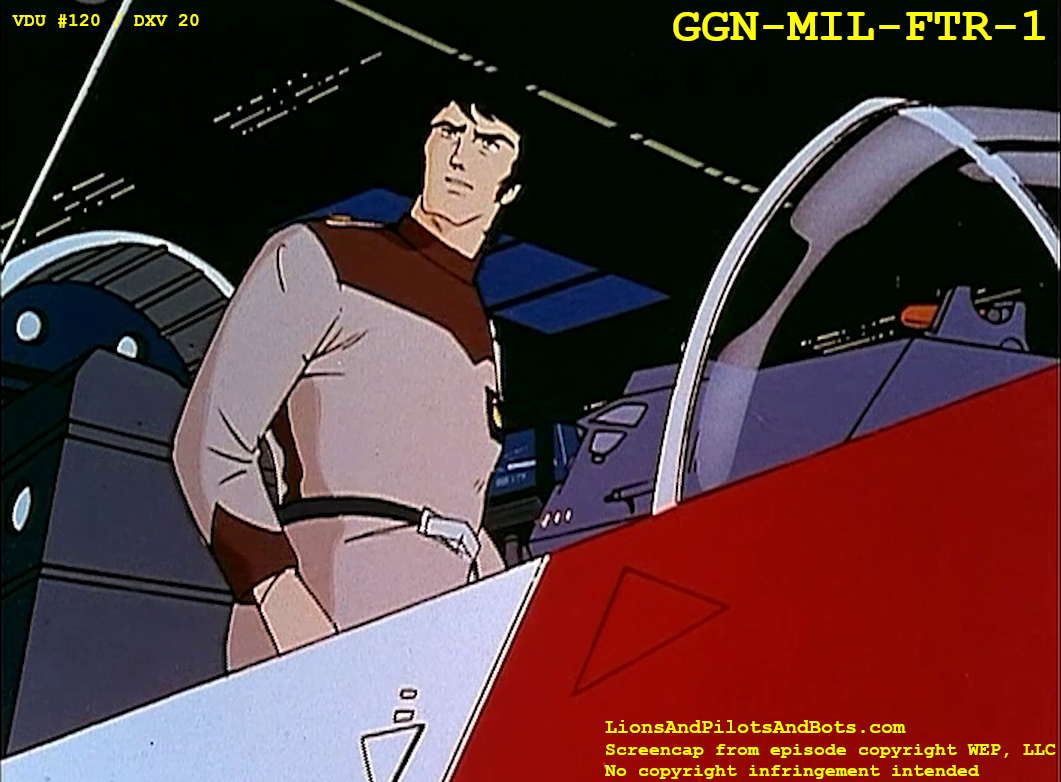
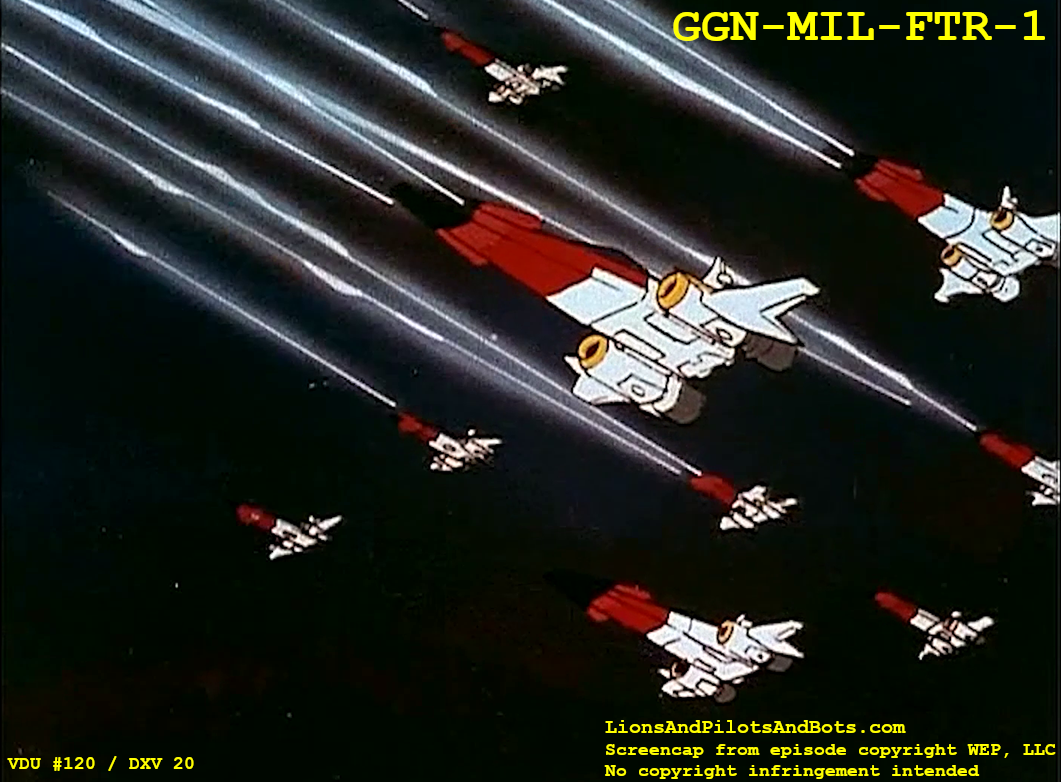
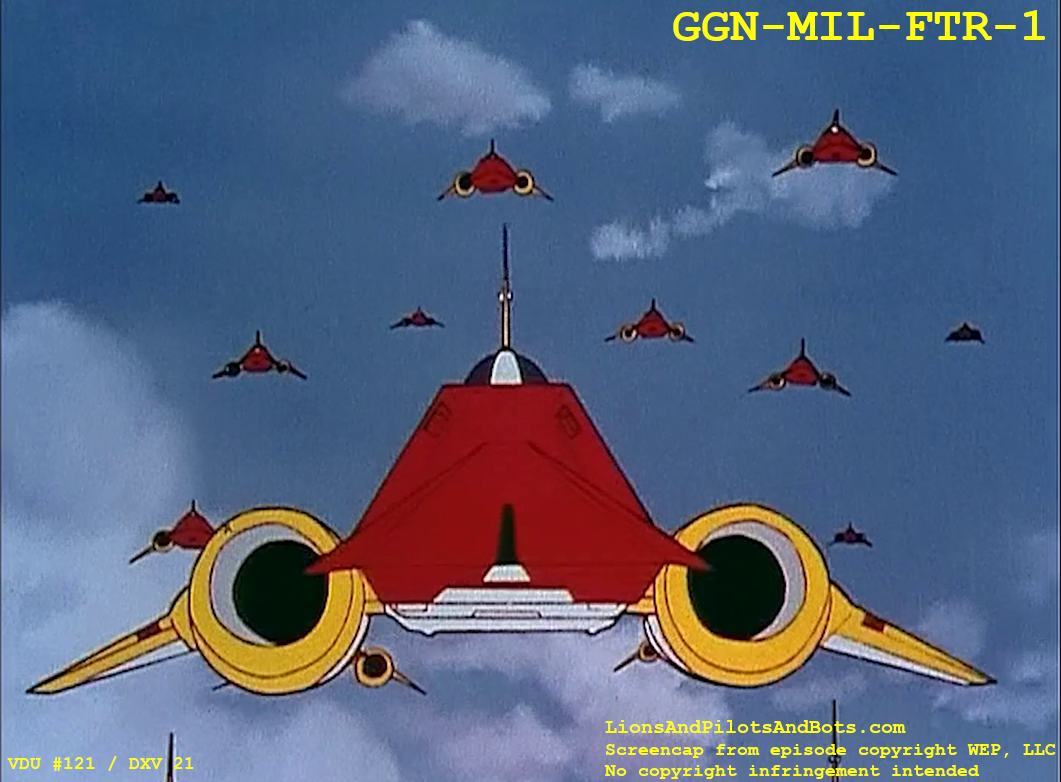
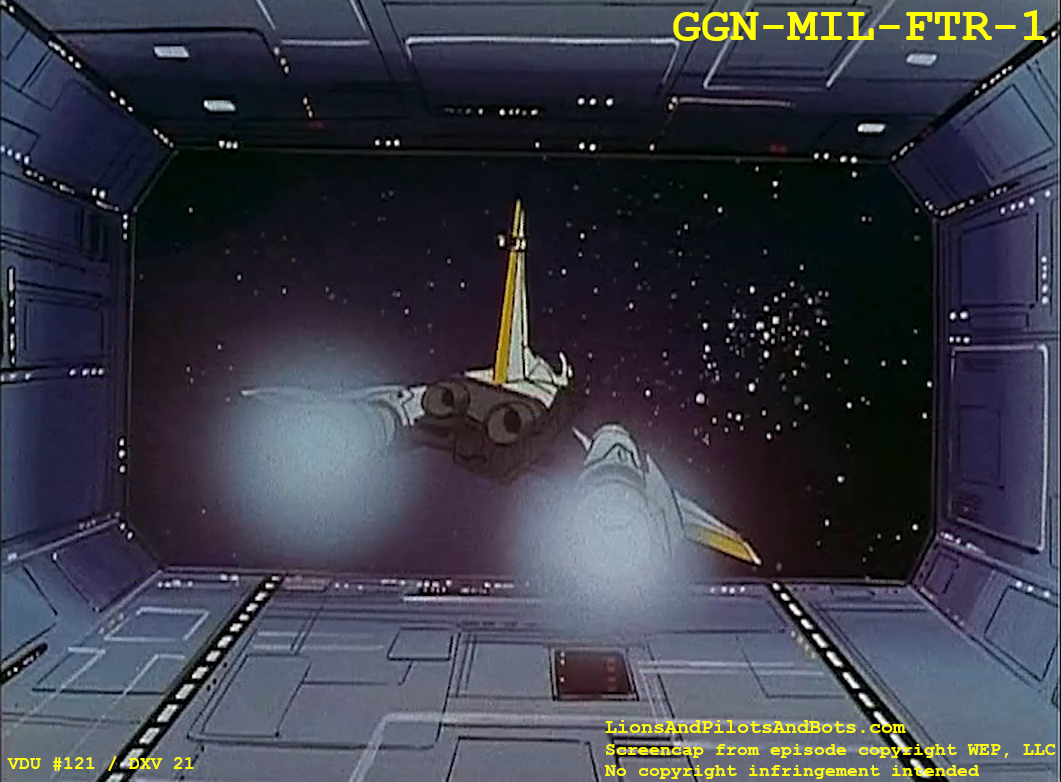
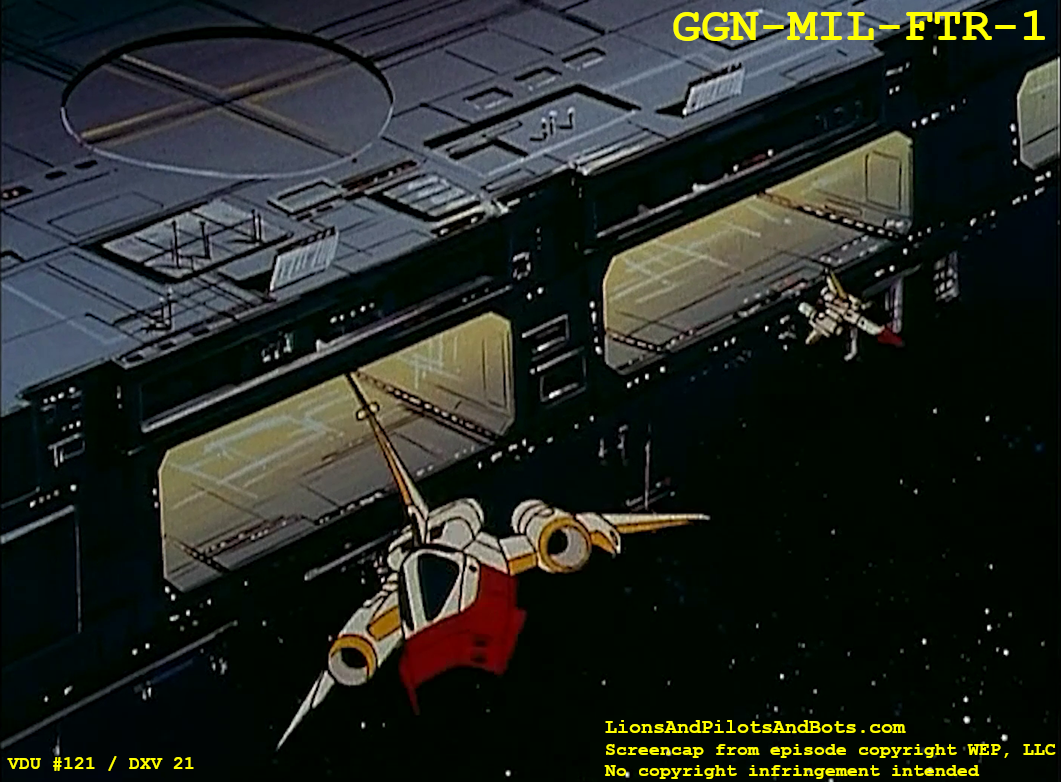
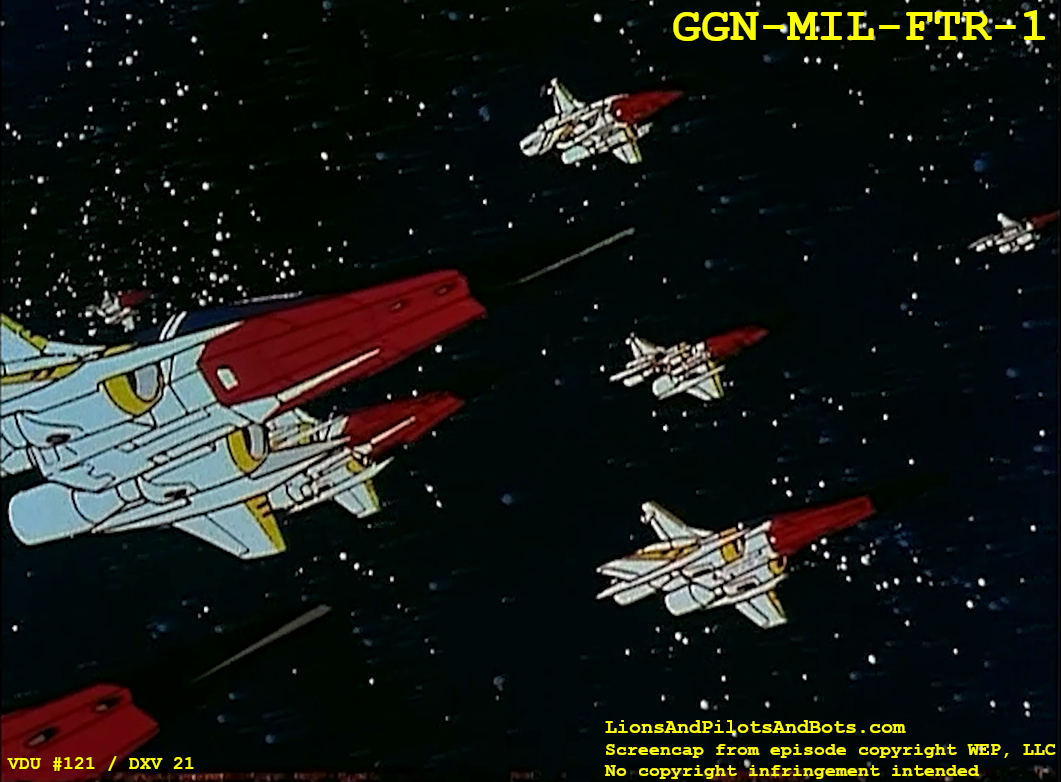
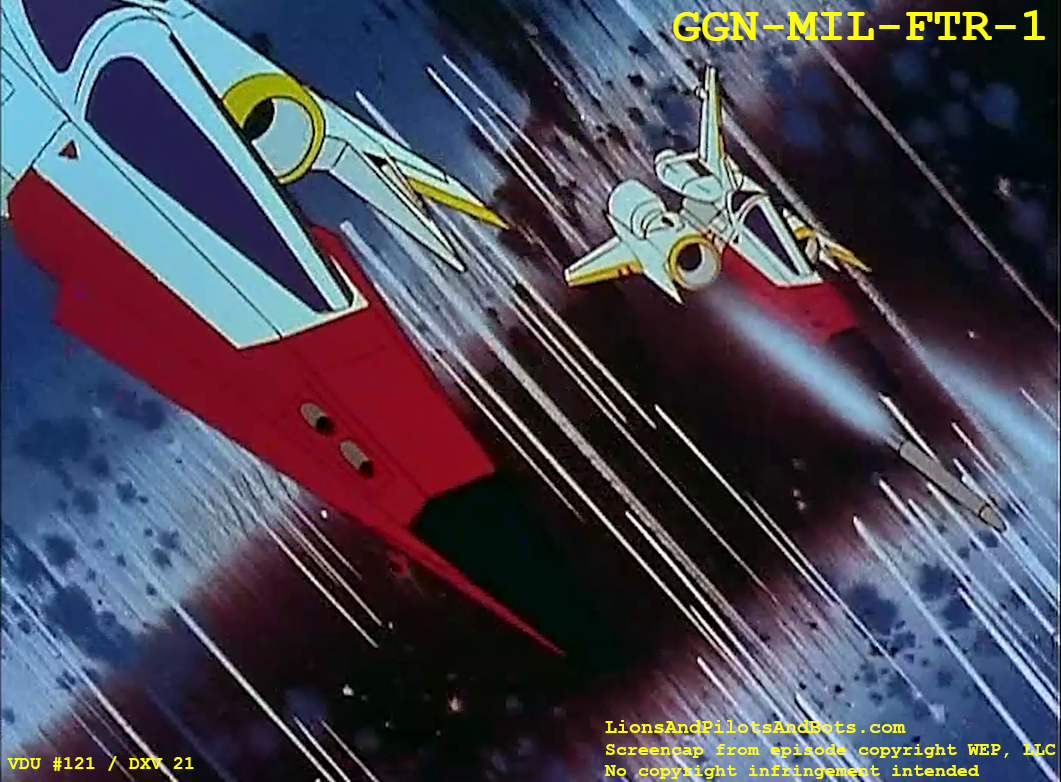
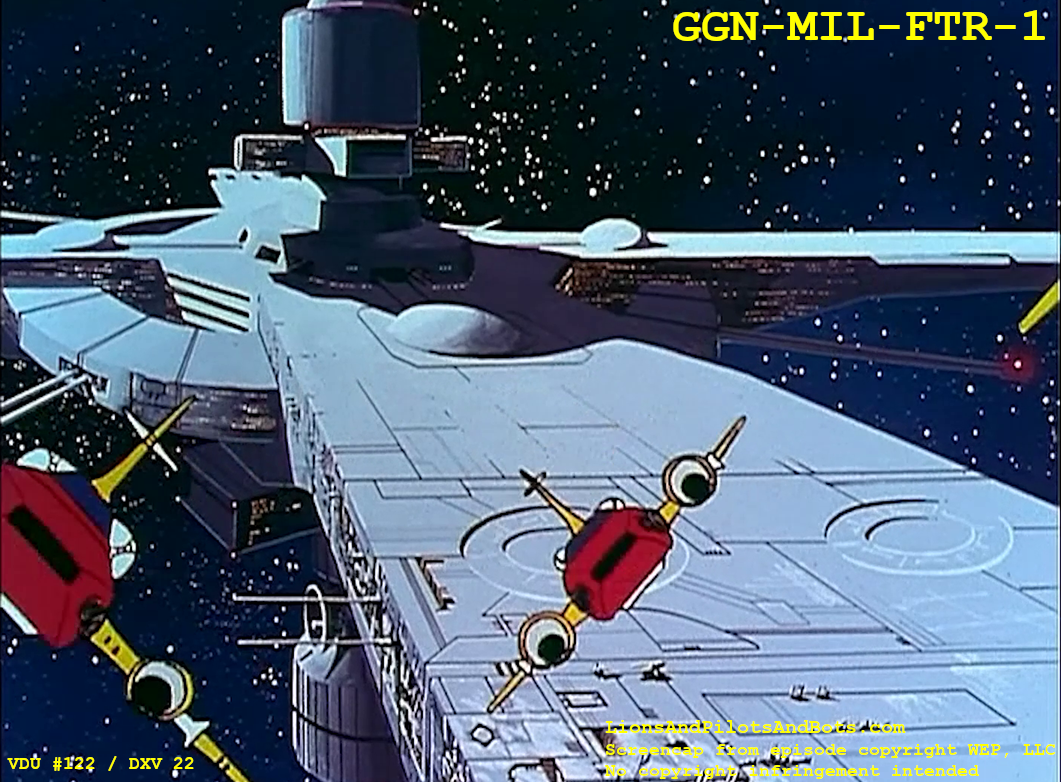
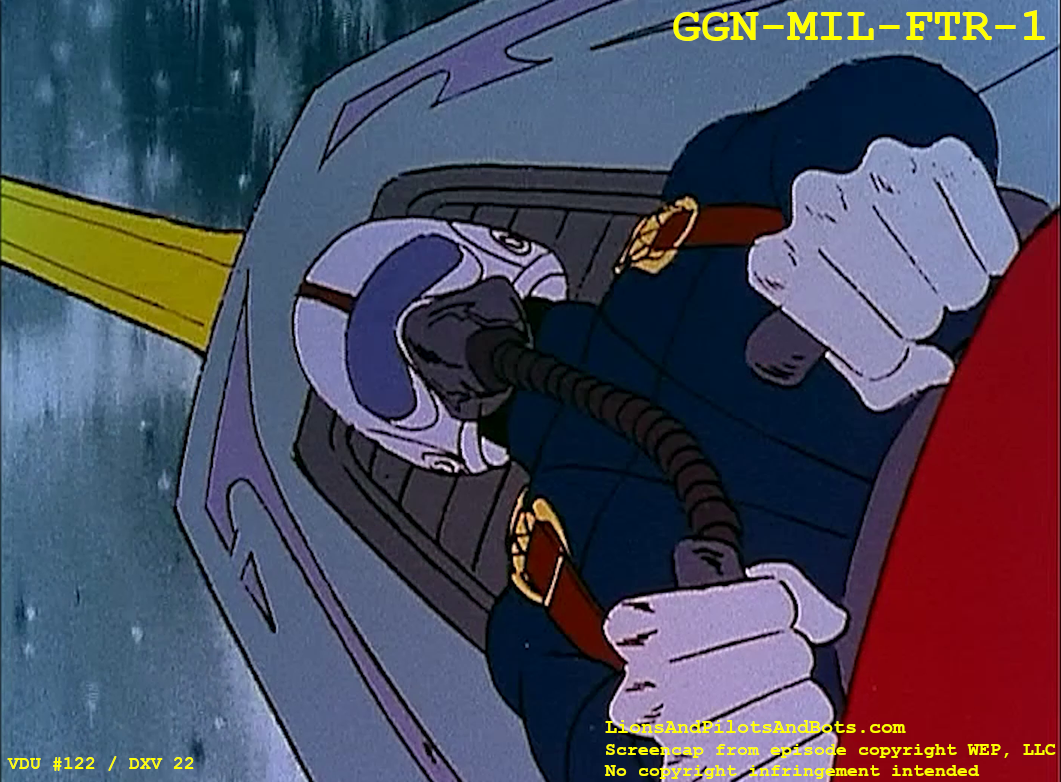
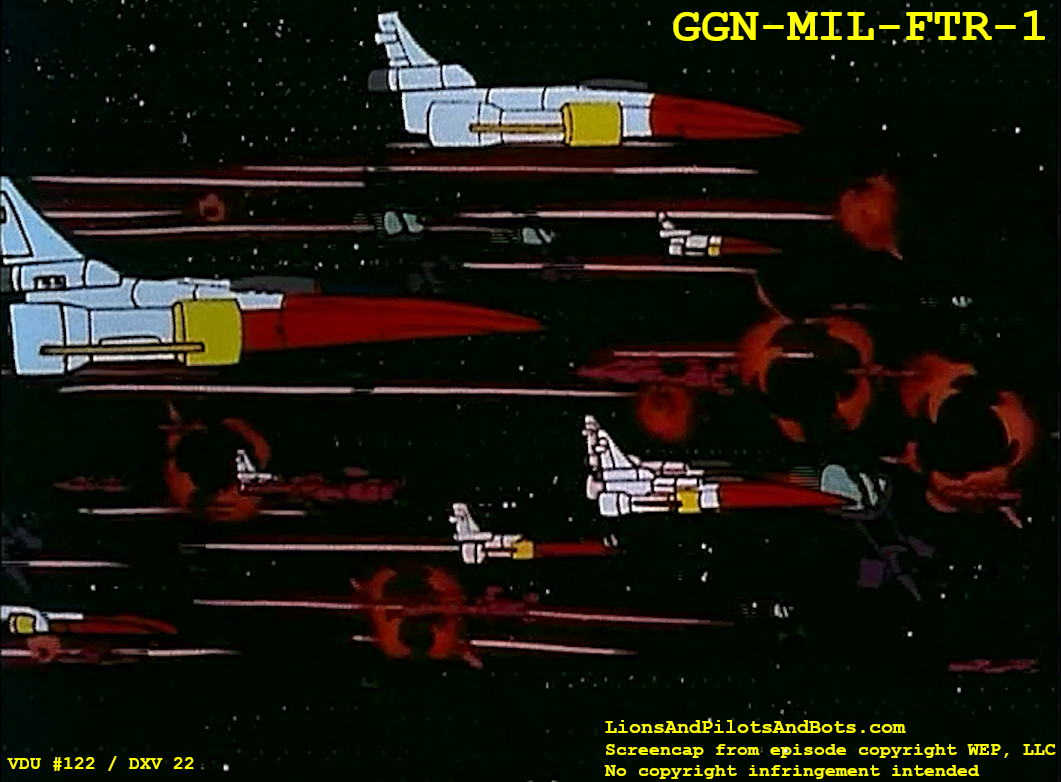
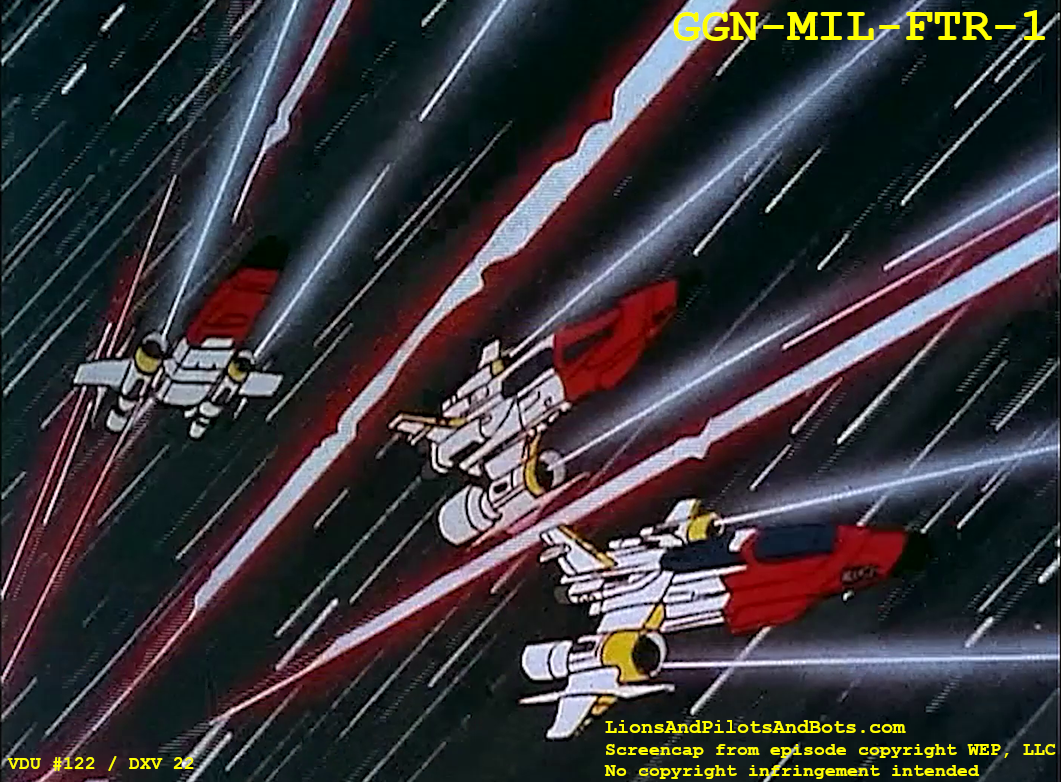
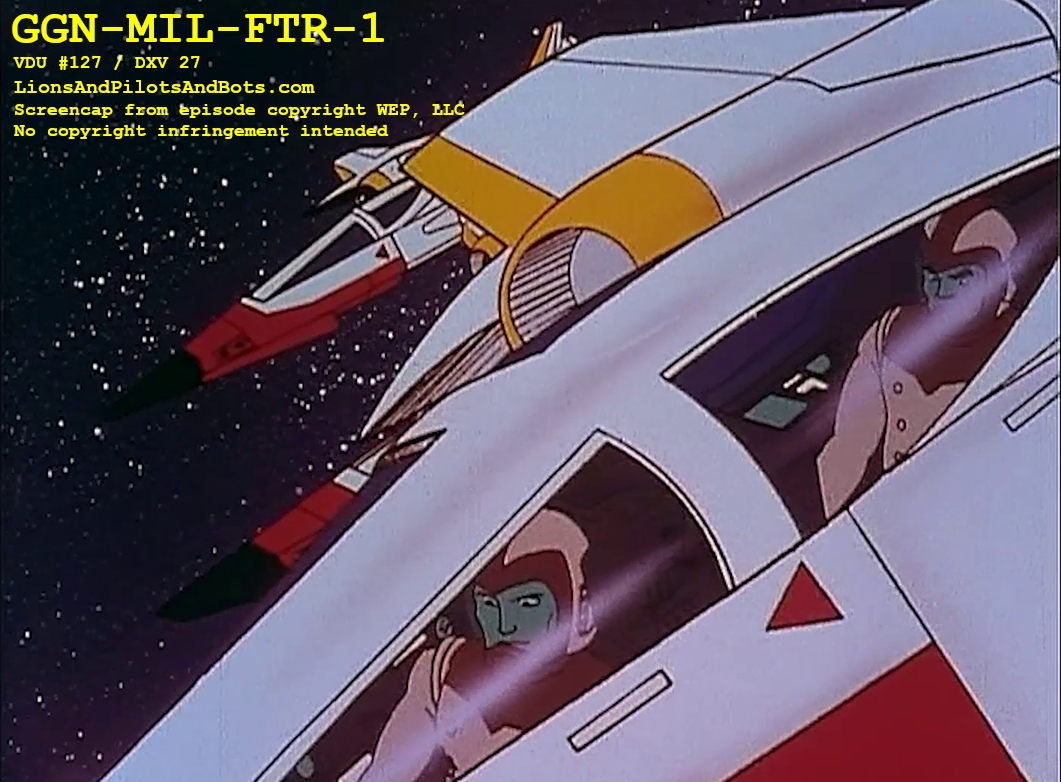
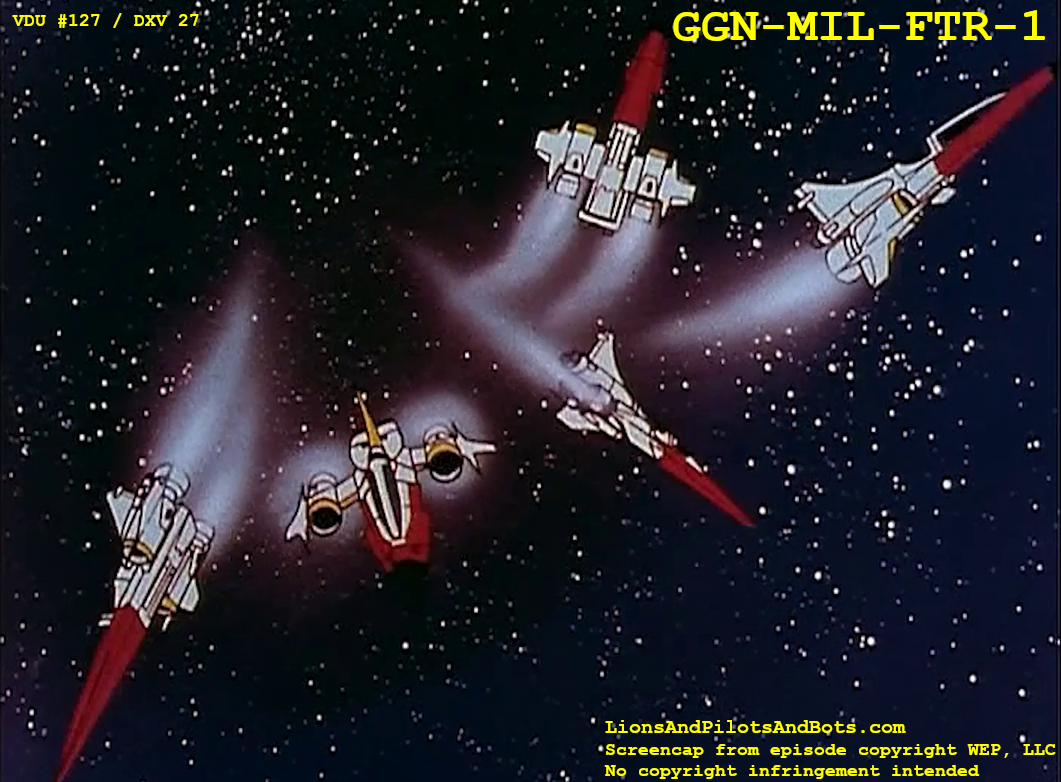
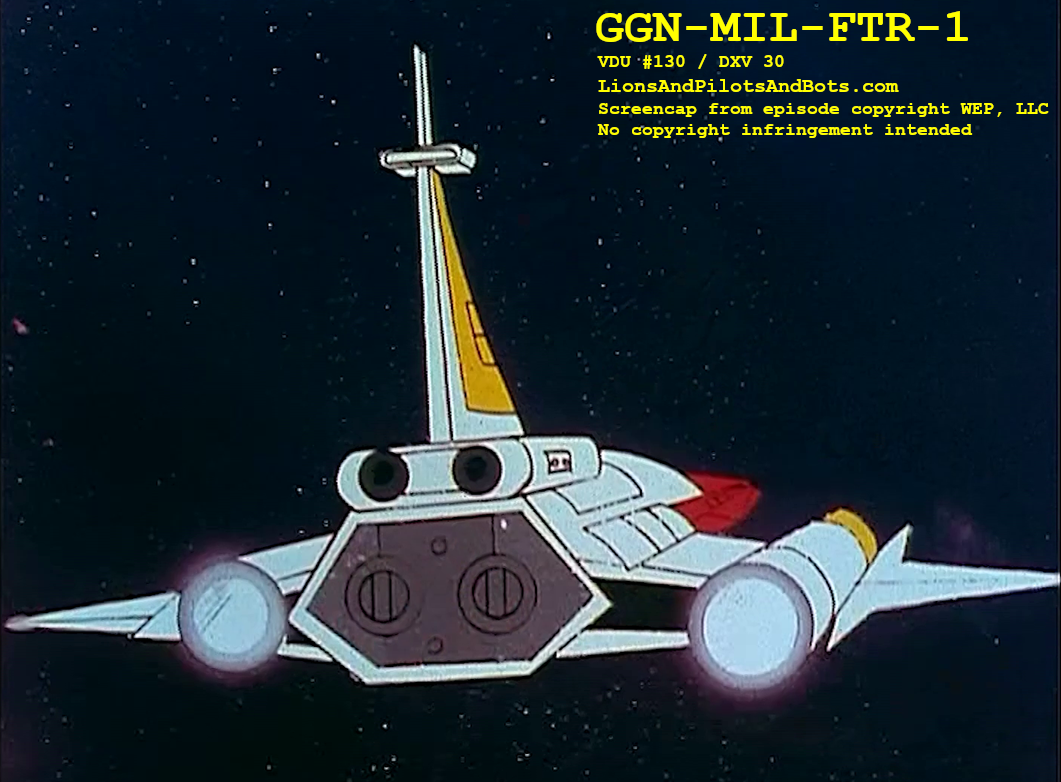
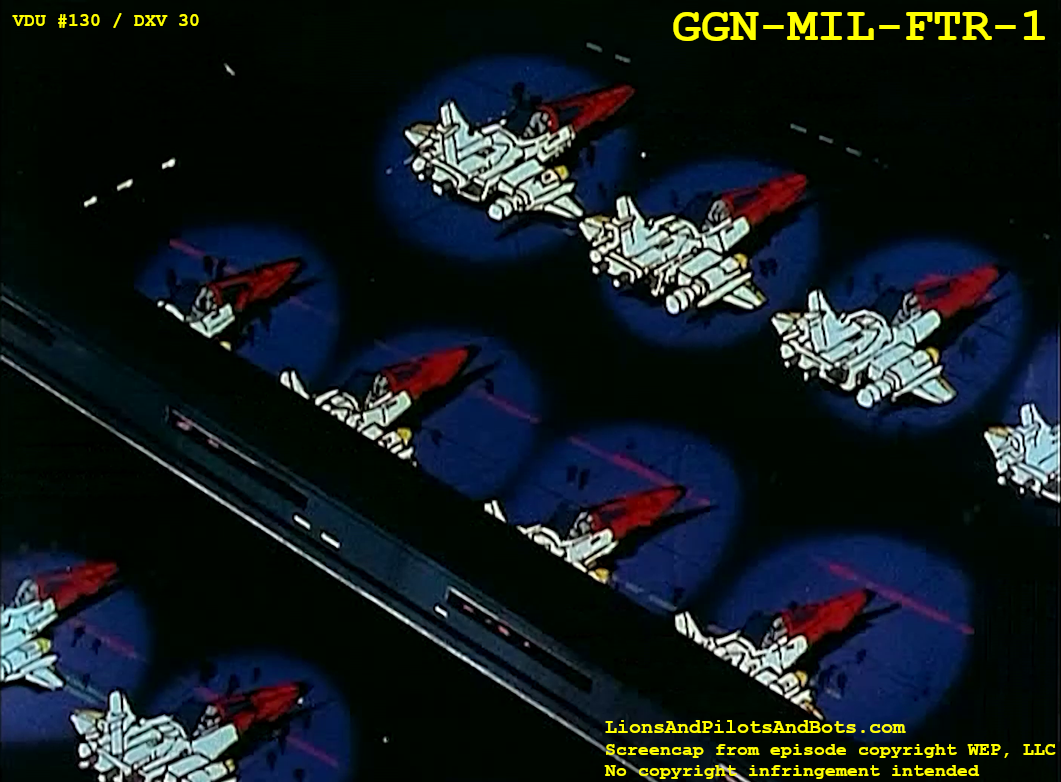
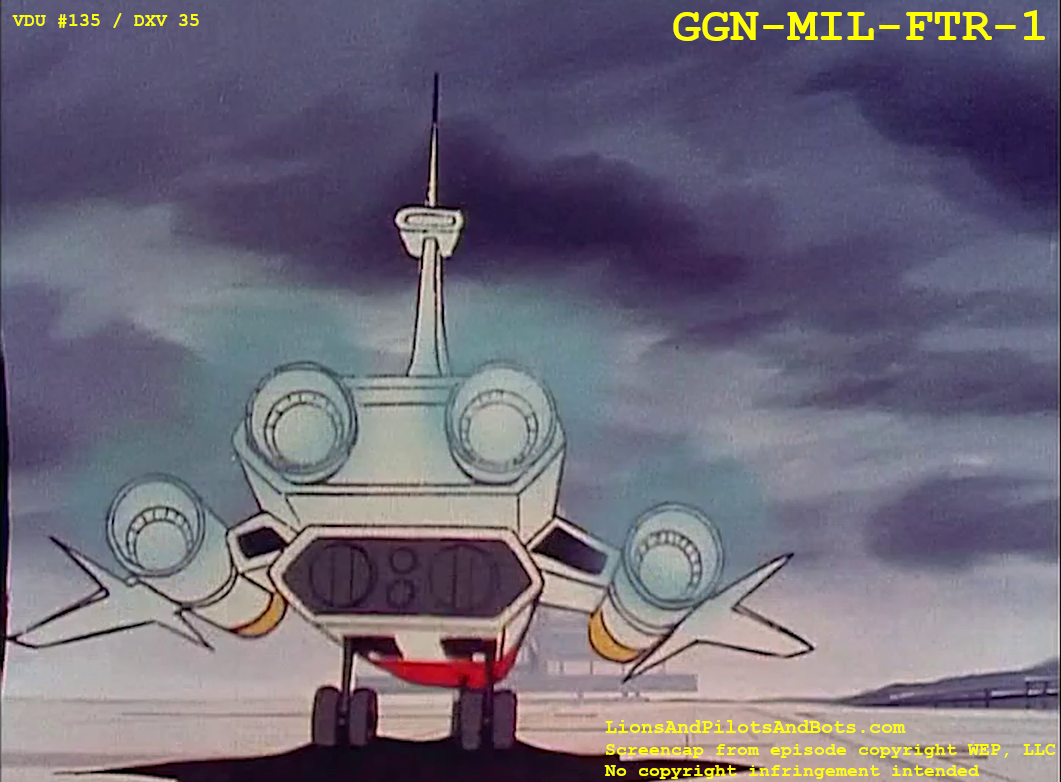
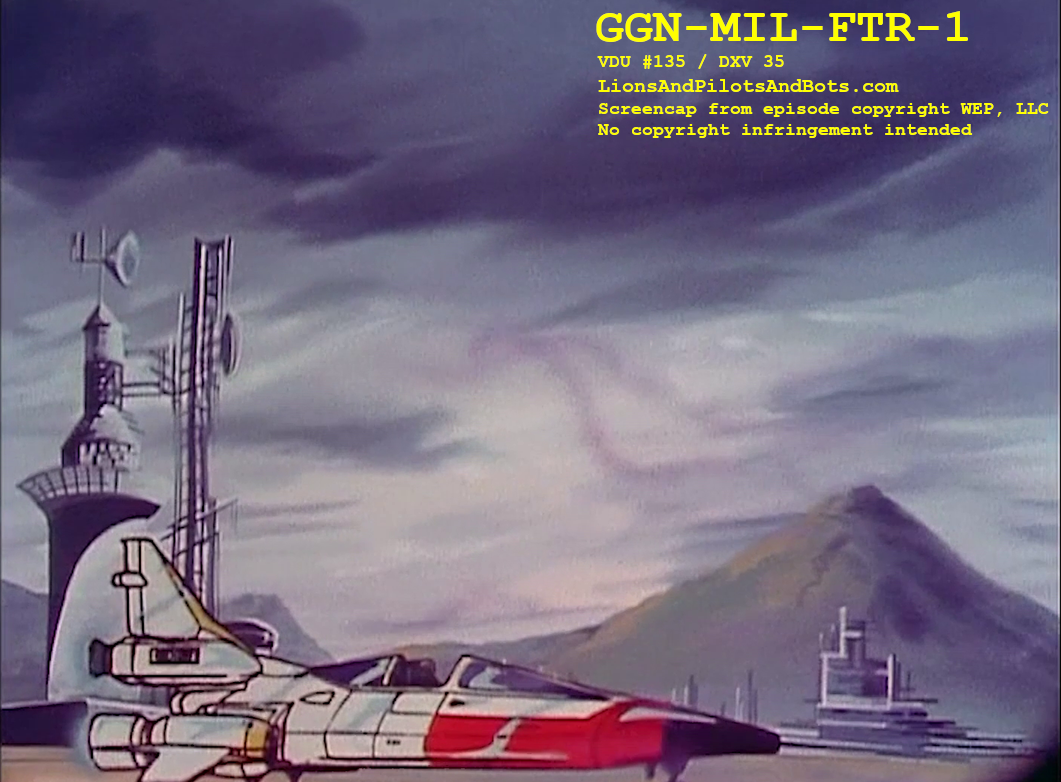
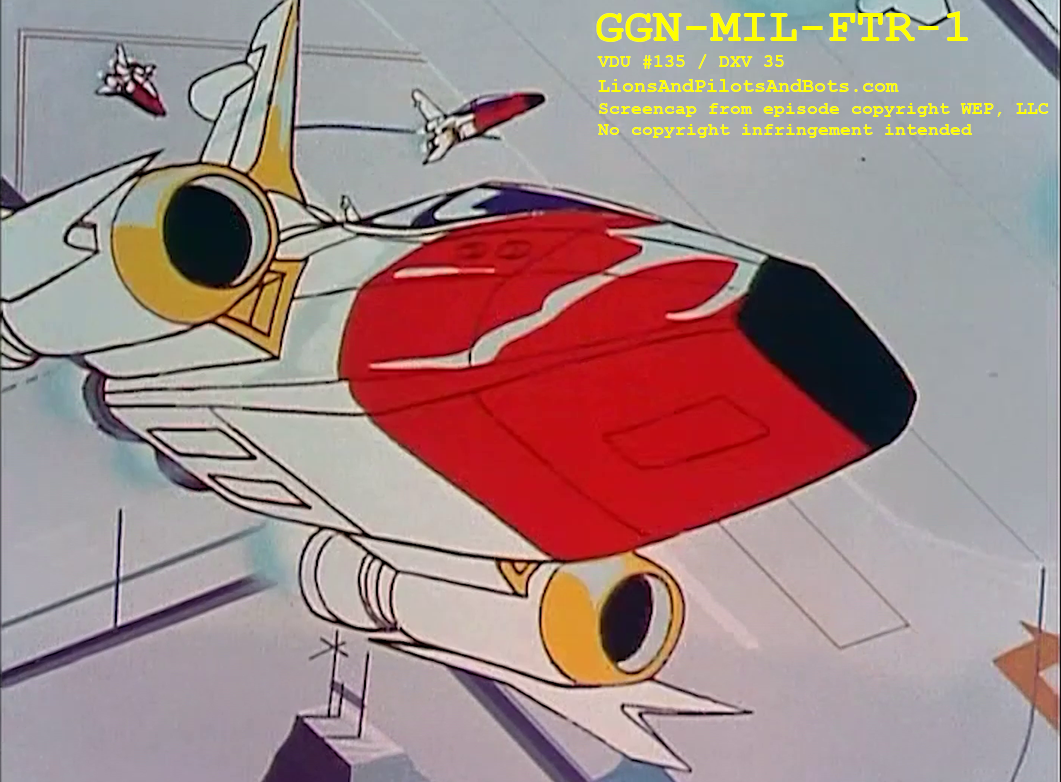
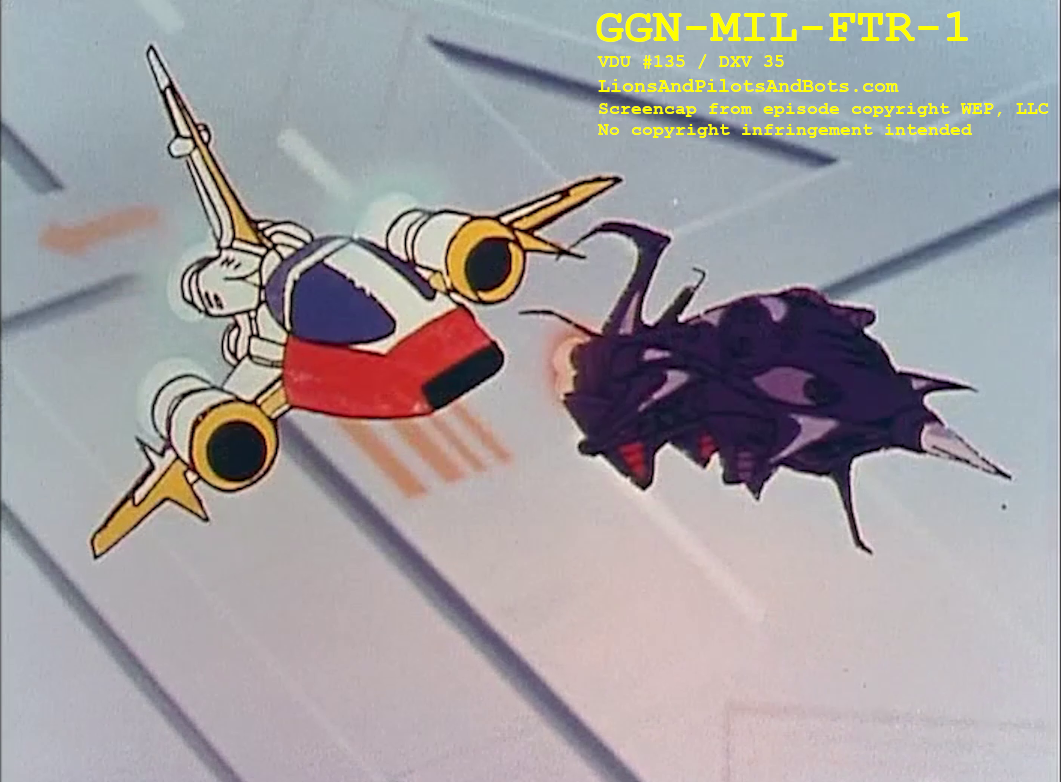
GGN-MIL-FTR-1
This fighter type is ubiquitous across Galaxy Garrison fleets and bases throughout the near universe.
(In ARMORED FLEET DAIRUGGER XV, ships of this type have human pilots. In VOLTRON: DEFENDER OF THE UNIVERSE, these ships are often described as robot ships.)
 |  |  |
 |  |  |
 |  |  |
 |  |  |
 |  |  |
|  |  |
 |  |  |
 |  |  |
 |  |  |
 |  |  |
 |  |  |
 |  |  |
 |  | |
 |  |  |
 |  |  |
Return to Vehicle Types – Summary Information
GGN-MIL-FTR-2
This fighter type is seen only in defense of Earth.
|
Return to Vehicle Types – Summary Information
Military – Tank (MIL-TNK)
GGN-MIL-TNK-1
|  |
Return to Vehicle Types – Summary Information
GGN-MIL-TNK-2
|  |
Return to Vehicle Types – Summary Information
GGN-MIL-TNK-3
|  |  |
Return to Vehicle Types – Summary Information
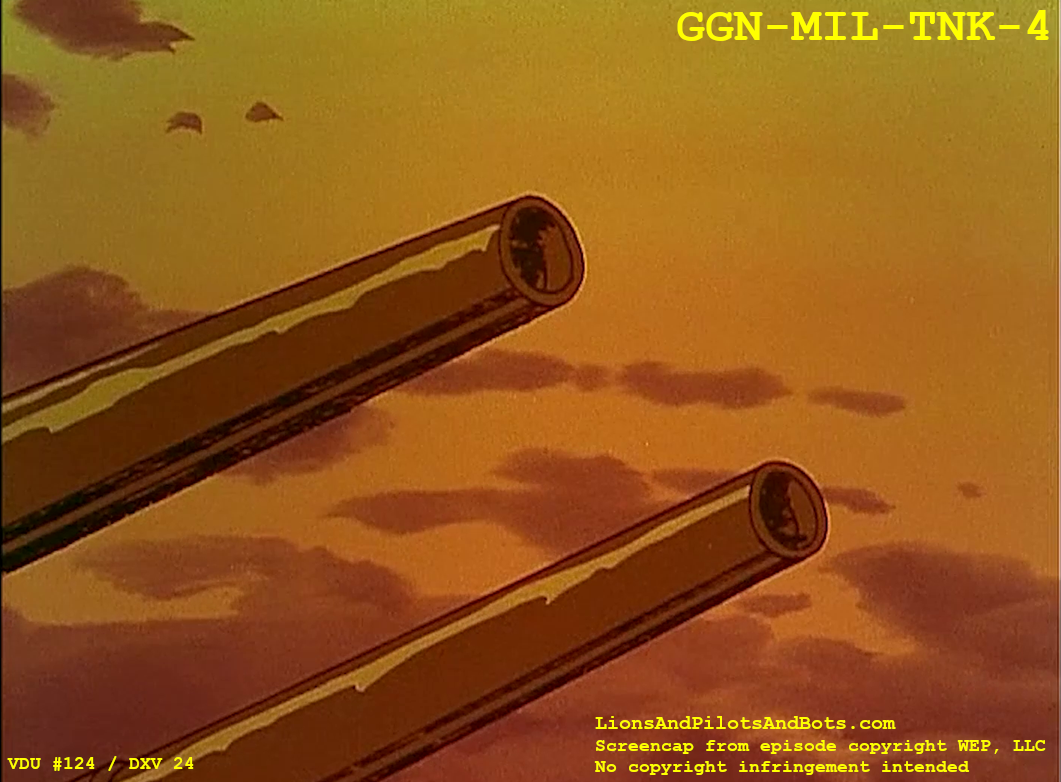
GGN-MIL-TNK-4
(In VOLTRON: DEFENDER OF THE UNIVERSE, this design is not seen in full.)
 | |
Return to Vehicle Types – Summary Information
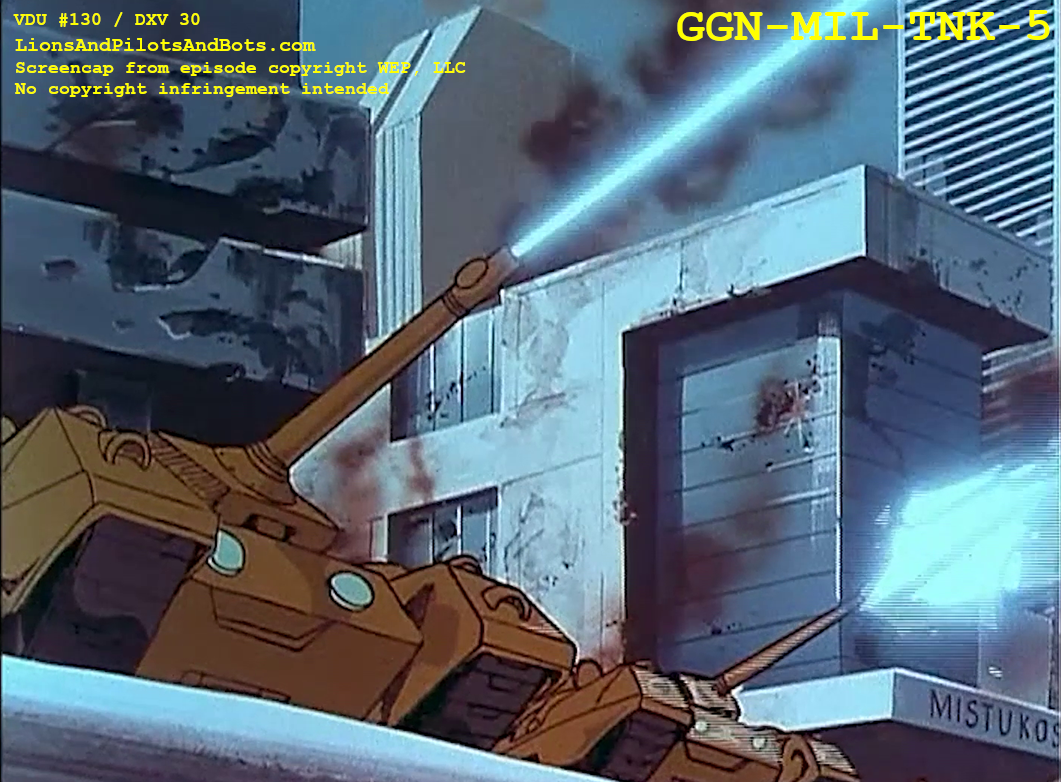
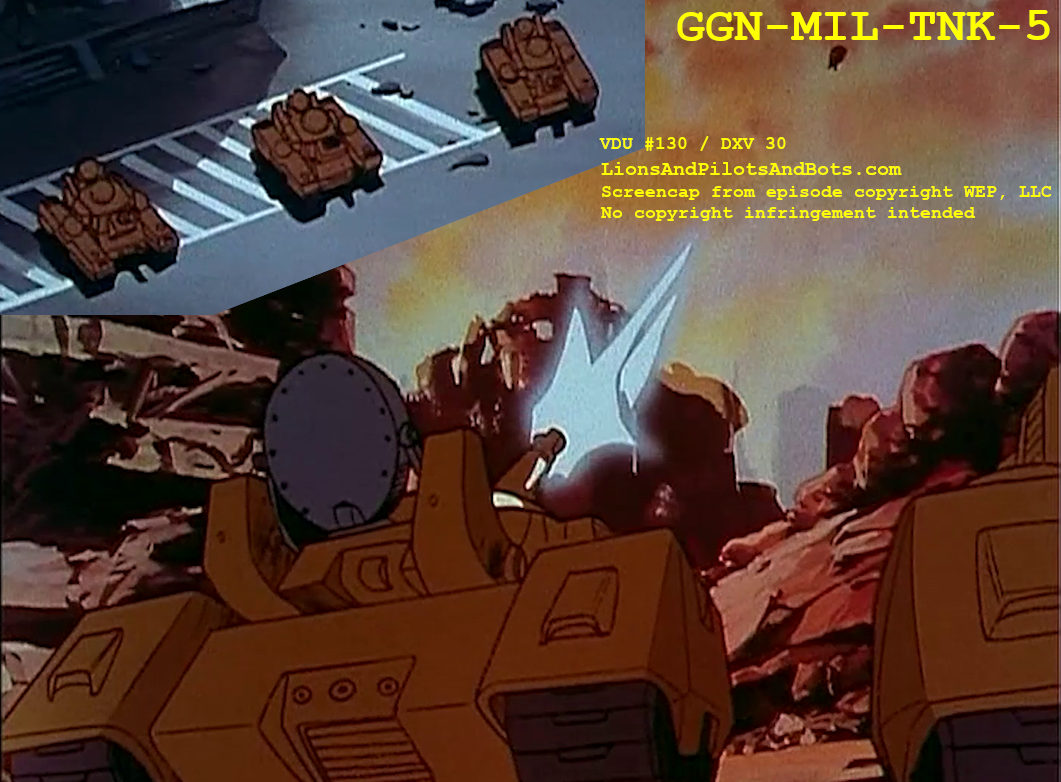
GGN-MIL-TNK-5
|  |  |
Return to Vehicle Types – Summary Information
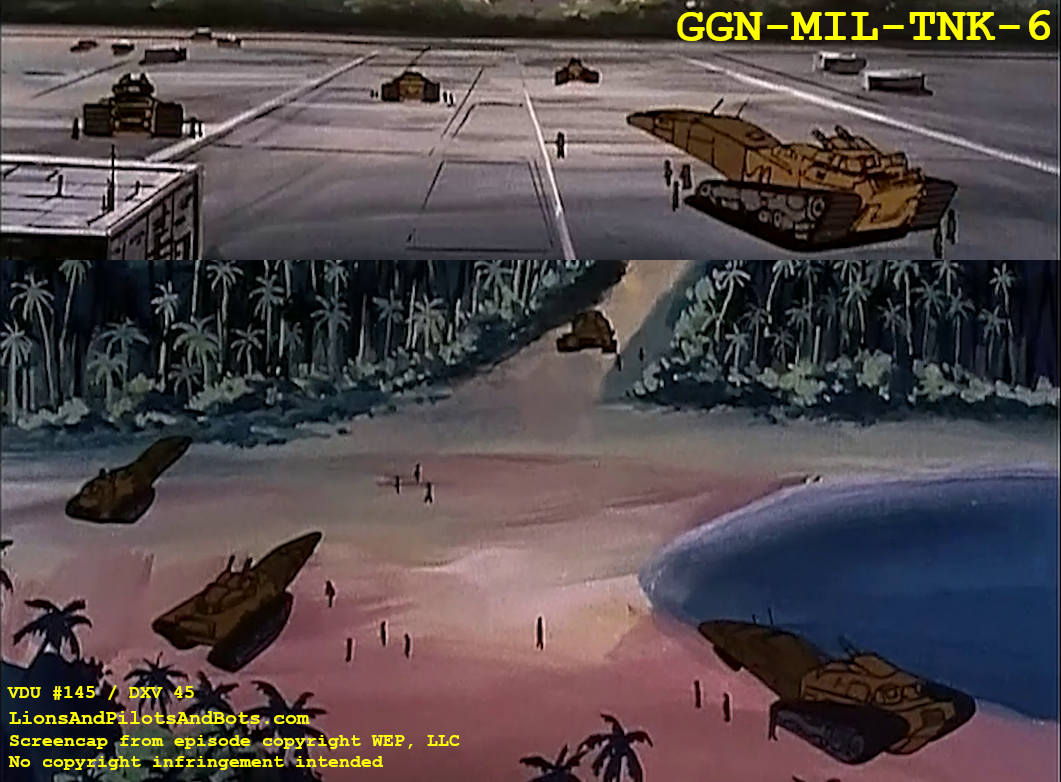
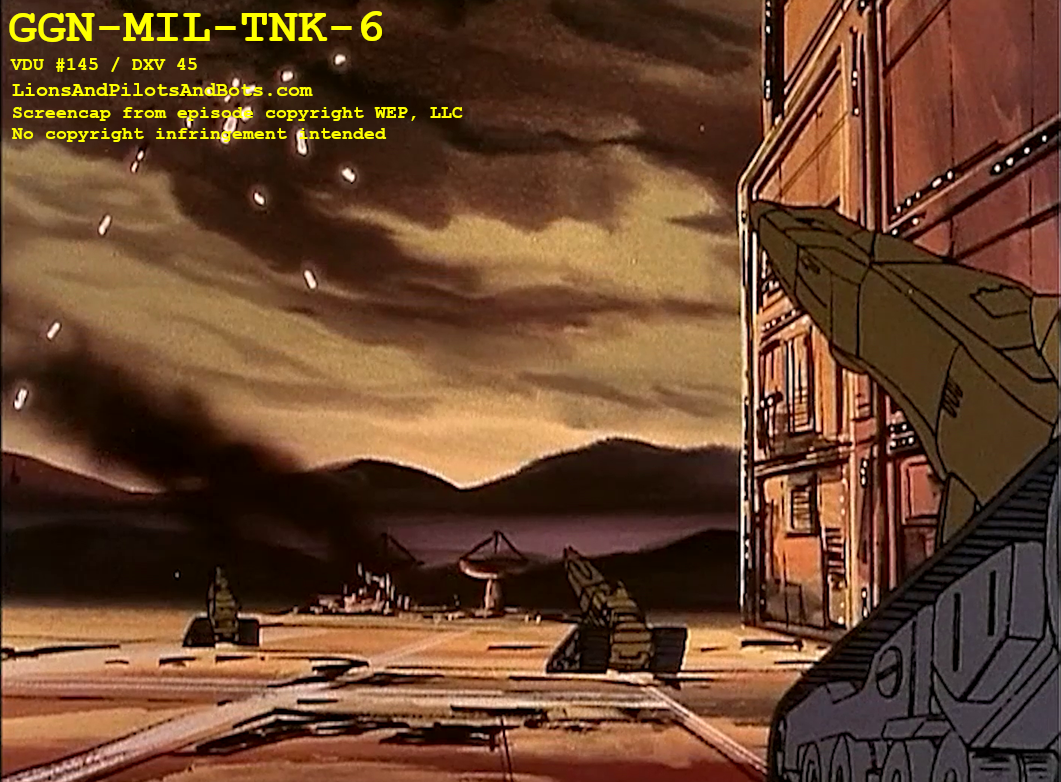
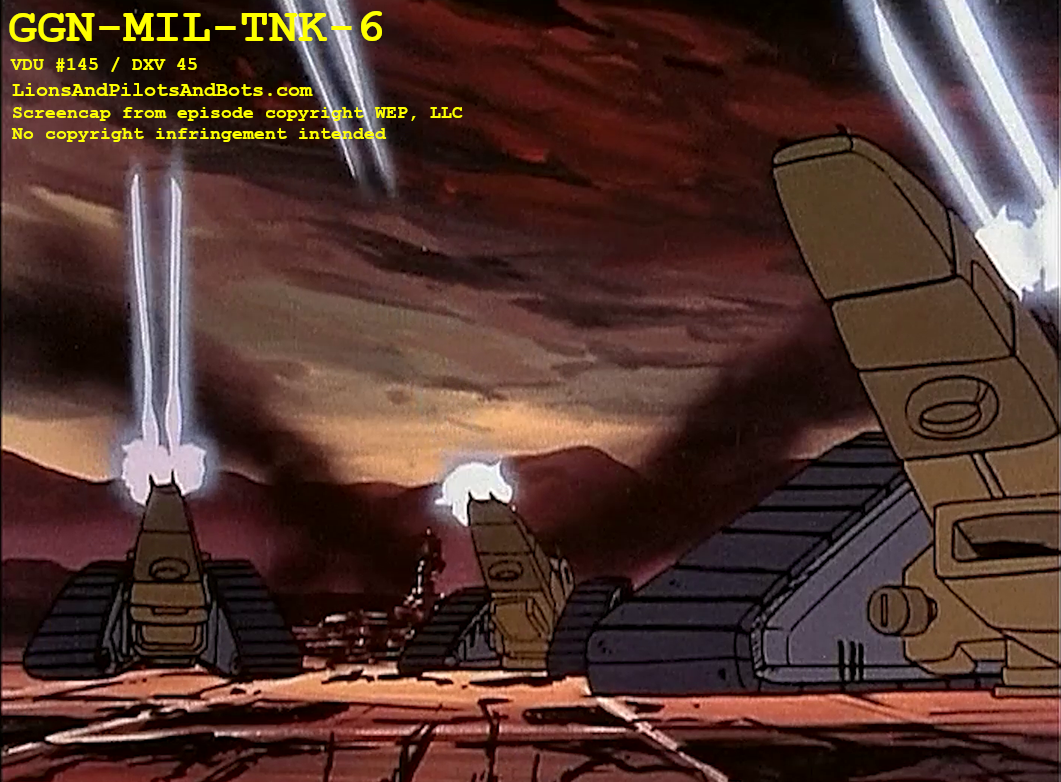
GGN-MIL-TNK-6
 |  |  |
|
Return to Vehicle Types – Summary Information
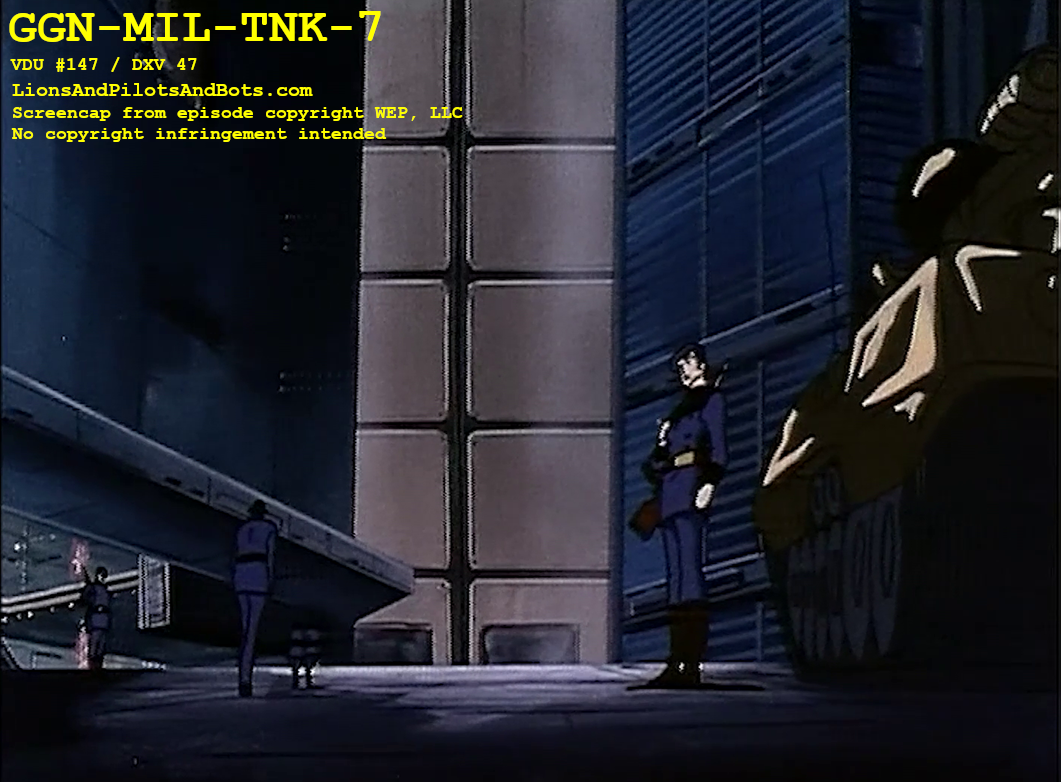
GGN-MIL-TNK-7
 | |
Return to Vehicle Types – Summary Information
Military – Missile Truck (MIL-MSTRK)
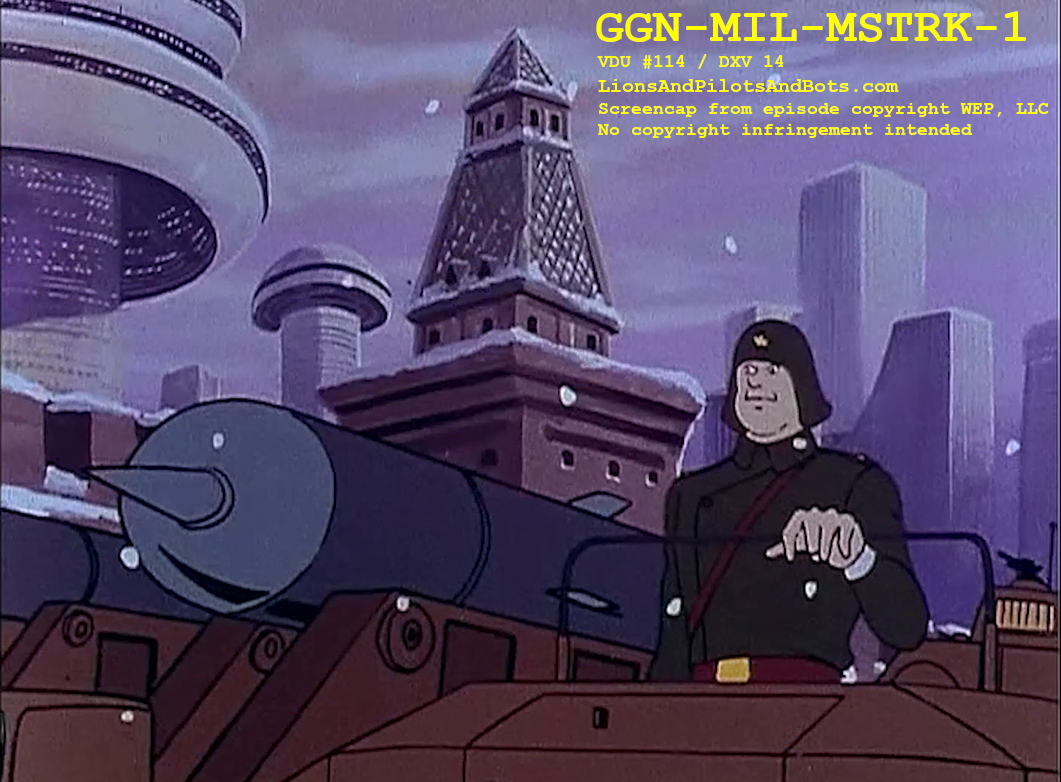
GGN-MIL-MSTRK-1
 | |  |
Return to Vehicle Types – Summary Information
Military – Truck (MIL-TRK)
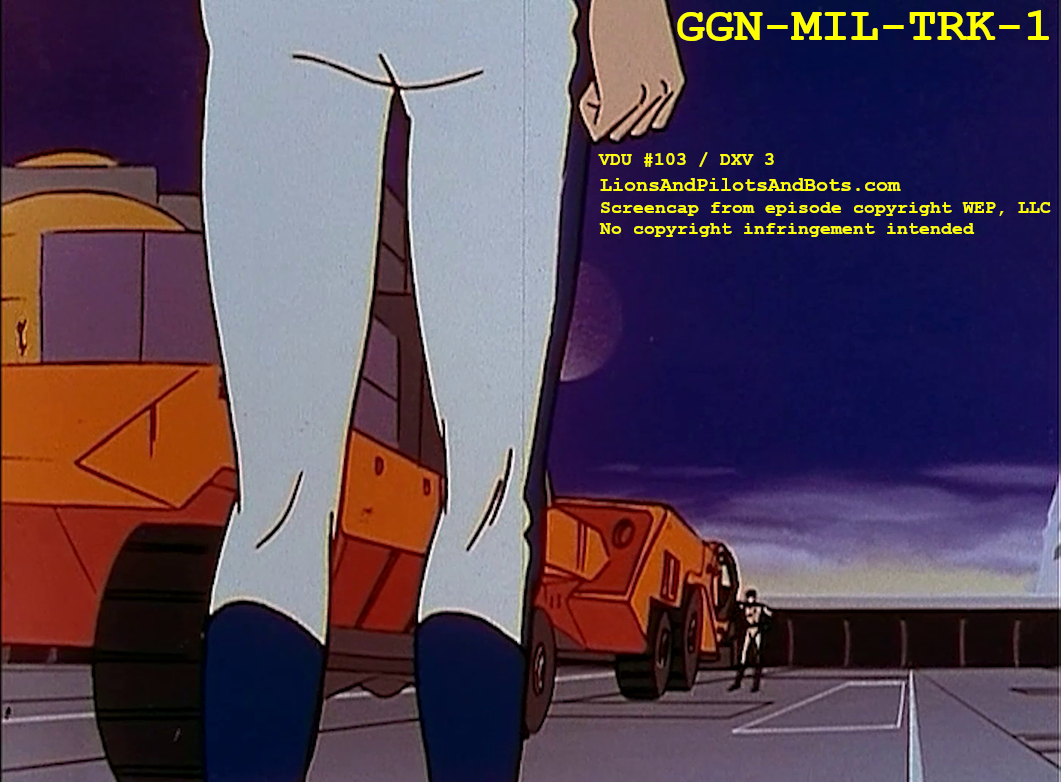
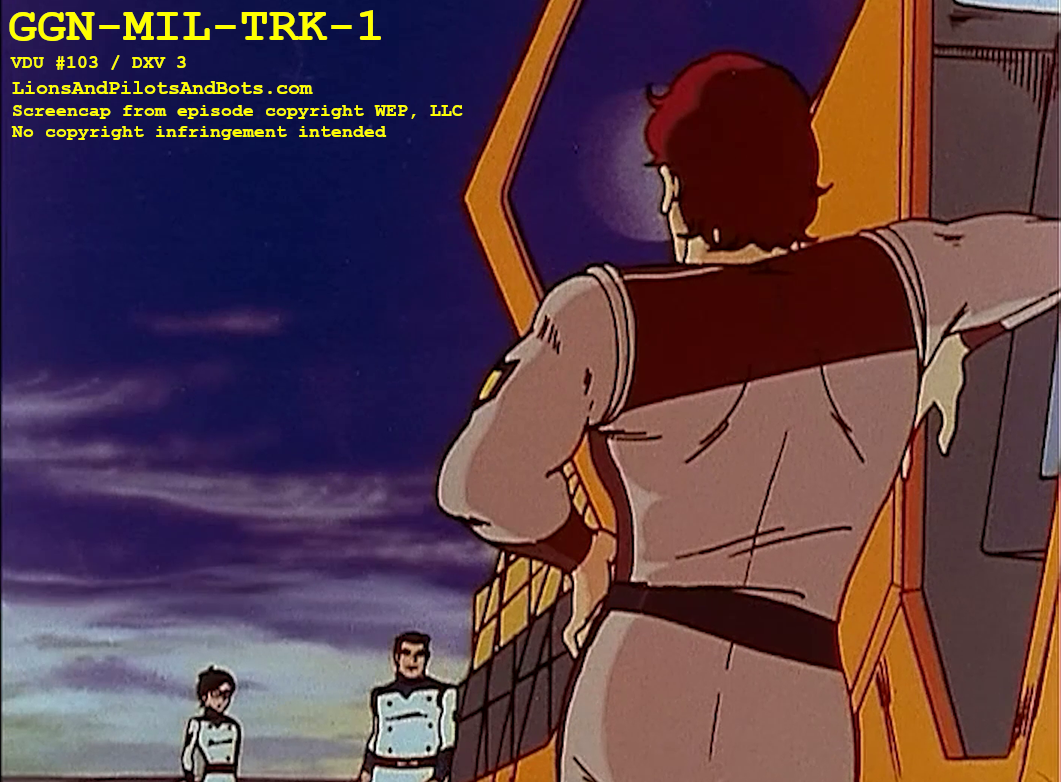
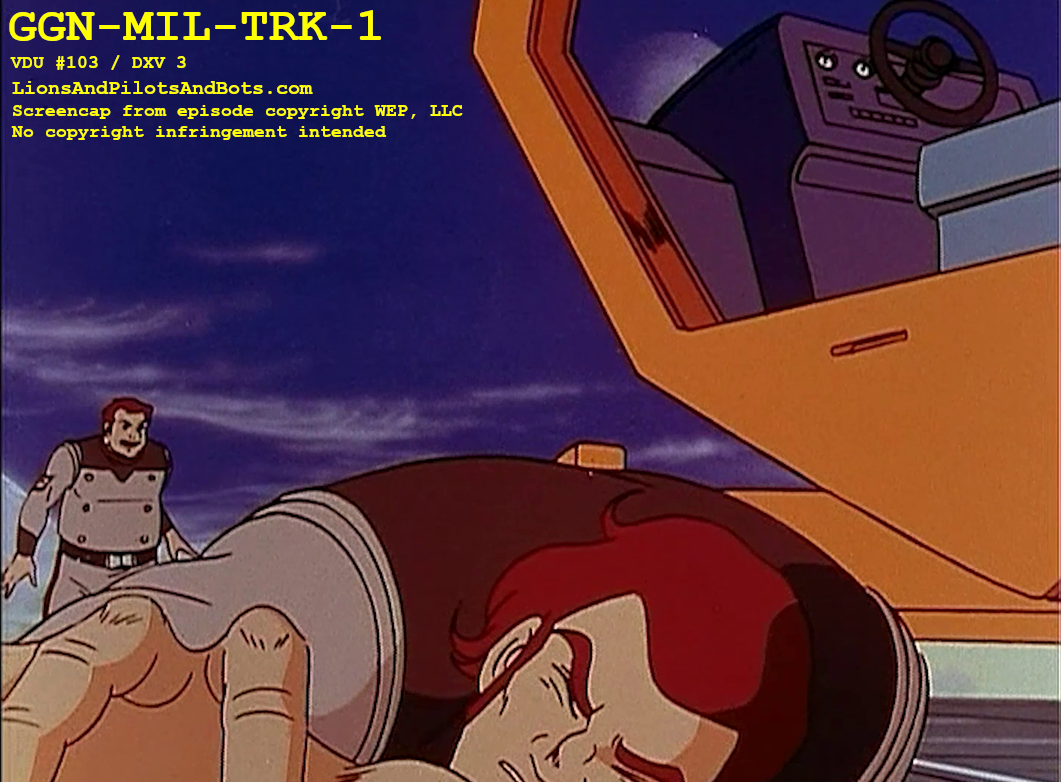
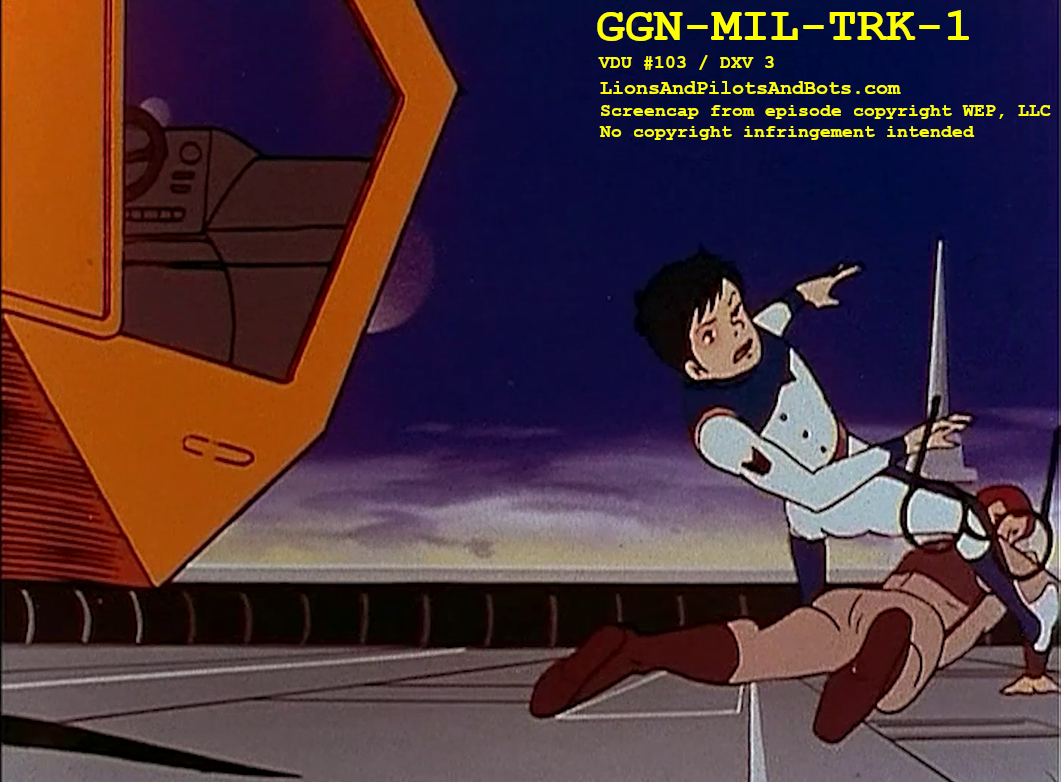
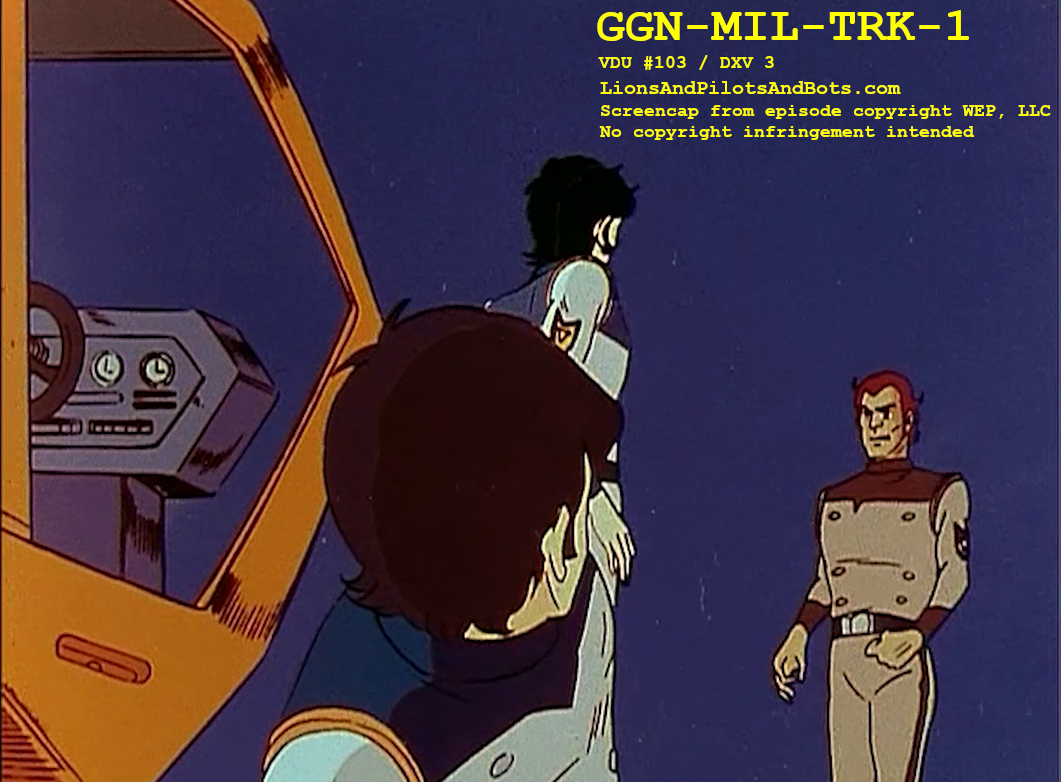
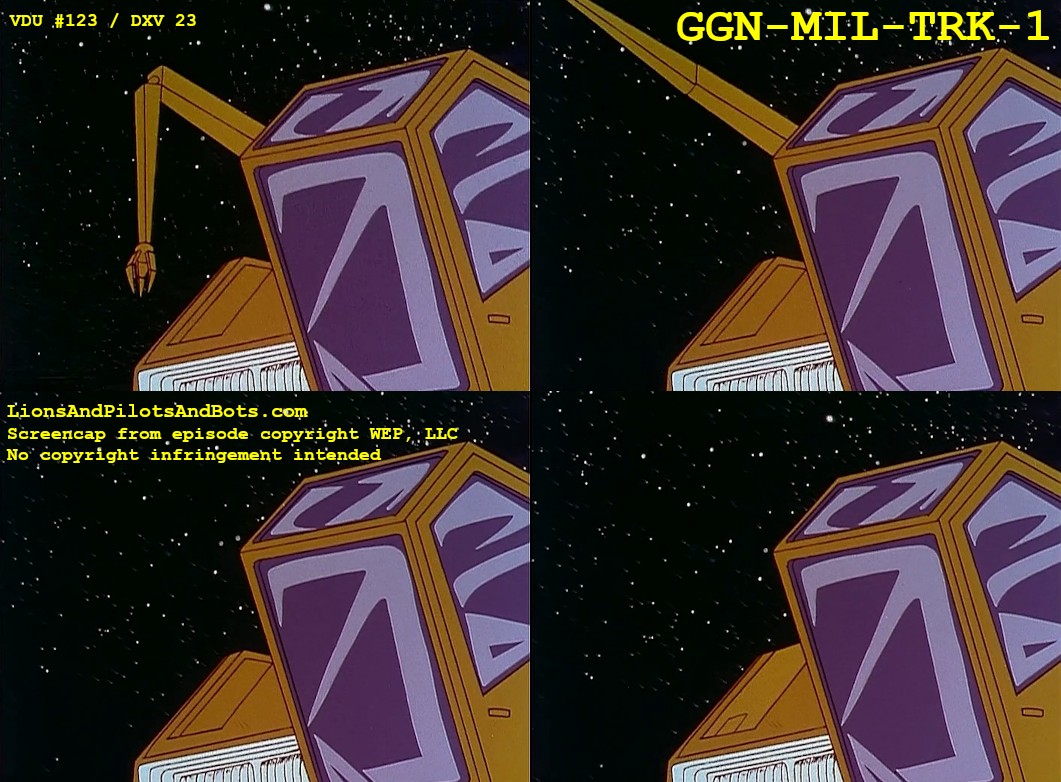
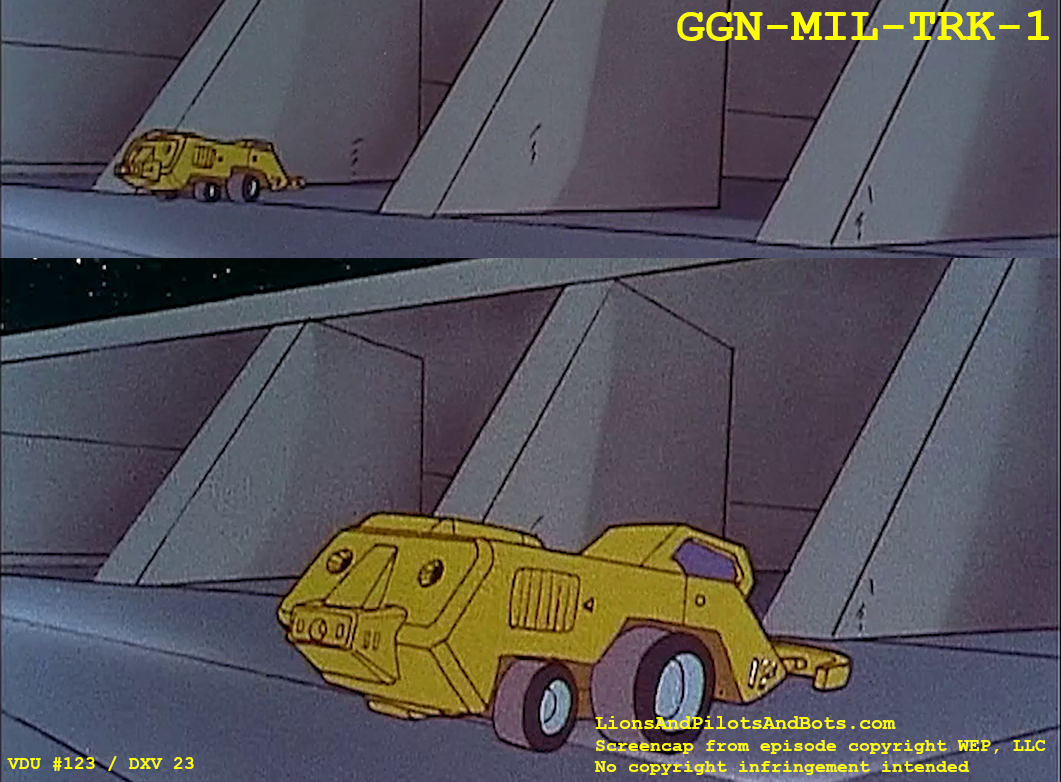
GGN-MIL-TRK-1
This truck type is used in support of the Stellar Ship Explorer.
 |  |  |
 |  |  |
 |  | |
 |  |
Return to Vehicle Types – Summary Information
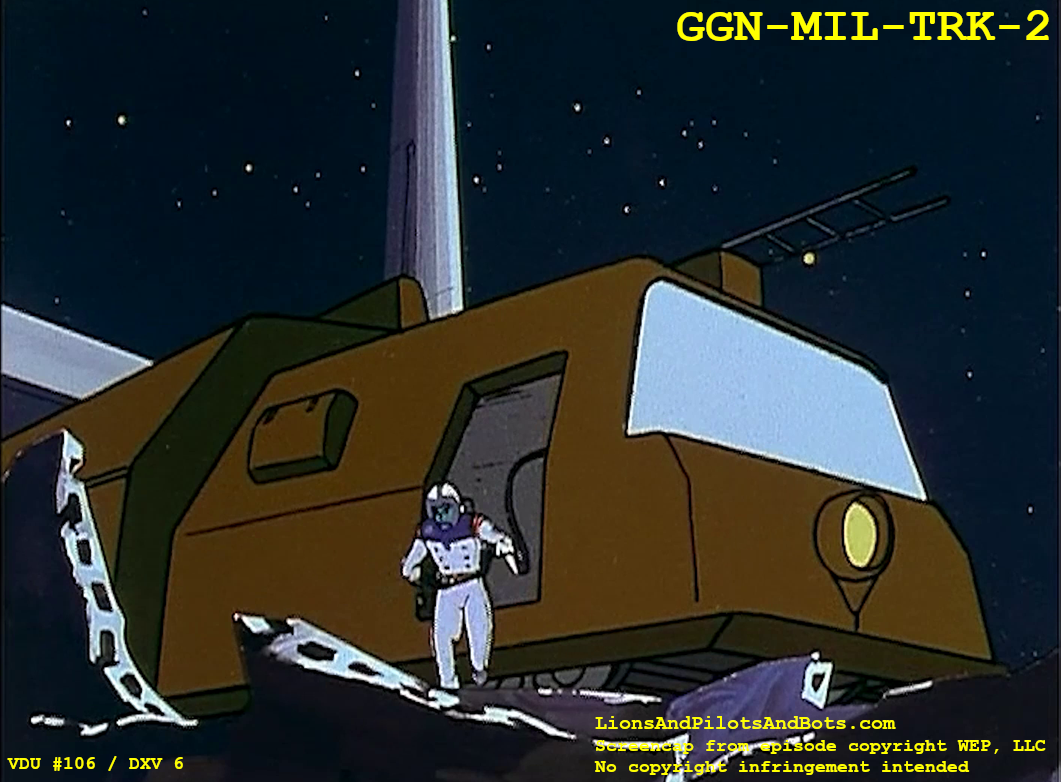
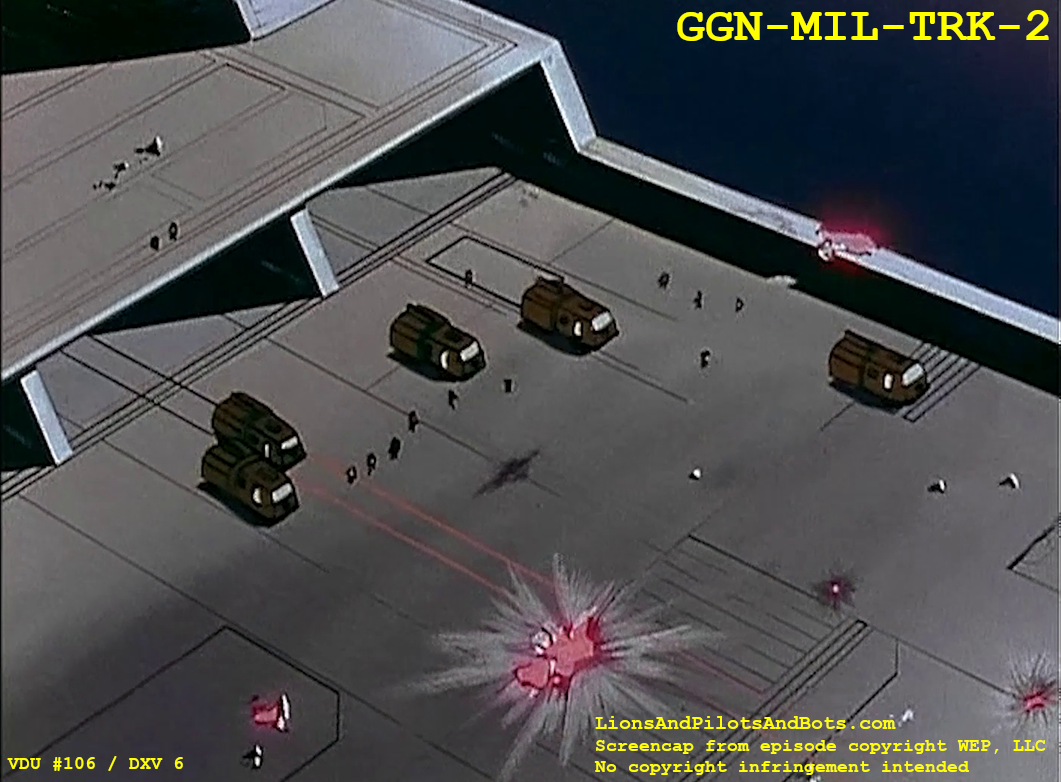
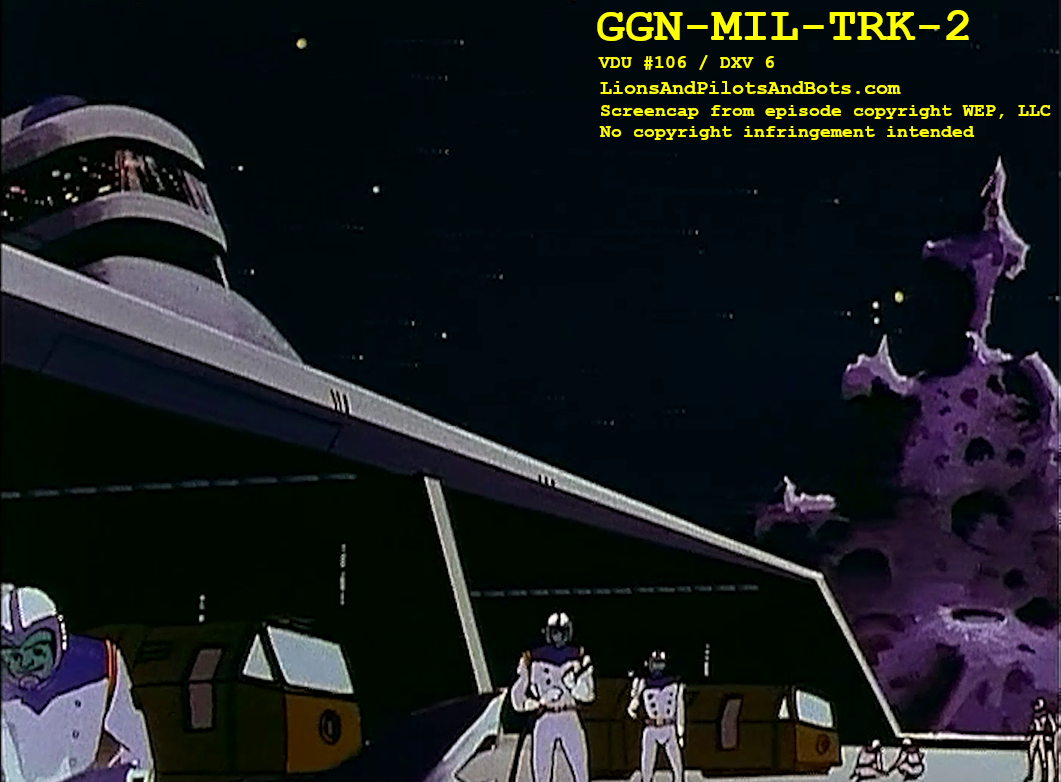
GGN-MIL-TRK-2
This truck type is used in support of the Stellar Ship Explorer.
|  |  |
 |
Return to Vehicle Types – Summary Information
GGN-MIL-TRK-3
This truck type is used in support of the Stellar Ship Explorer.
|
Return to Vehicle Types – Summary Information
GGN-MIL-TRK-4
|
Return to Vehicle Types – Summary Information
GGN-MIL-TRK-5
|
Return to Vehicle Types – Summary Information
GGN-MIL-TRK-6
|
Return to Vehicle Types – Summary Information
GGN-MIL-TRK-7
|
Return to Vehicle Types – Summary Information
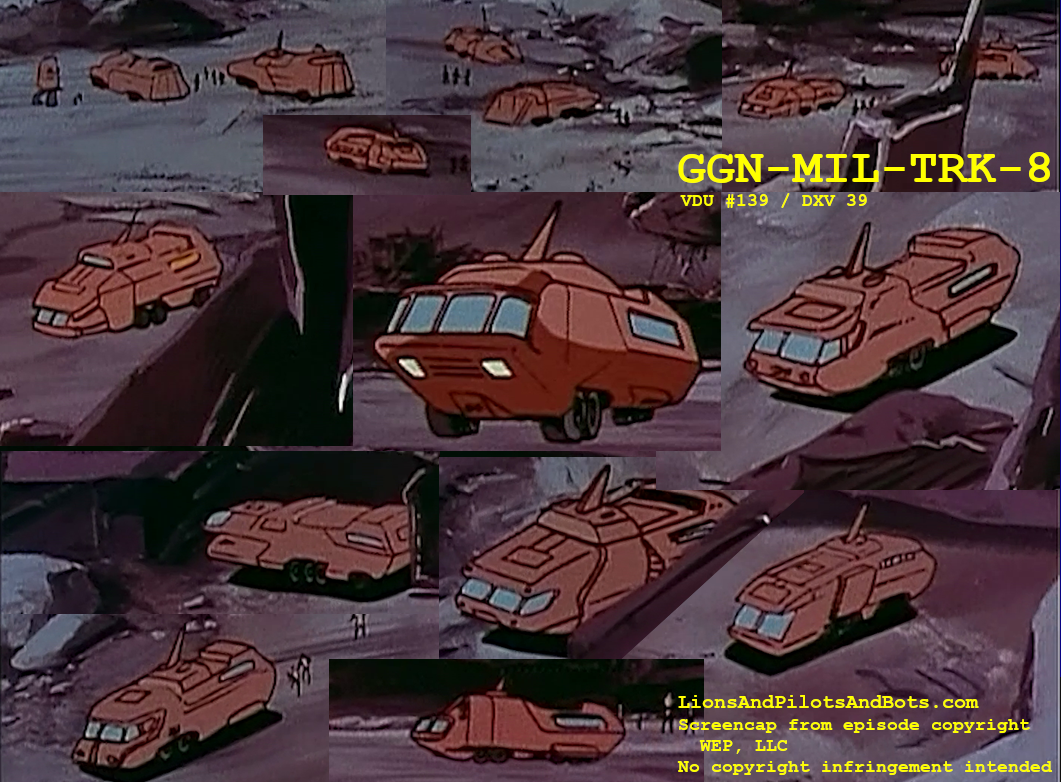
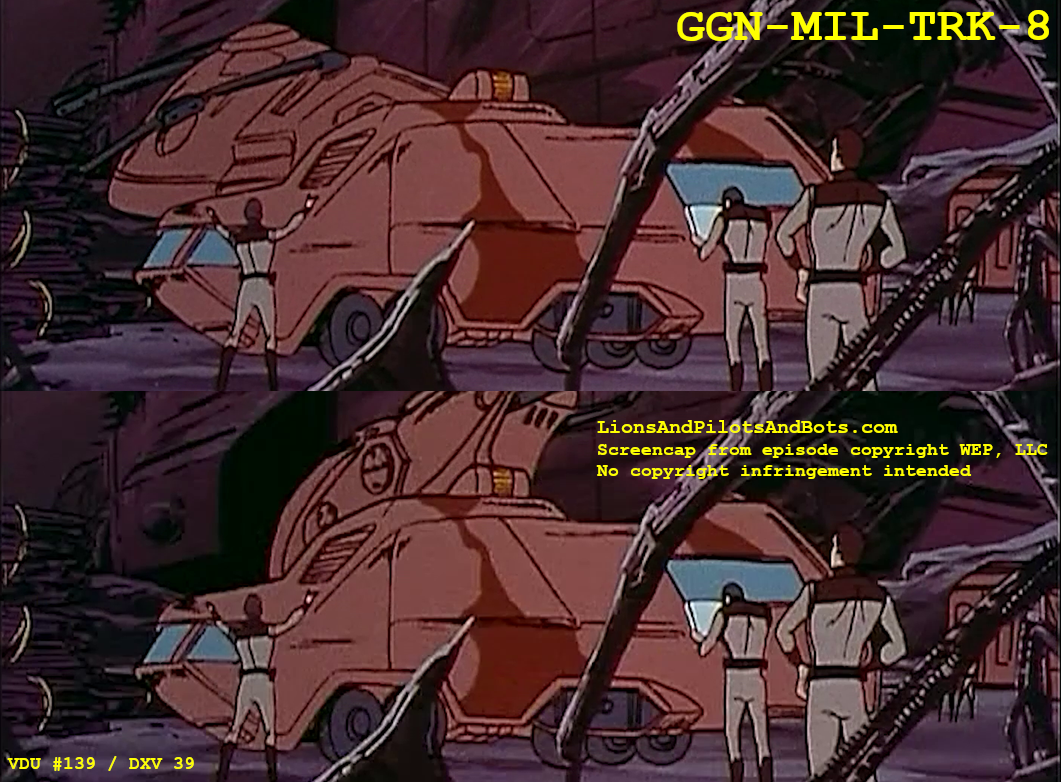
GGN-MIL-TRK-8
 |  |  |
|
Return to Vehicle Types – Summary Information
GGN-MIL-TRK-9
|
Return to Vehicle Types – Summary Information
GGN-MIL-TRK-10
|
Return to Vehicle Types – Summary Information
Military – Shuttle (MIL-SHL)
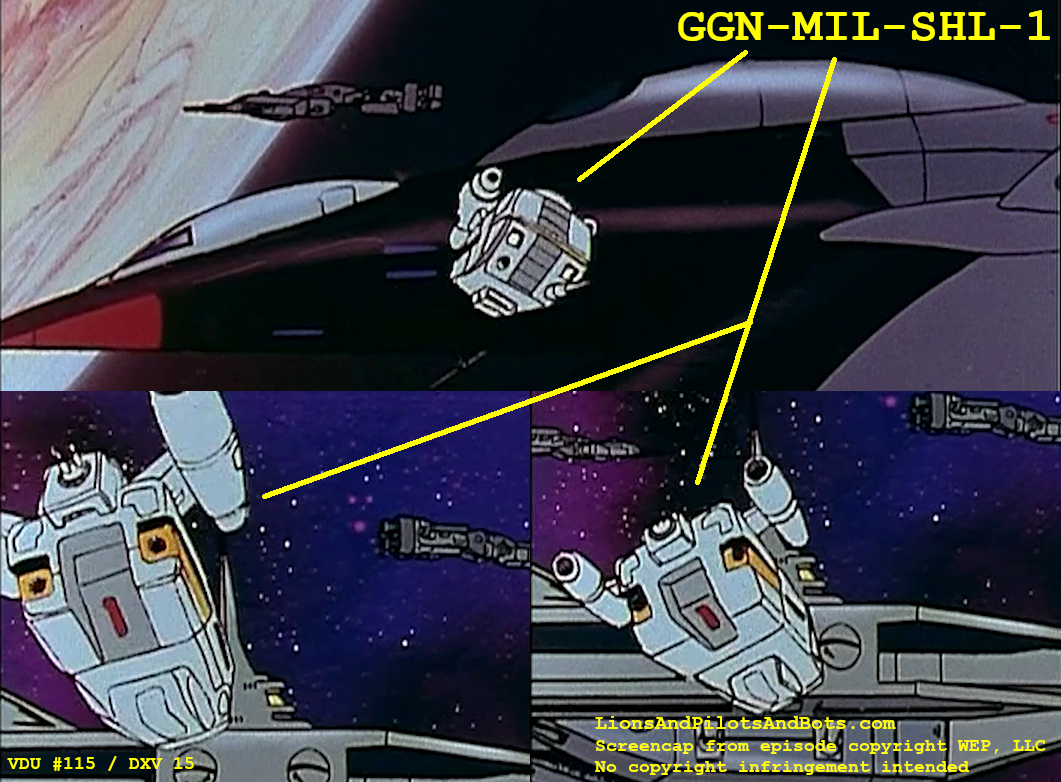
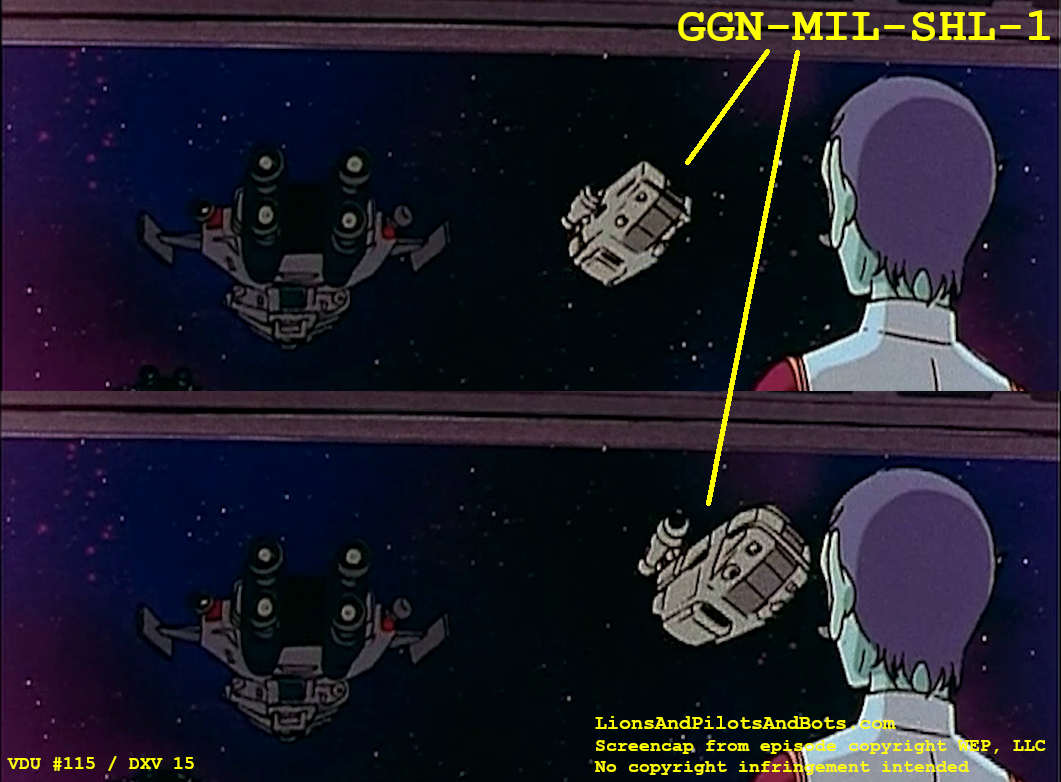
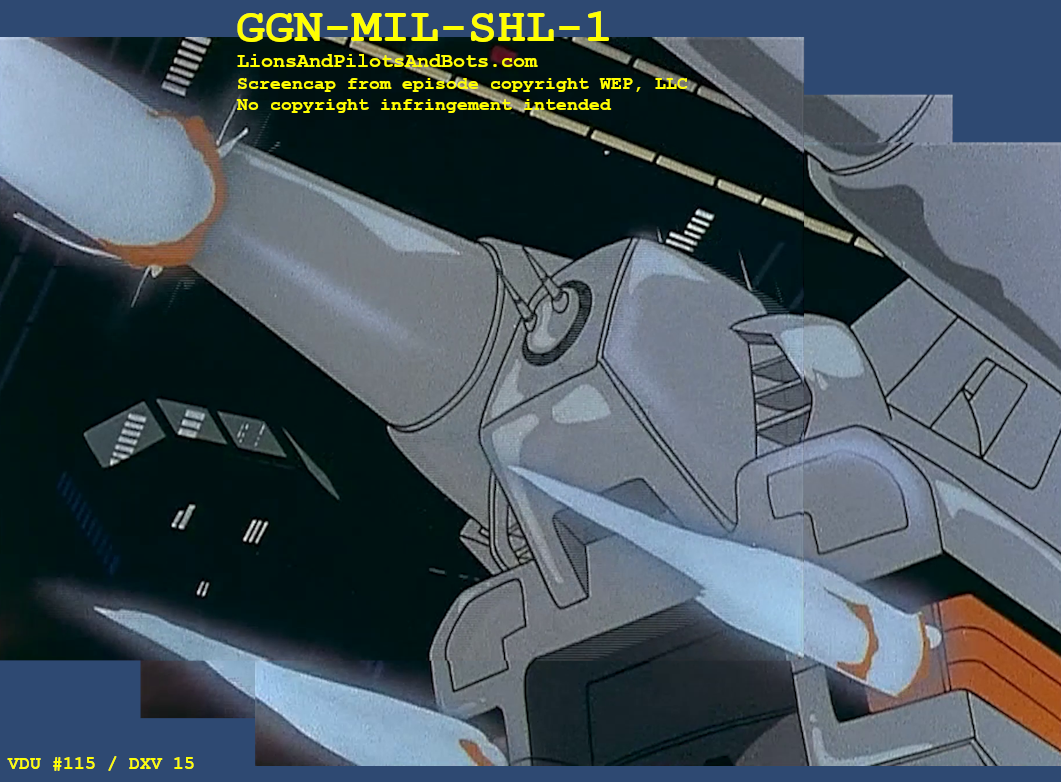
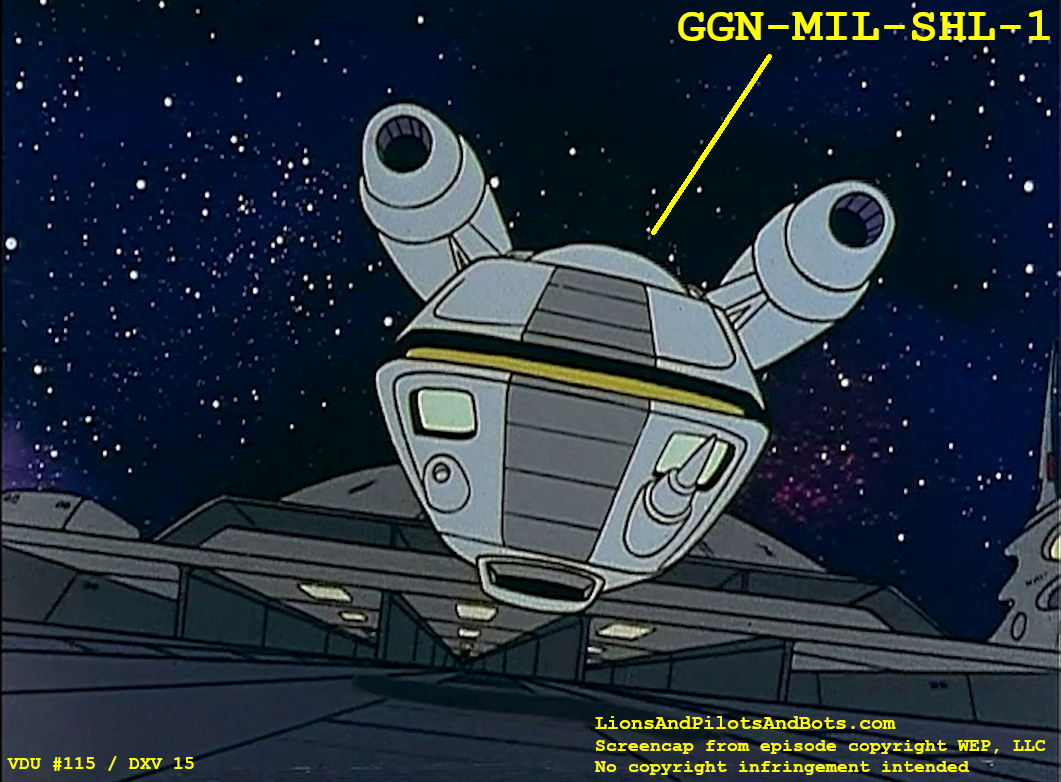
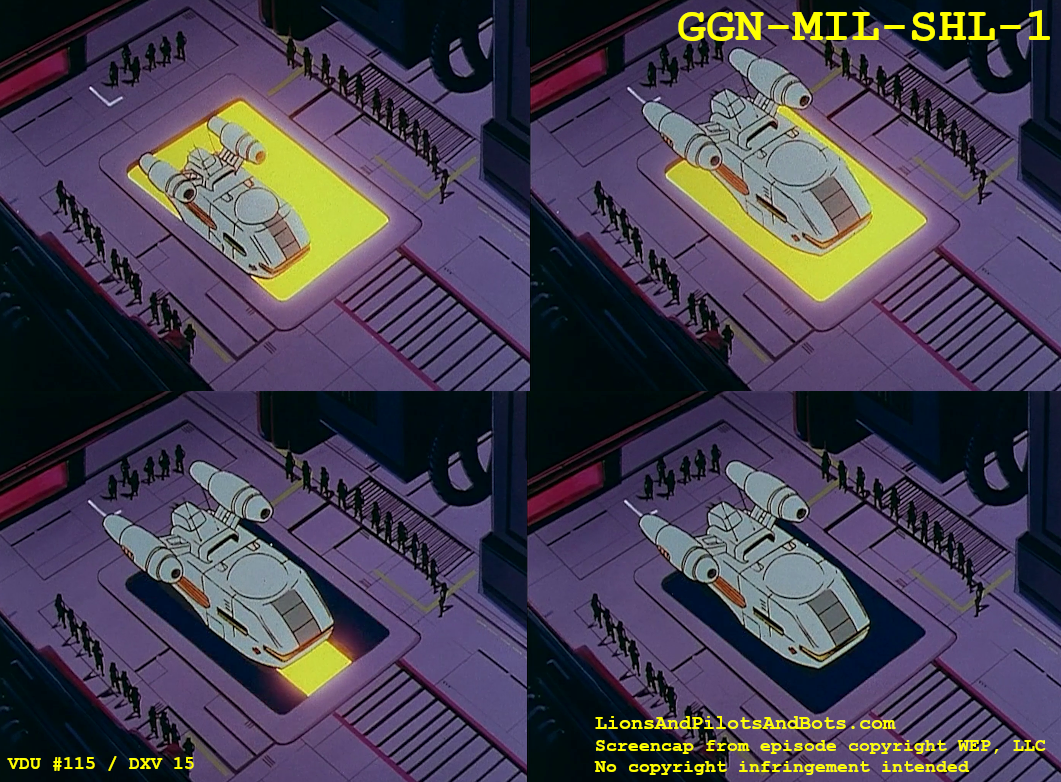
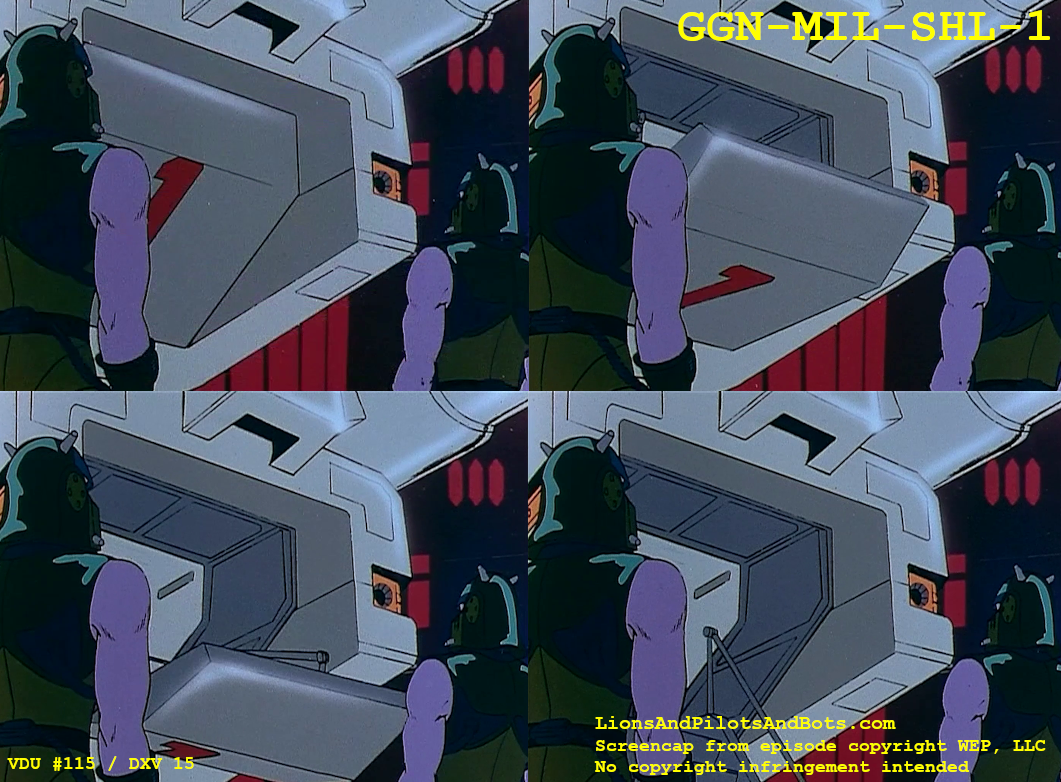
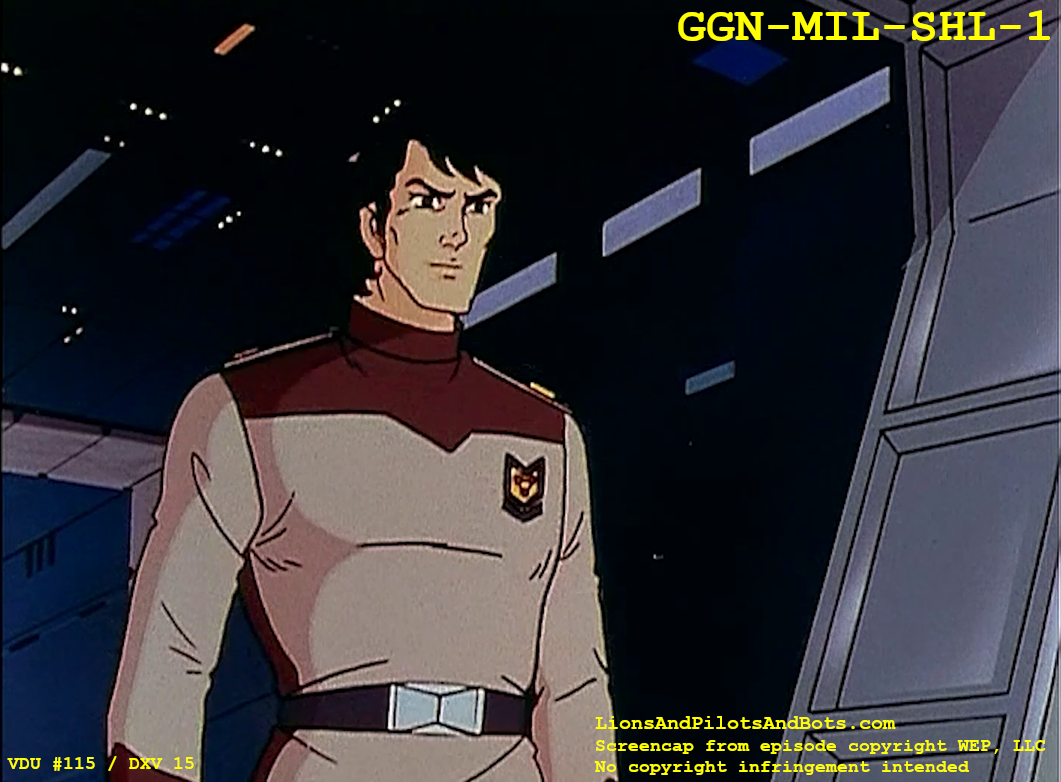
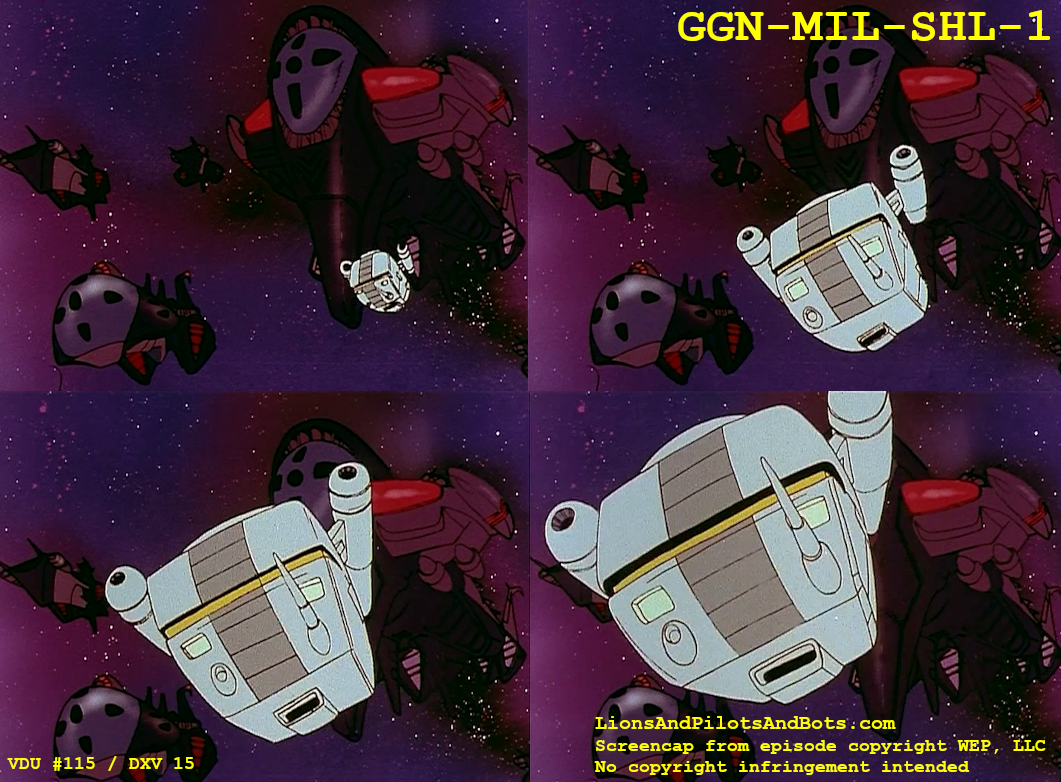
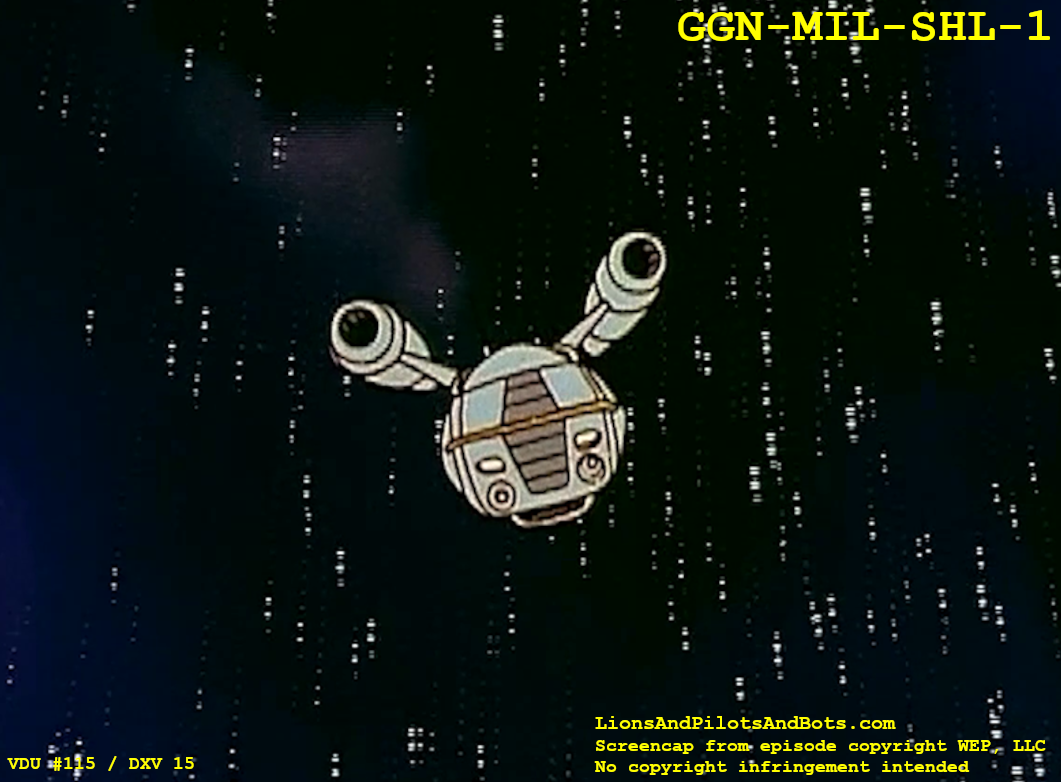
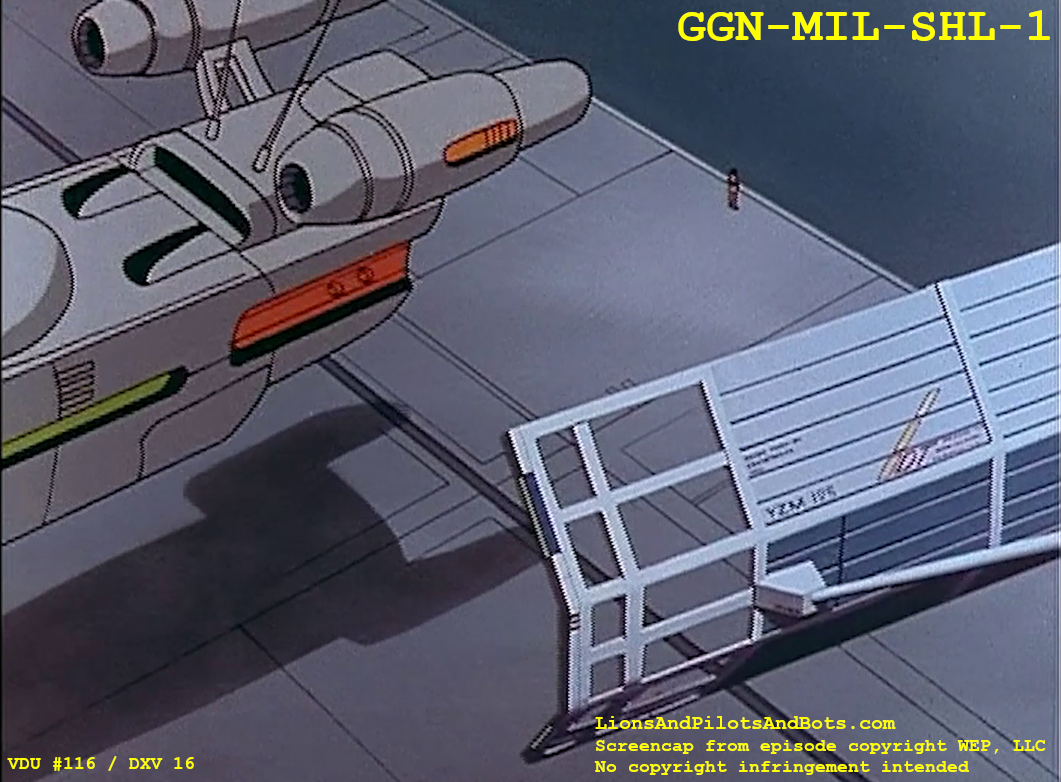
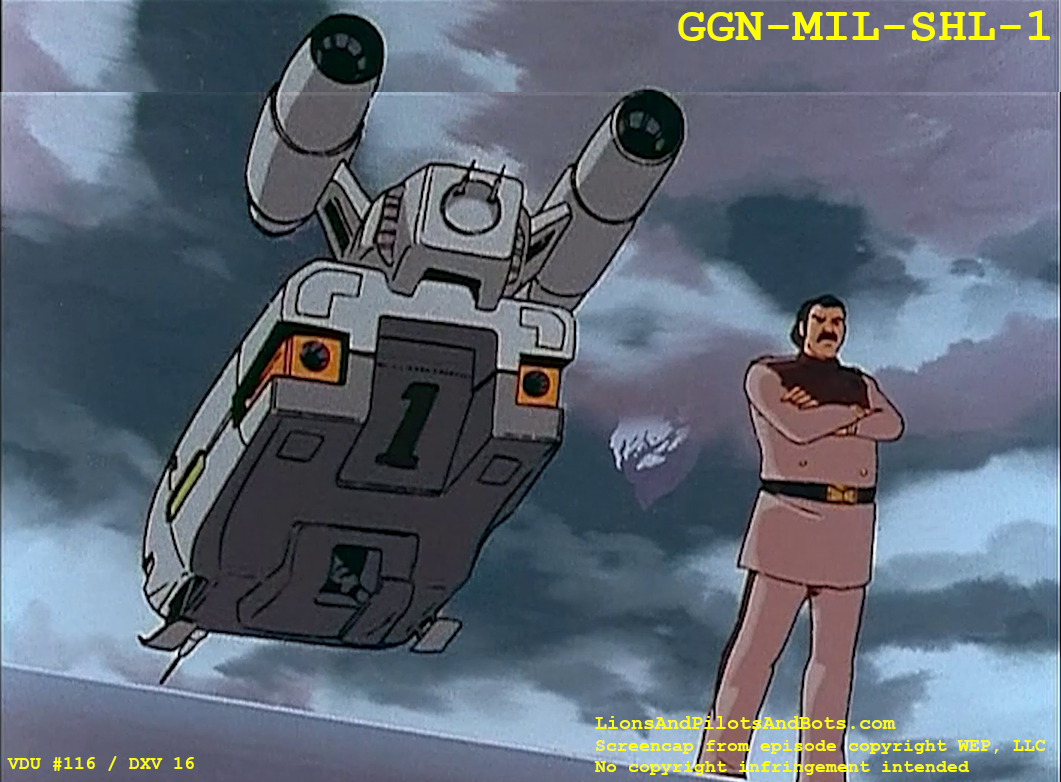
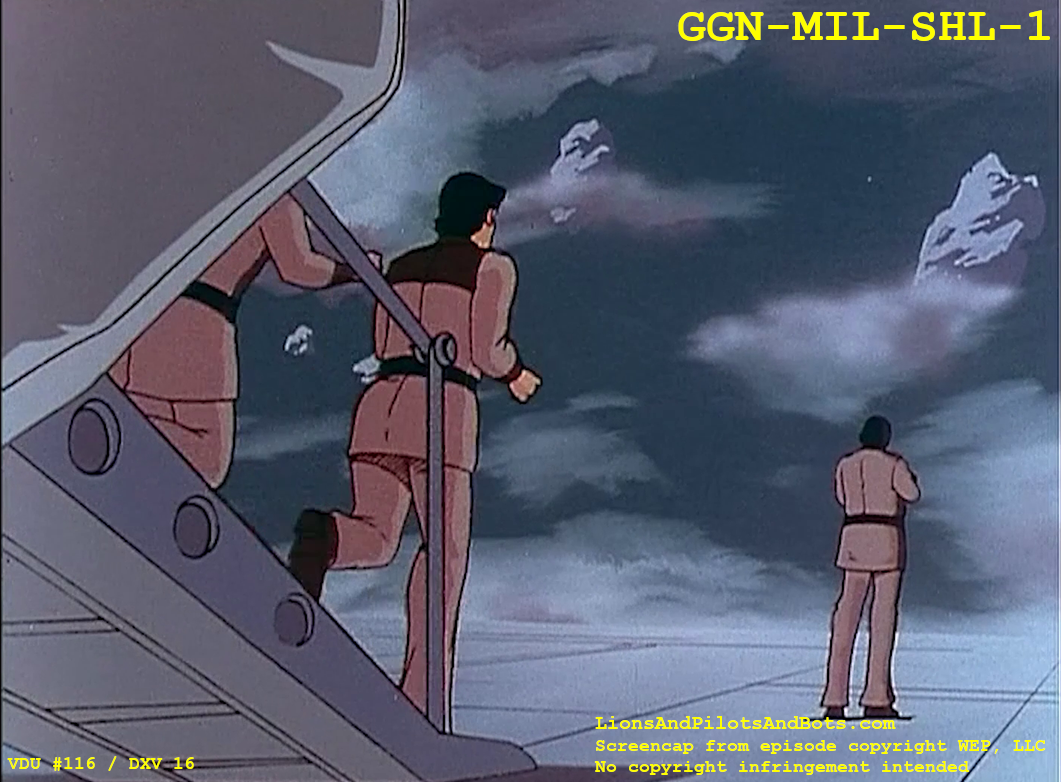
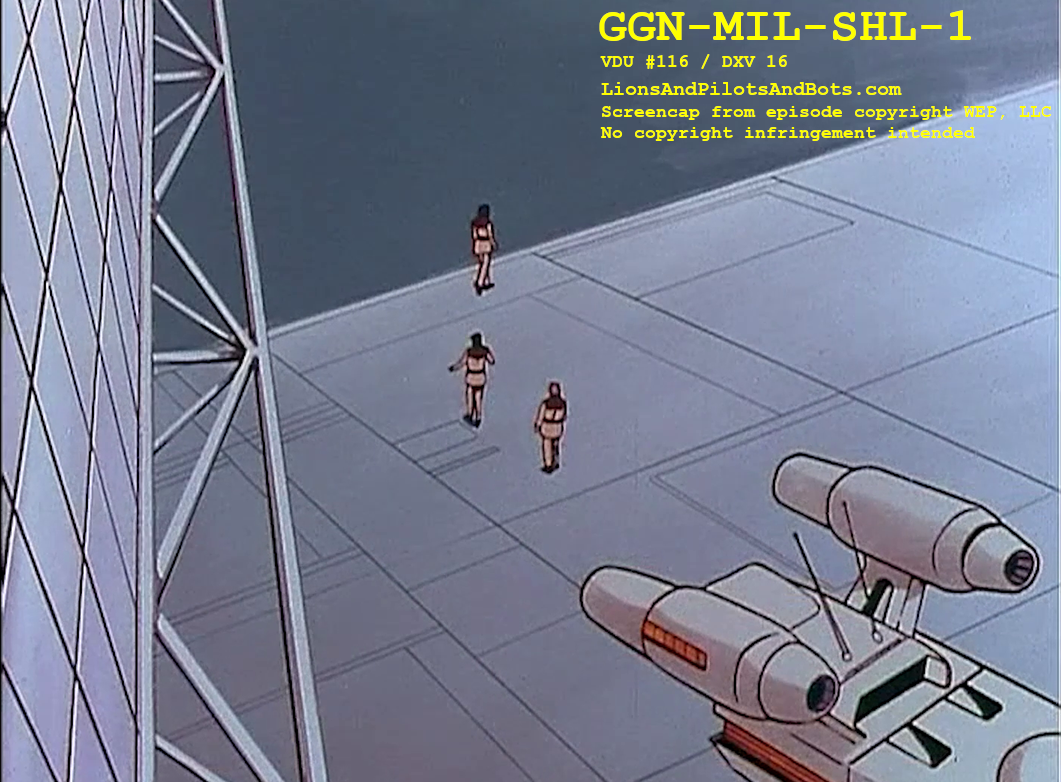
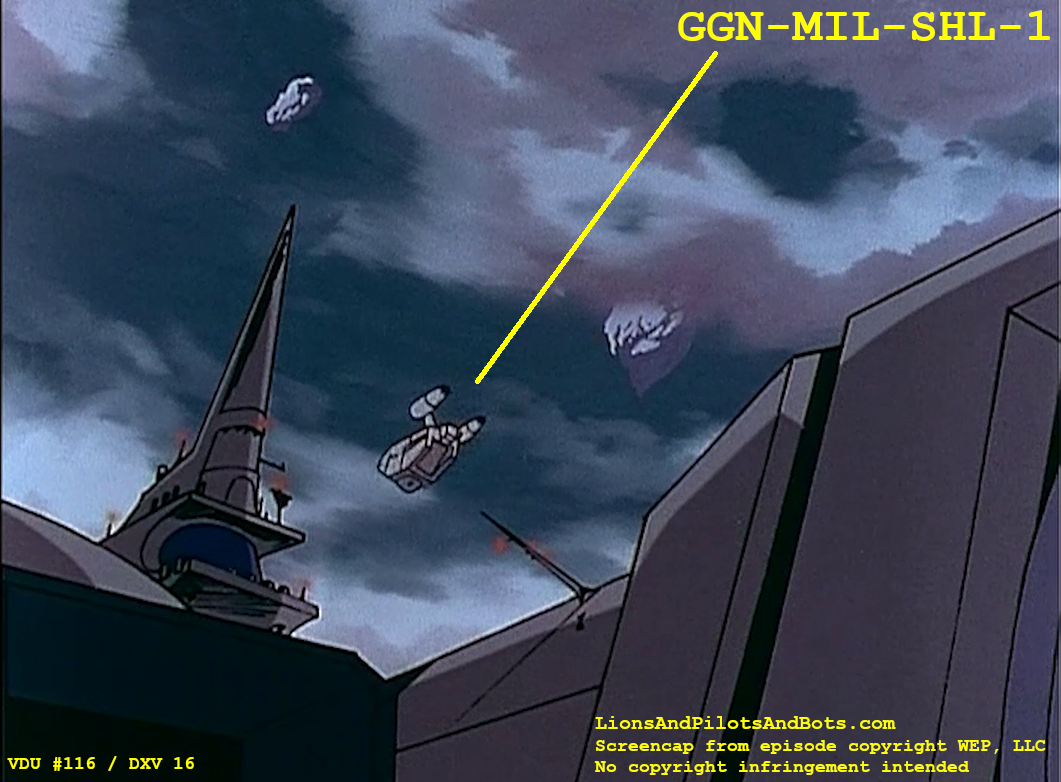
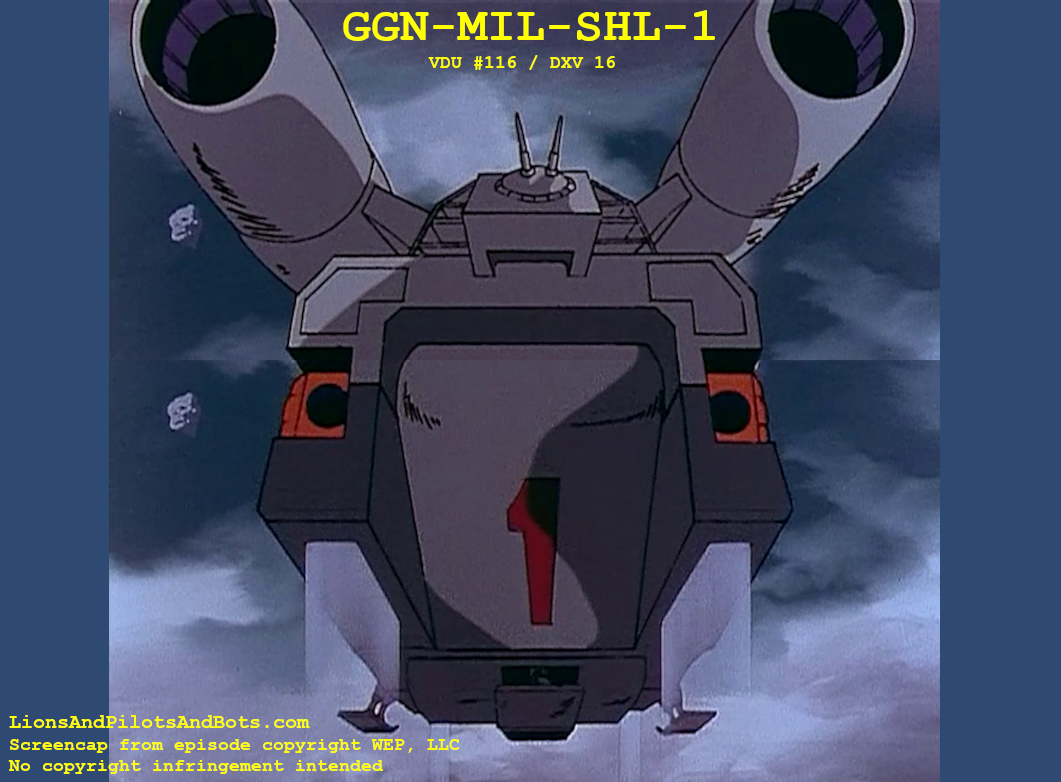
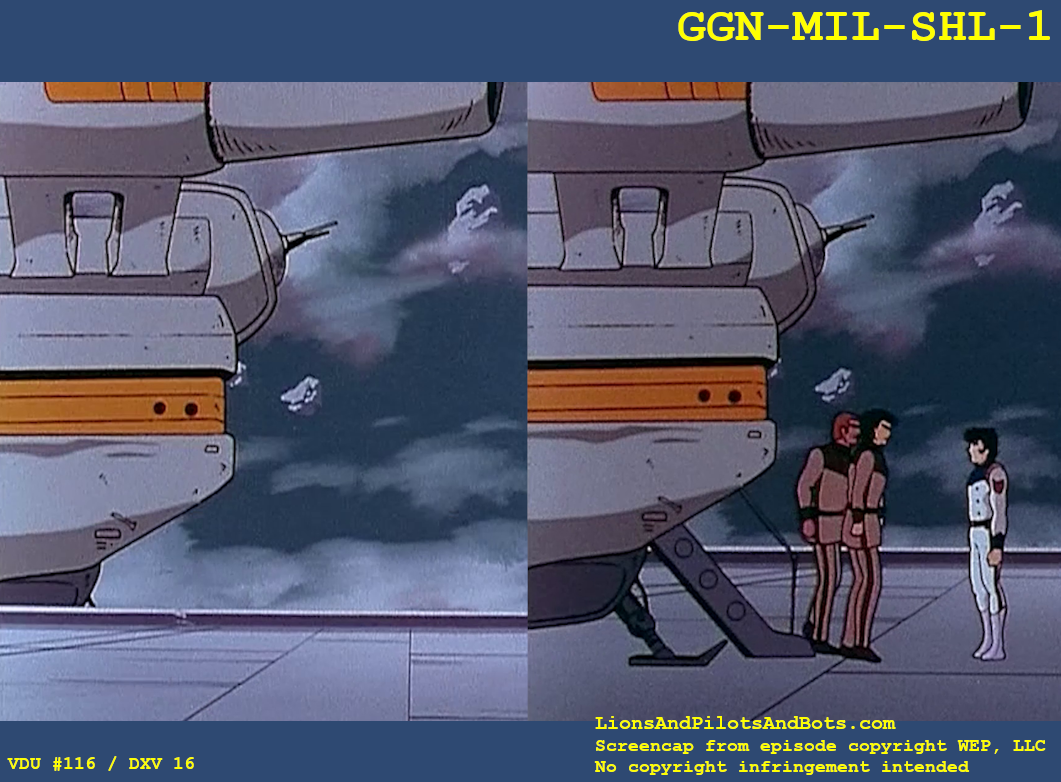
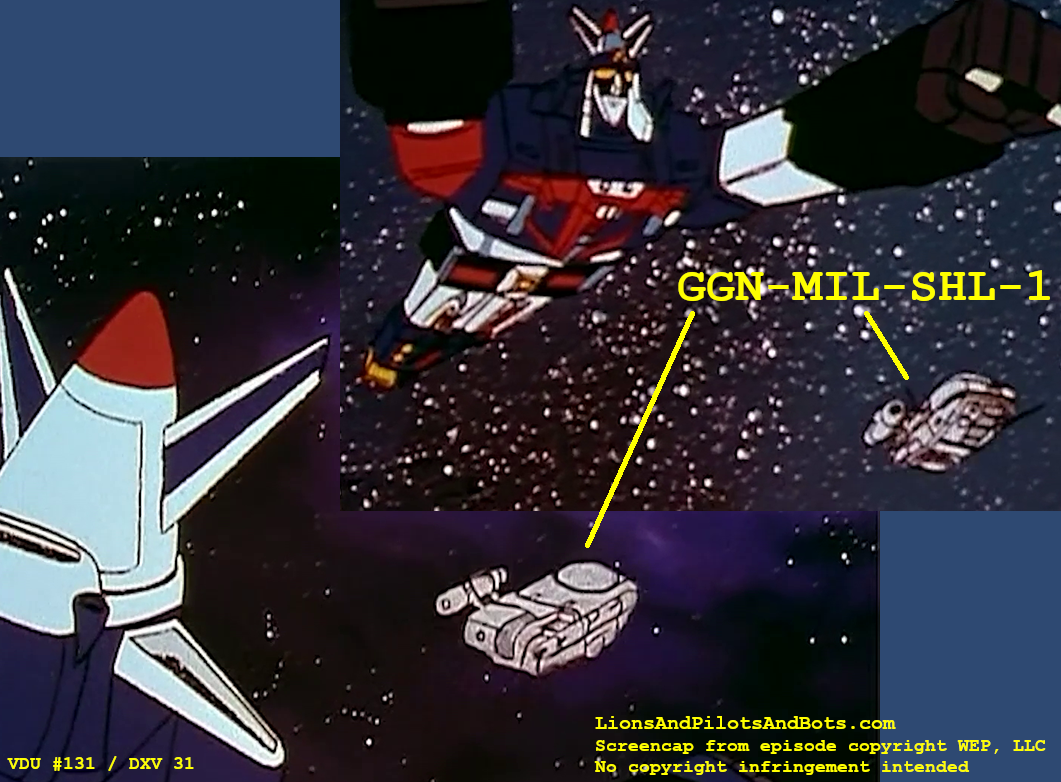
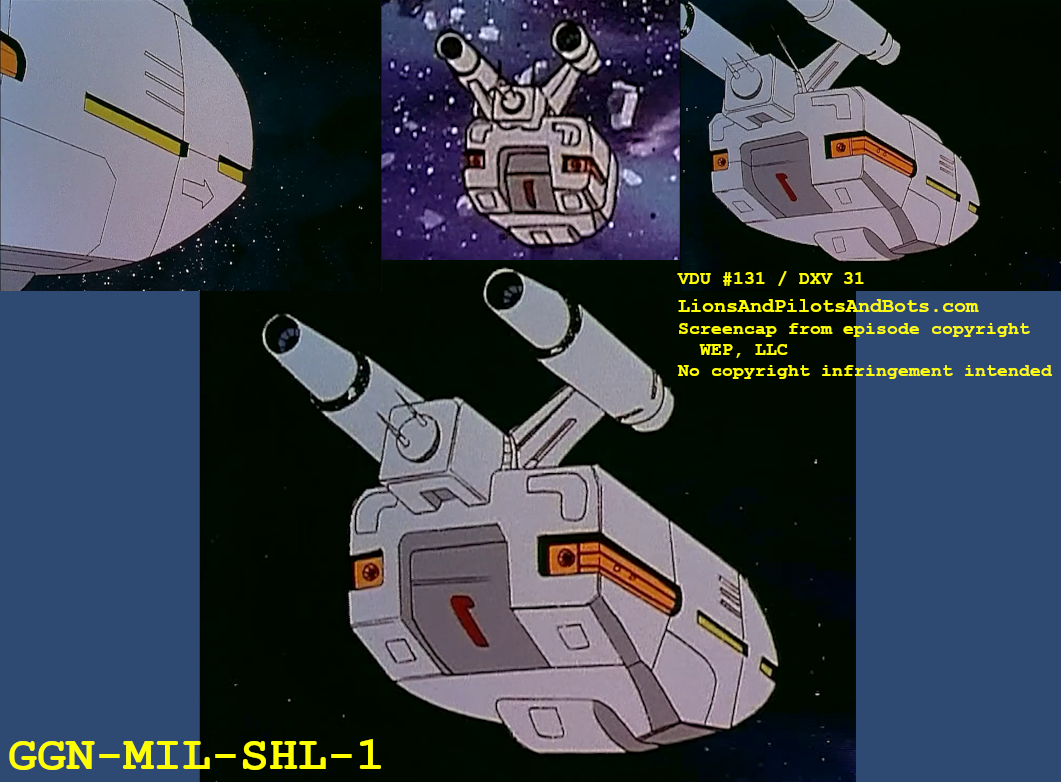
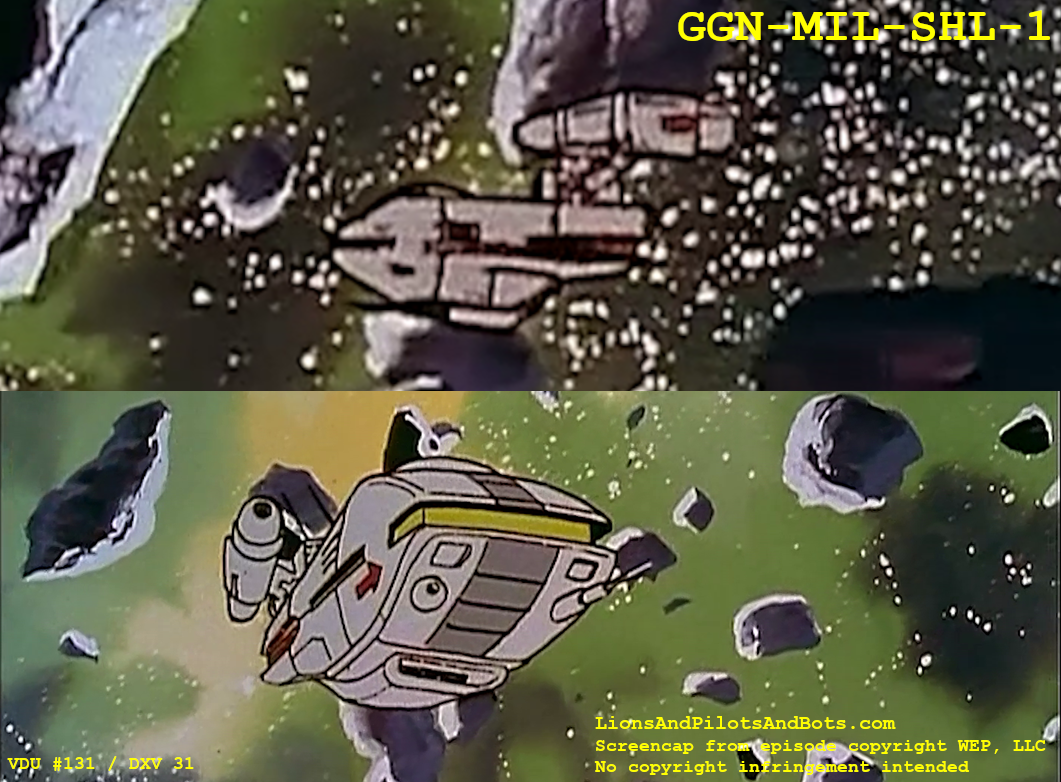
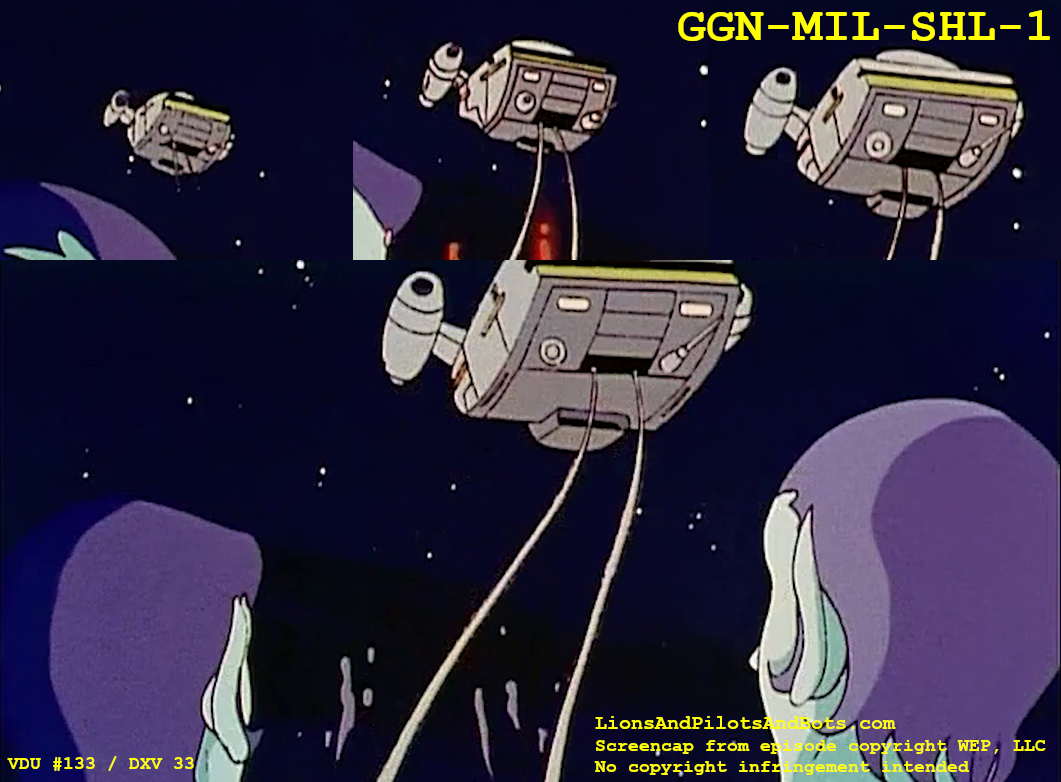
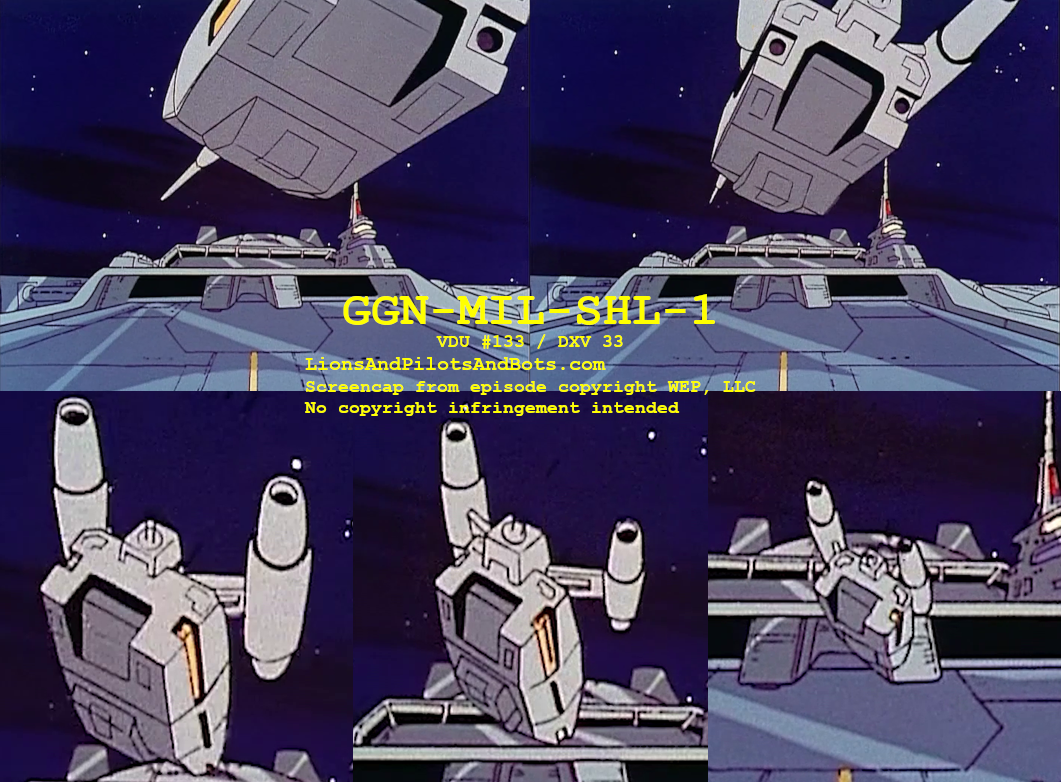
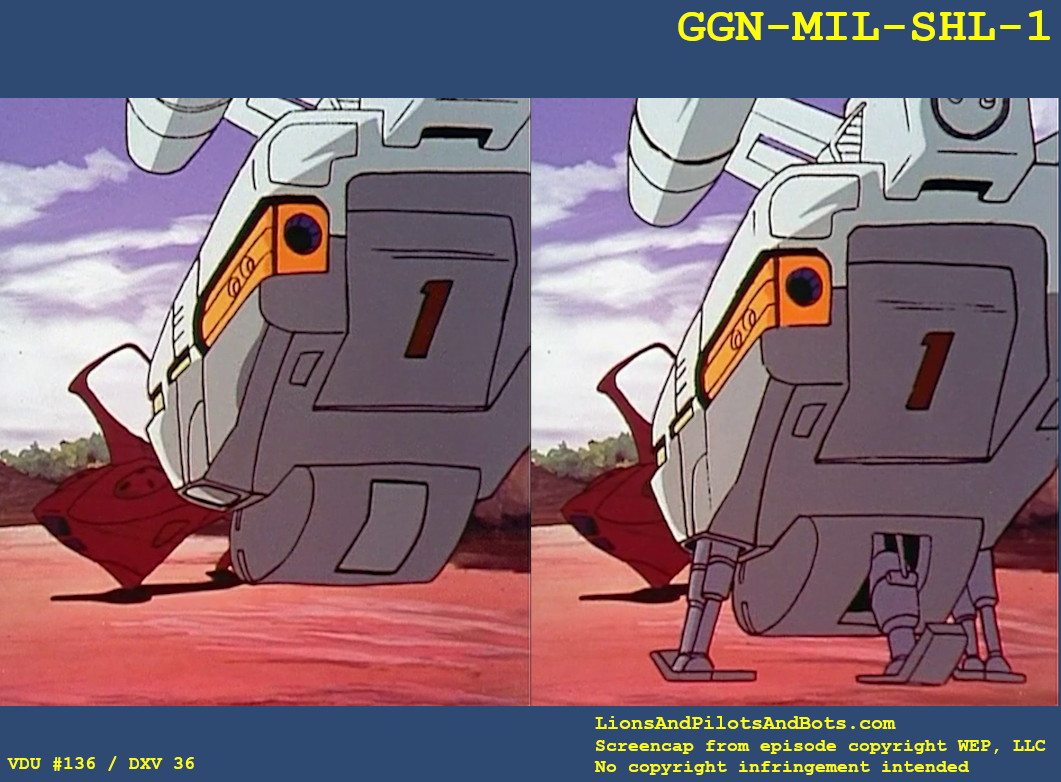
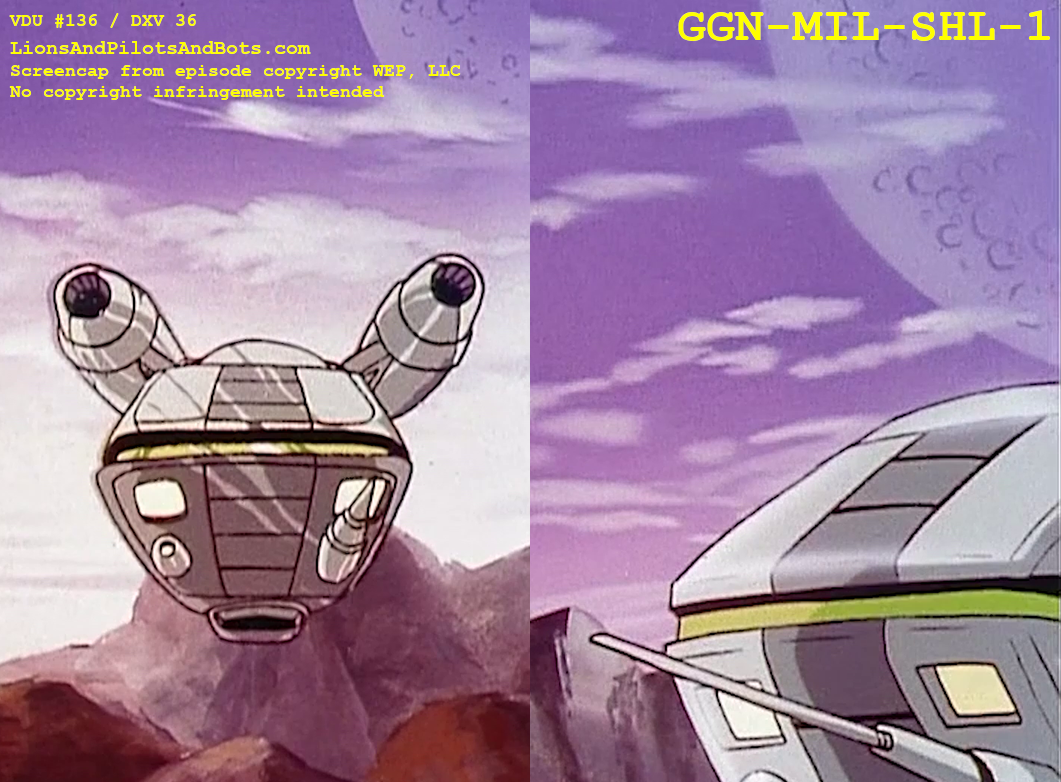
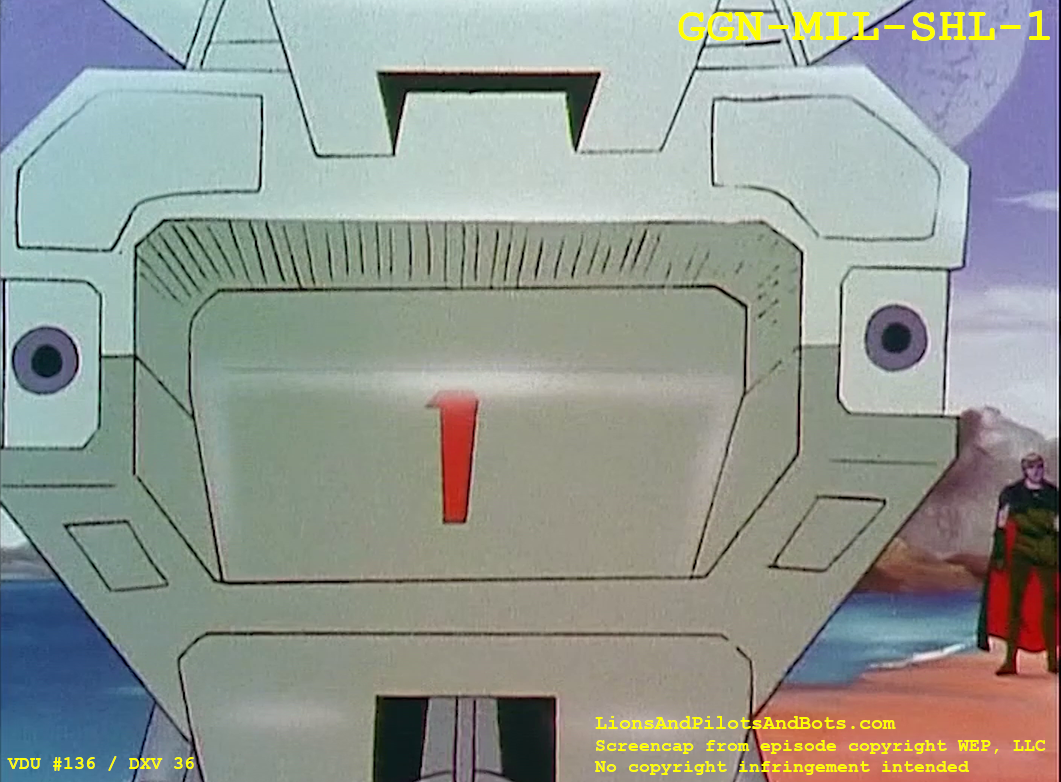
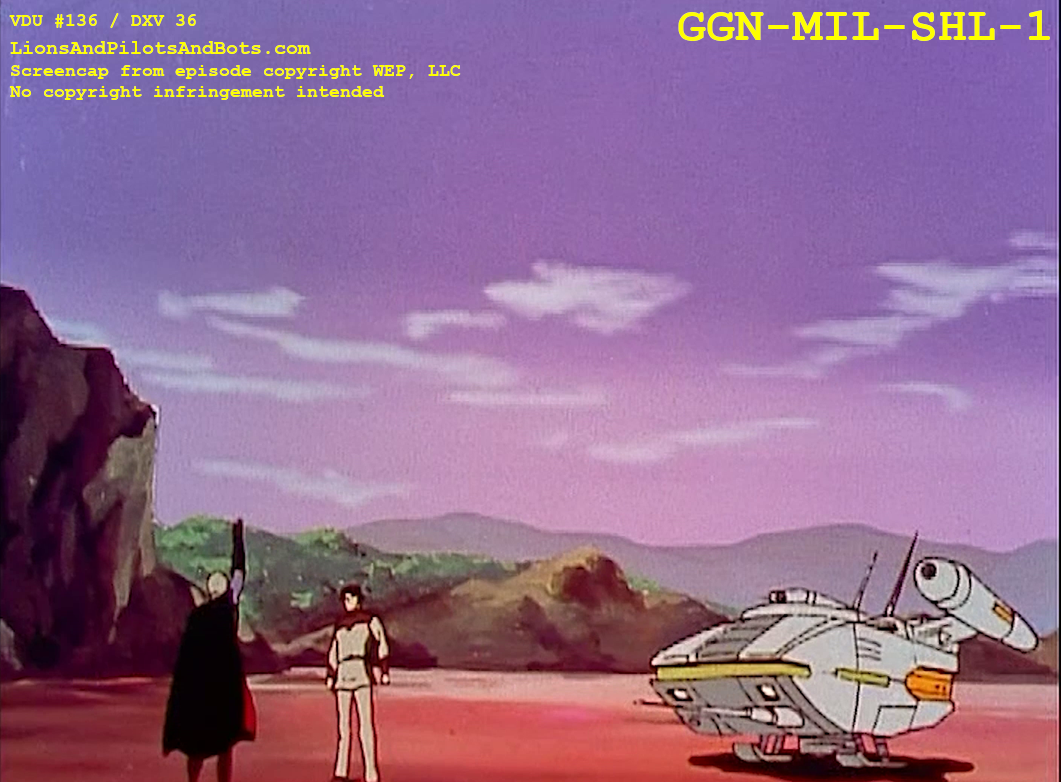
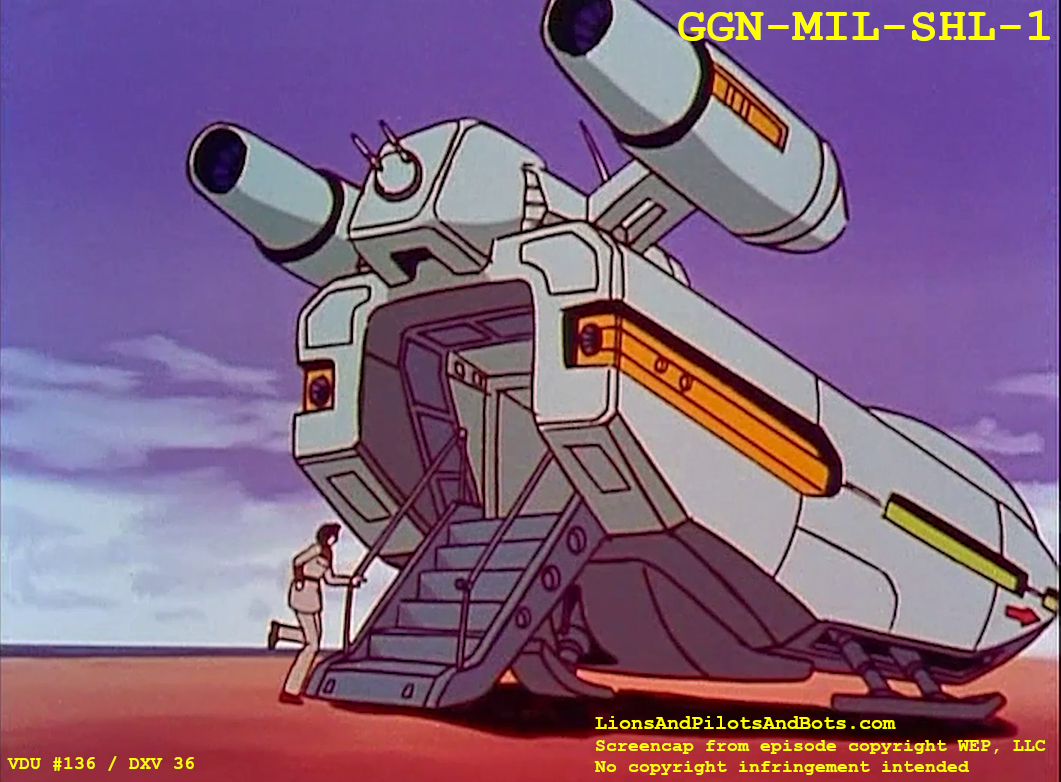
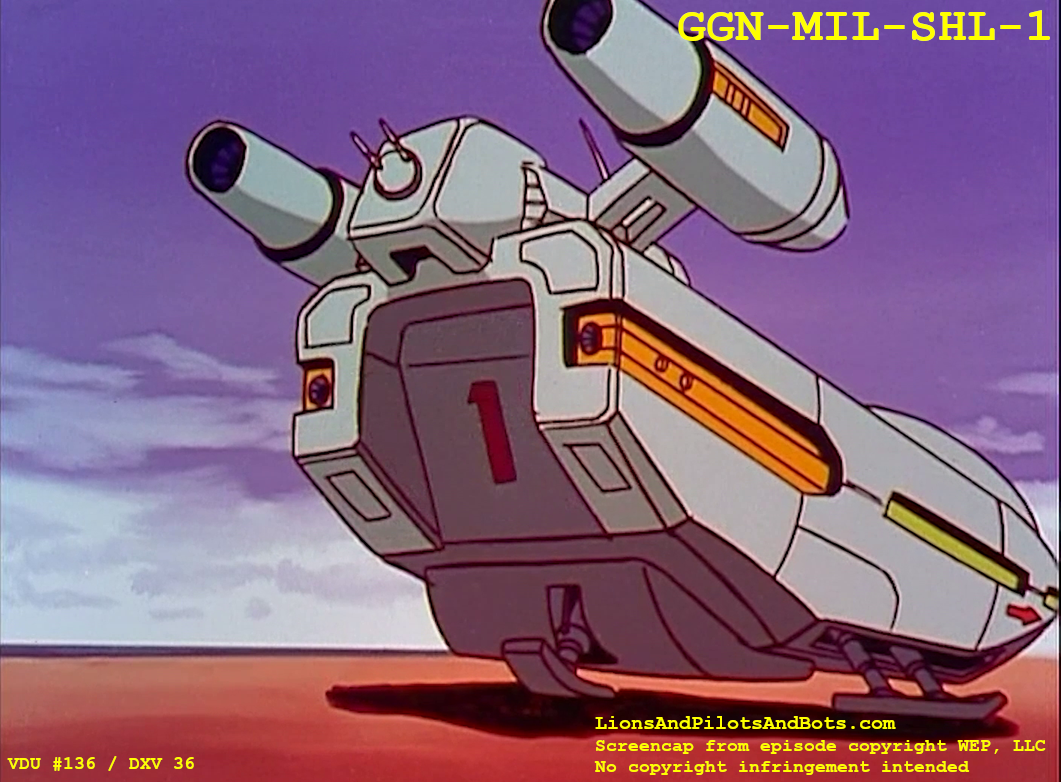
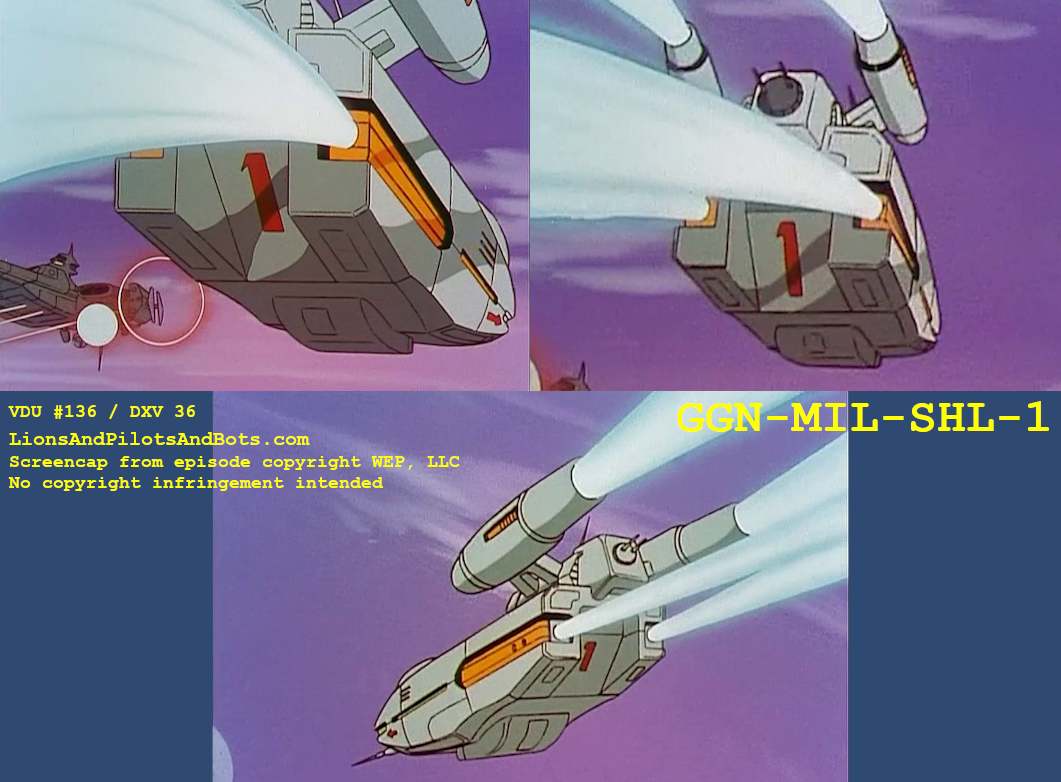
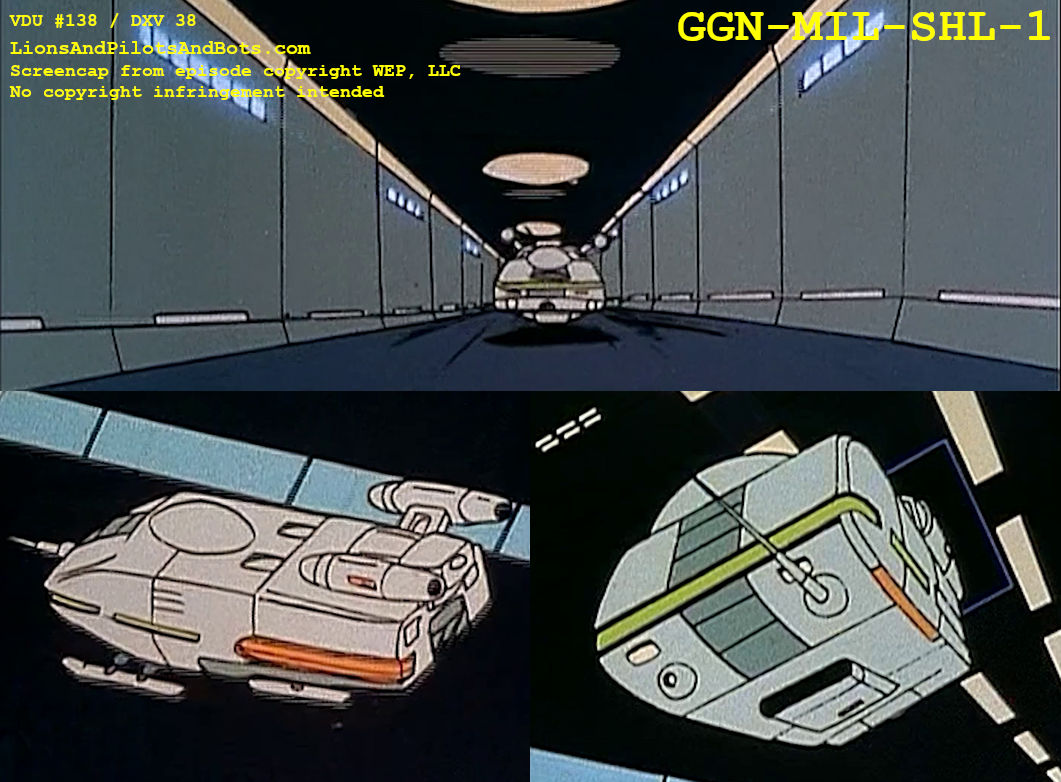
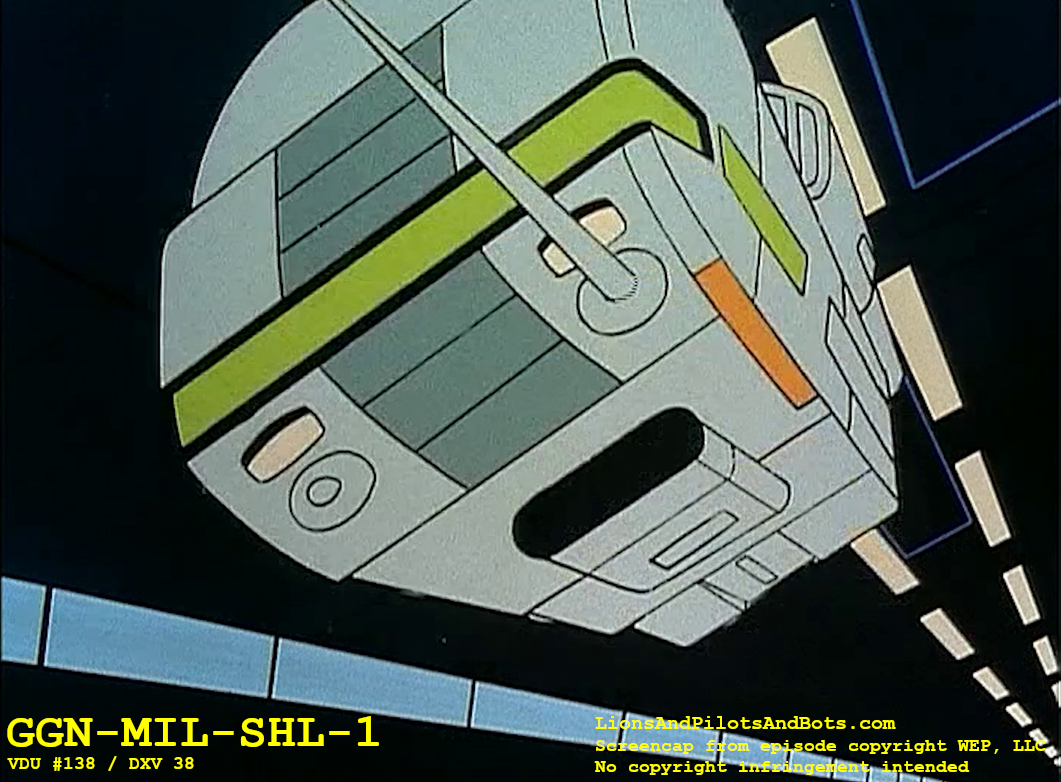
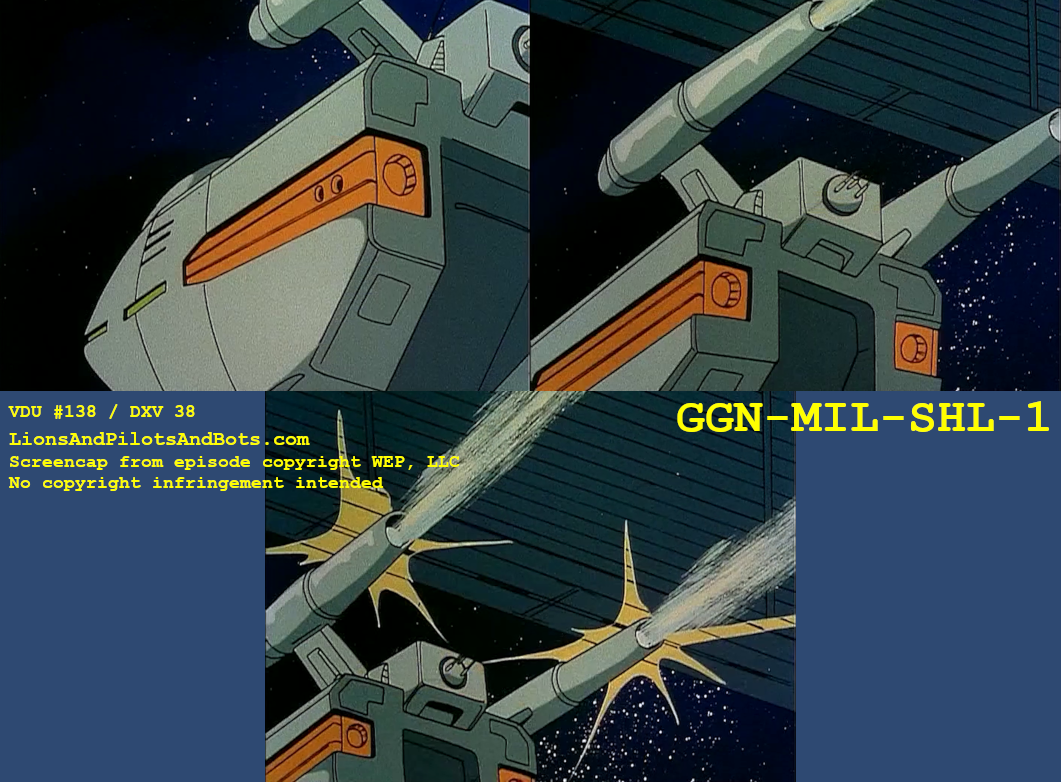
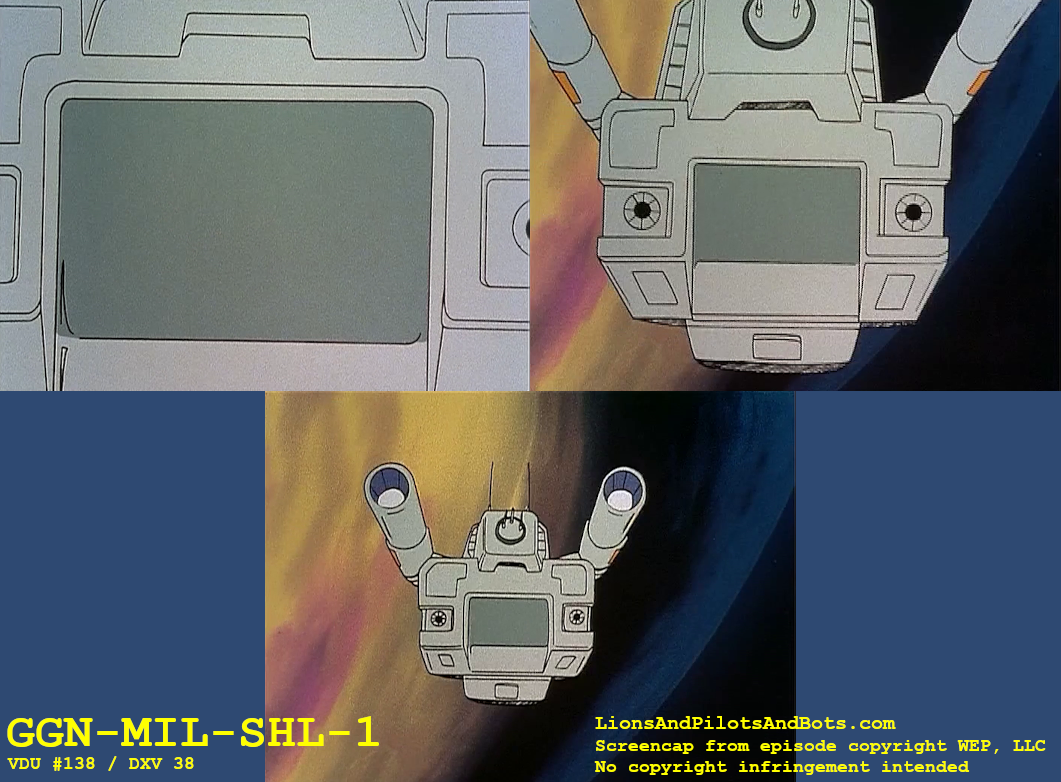
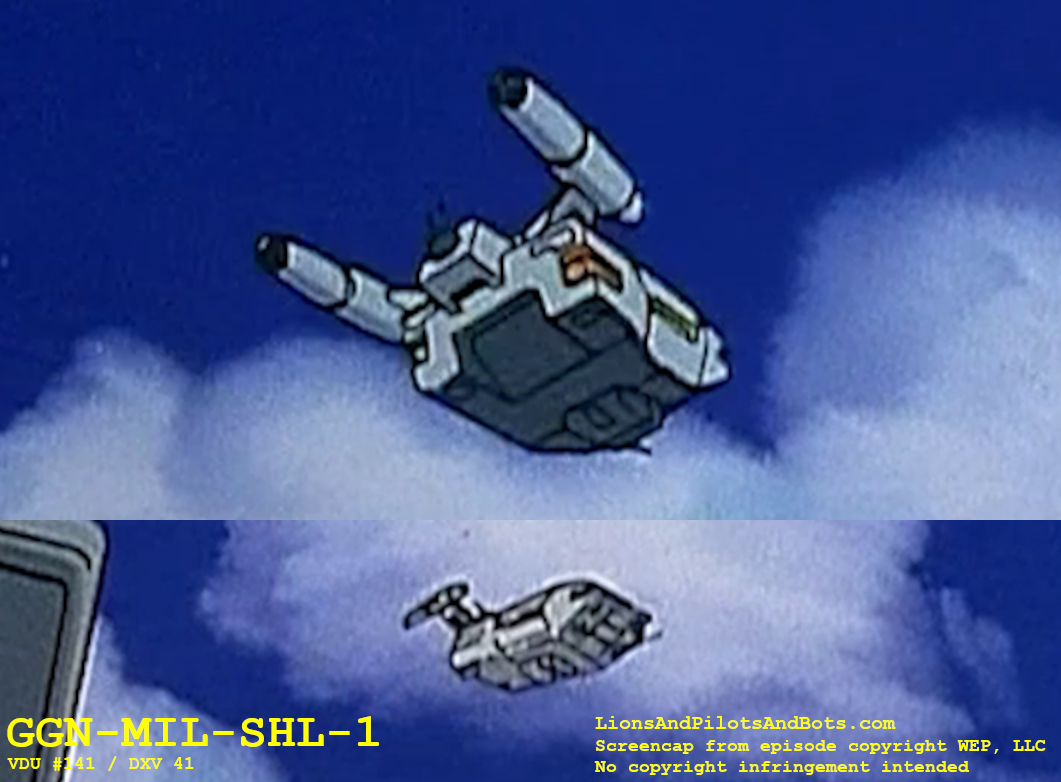
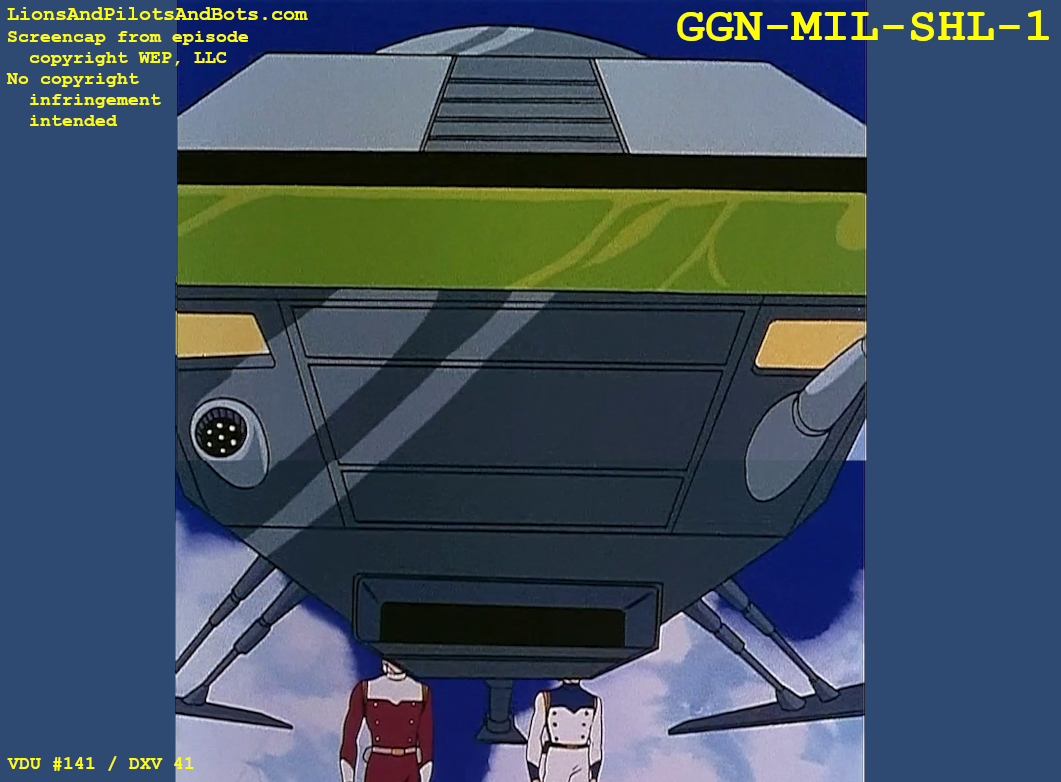
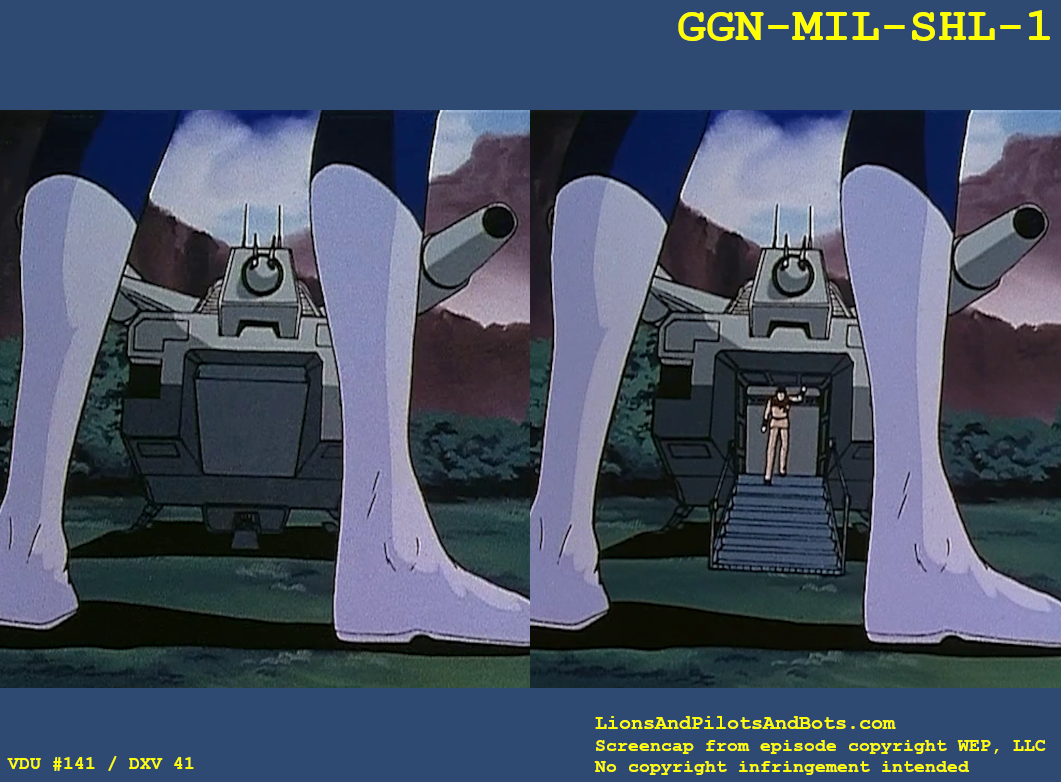
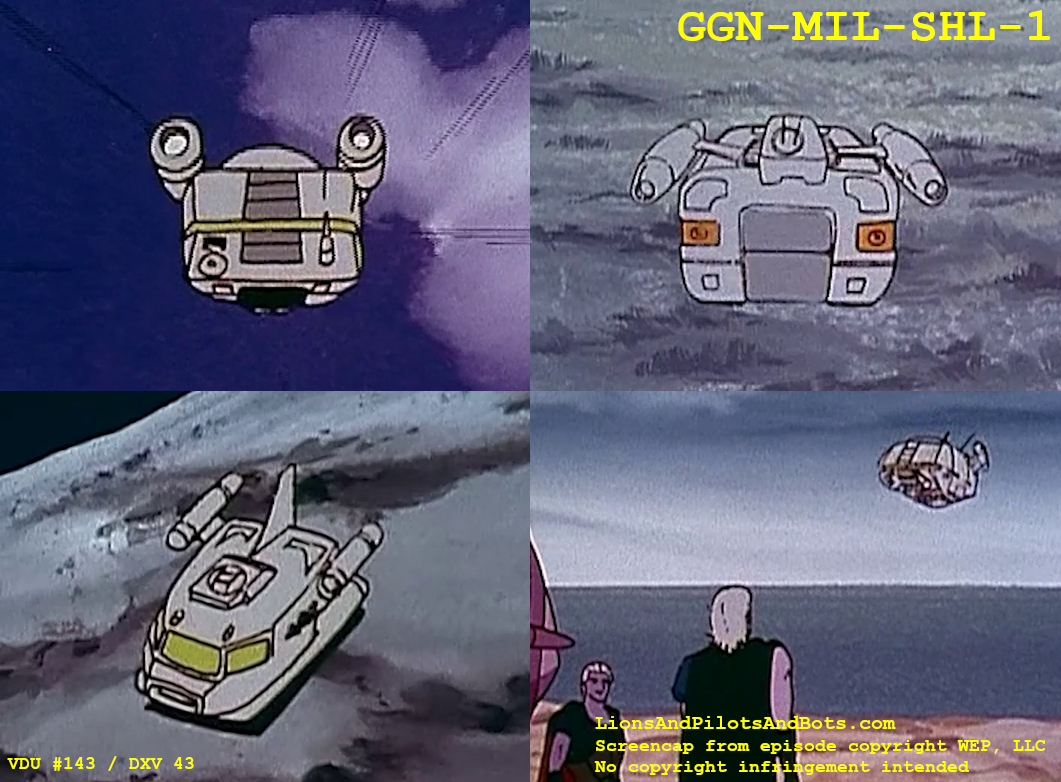
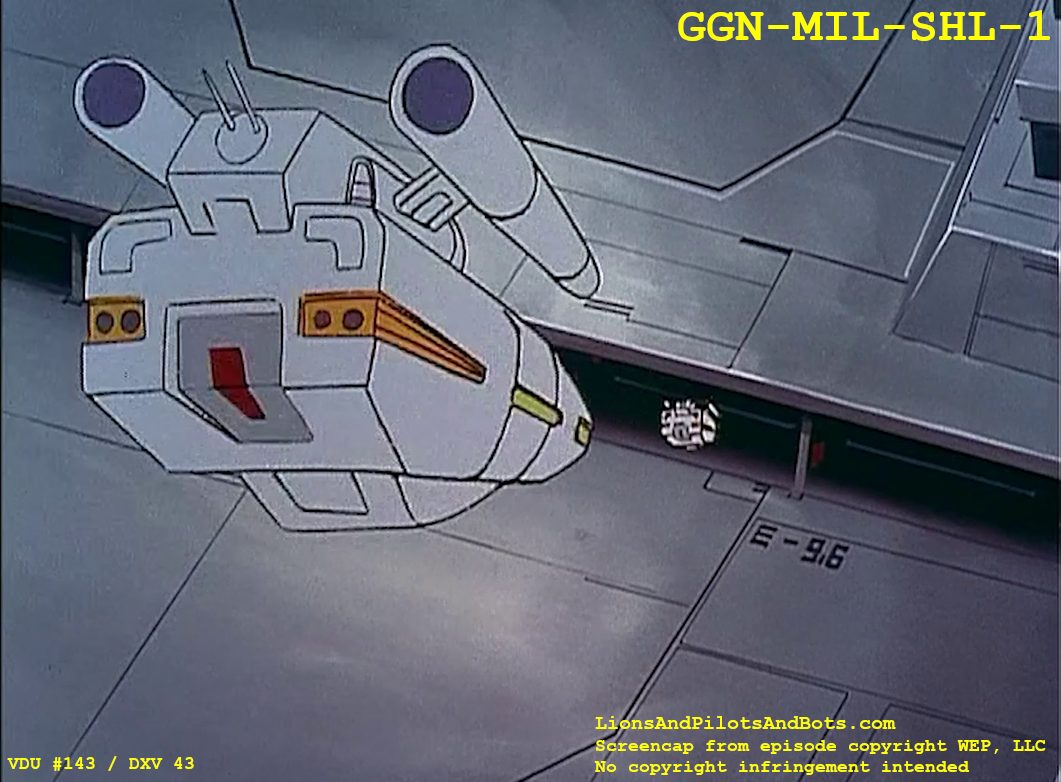
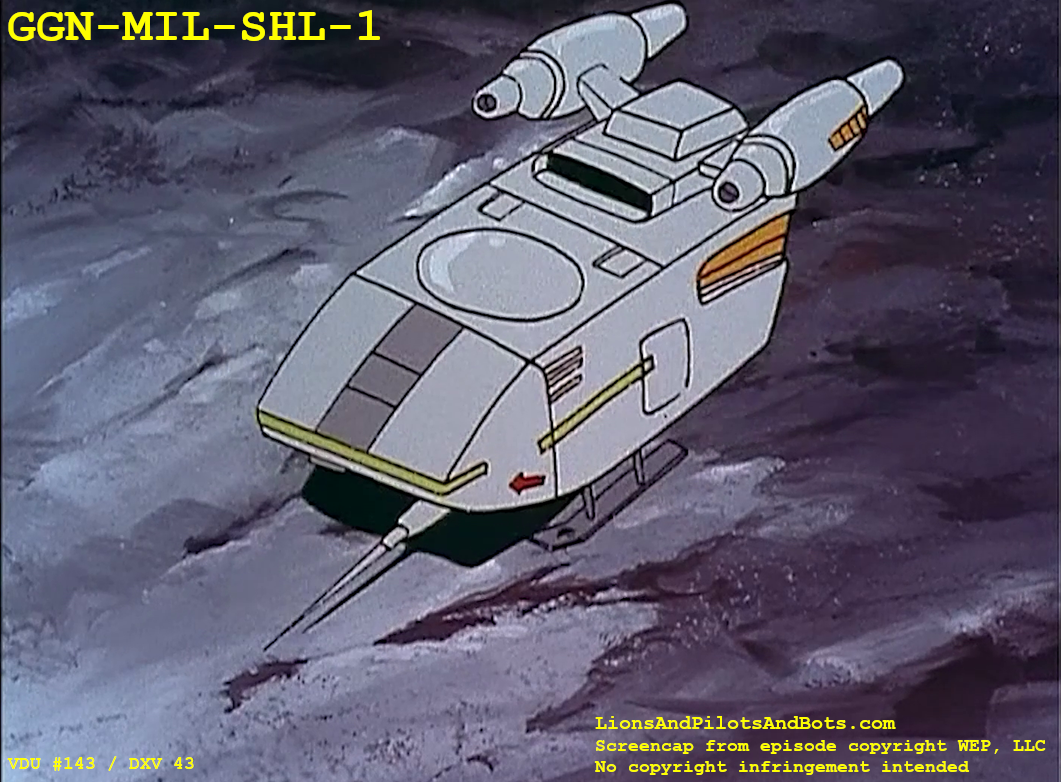
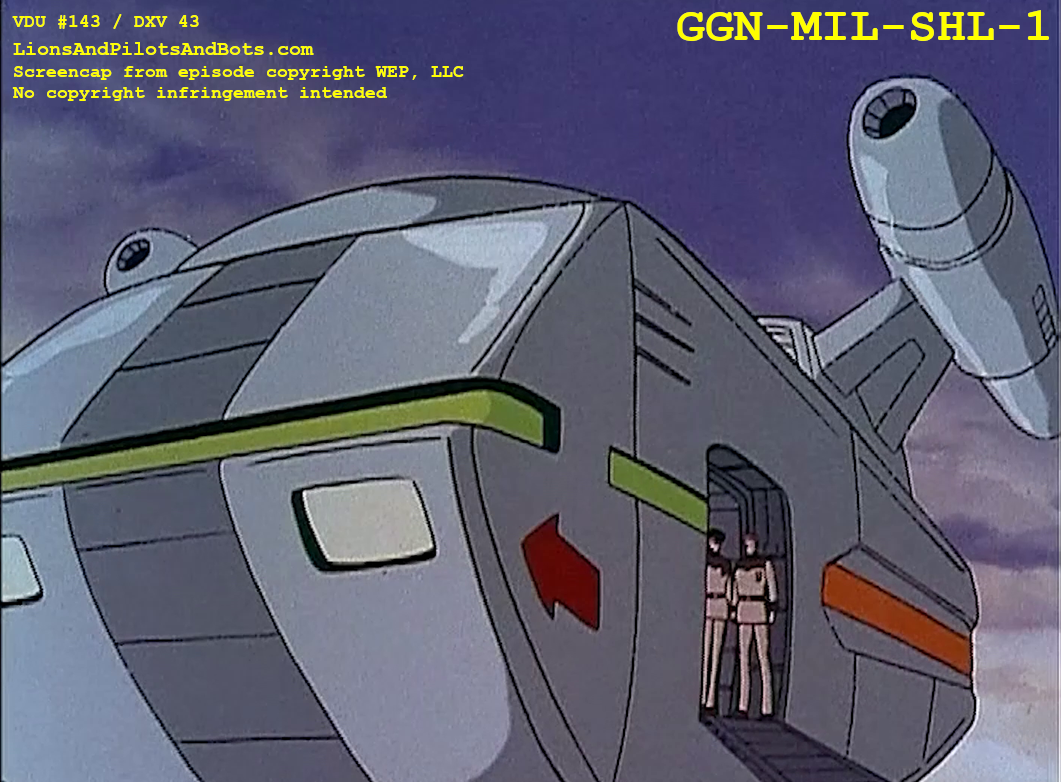
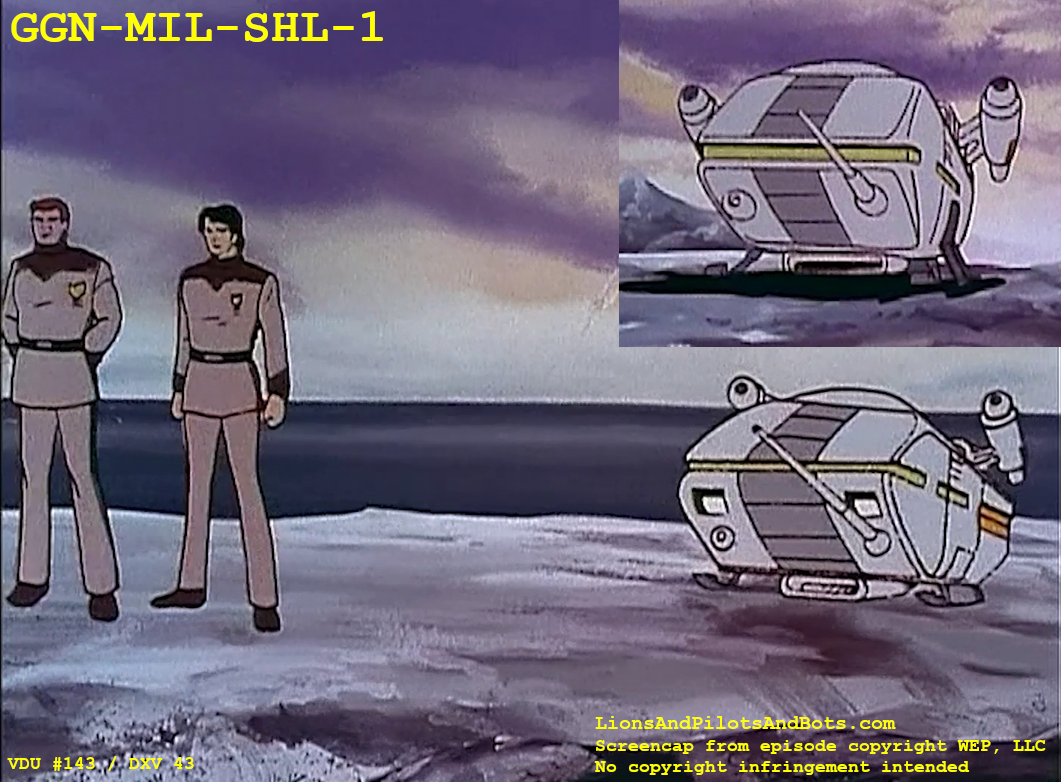
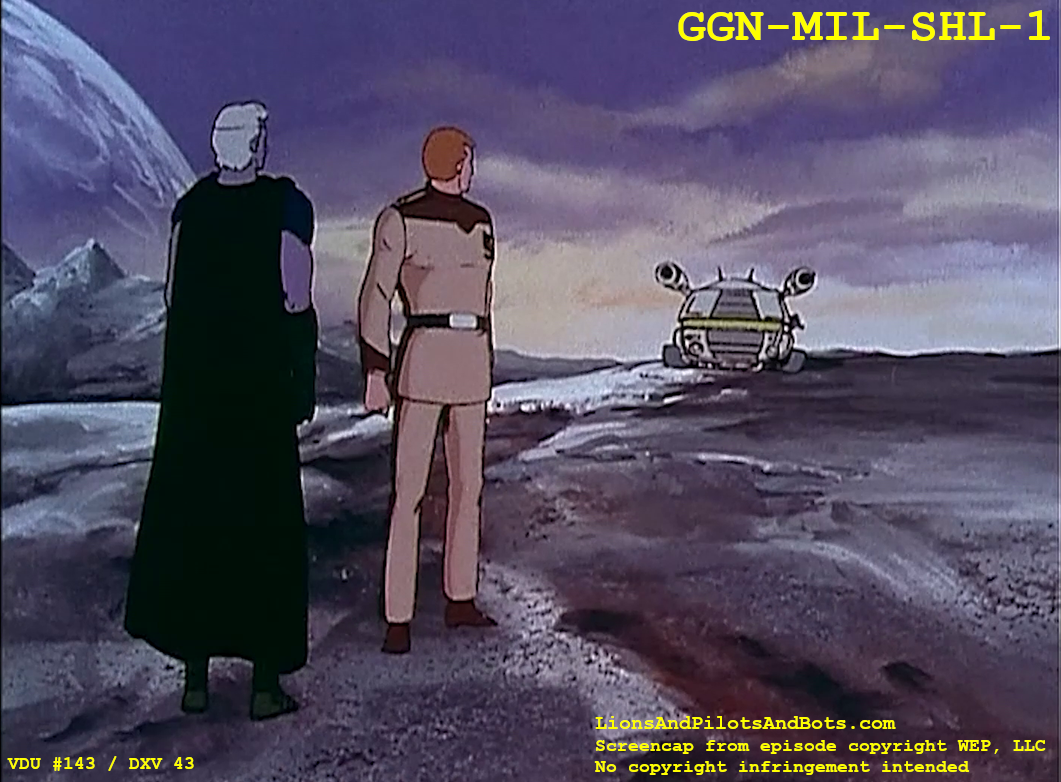
GGN-MIL-SHL-1
Shuttles of this type are employed by larger, near-universe Galaxy Garrison spacecraft, such as the Stellar Ship Explorer.
 |  |  |
 |  |  |
 |  |  |
 |  |  |
 |  |  |
 |  |  |
 |  |  |
 |  |  |
 |  |  |
 |  |  |
 |  |  |
 |  |  |
 |  | |
 |  |  |
Return to Vehicle Types – Summary Information
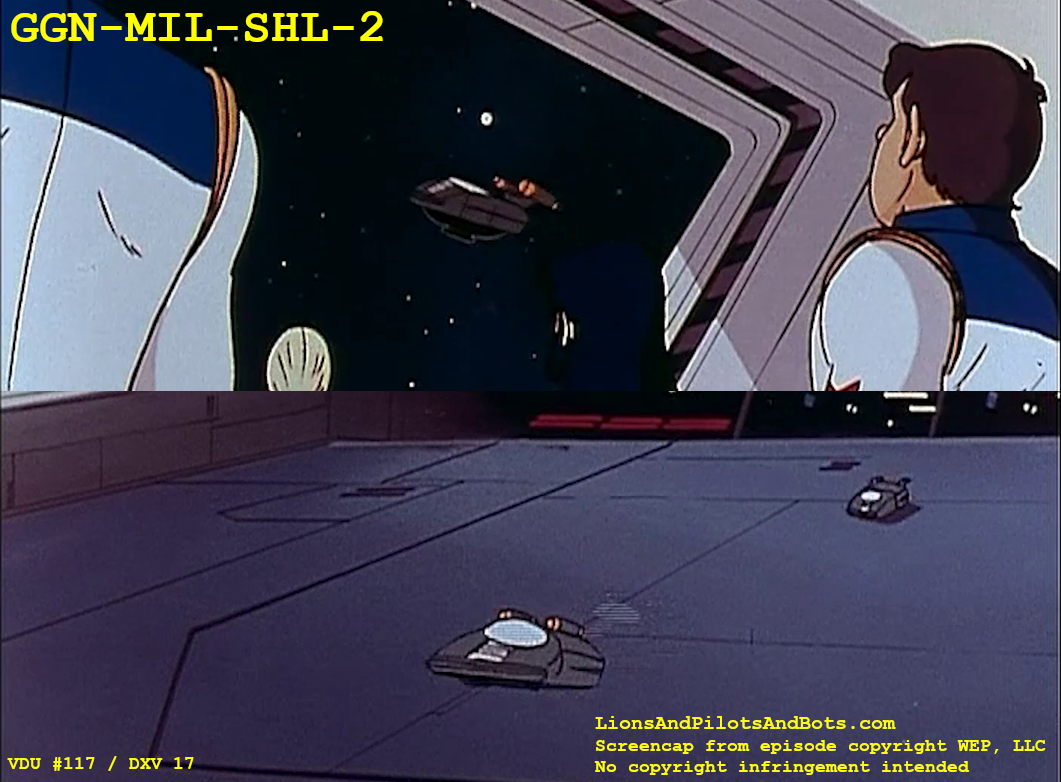
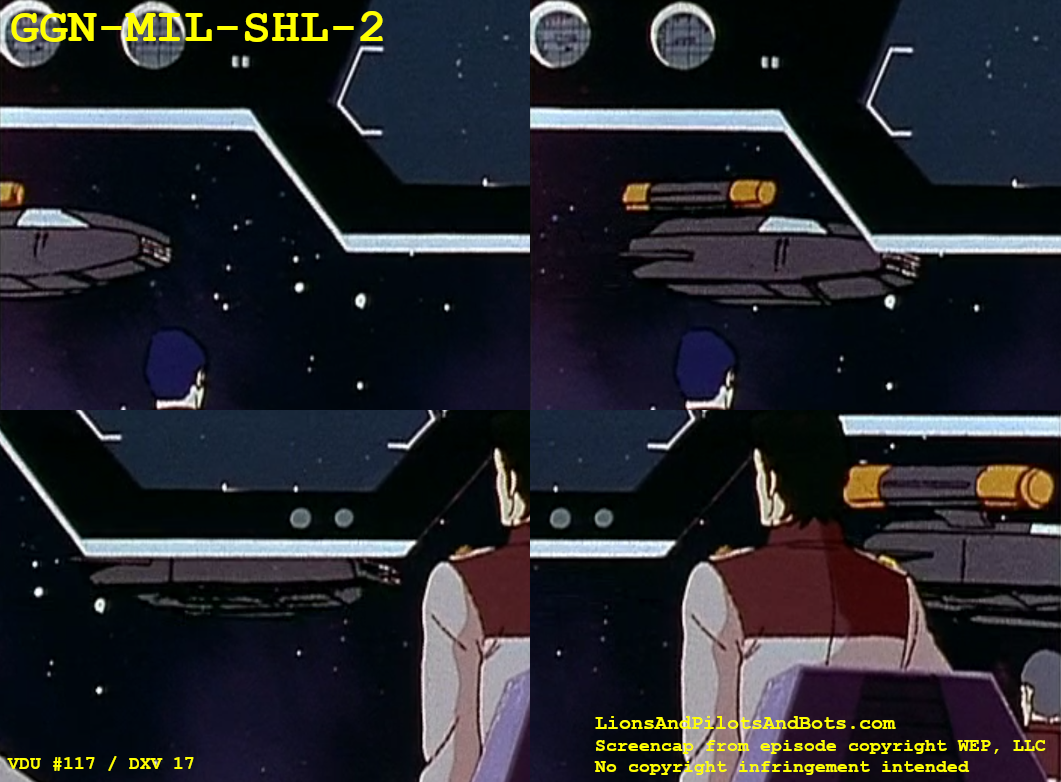
GGN-MIL-SHL-2
This rarely seen shuttle type is used by the Stellar Ship Explorer. A shuttle of this type transports Captain Newley from the Explorer after he is reassigned.
 | |  |
Return to Vehicle Types – Summary Information
Military – Helicopter (MIL-CPT)
GGN-MIL-CPT-1
|
Return to Vehicle Types – Summary Information
GGN-MIL-CPT-2
|
Return to Vehicle Types – Summary Information
GGN-MIL-CPT-3
 | |  |
 |
Return to Vehicle Types – Summary Information
GGN-MIL-CPT-4
|
Return to Vehicle Types – Summary Information
GGN-MIL-CPT-5
|
Return to Vehicle Types – Summary Information
GGN-MIL-CPT-6
|
Return to Vehicle Types – Summary Information
Military – Hover Car (MIL-HCAR)
GGN-MIL-HCAR-1
|
Return to Vehicle Types – Summary Information
Military – Hover Lift (MIL-HLFT)
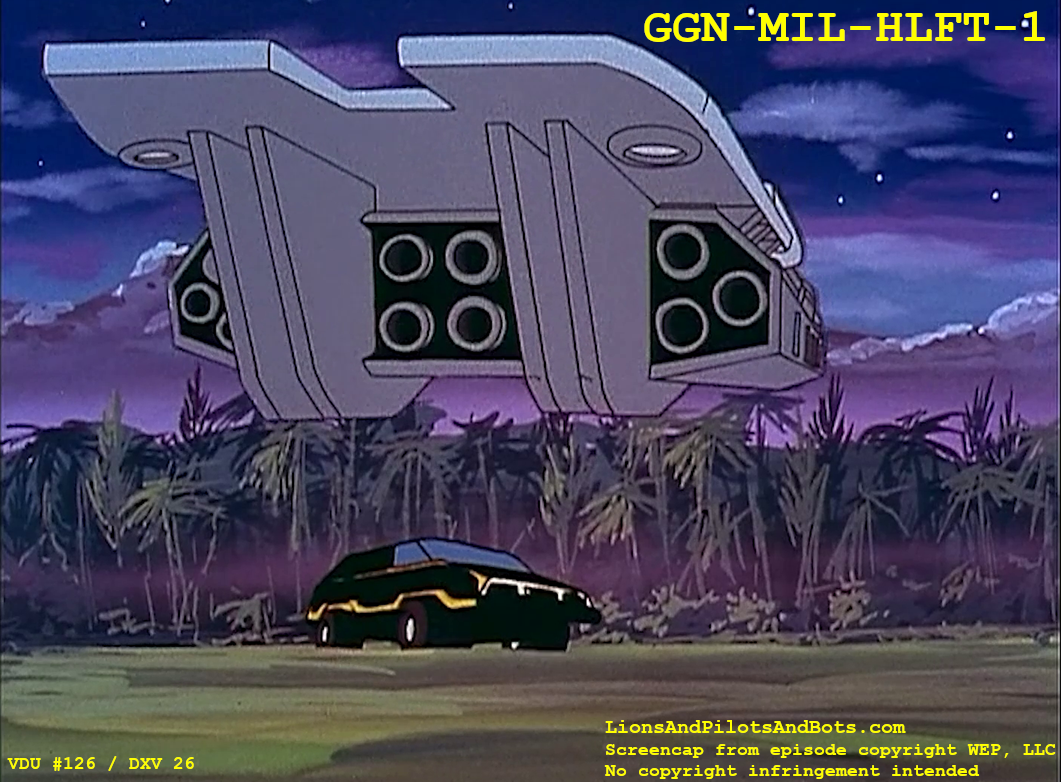
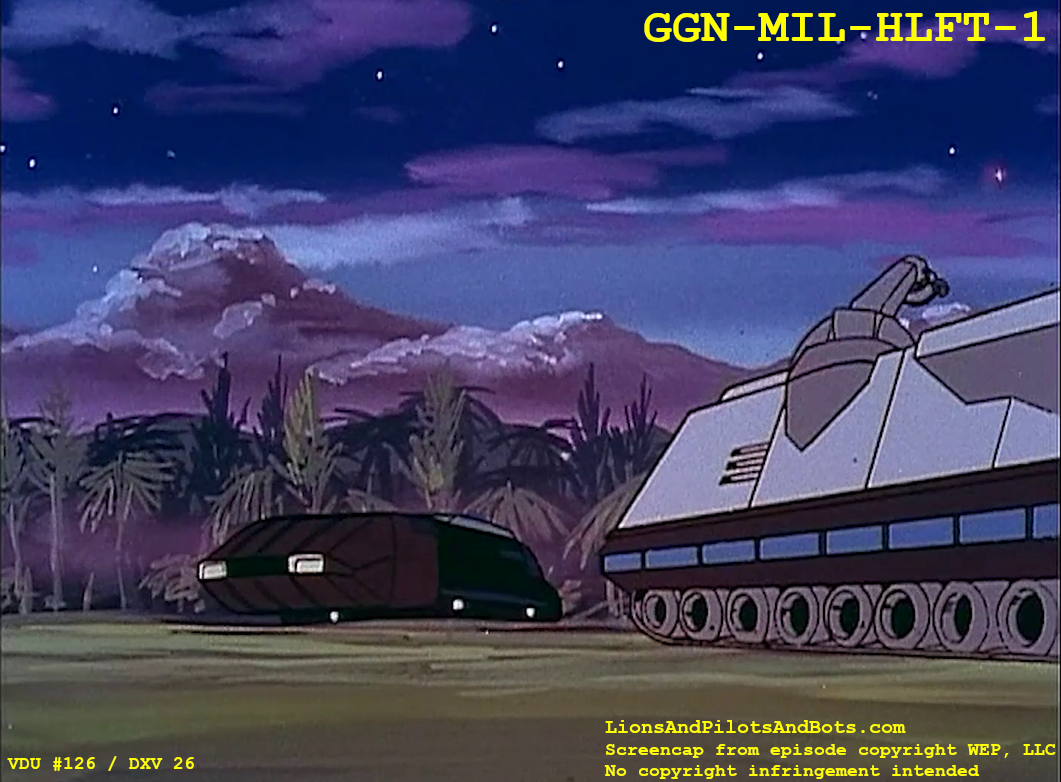
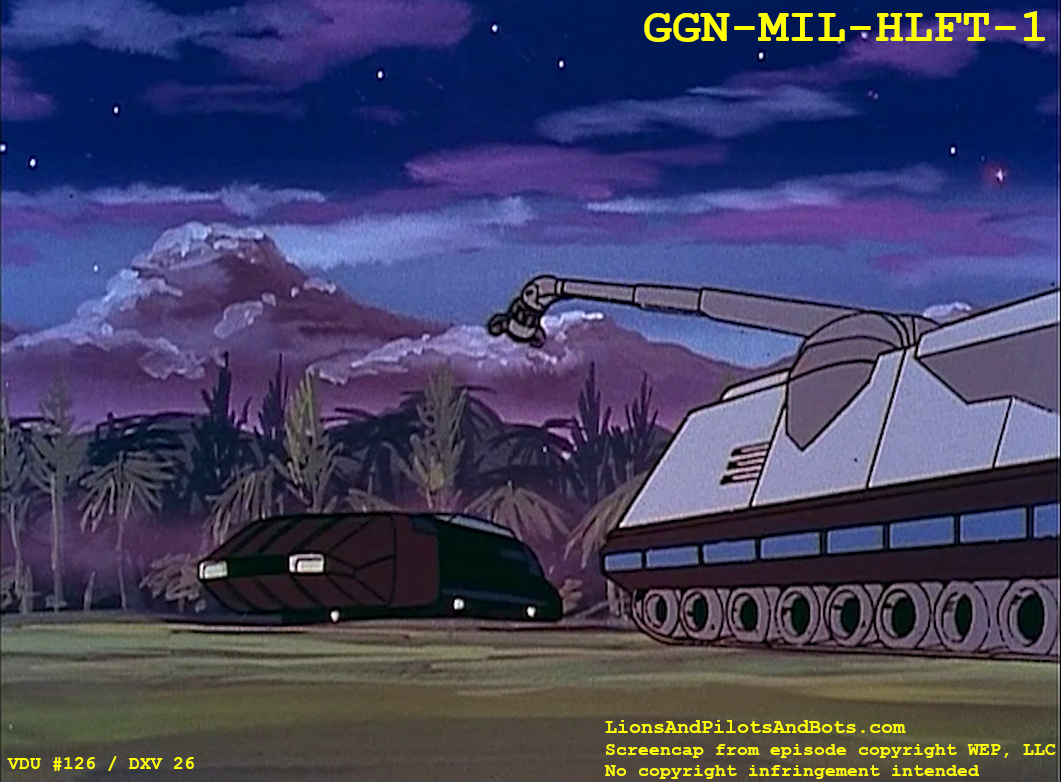
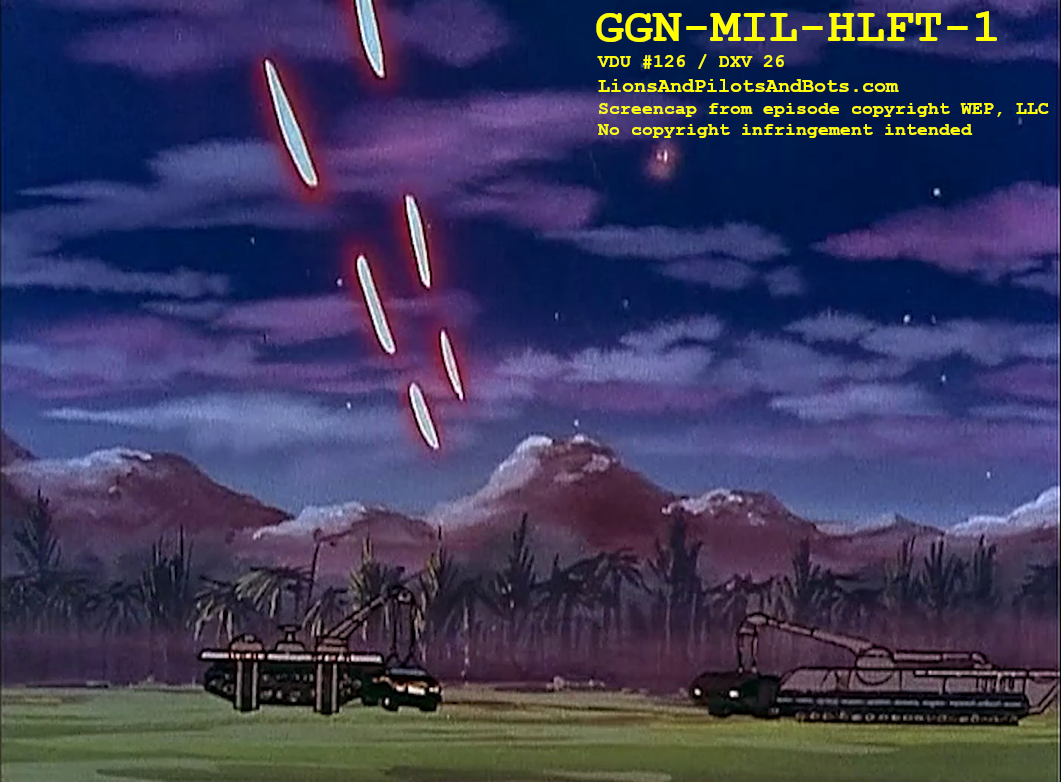
GGN-MIL-HLFT-1
 |  |  |
 |  |  |
|  |  |
 |  |
Return to Vehicle Types – Summary Information
GGN-MIL-HLFT-2
 |  |  |
|  |  |
Return to Vehicle Types – Summary Information
Military – Motorcycle (MIL-MOCY)
GGN-MIL-MOCY-1
 | |  |
 |  |  |
 |
Return to Vehicle Types – Summary Information
Military – Repair Platform (MIL-REPP)
GGN-MIL-REPP-1
|
Return to Vehicle Types – Summary Information
Military – Rescue (MIL-RESC)
GGN-MIL-RESC-1
|
Return to Vehicle Types – Summary Information
Military – Boat (MIL-BT)
GGN-MIL-BT-1
|  |
Return to Vehicle Types – Summary Information
Military – Submersible (MIL-SUB)
GGN-MIL-SUB-1
 |  |  |
|
Return to Vehicle Types – Summary Information
Military – Construction – Bucket Truck (MIL-CON-BKT)
GGN-MIL-CON-BKT-1
|
Return to Vehicle Types – Summary Information
Military – Construction – Crane (MIL-CON-CRN)
GGN-MIL-CON-CRN-1
|
Return to Vehicle Types – Summary Information
GGN-MIL-CON-CRN-2
|
Return to Vehicle Types – Summary Information
GGN-MIL-CON-CRN-3
|
Return to Vehicle Types – Summary Information
Military – Construction – Bulldozer (MIL-CON-DZR)
GGN-MIL-CON-DZR-1
 |  |  |
|
Return to Vehicle Types – Summary Information
Military – Construction – Excavator (MIL-CON-EXR)
GGN-MIL-CON-EXR-1
 | |
Return to Vehicle Types – Summary Information
GGN-MIL-CON-EXR-2
|
Return to Vehicle Types – Summary Information
Military – Construction – Lift (MIL-CON-LFT)
GGN-MIL-CON-LFT-1
 |  | |
 |  |
Return to Vehicle Types – Summary Information
Civilian – Ground Car (CIV-GCAR)
GGN-CIV-GCAR-1
 | |  |
 |  |
Return to Vehicle Types – Summary Information
GGN-CIV-GCAR-2
|
Return to Vehicle Types – Summary Information
GGN-CIV-GCAR-3
|
Return to Vehicle Types – Summary Information
GGN-CIV-GCAR-4
|
Return to Vehicle Types – Summary Information
GGN-CIV-GCAR-5
|
Return to Vehicle Types – Summary Information
GGN-CIV-GCAR-6
|
Return to Vehicle Types – Summary Information
GGN-CIV-GCAR-7
|
Return to Vehicle Types – Summary Information
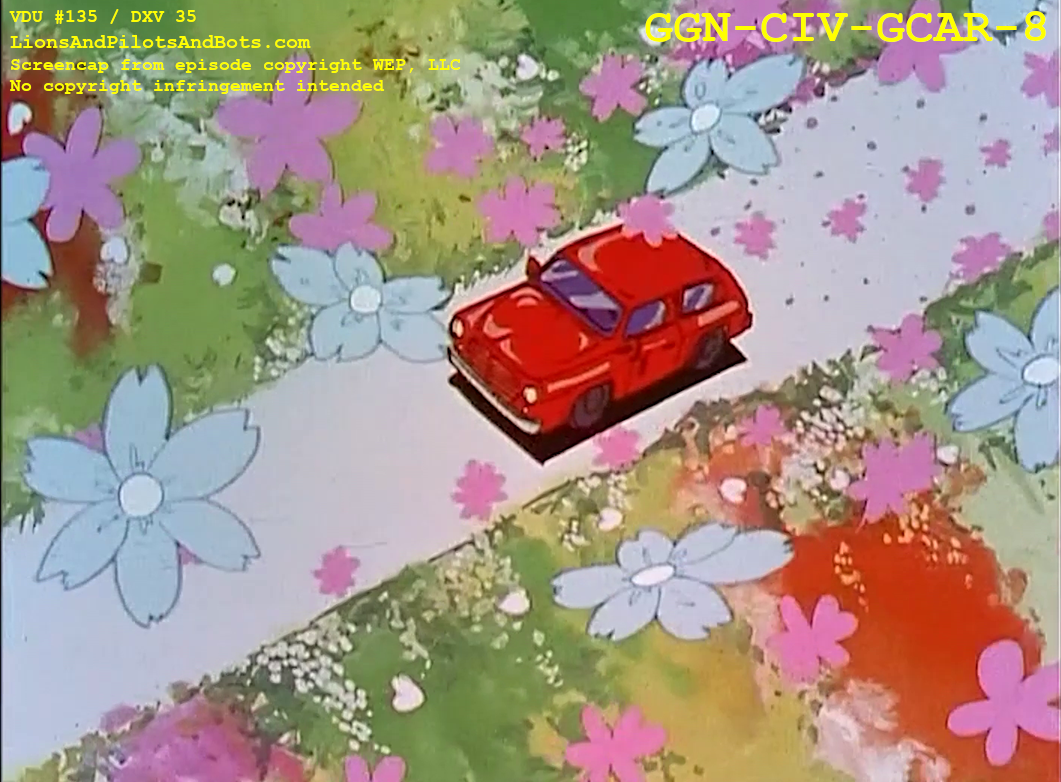
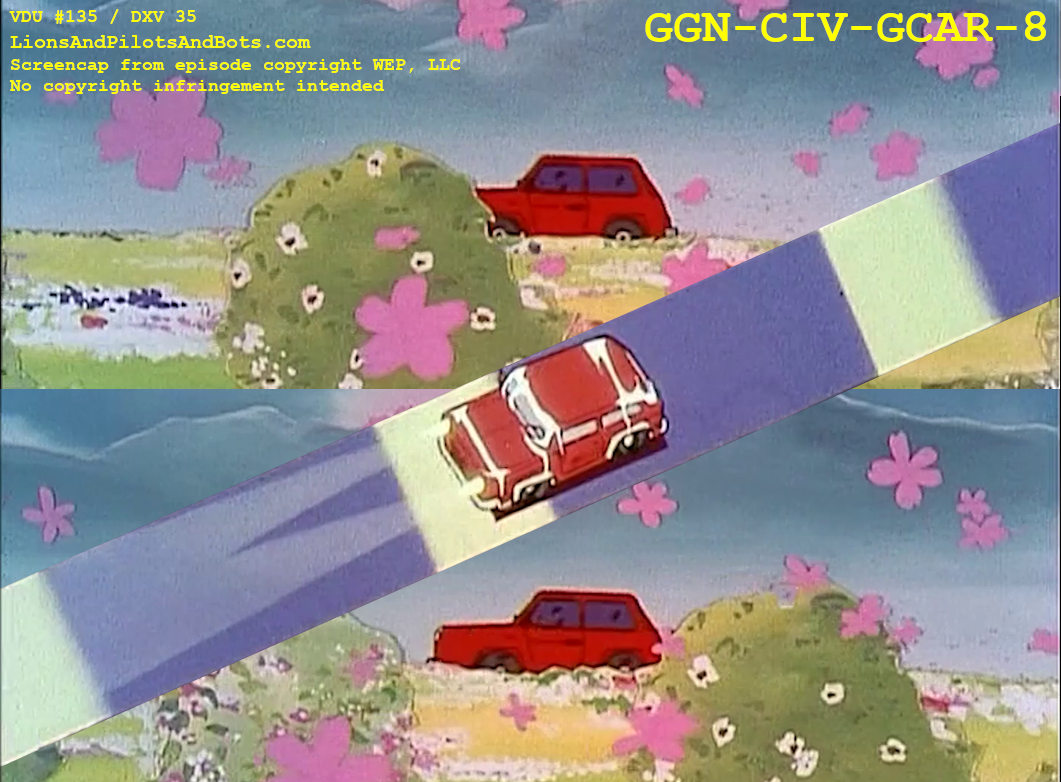
GGN-CIV-GCAR-8
A car of this type was featured in one of Chip’s dreams.
 | |  |
Return to Vehicle Types – Summary Information
GGN-CIV-GCAR-9
|
Return to Vehicle Types – Summary Information
Civilian – Hover Car (CIV-HCAR)
GGN-CIV-HCAR-1
This hover car was seen in a large wall ad within Galaxy Garrison Headquarters.
|
Return to Vehicle Types – Summary Information
Civilian – Boat (CIV-BT)
GGN-CIV-BT-1
|
Return to Vehicle Types – Summary Information
Civilian – Farm (CIV-FARM)
GGN-CIV-FARM-1
|
Return to Vehicle Types – Summary Information
Conclusion
ARMORED FLEET DAIRUGGER XV contained over 60 “minor” vehicle designs for Galaxy Garrison alone. The more I study the program, the more I appreciate how much VOLTRON benefited from this variety of impressive artwork.
Future LionsAndPilotsAndBots… Dot Com articles will examine even more designs from VOLTRON: DEFENDER OF THE UNIVERSE.